
 United StatesJFK
 MexicoMEX
 BrazilGRU
 ArgentinaEZE
 ChileSCL
 ColombiaBOG
 PeruLIM
 PanamaPTY
 Costa RicaSJO
 Dominican RepublicPUJ
 JamaicaMBJ
 BahamasNAS
 BarbadosBGI
 United KingdomLHR
 IrelandDUB
 FranceCDG
 GermanyFRA
 NetherlandsAMS
 BelgiumBRU
 SwitzerlandZRH
 AustriaVIE
 ItalyFCO
 SpainMAD
 PortugalLIS
 GreeceATH
 TurkeyIST
 DenmarkCPH
 SwedenARN
 NorwayOSL
 FinlandHEL
 PolandWAW
 Czech RepublicPRG
 HungaryBUD
 IcelandKEF
 United Arab EmiratesDXB
 QatarDOH
 Saudi ArabiaRUH
 IsraelTLV
 EgyptCAI
 MoroccoCMN
 South AfricaJNB
 KenyaNBO
 NigeriaLOS
 IndiaDEL
 PakistanLHE
 Sri LankaCMB
 SingaporeSIN
 MalaysiaKUL
 ThailandBKK
 VietnamSGN
 PhilippinesMNL
 IndonesiaCGK
 Hong KongHKG
 ChinaPVG
 TaiwanTPE
 JapanHND
 South KoreaICN
 AustraliaSYD
 New ZealandAKL
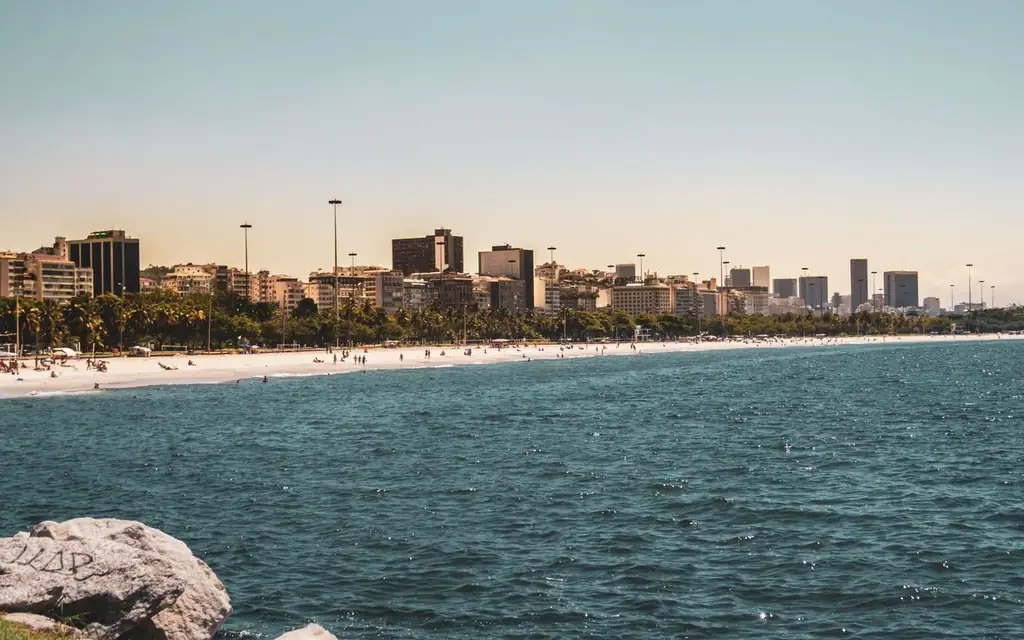
Copacabana is not a single attraction with a gate. It is a long crescent of sand with an avenue, Avenida Atlântica, running along it, and with the beach divided into numbered lifeguard posts. Locals give directions by post: Posto 2, Posto 4, Posto 6. A visitor who learns that one convention has understood most of the logistics, because the drop-off, the meeting point and the walk all hang on it.
A Copacabana Beach private tour with driver is therefore less about a destination and more about a plan: where the car stops, which end of the beach you want, what you do between airport arrival and the first swim, and when the avenue closes to traffic. This guide covers those points, and the one night of the year when the rules change completely.
What is Copacabana Beach, and what does a visit involve?
Copacabana is Rio de Janeiro's best-known beach, about 4 km long, with Avenida Atlântica and a patterned black-and-white promenade behind it. A visit means walking the seafront, sitting on the sand or at a kiosk, and seeing the Forte de Copacabana and the Copacabana Palace.
The promenade's wave pattern was laid out in the 1970s to a design by the landscape architect Roberto Burle Marx. At the south end the beach runs into the rocks of Arpoador, and at the north end it meets Leme. The Copacabana Palace hotel stands on Avenida Atlântica near the middle of the beach, and the Forte de Copacabana sits at the southern end of the strand. There is no ticket to the sand itself, so the question is practical: how to arrive, where to stand and how to leave.
Copacabana Beach private tour with driver: choosing the right post
Because the beach is long, the drop-off point matters. The ends are very different from each other. Near Posto 2, at Praça do Lido, the official Corcovado van has a boarding point, and the area around it is a busy mix of hotels, kiosks and bus stops. The southern end near the fort is quieter and more residential, and the northern end near Leme is calmer in the early morning.
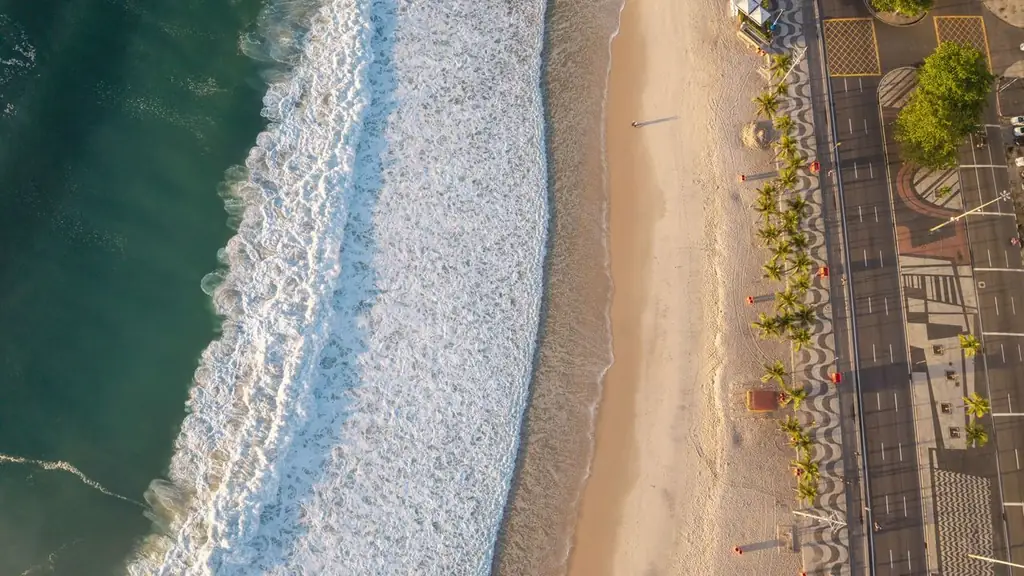
Tell the desk the name of your hotel or the post you want, and the chauffeur will use the side streets behind the avenue instead of the main drag, which is often congested and has no space to stop. Avenida Atlântica is a busy seafront avenue with reversible lanes and limited stopping, and double-parked cars, buses and delivery vehicles slow it further. A short walk from the next street back is usually faster than waiting at the curb.
Getting there from Galeão and Santos Dumont
Santos Dumont, the domestic airport on the bay, is about 8 to 11 km (5 to 7 mi) from Copacabana, a drive of roughly 11 to 25 minutes depending on traffic. Galeão, the international airport, is further, about 20 to 25 km (12 to 16 mi), and the drive takes 35 minutes to more than an hour depending on the time of day and the route. The tunnel connections between the center and the south zone are the bottlenecks, and an accident or road work in one tunnel affects all the others.
With flight tracking on the pickup, the driver adjusts for a delayed arrival. Ask for a name board in arrivals if you want one, with an alias on the board for privacy. If you land after a long overnight flight, ask the desk for a direct transfer to the hotel with luggage handled by the front desk, since early check-in is rarely guaranteed and hotels will usually hold bags.
A shoreline route, post by post
The easiest way to see the beach is to walk part of it and let the car meet you at the other end. A reasonable stretch runs from Posto 2 at Praça do Lido toward the fort at the southern end, a distance of a few kilometers along the promenade that takes one to two hours with stops. The route passes the Copacabana Palace and the rows of kiosks, and ends at the fort, where the beach merges into the rocks at Arpoador.
| Section | What is there | Practical note |
|---|---|---|
| Leme end | Quieter sand, morning walkers | Calmer start to the day |
| Posto 2, Praça do Lido | Hotels, kiosks, official van boarding point | Busy; a good meeting point |
| Mid-beach | Copacabana Palace and the main promenade | Crowded at weekends |
| Southern end | Forte de Copacabana and the rocks toward Arpoador | Quieter; check the fort's hours on its own channels |
Walk on the promenade, not along the avenue, and keep to the side away from the cycle lane. If you are heading to Arpoador for sunset, the car can drop you at the end of the strand, and you can walk back.
New Year's Eve: when the avenue closes
Copacabana hosts one of the world's largest New Year's Eve gatherings, and the city sets vehicle rules that change how you reach the beach. For the 2025 to 2026 edition, the city's operational plan barred private cars and ride-hailing apps from 19:00 on December 31, let taxis and buses circulate until 21:00 and blocked vehicles from the neighborhood completely from 21:00 until 05:00 on January 1, except on the seafront. The metro ran a special operation with a boarding pass, and the stage in front of the Copacabana Palace carried the main shows. The fireworks lasted about 12 minutes and were fired from 19 barges along the seafront.
The plan for the 2026 to 2027 night has not been published as of mid-October 2026, so check the city prefeitura's announcements. If you are staying in the neighborhood, you can plan to be inside the closure zone by late afternoon. If you are staying elsewhere, the driver will drop you at the edge of the closed area and collect you from the same point, and the walk in and out is long and crowded. Reserve early for that evening, because supply is limited.
The beach day: water, sun and etiquette
Copacabana is an urban beach with strong sun and, at times, strong surf. Swim near a lifeguard post and obey the flags, since rip currents are a real risk on this coast. Use sunscreen and drink water, because the kiosks sell drinks, coconut water and snacks but the sun is intense between late morning and mid-afternoon. Leave valuables in the hotel safe and carry only what you need, using a waterproof pouch for a phone and some cash. Chairs and umbrellas can be rented from the kiosks, and you should agree the terms before sitting.
Sundays and holidays bring the biggest crowds, and the promenade fills with walkers, cyclists and vendors. The city sometimes closes lanes of the seafront for events and weekend leisure, so a driver who has been told your plan can adjust the pickup point by a block or two.
Plan the day around the weather rather than the clock. Early morning is the coolest and quietest period, midday is for shade and lunch at a kiosk, and late afternoon brings softer light and a walk toward Arpoador. If cloud or a cold front keeps the water empty, the promenade and the Forte de Copacabana are still worth the trip, and the driver can rearrange the order of the day when you message.
Evenings on the avenue
After dark the seafront changes character. The restaurants and bars behind the avenue fill, and the promenade is busy until late. It is a place for a stroll, but late at night visitors should use a car to move between the beach and the hotel instead of walking dark side streets, and keep phones out of sight. A chauffeur is a driver, not a security service, and we do not provide armed drivers or bodyguards; clients with their own security team can have the car work alongside it.
Early mornings and the Arpoador end
The beach is at its best early. Walkers, runners and cyclists use the promenade from first light, the kiosks are setting up and the sand is empty enough to see the shape of the bay. If you have jet lag, an early walk is the gentlest way to start the stay. At the southern end, the rock of Arpoador separates Copacabana from Ipanema, and locals gather there at sunset, so the two beaches combine into one outing of a few kilometers. A car can leave you at the Copacabana end, collect you at Ipanema and carry on to dinner, with the route agreed in advance so that the driver is not parked in a no-stopping lane.
Business travelers and discretion
Copacabana is also a base for corporate visitors, with long-established hotels on the avenue and meeting rooms within a short drive. Corporate accounts can be invoiced monthly, and the desk handles itineraries that combine airport transfers, meetings across the city and evening events. Our drivers keep client details private: no photographs, no posts about trips, alias bookings and NDAs on request. For a delegation, an Executive Sprinter seats a larger group in one vehicle, and the exact model is confirmed at booking.
Executives often ask whether the beach itself is a place for a car. It is not: the car stops on the street, and the sand is for walking. The value of the chauffeur is on the roads around it, in the airport transfers and in the evening runs when taxis are scarce and the avenue is closed.
Staying on the avenue: luggage and hotel arrival
Many hotels on Avenida Atlântica have a short drop-off lane, and some are on the quieter parallel street behind the beach. The front desk at a seafront hotel will help with bags, and a chauffeur will stop as close as the traffic allows. If your hotel is on a side street, tell the desk, because the route in from the airport changes. Early arrivals should expect to leave luggage at the desk and walk to the sand while the room is prepared.
Comparing ways to reach and move around Copacabana
| Mode | Journey | Price note | Who it suits |
|---|---|---|---|
| Metro to Cardeal Arcoverde or Siqueira Campos | Fast across the city | Lowest | Solo travelers and daytime visits |
| Bus along Avenida Atlântica | Variable | Low | Short hops with no luggage |
| Taxi or ride-hailing | 11 to 25 minutes from Santos Dumont | Metered or surge-priced | Independent travelers |
| Private chauffeur | Door to door from either airport | Fixed fare, quoted in the booker | Groups, bags, New Year's Eve |
| Walking the promenade | Free | Free | Everyone, in daylight |
The metro is the best value if you are traveling without bags, and it avoids the avenue traffic altogether. The chauffeur is better with luggage, with children, after an overnight flight and on the one night of the year when the roads are closed.
Pairing the beach with Rio's other sights
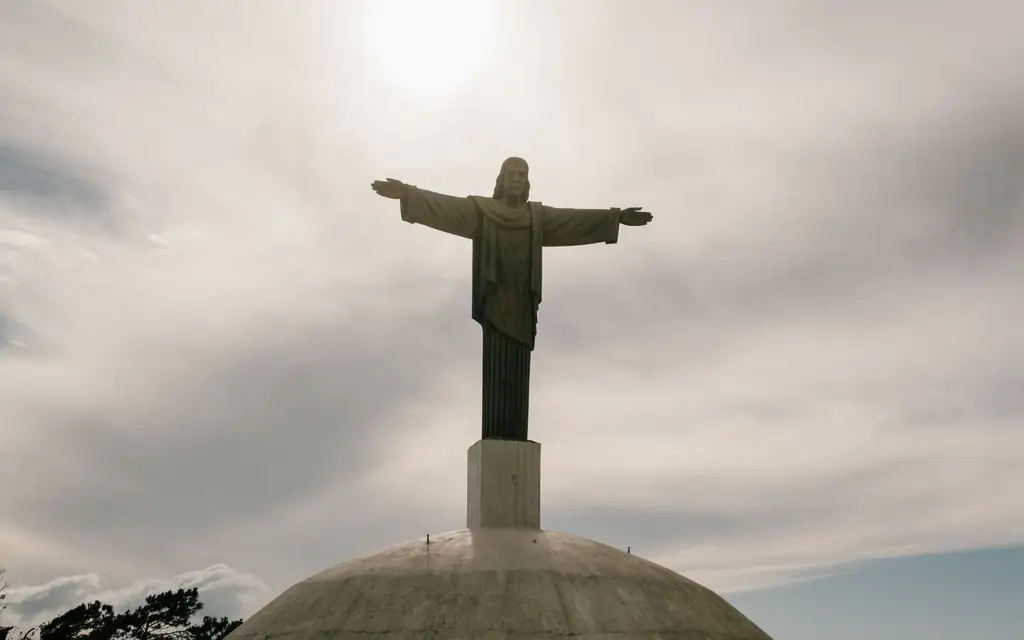
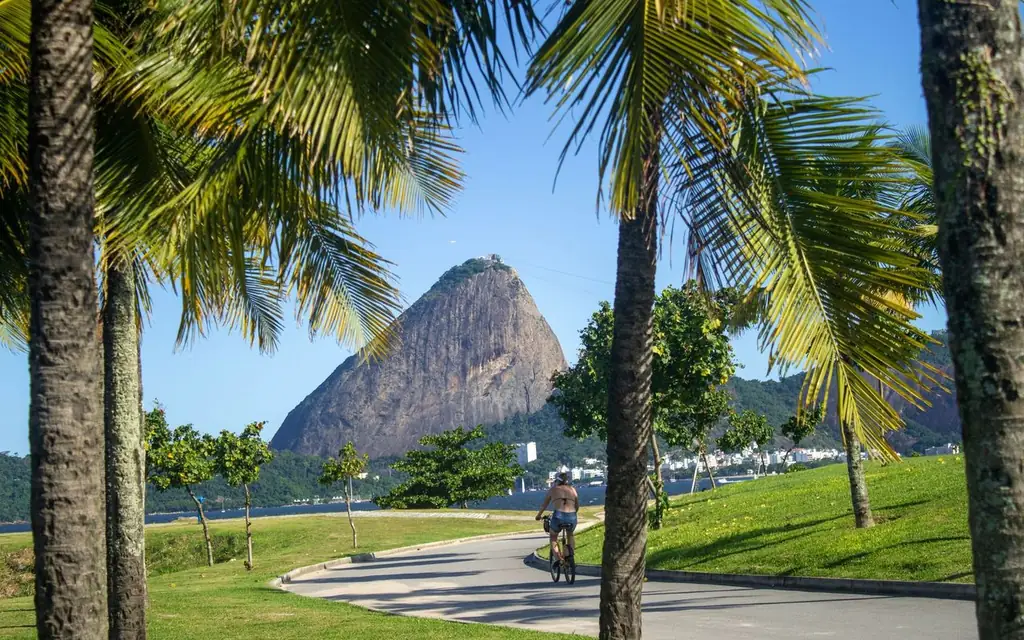
Copacabana sits between the two big viewpoints. Christ the Redeemer is about 6 to 8 km (4 to 5 mi) away at Cosme Velho, and the official van leaves from Praça do Lido on the beach itself. Sugarloaf Mountain is 6 to 7 km (4 mi) away in Urca. A beach morning, a lunch and an afternoon at one viewpoint is a comfortable day. For another coastal city in the same region, the guide to Punta del Este covers Uruguay's beach resort.
Multi-stop days are laid out on the private tours with driver page, neighboring destinations sit on the regional destinations page, and the airports we serve are indexed on the airports hub. The desk behind every booking is open 24 hours. The car and driver come from a vetted, licensed and commercially insured Rio operator in our directory, and you receive one confirmation and one invoice.
For official information, see the city's New Year's Eve operational plan, the Paineiras Corcovado van boarding points and UNESCO's Rio de Janeiro Carioca Landscapes listing.
Frequently asked questions
How far is Copacabana from Rio's airports?
Santos Dumont is about 8 to 11 km (5 to 7 mi), roughly 11 to 25 minutes. Galeão is about 20 to 25 km (12 to 16 mi), 35 minutes to over an hour.
Where can a car drop me off on Copacabana Beach?
Avenida Atlântica has limited stopping, so drivers often use the side streets behind it. Name your hotel or the post you want to the desk.
What are the lifeguard posts?
Numbered posts along the beach used for directions, such as Posto 2 at Praça do Lido. Swim near a post and obey the flags.
Can I drive on New Year's Eve in Copacabana?
In the 2025 to 2026 plan, private cars and ride-hailing were barred from 19:00 and vehicles were blocked in the neighborhood from 21:00 to 05:00. Check the city's plan for the current year.
Is Copacabana safe?
It is busy, and normal city precautions apply. Keep valuables out of sight, avoid dark side streets at night and use a car in the evening.
How long should I spend on the beach?
A walking stretch takes one to two hours, and a beach day can fill an afternoon. Add a viewpoint for a full day.
Which metro stations serve Copacabana?
Cardeal Arcoverde and Siqueira Campos are among the stations on the Copacabana line. Check the metro's own map for the nearest to your hotel.
Can the driver wait on Avenida Atlântica?
Stopping on the avenue is limited. The driver waits on a side street or circles back when you message, so agree a pickup point instead of a waiting spot.
What should I bring for a day on Copacabana Beach?
Sunscreen, water, a hat, a waterproof pouch for your phone and a little cash. Leave other valuables in the hotel safe. Chairs and umbrellas can be rented from the kiosks, so agree the terms before you sit down.