 United StatesJFK
 MexicoMEX
 BrazilGRU
 ArgentinaEZE
 ChileSCL
 ColombiaBOG
 PeruLIM
 PanamaPTY
 Costa RicaSJO
 Dominican RepublicPUJ
 JamaicaMBJ
 BahamasNAS
 BarbadosBGI
 United KingdomLHR
 IrelandDUB
 FranceCDG
 GermanyFRA
 NetherlandsAMS
 BelgiumBRU
 SwitzerlandZRH
 AustriaVIE
 ItalyFCO
 SpainMAD
 PortugalLIS
 GreeceATH
 TurkeyIST
 DenmarkCPH
 SwedenARN
 NorwayOSL
 FinlandHEL
 PolandWAW
 Czech RepublicPRG
 HungaryBUD
 IcelandKEF
 United Arab EmiratesDXB
 QatarDOH
 Saudi ArabiaRUH
 IsraelTLV
 EgyptCAI
 MoroccoCMN
 South AfricaJNB
 KenyaNBO
 NigeriaLOS
 IndiaDEL
 PakistanLHE
 Sri LankaCMB
 SingaporeSIN
 MalaysiaKUL
 ThailandBKK
 VietnamSGN
 PhilippinesMNL
 IndonesiaCGK
 Hong KongHKG
 ChinaPVG
 TaiwanTPE
 JapanHND
 South KoreaICN
 AustraliaSYD
 New ZealandAKL
How do I book a Tokyo private driver or chauffeur service?
Enter your pickup, destination, date and vehicle class in the online booker and you see the exact fixed fare before you confirm. A licensed Tokyo operator from our directory is assigned, flight tracking starts for airport pickups, and our worldwide desk stays reachable 24/7.
LimousineWorldwideDirectory.com does not run a fleet in Japan. We run a 24/7 booking desk, and every Tokyo ride is delivered by a vetted, licensed and commercially insured local chauffeur operator from our worldwide directory. You get one booking, one confirmation, one invoice and one point of contact, whether the job is a single Haneda arrival or a week of meetings between Marunouchi and Roppongi.
Tokyo rewards a driver who knows the city. The metropolitan area is enormous, the street grid is irregular, many addresses are reached by landmark instead of by street name, and the elevated expressway system decides whether a 12 km trip takes 25 minutes or an hour. A Tokyo private driver who has done the Haneda to Akasaka run a thousand times simply makes better decisions at the junctions.
Haneda or Narita: which Tokyo airport are you using?
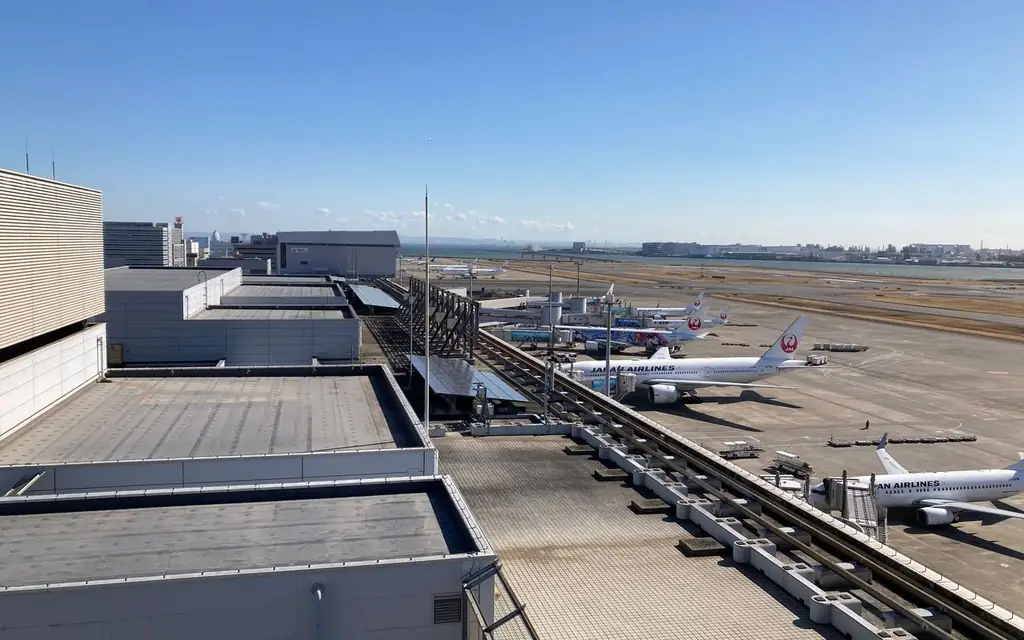
Tokyo has two major international airports and they are very different propositions for a car transfer. Haneda (HND) sits on the bay in Ota ward, about 15 km (9 mi) from Tokyo Station and Ginza. A daytime run to central Tokyo is typically 25 to 45 minutes. The airport has Terminal 1, Terminal 2 and Terminal 3, and the Haneda access page lists international arrivals at Terminal 2 and Terminal 3, so confirm the terminal with your airline. Our dedicated page is Haneda chauffeur service.
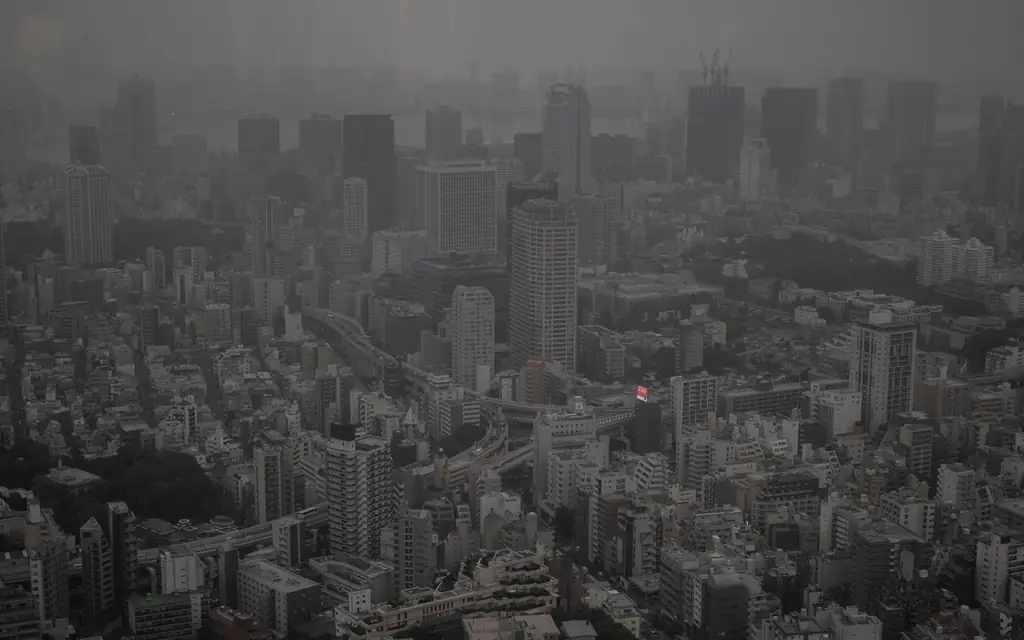
Narita (NRT) lies in Chiba prefecture, about 65 km (40 mi) east of central Tokyo. The drive is typically 60 to 90 minutes, longer in the evening peak, and the airport runs three terminals, with Terminal 1 and Terminal 2 about a five-minute walk from their rail stations and Terminal 3 about ten minutes from the Terminal 2-3 station, according to the Narita Airport rail access page. Narita is where many long-haul flights from the United States, Canada and Europe still land, so it matters for this audience.
Moving between the two airports by road is about 80 km (50 mi) and 90 minutes to two hours. If your itinerary connects them, say so at booking and allow a generous buffer.
How do you get from Tokyo's airports to the city?
The honest answer is that rail is excellent here and often the right choice for a light traveler. A private driver earns its place when you carry luggage, travel as a group, arrive late at night, or have a meeting within an hour of landing.
| Option | Typical time to central Tokyo | Cost note | Best for |
|---|---|---|---|
| Keisei Skyliner or Narita Express from Narita | About an hour to Nippori, Ueno, Tokyo, Shinagawa, Shibuya or Shinjuku, depending on service | Lowest | Solo travelers with one bag who sleep on the train |
| Tokyo Monorail or Keikyu line from Haneda | Roughly 20 to 35 minutes to Hamamatsucho, Shinagawa or beyond | Lowest | Light luggage, daytime arrivals |
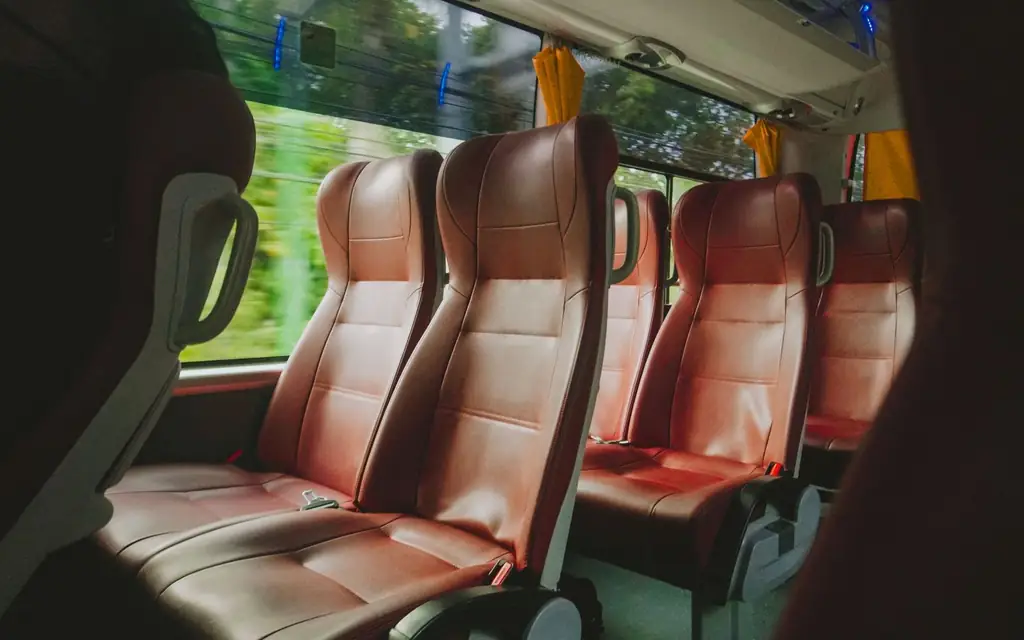
| Limousine bus | 60 to 90 minutes, route dependent | Low, fixed | Travelers staying at a hotel served by a bus stop |
| Metered taxi | 30 to 50 minutes from Haneda; 70 to 100 from Narita | Metered, rises with distance and night surcharges | One-off trips without advance planning |
| Private chauffeur, booked in advance | Same road time as a taxi, no queue | Fixed fare via the booker | Groups, heavy bags, late arrivals, executives, families with children |
For a single traveler with a carry-on landing at Haneda at noon, the train usually beats the car on both time and cost. A chauffeur wins when luggage, children, a late arrival or a tight meeting makes the walk to the platform the weakest link.
What does a Tokyo airport pickup look like?
Every airport pickup comes with flight tracking, so a delayed arrival at Haneda or Narita moves the driver with it. Free waiting is 60 minutes after landing on international arrivals and 30 minutes on domestic flights. Customs and immigration at either airport can add time, which is why the clock starts at landing, not at your scheduled slot.
You can add a name-board meet-and-greet inside arrivals. An alias on the board keeps your name private. Without a board, the driver messages you the vehicle position and plate once you clear customs. Details on this service are on our meet and greet page, and the general process for terminal pickups is on the airport car service page.
Where is everything in Tokyo? A driver's map of the districts
Think of central Tokyo as a ring road of ideas rather than a grid. The Imperial Palace grounds sit in the middle, and the main business and hotel districts radiate around them.
- Marunouchi, Otemachi and Nihonbashi hold Tokyo Station, the major banks and many headquarters. Cars use the tight lanes around the station, so pickups are agreed to a specific entrance.
- Ginza is the shopping and hotel core, about 2 km (1.2 mi) from Tokyo Station. Traffic is slow at lunch and heavy on Friday nights.
- Akasaka, Roppongi and Toranomon are the embassy, hotel and finance belt, about 5 km (3 mi) from Tokyo Station.
- Shibuya, Harajuku and Aoyama are the fashion and tech districts on the Yamanote line's western side.
- Shinjuku has a dense cluster of high-rise hotels, and the lanes around its station are some of the hardest places in the city to wait.
- Asakusa, Ryogoku and Skytree form the eastern shitamachi side, where old streets and new towers sit together.
- Odaiba and Toyosu are the bayside districts with exhibition halls, Tokyo's cruise and ferry piers and the teamLab venue.
- Shinagawa is a rail and hotel hub on the southern side, ten to fifteen minutes from Haneda on a quiet road.
The official GO TOKYO guide groups the city the same way, by central, eastern, western, southern and northern areas, and is a good place to confirm what is where before you plan a day.
How does driving in Tokyo work for a visitor?
Traffic keeps to the left. Raised toll expressways, called Shuto Expressway, cut across the city and often save time, though an accident or a rain event can turn them into a car park; the quote in the booker tells you what is included. Parking is scarce and expensive, and many hotel entrances have a small porte-cochere that handles one or two cars at a time, which is why a driver circling the block is normal.
Several practical points shape a day:
- Addresses. Japanese addresses are based on districts and blocks, not street names. Send the hotel name and, where you can, a map pin, so the driver does not guess.
- Narrow lanes. Neighborhoods like Asakusa, Kagurazaka and parts of Roppongi have lanes where a Mercedes-Benz V-Class works and an oversized vehicle does not. We say so at booking when a large vehicle will not suit the final stretch.
- Rush hours. Weekday mornings from about 7:30 to 9:30 and evenings from 5 to 7 slow the expressways and the central surface roads.
- Etiquette. Drivers expect no tip. Tipping is not part of Japanese service culture, and a sincere thank-you is the courtesy.
Which Tokyo attractions are best reached by private car?
Tokyo's attractions each have a different arrival logic. We have written a visitor guide for the ones where logistics make the difference:
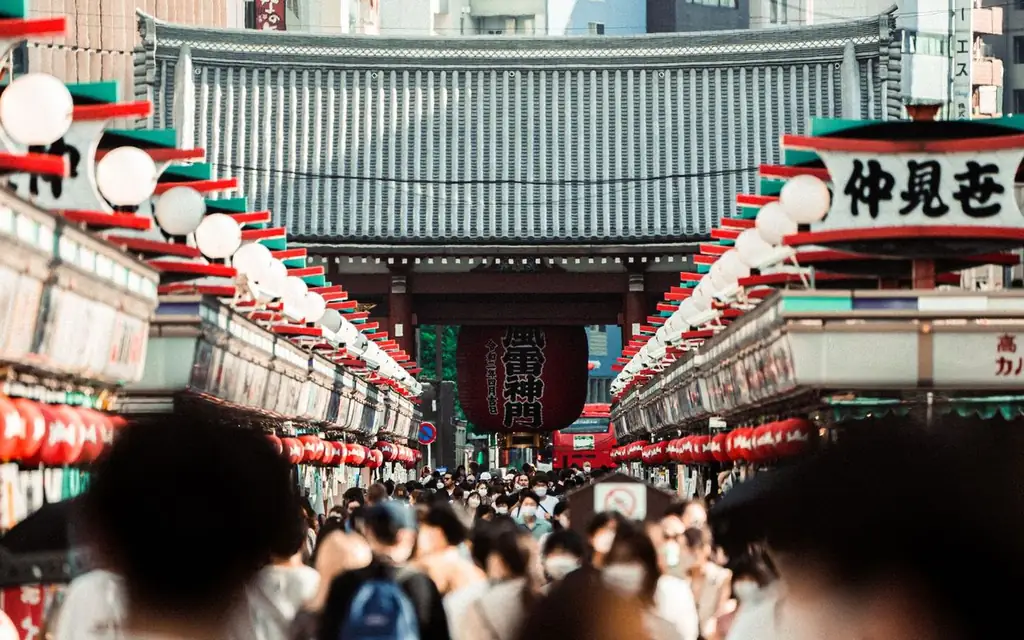
- Senso-ji in Asakusa: the approach through Kaminarimon is on foot, so the car waits on the perimeter.
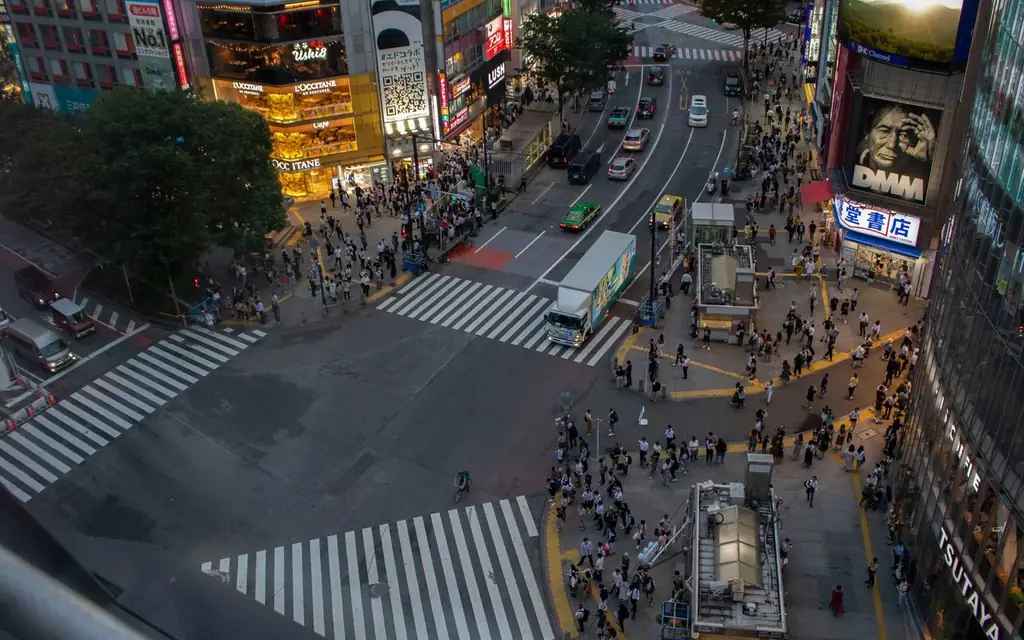
- Shibuya Crossing: a viewing-point plan matters more than the crossing itself.
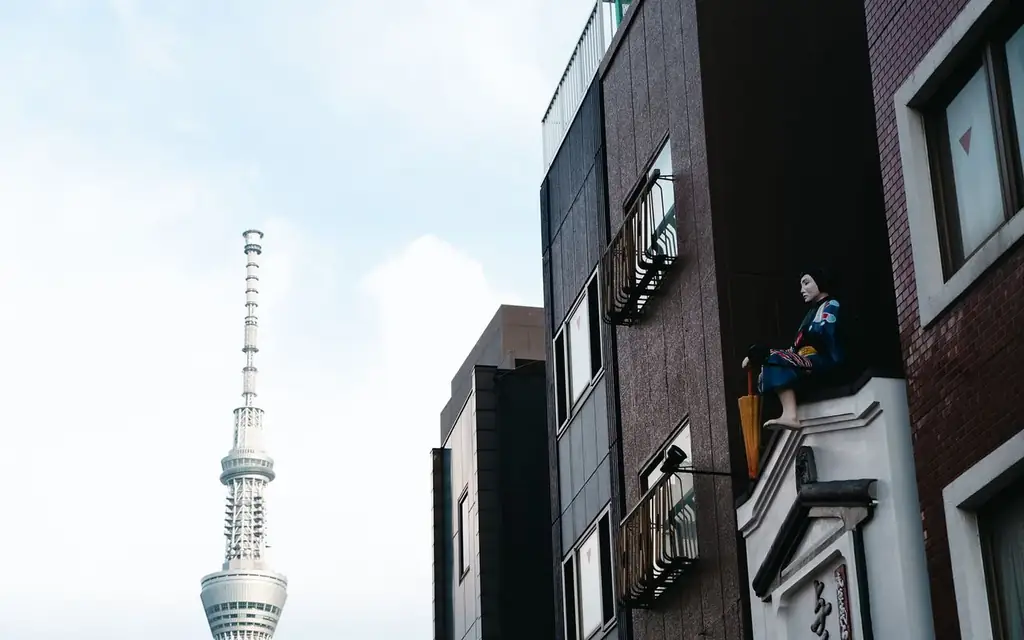
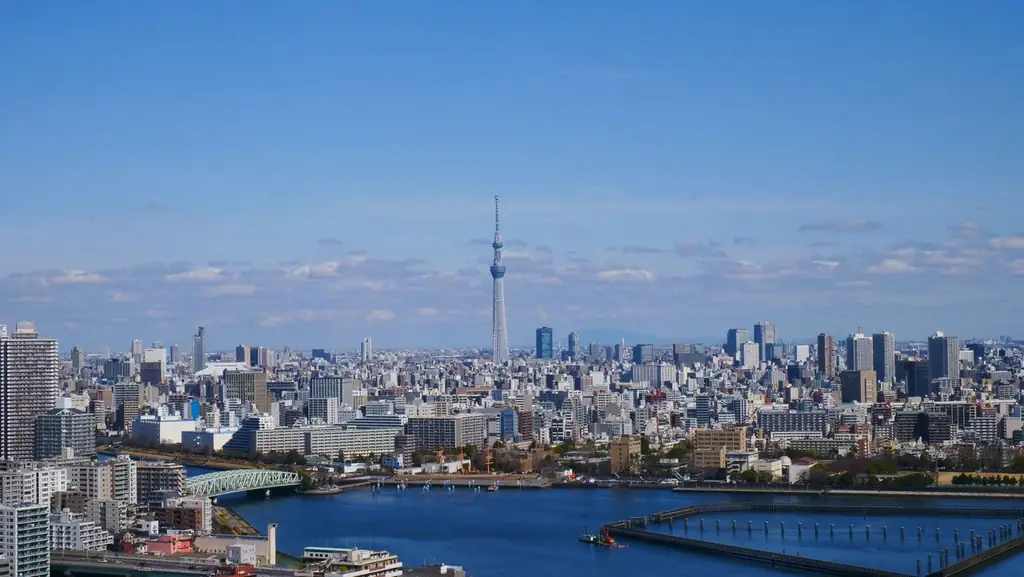
- Tokyo Skytree: a straightforward drop at the tower's base on the eastern side.
- Meiji Jingu: the forested shrine beside Harajuku, entered from a gate on foot.
- teamLab Planets: the immersive art venue in Toyosu, with timed entry managed by the venue.
- Tokyo Disney Resort: in Urayasu, Chiba, about 15 km (9 mi) from Tokyo Station, a 25 to 45 minute drive.
For a full day that stitches several together, see our private tours with driver page and the wider attractions directory.
What are the best day trips by car from Tokyo?
Japan's rail network is superb, but a car wins when you want several stops, flexible timing or a rest from crowds. Distances below are typical road distances, and drive times depend on expressway conditions.
| Destination | Distance by road | Typical drive | Train or car? |
|---|---|---|---|
| Yokohama | About 30 km (19 mi) | 40 to 60 minutes | Train is faster to Minato Mirai; car suits luggage and groups |
| Kamakura | About 55 km (34 mi) | 1 to 1.5 hours | Car is better for the shrine and temple loop |
| Hakone and the Fuji area | About 90 km (56 mi) to Hakone | 1.5 to 2.5 hours | Car for multi-stop; our Mount Fuji and Hakone guide covers the loop |
| Nikko | About 140 km (87 mi) | 2 to 3 hours | Car or the direct Tobu train; car allows an early start |
| Osaka and Kyoto | About 500 km (310 mi) to Osaka | 5.5 to 7 hours | Take the Shinkansen; a car only makes sense for a luggage-heavy group |
If you are going to Nikko, our Nikko Toshogu guide explains the shrine complex and how to time the climb. For the Kansai region, see Osaka Castle and Dotonbori. Being straight about it: for Tokyo to Osaka, the bullet train is the better tool, and we will tell you so.
Cruise, rail and event transfers in Tokyo
Tokyo and neighboring Yokohama both receive cruise ships, and the pier you use depends on the line and the itinerary. Our cruise transfers page describes how we time pickups around disembarkation, and the cruise ports hub lists the ports we cover. For rail arrivals at Tokyo Station, Shinagawa or Ueno, read train station transfers and the train stations hub.
Tokyo's big public events are mostly seasonal. Sumo's Grand Tournaments are usually held at Ryogoku in January, May and September, and the city's cherry-blossom weeks in late March and early April draw heavy foot and vehicle traffic. Our events hub and event transportation page help you plan the logistics, and the conferences hub covers business meetings.
Business travel, HNWI clients and discretion
Tokyo is a heavy corporate-travel city. We offer corporate accounts with monthly invoicing, and our corporate car service page describes how a company books many travelers under one account. Executives who want a driver across a multi-day schedule can use hourly chauffeur service, and families or principals who need extra discretion are covered on the HNWI and family-office chauffeur page.
Chauffeurs do not photograph clients or post about trips; NDAs are signed on request and alias bookings are routine. We are a chauffeur service, not a security company: no armed drivers and no bodyguards, and we work alongside a client's own security team.
Which vehicle should I choose in Tokyo?
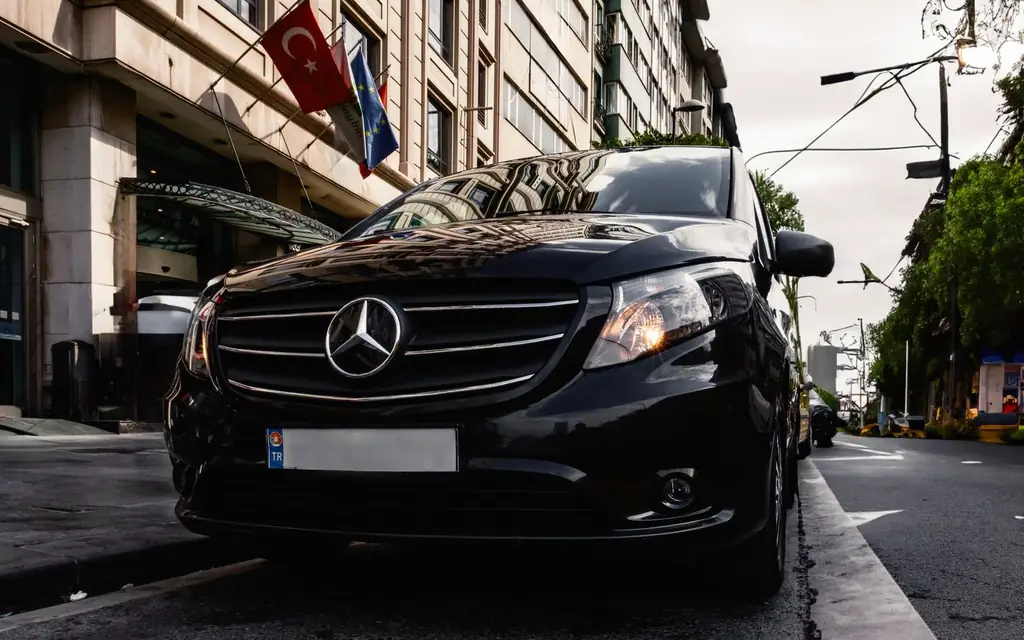
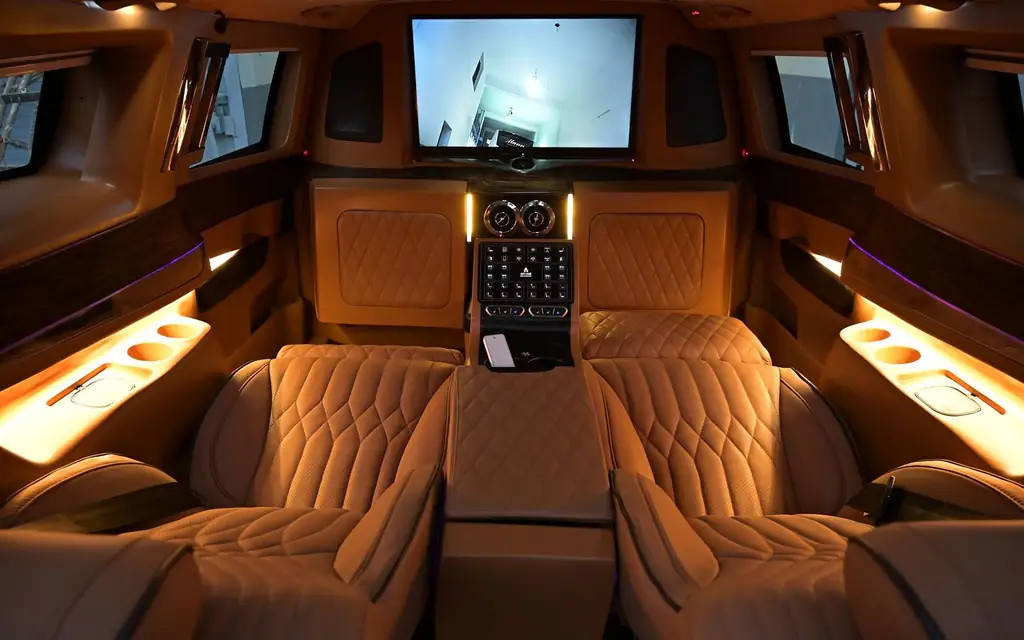
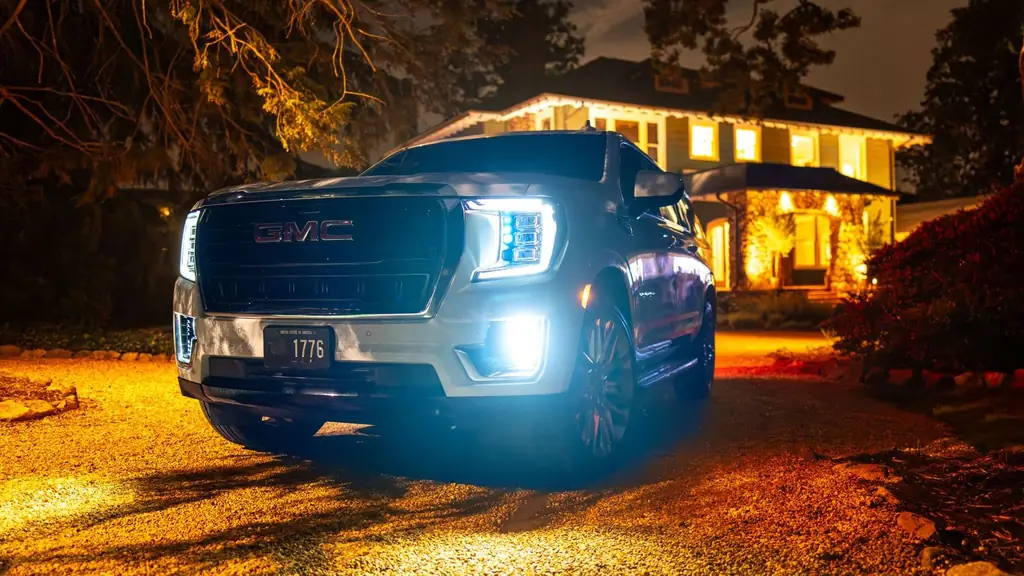
In Tokyo, vehicles are usually Mercedes-Benz E-Class and S-Class sedans and V-Class vans, along with large SUVs and Sprinter-class vans for groups. The standard classes are below, always "or similar", with the exact model confirmed at booking.
| Class | Typical model | Seats and bags | When it works in Tokyo |
|---|---|---|---|
| Executive Sedan | Mercedes-Benz E-Class or similar | Up to 3 passengers, 2 large and 2 cabin bags | Business transfers, narrow hotel entrances |
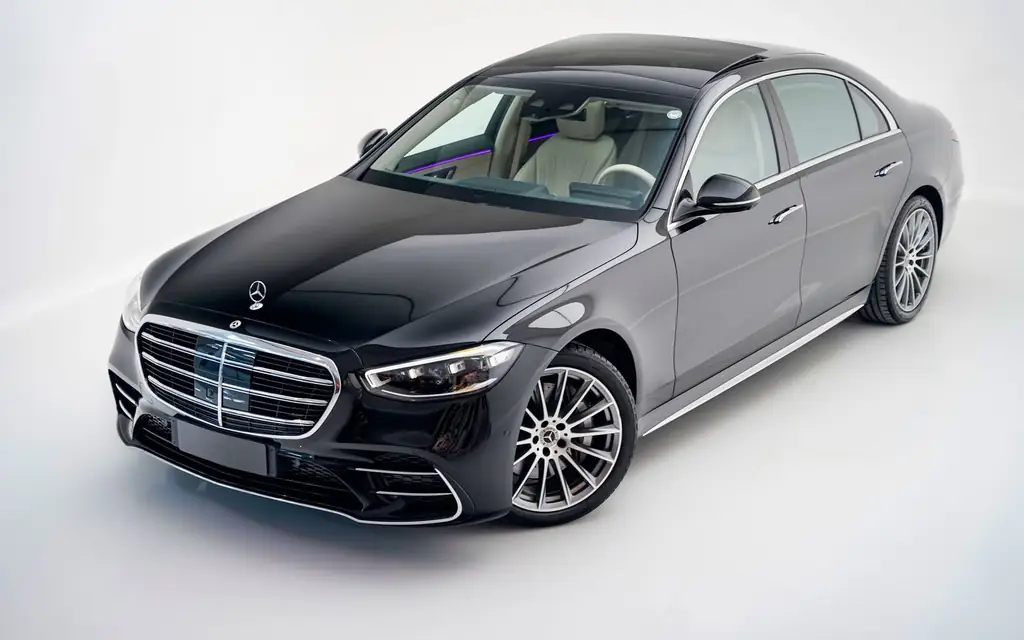
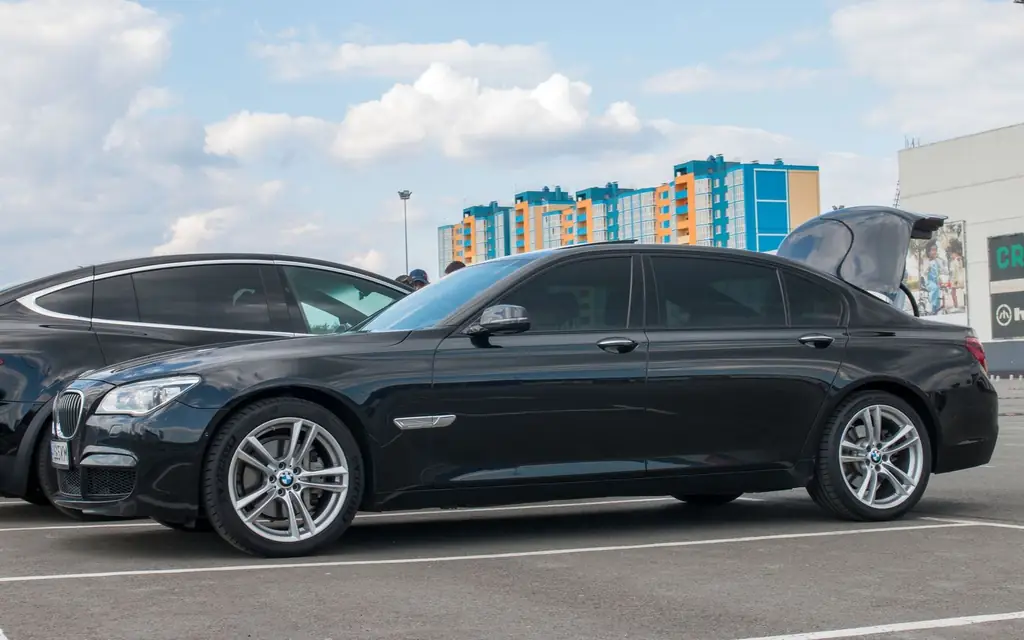
| First Class Sedan | Mercedes-Benz S-Class, BMW 7 Series or similar | Up to 3 passengers, 2 large and 2 cabin bags | Executives and VIP arrivals |
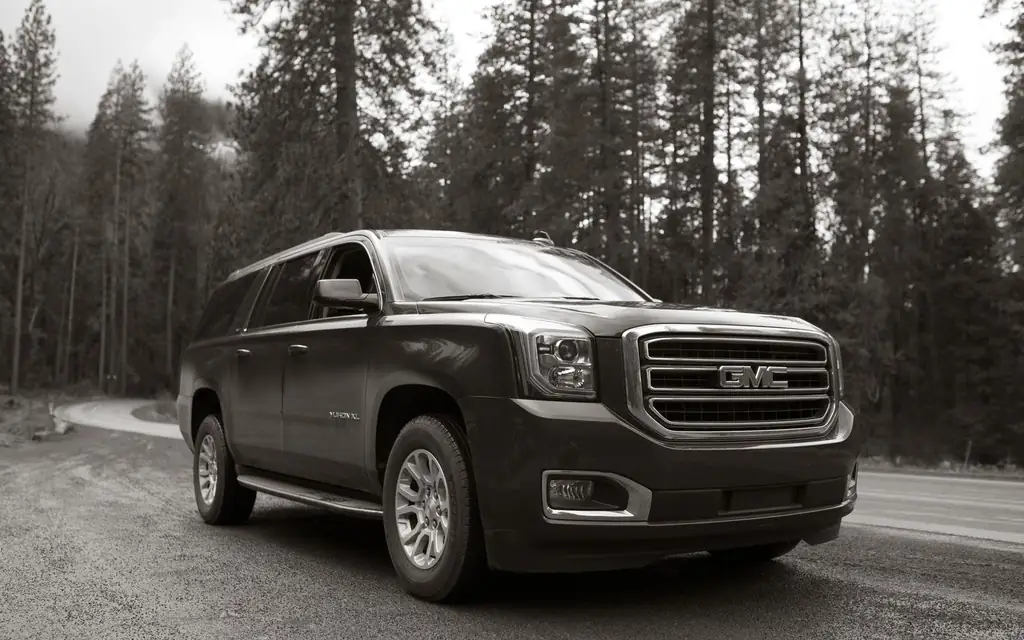
| Luxury SUV | Large SUV or similar | Up to 6 passengers, 5 to 6 large bags | Families and heavy luggage |
| Executive Sprinter | Mercedes-Benz Sprinter | Up to 12 to 14 passengers, 12 bags | Delegations and group tours |
Maybach, Rolls-Royce and Bentley are available on request, with availability confirmed at booking. Browse the fleet for the full list. Every vehicle is late-model, fully maintained and inspected, and none is more than four model years old, except Rolls-Royce, Bentley and Maybach, which may be up to seven. Child, toddler and booster seats can be requested at booking, and most vehicles carry water and phone chargers.
What should I know about entry rules and planning?
Japan's official tourism body, JNTO, says visitors need a valid passport, that many nationalities travel without a visa for stays of 90 days or less, and that Visit Japan Web registration is optional but speeds up some procedures; read the details on the JNTO visa page and check the Ministry of Foreign Affairs list for your passport. Rules change, so confirm before you fly.
Tourist offices and tourism boards can book chauffeur services for their visitors with LimousineWorldwideDirectory.com through a trade account; see the Asia-Pacific tourist offices page. Travel agents, DMCs and hotel concierges can open the same kind of account, described on our travel trade page.
Cancellation is straightforward: more than 72 hours' notice has no charge; 72 hours or less is 10%; 48 hours or less is 50%; 24 hours or less or a no-show is 100%, measured from the scheduled pickup time. Large events may carry a different cancellation deadline, which the confirmation states.
Planning a longer Asia trip? Our Asia-Pacific directory lists the other cities, including Seoul, Hong Kong and Singapore.
Frequently asked questions
How far is Haneda Airport from central Tokyo by car?
Haneda is about 15 km (9 mi) from Tokyo Station and Ginza. A daytime transfer is typically 25 to 45 minutes, longer in the evening peak or after an expressway accident.
How far is Narita Airport from Tokyo by car?
Narita is about 65 km (40 mi) east of central Tokyo, usually 60 to 90 minutes by car depending on the time of day and the expressway. If you have a business meeting, build in a buffer for immigration and customs at the airport.
Can I hire a private driver in Tokyo for a full day?
Yes. Book an hourly or day chauffeur, give the driver the full list of stops, and the booker gives a fixed fare for the plan. The driver can propose a sensible order and flag places where a car cannot wait. See hourly chauffeur service.
Do Tokyo chauffeurs speak English?
Our desk works in English 24/7 and communicates the plan to the Tokyo operator. Language ability varies by driver, so ask for an English-speaking driver at booking and we will note it on the confirmation.
Is it worth taking a car instead of the train in Tokyo?
For one traveler with light luggage, the train is usually faster and lower in cost. A car is worth it for groups, heavy bags, late arrivals, children or tight schedules, and for day trips such as Hakone or Nikko that include several stops.
Can a Tokyo chauffeur take me to Mount Fuji or Hakone?
Yes. Hakone is about 90 km (56 mi) and usually 1.5 to 2.5 hours from central Tokyo, and the Fuji area is a little further. Seasonal road conditions and viewing weather affect the plan, so read our Mount Fuji and Hakone guide first.
Do I need to tip a driver in Japan?
Tipping is not part of Japanese service culture, and drivers do not expect it. A sincere thank-you is the courtesy. If a driver has gone well beyond the brief, a small gift or a note is more in keeping than cash.
What happens if my flight to Tokyo is delayed?
Flight tracking runs on every airport pickup, so your driver moves with the actual arrival. International arrivals include 60 minutes of free waiting after landing, and domestic arrivals include 30 minutes.
Can I book a child seat in Tokyo?
Child, toddler and booster seats can be fitted if you ask at booking. Give the children's ages and the operator brings the right seat.