
 United StatesJFK
 MexicoMEX
 BrazilGRU
 ArgentinaEZE
 ChileSCL
 ColombiaBOG
 PeruLIM
 PanamaPTY
 Costa RicaSJO
 Dominican RepublicPUJ
 JamaicaMBJ
 BahamasNAS
 BarbadosBGI
 United KingdomLHR
 IrelandDUB
 FranceCDG
 GermanyFRA
 NetherlandsAMS
 BelgiumBRU
 SwitzerlandZRH
 AustriaVIE
 ItalyFCO
 SpainMAD
 PortugalLIS
 GreeceATH
 TurkeyIST
 DenmarkCPH
 SwedenARN
 NorwayOSL
 FinlandHEL
 PolandWAW
 Czech RepublicPRG
 HungaryBUD
 IcelandKEF
 United Arab EmiratesDXB
 QatarDOH
 Saudi ArabiaRUH
 IsraelTLV
 EgyptCAI
 MoroccoCMN
 South AfricaJNB
 KenyaNBO
 NigeriaLOS
 IndiaDEL
 PakistanLHE
 Sri LankaCMB
 SingaporeSIN
 MalaysiaKUL
 ThailandBKK
 VietnamSGN
 PhilippinesMNL
 IndonesiaCGK
 Hong KongHKG
 ChinaPVG
 TaiwanTPE
 JapanHND
 South KoreaICN
 AustraliaSYD
 New ZealandAKL
Can you get to Senso-ji by car?
Yes, but the car stops at the edge of the temple district, not at the temple. Senso-ji has no parking of its own, so a chauffeur drops you near Kaminarimon, you walk the last few minutes along Nakamise-dori, and the car waits in a nearby lot or returns on a call.
That single fact shapes the whole visit. Asakusa is a district of narrow streets, one-way lanes and heavy foot traffic, and the temple precinct itself is closed to vehicles in the practical sense: the approach is a pedestrian shopping street leading to a gate. A Senso-ji private tour with driver is therefore a door-to-door transfer that ends with a short, easy walk, rather than a drive-up arrival like a palace forecourt.
This guide covers how to reach the temple by car from Haneda, Narita and central Tokyo, what the temple's own pages say about hours and parking, the days to avoid, a morning itinerary that links Asakusa with the Sumida riverside and Tokyo Skytree, and an honest comparison with the train. If you are building a wider day in the capital, our Tokyo chauffeur service page explains how the desk books hourly and full-day cars across the city.
What Senso-ji is and why the approach matters
Senso-ji is a Buddhist temple dedicated to Kannon, the bodhisattva of mercy. The Tokyo metropolitan tourism board describes it as the city's oldest temple and recounts the founding legend: two brothers fishing in what is now the Sumida River pulled up a small Kannon statue, and a local landlord enshrined it. The main hall you see today is a post-war reconstruction; the temple's own site notes that the Kannon-do was rebuilt in 1958.
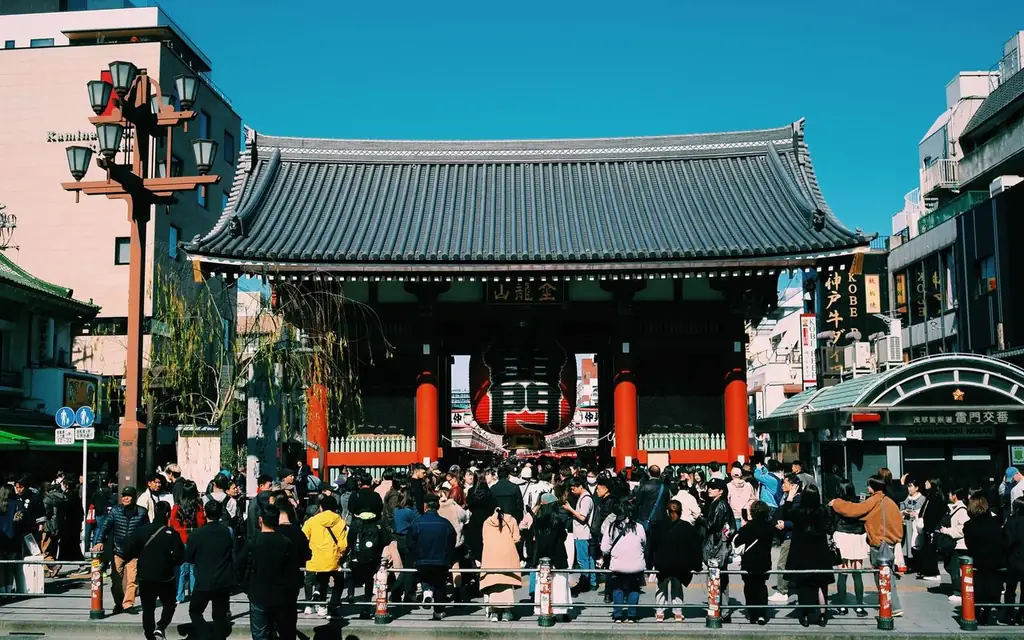
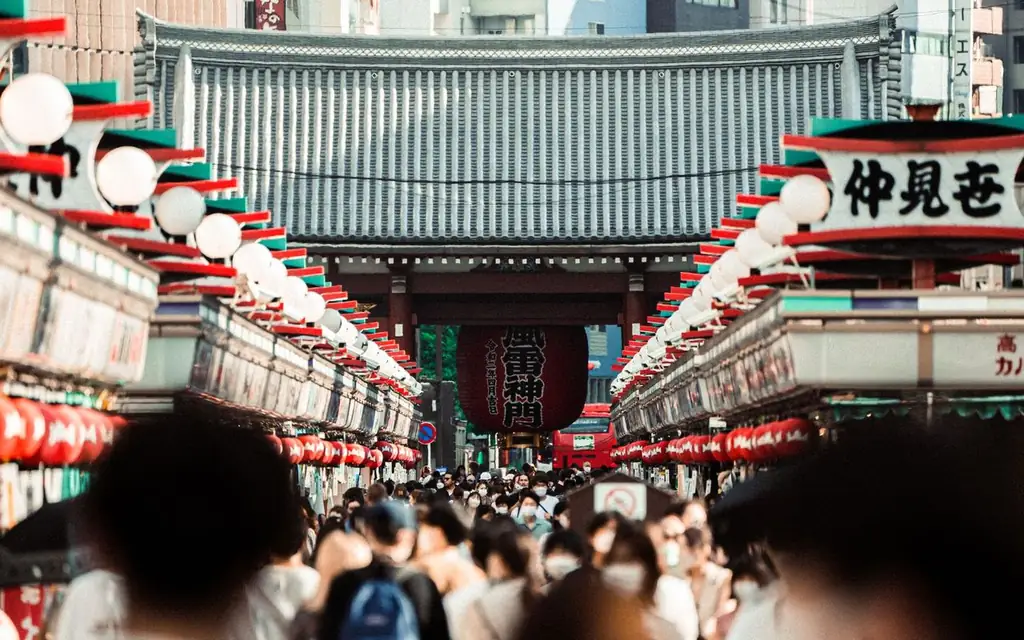
The layout is a procession. You pass beneath the Kaminarimon, the Thunder Gate with its large red lantern, then walk the length of Nakamise-dori, a street of small stalls selling snacks, fans and souvenirs, before reaching the Hozomon gate and the main hall. Visitors wash their hands, light incense at the large burner in front of the hall, and many draw an omikuji fortune slip. Admission to the temple is free.
The procession is the reason cars matter less than timing. The gate and street are the experience, and they are at their best when you walk them early or late rather than at midday.
Senso-ji private tour with driver: the route from the airports
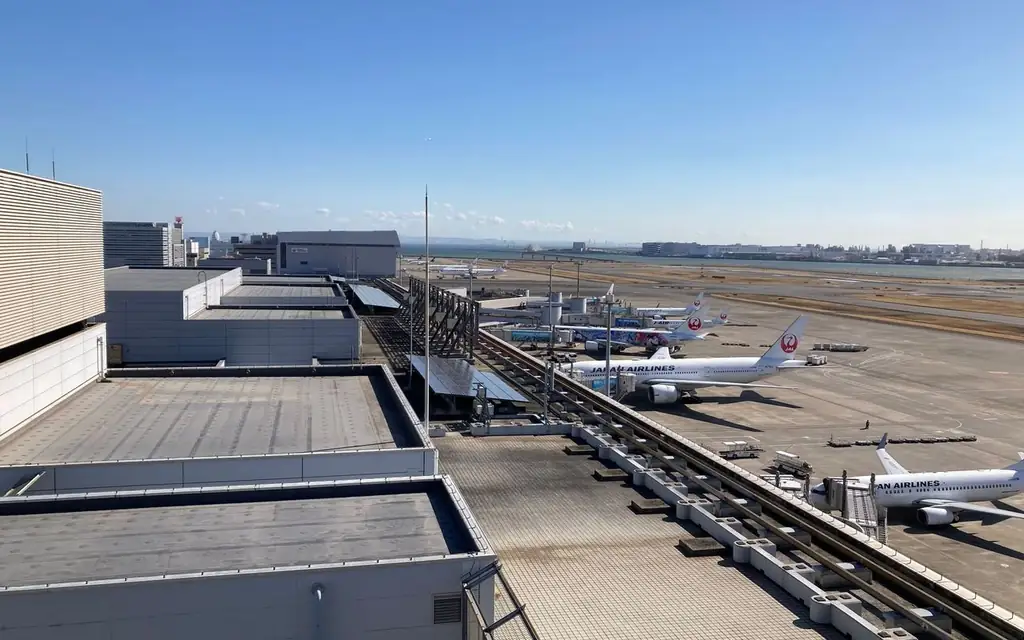
From Haneda (HND): about 20 km (12 miles), usually 30 to 60 minutes depending on the hour, over the Metropolitan Expressway into the Sumida side of the city. Haneda is the practical arrival point for Asakusa, and our Haneda chauffeur service page covers terminals, meeting points and the waiting window after landing.
From Narita (NRT): about 70 km (43 miles), usually 60 to 90 minutes. Narita arrivals are best treated as a transfer first and a sightseeing stop second; allow the full ride and a rest before the temple.
From central Tokyo hotels: Ginza, Marunouchi and Roppongi sit roughly 6 to 10 km (4 to 6 miles) from Asakusa, 20 to 40 minutes outside rush hours. Expect the longest delays on weekday evenings and on public holidays.
All airport pickups include flight tracking, and international arrivals carry 60 minutes of free waiting after landing, so a late aircraft does not move your Asakusa slot without notice. A name-board meet-and-greet in the arrivals hall is available as an add-on, and an alias can appear on the board if you prefer privacy.
If you land in the morning and want Senso-ji on the same day, say so at booking. A driver can take your bags straight to the hotel first, or keep them in the vehicle for the temple stop if your room is not ready; either way the stop is a walk of an hour or less, and nothing needs to be carried across the precinct.
Where the car stops: parking, drop-off and the Kaminarimon edge
The temple's access page is direct: Senso-ji has no parking lot, and visitors arriving by car are asked to use the underground Taito Kaminarimon parking facility or another nearby lot. The same page lists Asakusa Station, served by the Ginza Line, the Toei Asakusa Line, the Tobu Skytree Line and the Tsukuba Express, as about five minutes' walk away.
For a chauffeured visit that translates into a simple routine:
- The car stops as close to Kaminarimon as the traffic allows, on the road side of the gate.
- You walk through the gate and up Nakamise-dori at your own pace.
- The chauffeur parks in an underground or nearby lot, or circles and waits, and you message when you leave the main hall.
- The car meets you at the quieter side of the district rather than at the crowded gate, if the crowd is heavy.
A few cautions from experience of this district. Drop-off points shift with events and road works, so the chauffeur confirms the exact stopping point on the day instead of relying on a fixed address. Coaches have different rules from cars, and a Sprinter or larger vehicle should be discussed with the desk beforehand. Tour groups clustered at Kaminarimon at 10:00 will block the pavement for several minutes, which is why early morning is the better slot.
You can read the temple's own access page before you travel, and the main Senso-ji English site gives the address: 2-3-1 Asakusa, Taito-ku.
Opening hours and the best time to go
The Kannon-do main hall opens at 6:00 and closes at 17:00; from October to March it opens at 6:30, according to the temple's about page. The same page says other halls on the grounds keep their own hours and should be checked with the temple. Nakamise stalls keep their own shop hours, which vary stall by stall.

Practical timing for a car:
- 6:30 to 8:00: the quiet window. Nakamise is mostly shuttered, the incense smoke hangs in clear light, and a driver can reach Kaminarimon in minutes. This is the best slot for photographs and for older relatives who prefer to avoid a crush.
- 9:30 to 15:00: the dense window. The street is full, the car stands further away and the walk is slow. Plan lunch nearby rather than another stop.
- After the shops close: the street is quieter again and the gate and hall are lit; this is a calm time for a short visit before dinner.
Autumn and early winter mornings are cool and clear in Tokyo, which suits the walk. Mid-summer is hot and humid, so a short visit with the air-conditioned car waiting is more pleasant than a long wander.
The calendar that changes your day
Some dates make Asakusa a very different place and are worth planning around, or around which to schedule an early start.
- Hozuki-ichi, July 9 and 10: the temple's English page describes the 9th and 10th of July as a day when prayers are counted as worth 46,000 times a normal day, with potted Chinese lantern plants sold in stalls around the temple.
- Sanja Matsuri: the metropolitan tourism board lists the 2026 edition on May 15 to 17 and describes it as a long-running local festival held at Asakusa Shrine, next to Senso-ji. It is usually held in May; check the official event page for the next dates. Expect road restrictions and dense crowds around the temple on festival days, and plan a longer walk from wherever the car can stop.
- Hagoita Market, December 17 to 19: held every year at the temple, with decorative paddles on sale from 9:00 to 19:30, per the tourism board.
On festival days the practical advice is blunt: be on site before the crowd or accept that the walk from the car will be longer. Your confirmation shows the pickup point the chauffeur will use on the day.
A half-day itinerary: Asakusa, Sumida and Skytree
This sequence fits a morning of about four hours and keeps car time short.
- 6:45 to 8:15, Senso-ji. Drop-off near Kaminarimon, Nakamise, the main hall, incense and fortune slips. The Asakusa Shrine beside the temple is a short detour.
- 8:30, a river view. The Sumida River runs a few minutes east of the temple. Walk to the Azuma Bridge for the view toward Tokyo Skytree, then rejoin the car on the far side of the bridge.
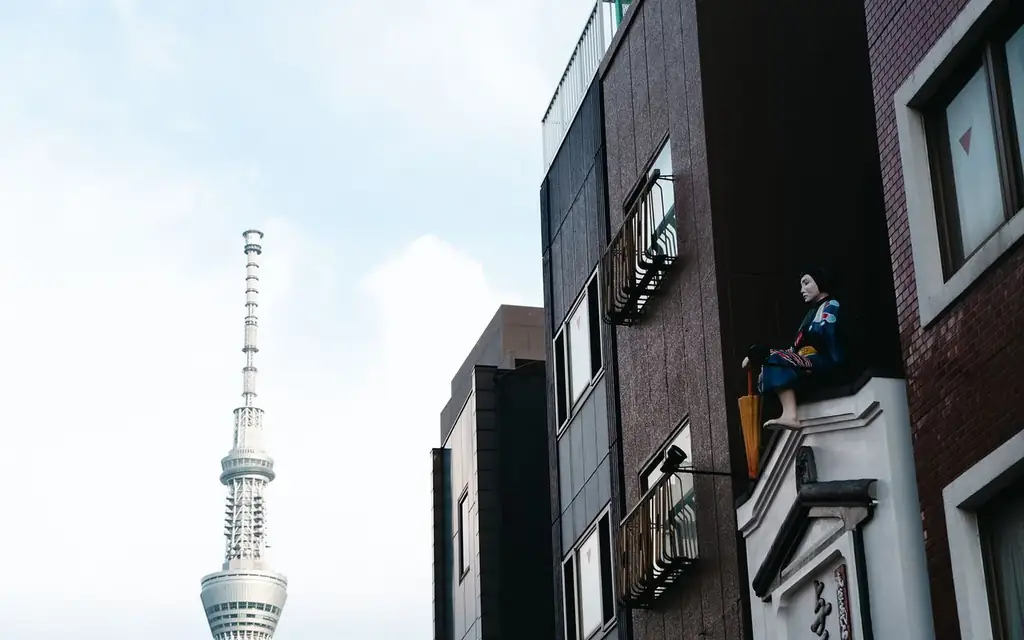
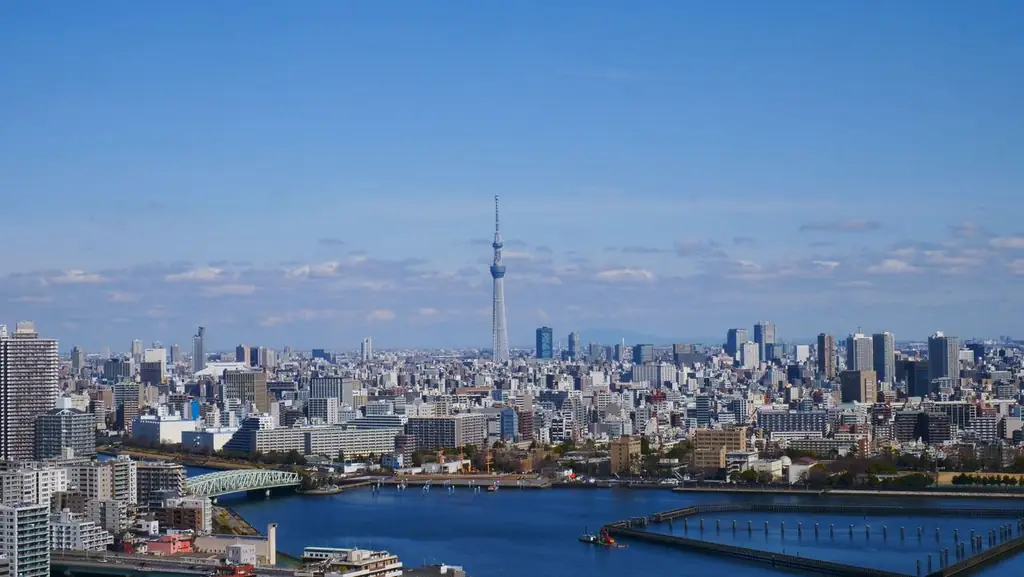
- 9:15 to 11:00, Tokyo Skytree. A short ride, roughly 1.5 km (1 mile) from the temple, brings you to the foot of the tower. Our guide to Tokyo Skytree by chauffeur explains the car parks, the vehicle size limits and how to book the decks.
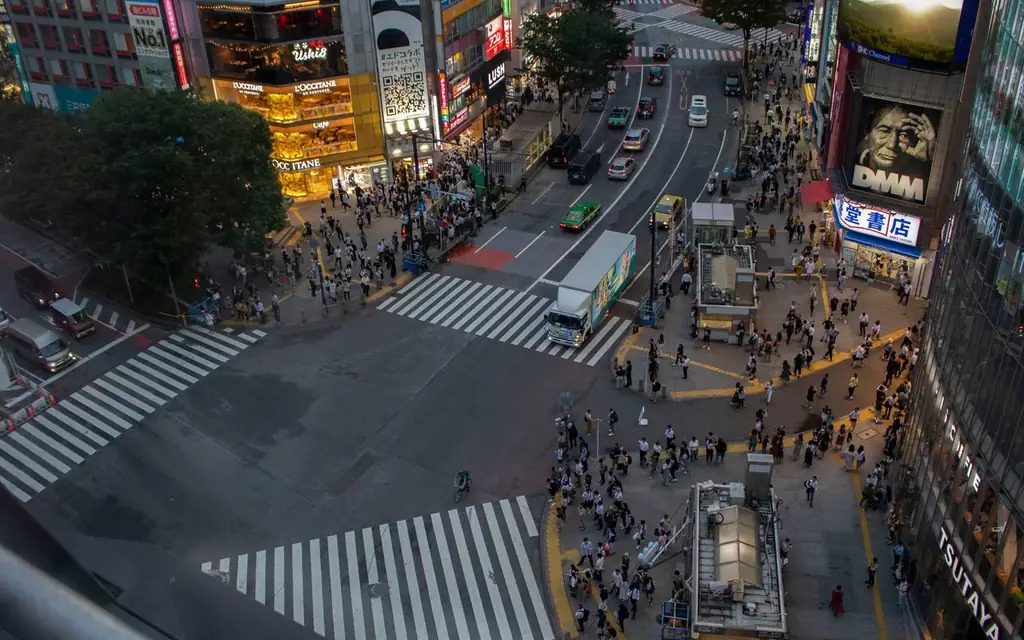
- 11:30, onward. From Oshiage, the car continues to Meiji Jingu for a forest walk, or to Shibuya Crossing and a late lunch.
Use this as a template and ask the desk to adjust it for your group: slower walking, a child seat, a mid-morning coffee stop, or a private guide who meets you at the gate. Licensed guides are separate professionals; a chauffeur drives and can suggest stops, but a guide's commentary on the temple's history needs to be booked separately.
Getting there compared: car, train, taxi and tour coach
| Mode | Door-to-door from central Tokyo | Cost note | Who it suits |
|---|---|---|---|
| Metro to Asakusa Station (Ginza, Asakusa, Tobu, Tsukuba lines) | 20 to 40 minutes, walk about 5 minutes | Lowest | Solo travelers and couples with light luggage |
| Street taxi | 20 to 45 minutes | Metered | Short hops from a nearby hotel |
| Private chauffeur car | 20 to 45 minutes, door to door | Fixed fare, quoted before you book | Families, mixed-mobility groups, luggage-heavy arrivals from Haneda or Narita |
| Sightseeing coach | 30 to 60 minutes, fixed stops | Per-seat fare | Travelers who want a set program and commentary |
The honest read: for a single visitor staying in Ginza, the metro is quicker and lower in cost, and the five-minute walk from Asakusa Station is part of the experience. A car earns its place on the airport run, with a family, in bad weather, with luggage or a group who need to stay together, and when Senso-ji is one of four stops in a day.
Accessibility and etiquette at the temple
The approach along Nakamise-dori is a flat, paved street, but it is crowded for most of the day, and the walk from the gate to the main hall is longer than it looks on a map. If a family member struggles with distance or steps, tell the desk at booking so the chauffeur can plan the nearest legal stop; the temple office, reachable by phone from 9:00 to 16:30 except Sundays and public holidays, can answer questions about the individual halls.
Observe the usual temple courtesies. Keep voices low near the hall, avoid eating while walking near the hall, and wash your hands at the basin before approaching the incense burner. Photography is common on the grounds, but be careful not to block people at prayer in front of the hall.
For a public figure who wants a visit without a record of it, the chauffeur will not photograph the trip or post about it, and an NDA or alias booking can be arranged in advance. Security is not part of our service; if your own team travels with you, the chauffeur agrees the drop-off points with them.
Official sources and trade bookings
Hours, hall closures and event dates change; confirm them on the temple's site and the metropolitan tourism board's pages for Sanja Matsuri and the Hagoita Market. For a wider look at Asian itineraries, see our Asia-Pacific directory and the attractions hub for other chauffeur-friendly landmarks. Tourism boards and visitor centres that want to arrange rides for their guests can open a trade account with LimousineWorldwideDirectory.com; the Asia-Pacific tourist offices page explains how.
To turn this into a booked itinerary, the private tours with driver page explains hourly and full-day cars, and the booker shows the exact fixed fare for your addresses and vehicle before you confirm.
Frequently asked questions
Is there parking at Senso-ji?
No. The temple states that it has no parking lot and directs drivers to the underground Taito Kaminarimon parking facility or other nearby lots. A chauffeur drops you at Kaminarimon and parks away from the pedestrian area.
How far is Senso-ji from Haneda Airport by car?
About 20 km (12 miles), generally 30 to 60 minutes. The time depends on Metropolitan Expressway traffic, which is heaviest on weekday mornings and evenings.
How far is Senso-ji from Narita Airport by car?
About 70 km (43 miles), roughly 60 to 90 minutes. Narita is the longer transfer, so most visitors go to their hotel first.
What time does Senso-ji open?
The main hall opens at 6:00 and closes at 17:00; from October to March it opens at 6:30, according to the temple. The grounds themselves are open to walk through outside those hours, but shops and halls are not.
Is it free to enter Senso-ji?
Yes, entry is free. You pay only for incense, fortune slips and amulets, plus anything you buy at the stalls.
Can a chauffeur drive up Nakamise-dori?
No. Nakamise-dori is a pedestrian shopping street, and the walk through Kaminarimon is part of the visit. The car stops nearby and waits.
When is the busiest time at Senso-ji?
Weekends, public holidays and the Sanja Matsuri weekend in May draw the biggest crowds. On a normal day, late morning to mid-afternoon is the densest window; early morning is the calmest.
Can I combine Senso-ji with Tokyo Skytree in one trip?
Yes. The two are about 1.5 km (1 mile) apart, a few minutes by car, and fit one morning. See our Skytree guide for ticket and parking notes.
Do you provide a guide for the temple?
Licensed guides are separate professionals and are booked alongside the car on request. The chauffeur drives, suggests stops and handles timing; a guide provides the history and commentary at the temple.