
 United StatesJFK
 MexicoMEX
 BrazilGRU
 ArgentinaEZE
 ChileSCL
 ColombiaBOG
 PeruLIM
 PanamaPTY
 Costa RicaSJO
 Dominican RepublicPUJ
 JamaicaMBJ
 BahamasNAS
 BarbadosBGI
 United KingdomLHR
 IrelandDUB
 FranceCDG
 GermanyFRA
 NetherlandsAMS
 BelgiumBRU
 SwitzerlandZRH
 AustriaVIE
 ItalyFCO
 SpainMAD
 PortugalLIS
 GreeceATH
 TurkeyIST
 DenmarkCPH
 SwedenARN
 NorwayOSL
 FinlandHEL
 PolandWAW
 Czech RepublicPRG
 HungaryBUD
 IcelandKEF
 United Arab EmiratesDXB
 QatarDOH
 Saudi ArabiaRUH
 IsraelTLV
 EgyptCAI
 MoroccoCMN
 South AfricaJNB
 KenyaNBO
 NigeriaLOS
 IndiaDEL
 PakistanLHE
 Sri LankaCMB
 SingaporeSIN
 MalaysiaKUL
 ThailandBKK
 VietnamSGN
 PhilippinesMNL
 IndonesiaCGK
 Hong KongHKG
 ChinaPVG
 TaiwanTPE
 JapanHND
 South KoreaICN
 AustraliaSYD
 New ZealandAKL
What is cruise port transportation?
Cruise port transportation is the ground journey between a ship's terminal and the airport, hotel, station or home on either side of the voyage. A pre-booked cruise port transfer fixes the pickup time, the vehicle and the fare in advance, so embarkation and disembarkation days run to plan.
Cruise passengers face a particular kind of logistics. The ship sails at a fixed time. Luggage has to be handed over at the right place. The pickup point on the way out is different from the one on the way back, and the number of people arriving at the same moment can strain local taxis and rideshare. That is why cruise port transfers are one of the most useful things to pre-book.
LimousineWorldwideDirectory.com runs a 24/7 booking desk. Every ride is delivered by a vetted, licensed and commercially insured local chauffeur operator from our worldwide directory and booked, confirmed and invoiced by our desk. One booking, one confirmation, one invoice and one point of contact make it simple to combine an airport arrival, a night in a port city and a transfer to the terminal.
How embarkation and disembarkation work
The pattern is common to most ports, although each cruise line and each terminal has its own procedures.

- Embarkation. Your cruise line sets an arrival window for check-in, and the terminal is busiest when the largest ships turn around. Passengers arrive at the terminal by car, hand over luggage to porters or at a drop-off point, and go through security and check-in. The exact process is explained in your cruise documents, and each port's own website describes terminals, parking and drop-off arrangements. Examples are the PortMiami cruise pages and the Port Everglades cruise guide.
- Disembarkation. Ships dock in the morning, and passengers leave in groups according to the line's instructions. Departure times for the airport depend on the flight and on how long customs and immigration take.
- Customs and immigration. On international voyages you will clear the border at some point. For travelers returning to the United States by sea, U.S. Customs and Border Protection describes Mobile Passport Control, which can be used at seaports for eligible travelers.
- Luggage. Large bags are usually tagged and handled at the terminal, and passengers carry a day bag on board. On disembarkation day, the chauffeur meets you at the pickup point once you have your luggage.
The key advice is to book the car for the time you actually leave the terminal, not the time the ship docks. A disembarkation pickup that is timed for the scheduled berth time may leave you waiting while customs works through a full ship. If your plans change, the desk can adjust the pickup, and chauffeurs follow the booking rather than the ship.
Timing a cruise transfer
Three timing rules prevent most problems.
- Do not arrive too early. Many terminals are not ready for passengers hours before the cruise line's stated window, and arriving early can mean waiting outside.
- Allow generous time on the way out. After disembarkation, add the time for baggage collection, immigration and the walk to the pickup point. A flight booked too tightly after a ship's arrival is a common cause of missed connections.
- Combine with the flight. If you are arriving by air the day before, a hotel night near the port reduces the risk that a delayed flight collides with embarkation. If the flight lands on embarkation day, build a buffer and tell the desk the flight number.
Airport pickups are flight-tracked, with 60 minutes free after landing on international arrivals and 30 minutes on domestic arrivals. Other pickups, including terminals and hotels, carry 15 minutes.
Honest comparison: getting to and from a cruise port
The best option depends on the port, the size of your group and your luggage.
| Option | Typical convenience | Cost note | Best for |
|---|---|---|---|
| Cruise line shuttle or transfer | Coordinated with the ship's schedule | Set by the line | Passengers who want the line to manage everything |
| Rideshare | Quick to request | Surge-priced at peak turnaround | Light bags, flexible timing |
| Taxi | Available at the airport and terminal ranks | Metered | Short trips |
| Rental car | Self-driven | Variable, plus parking at the port | Road-trip itineraries before or after the cruise |
| Public transit or train | Low-cost where connections exist | Lowest | Solo travelers with limited luggage |
| Private chauffeur | Door to door, timed to your plan | Fixed fare via the booker | Families, groups, large luggage, tight connections |
If your cruise line offers a transfer that suits your flight, it is a fair option. A private chauffeur earns its place when your family has several large bags, when the group does not fit a standard taxi, or when you want to leave at your own time rather than the shuttle's.
Cruise port guides
Each guide explains where the cars stop, which roads are used and what happens on turnaround days. Choose the port you are using.

United States and Canada
- PortMiami: the Miami terminals, with transfers from Miami International and Fort Lauderdale airports.
- Port Everglades: the Fort Lauderdale cruise port, close to Fort Lauderdale-Hollywood International Airport.
- Port Canaveral: the Florida east coast port serving Orlando visitors.
- Manhattan Cruise Terminal and Brooklyn Cruise Terminal: New York's cruise piers.
- Galveston: the Texas Gulf port serving Houston.
- Seattle cruise terminals: the Pacific Northwest and Alaska departure port.
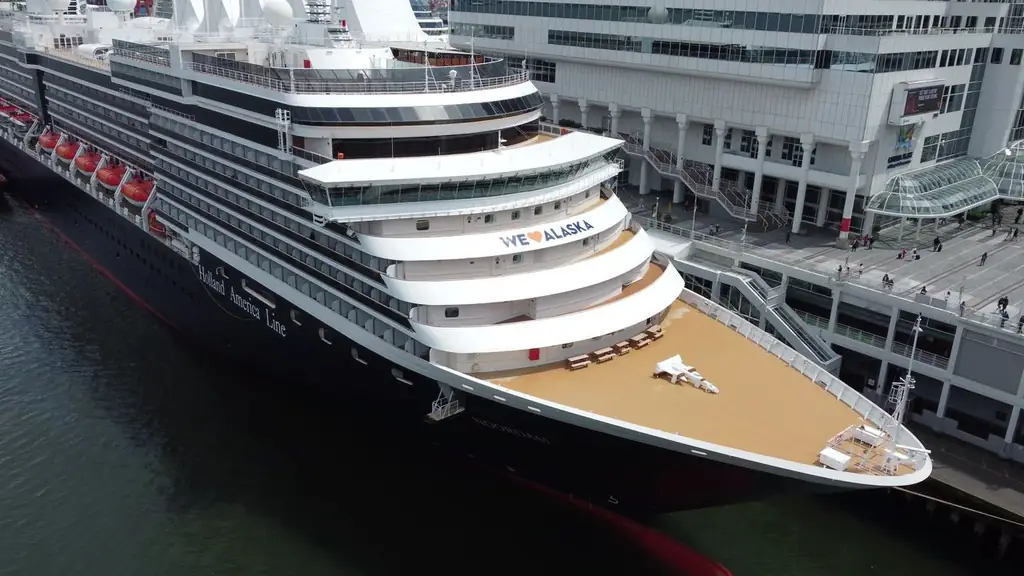
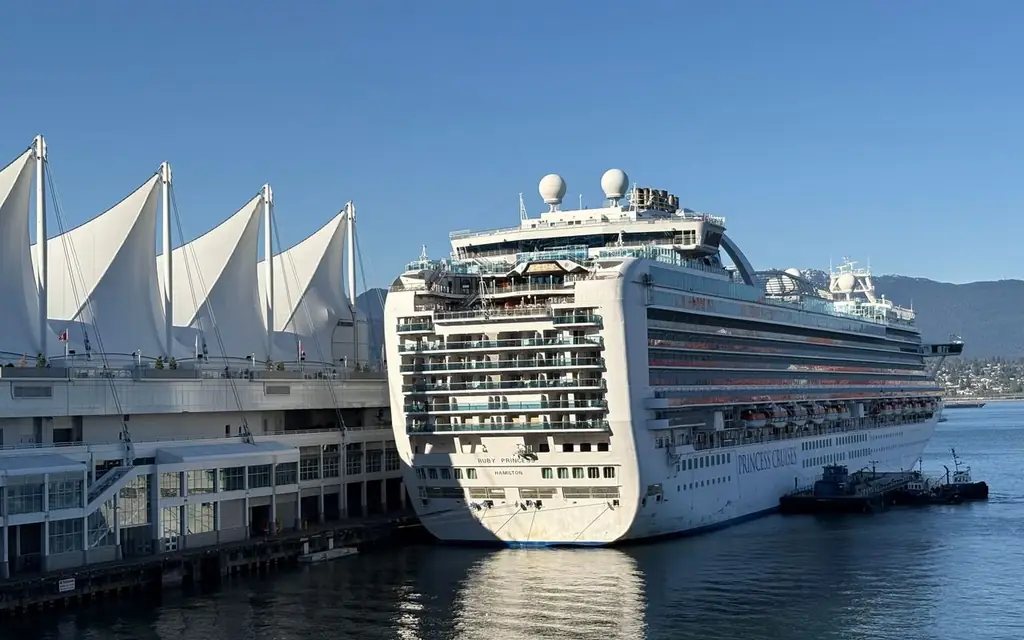
- Vancouver Canada Place: the downtown Vancouver terminal, a common start for Alaska voyages.
Europe
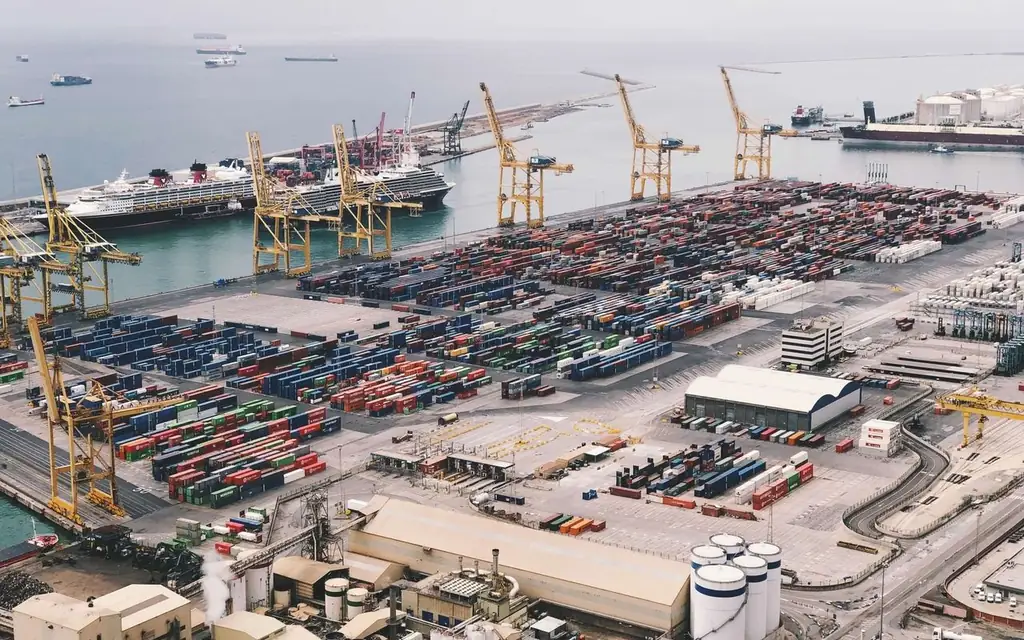
- Barcelona cruise terminals: the Mediterranean port beside the city.
- Civitavecchia (Rome): the port serving Rome, which lies inland from the coast.
- Southampton: the main English cruise port.
- Piraeus (Athens): the harbor of Athens and a gateway to the Greek islands.
Asia
- Marina Bay Cruise Centre Singapore: the cruise terminal at Singapore's Marina Bay.
Regional city guides to combine with a cruise include Miami, Fort Lauderdale, New York, Seattle, Vancouver, Barcelona, Rome, London and Singapore.
Choosing the vehicle for a cruise
Cruise luggage is larger than typical airline luggage, and families often travel with several cases. Plan the vehicle around the bags as much as the passengers.
- Executive Sedan (Mercedes-Benz E-Class, Cadillac CT6 or Lyriq or similar): up to 3 passengers, 2 large and 2 cabin bags.
- First Class Sedan (Mercedes-Benz S-Class, BMW 7 Series or similar): up to 3 passengers, 2 large and 2 cabin bags.
- Luxury SUV (Cadillac Escalade, Chevrolet Suburban, GMC Yukon Denali or similar): up to 6 passengers and 5 to 6 large bags. Most suitable for families.
- Executive Sprinter (Mercedes-Benz Sprinter): up to 12 to 14 passengers and 12 bags, for groups traveling together.
- Stretch limousine, mini-coach and coach on request, with availability confirmed at booking. These suit wedding parties, reunions and larger groups.
Vehicles are "or similar", late-model, fully maintained and inspected, and no more than 4 model years old. In Europe and Asia the classes are Mercedes-Benz E-Class, S-Class and V-Class. If the group exceeds the capacity of one vehicle, the desk can book a second car timed to the same pickup. Child, toddler and booster seats are available on request. See the fleet page for details.
Combining a cruise with the rest of the trip
Many cruise journeys are part of a longer itinerary: a few days in a city before the ship, or a flight home after. A single booking can cover each leg. For example, an airport arrival and the cruise terminal transfer can sit under the same confirmation, and the return can be added once your disembarkation plans are known.
- Before the cruise. Meet at the airport and travel to a hotel, or go straight to the terminal if your embarkation window allows. See the airports hub for airport guides.
- Between ports. If you leave the ship at a port call to visit an inland city, a private driver can take you out and return in time for sailing. Our private tours with driver page explains how chauffeured sightseeing days are arranged. Check the ship's all-aboard time carefully and allow a safe margin.
- After the cruise. A transfer to the airport, a hotel or a rail station. The train stations hub covers major stations, and cruise transfers describes the product in more detail.
For worldwide planning, see the global chauffeur service page, and the Europe and North America directories.
Frequently asked questions
Can I pre-book a transfer to the cruise terminal?
Yes. Use the online booker to enter the pickup and the port, choose a vehicle class, and the booker shows the exact fare before you confirm. Our desk then confirms a vetted local chauffeur operator and sends you one confirmation.
What time should the car collect me for embarkation?
Follow your cruise line's stated arrival window rather than arriving as early as possible. Tell the desk the ship's name and sailing time, and we will help you choose a pickup time that fits your plans.
What if my ship docks late?
Your disembarkation pickup is booked for the time you plan to leave the terminal, and the desk can adjust it if the ship is delayed. The booking is tied to your plans, and chauffeurs follow the confirmation.
Do you meet flights and take me to the ship?
Yes. Airport pickups include flight tracking, with 60 minutes free after landing on international arrivals and 30 minutes on domestic arrivals. The chauffeur can take you straight to the terminal or to a hotel.
How much luggage can the car carry?
An Executive Sedan takes up to 3 passengers with 2 large and 2 cabin bags. A Luxury SUV takes up to 6 passengers and 5 to 6 large bags. An Executive Sprinter takes up to 12 to 14 passengers and 12 bags. Vehicles are "or similar" and the model is confirmed at booking.
Can I book a car for a port-of-call excursion?
Yes, as a private day. A chauffeur can take you from the ship to an inland destination and back. Allow generous time before the ship's all-aboard time, and note that some sites require licensed guides, which a chauffeur is not.
How much does a cruise transfer cost?
We do not publish rates on the page. The online booker shows the exact fare for your exact addresses and vehicle before you confirm. It is a fixed fare, quoted before you book.
What is your cancellation policy?
Measured from the scheduled pickup time: no charge with more than 72 hours' notice, 10% at 72 hours or less, 50% at 48 hours or less, and 100% at 24 hours or less or on a no-show. Large events may carry a different deadline stated on the confirmation.