 United StatesJFK
 MexicoMEX
 BrazilGRU
 ArgentinaEZE
 ChileSCL
 ColombiaBOG
 PeruLIM
 PanamaPTY
 Costa RicaSJO
 Dominican RepublicPUJ
 JamaicaMBJ
 BahamasNAS
 BarbadosBGI
 United KingdomLHR
 IrelandDUB
 FranceCDG
 GermanyFRA
 NetherlandsAMS
 BelgiumBRU
 SwitzerlandZRH
 AustriaVIE
 ItalyFCO
 SpainMAD
 PortugalLIS
 GreeceATH
 TurkeyIST
 DenmarkCPH
 SwedenARN
 NorwayOSL
 FinlandHEL
 PolandWAW
 Czech RepublicPRG
 HungaryBUD
 IcelandKEF
 United Arab EmiratesDXB
 QatarDOH
 Saudi ArabiaRUH
 IsraelTLV
 EgyptCAI
 MoroccoCMN
 South AfricaJNB
 KenyaNBO
 NigeriaLOS
 IndiaDEL
 PakistanLHE
 Sri LankaCMB
 SingaporeSIN
 MalaysiaKUL
 ThailandBKK
 VietnamSGN
 PhilippinesMNL
 IndonesiaCGK
 Hong KongHKG
 ChinaPVG
 TaiwanTPE
 JapanHND
 South KoreaICN
 AustraliaSYD
 New ZealandAKL
Can you see Mount Fuji and Hakone in one day by car?
You can start from Tokyo and see both areas, but the sensible plan is to choose one anchor. Hakone is about 100 km (62 miles) from central Tokyo; the Fuji 5th Station road is farther, and the cross-country link between them is long. Most travelers pick Hakone for a day, or overnight to link the two.
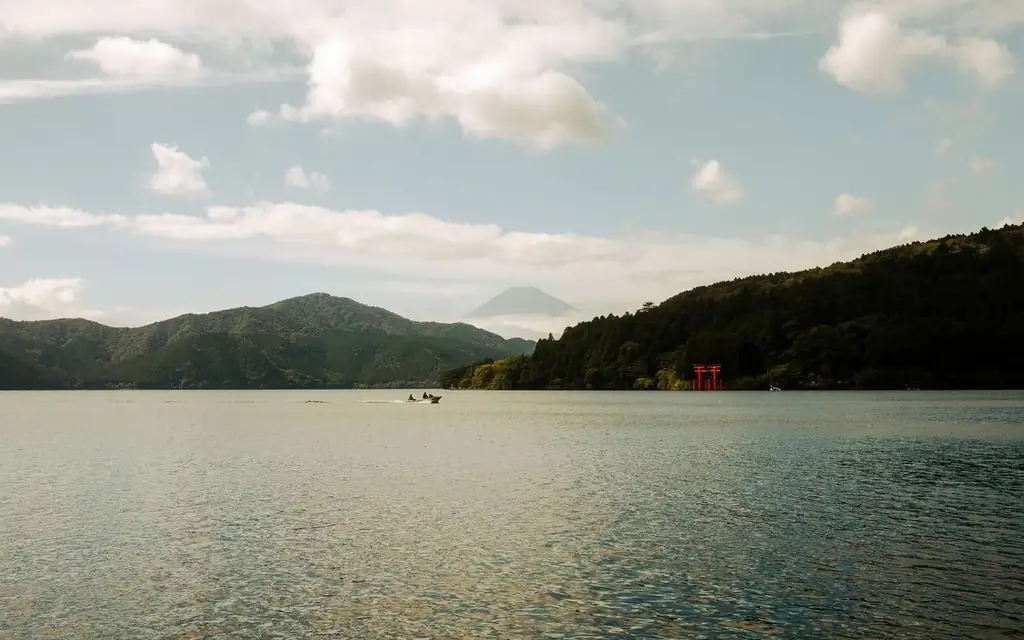
The question comes up on almost every enquiry for a Mount Fuji and Hakone private tour with driver, and the answer depends on what you want to do. Hakone is a mountain resort region with a crater lake, a volcanic valley, a ropeway, cruises on Lake Ashi and good views of Fuji on a clear day. The Fuji 5th Station is a high-altitude road terminus on the mountain itself, a different kind of outing with its own seasonal rules. Both are in the same general direction from Tokyo, southwest, but they are separate destinations on separate road systems.
This guide takes the practical view: when each is accessible by car, what the official sources say about restrictions, how the timetable of a day works, and what to do when cloud hides the mountain. The wider context of the city is on our Tokyo chauffeur service page.
First, the season: what is open in October
The official Mt. Fuji climbing website states that the 2026 climbing season has ended, running until September 10. Outside the season it warns that climbing is dangerous, and it lists the winter closures: the Yoshida, Subashiri and Gotemba trails are closed from the 5th station to the summit, the Fujinomiya trail from the 6th station to the summit, and the walk around the crater rim is closed. In other words, there is no summit climbing for the rest of the year.
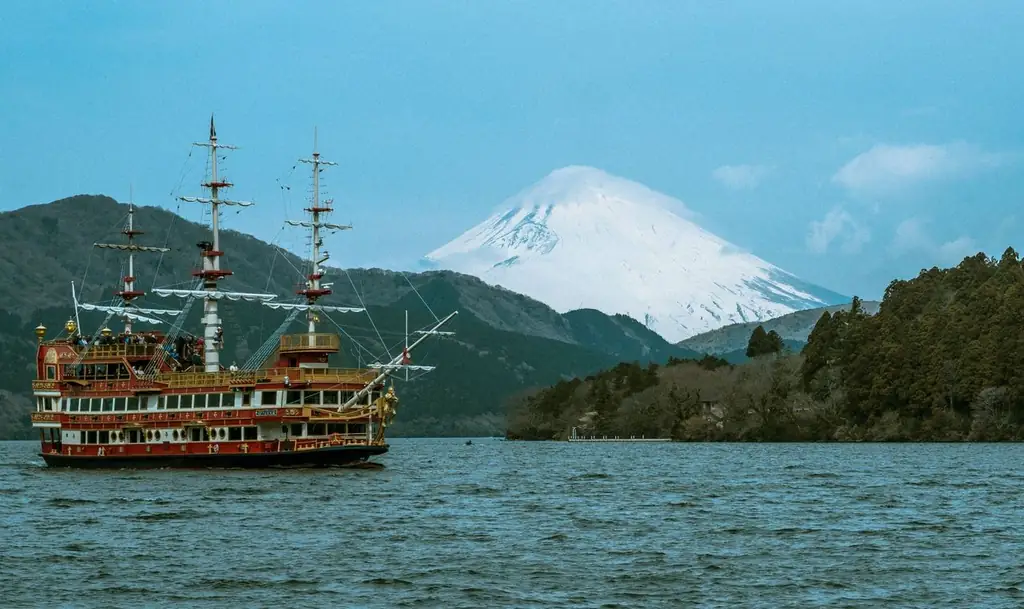
That does not close the mountain to visitors. The 5th Station on the Yamanashi side, reached by the Fuji Subaru Line, is a road and a viewpoint rather than a climb. During the climbing season it is closed to private vehicles. The 2026 notice from the climbing site gives the restriction period as July 3 to September 10, with visitors arriving by private car asked to transfer to a shuttle bus or other transport. The notice refers readers to the Yamanashi Prefectural Road Corporation for the latest details, and the exact times are garbled on the page we checked, so that is where to verify.
Outside that window a private car can generally drive the road, subject to weather and any seasonal closure announced by the road operator. High-altitude roads can close at short notice for snow, ice or fog, and the road operator's notice is the reliable source. The official pages are at fujisan-climb.jp and the 2026 restriction notice.
Mount Fuji and Hakone by car: the distances
- Tokyo to Hakone (Lake Ashi): about 100 km (62 miles), generally 1 hour 45 minutes to 2 hours 30 minutes. Weekends in autumn are slower, particularly on the approach to the lake.
- Haneda (HND) to Hakone: about 85 to 90 km (53 to 56 miles), 1 hour 30 minutes to 2 hours 15 minutes. See the Haneda chauffeur service page for the meeting point.
- Tokyo to the Fuji 5th Station (Yamanashi side): about 130 km (81 miles), roughly 2 hours 30 minutes to 3 hours 30 minutes, via the Chuo Expressway and the Subaru Line.
- Between the two areas: a cross-country link of around 70 to 80 km (43 to 50 miles) through Gotemba, usually 1 hour 30 minutes to 2 hours in good conditions.
These are planning figures. Fine October weekends, public holidays and any fog or road work change them. If you want a firm timetable, ask the desk to confirm the route two days before travel.
International arrivals carry 60 minutes of free waiting after landing, and every airport pickup includes flight tracking, so a Haneda arrival followed by a drive to Hakone is a workable plan if you land in the morning.
Hakone: what the tourist association says to check
The Hakone Navi website, the visitor portal for the area, is the best live source. It describes Lake Ashi as offering views of Mount Fuji, and lists sightseeing cruises on the lake. A December 2025 article reports that the Victory cruise ship and the Moto-Hakone port were remodelled, and the Royal II cruise ship was renovated. Owakudani, the volcanic valley, has a new observation area called Earth Valley and a new Owakudani Station, according to the site.
Two live-status items matter for your date:
- The ropeway. A notice dated September 28, 2026 describes replacement bus services on sections of the Hakone Ropeway during scheduled maintenance. Odakyu's maintenance notice, published earlier, lists the Owakudani to Sounzan section as closed for inspection from December 7 to 24, 2026, and the Togendai to Ubako to Owakudani section from January 12 to February 26, 2027, with replacement buses. The ropeway can also stop at short notice for wind or volcanic gas, as it has before at Owakudani.
- The Freepass. The site showed normal operation of the Hakone Freepass when we looked.
Check the Hakone Navi portal on the morning of your trip. It carries a congestion widget and a crowd forecast. A chauffeured day does not depend on the ropeway, because the car links Moto-Hakone, Lake Ashi and Owakudani by road, but the ropeway is part of what many visitors came for.
A Hakone day by road
This sequence suits a full day from Tokyo, leaving the city at 7:30 or 8:00.
- 9:45 to 10:15, arrive at the Lake Ashi area. The earlier you reach the lake, the better the chance of a clear view of Fuji, which tends to be best in the morning in the cooler seasons.
- 10:30, cruise. The cruises operate on the lake with a pause at Moto-Hakone.
- 12:00, lunch. Hakone has a wide range; Sengokuhara, which the portal associates with art museums, makes a good alternative to the lake shore.
- 13:30, Owakudani. The volcanic valley can be reached by road; if the ropeway is operating you can combine a ride with a drive.
- 15:30, depart for Tokyo. Leave before the afternoon build-up on the return roads, particularly on a weekend.
Hakone-Yumoto, at the foot of the climb, has restaurants and gift shops. From there, the portal lists a rail and cable car route to Owakudani via Gora and Sounzan, and a bus to Togendai followed by the ropeway. These public-transport options are fine for the independent traveler, and the chauffeur car is a comfortable alternative for families and groups.
The Fuji 5th Station by road
The Subaru Line climbs from the Kawaguchiko area to the 5th Station on the Yoshida trail, at roughly 2,300 meters. At that height the weather changes quickly, and cloud often forms around the mountain by midday. A chauffeured outing to the 5th Station is mainly about the altitude, the view down over the forest and lakes and the mountain looming above you.
What to know:
- Season: from the end of the climbing season until the winter closure, the road is generally open to private cars, subject to weather. In the climbing season (this year July 3 to September 10), private cars are not allowed on the Subaru Line, and shuttle buses run from a parking lot at the base.
- Cold: temperatures at 2,300 meters can be far below those in Tokyo. Bring a warm layer even on a mild day at sea level.
- Time on site: 45 to 90 minutes is typical.
- Fallback: if cloud covers the summit, the lakes around Kawaguchiko and nearby viewpoints are the fallback.
If your priority is the best view of Fuji at a comfortable distance, Hakone's Lake Ashi may suit you better than the high road, because you travel less and the experience is gentler. If you want to stand on the mountain, the 5th Station is the way.
Pacing the day: time, altitude and tired passengers
The numbers on a map understate how long a mountain day feels. A 2-hour drive each way, three or four stops and a lunch add up to a day of ten to twelve hours door to door, and the road up to Lake Ashi has many bends. For travelers who are jet-lagged, elderly or travelling with small children, we recommend one anchor rather than three, with an overnight if time allows.
A few specifics worth planning:
- Altitude and cold. The lake sits several hundred meters above sea level and the Fuji 5th Station near 2,300 meters. Temperatures drop with each step up, and wind at the viewpoints is stronger than in the towns. Pack a warm layer and gloves in the cooler months.
- Motion sickness. Winding roads affect some passengers. Tell the desk, and the chauffeur will adjust the pace and stop at suitable places.
- Food. Restaurants near the lake and Owakudani fill at midday on weekends; a late lunch after 13:30 is often easier.
- Footwear. Viewpoints and short walks can be wet or icy in late autumn and winter; sturdy shoes are better than city shoes.
- Return timing. Leave the mountains by mid-afternoon on weekends. Tokyo-bound expressways build up in the late afternoon, and the same stretch that took two hours in the morning can take well over three on the way back.
Weather, cloud and choosing the day
No guide can promise a view of Fuji. The mountain hides behind cloud on many days, and the honest planning technique is flexibility. A good chauffeured plan has a clear-day version and a cloudy-day version, and a decision point by early morning.
- Clear forecast: go to the lake early or head for the 5th Station. Leave the cities before sunrise if the forecast is good.
- Cloudy forecast: choose Hakone's indoor and valley sights, such as the Owakudani area, art museums and hot springs, which do not depend on the view.
- Rain: reduce the outdoor time, choose a hot-spring stop or a museum, and keep the car close.
Tell the desk that you are flexible; we can shift the date when notice allows within the cancellation terms shown on your confirmation, or adjust the program on the day with the chauffeur's help.
Getting there compared
| Way to go | Journey from Tokyo | Cost note | Who it suits |
|---|---|---|---|
| Odakyu Romancecar or Shinkansen to Odawara, then local transport | Roughly 1 hour 30 minutes to 2 hours to Hakone-Yumoto, then buses and ropeway | Lowest | Solo travelers, rail-pass holders, those who enjoy the mountain railways |
| Highway bus to Hakone | Roughly 2 to 3 hours | Lowest | Travelers who prefer a direct bus |
| Fuji Subaru Line shuttle bus (during the climbing season) | Separate bus legs | Per-seat fare | Anyone visiting the 5th Station from July 3 to September 10 |
| Private chauffeur car | About 1 hour 45 minutes to 2 hours 30 minutes to Hakone, 2 hours 30 minutes to 3 hours 30 minutes to the 5th Station | Fixed fare, quoted before you book | Groups, families, those who want several stops and luggage-free travel |
The honest verdict: for a solo traveler on a weekday, the trains and buses are low-cost and reliable. A car pays for itself when you have a party of three or more, need to link several viewpoints, carry luggage between hotels, or want to leave the road when the weather changes.
Linking the trip with other days
Hakone and Fuji suit a day trip or an overnight at a hot-spring inn. If you stay overnight, you can see the lake at dawn and travel back on a weekday afternoon. On the opposite side of Tokyo, Nikko Toshogu offers a different kind of mountain excursion, with a similar long drive; and the capital itself has Tokyo Disney Resort and the east-side sights for a lighter day. Our private tours with driver page explains how the desk builds multi-day and long-distance bookings, and the Asia-Pacific directory lists the region's other cities.
Comfort, children and discretion
Long mountain drives tire children and anyone prone to motion sickness, so ask the desk to plan breaks, and name any car-seat needs when you book. Most vehicles carry water and chargers. A larger party can travel together in an Executive Sprinter, which carries 12 to 14 passengers and 12 bags.
If you would rather keep the trip private, the chauffeur will not photograph you or post about the day, and a booking under an alias or an NDA can be arranged before you travel. A security team of your own is welcome to ride in a second vehicle or alongside; we provide the driving, not the protection.
Frequently asked questions
How far is Hakone from Tokyo by car?
About 100 km (62 miles) to the Lake Ashi area, generally 1 hour 45 minutes to 2 hours 30 minutes depending on traffic.
Can I drive to the Mount Fuji 5th Station?
Yes, outside the restricted period. The Fuji Subaru Line is closed to private vehicles in the climbing season (July 3 to September 10 in 2026), when shuttle buses are used. Check the road operator for weather closures.
Is the Mount Fuji climbing season open now?
No. The official site says the 2026 season ended, with the season running until September 10. The trails are closed from the 5th or 6th station to the summit.
Is the Hakone Ropeway running?
The Hakone Navi portal shows normal Freepass operation but lists scheduled ropeway maintenance with replacement buses. Odakyu's notice lists closures in December 2026 and from January 12 to February 26, 2027. The ropeway can also stop for weather or volcanic activity.
Can I see both Hakone and Fuji in one day?
Technically yes, but it means a long cross-country drive. Most travelers choose one, or stay overnight.
What is the best time of day to see Mount Fuji?
Morning is usually clearest in the cooler seasons, though no guide can promise a view. Check the forecast and be flexible.
How far is Hakone from Haneda Airport?
About 85 to 90 km (53 to 56 miles), typically 1 hour 30 minutes to 2 hours 15 minutes.
Is a private car better than the train to Hakone?
For a solo traveler, the train is lower in cost and reliable. For groups, families and multi-stop days, a car is easier.