 United StatesJFK
 MexicoMEX
 BrazilGRU
 ArgentinaEZE
 ChileSCL
 ColombiaBOG
 PeruLIM
 PanamaPTY
 Costa RicaSJO
 Dominican RepublicPUJ
 JamaicaMBJ
 BahamasNAS
 BarbadosBGI
 United KingdomLHR
 IrelandDUB
 FranceCDG
 GermanyFRA
 NetherlandsAMS
 BelgiumBRU
 SwitzerlandZRH
 AustriaVIE
 ItalyFCO
 SpainMAD
 PortugalLIS
 GreeceATH
 TurkeyIST
 DenmarkCPH
 SwedenARN
 NorwayOSL
 FinlandHEL
 PolandWAW
 Czech RepublicPRG
 HungaryBUD
 IcelandKEF
 United Arab EmiratesDXB
 QatarDOH
 Saudi ArabiaRUH
 IsraelTLV
 EgyptCAI
 MoroccoCMN
 South AfricaJNB
 KenyaNBO
 NigeriaLOS
 IndiaDEL
 PakistanLHE
 Sri LankaCMB
 SingaporeSIN
 MalaysiaKUL
 ThailandBKK
 VietnamSGN
 PhilippinesMNL
 IndonesiaCGK
 Hong KongHKG
 ChinaPVG
 TaiwanTPE
 JapanHND
 South KoreaICN
 AustraliaSYD
 New ZealandAKL
Why does the shrine's clock follow the sun?
Meiji Jingu opens at sunrise and closes at sunset every day of the year, so its hours shift monthly, from 5:00 in summer to 4:00 pm closing in December. A chauffeured visit has to be planned around the season, not the clock.
That rule, stated on the shrine's own pages, is the single most useful fact for anyone arranging a Meiji Jingu private tour with driver. In October, the gates open at 5:40 in the morning and close at 16:40. In December, they open at 6:40 and close at 16:00. A visitor who lands at Haneda at lunchtime in midwinter and asks for the shrine at 15:30 is already running out of daylight.
The rest of this guide works from that constraint: the month-by-month hours, how to reach the shrine by car from Haneda and Narita, where the car can stop, what the walk through the forest is like, what to see, and how to combine Meiji Jingu with its neighbors in Harajuku and Shibuya. For the wider picture of the city, our Tokyo chauffeur service page explains hourly and full-day bookings.
A forest in the middle of the city
The shrine honors Emperor Meiji and Empress Shoken. According to the metropolitan tourism board, the surrounding forest covers about 70 hectares and was created by planting roughly 100,000 trees donated from across Japan. The shrine marked its 100th anniversary in 2020, which means the whole woodland is only a century old, planted deliberately and left to grow into what looks like an ancient wood.
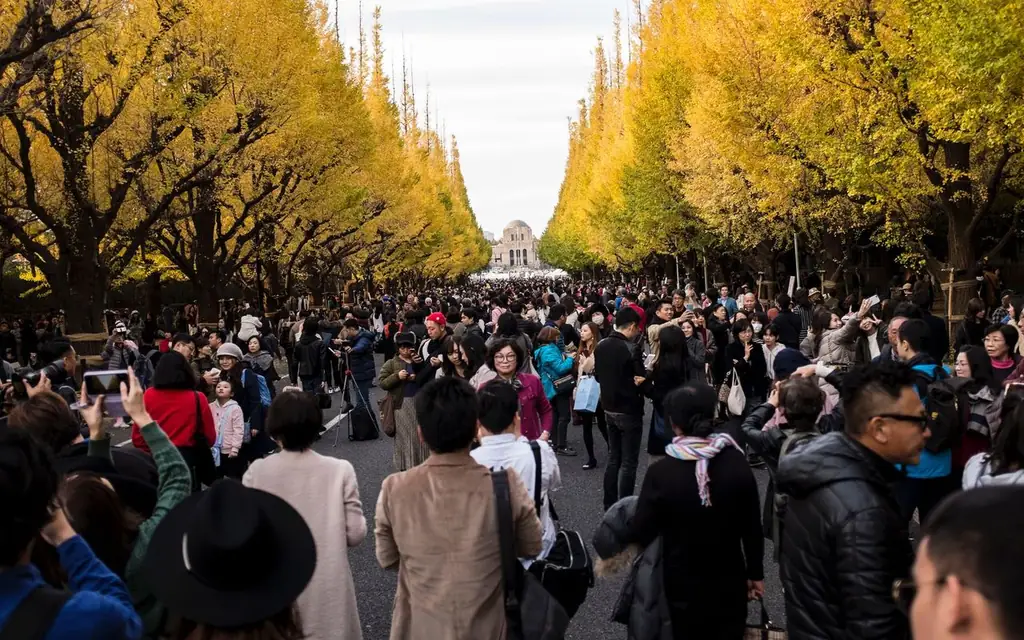
For a visitor the effect is dramatic. You step off one of the busiest pedestrian districts in Tokyo through the large wooden gate and, within a few minutes, the road noise falls away. The official access page says the walk from the entrance to the main shrine buildings takes at least another ten minutes, so budget the time and the stamina accordingly.
Entry is free. Some facilities within the grounds charge their own admission, notably the inner garden and the museum; the shrine's opening hours page lists them and notes that some places inside have shorter hours, mainly 9:00 to 16:00.
Hours by month: plan your arrival backwards from sunset
The shrine's published hours for the shrine grounds, as of 2026, are:
| Month | Opens | Closes |
|---|---|---|
| January | 6:40 | 16:20 |
| February | 6:20 | 16:50 |
| March | 5:40 | 17:20 |
| April | 5:10 | 17:50 |
| May | 5:00 | 18:10 |
| June | 5:00 | 18:30 |
| July | 5:00 | 18:20 |
| August | 5:00 | 18:00 |
| September | 5:20 | 17:20 |
| October | 5:40 | 16:40 |
| November | 6:10 | 16:10 |
| December | 6:40 | 16:00 |
Two conclusions follow. First, for the cooler months, from October to February, you have roughly nine to ten hours of daylight, and the shrine's offices and inner facilities keep an even shorter day, so an early visit gets you everything. Second, in summer you can see the shrine at 5:30 and still be at breakfast by 8:00, which is the quietest and coolest way to do it.
Meiji Jingu by car: from Haneda, Narita and the center
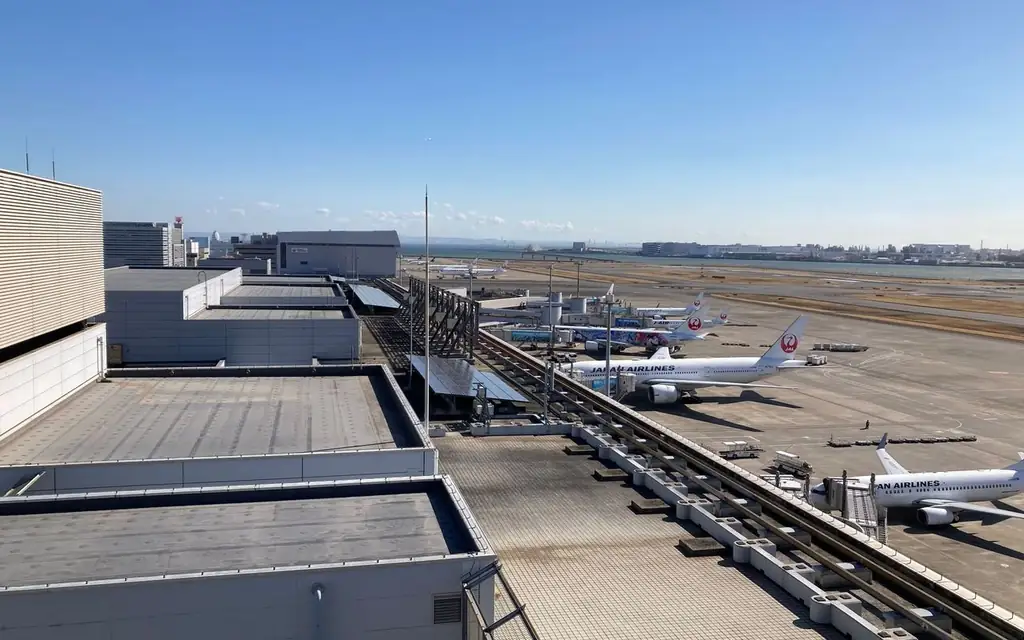
From Haneda (HND): about 17 km (11 miles), usually 30 to 55 minutes via the Metropolitan Expressway. The Haneda chauffeur service page covers terminals and the meeting point.
From Narita (NRT): about 75 km (47 miles), typically 70 to 100 minutes. After a long-haul flight most visitors rest at the hotel and come to the shrine the next morning, which also gives the best light.
From nearby districts: Shibuya is about 2.5 km (1.5 miles) away, Shinjuku about 3 km (2 miles), and Ginza roughly 8 km (5 miles). Daytime travel is often 10 to 25 minutes, longer on weekends when Harajuku is crowded.
For the pickup at the airport, we track the flight and allow 60 minutes of free waiting after an international landing. If you are arriving after midnight and plan to be at the shrine at dawn, say so at booking: a dawn visit needs a rested chauffeur and a pickup time that suits the opening hour.
Entrances, drop-off and where the car waits
The shrine's access page says there is a parking area at the shrine entrance, but it is for bicycles and motorcycles, which are not allowed inside. Nothing is stated about car or bus parking, so assume that a chauffeur drops you at the roadside near the entrance and parks in a public lot nearby or waits on call.

The tourism board lists four nearby stations that mark the approaches: Harajuku (about one minute on foot), Meiji-jingumae (Harajuku) on the Chiyoda and Fukutoshin lines (one minute), Yoyogi (five minutes) and Sangubashi on the Odakyu Line (five minutes). The Harajuku side is the grandest approach and the most crowded; the Yoyogi and Sangubashi sides are calmer and shorter for guests who do not want a big crowd at the start.
A good chauffeur choice depends on who is in the party:
- Standard visit: drop at the Harajuku side, walk through the first torii, and meet the car at the same place after the museum or gardens.
- Calmer visit: use the Yoyogi or Sangubashi side, walk the path toward the main buildings and leave by the opposite gate; the car re-positions.
- Limited mobility: tell the desk at booking, because the walk from the entrance to the main buildings is at least ten minutes each way. The shrine provides wheelchairs at the entrance, and the tourism board lists a wheelchair ramp, lift and accessible toilets among its facilities.
Walking the approach and the main hall
The path is wide and shaded, with a series of large torii gates. The shrine itself is a quiet complex, and the pace is meant to be slow. The tourism board suggests walking the tree-lined path through the forest and looking for traditional weddings on Sunday mornings, when brides in white kimono and grooms in formal hakama may be seen in procession. That is a ceremony, not a performance: stand back, keep your voice low, and do not block the line of the procession.
The official Q&A is direct on a few points that matter:
- Photography is permitted, but not in front of the main shrine while people are praying, and the amulet office should not be photographed.
- Eating and drinking are limited to designated areas.
- The shrine opens at sunrise and closes at sunset, with the monthly times on its opening hours page.
Visitors to a Shinto shrine usually bow at the torii, walk to one side of the central path, purify hands and mouth at the water basin, then offer a small coin, bow twice, clap twice and bow once. The sequence is posted near the offering hall; follow the signs rather than guessing, and watch the person ahead of you. There is no formal dress code that the shrine publishes; modest, comfortable clothes and walking shoes are the sensible choice.
You can check the shrine's visit page and the Q&A page before you go.
Inner garden, museum and the seasons
Beyond the main shrine, three things reward extra time:
- The inner garden (Gyoen): a separate garden within the grounds, with its own admission and hours; the tourism board recommends June, when irises bloom.
- The Meiji Jingu Museum: the shrine lists it among its attractions. The museum pages show a closure on Thursdays and an afternoon closing time, so check the shrine's pages for your date; admission charges apply.
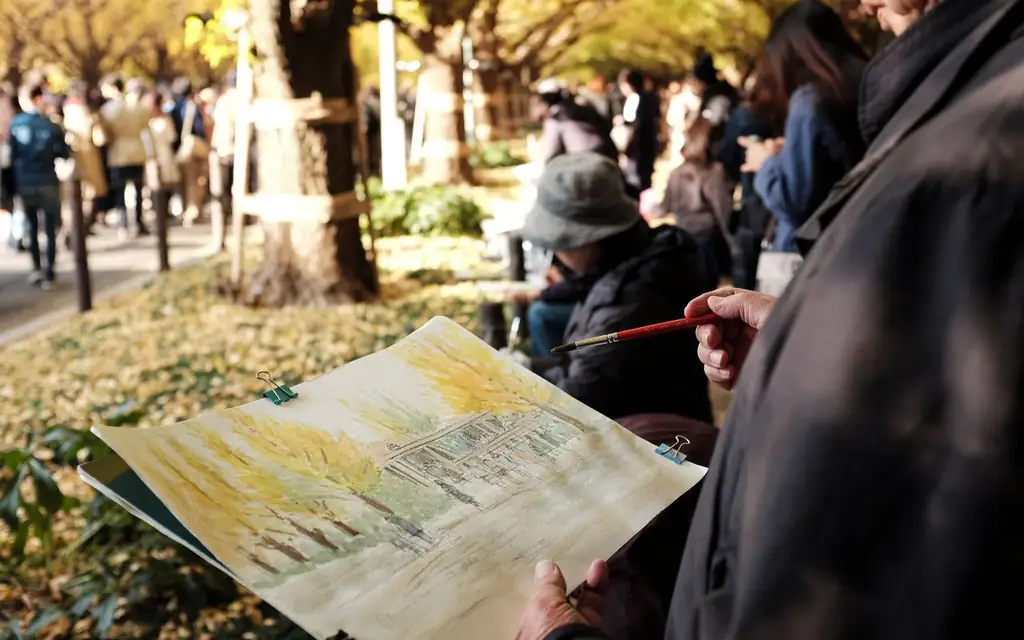
- The outer gardens: the tourism board mentions rows of ginkgo trees along with sports facilities, and the autumn color is a recognised highlight of Tokyo.
Seasonal events can transform the grounds. The Spring Grand Festival runs from late April into early May, with traditional performances such as bugaku, noh and kyogen; the 2026 edition ran from April 29 to May 3. At the New Year, the tourism board says the shrine receives over 3 million visitors over the first three days of January. That is the one time of year when a car is impractical for the final kilometre and the walk from a distant drop-off is long. Outside those peaks, the shrine is quiet on weekday mornings.
A dawn visit, step by step
Summer dawn is the best argument for a chauffeur at this shrine, because the opening hour is earlier than most breakfast service and well before the commuter peak. If you decide on a first-light visit between May and August, the sequence runs like this.
- The evening before, confirm the opening time for your month on the shrine's page and give the desk a pickup time that leaves 15 minutes of slack.
- The chauffeur collects you from the hotel while the roads are nearly empty; the ride from most central hotels takes 15 to 25 minutes at that hour.
- You enter as the gates open, walk the approach in near silence, and reach the main buildings with a few other early visitors, mostly local residents on their morning walk.
- After 60 to 90 minutes you return to the entrance, where the car is waiting. Breakfast in Omotesando follows, before the shops open and the district fills.
In winter the same plan shifts later, with the gates opening at 6:40 in December and January, and the early light arriving closer to opening time. The principle holds: be at the gate when it opens, not an hour after.
Meiji Jingu compared: ways to arrive
| Route | Time to the shrine gate | Cost note | Good fit |
|---|---|---|---|
| JR Yamanote Line to Harajuku | 10 to 25 minutes, then 1 minute on foot | Lowest | Light travelers visiting on a weekday |
| Tokyo Metro Chiyoda or Fukutoshin Line to Meiji-jingumae | 10 to 25 minutes | Lowest | Skipping the Harajuku station crowd |
| Street taxi | 10 to 35 minutes | Metered | A quick hop from Shibuya or Shinjuku |
| Private chauffeur car | 15 to 40 minutes, door to door | Fixed fare, quoted before you book | Airport arrivals, dawn visits, mobility needs, multi-stop days |
If you are staying close, the train is easy. A car adds value at dawn, when the first trains may not suit your schedule, after a flight, and when the shrine is one of several stops in a day.
A morning itinerary with neighbours in Harajuku and Shibuya
- Sunrise, Meiji Jingu. Arrive at the opening time for your month, walk to the main hall and return. Allow 60 to 90 minutes with the museum.
- 9:30, Omotesando. A short drive or a walk to the avenue of boutiques and cafés, with breakfast.
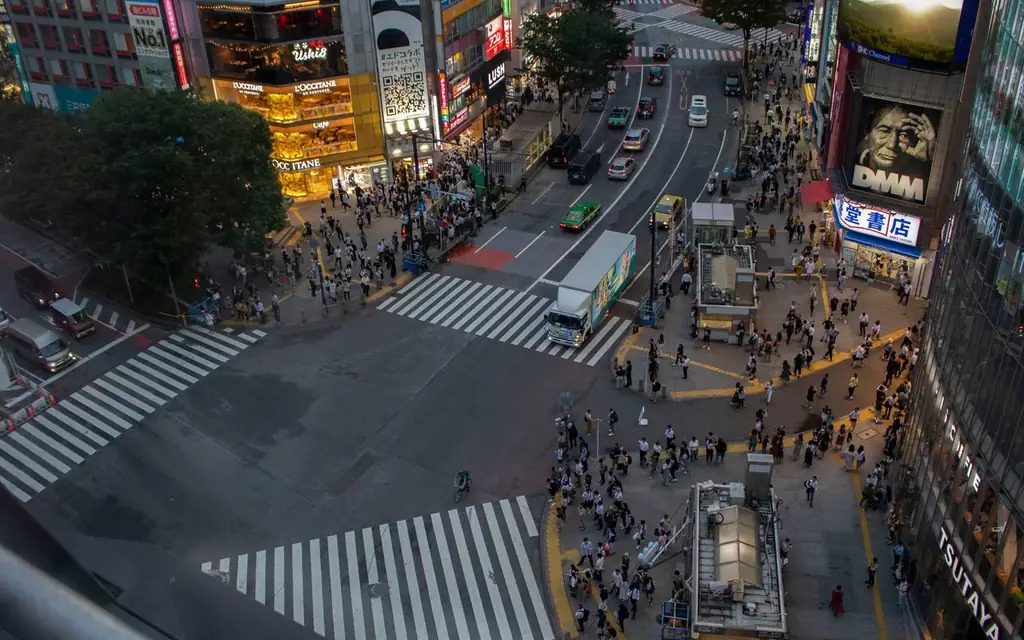
- 11:00, Shibuya. Continue to Shibuya Crossing and, if you booked it, the rooftop at Shibuya Scramble Square.
- Afternoon, Senso-ji on the east side if you want a second shrine, or a quiet lunch and an early evening flight.
For a longer plan, the private tours with driver page explains how the desk builds hourly and full-day bookings, and you can browse our Asia-Pacific directory for more cities.
Planning notes for specific travelers
First-time visitors with a long layover. If you land at Haneda in the morning and leave the same night, the shrine is one of the few Tokyo sights that fits a five-hour window: airport to shrine in under an hour, 90 minutes on foot, lunch in Omotesando, and back with time to spare. Ask the desk to hold your cases in the vehicle, so you are not carrying them through the forest.
Families with young children. The distances inside the grounds add up, with at least ten minutes from the entrance to the main buildings. Request a booster or toddler seat when you book, and plan the walk for the cooler hours.
Travelers who prefer low visibility. Dawn and weekday mornings are quiet, and an alias can be used on the booking and on the arrivals name board. The same applies to those who attend a ceremony: be mindful that the shrine is an active place of worship, and photographing a private wedding procession is discourteous.
Discretion, children and trade bookings
A shrine is a good place for a private visit, since early hours keep the paths nearly empty. Ask for an alias on the booking if you want your name off the arrivals board, and for a child seat at booking if you travel with young children. The chauffeur does not photograph guests, and your own security team can accompany you in the grounds, as the driving is all we provide.
For official information on events, the metropolitan tourism board's Meiji Jingu page covers access and tips.
Frequently asked questions
What time does Meiji Jingu open and close?
It opens at sunrise and closes at sunset, with the times listed month by month on the shrine's website. In October the shrine is open 5:40 to 16:40, and in December 6:40 to 16:00.
Is it free to enter Meiji Jingu?
Entry to the shrine grounds is free. The inner garden and the museum charge separate admission, and prices should be checked on the shrine's pages.
How far is Meiji Jingu from Haneda Airport by car?
About 17 km (11 miles), usually 30 to 55 minutes depending on the Metropolitan Expressway traffic.
How far is Meiji Jingu from Narita Airport by car?
About 75 km (47 miles), typically 70 to 100 minutes. Most visitors go to the hotel first.
Can a car enter the Meiji Jingu grounds?
No. The shrine's entrance parking is for bicycles and motorcycles, and the main shrine is a walk of at least ten minutes from the entrance. A chauffeur drops you near the gate.
Can I take photos at Meiji Jingu?
Yes, but not in front of the main shrine while people are praying, and not of the amulet office. Be discreet near wedding processions.
Which station is closest to Meiji Jingu?
Harajuku Station and Meiji-jingumae (Harajuku) Station are each about a minute on foot. Yoyogi and Sangubashi stations are about five minutes away.
How long should I allow for a visit?
Allow 90 minutes for the shrine and forest, and up to three hours if you add the inner garden and museum.
When is the best time to visit?
Weekday mornings, shortly after opening, are quietest. New Year's first three days draw over 3 million visitors, according to the tourism board.