 United StatesJFK
 MexicoMEX
 BrazilGRU
 ArgentinaEZE
 ChileSCL
 ColombiaBOG
 PeruLIM
 PanamaPTY
 Costa RicaSJO
 Dominican RepublicPUJ
 JamaicaMBJ
 BahamasNAS
 BarbadosBGI
 United KingdomLHR
 IrelandDUB
 FranceCDG
 GermanyFRA
 NetherlandsAMS
 BelgiumBRU
 SwitzerlandZRH
 AustriaVIE
 ItalyFCO
 SpainMAD
 PortugalLIS
 GreeceATH
 TurkeyIST
 DenmarkCPH
 SwedenARN
 NorwayOSL
 FinlandHEL
 PolandWAW
 Czech RepublicPRG
 HungaryBUD
 IcelandKEF
 United Arab EmiratesDXB
 QatarDOH
 Saudi ArabiaRUH
 IsraelTLV
 EgyptCAI
 MoroccoCMN
 South AfricaJNB
 KenyaNBO
 NigeriaLOS
 IndiaDEL
 PakistanLHE
 Sri LankaCMB
 SingaporeSIN
 MalaysiaKUL
 ThailandBKK
 VietnamSGN
 PhilippinesMNL
 IndonesiaCGK
 Hong KongHKG
 ChinaPVG
 TaiwanTPE
 JapanHND
 South KoreaICN
 AustraliaSYD
 New ZealandAKL
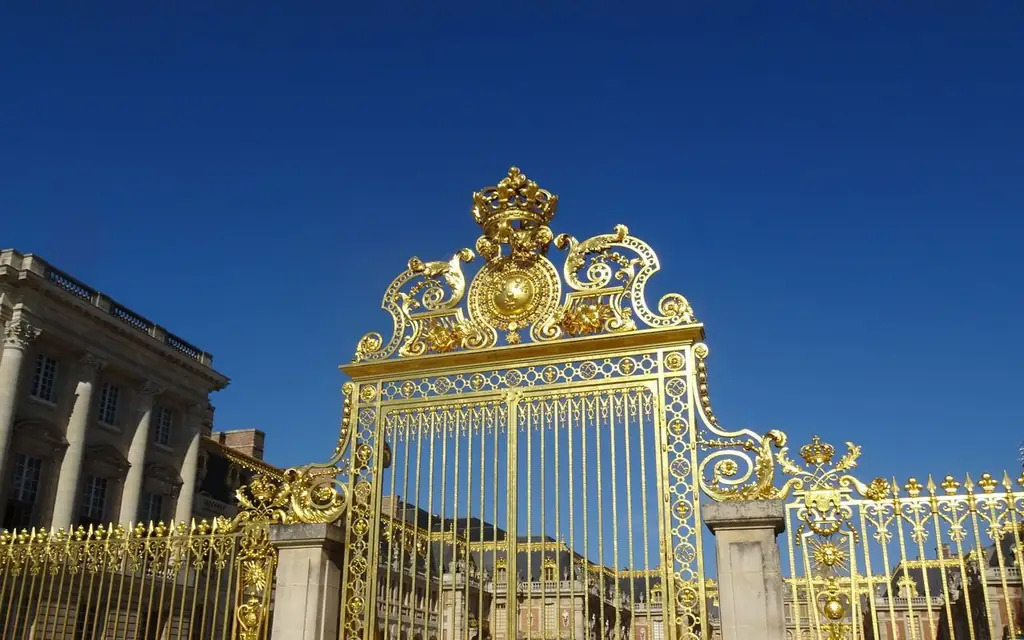
Versailles rewards the visitor who treats it as three places rather than one: a palace you enter at a fixed time, a garden you can enter from first light, and a pair of smaller royal houses at the far end of the park that most day-trippers never reach. The day goes wrong when a group tries to do all of it on foot, in one block, after a train from Paris and a long queue. A Palace of Versailles private tour with driver changes the shape of the day, because the car takes the transfers and the walking is spent where it counts.
Below is a practical guide to how to get to the Palace of Versailles by car, how the palace's own ticketing and calendar work, and how to organize a chauffeured day around the palace, the gardens and the Trianon estate.
How long does it take to drive to the Palace of Versailles?
Versailles is about 20 km (12 mi) south-west of central Paris, 35 to 70 minutes by car depending on the hour. From Orly it is about 22 km (14 mi), 30 to 50 minutes; from Charles de Gaulle about 55 km (34 mi), 60 to 90 minutes.
The town sits beyond the western edge of the ring road, reached by the A13, the N118 or the roads through Boulogne and Sèvres. The morning inbound traffic and the evening outbound traffic run in the opposite direction to most visitors, which helps; the Friday afternoon exodus from Paris does not.
Typical distances and times:
- Central Paris (hotels in the 1st to 8th): about 20 km (12 mi), 35 to 70 minutes.
- Orly (ORY): about 22 km (14 mi), 30 to 50 minutes.
- Charles de Gaulle (CDG): about 55 km (34 mi), 60 to 90 minutes. See our Paris CDG airport page for the pickup process.
- Le Bourget (LBG): about 45 km (28 mi), 50 to 80 minutes; private-jet passengers should read the Le Bourget page first.
- Giverny: about 65 km (40 mi), around 1 hour, which makes a Versailles and Monet combination possible with an early start.
For the Paris side of the trip, see the Paris chauffeur service page; the Europe directory lists the other regions we cover.
Pick the right day: closures, the fountain season and the Trianon exhibition
The palace's official site, Château de Versailles, gives the calendar. It states that the Palace and the Trianon estate are closed on Mondays, on 25 December, 1 January and 1 May. The park and gardens have their own, much longer hours, opening early in the morning and closing in the evening.
Two items make late October 2026 a special moment:
- The Musical Fountains Shows and Musical Gardens run from 1 April to 1 November 2026, so the last weekends of the season fall in the coming days. On those dates the gardens are paid and busier. Check the official calendar for which days include fountains and music; they are not daily.
- The Marie-Antoinette exhibition by Sofia Coppola at the Petit Trianon runs from 22 September 2026 to 24 January 2027, according to the palace's site. It is a draw, so Trianon entry may be busier than usual.
Because dates and special tickets change, treat the official page as the source and this guide as the plan around it. The palace's plan your visit page sets out the ticket types and the security rules in one place.
Tickets, timed entry and security
The palace's ticketing page describes a Passport that covers the Palace with timed entry, the Trianon estate, temporary exhibitions, and the Gardens and Park. A Trianon-only ticket also exists. Passport holders enter the Palace at a booked time, so the booking decides the pace of the day. Admission figures are on the official site; we do not repeat them here.
Security is thorough. According to the palace, every bag and vehicle is checked on entry, and large bags over 55 by 35 by 25 cm are not allowed on the estate. With a chauffeur this is easy: leave the large luggage in the car and carry a small daypack. Note that the gardens are free between November and March, and paid on the dates from April to October when entry is charged, which matters if you arrive in the last days of the season.
Where the car goes and where it waits
Versailles town is organized around the Place d'Armes, the large forecourt in front of the palace where three avenues converge. A chauffeur normally drops you near there, then parks in a public car park or on a designated street and waits or returns by arrangement. Parking on the forecourt itself is not an option for private cars, and coaches use dedicated areas.
For the Trianon and the far end of the park, the practical option is to walk, take the electric carts or small train when they operate, or move the car. According to the palace's own notices, those services can pause for special events, so confirm on the day. A chauffeur can meet you at a different gate if you plan to finish at the Trianon side, and the desk will note it on the confirmation.
Plan the return trip with traffic in mind. Leaving the palace between 5 and 7 p.m. puts you into the evening flow back into Paris.
Inside the palace: how long, in what order
The state apartments, the Hall of Mirrors and the King's and Queen's apartments are the principal route. Allow two to three hours at an easy pace, plus time for the security queue. The Hall of Mirrors is magnificent and crowded; go early in your slot and look back down the gallery.

The palace is not a place to rush. Choose three things: the Hall of Mirrors, the Queen's apartments, and the Royal Chapel or the Opera if open. Skip the rest rather than skimming. Where a site requires or recommends a licensed guide, say so when you book; Versailles offers guided routes through the palace itself, and guides are separate professionals from your chauffeur.
Gardens, Grand Canal and the Trianon estate
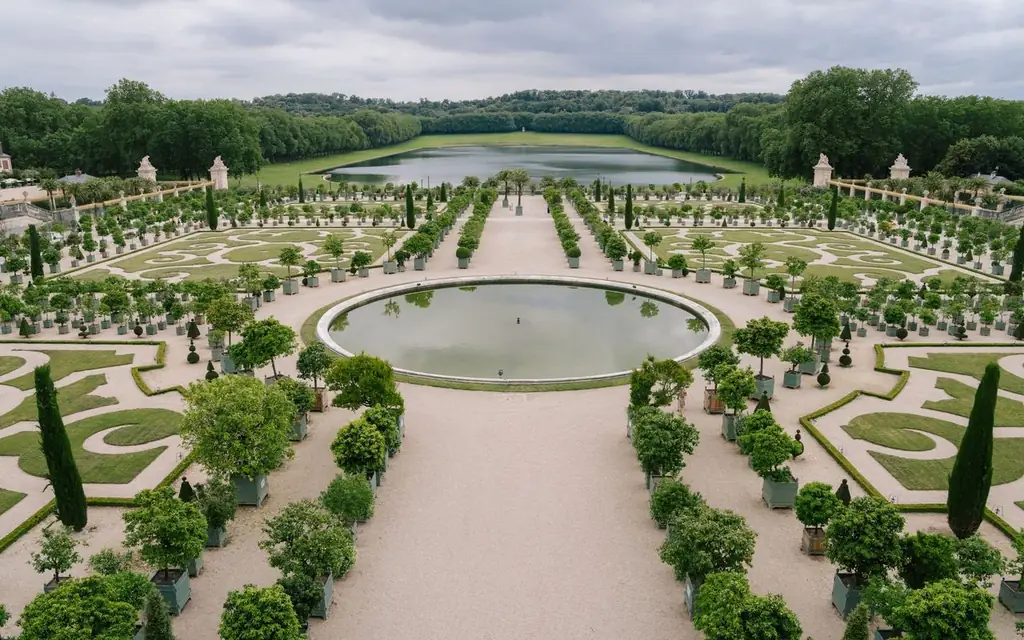
The gardens are the largest part of the property and the best use of a long afternoon. The formal parterres run down from the palace to the Grand Canal, a cross-shaped water body that takes time to reach. The distances are real: the walk from the palace to the Trianons is of the order of 25 to 35 minutes on foot, and the garden itself is large enough to fill a day on its own.
The Trianon estate opens from midday, Tuesday to Sunday, with the Trianon ticket or the Passport. The Grand Trianon is a pink marble pavilion built for Louis XIV; the Petit Trianon is associated with Marie-Antoinette, and the Queen's Hamlet, a faux-rustic village, sits just beyond. In October the light on the lake and the autumn colors make the Trianon side the better half of the afternoon.
Autumn, weather and the last light of the season
Late October is a quiet kind of beautiful at Versailles. The crowds of July have thinned, the trees along the Grand Canal turn, and the low sun is kind to the stone. It is also colder, wetter and windier than Paris, because the park is open ground. Pack a layer even on a bright morning, and expect the gravel paths to be muddy after rain.
Daylight shortens quickly after the clocks go back at the end of October, so a late plan in the gardens needs a realistic finish time. The park's gates close in the evening, and the electric carts and small train do not run at all hours, so a chauffeur collecting you from the far side of the park should be briefed on the time and the gate before you walk out there. If rain closes in, the palace interior, the Royal Chapel and the Opera give you a dry fallback, and the Trianon houses are small enough to shelter in between showers.
For groups, the weather is the main reason to pick a vehicle with space: coats, umbrellas and a change of shoes go in the boot while you walk. A Luxury SUV carries up to six with five or six large bags; a Sprinter takes up to 12 to 14. Corporate groups often add a second vehicle so the party can split between the palace and the Trianon without waiting for each other, and the desk can run two cars on one booking with a single invoice.
Accessibility, dress and etiquette
The palace links to an "Accessibility for all" page and the site currently states that the accessibility of its website is "Partially compliant". For visitors with limited mobility, the practical points are the long distances in the gardens and the cobbled courtyards. Tell the desk when you book, so the chauffeur plans the nearest practical drop and a collection point that avoids the longest walks.

There is no formal dress code, but comfortable shoes are essential on gravel and cobbles. The gardens are not a place for heels. Bring a layer in October; the park is exposed and it is cooler than Paris. Photography is allowed in most areas, but follow signs in the apartments.
Train, coach or car to Versailles
| Transport | Paris to Versailles | Cost character | Ideal traveler |
|---|---|---|---|
| RER C to Versailles Château Rive Gauche | 40 to 60 minutes | Lowest | Light baggage, flexible start |
| Regional train from Montparnasse or Saint-Lazare | 20 to 40 minutes plus a walk | Low | Hotels near those stations |
| Taxi or rideshare | 35 to 70 minutes | Metered or surge-priced | One-way trips |
| Tour coach | Fixed departure times | Per-person fare | Groups wanting commentary |
| Private chauffeur | 35 to 70 minutes door to door | Fixed fare via the booker | Families, luggage, combined days |
The RER is the lowest-cost choice and, for a single visitor with a morning slot, a good choice. The chauffeur is the better one if you are arriving from the airport, carrying luggage, traveling with children, or moving between the palace, the Trianon and another sight in one day.
A chauffeured full day from Paris
A full-day booking might look like this:
- 8:15 a.m., depart Paris. A pickup from your hotel, arriving at Versailles before the main wave.
- 9:00 a.m., the palace. Your timed entry, with the state apartments before the crowds peak.
- 12:00 p.m., lunch in town. A short drive or walk to the Versailles market area, with the chauffeur on call.
- 1:30 p.m., gardens and Trianon. Walk the parterres or move the car to the Trianon side, depending on the weather.
- 4:30 p.m., return. Back to Paris, about 20 km (12 mi), or on to the Eiffel Tower for the evening light.
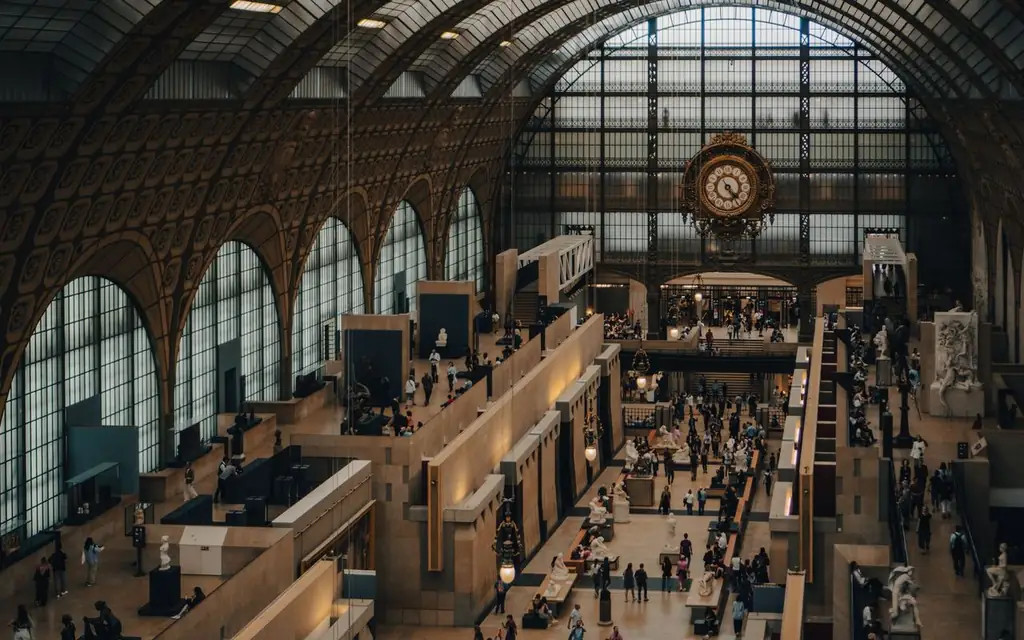
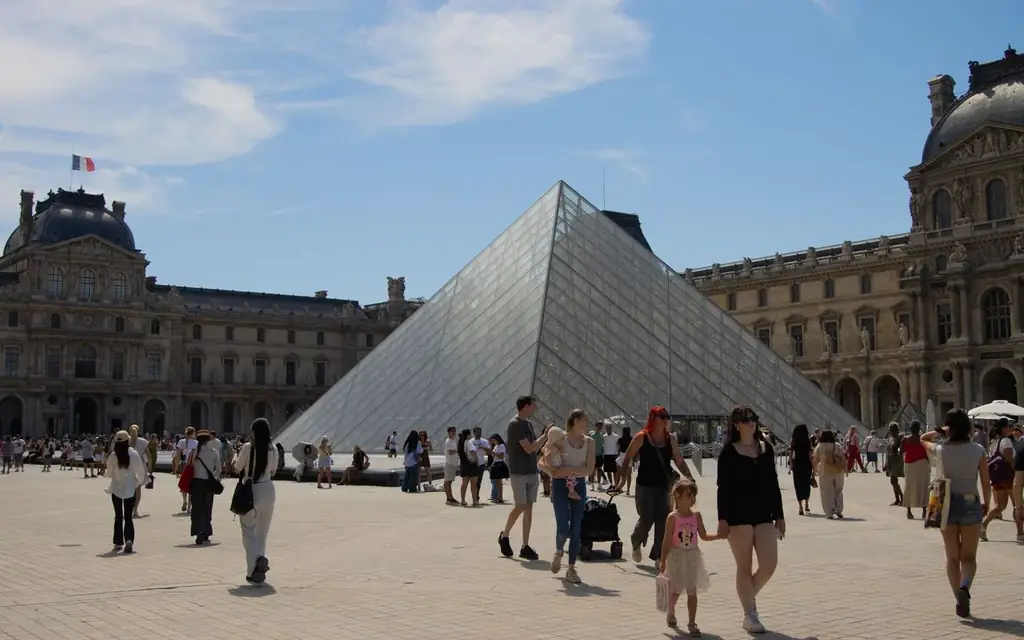
If you prefer a gentler day, do the palace in the morning and finish with the Louvre or the Musée d'Orsay in the Paris evening. For an Impressionist pairing, Giverny is the natural second day. The private tours with driver page shows how longer days like this are put together.
Booking a day at Versailles
A Versailles day usually runs six to nine hours, so it is booked as a day rather than a one-way transfer: pickup in Paris, the drive out, waiting time while you tour, and the return. Say so in the booker or in the booking notes, and add the airport legs if you are arriving or leaving the same day. The chauffeur belongs to a licensed, insured local operator in our worldwide directory; our worldwide desk confirms, supports and invoices the booking around the clock. Pick the class by party and luggage: sedans for up to three, a Luxury SUV for up to six with five or six large bags, a Sprinter for 12 to 14. Booster and toddler seats come on request. The fixed fare appears in the booker before you commit. See the fleet page, and note that visitor centers can ask about trade accounts on the tourist offices page. Visit Paris Region lists events on the day.
Frequently asked questions
How far is the Palace of Versailles from Paris?
About 20 km (12 mi) from central Paris, normally 35 to 70 minutes by car. From Orly it is about 22 km (14 mi), and from Charles de Gaulle about 55 km (34 mi).
What day is the Palace of Versailles closed?
According to the palace's official site, the Palace and the Trianon estate are closed on Mondays, and on 25 December, 1 January and 1 May. The gardens keep longer hours.
Do I need to book Versailles tickets in advance?
The palace sells a Passport with a timed entry for the Palace. Book through the official site and choose a slot that leaves time for security, which checks every bag.
Are the fountains running in late October?
The Musical Fountains Shows and Musical Gardens run until 1 November 2026, on selected dates. Check the official calendar for which days include the fountains.
How long should I spend at Versailles?
Allow two to three hours for the palace and another two to three hours for the gardens and Trianon. A full day is comfortable; a half day means picking the palace or the park.
Can a car drop me at the palace door?
A chauffeur drops you near the Place d'Armes, the forecourt in front of the palace, then parks elsewhere. Private cars do not wait on the forecourt itself.
Can I bring a suitcase to Versailles?
Large bags over 55 by 35 by 25 cm are not allowed on the estate, according to the palace. Leave luggage in the vehicle and carry a small daypack.
Can I combine Versailles and Giverny in one day?
It is possible with an early start, since the two are about 65 km (40 mi) apart, but each deserves more time. Most guests prefer two separate days.