
 United StatesJFK
 MexicoMEX
 BrazilGRU
 ArgentinaEZE
 ChileSCL
 ColombiaBOG
 PeruLIM
 PanamaPTY
 Costa RicaSJO
 Dominican RepublicPUJ
 JamaicaMBJ
 BahamasNAS
 BarbadosBGI
 United KingdomLHR
 IrelandDUB
 FranceCDG
 GermanyFRA
 NetherlandsAMS
 BelgiumBRU
 SwitzerlandZRH
 AustriaVIE
 ItalyFCO
 SpainMAD
 PortugalLIS
 GreeceATH
 TurkeyIST
 DenmarkCPH
 SwedenARN
 NorwayOSL
 FinlandHEL
 PolandWAW
 Czech RepublicPRG
 HungaryBUD
 IcelandKEF
 United Arab EmiratesDXB
 QatarDOH
 Saudi ArabiaRUH
 IsraelTLV
 EgyptCAI
 MoroccoCMN
 South AfricaJNB
 KenyaNBO
 NigeriaLOS
 IndiaDEL
 PakistanLHE
 Sri LankaCMB
 SingaporeSIN
 MalaysiaKUL
 ThailandBKK
 VietnamSGN
 PhilippinesMNL
 IndonesiaCGK
 Hong KongHKG
 ChinaPVG
 TaiwanTPE
 JapanHND
 South KoreaICN
 AustraliaSYD
 New ZealandAKL
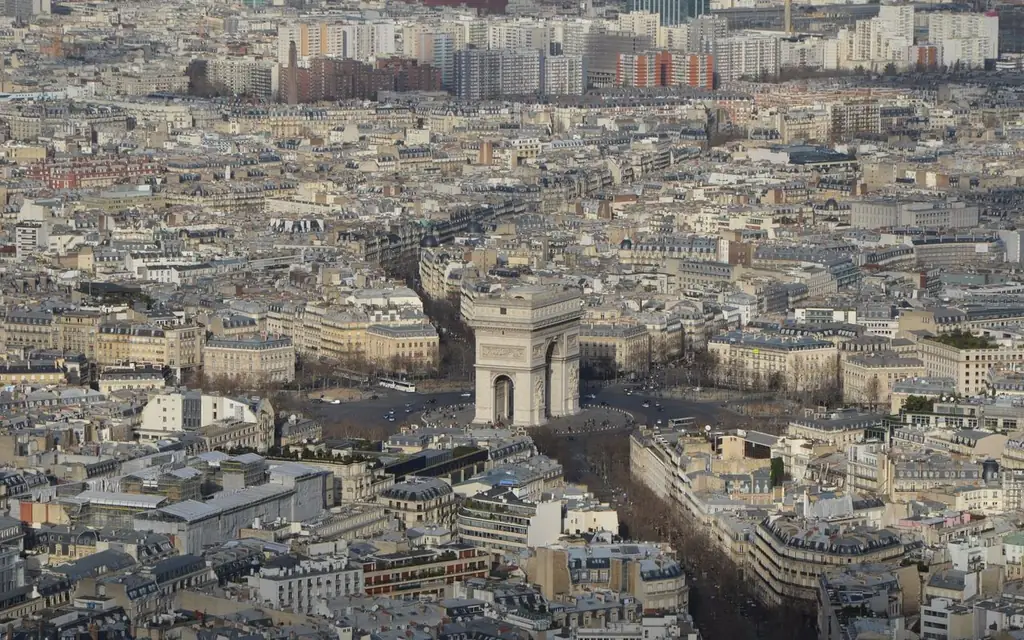
There is a joke among Paris dispatchers that the Place Charles de Gaulle is the one junction where the rulebook was replaced by confidence. Twelve avenues meet around the Arc de Triomphe, traffic circulates with few visible lane markings, and the monument itself sits on an island that you can only reach on foot by an underpass. Anyone planning an Arc de Triomphe and Champs-Élysées private tour with driver should know this before booking, because it decides where you are dropped, where you are collected and how much of the avenue you actually walk.
The reward is one of the most coherent walks in Paris: the arch at one end, the Place de la Concorde at the other, and a long straight avenue between them that has been the city's parade ground for two centuries. This guide covers how to get to the Arc de Triomphe by car, what to book, and how to build an evening around the axis.
How do you get to the Arc de Triomphe by car?
The Arc de Triomphe is about 25 km (16 mi) from Paris Charles de Gaulle, 35 to 60 minutes, and about 20 km (12 mi) from Orly, 35 to 55 minutes. A chauffeur does not stop on the roundabout; you are dropped on a radiating avenue and walk to the underpass.
The monument stands at the western end of the Champs-Élysées in the 8th arrondissement, at the Étoile, which gives the roundabout its other name. Times from the starting points clients ask about most:
- Paris Charles de Gaulle (CDG): about 25 km (16 mi) via the A1 and the ring road, 35 to 60 minutes. The CDG airport page sets out how arrivals are handled.
- Orly (ORY): about 20 km (12 mi), 35 to 55 minutes via the A6 and the western ring.
- Le Bourget (LBG): about 15 km (9 mi); 25 to 45 minutes from the FBO (details).
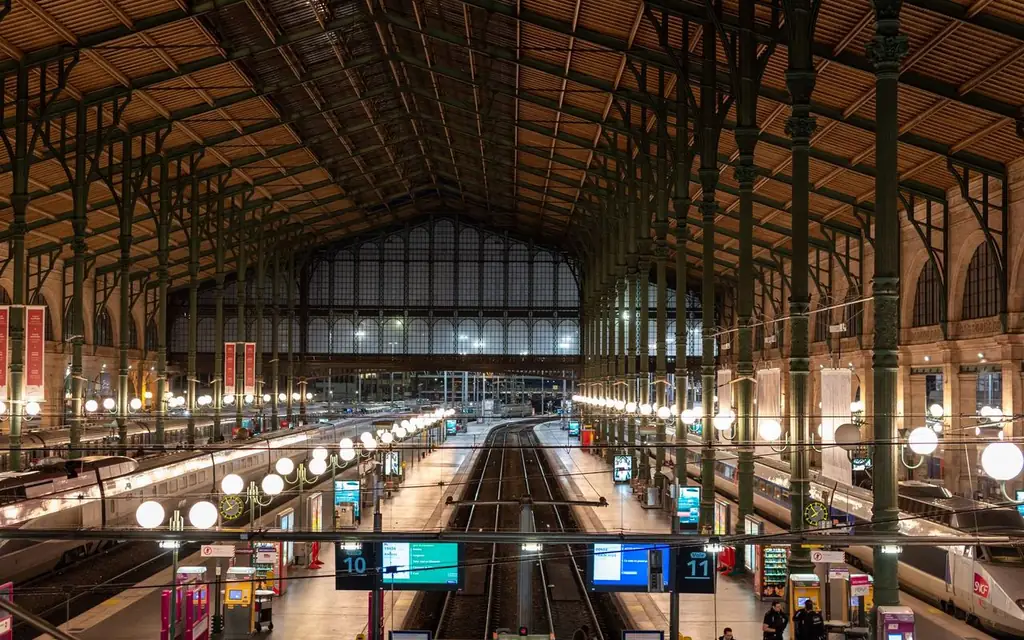
- Gare du Nord: about 4 km (2.5 mi) across the 9th and 8th arrondissements, 15 to 30 minutes (station guide).
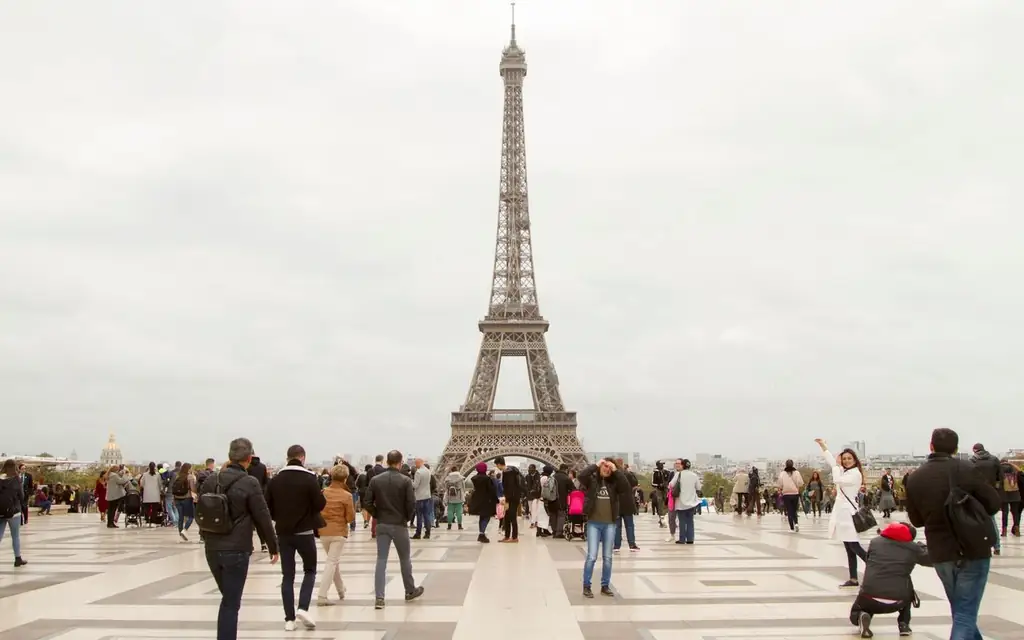
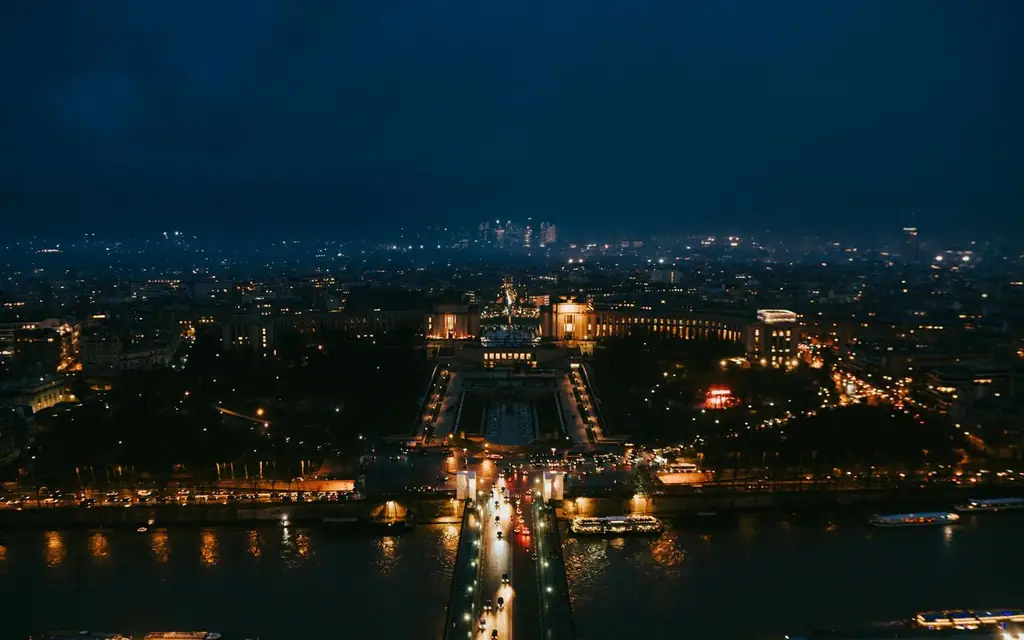
- Eiffel Tower: about 2.5 km (1.6 mi), 10 to 20 minutes. The Eiffel Tower guide covers the other half of the evening.
For the rest of the city, the Paris chauffeur service page is the starting point.
The roundabout: why nobody stops at the Arc
The monument is surrounded by one of the most famous traffic circles in the world, into which a dozen avenues feed. Pedestrians reach the arch by an underpass, entered from the corners of the Champs-Élysées and the neighboring avenues, and cars do not stop on the circle. A chauffeur drops you on one of the radiating avenues, such as Avenue Hoche or Avenue Marceau, or on a side street where stopping is legal, and you walk to the underpass entrance.
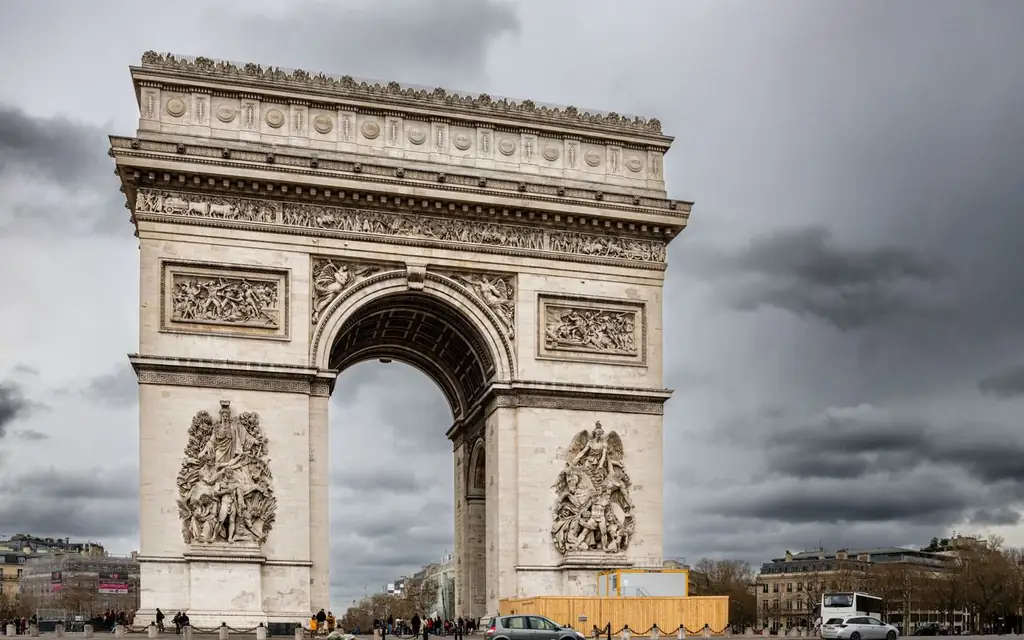
What this means in practice:
- Do not ask for a drop "at the Arc". Ask for the Champs-Élysées side or a named avenue, and let the chauffeur choose the legal spot for the traffic that day.
- Add time for the underpass. It is a short walk, but crowds and security checks can slow it.
- Expect closures on ceremony days. National occasions and parades close the roundabout and the avenues for hours; the desk will adjust the route.
Crit'Air, the emissions-sticker scheme that governs which vehicles may enter Paris, is covered on the official site; the chauffeur's car is registered under it.
The rooftop: tickets, steps and views
Ticketing and opening times for the monument are run by the Centre des monuments nationaux, whose site, monuments-nationaux.fr, lists the monument and links to booking. Walking around the base of the arch costs nothing, and the underpass is open as part of normal access. Going inside to the museum levels and the rooftop terrace needs a ticket. We do not quote or sell admission.
The climb is a stair climb of close to 300 steps by most published counts, with a lift that is reserved for visitors with reduced mobility. The terrace gives one of the best views in Paris, because it looks down the twelve avenues like spokes: the Champs-Élysées toward the Louvre, the Avenue de la Grande-Armée toward La Défense, and the Eiffel Tower to the south. Opening hours extend into the evening for much of the year and vary by season and by day, so check the official page, and note the closures around 1 January, 1 May and 25 December.
The flame, the tomb and the etiquette
Beneath the arch lies the Tomb of the Unknown Soldier of the First World War, laid there in 1921. A flame is rekindled in a daily ceremony in the early evening, usually at 6:30 p.m., and veterans' associations take part. It is a memorial in constant use, not a photo backdrop, so keep your voice down, do not walk over the slab, and follow the staff. Cameras are fine but behave as you would at any war memorial.
On national days, notably 11 November and 14 July, the arch and the avenue are the center of formal ceremonies. Access narrows, security increases and the roundabout closes. Treat those dates as poor choices for a casual visit and good ones only if you want the spectacle and have planned the logistics.
Walking the Champs-Élysées
The avenue runs about 1.9 km (1.2 mi) from the Étoile down to the Place de la Concorde, gently descending. The upper half, from the arch to the Rond-Point, is lined with shops, flagship stores and cinemas, and carries the heaviest crowds. The lower half is a garden walk under chestnut trees, with the Grand Palais and Petit Palais on one side and the Élysée Palace area close by.
Practical notes for a walk with a driver:
- Walk downhill. Be dropped at the arch end, walk to the Concorde, and be collected near the obelisk or on a side street.
- Keep valuables close. The avenue draws pickpockets, particularly around the shop entrances.
- For luxury shopping, the parallel Avenue Montaigne is quieter than the Champs-Élysées and a more natural stop for fashion houses.
- In late November and December the avenue is lit for the holiday season; the switch-on date is announced each year.
Some famous addresses sit on the avenue, such as the pâtisserie Ladurée and the brasserie Fouquet's, but the quality of any restaurant depends on the day, so ask the desk or your hotel concierge for a recommendation rather than relying on fame alone.
Why the arch stands where it does
Napoleon ordered the arch in 1806 to honor the armies of the Empire, and it was not finished until 1836, long after his fall. Its position, at the top of a rise at the end of the Champs-Élysées, was chosen to anchor the axis that runs from the Louvre through the Tuileries and the Place de la Concorde. Look at the sculpture groups on the pillars: the one on the Champs-Élysées face known as the Departure of the Volunteers of 1792, or La Marseillaise, is the best known, with a winged figure urging the volunteers on.
The arch became a place of national memory after 1920, when an unidentified French soldier from the First World War was chosen to lie beneath it. Since then it has been the stage for victory marches, funerals and commemorations. That layering is why the monument rewards a slow look rather than a quick photograph, and why the staff ask for quiet at the tomb. If you are traveling with someone who knows French history, a licensed guide can enrich the visit; guides are separate professionals from the chauffeur, and we can arrange the car around the time you agree with them.
Best time and the light
The arch is best at dusk, when the stone warms and the avenue lights come on, and the view from the terrace is at its most atmospheric as the city starts to glow. Early morning is calm and good for photographs from the roundabout side. Weekends fill the avenue with visitors and slow the cars; weekday mornings are easier.
Rain makes the roundabout hazardous and the underpass crowded, and the terrace closes in strong wind or storm. Check the forecast the day before and keep a covered backup, such as the museum levels inside the arch or a café on the avenue.
Accessibility and practical details
The underpass is a level route with stairs and ramps in places, and the rooftop climb is by stairs, with a lift available for visitors with reduced mobility. Tell the desk at booking so the drop point can be planned and ask the monument about lift access ahead of time. The museum levels inside the arch can be visited at a slower pace than the terrace.

Bags are checked at the monument and the allowed size is small; the official site gives the rules, and we advise leaving luggage in the vehicle. Allow about 30 to 45 minutes for the rooftop visit including the queue, and 45 to 60 minutes for the full axis on foot.
Étoile access: metro, taxi or car
| Method | Time from central Paris | Cost profile | Fit |
|---|---|---|---|
| Metro or RER to Charles de Gaulle–Étoile | 10 to 25 minutes | Lowest | Solo travelers; exits straight into the underpass |
| Taxi | 10 to 25 minutes | Metered | One-way trips |
| Rideshare | 10 to 25 minutes | Surge-priced at peak | Short daytime hops |
| Bus | Varies with traffic | Lowest | Hotels on a direct line |
| Private chauffeur | 10 to 25 minutes with planned drop and return | Fixed fare via the booker | Evenings, arrivals, linked routes |
The metro station Charles de Gaulle–Étoile exits directly into the underpass, which is the simplest way for a solo traveler. The chauffeur is the better choice for an evening out, for guests arriving from the airport, or when you want to see the axis and then move on without a taxi queue.
A chauffeured evening along the axis
Here is a three-hour plan that keeps the walking pleasant and the driving short:
- 5:30 p.m., drop at the Étoile. Dusk timing for the terrace, if you have a ticket, or the underpass and the tomb if you do not.
- 6:30 p.m., the flame. The daily rekindling at the tomb, then a walk down the avenue.
- 7:15 p.m., the Champs-Élysées. Walk part of the way, or take the car to the Concorde, about 2 km (1.2 mi), 10 minutes.
- 8:00 p.m., dinner. In the 8th arrondissement, with the chauffeur on call.
- 9:30 p.m., the Eiffel Tower. About 2.5 km (1.6 mi), 10 to 20 minutes, to see the tower sparkle.
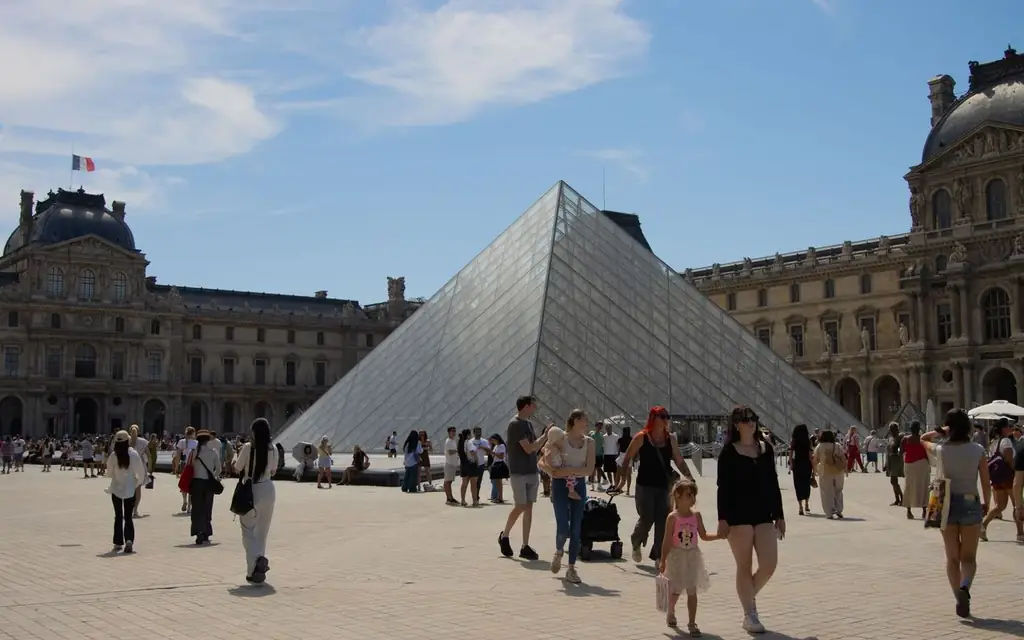
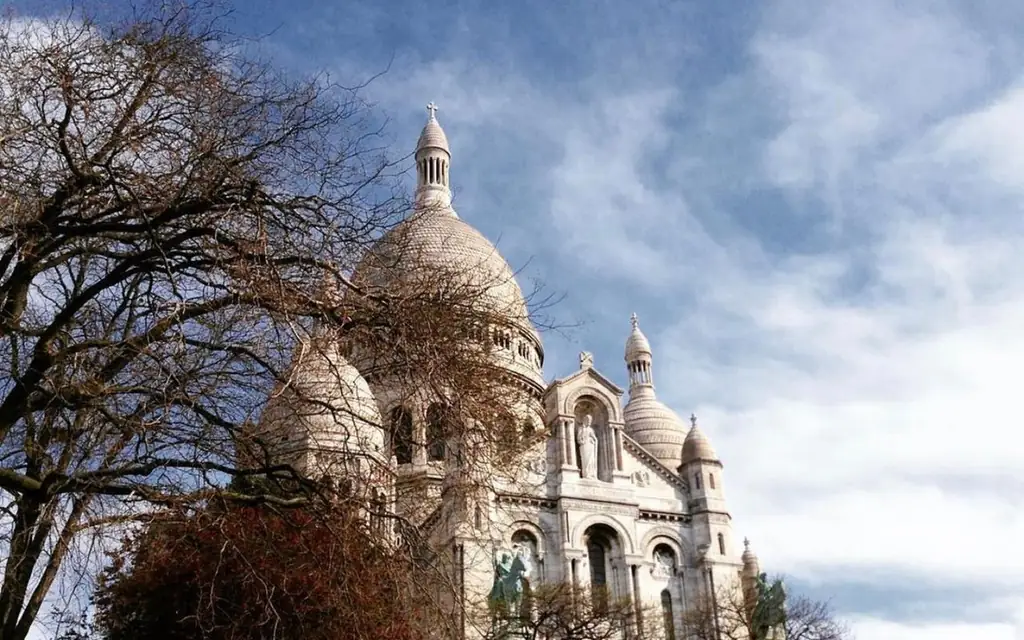
A day plan can start at the Louvre and run west along the avenue, or finish at Montmartre and Sacré-Cœur, about 4 km (2.5 mi) north. Longer itineraries are described on the private tours with driver page, and the attractions hub lists other sights.
Booking the avenue and the arch
A good booking for this axis names the avenue where you want to be dropped, not the monument, and gives the desk the time of your rooftop ticket or the evening you want to start. Our worldwide desk, open around the clock, books and confirms the ride and sends one invoice; the car itself is operated by a vetted, licensed and insured local chauffeur firm from our directory. For two or three guests an E-Class or S-Class is the natural choice; for six, a Luxury SUV; for a bigger party, a V-Class or Sprinter, with the exact model confirmed at booking. Toddler and booster seats can be requested. The fixed fare is shown in the booker first. The fleet page and the Europe directory cover the rest, tourist offices can ask about trade accounts on the tourist offices page, and Visit Paris Region lists events along the avenue.
Frequently asked questions
How far is the Arc de Triomphe from Charles de Gaulle airport?
About 25 km (16 mi), usually 35 to 60 minutes by car. From Orly it is about 20 km (12 mi), 35 to 55 minutes.
Can a car stop at the Arc de Triomphe?
No. The roundabout is a through-traffic circle. A chauffeur drops you on a nearby avenue and you walk to the pedestrian underpass.
How do I reach the Arc de Triomphe on foot?
Through the underpass from the Champs-Élysées or one of the neighboring avenues. There is no safe surface crossing of the roundabout.
Do I need a ticket for the Arc de Triomphe?
Walking around the base is free. The museum levels and the rooftop terrace need a ticket, sold through the Centre des monuments nationaux.
How long is the Champs-Élysées?
About 1.9 km (1.2 mi) from the Arc de Triomphe to the Place de la Concorde.
When is the flame at the Tomb of the Unknown Soldier lit?
It is rekindled in a daily ceremony in the early evening, usually at 6:30 p.m. Check the monument's page for ceremony days.
Is the rooftop accessible for wheelchair users?
The climb is by stairs, and the lift is reserved for visitors with reduced mobility. Contact the monument ahead and tell the desk at booking.
When is the Arc at its best?
Dusk for the light and the avenue lights, or early weekday mornings for fewer crowds. Avoid ceremony days unless you want the spectacle.