
 United StatesJFK
 MexicoMEX
 BrazilGRU
 ArgentinaEZE
 ChileSCL
 ColombiaBOG
 PeruLIM
 PanamaPTY
 Costa RicaSJO
 Dominican RepublicPUJ
 JamaicaMBJ
 BahamasNAS
 BarbadosBGI
 United KingdomLHR
 IrelandDUB
 FranceCDG
 GermanyFRA
 NetherlandsAMS
 BelgiumBRU
 SwitzerlandZRH
 AustriaVIE
 ItalyFCO
 SpainMAD
 PortugalLIS
 GreeceATH
 TurkeyIST
 DenmarkCPH
 SwedenARN
 NorwayOSL
 FinlandHEL
 PolandWAW
 Czech RepublicPRG
 HungaryBUD
 IcelandKEF
 United Arab EmiratesDXB
 QatarDOH
 Saudi ArabiaRUH
 IsraelTLV
 EgyptCAI
 MoroccoCMN
 South AfricaJNB
 KenyaNBO
 NigeriaLOS
 IndiaDEL
 PakistanLHE
 Sri LankaCMB
 SingaporeSIN
 MalaysiaKUL
 ThailandBKK
 VietnamSGN
 PhilippinesMNL
 IndonesiaCGK
 Hong KongHKG
 ChinaPVG
 TaiwanTPE
 JapanHND
 South KoreaICN
 AustraliaSYD
 New ZealandAKL
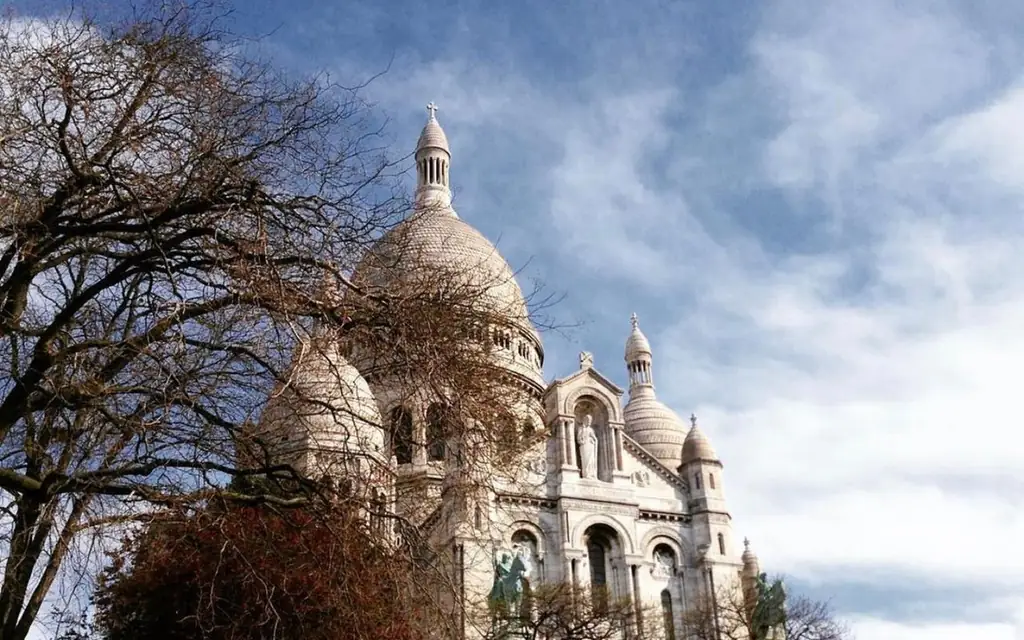
Montmartre is the one Paris neighborhood where the car is the least important part of the plan and the chauffeur the most. The hill is steep, the streets near the top are narrow and often restricted, and the stairs and the funicular are what most visitors use for the last stretch. Yet a Montmartre and Sacré-Cœur private tour with driver is among the most requested half-days in the city, because the driver does what a taxi cannot: chooses the right side of the hill for the weather and the hour, waits somewhere sensible, and appears at the bottom of the steps when your legs have had enough.
Below is a practical guide to how to get to Montmartre and Sacré-Cœur by car, how the basilica and the dome work, and what to do on the butte without joining the crowd in the wrong place.
How do you get up to Montmartre and Sacré-Cœur by car?
Montmartre is about 2.5 km (1.6 mi) north of Gare du Nord, 10 to 20 minutes, and about 26 km (16 mi) from Charles de Gaulle, 35 to 60 minutes. A chauffeur stops at the foot of the hill or on the north side, then you climb by stairs or funicular.
The hill rises in the 18th arrondissement, with the basilica at its summit. Typical times from the starting points our clients ask about:
- Paris Charles de Gaulle (CDG): about 26 km (16 mi) via the A1 and the northern ring road, 35 to 60 minutes. Montmartre is one of the shorter hops from CDG; see our Paris CDG airport transfer page.
- Le Bourget (LBG): about 12 km (7.5 mi), 20 to 40 minutes, the shortest private-jet transfer in this series (FBO page).
- Gare du Nord: the nearest major station at about 2.5 km (1.6 mi), 10 to 20 minutes (station guide).
- Orly (ORY): about 20 km (12 mi), 35 to 55 minutes.
- Eiffel Tower: about 7 km (4 mi), 20 to 35 minutes. See the Eiffel Tower guide.
The Paris chauffeur service page sets out the wider options in the capital.
The hill and the car: where you really get dropped
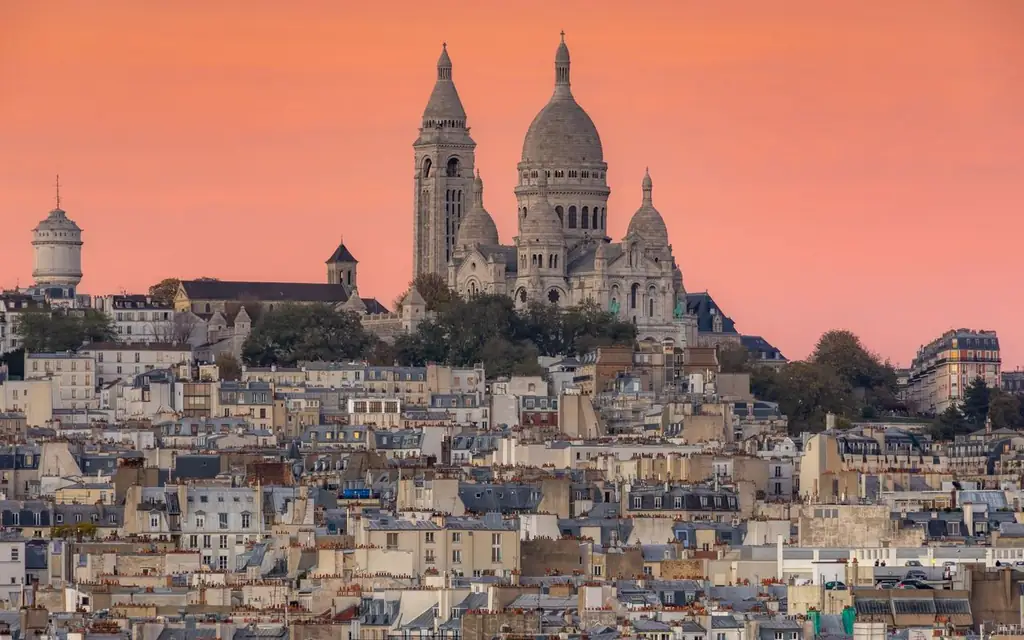
Be honest with yourself about the topography. Montmartre is a hill of about 130 meters, with steep streets, many one-way, and with a network of pedestrian-only lanes and stairways. The square of the painters, the Place du Tertre, is a pedestrian-feeling zone full of tables and easels, and the streets nearest the basilica are tight. A large vehicle will not enjoy them.
The practical options are these:
- The foot of the hill (south). A drop on the boulevard at the base, near the stairs and the funicular station, is the simplest and the most flexible. You climb or ride to the top.
- The north or west side. A chauffeur can approach from the quieter side of the hill, where gradients are gentler, and set you down closer to the village streets. Access depends on one-way rules and temporary closures.
- Near the top, when allowed. Some streets close to the basilica permit a short stop, but this is not guaranteed, and the desk will propose the best option when you book.
Pickup is usually at the foot or on the less congested side, stated on your confirmation. Vehicles entering the capital's low-emission zone need a Crit'Air sticker (see the official explainer), and the car you ride in carries one.
The basilica: free, open late, and a working church
According to the basilica's English-language site, Sacré-Cœur de Montmartre, the basilica is free to enter and open every day from 6:30 a.m. to 10:30 p.m., closing at midnight on the first Thursday of each month. The address is 35 rue du Chevalier de La Barre. Perpetual Eucharistic adoration has continued there since August 1885, and Mass, readings and confession are held on a daily schedule published on the site.
Behave as you would in any active church. Keep voices low, cover shoulders and knees, and follow staff instructions about where photography is welcome. The site also notes that the main organ is under restoration until the end of May 2027, with the choir organ providing music in the meantime, which may change what you hear at a service.
The dome: the climb and the view
The dome is one of the highest viewpoints in the city, and it is a separate, ticketed visit from the basilica. The climb is entirely on stairs, reported at about 300 steps with no lift, and it is physically demanding. The view from the top runs across the whole city and, on a clear day, far beyond.
Check the official site for opening times, which may differ from the basilica's own, and allow about 45 minutes for the climb, the view and the descent. Travelers with limited mobility or a fear of heights should enjoy the terrace in front of the basilica instead, where the panorama is already excellent and entirely free.
The funicular, the steps and the other ways up
The funicular is part of the city's public transport network and carries visitors from the foot of the hill to the terrace in front of the basilica in a couple of minutes. It is a practical choice for anyone who wants to avoid the stairs, though queues form on busy days and it can be out of service for maintenance. The staircases beside it are free and are what most visitors use, usually in good humor.

A further route up goes through the lanes of the village: the Rue Lepic, which curves up the hill from the Boulevard de Clichy, is one of the most characteristic streets and is also open to cars at some hours. A chauffeur can drive you part of the way up and let you walk the rest, which is a good alternative to the main staircases for guests who want to see local life rather than the crowd.
What else to see on the butte
- Place du Tertre. The artists' square; fun to see, expensive to buy a portrait in, and busy.
- The Musée de Montmartre and the vineyard. A small museum in an old house, with a view over the Clos Montmartre vineyard; check hours on its own site.
- The Moulin Rouge. At the foot of the hill on the Boulevard de Clichy, a cabaret that takes bookings through its own box office; the chauffeur can deliver you to the door for an evening show.
- The Abbesses and Rue des Abbesses. A quieter village square with a cluster of cafés and shops.
Be careful about street sellers and bracelet scams on the stairs below the basilica. A firm "no" and a step forward usually settles it, and the chauffeur's pickup point at the bottom is a good place to regroup.
A short history, so the building makes sense
The basilica is a young landmark by Paris standards. It was begun in the 1870s, in the years after the Franco-Prussian War and the Paris Commune, as a national vow of penance and hope, and it took decades to complete: construction ran into the early twentieth century and the church was consecrated in 1919. Its Romano-Byzantine domes and pale stone were deliberately unlike the Gothic churches of the center, which is why the white silhouette stands out on the skyline, visible from many points across the city.
Before the basilica, the hill was a village outside the city boundary, with windmills, vineyards and quarries, and later a home to painters, writers and cabaret performers. That mixture is still visible in the lanes and the small museum. When you stand on the terrace, you are looking at the same view that artists painted in the nineteenth century, minus the windmills and plus a great deal more city. If you want a deeper reading of the neighborhood's artistic history, a licensed local guide can lead a walk; the chauffeur drives, and guides are separate professionals.
An evening on the hill with a driver
Montmartre changes character after dark. The basilica is lit, the terrace fills with people watching the city come on, and the lanes around the Abbesses become a district of restaurants and bars. It is also when a car is most useful, because the stairs are dark and the last metro is a long way off for a tired party.
If you plan a dinner on the hill, tell the desk the restaurant name and the booking time; the chauffeur will stage the car at the foot of the hill or on a gentler side and appear at the time you agree. For a cabaret evening at the Moulin Rouge, book your show through the venue and tell us the start time, and the driver will arrange the drop at the door and a pickup afterward. Alcohol is a matter for the venue and local law, and we never promise drinks on board. Late-night traffic is lighter, so a return to the Left Bank or to the airport hotels can take 20 to 35 minutes.
Best time of day, season and weather
Early morning, around the basilica's first opening hours, is the best time for light, quiet and the sense of being on a hilltop village. Midday is the busiest, particularly in summer and on weekends. Late afternoon into dusk gives a golden view over the city, and the evenings are a good time for dinner in the lanes.
In winter the hill can be icy and windswept, and in summer it is warm and busy. Wear shoes with grip, because the stairs and the cobbled lanes are steeper than they look. Rain makes the stone slick, and the terrace is exposed.
Up the hill: metro, funicular or car
| Choice | Time | Cost feel | Good for |
|---|---|---|---|
| Metro (Abbesses or Anvers) plus stairs or funicular | 15 to 30 minutes | Lowest | Solo travelers, flexible schedules |
| Taxi | 15 to 30 minutes | Metered | One-way trips to the foot or flank of the hill |
| Rideshare | 15 to 30 minutes | Surge-priced at peak | Short daytime trips |
| Tourist mini-train | Fixed loop | Per-ticket | A seated overview |
| Private chauffeur | 15 to 30 minutes with a planned drop and return | Fixed fare via the booker | Airport arrivals, mobility needs, linked days |
The metro is low-cost and efficient, but the Abbesses station is deep and has many stairs, so check lift availability if mobility is a concern. A chauffeur is the better choice for airport arrivals, for guests who want to avoid stairs, and for combining the hill with an evening elsewhere.
A chauffeured half-day on the butte
A calm morning plan:
- 8:30 a.m., drop at the foot of the hill. Take the funicular or the steps to the terrace for the early view.
- 9:00 a.m., the basilica. A quiet visit, then the dome if you wish.
- 10:30 a.m., the village. Walk through the lanes toward the Place du Tertre and the vineyard, then down toward the Abbesses.
- 12:00 p.m., lunch. In a café in the lanes, with the car waiting at the base.
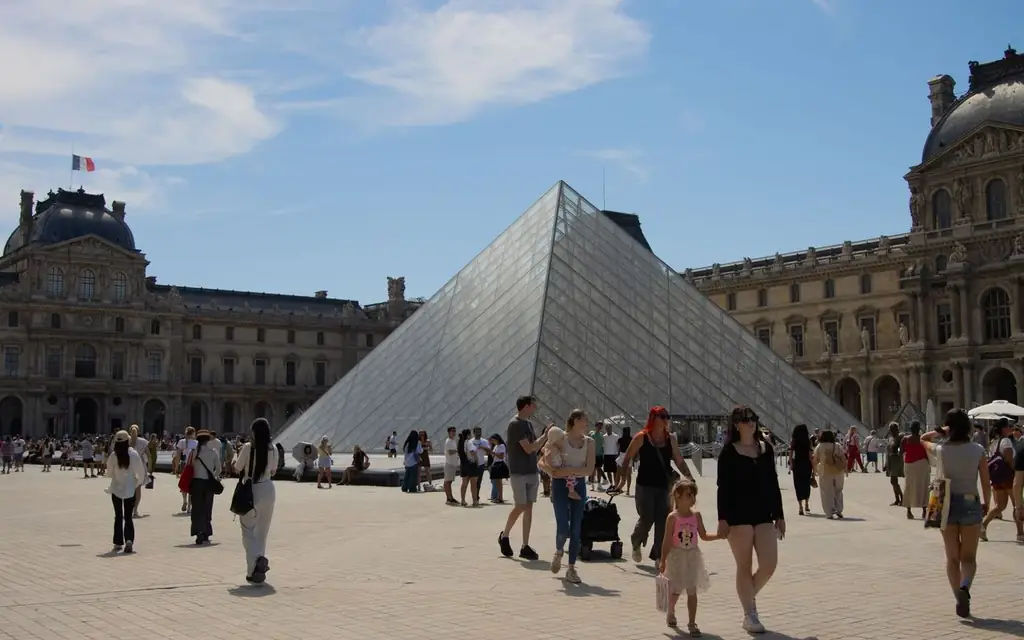
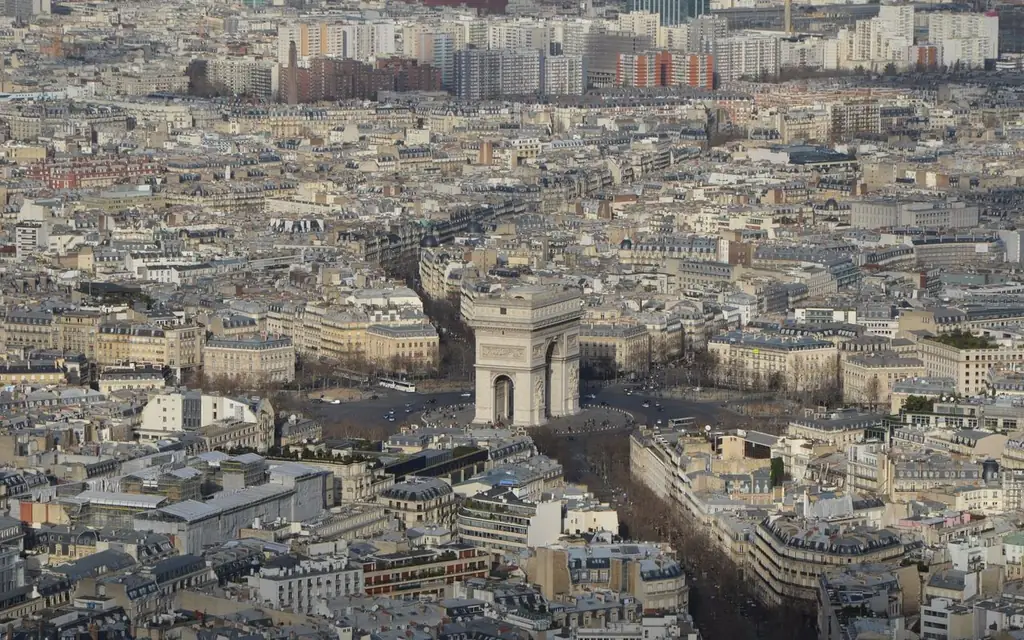
- 1:30 p.m., onward. About 4 km (2.5 mi) to the Arc de Triomphe and Champs-Élysées, or about 5 km (3 mi), 15 to 30 minutes, to the Louvre.
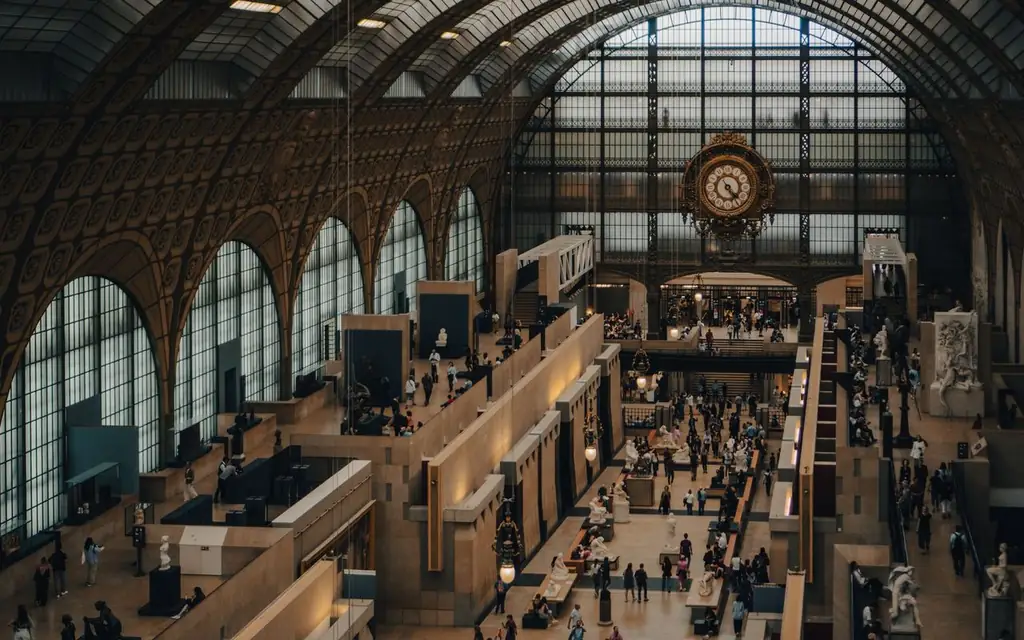
If you have a free afternoon, the Musée d'Orsay pairs well with Montmartre's painters, since many of the artists on its walls lived or worked on the hill. To see how a morning on the butte becomes a full day, read the private tours with driver page; the Europe directory lists other cities.
Booking a car for the hill
On Montmartre the vehicle class matters as much as the route. Narrow lanes and tight turns suit a sedan or a V-Class far better than a Sprinter, so tell the desk your party size and we will recommend the smallest vehicle that fits your luggage. The chauffeur comes from a licensed, commercially insured local operator listed in our worldwide directory, and our 24/7 worldwide desk handles the booking, the confirmation and the invoice. You see a fixed fare for your exact addresses before you pay, and car seats for children are available on request. See the fleet page. Visitor centers and tourist offices can ask about trade accounts on the tourist offices page, and Visit Paris Region lists events across the city.
Frequently asked questions
Is Sacré-Cœur free to enter?
Yes. According to the basilica's official site, entry is free and the basilica is open every day from 6:30 a.m. to 10:30 p.m. The dome is a separate, ticketed visit.
How far is Montmartre from Gare du Nord?
About 2.5 km (1.6 mi), usually 10 to 20 minutes by car. From Charles de Gaulle it is about 26 km (16 mi), 35 to 60 minutes.
Can a car drive up to Sacré-Cœur?
Not to the door. The streets near the top are narrow and restricted. A chauffeur drops you at the foot of the hill or on a gentler side, and you walk or take the funicular.
Is there a lift to the top of the hill?
The funicular carries visitors from the foot of the hill to the terrace. The dome climb has no lift.
How many steps are there to the dome?
Published accounts put it at about 300 steps. The climb is demanding and not suited to everyone.
What is the best time to visit Sacré-Cœur?
Early morning or the evening, away from the midday crowds. Weekends in summer are busiest.
Is there a dress code at Sacré-Cœur?
It is an active church. Cover shoulders and knees, keep voices low, and follow staff directions about photography.
Is Montmartre safe for tourists?
Generally, but be alert to pickpockets and bracelet sellers on the stairs. Keep valuables close and decline politely.