
 United StatesJFK
 MexicoMEX
 BrazilGRU
 ArgentinaEZE
 ChileSCL
 ColombiaBOG
 PeruLIM
 PanamaPTY
 Costa RicaSJO
 Dominican RepublicPUJ
 JamaicaMBJ
 BahamasNAS
 BarbadosBGI
 United KingdomLHR
 IrelandDUB
 FranceCDG
 GermanyFRA
 NetherlandsAMS
 BelgiumBRU
 SwitzerlandZRH
 AustriaVIE
 ItalyFCO
 SpainMAD
 PortugalLIS
 GreeceATH
 TurkeyIST
 DenmarkCPH
 SwedenARN
 NorwayOSL
 FinlandHEL
 PolandWAW
 Czech RepublicPRG
 HungaryBUD
 IcelandKEF
 United Arab EmiratesDXB
 QatarDOH
 Saudi ArabiaRUH
 IsraelTLV
 EgyptCAI
 MoroccoCMN
 South AfricaJNB
 KenyaNBO
 NigeriaLOS
 IndiaDEL
 PakistanLHE
 Sri LankaCMB
 SingaporeSIN
 MalaysiaKUL
 ThailandBKK
 VietnamSGN
 PhilippinesMNL
 IndonesiaCGK
 Hong KongHKG
 ChinaPVG
 TaiwanTPE
 JapanHND
 South KoreaICN
 AustraliaSYD
 New ZealandAKL
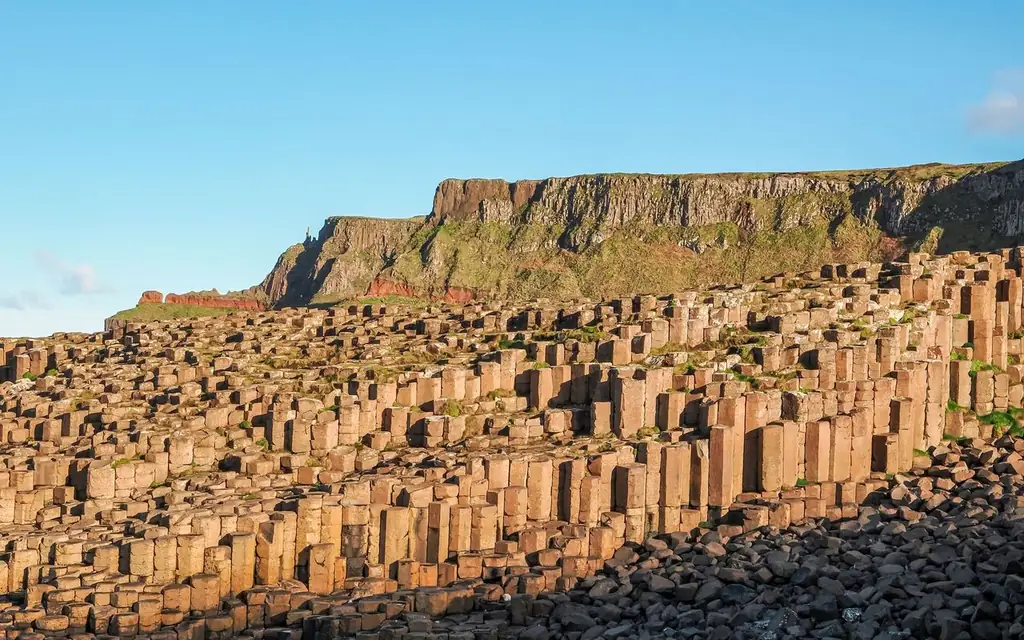
The Giant's Causeway is a field of interlocking basalt columns running into the North Atlantic, and it is the first UNESCO World Heritage Site in Northern Ireland. It is also a place where the logistics are unusually specific. The nearest car park to the visitor building is reserved for particular ticket holders, the stones themselves are free to walk to, and there is more than one way to start the visit.
A Giant's Causeway private tour with driver works best when the car is booked around those rules. This guide covers the road from Belfast, the car-park and ticket arrangements published by the National Trust, the four marked trails, and a day on the Causeway Coast that also reaches Dunluce and the Dark Hedges.
How far is the Giant's Causeway from Belfast, and where can a car stop?
Belfast to the Giant's Causeway is about 98 km (61 mi) via the M2 and A26, normally 1 hour 15 to 1 hour 30 minutes. The National Trust car park at the visitor building is reserved for ticket holders and members, so pre-booking is the sensible way to arrive by car.
Most drivers take the M2 north from Belfast and then the A26 toward Ballymoney and Bushmills, with the Causeway signposted from there. Belfast International Airport lies north-west of the city and shaves a little time off the run; George Best Belfast City Airport is on the other side of town and adds the exit from the city. The coast route via Carrickfergus and Ballycastle is longer but far more scenic, and it is the one we recommend if the day is about the journey as well as the destination.
From Dublin, the distance is roughly 265 km (165 mi) and 3 to 3.5 hours, passing Belfast on the way. There is no border control on the island of Ireland, but cross-border bookings are arranged with the right licensed operator, so tell the desk both ends of your trip. The Dublin chauffeur service page explains how we plan transfers from the capital.
What you are looking at, and the story that goes with it
The Causeway is made of tens of thousands of columns of basalt, most of them hexagonal, formed when volcanic lava cooled and cracked tens of millions of years ago. Some stand shoulder-high, others rise like steps from the shore, and the tops form a rough pavement that slopes into the water. UNESCO recognises it as a World Heritage Site, and the National Trust calls it Northern Ireland's first.
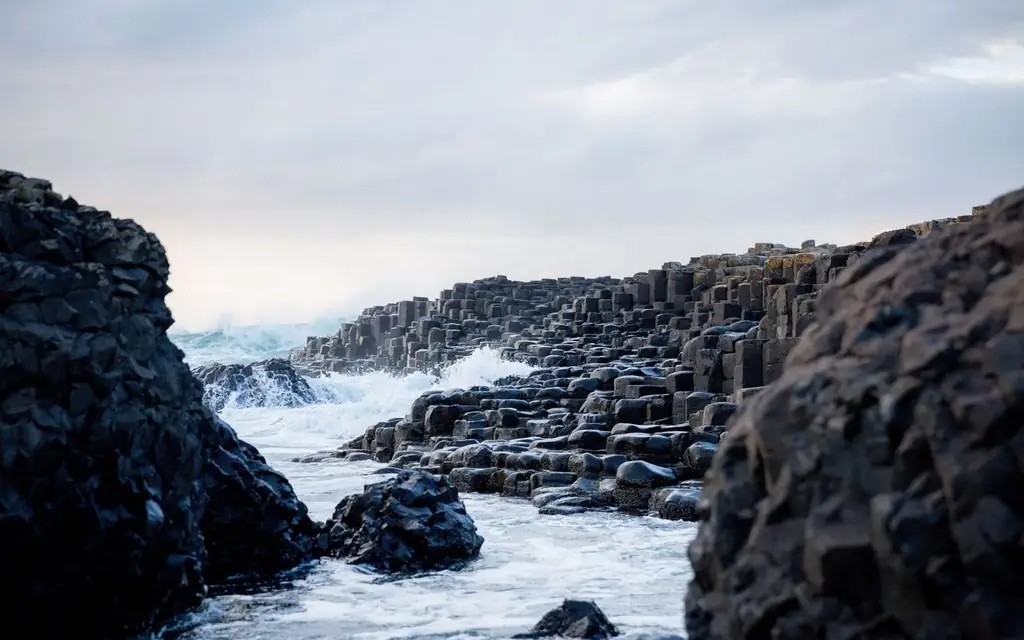
Local legend tells the story differently. In the folk tale, the giant Finn McCool built the causeway as a path across the sea to Scotland to challenge a rival, and the matching columns at Staffa in the Hebrides are said to be the far end of the same road. The guided tours lean on the legend and the geology in roughly equal measure, which is why the Visitor Experience works well for families. Children tend to remember the giant; adults remember the cliffs.
Seeing the site properly takes longer than the photograph suggests. The stones look compact from the path but spread over a wide shoreline, and the best views come from walking a little past the first crowd and turning to look back. Allow time to do that, and ask your driver to build in a margin at the end of the visit so you are never hurrying down the hill to a waiting car.
Two ways in: the Visitor Experience and the free coastal walk
The National Trust, which looks after the site, describes two approaches on its Giant's Causeway page. The first is the Visitor Experience, a ticketed package that includes reserved parking, an exhibition, audio guides in 11 languages, guided tours roughly every hour, a shop, a cafe and facilities. Pre-booking is strongly recommended. National Trust members get free entry, though pre-booking is still encouraged.
The second is the free route. You can walk to the stones without a ticket. Walkers can use the Causeway Coast Way Car Park at Innisfree Farm, which is paid through the JustPark app (members enter their membership number to park free), and approach on foot. The coastline is open from dawn to dusk, and the Trust lists the visitor centre as open 09:00 to 17:00 on 16 October 2026 as a sample date.
For a chauffeured visit, the two approaches suit different parties. The Visitor Experience suits first-timers who want context, an easy drop-off and a guided tour. The free walk suits those who have been before, are short of time or want the trail without the exhibition. Tell the desk which you prefer when you book and we will plan the arrival accordingly.
The car park, the shuttle and Blue Badge parking
The on-site car park by the visitor building is for Visitor Experience ticket holders, members and Neighbour Pass holders, and pre-booking is advised. Blue Badge parking is first-come, first-served and limited to those same groups. This is the opposite of a casual drop-in: if you arrive without a ticket, you will be directed elsewhere.
Between the building and the stones, two battery-electric minibuses run a shuttle for those who do not want to walk. The walk is under a mile, and the shuttle is useful for anyone with limited mobility or small children. Coach and mini-coach groups must be booked by email rather than online, which is relevant if you are travelling with a large party.
A private chauffeur will pre-book your Visitor Experience tickets if you ask us to coordinate, or you can buy them yourself and share the confirmation with the desk. Either way, the driver then arrives with a clear plan and no surprises at the barrier.
The four trails and the stones
The Trust marks four walking trails across about 5 km of coastline:

- Blue Trail: under a mile, leading directly down to the stones.
- Red Trail: about 0.8 to 2 miles of clifftop walking with views back over the bay.
- Green Trail: about 2 miles and fully accessible.
- Yellow Trail: about 1.8 miles along the Causeway Coast Way.
For a first visit, the Blue Trail to the stones followed by the Red Trail back along the cliffs is the best use of 90 minutes to two hours. In wet or windy weather the cliff path is exposed, so ask the driver to check the forecast before you set off. The columns themselves can be slippery when wet, and it pays to wear shoes with grip.
Dogs on leads are welcome throughout the visitor centre and the World Heritage Site, including on guided tours. The visitor centre and the Green Trail are fully accessible, and there is a Changing Places facility, which staff can open on request.
Let the weather decide the order of the visit. In wind and rain, spend the first minutes in the visitor building, where the exhibition and café give shelter, and go down to the stones when the showers break. On a clear day, reverse it: walk first while the light is good, then retreat indoors. A message brings the car to the agreed pickup point whichever way the morning goes.
The Causeway Coastal Route: what else belongs in the day
Discover Northern Ireland describes the Causeway Coastal Route as running from Belfast to Derry~Londonderry and says it can be done in a day. The highlights it lists include Carrickfergus Castle, the Glens of Antrim with Cushendall and Cushendun, the Dark Hedges, the Giant's Causeway, Dunluce Castle, Bushmills and Downhill Demesne with its Mussenden Temple.
A realistic day does not try to do everything. We recommend choosing three or four. Dunluce Castle, on a cliff edge a few miles west of the Causeway and listed by Discover Northern Ireland, is the natural second stop. Bushmills is the nearest town for lunch. The Dark Hedges, an avenue of beech trees near Armoy, is a drive inland of around half an hour and is best photographed early, before the crowds arrive.
Carrick-a-Rede, the rope bridge east of the Causeway, has its own booking system run by the National Trust. Check the Trust's page for its current rules before you plan it into the day, and tell the desk so we can allow time for a pre-booked slot.
A chauffeured Causeway Coast day from Belfast
- 08:00 Depart Belfast. Use the M2 and A26 for the direct run, arriving about 09:30, or take the coast road for a slower morning.
- 09:30 Giant's Causeway. Visitor Experience tour or the Blue Trail and Red Trail loop. Allow 2 hours.
- 12:00 Bushmills for lunch.
- 13:30 Dunluce Castle on the way back, allowing about 45 minutes.
- 14:30 Dark Hedges or a coast stop at your choice.
- 15:30 Return to Belfast, arriving by about 17:30.
If your party is flying out the same evening, tell the desk the departure time and we will build the return with a safe margin. On days when the weather turns, the driver can shorten the walk and swap the cliff stops for a heated indoor option such as the visitor centre cafe.
Combining Antrim with Dublin or Scotland
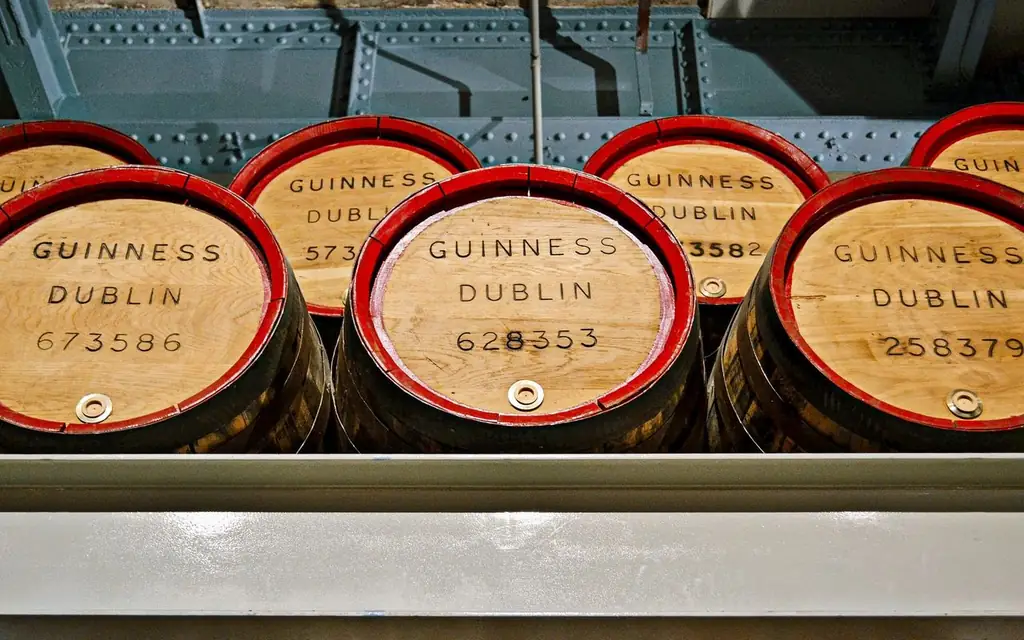
Many visitors link the coast with the south of the island. A transfer from Dublin to the Causeway is a full morning, and the return can be broken with a night in Belfast. Our guides to Guinness Storehouse and Trinity College and the Book of Kells cover the Dublin end.

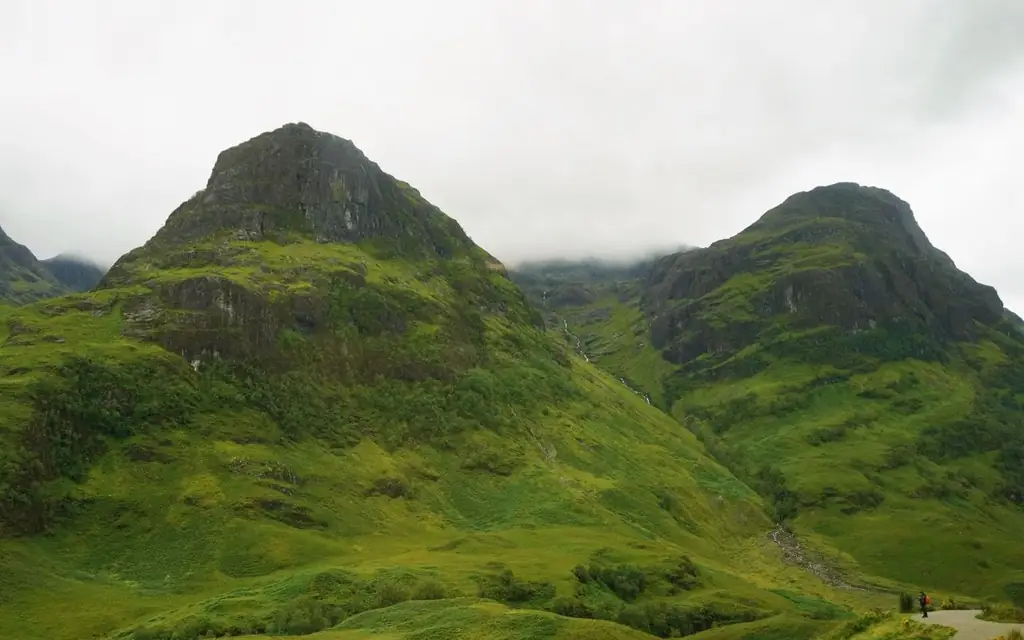
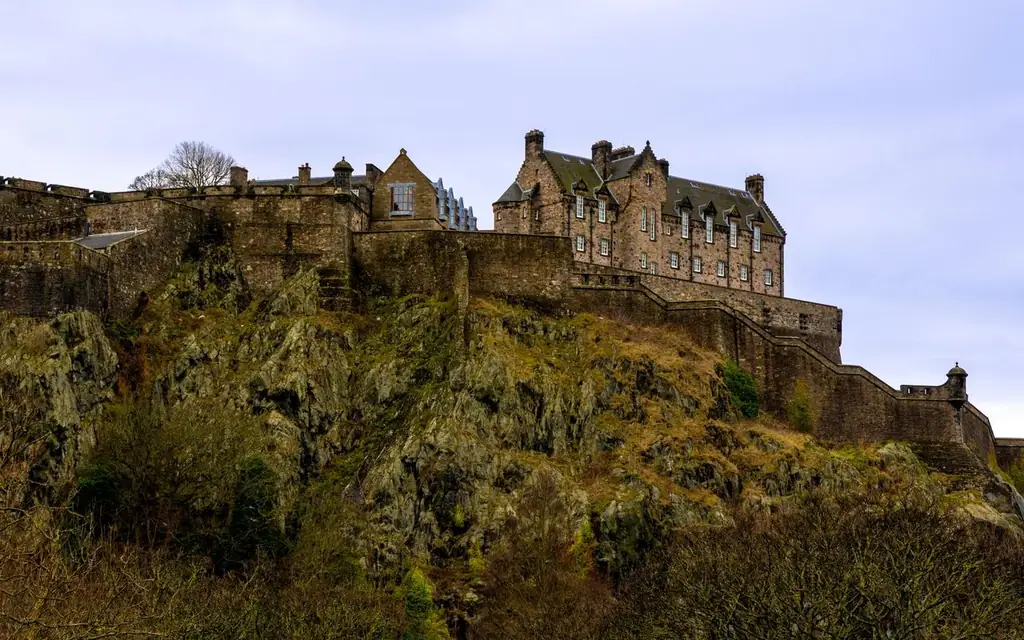
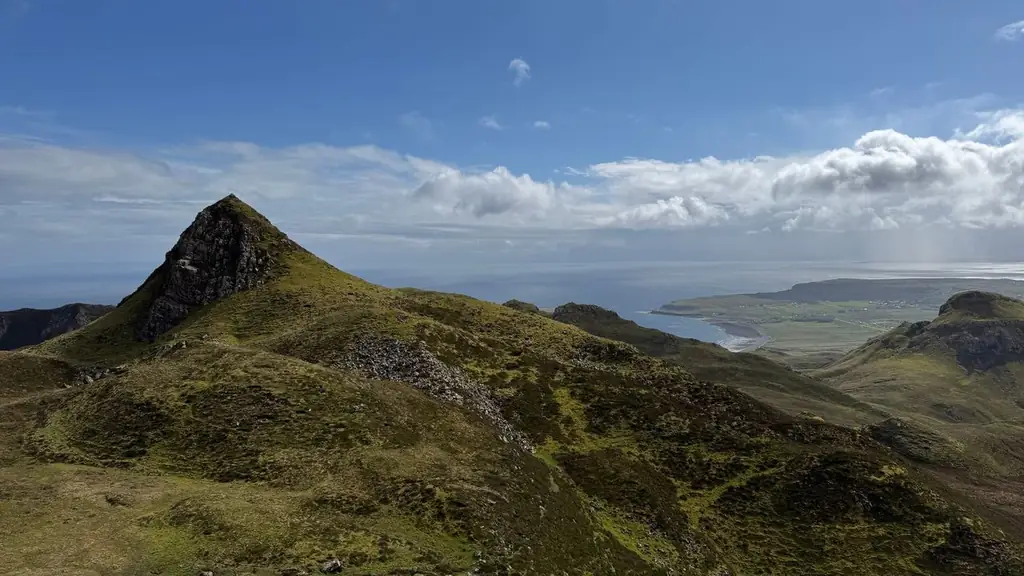
Others come from Scotland, where ferries run from Cairnryan in south-west Scotland to Belfast and Larne. Pairing the Causeway with the Edinburgh Castle visit and a Highland trip such as Loch Ness makes a satisfying Celtic circuit. The private tours with driver page explains how the desk builds a multi-day itinerary as one booking.
Ways to reach the Giant's Causeway, compared
| Option | Time from Belfast | Cost note | Best for |
|---|---|---|---|
| Train to Coleraine, then bus | Timetable-dependent, around 2 hours or more | Lowest | Independent travellers with time |
| Group coach tour | A full day on a fixed itinerary | Fixed per seat | Visitors who want a guide commentary and no planning |
| Rental car | 1 hour 15 to 1 hour 30 minutes | Hire, fuel and parking | Self-drivers comfortable on coast roads |
| Taxi | 1 hour 15 to 1 hour 30 minutes | Metered, high over distance | One-way hops |
| Private chauffeur | 1 hour 15 to 1 hour 30 minutes, with stops | Fixed fare via the booker | Families, couples, corporate groups |
If you travel alone, are in no hurry and enjoy changing at Coleraine, public transport is the lowest-cost option and works fine. A private car wins when you have three or more people, a tight timetable or a wish to see Dunluce and the Dark Hedges on the same day.
Weather, season and light
The north coast of Antrim is exposed. Rain can arrive off the Atlantic with little warning, and wind makes the clifftop trails uncomfortable. Winter days are short, the visitor centre closes at 17:00 on the sample date, and the coastline itself is open dawn to dusk, so late-afternoon visits in November through February are tight.
The best light is early morning and late afternoon, when the columns pick up colour. In summer, crowds peak at midday, and the tour groups arrive in clusters. If you can choose, aim for an early start or the last two hours before the visitor centre closes.
Group travel, vehicles and booking
Vehicles for this route are Mercedes-Benz E-Class, S-Class or V-Class, or similar, with the exact model confirmed at booking. A Luxury SUV (Cadillac Escalade, Chevrolet Suburban, GMC Yukon Denali or similar) seats up to six. Executive Sprinters and mini-coaches are available on request for larger groups, though coach groups must book their own entry with the National Trust. For young children, request a child, toddler or booster seat when you book. For arrivals, see the airports hub and the Europe directory.
Frequently asked questions
How far is the Giant's Causeway from Belfast?
About 98 km (61 mi), normally 1 hour 15 to 1 hour 30 minutes via the M2 and A26. The coast road is longer.
Can I drive right up to the stones?
No. The on-site car park is at the visitor building, and you walk or take the shuttle to the stones. The walk on the Blue Trail is under a mile.
Do I have to buy a ticket to see the Giant's Causeway?
You can walk to the stones for free. The Visitor Experience is a ticketed package that includes reserved parking, the exhibition and guided tours. Pre-booking is strongly recommended.
Who can use the car park at the visitor building?
Visitor Experience ticket holders, National Trust members and Neighbour Pass holders. Blue Badge parking is first-come, first-served for the same groups.
How long should I allow at the Causeway?
Two hours is comfortable for the stones and one trail. Add time if you take the full Visitor Experience or a guided tour.
Is the Giant's Causeway accessible?
The visitor centre and the Green Trail are fully accessible, and a shuttle runs to the stones. There is a Changing Places facility.
Can I see the Giant's Causeway from Dublin in a day?
It is possible, about 3 to 3.5 hours each way, but a night in Belfast makes it far more relaxed.
Is the fare for a Causeway transfer fixed before I pay?
Yes. The booker quotes a fixed fare for your pickup, drop-off and vehicle, and you confirm only after seeing it. Check your fare for Belfast or Dublin.
What should I wear at the Giant's Causeway?
Waterproofs and shoes with grip. The north coast of Antrim is exposed, the cliff trails catch the wind and the columns can be slippery when wet. A warm layer is useful in every season.