

 United StatesJFK
 MexicoMEX
 BrazilGRU
 ArgentinaEZE
 ChileSCL
 ColombiaBOG
 PeruLIM
 PanamaPTY
 Costa RicaSJO
 Dominican RepublicPUJ
 JamaicaMBJ
 BahamasNAS
 BarbadosBGI
 United KingdomLHR
 IrelandDUB
 FranceCDG
 GermanyFRA
 NetherlandsAMS
 BelgiumBRU
 SwitzerlandZRH
 AustriaVIE
 ItalyFCO
 SpainMAD
 PortugalLIS
 GreeceATH
 TurkeyIST
 DenmarkCPH
 SwedenARN
 NorwayOSL
 FinlandHEL
 PolandWAW
 Czech RepublicPRG
 HungaryBUD
 IcelandKEF
 United Arab EmiratesDXB
 QatarDOH
 Saudi ArabiaRUH
 IsraelTLV
 EgyptCAI
 MoroccoCMN
 South AfricaJNB
 KenyaNBO
 NigeriaLOS
 IndiaDEL
 PakistanLHE
 Sri LankaCMB
 SingaporeSIN
 MalaysiaKUL
 ThailandBKK
 VietnamSGN
 PhilippinesMNL
 IndonesiaCGK
 Hong KongHKG
 ChinaPVG
 TaiwanTPE
 JapanHND
 South KoreaICN
 AustraliaSYD
 New ZealandAKL
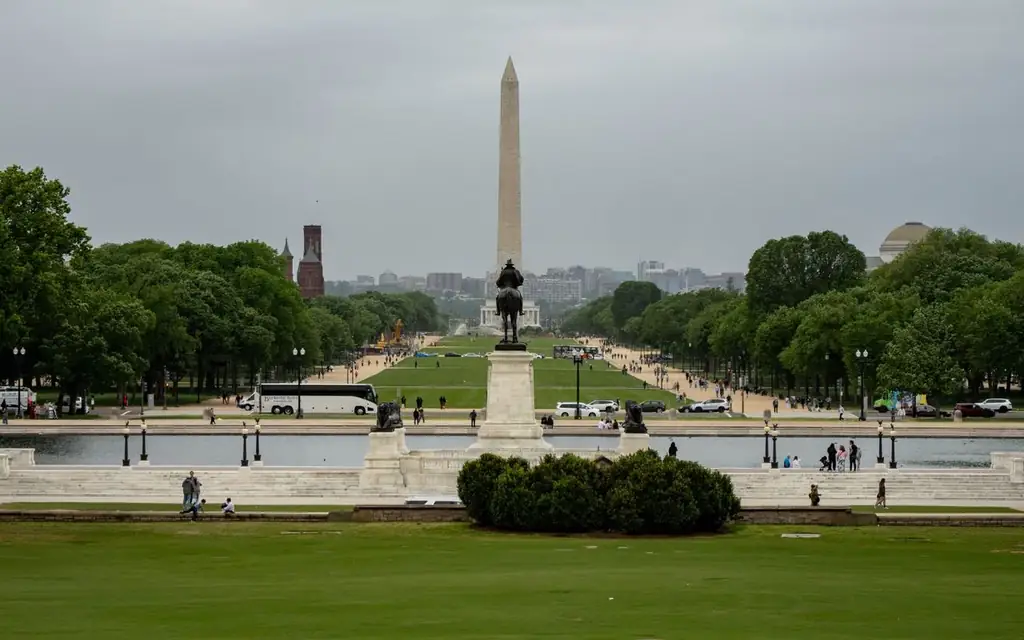
At half past five on a clear morning, the steps of the Lincoln Memorial are nearly empty. The Reflecting Pool holds the sky, the Washington Monument stands at the far end of it, and the only sound is the traffic on the bridge behind you. By ten the same steps are crowded with school groups and tour parties, and the nearest curb is gone. That contrast is the whole argument for a lincoln memorial private tour with driver: a car turns timing into something you can control.
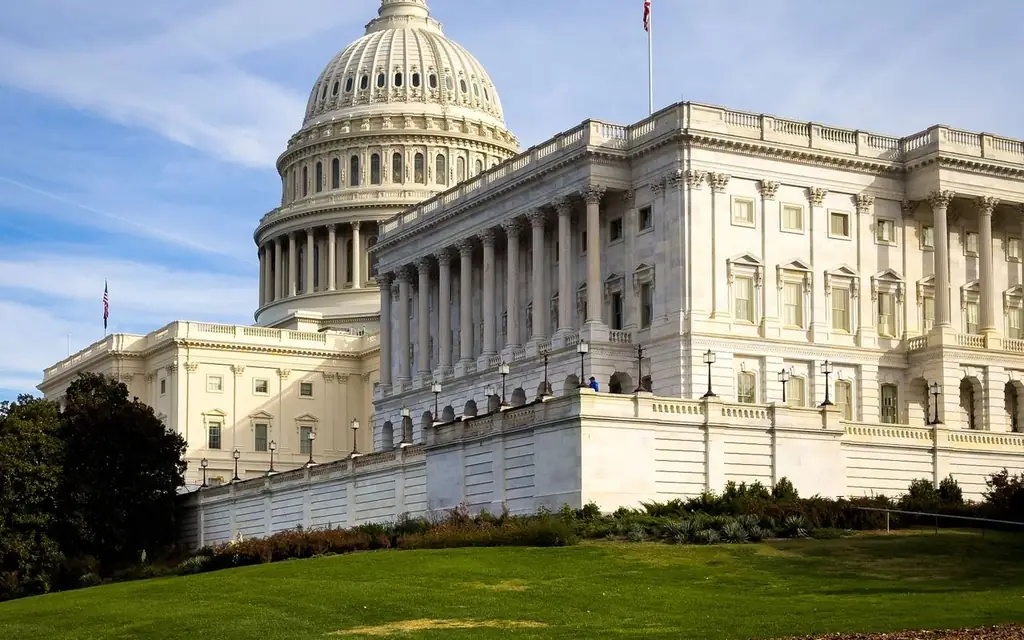
What follows is a practical guide to how to get to the Lincoln Memorial by car: the drive from the airports, what the park service says about hours, tickets and parking, where the car can stop, and how to fit the memorial into a day with the National Mall, the Capitol and Arlington National Cemetery.
What is the Lincoln Memorial, and when can you visit?
The Lincoln Memorial is a marble monument at the western end of the National Mall in Washington, DC, dedicated to Abraham Lincoln. The chamber and the grounds are open to visitors around the clock, every day, with park rangers on duty during the day and evening.
The park service gives the address as 1100 Ohio Drive SW and describes admission to the chamber and exterior as free, with tickets required only for the Undercroft experience below the structure. Its hours page says the memorial is open 24 hours a day, every day including holidays, with rangers available to answer questions from 9:30 a.m. to 10 p.m. except on December 25. Confirm the current listing on the Lincoln Memorial page before traveling, because staffing hours are revised from time to time.
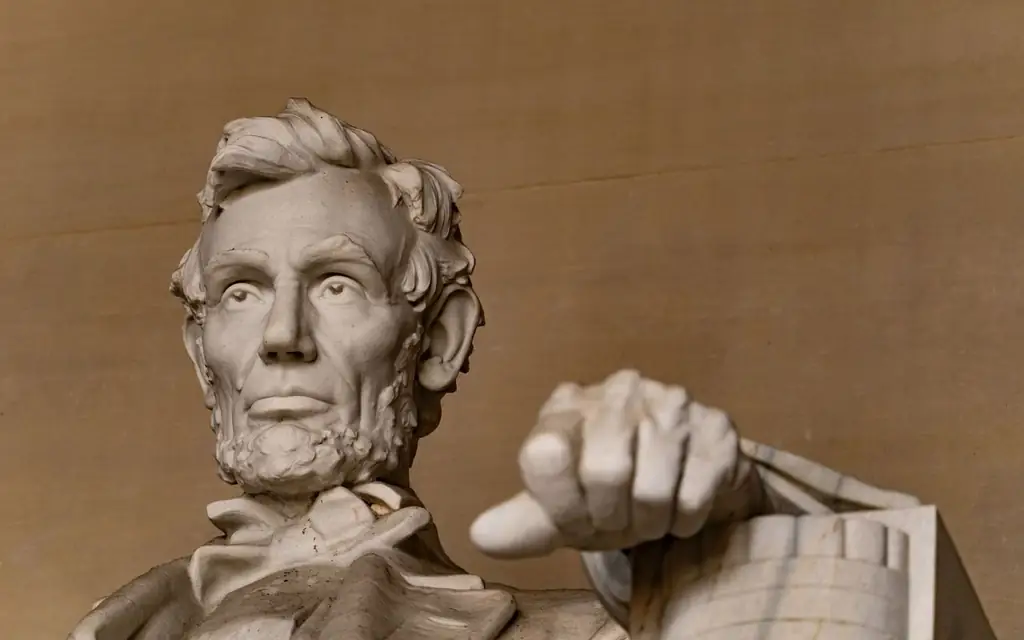
Inside, a seated statue of Lincoln faces the Reflecting Pool, and the walls carry the text of the Gettysburg Address and his Second Inaugural Address. The steps are also where Martin Luther King Jr. delivered the "I Have a Dream" speech in 1963, which is why many visitors come to stand on them. The monument is dignified rather than showy, and it rewards a slow visit.
The drive: distances and times from where you start
The memorial sits on the west edge of the Mall, closer to Virginia than to Capitol Hill. Approximate road distances, with typical times outside rush hour:
| Starting point | Approximate distance | Usual time |
|---|---|---|
| Georgetown hotels | about 3 km (2 mi) | 10 to 20 minutes |
| US Capitol | about 3 km (2 mi) | 10 to 20 minutes |
| Union Station | about 5 km (3 mi) | 15 to 25 minutes |
| Reagan National (DCA) | about 8 km (5 mi) | 15 to 30 minutes |
| Washington Dulles (IAD) | about 42 km (26 mi) | 45 to 80 minutes |
| Arlington National Cemetery | about 3 km (2 mi) | 10 to 15 minutes |
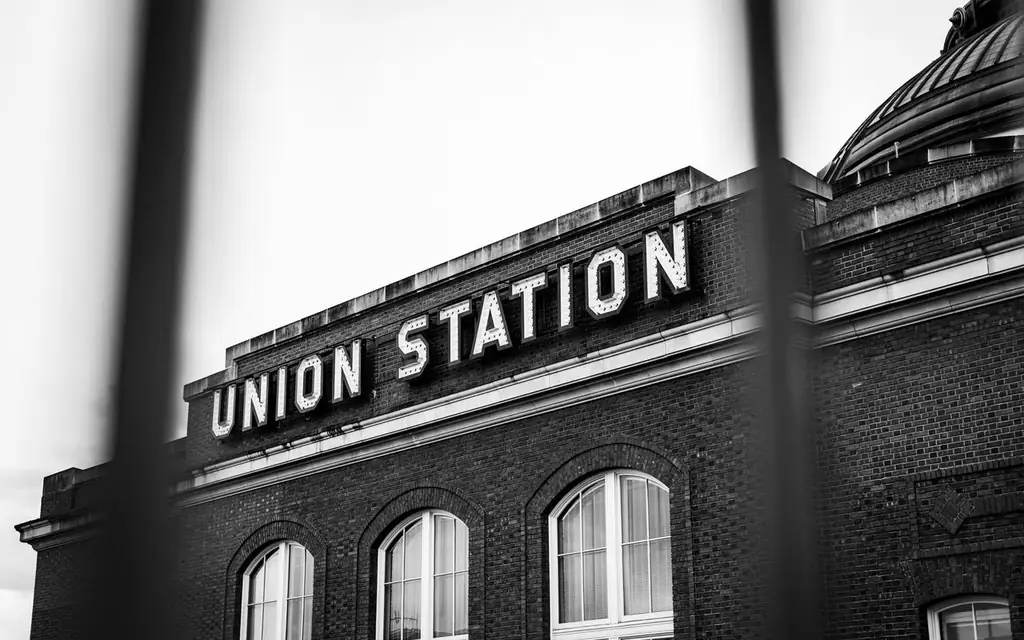
For longer arrivals, our Washington Dulles airport page explains the pickup, and the Union Station page covers rail passengers. Expect the figures to grow in the 6:30 to 9:30 a.m. and 3:30 to 7 p.m. peaks, and on days with road closures near the Mall. Your driver tracks any flight and adjusts the pickup, with 60 minutes of free waiting after an international landing and 30 minutes after a domestic one.
Where the car stops and where the coaches go
The Lincoln Memorial is hemmed in by Memorial Circle, the Arlington Memorial Bridge, Constitution Avenue and Ohio Drive, and short-term curb space is shared by every visitor. The park service's parking page says the main coach parking is on Ohio Drive SW in West Potomac Park, near the Lincoln and Jefferson memorials, and it lists metered on-street and lot parking, plus accessible metered spaces, for private vehicles. Metering runs through the day and into the evening, with short limits, and payment is by card or app.
For a chauffeured car the working pattern is simple:
- The driver drops you as close to the memorial's approach as traffic and signage allow, then keeps moving or waits off the circle.
- Large groups traveling by Executive Sprinter should tell the desk the party size, so the driver can plan the drop-off rather than improvise.
- For pickup, name the exact place, such as "the Reflecting Pool side" or "the Vietnam wall exit," not "the Lincoln."
Do not expect a long wait at the curb. Enforcement is routine, and officers move vehicles on. A driver who knows the circle will use a looping route and answer your message within a couple of minutes.
Choose your hour: dawn, midday or night
Sunrise to 8 a.m. The best hour for photographs and quiet. The sun rises behind the Capitol and lights the columns. Wear layers; the open steps are exposed to wind off the river.
Mid-morning to mid-afternoon. Busiest. School and tour groups arrive in waves, and the interior is crowded. If this is your only window, go inside first, then walk toward the Korean War Veterans Memorial and the Vietnam Veterans Memorial, where the paths are wider.
Late afternoon. The light turns warm, and groups thin out. A good time to combine the memorial with the Tidal Basin and the Jefferson Memorial.
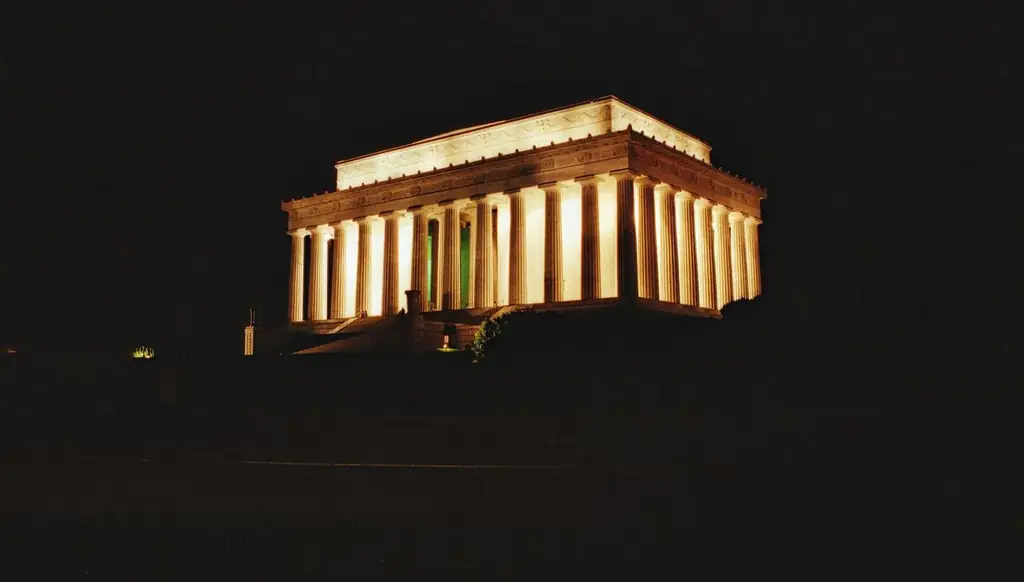
After dark. The monument is lit and the Reflecting Pool carries the reflection. Rangers go off duty at 10 p.m., but the grounds remain accessible. This is when a car matters most: the walk back to a metro station is long and dark, and taxis are scarce at the curb.
Spring blossom season and the Fourth of July period are the heaviest weeks of the year. Reserve the car early and add time to every leg.
The memorials within walking distance
The memorial is the western anchor of a cluster of sites you can reach on foot from the steps:
- The Reflecting Pool runs east toward the World War II Memorial and the Washington Monument.
- The Korean War Veterans Memorial is on the south side of the pool, with figures of soldiers on patrol.
- The Vietnam Veterans Memorial sits to the north in a wooded setting, with names inscribed on the wall in order of casualty date.
- The Martin Luther King Jr. Memorial and the Jefferson Memorial are beside the Tidal Basin, a short drive or a longer walk away.
The park service's National Mall and Memorial Parks page lists these sites and current alerts. In practice, leave the car at the Lincoln stop, walk the pool, and arrange pickup at the World War II Memorial on the far side.
Two of these places are memorials in the full sense. At the Vietnam and Korean sites, lower your voice, do not photograph strangers who are touching a name, and keep children close. These are respectful spaces.
Comparing ways to reach the memorial
| Mode | Door to door | Cost | Suits |
|---|---|---|---|
| Metro to Foggy Bottom, then walk | 25 to 45 minutes door to door | Low | Solo visitors who can walk about 1.5 km |
| Walking from the Mall | 20 to 40 minutes from the Monument | Lowest | Fit travelers on a dry day |
| Taxi or rideshare | 10 to 20 minutes | Metered or surge-priced | Short single trips |
| Hop-on tour bus | Loop with timed stops | Ticketed per person | First-timers who like commentary |
| Rental car | 10 to 20 minutes plus parking | Parking is the main cost | Not recommended downtown |
| Private chauffeur | 10 to 20 minutes | Fixed fare via the booker | Night visits, mobility needs, groups |
Walking from the Washington Monument is a pleasant, flat route if the weather holds, and there is no reason to take a car for it. The car is the right choice for dawn and night visits, for reaching the memorial from outside the central area, and for continuing to Arlington or Georgetown afterwards.
A sunrise-to-lunch itinerary with the car
- 5:15 Pick-up at your hotel. The streets are quiet, and the drive is brief.
- 5:45 Arrive at the memorial. Stay for the light and the quiet; this stop takes 45 to 60 minutes.
- 6:45 Walk the Reflecting Pool toward the Vietnam and Korean memorials. The driver repositions to the World War II side.
- 8:15 Breakfast near Georgetown or Foggy Bottom, away from the Mall.
- 9:30 Cross Memorial Bridge to Arlington, about 3 km (2 mi) away, for the cemetery's opening hours; see our Arlington guide.
- 12:30 Return to the Mall for a timed museum slot, such as the National Air and Space Museum.
Our page on private tours with a driver explains how the hourly arrangement works and how to extend it.
Accessibility, children and practical notes
The park service lists accessible metered spaces near the Lincoln Memorial, and the memorial has steps to climb at the front. If anyone in your party has trouble with stairs, ask the desk to note it at booking, and ask the park for current accessibility information on the day. A chauffeur can position the car close to an accessible space for the drop-off.

Weather matters. The steps are in full sun in summer, and the marble is slippery when wet. Bring water in warm months and layers in winter. There is little shelter on the Mall side of the memorial.
Ask at booking for a child, toddler or booster seat; most vehicles also carry water and phone chargers.
A short note on what you are looking at
The memorial's design is deliberately classical: a rectangular marble hall ringed by columns, one for each state of the Union at the time of Lincoln's death, seated figure inside, text on the side walls. It was dedicated in 1922, and the symbolism has shifted over a century from commemoration to a stage for national argument and protest. The 1963 March on Washington is the best-known example, and the steps remain one of the most photographed civic spaces in the country.
For a visitor with limited time the lesson is simple. Do not treat it as a photo stop through a car window. Spend ten minutes inside reading the two inscribed speeches, then walk back down and look along the Reflecting Pool. The park rangers on duty can answer questions, and their talks are listed on the park's calendar.
Rain, heat, winter and the wind
Washington's weather changes how you use the memorial more than most visitors expect. In July and August the temperature and humidity peak in the afternoon, the marble reflects heat, and the steps have no shade. Go early or late. Thunderstorms can arrive quickly; if lightning is close, move to the car and wait, since the open plaza is a poor place to shelter. In winter the wind off the Potomac is sharp, but the crowds are thin. The driver keeps the car warm and ready for you at the end of the walk.
Cherry blossom season has its own rhythm. Peak bloom draws large crowds to the Tidal Basin, a short drive from the memorial, and traffic around Ohio Drive and Independence Avenue can back up for long stretches. If blossoms are on your itinerary, treat the Lincoln visit as an early-morning job and leave the Tidal Basin for a separate trip.
Manners at the memorial and what to leave in the car
There is no formal dress code. The memorial is a place of reflection, and many visitors will be standing in silence on the steps. Keep phones on silent inside the chamber, do not climb on the statue base or the columns, and avoid blocking the entrance for group photographs. Security can be heightened on event days, so expect checks and closures near the Mall.
Delegations and private travelers often ask for discretion, and the arrangements are simple: drivers do not photograph passengers or post about a trip, NDAs are signed on request, and a booking can sit under an alias. Please note that we are a chauffeur service, not a security company, so there are no armed drivers and no bodyguards. If your party travels with its own protective team, the driver works alongside them and agrees drop-off and pickup points with the lead agent.
Alcohol is never promised on board; local law applies, and open containers are not allowed in the park.
Planning the rest of the city around it
The memorial sits at the western end of the Mall, so it combines naturally with whatever you do next. If you are staying near Capitol Hill, see our Washington, DC chauffeur service page for city-wide transfer options and how long cross-town drives take. Visitors who are building a longer trip across the continent can start from the North America directory, and the attractions hub lists further guides in this series. If you are traveling for business, a corporate account allows monthly invoicing for airport transfers and sightseeing alike.
Frequently asked questions
Is the Lincoln Memorial open 24 hours?
Yes. The park service says visitors can enter at any hour, every day of the year, with rangers on duty from 9:30 a.m. to 10 p.m. except on December 25.
Does the Lincoln Memorial cost anything or need a ticket?
No. The chamber and the grounds are free. Tickets are required for the Undercroft experience, which is separate from the main visit.
How far is the Lincoln Memorial from Reagan National Airport by car?
About 8 km (5 mi), usually 15 to 30 minutes. From Dulles it is about 42 km (26 mi) and 45 to 75 minutes.
Where can a limousine drop me off?
Near the approach to the memorial, using the curb and loading space the traffic rules allow. Coaches use designated bus parking on Ohio Drive SW in West Potomac Park. Your driver confirms the exact stop by message, since closures change it.
What is the best time to visit?
Sunrise for quiet and light, or after dark for the lit monument and thin crowds. Mid-morning to mid-afternoon is the busiest period.
How long should I allow?
Plan 45 to 60 minutes at the memorial itself, and two to three hours if you also walk the Reflecting Pool and the Korean and Vietnam memorials.
Can I combine it with Arlington National Cemetery?
Yes. Arlington is about 3 km (2 mi) away across Memorial Bridge, a 10 to 15 minute drive. Allow for cemetery security and for the cemetery's closing time.
Can a tourism board set up transport for its visitors?
A tourism board or visitor center can open a trade account with LimousineWorldwideDirectory.com and book chauffeur services for the visitors it looks after. The same applies to official tourist offices and convention and visitor bureaus.