
 United StatesJFK
 MexicoMEX
 BrazilGRU
 ArgentinaEZE
 ChileSCL
 ColombiaBOG
 PeruLIM
 PanamaPTY
 Costa RicaSJO
 Dominican RepublicPUJ
 JamaicaMBJ
 BahamasNAS
 BarbadosBGI
 United KingdomLHR
 IrelandDUB
 FranceCDG
 GermanyFRA
 NetherlandsAMS
 BelgiumBRU
 SwitzerlandZRH
 AustriaVIE
 ItalyFCO
 SpainMAD
 PortugalLIS
 GreeceATH
 TurkeyIST
 DenmarkCPH
 SwedenARN
 NorwayOSL
 FinlandHEL
 PolandWAW
 Czech RepublicPRG
 HungaryBUD
 IcelandKEF
 United Arab EmiratesDXB
 QatarDOH
 Saudi ArabiaRUH
 IsraelTLV
 EgyptCAI
 MoroccoCMN
 South AfricaJNB
 KenyaNBO
 NigeriaLOS
 IndiaDEL
 PakistanLHE
 Sri LankaCMB
 SingaporeSIN
 MalaysiaKUL
 ThailandBKK
 VietnamSGN
 PhilippinesMNL
 IndonesiaCGK
 Hong KongHKG
 ChinaPVG
 TaiwanTPE
 JapanHND
 South KoreaICN
 AustraliaSYD
 New ZealandAKL
Patagonia does not run on a timetable. The wind can arrive at noon and leave at four, the granite towers can be hidden all morning and clear by lunch, and the one road that matters is gravel for most of the way once you pass the gate. Anyone planning a Torres del Paine national park private tour with driver is really planning around those facts, and the useful question is not "what is the schedule?" but "what can be arranged in advance, and what has to stay flexible?"
This guide sorts the two. It covers the airports and the road from Puerto Natales, the park gates, the ticket rules that changed in 2026, the day trips a chauffeur can do and the hikes that need a guide, plus how to link the park with the Argentine side. Nothing on this page quotes a price: the online booker calculates the fare for your route.
How do you get to Torres del Paine National Park by car?
Torres del Paine is about 115 km (71 mi) from Puerto Natales, roughly 1.5 to 2 hours, mostly on gravel inside the park. Puerto Natales is about 250 km (155 mi) from the city of Punta Arenas on Route 9; the airport (PUQ) is a little further, so allow 3 to 3.5 hours.
Chile's national tourism board gives the same figures on its Torres del Paine destination page: around 115 km from Puerto Natales, and about 250 km from Punta Arenas to Puerto Natales. Two airports serve the region. Punta Arenas (PUQ) has the most flights. Puerto Natales (PNT), the Teniente Julio Gallardo aerodrome, has seasonal flights from Santiago, and from either you need a vehicle or bus to reach the park. Our list of airports and transfers is on the airports hub.
For most guests the plan is: fly into Punta Arenas, transfer to Puerto Natales, sleep there or at a lodge, and take the park in a full day or over two days. Do not plan to drive from Punta Arenas to the park and return in the same day; the road distance and the gravel make it too long.
The gates and what each one does
The park has several access points, each controlled by CONAF, Chile's forestry and protected areas agency:
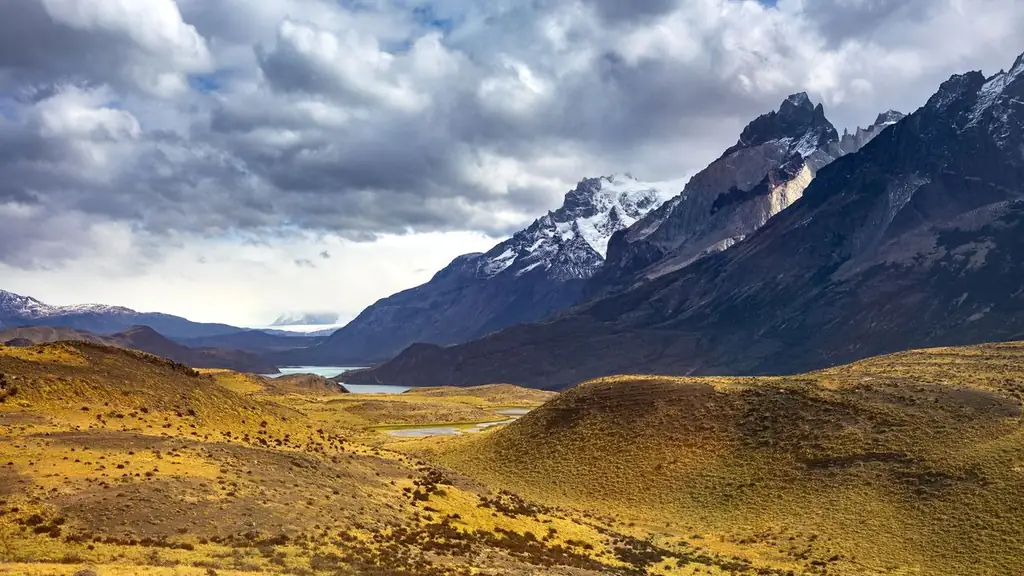
- Laguna Amarga: the main gate, where buses and cars stop for registration. From here, the road continues to Pudeto and to the trailhead area for the Base Torres hike.
- Río Serrano: the southern gate, leading to the park administration and the Grey Lake area. It is about 80 km from Puerto Natales via the Y-290 road.
- Laguna Azul: a northern gate, about 115 km from Puerto Natales including a detour of some 13 km off the main road.
- Lago Sarmiento: a ranger post on the road along the lake of that name.
The tour operator that runs the information site torresdelpaine.com lists gate hours of 8:30 to 20:30 all year for the main gates. That is an operator's listing, not CONAF's, so confirm with CONAF before you plan around it.
Tickets in 2026: what changed
Entry to the park is paid in advance online. CONAF sells passes through its official portal, pasesparques.cl, which describes itself as the official sales site for passes to Chile's national parks and reserves. Chilean press reports in April 2026 said a new system took effect on May 1, 2026, replacing the former multi-tier tickets with a one-day pass and a pass for two or more days, valid across a continuous period of up to ten days. You receive a QR code by email and show it at the gate. We do not quote the amounts because they change and depend on your category, such as national or foreign visitor, child or senior.
Two further points reported by the Chilean press for this season:
- Hikers on the W trek and the Macizo Paine (O) circuit must hold confirmed lodging or camping reservations inside the park to enter the mountain area.
- Winter rules reported for 2026 require a CONAF-authorized guide for the W trek and the Base Torres trail during the winter period.
These rules apply to hikers, not to a day visitor on the road. Still, rules change between seasons, so check the CONAF notices and the pass portal in the weeks before your trip. We cannot confirm every closure or date in advance and we do not guess.
A day trip by car: what is realistic
A full day from Puerto Natales is the most common chauffeured visit. It follows the main park road, with short walks of 15 minutes to an hour at each stop, and it works in most conditions. A typical sequence:
- 07:30 Depart Puerto Natales; stop in the lowlands for guanacos, which are often visible beside the road.
- 09:30 Arrive at the Laguna Amarga gate and show the pass.
- 10:00 Viewpoints on the road to Lake Pehoé, with the granite horns behind the water.
- 11:30 Short walk to a waterfall viewpoint or to the Salto Grande area.
- 13:00 Lunch at a lodge or packed lunch at a sheltered spot.
- 14:30 Drive toward the Grey Lake area or the Nordenskjöld viewpoints, depending on conditions.
- 16:30 Begin the return; arrive in Puerto Natales in the evening.
Give yourself leeway; a stop for animals or a crosswind can add an hour. Your chauffeur will also decide, on the road, whether to skip a viewpoint to avoid worsening weather.
What a chauffeur can and cannot do in the park
A driver can take you to every point reachable by road: viewpoints, trailheads, lodges and the main gate areas. A driver cannot take you onto the trails, onto the catamaran across Lake Pehoé, or to the Grey Glacier. The Base Torres hike is a long day on foot, around 20 km round trip according to operators, and the multi-day W and O routes are trekking itineraries requiring bookings of campsites or refugios. For those, hire a licensed mountain guide.

What the chauffeur adds: early starts, no parking logistics, a vehicle that can wait at the trailhead, a warm place between viewpoints, and a person who has seen the weather before. The Luxury SUV is the usual choice for gravel roads. Exact models are confirmed at booking.
Gravel roads, wind and the practical details
- Gravel surface: most of the park's internal roads are unpaved. Washboard sections and loose stones are normal, and speed is kept low.
- Wind: gusts in the park can be strong enough to wrench a car door out of your hand. Open doors carefully, facing the wind.
- Weather: layers, waterproof outer shells, hats and gloves, even in summer. Mornings and evenings are cold.
- Services: there is little fuel or food inside the park. Fill the tank in Puerto Natales and carry water and a lunch.
- Wildlife: guanacos, rheas and condors are common; pumas live in the park but are rarely seen. Do not feed animals and stay on marked paths.
The park covers about 227,000 hectares of steppe, lakes, forest and mountains. It has been a UNESCO Biosphere Reserve since 1978.
Packing, accessibility and travelling with children
A day in the vehicle is more comfortable than a day on the trail, but the park still asks for preparation. Pack waterproof layers, a warm hat, sunglasses, sunscreen and a flask; Patagonian sun is strong even when the air is cold. Wear sturdy shoes with grip for the viewpoint walks, which are mostly short but can be rocky and exposed to wind. Carry your passport on the day of travel, because rangers or police may ask for identification on the road.
Many of the best views are from the roadside or from short, well-formed paths, which makes the park workable for travelers with limited mobility. Tell the desk at booking so the driver can choose stops with level access and keep the car close to the viewpoint. Child, toddler and booster seats are available on request at booking. Families with small children usually do best with a shorter loop and a long lunch, since the wind and cold tire little ones quickly.
For regional information, wildlife guidance and current visitor notices, the national tourism service Sernatur publishes official material alongside the CONAF pages.
When to go: the seasons
The main season runs from late spring to early autumn (roughly November to March in the southern hemisphere), when days are longest, lodges and trails are open, and the O circuit is typically available. Shoulder months (October, April) are quieter and colder, with more variable weather and some facilities closed. Winter is cold and short-lit but beautiful, and the CONAF winter rules apply. We are writing in mid-October, when many lodges are opening for the season; confirm that your lodging and any day-trip stops are open on your dates.
The park is exposed to Patagonia's westerlies in all seasons. If the sky closes for the morning, use the time for a viewpoint drive or a visit to the Cueva del Milodón near Puerto Natales, roughly 24 km (15 mi) to the north, then try the park again after lunch.
Ways to reach the park compared
| Way to the park | Drive from Puerto Natales | Cost | Who it suits |
|---|---|---|---|
| Scheduled bus | About 2 hours to the main gate | Lowest | Hikers carrying packs, multi-day trekkers |
| Group day tour | Full day | Per seat | Solo travelers who want a guide on board |
| Rental car | About 1.5 to 2 hours | Daily rental plus fuel | Confident drivers on gravel |
| Shared transfer | About 2 hours | Per seat | Trailhead drop-offs on set times |
| Chauffeur, fixed fare | About 1.5 to 2 hours | Fixed fare via the booker | Couples, families, small groups, photographers |
For hikers heading to the W trek, scheduled buses are the lowest-cost option and a good choice. A private vehicle makes sense when you want to choose the order of stops, linger for photographs, or take someone who cannot walk far.
Two nights, not one: how to structure the visit
Because the drive from Puerto Natales is long and the weather unpredictable, the best plans give the park two days. One suggested structure:
- Day 1: arrive in Puerto Natales, walk the waterfront, rest. Or drive straight to a lodge inside or near the park.
- Day 2: full chauffeured day through the park roads.
- Day 3 (optional): a second visit, a short hike with a guide, or a visit to the Milodón cave before the onward journey.
Travelers who are staying in a lodge near the gate can reduce the daily drive to 30 minutes or less. Ask the desk to arrange a pickup at the lodge instead of from town.
Linking with El Calafate and Argentina
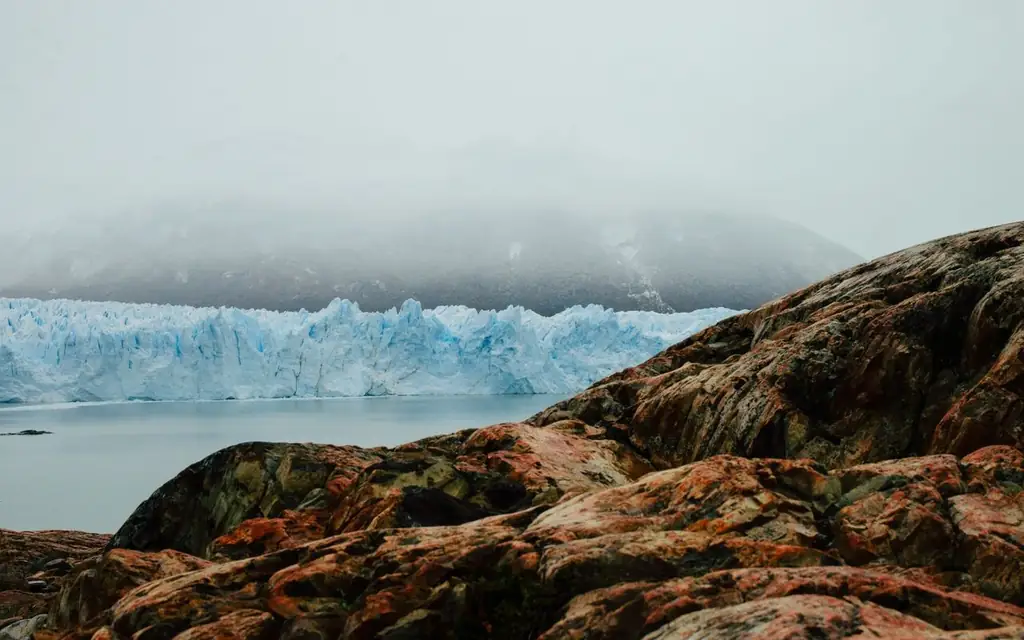
Torres del Paine is often paired with the Argentine glacier park. The overland route between Puerto Natales and El Calafate is roughly 300 km (about 185 miles) with a border crossing, around 5 to 6 hours. Cross-border trips follow local cabotage rules, so discuss the arrangement with the desk well in advance. Our guide to the Perito Moreno Glacier describes the Argentine side, and for the north of Chile see the high desert of the Atacama and the port of Valparaíso. The Latin America and Caribbean directory lists all our guides, and the page on private tours with a driver explains day hire.

Frequently asked questions
How far is Torres del Paine from Puerto Natales?
About 115 km (71 mi) according to Chile's national tourism board, around 1.5 to 2 hours depending on which gate you use and the condition of the gravel.
How far is Torres del Paine from Punta Arenas airport?
Punta Arenas to Puerto Natales is about 250 km (155 mi) on Route 9, then about 115 km further to the park. That is a long day, so most guests stay a night in Puerto Natales.
Do I need to buy tickets for Torres del Paine in advance?
Yes. Passes are sold online through CONAF's official portal, with a QR code sent by email. Press reports said a new one-day and multi-day system took effect on May 1, 2026. Check the portal for current categories and rules.
Can a private driver take me inside Torres del Paine National Park?
Yes, to everywhere reachable by road, including the gates, viewpoints and lodges. A driver cannot take you onto the trails or the catamaran. Longer hikes need a guide.
What is the best time of year to visit Torres del Paine?
Late spring to early autumn gives the longest days and the most services. Shoulder months are quieter, and winter has special CONAF rules. Wind and rain can occur at any time.
How long should I allow for a day trip from Puerto Natales?
A full day: about 10 to 12 hours including driving, stops and a lunch break. A two-night plan gives you a spare day for weather.
Can I book a chauffeur between Puerto Natales and El Calafate?
Cross-border trips depend on local cabotage rules and need advance arrangement. Use the online booker for fixed-fare quotes within the country and ask our 24/7 desk about cross-border options.