 United StatesJFK
 MexicoMEX
 BrazilGRU
 ArgentinaEZE
 ChileSCL
 ColombiaBOG
 PeruLIM
 PanamaPTY
 Costa RicaSJO
 Dominican RepublicPUJ
 JamaicaMBJ
 BahamasNAS
 BarbadosBGI
 United KingdomLHR
 IrelandDUB
 FranceCDG
 GermanyFRA
 NetherlandsAMS
 BelgiumBRU
 SwitzerlandZRH
 AustriaVIE
 ItalyFCO
 SpainMAD
 PortugalLIS
 GreeceATH
 TurkeyIST
 DenmarkCPH
 SwedenARN
 NorwayOSL
 FinlandHEL
 PolandWAW
 Czech RepublicPRG
 HungaryBUD
 IcelandKEF
 United Arab EmiratesDXB
 QatarDOH
 Saudi ArabiaRUH
 IsraelTLV
 EgyptCAI
 MoroccoCMN
 South AfricaJNB
 KenyaNBO
 NigeriaLOS
 IndiaDEL
 PakistanLHE
 Sri LankaCMB
 SingaporeSIN
 MalaysiaKUL
 ThailandBKK
 VietnamSGN
 PhilippinesMNL
 IndonesiaCGK
 Hong KongHKG
 ChinaPVG
 TaiwanTPE
 JapanHND
 South KoreaICN
 AustraliaSYD
 New ZealandAKL
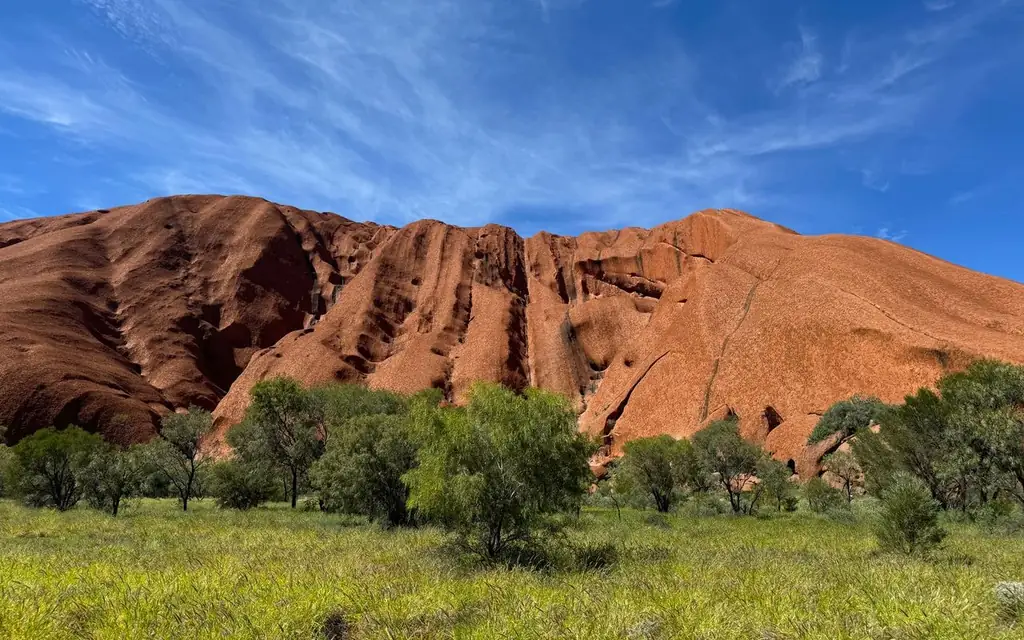
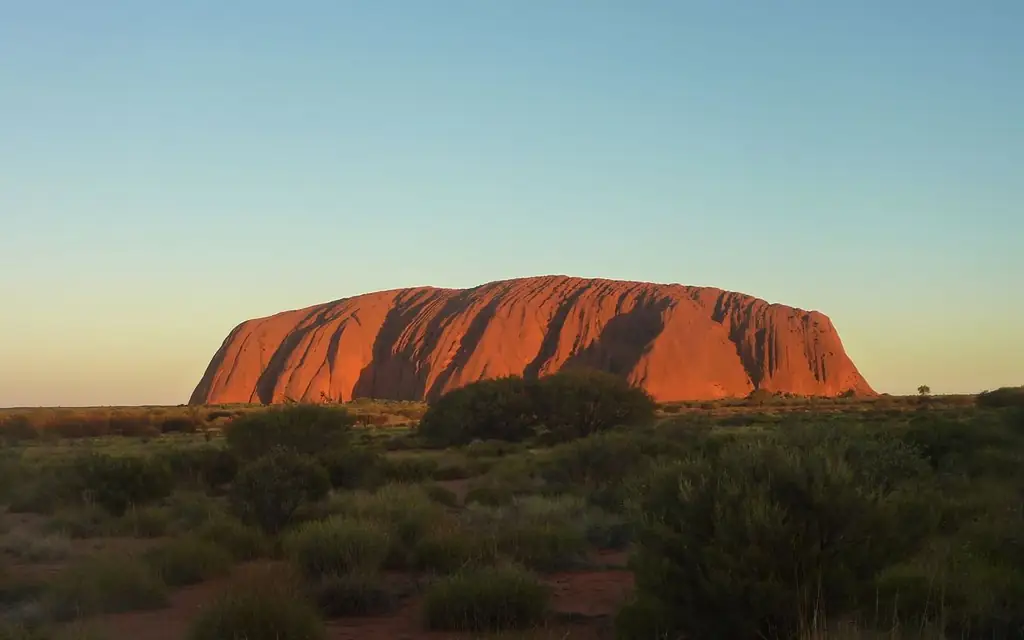
Uluṟu rises out of the red sand plain of Central Australia, a single monolith whose colour shifts from rust to deep violet through the day. Thirty-odd kilometres to the west, the domes of Kata Tjuṯa crowd together on the horizon. Both lie within Uluṟu-Kata Tjuṯa National Park, owned by the Aṉangu traditional owners and jointly managed with Parks Australia, and listed by UNESCO for both its natural and cultural values on the World Heritage List.
This is not a destination you can wing. The nearest town of any size, Alice Springs, is 465 km away. Yulara, the resort village beside the park, has a single airport, no taxis, and a short list of vehicles. An Uluru private tour with driver is therefore less about luxury than control: being at the sunrise platform before first light, getting to Kata Tjuṯa and back in the heat of the day, and returning from the sunset viewing area without waiting for the last coach.
Can you book a private chauffeur at Uluru?
Yes, but supply at Yulara is small and must be confirmed at booking. Ayers Rock Airport is about 6 km from Yulara, and Uluru is about 20 km (12 mi) further, around 20 minutes. Book early, combine the private car with the resort's free airport shuttle, and always carry a valid park pass for every adult.
Be clear-eyed about how transport works here. All arriving flights at Ayers Rock (Connellan) Airport are met by a complimentary resort shuttle to Yulara, and there are no taxis. Inside the park, most visitors use organised coach tours, hire cars or the resort's own transport. Private chauffeured vehicles exist, but in small numbers, and peak dates sell out. When you request a car through our booker, our desk confirms whether a suitable licensed operator and vehicle are available for your exact dates before you pay. If the answer is no, we tell you, and suggest the best alternative rather than overpromise.
Where a private driver earns its place:
- Sunrise. A pickup in darkness to the sunrise viewing area, with no coach timetable.
- Kata Tjuṯa. A return trip of well over 100 km from Yulara, timed to walk before the heat builds.
- Mixed abilities. Families with young children or older travellers who need to set their own pace and rest in an air-conditioned car between walks.
- Privacy. Executives, public figures and groups who prefer not to share a coach.
Check Uluru availability and fare
Distances inside and around the park
| Route | Distance | Typical drive |
|---|---|---|
| Ayers Rock Airport (AYQ) to Yulara resort | about 6 km (4 mi) | 10 min |
| Yulara to Uluṟu base and Cultural Centre | about 20 km (12 mi) | 20–25 min |
| Yulara to Kata Tjuṯa | about 55 km (34 mi) | 45–50 min |
| Uluṟu to Kata Tjuṯa | about 50 km (31 mi) | about 40 min |
| Alice Springs to Uluṟu | about 465 km (289 mi) | about 5.5 hr direct |
| Yulara to Kings Canyon (Watarrka) | about 300 km (186 mi) | about 3.5 hr |
The roads in the park are sealed and well signed. Speed limits are set to protect wildlife and visitors, and kangaroos, camels and cattle can wander onto the highways outside the park, especially at dawn and dusk. That is one reason experienced local drivers avoid long highway runs in the dark.
Park passes, opening hours and the rules that matter
Every visitor aged 18 and over needs a park pass. As of 2026, the official Uluṟu-Kata Tjuṯa park pass page lists an adult 3-day pass at AUD 38 and an annual pass at AUD 50; under-18s enter free. Passes are bought online in advance or at the entry station on the road in, and they cover only this park.
Opening hours change through the year to follow sunrise and sunset, so check the times for your month on the official site before planning a sunrise pickup. A few rules every visitor should understand before arriving:
- Climbing Uluṟu is not permitted. The climb closed permanently in October 2019 at the request of the traditional owners.
- Sensitive sites. Some parts of Uluṟu are culturally sensitive, and photographing them is not permitted. Signs mark these areas; follow them, and ask before photographing people.
- Stay on marked tracks. Rock art, waterholes and sacred places along the base are protected.
- Heat. Summer temperatures are extreme, and parts of some walks can close early on very hot days. Carry water on every walk, however short.
- Drones require permission and are not something to bring on a casual visit.
How to plan sunrise and sunset
Both designated viewing areas are inside the park, so timing depends on gate opening and the drive from Yulara.
Sunrise: The Talinguru Nyakunytjaku sunrise area looks across to Uluṟu with Kata Tjuṯa on the horizon behind. Plan to be on the platform before the sky lightens; your driver will set the pickup time against the published gate opening and sunrise times for your date. Bring a warm layer in winter, when desert mornings are cold.
Sunset: The car sunset viewing area on the western side gives the classic colour change on the rock. Coaches arrive in waves before sunset; a private car can park and leave on your schedule. Kata Tjuṯa has its own dune viewing area for sunset over the domes.
Sunrise and sunset times shift by more than an hour between December and June. Give us your preferred viewing time and the desk will set the pickup from the published park hours for that date.
A chauffeured day at Uluṟu and Kata Tjuṯa
- Pre-dawn pickup at your Yulara hotel; 20–25 minutes to the sunrise viewing area.
- After sunrise short drive to the Uluṟu base. Walk the Mala walk to Kantju Gorge, or a section of the full base walk, which is about 10.6 km (6.6 mi) around the rock.
- Mid-morning visit the Cultural Centre near the base to learn about Tjukurpa, Aṉangu law and the joint management of the park. It is the right place to understand what you are looking at.
- Late morning return to Yulara and rest through the hottest hours.
- Mid-afternoon drive about 55 km (34 mi) to Kata Tjuṯa. Walk Walpa Gorge, or the Valley of the Winds lookouts if temperatures allow.
- Sunset at the Kata Tjuṯa dune viewing area or the Uluṟu sunset area, then back to Yulara.
If you have two or three days, split Kata Tjuṯa onto its own morning, when the Valley of the Winds is at its best and coolest.
Desert practicalities: heat, flies, water and light
Central Australia rewards preparation more than most places. A few points that matter on a chauffeured day:
- Water. Carry it on every walk, even a short one, and refill whenever you return to the vehicle. Most of our vehicles carry bottled water, but bring your own refillable bottle as well.
- Heat. From roughly October to March, daytime temperatures can be extreme. Walk at dawn, rest at midday and return in the late afternoon. Your driver will suggest the order of stops that keeps you out of the hottest hours.
- Flies. Bush flies are persistent in the warmer months. A head net weighs nothing and makes the base walk far more pleasant; pack one before you fly in.
- Cold. Winter nights and early mornings in the desert can drop close to freezing. Pack a warm jacket for sunrise even if the afternoon will be hot.
- Sun. Wear a broad-brimmed hat, sunglasses and sunscreen; there is little shade on most tracks.
- Photography. Golden light at sunrise and sunset is short-lived. Arrive early, and respect the signed areas where photography is not permitted.
Respecting Tjukurpa and Aṉangu country
Uluṟu and Kata Tjuṯa are not just landforms. For Aṉangu they are living places bound up with Tjukurpa, the law, knowledge and stories that guide life on this country. Some stories, and some parts of the rock, are not for visitors to know or photograph, and the park's rules exist to protect them. The Cultural Centre is the best place to start: it explains joint management, the significance of the sites you will walk past, and how to visit respectfully. Ranger-guided walks and Aṉangu-led experiences, where available, add depth that no driver can provide; a chauffeur gets you there on time and waits, but the stories belong to the people of the country.
If you are travelling with mobility needs, several viewing areas and the Cultural Centre are reachable on formed paths close to car parks, and the base walk has flat sections that can be done in part rather than in full. Tell us at booking if you need step-free access or space for a folding wheelchair, so the operator assigns the right vehicle.
Getting to Uluru: every option compared
| Option | Time | Cost note | Suits | Honest limits |
|---|---|---|---|---|
| Fly direct to Ayers Rock Airport (AYQ) | Domestic flight, then 10 min shuttle | Airfare | Almost everyone | Limited flight days from some cities |
| Fly to Alice Springs, then drive | 5.5 hr direct drive | Airfare plus road transfer | Travellers adding the West MacDonnell Ranges or Kings Canyon | Very long day; avoid night driving |
| Resort shuttle and coach tours | Fixed timetables | Per seat, often lowest | Solo travellers, budget trips | Group pace, set departure times |
| Hire car from Yulara | Self-drive | Daily rate plus fuel | Independent drivers | Limited fleet, book weeks ahead |
| Private chauffeur | Your schedule | Fixed fare via the booker | Families, executives, photographers, mobility needs | Small supply; confirmed only at booking |
For most visitors the best combination is a direct flight to Ayers Rock Airport, the free resort shuttle on arrival, and a private driver for the days you most want flexibility. The road from Alice Springs is worth it only if you plan to see the country along the way, such as Kings Canyon, and have at least three or four days.
The long road from Alice Springs
The Stuart and Lasseter highways link Alice Springs to Yulara, about 465 km and roughly five and a half hours of driving, according to the park. The route is sealed but remote: fuel and refreshment stops are far apart, mobile coverage is patchy, and wildlife on the road after dusk is a real hazard. A long-distance chauffeured transfer on this route should leave in the morning, stop for fuel and rest, and arrive in daylight. Our desk confirms operator availability and the right vehicle before you commit.
Many travellers fold Kings Canyon (Watarrka National Park) into a loop, staying a night there before continuing to Yulara. The Northern Territory's official tourism site covers the wider Red Centre Way.
Request a long-distance Red Centre transfer
Where you will stay, and what else to book
Accommodation at Yulara is concentrated in the resort village beside the park, from campground to luxury lodge. The resort's own experiences, including the Field of Light installation and desert dining evenings, are booked through Ayers Rock Resort. A private driver can collect you from these experiences when they finish outside the resort's walking area.
Before and after Uluru
Most international visitors connect through a major city. If you are flying via Sydney, our guides to the Sydney Opera House and the Blue Mountains cover the classic chauffeured days there, and our Sydney chauffeur service handles transfers to and from Sydney Airport. Wine travellers often continue to South Australia's Barossa Valley.
About our booking desk
LimousineWorldwideDirectory.com runs a 24/7 booking desk. Every ride is delivered by a vetted, licensed and commercially insured local chauffeur operator from our worldwide directory and booked, confirmed and invoiced by our desk: one booking, one confirmation, one invoice, one contact. Vehicles are late-model and maintained; classes from Executive Sedan to Luxury SUV and Executive Sprinter are confirmed "or similar" at booking, with the honest caveat that choice at Yulara is narrower than in a city. See the fleet, the Asia-Pacific directory and our full range of private tours with driver.
Frequently asked questions
How far is Uluru from Ayers Rock Airport?
Ayers Rock Airport is about 6 km from Yulara, where all the accommodation is, and Uluṟu is about 20 km (12 mi) beyond Yulara. Allow around 30 minutes from the airport to the base of the rock.
How far is Uluru from Alice Springs by car?
About 465 km (289 mi), roughly five and a half hours of direct driving. Plan stops and avoid driving at dusk and after dark because of wildlife.
Do I need a park pass to visit Uluru?
Yes. Every visitor aged 18 and over needs a pass for Uluṟu-Kata Tjuṯa National Park. Buy it online in advance or at the entry station; under-18s are free.
Can you still climb Uluru?
No. The climb closed permanently in October 2019, respecting the wishes of the Aṉangu traditional owners.
Are there taxis or Uber at Uluru?
There are no taxis at Uluṟu. Arriving flights are met by a free resort shuttle, and inside the park visitors use tours, hire cars or pre-booked private transport.
How far is Kata Tjuta from Uluru?
About 50 km (31 mi), roughly 40 minutes by car. From Yulara it is about 55 km (34 mi).
What is the best time of year to visit Uluru?
The cooler months, roughly May to September, are the most comfortable for walking. Summer brings extreme heat, when walks should be done at dawn.
How long does the Uluru base walk take?
The full base walk is about 10.6 km (6.6 mi) on mostly flat ground and usually takes around three and a half hours at an easy pace. Start at sunrise in the warmer months. Your driver can drop you at one car park and collect you at another if you only want to walk part of it.
How much does a private driver at Uluru cost?
It depends on dates, hours and vehicle availability at Yulara. Our online booker shows a fixed fare, quoted before you book, once a suitable operator is confirmed.