
 United StatesJFK
 MexicoMEX
 BrazilGRU
 ArgentinaEZE
 ChileSCL
 ColombiaBOG
 PeruLIM
 PanamaPTY
 Costa RicaSJO
 Dominican RepublicPUJ
 JamaicaMBJ
 BahamasNAS
 BarbadosBGI
 United KingdomLHR
 IrelandDUB
 FranceCDG
 GermanyFRA
 NetherlandsAMS
 BelgiumBRU
 SwitzerlandZRH
 AustriaVIE
 ItalyFCO
 SpainMAD
 PortugalLIS
 GreeceATH
 TurkeyIST
 DenmarkCPH
 SwedenARN
 NorwayOSL
 FinlandHEL
 PolandWAW
 Czech RepublicPRG
 HungaryBUD
 IcelandKEF
 United Arab EmiratesDXB
 QatarDOH
 Saudi ArabiaRUH
 IsraelTLV
 EgyptCAI
 MoroccoCMN
 South AfricaJNB
 KenyaNBO
 NigeriaLOS
 IndiaDEL
 PakistanLHE
 Sri LankaCMB
 SingaporeSIN
 MalaysiaKUL
 ThailandBKK
 VietnamSGN
 PhilippinesMNL
 IndonesiaCGK
 Hong KongHKG
 ChinaPVG
 TaiwanTPE
 JapanHND
 South KoreaICN
 AustraliaSYD
 New ZealandAKL
Valley of Fire is the park that most Las Vegas visitors miss, because it requires a car and a plan, which is exactly what a Valley of Fire State Park private tour with driver supplies. The distance is manageable at about an hour out and an hour back, but the park is large, the roads are narrow, and the best walks are seasonal. A good visit is built around the calendar first and the route second.
Nevada's state park system describes the place as its first state park, formally opened on Easter Sunday in 1934 and given legal designation by the legislature in 1935. It now covers more than 40,000 acres of red sandstone, ancient rock art and desert washes. If you are weighing a Valley of Fire State Park private tour with driver against driving yourself, the points below are the ones that matter on the day.
Is Valley of Fire worth the drive from Las Vegas?
Yes, if you go between October and April and allow a half-day or more. The park is about 55 miles (89 km) northeast of Las Vegas via Interstate 15, Exit 75, roughly one hour each way. It has red sandstone formations, petroglyphs, a visitor center and short, rewarding walks.
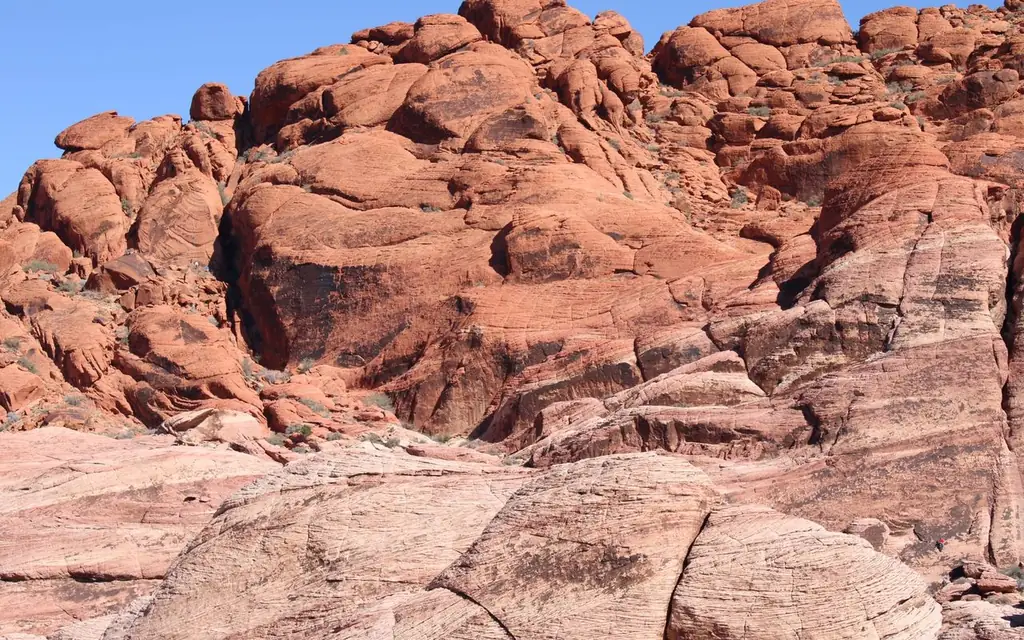
Compared with Red Rock Canyon, Valley of Fire is more remote, less regulated and more rugged. There is no timed-entry system to book, but there are seasonal closures, a short December shutdown and heat that can make the trails unsafe in summer. It rewards visitors who arrive early.
How to get to Valley of Fire State Park by car: I-15, Exit 75 and the map-app trap
From Las Vegas, drive north on Interstate 15 to Exit 75, then follow the Valley of Fire Road to the park entrance. The park's address for navigation is 29450 Valley of Fire Road, Overton. The state's own pages give the distance as about 55 miles (89 km) and the drive as about an hour.
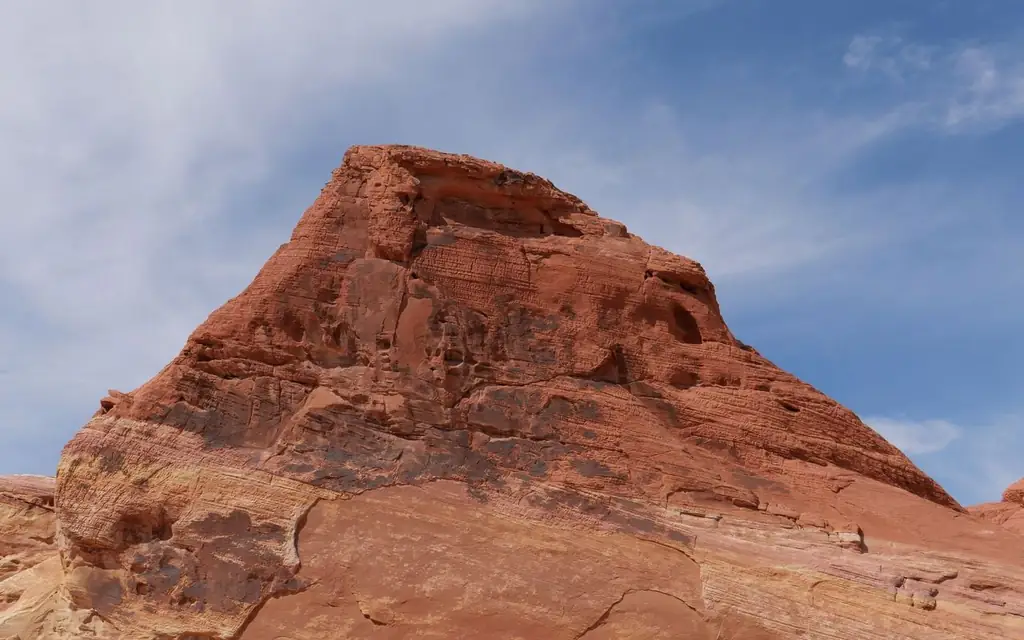
One warning in the park's published notices is worth repeating: some map apps send drivers by other routes. A park notice has told visitors that from Las Vegas on I-15 north, Exit 75 is the correct exit even if a map app says the road is closed, and that apps may suggest Exit 93 instead. A park notice has also mentioned limited operating days at a west entrance on the Lake Mead side. The desk plans the east approach by default and confirms any alternative with the park before the day.
Why rideshare is the wrong tool here
The state parks page warns plainly that ride-share services may leave visitors stranded in the park. That is the central practical issue. Once you are in the valley you are far from the nearest town, signal can be weak, and a driver who dropped you at a trailhead may not be able to collect you at the end.
Rental cars are the usual alternative, and they work if you are comfortable with desert roads. A chauffeured car offers something different: a driver who stays with the vehicle, parks in designated roadside spaces, and waits for you at the trailhead. The desk quotes a fixed fare for the return trip before you book, with waiting time built into the plan.
Month by month: when the park works
The park is open daily from sunrise to sunset, and the visitor center is open from 9 a.m. to 4 p.m. daily. But the trails you probably want are seasonal.
| Period | What to expect | Plan |
|---|---|---|
| October to April | Comfortable temperatures, all trails open | The best months for Fire Wave and White Domes |
| May 15 to September 30 | Fire Wave, Seven Wonders, Pastel Canyon, Pink Canyon and White Domes Loop are typically closed for heat | Stay on roadside viewpoints or choose another destination |
| December 1 to 14 | The park closes to all visitors for maintenance, per the state parks page | Do not schedule a trip in this window |
| June to August | Very hot at midday | Sunrise visits only, if at all |
The state page states that hiking in high heat is dangerous even on short trails, and it advises hydration and electrolyte replacement. The map notes a closure from June 1 to September 30 for some of the trail groups while the park's main page gives May 15, so treat the official calendar as the final word and check it a day or two before you travel. October 16 is inside the open season.
Fees and what they cover
As of 2026, the state parks page lists day-use entry at $10 per vehicle for Nevada plates and $15 for non-Nevada vehicles, with $2 for a bicycle. A visitor center and exhibits are on site, and Wi-Fi is available with plans listed on the park's website. Entry fees are set by the park and are not part of our fare; ask the desk how they are handled for your booking.

Shaded picnic areas with restrooms are located at White Domes and Atlatl Rock, which is useful because the valley has little natural shade.
Six stops in driving order
Coming in from the east, the useful stops fall in a natural line. Distances are on the park roads, with the park lots being small, and a chauffeur sequence avoids backtracking.
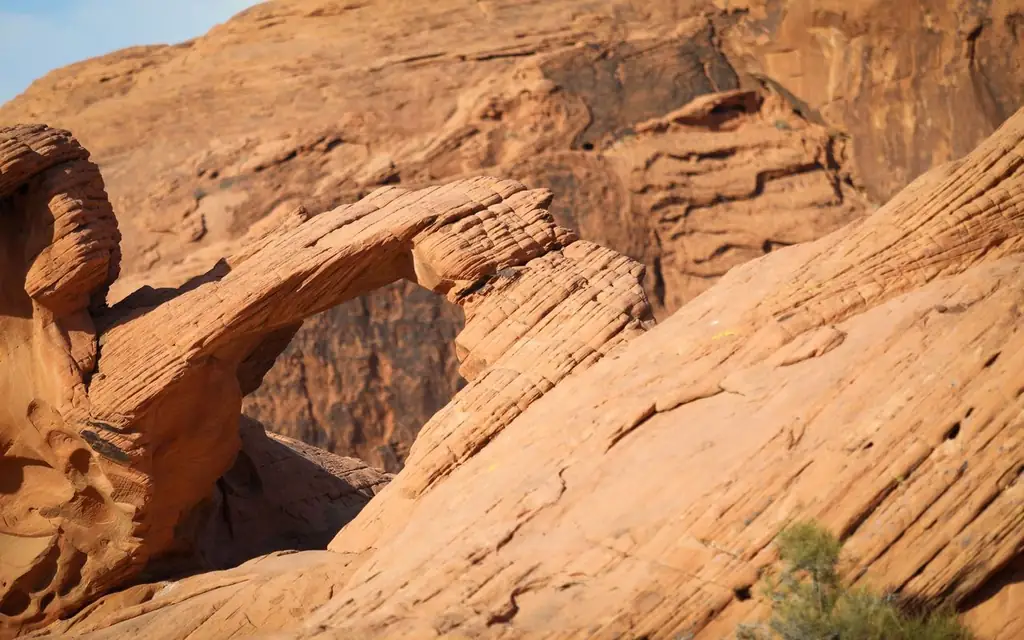
- Elephant Rock. A short walk of about 0.2 mile (0.3 km) out and back to a formation that resembles an elephant, close to the east entrance. Climbing on it is not permitted.
- Atlatl Rock. Petroglyphs, including a depiction of the atlatl, a spear-throwing tool. A shaded picnic area with restrooms is here.
- The visitor center. Maps, exhibits and information about conditions. Allow 20 minutes.
- Mouse's Tank. A trailhead area with shaded picnic tables. The petroglyph trail begins here.
- Fire Wave. About 1.5 miles (2.4 km) out and back over sand and slickrock, with the parking lot labeled P3 on White Domes Road, around 5 miles (8 km) north of the visitor center. Park notices say it feels longer than the distance suggests.
- White Domes. A loop trail through a slot canyon and past the weathered remains of a film set from the 1960s. This is the far end of the scenic road, so it makes a natural turning point.
A complete circuit with moderate walking takes 4 to 5 hours inside the park. A shorter version, covering Elephant Rock, Atlatl Rock and the visitor center, takes about 90 minutes.
Petroglyphs, respect and the 2,500 years behind them
The state parks page says the Basketmaker culture carved petroglyphs into the rocks about 2,500 years ago, followed later by the Early Pueblo culture. People lived in southern Nevada as far back as 11,000 years ago, according to the park's history page. The petroglyphs and rock features are protected by state and federal law.
Treat them accordingly: look, do not touch, and do not add anything. Stay on marked paths and follow the signs at Atlatl Rock, where climbing is not permitted.
Rules for cars, drones and climbing
The state's park rules give a clear framework for visitors:
- Driving. Stay on approved roads, and park only in designated roadside spots. Off-road driving is prohibited in the park.
- Drones. They are not allowed without an approved photography permit.
- Climbing. Allowed in some areas, but not on Arch Rock, Elephant Rock or Atlatl Rock.
- Alcohol. Drinking is allowed in the park, but open-container and drinking-and-driving laws still apply to vehicles.
- Filming. Photography and filming require a permit application.
For a chauffeur, those rules shape the route. The driver chooses legal stops, does not leave the pavement, and waits at the lot while you walk. If you want to shoot a commercial video or photograph for publication, apply in advance.
A Valley of Fire private tour with driver: a day plan from the Strip
A sensible early-season day looks like this:

- 7:00 a.m. Pickup at the hotel. Water and a light breakfast on board.
- 8:15 a.m. Exit 75. Enter the park between 8:30 and 9:00.
- 9:00 a.m. Elephant Rock, Atlatl Rock and the visitor center.
- 10:30 a.m. Drive to White Domes road for Fire Wave, then White Domes.
- 1:00 p.m. Picnic in the shade at White Domes, then return along the scenic road.
- 2:30 p.m. Leave the park; back on the Strip by 4:00 p.m.
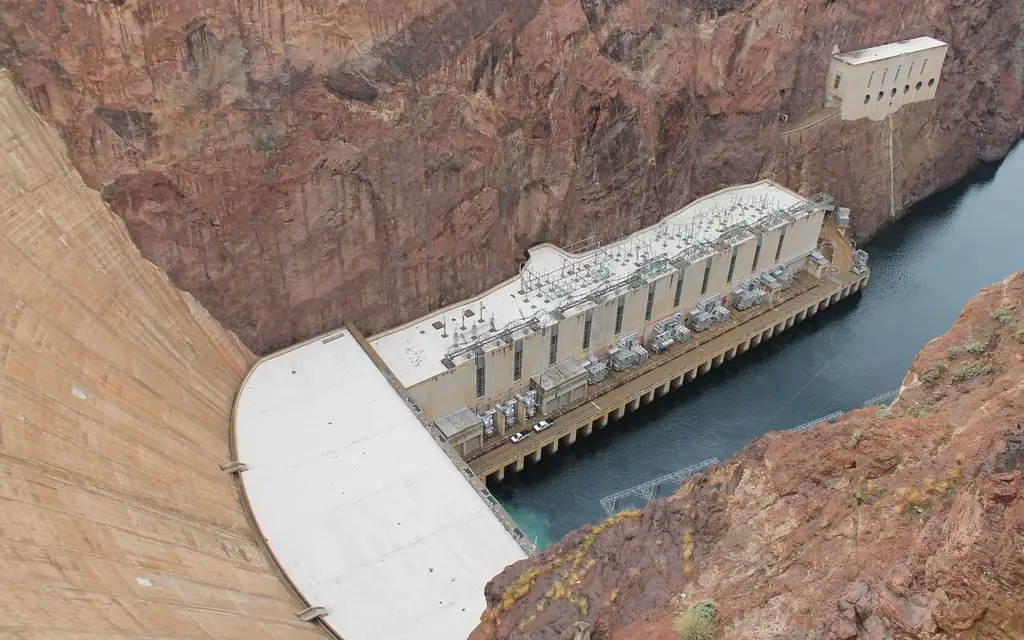
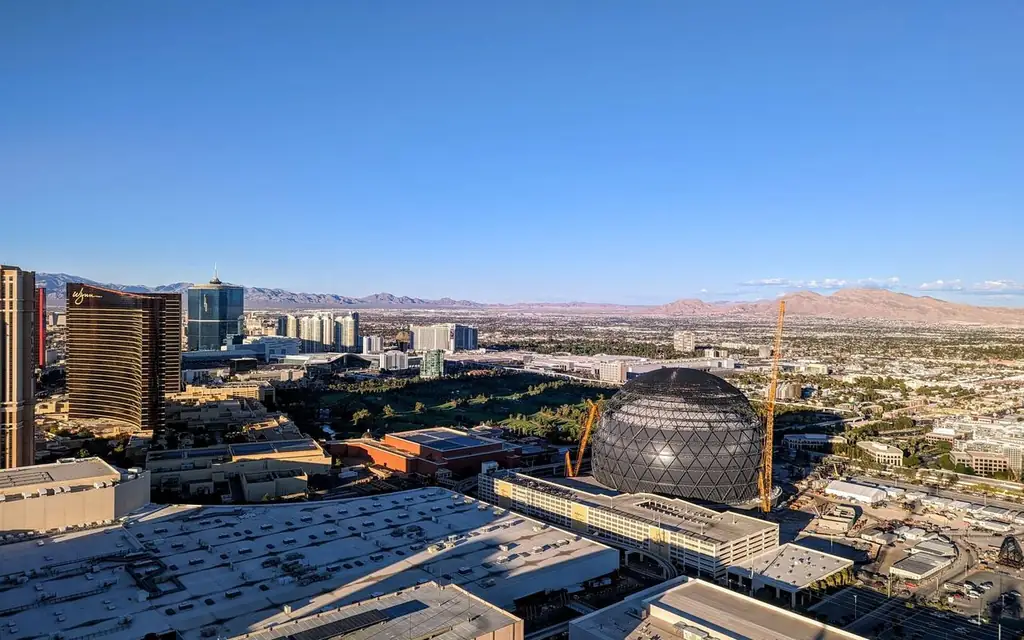
If your schedule allows a second day, the sibling guides in the Las Vegas region fit neatly. The Hoover Dam is a morning visit in the opposite direction, and the Las Vegas Strip guide shows how to end the evening. Visitors continuing east can read about Zion National Park, which is a separate day trip with its own rules and distances.
Starting from the airport or a hotel
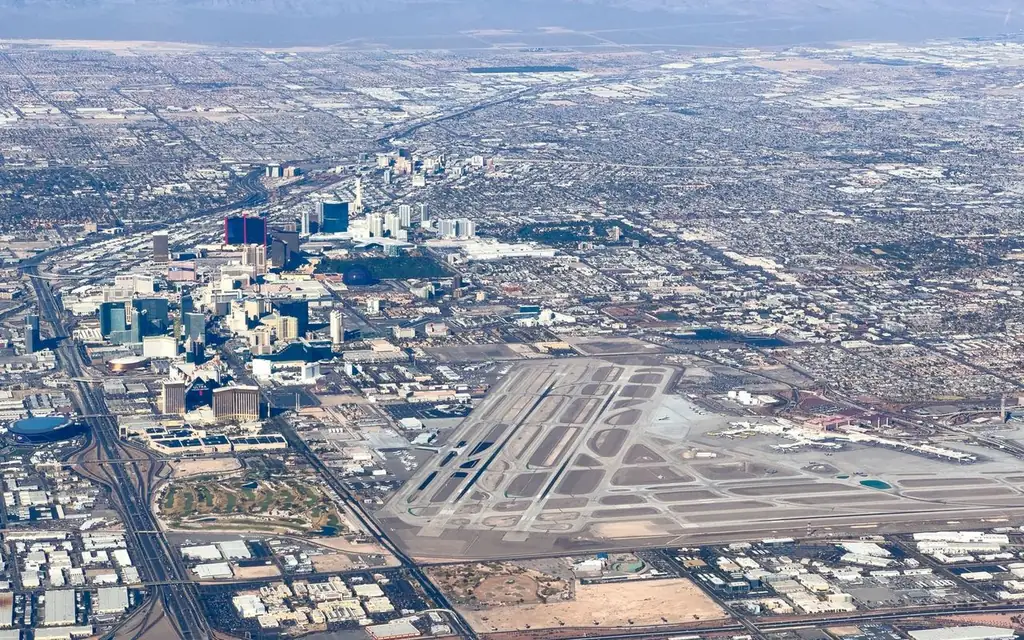
Many Valley of Fire days begin at an airport rather than a hotel, and that is worth planning. A driver collecting you from Harry Reid International Airport can carry on straight to Exit 75 when the flight lands in the morning, with your luggage staying in the vehicle for the day. If you prefer to check in first, a pickup from a hotel on the Strip works equally well, and the Las Vegas limo service page explains how the desk handles both.
Flight tracking is included on airport pickups, so a late arrival moves the schedule rather than breaking it. Free waiting time after landing is 30 minutes for domestic flights and 60 minutes for international arrivals.
A note on light, photography and patience
The sandstone is at its most saturated in the first two hours after sunrise and the last two before sunset. The park opens at sunrise, so a pickup well before dawn lets you reach Fire Wave while the stripes are still shadowed and the lot is empty. Photographers should plan the trip around the sun rather than the clock, and should allow time to wait for a cloud to pass.
Respect other visitors in small spaces. Fire Wave is a compact formation and a tripod in the middle of the slickrock blocks everyone else. Keep gear low, step aside after your shots and leave the rock as you found it. If you plan commercial work, the park requires a permit application beforehand.
Valley of Fire compared with other ways to see it
| Approach | Time out of the city | Cost picture | Who it serves |
|---|---|---|---|
| Rental car | About 1 hour each way | Fuel plus park entry | Independent travelers comfortable with desert roads |
| Escorted small-group tour | 5 to 7 hours round trip | Per-seat fare | Visitors who want a guide and a fixed route |
| Rideshare | About 1 hour to the entrance | Can be surge-priced | Not recommended: pickup inside the park is unreliable |
| Private chauffeur | About 1 hour each way | Fixed fare quoted before you book | Groups, photographers, travelers on a tight schedule |
If cost is your first concern, a rental car shared among several people is the lowest cost per head. A tour is better if you want commentary. A private car is better if you need to leave at a specific time or want to spend longer at the viewpoints you like.
Comfort, heat and accessibility
The sandstone absorbs heat and reflects it, so midday in spring or autumn can still feel warm. Bring more water than you think you need, wear sturdy shoes and use sunscreen. The park's state page warns that trails feel longer than listed.
Most of the roadside formations can be seen from the car or a few steps away. Fire Wave and White Domes involve uneven ground and sand. If anyone in your party has limited mobility, tell the desk and the driver will focus on roadside stops and the visitor center. Child, toddler and booster seats can be arranged at booking.
For official updates, read the Nevada State Parks page for Valley of Fire, the park rules and the park history. The Lake Mead National Recreation Area is the neighboring federal unit. More regional planning is in our North America directory, and the private tours with driver page lists what we can build around Las Vegas.
Frequently asked questions
How far is Valley of Fire from Las Vegas?
About 55 miles (89 km) northeast via Interstate 15, Exit 75, according to Nevada State Parks. The drive takes about an hour each way in normal traffic.
What are the entrance fees for Valley of Fire?
As of 2026 the state parks page lists $10 per vehicle for Nevada vehicles and $15 for non-Nevada vehicles, plus $2 for bicycles. Fees can change, so check the page.
When is Valley of Fire open?
Daily from sunrise to sunset. The visitor center is open daily from 9 a.m. to 4 p.m. The park closes to all visitors from December 1 to 14 each year for maintenance, according to the state page.
Is Valley of Fire too hot to visit in summer?
Often yes. The Fire Wave, Seven Wonders and White Domes trail groups are typically closed in the hottest months, and the state page warns that hiking in high heat is dangerous even on short trails.
Can I use Uber or Lyft to visit Valley of Fire?
You can arrive that way, but the state parks page warns that ride-share services may leave visitors stranded in the park. A pre-booked round trip with a chauffeur avoids this.
How long should I spend at Valley of Fire?
Allow at least a half-day. A short visit to Elephant Rock, Atlatl Rock and the visitor center takes about 90 minutes. A full tour with Fire Wave and White Domes takes 4 to 5 hours in the park.
Where is the Fire Wave trailhead?
Parking is at a lot labeled P3 on White Domes Road, about 5 miles (8 km) north of the visitor center. The trail is about 1.5 miles (2.4 km) out and back over sand and slickrock.
Are drones allowed at Valley of Fire?
Not without an approved photography permit, according to the park rules. Check the page before you pack one.
Can I combine Valley of Fire with Red Rock Canyon in one day?
They are on opposite sides of the valley, so it is a long day. See our Red Rock Canyon guide for the reservation rules that apply on that side.