 United StatesJFK
 MexicoMEX
 BrazilGRU
 ArgentinaEZE
 ChileSCL
 ColombiaBOG
 PeruLIM
 PanamaPTY
 Costa RicaSJO
 Dominican RepublicPUJ
 JamaicaMBJ
 BahamasNAS
 BarbadosBGI
 United KingdomLHR
 IrelandDUB
 FranceCDG
 GermanyFRA
 NetherlandsAMS
 BelgiumBRU
 SwitzerlandZRH
 AustriaVIE
 ItalyFCO
 SpainMAD
 PortugalLIS
 GreeceATH
 TurkeyIST
 DenmarkCPH
 SwedenARN
 NorwayOSL
 FinlandHEL
 PolandWAW
 Czech RepublicPRG
 HungaryBUD
 IcelandKEF
 United Arab EmiratesDXB
 QatarDOH
 Saudi ArabiaRUH
 IsraelTLV
 EgyptCAI
 MoroccoCMN
 South AfricaJNB
 KenyaNBO
 NigeriaLOS
 IndiaDEL
 PakistanLHE
 Sri LankaCMB
 SingaporeSIN
 MalaysiaKUL
 ThailandBKK
 VietnamSGN
 PhilippinesMNL
 IndonesiaCGK
 Hong KongHKG
 ChinaPVG
 TaiwanTPE
 JapanHND
 South KoreaICN
 AustraliaSYD
 New ZealandAKL
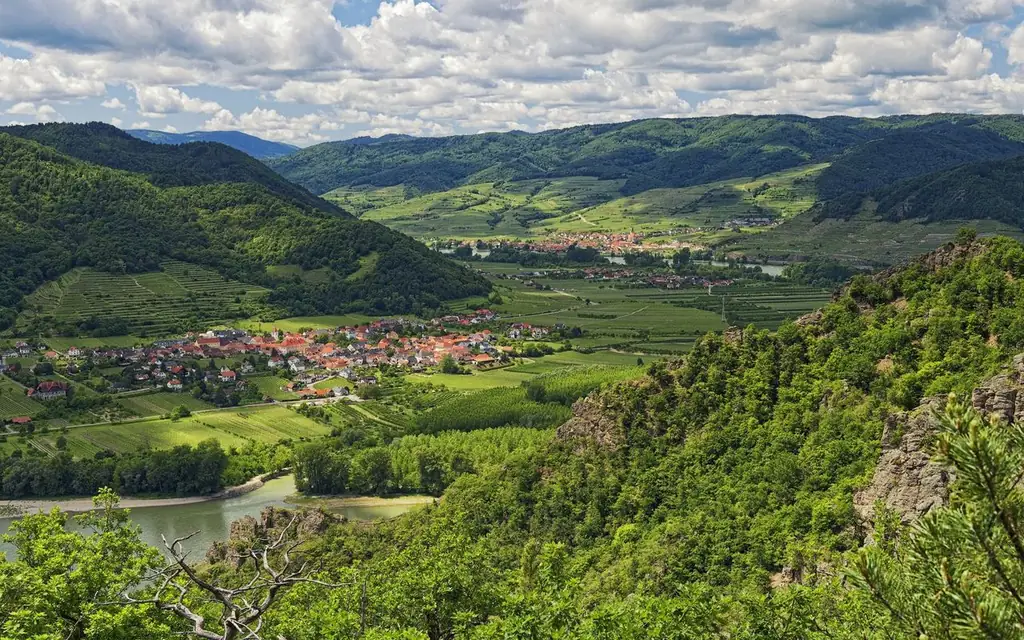
The Wachau is best seen at the speed of the river. It is a narrow, bending stretch of the Danube in Lower Austria, with vineyard terraces climbing the north bank, apricot orchards in the villages and a baroque abbey standing above the water at each end. It is also a landscape where wine is the local trade, which is the plainest argument for a Wachau Valley private tour with a driver: someone else handles the road, and the guest is free to taste.
This guide sets out the geography, the stops worth your time, the seasons and a day plan that works from Vienna.
How far is the Wachau Valley from Vienna by car?
Melk, at the western end of the Wachau, is about 90 km (56 mi) from Vienna, roughly one hour by motorway. Krems, at the eastern end, is about 70 km (43 mi). The valley itself runs about 36 km (22 mi) between the two along the Danube.
Distances from transfer operators and mapping sources vary slightly with the starting point, so treat them as planning figures. From central Vienna the usual approach is the A1 west to Melk, which makes Melk the natural first stop, then the riverside road eastward through the valley to Krems and back to Vienna. The Vienna chauffeur service page covers pickups in the city, and the airports hub lists the airport pages.
Why UNESCO protects this stretch of the Danube
The Wachau Cultural Landscape was added to the World Heritage List in 2000. UNESCO describes it as a stretch of the Danube between Melk and Krems with high visual and landscape qualities, preserving many traces of its continuous evolution since prehistoric times, in architecture, urban design and agricultural use, principally for the cultivation of vines. The listing covers roughly 18,000 hectares, and it names the Baroque abbeys of Melk, Dürnstein and Göttweig among its features. The full text is on the UNESCO page for the Wachau.
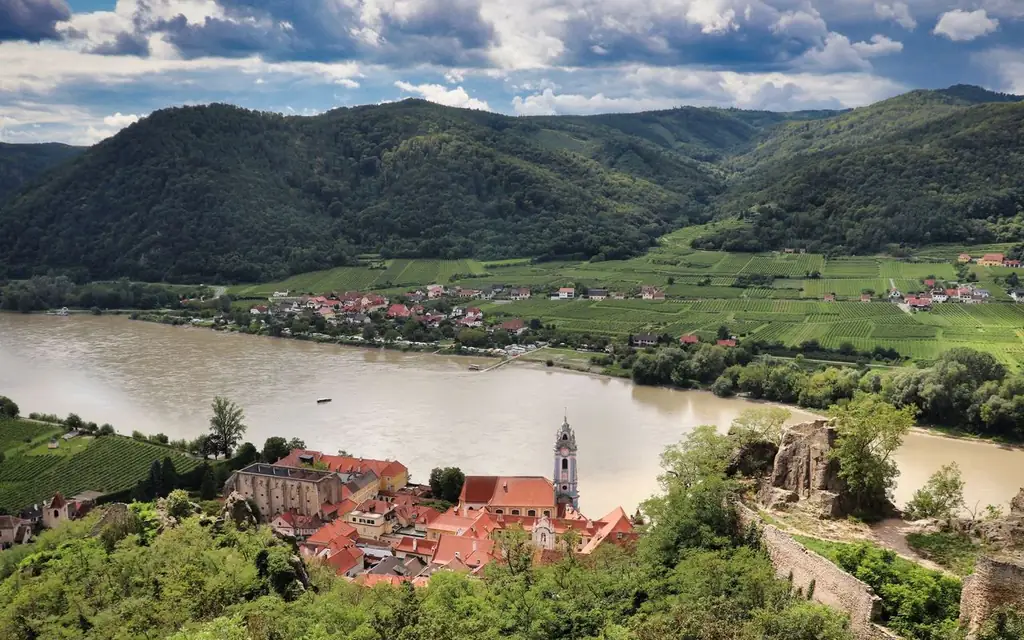
For a visitor, the listing means two things. The valley is protected from large development, so the villages remain small. And the best views are of the whole, not of any single building: vines above, river below, a church tower in between.
Melk first or Krems first
The direction matters more than most visitors expect.
Melk first, Krems last. This is our default from Vienna. The motorway takes you to Melk in about an hour, you see the abbey early when it is quiet, then drive east through the villages with the afternoon light. You end at Krems, close to the road back to Vienna.
Krems first, Melk last. Better if you want a long lunch in the middle of the valley and a quiet abbey in the late afternoon. It also suits travelers continuing west from Melk, for example to Salzburg, since the Wachau sits on the way.
Either direction works. Choose Melk first if you prefer to see the monument while you are fresh, and Krems first if the weather suggests an afternoon clearing.
Melk Abbey: the ticket, the parking and the pace
The abbey stands above the town at Abt-Berthold-Dietmayr-Str. 1, 3390 Melk. According to the Melk Abbey website, the admission ticket covers the former imperial guest rooms, the abbey museum, special exhibitions and the abbey park, and the abbey library and church are described as highlights. The site links a separate page for opening hours, prices and guided tours, and it offers an audio guide and group tours.
Parking: the visitor car park is on Stiftsstraße. The abbey says visitors with admission tickets park free, provided the parking ticket is validated at the cash desk in the first courtyard, and leaving within 15 minutes of drawing a ticket is free without validation. Some spaces have charging stations. A chauffeur can use the car park or drop you at the entrance and wait.
The pace: allow roughly two hours, more if you take a guided tour. The abbey is a working monastery, so dress respectfully for the church and follow the signs about silence. The opening hours listed on the abbey's own pages vary by season, and we do not quote them here, because the site publishes them separately.
Dürnstein: the blue tower and the climb
Dürnstein is the best-known village in the valley. The blue-and-white bell tower of the abbey church, which dates to 1733, is the landmark seen from the river, and the abbey traces its roots to a chapel founded in the 14th century. Above the village stands the castle ruin where, according to local sources, King Richard the Lionheart was held in 1192 and 1193 after the Third Crusade. The Blondel story, in which a minstrel finds the king by singing, is a legend rather than documented history.
The ruin is freely accessible all year, and the climb takes roughly 20 minutes from the town centre, according to Dürnstein's tourism site. It is steep and uneven, so wear shoes with grip, and decide before you go whether the view across the Danube is worth the effort for your party. The village lanes are for pedestrians, so the car waits at the edge of town.
Spitz, Weissenkirchen and the Danube ferries
Between Dürnstein and Melk lie Weissenkirchen, Spitz and a string of smaller villages. Spitz has a cable ferry across the river to Arnsdorf, a crossing of about 485 metres that takes five to seven minutes and runs on the current alone, according to the Danube region site. The official site says the cable ferries operate from April to October between Spitz-Arnsdorf and Weissenkirchen-St. Lorenz, while a regional tourism page describes a year-round car ferry at Spitz-Arnsdorf. Because those sources differ, and because a ferry stops in flood or storm, check the operator's hours and whether vehicles are accepted before you plan a crossing.
A ferry crossing is a pleasant diversion, not a necessity. The road along each bank gives a different view of the valley, and a driver can use the bridges at either end if the ferry is not running.
Beyond the headline stops: Göttweig and Willendorf
UNESCO's text for the Wachau notes two things that most day trips miss. Göttweig Abbey, a Baroque monastery on a hill south of the Danube near Krems, is included in the listing as a separate property, outside the valley proper. And the valley's human history goes back to the Palaeolithic: figurines found at Galgenberg and Willendorf, estimated at about 32,000 and 26,000 years old, are associated with the area. Neither stop is essential, but if you have a long day and a quiet interest in history, ask the desk whether Göttweig can be added after Krems. Its opening hours and ticketing are set by the abbey, so confirm them before you plan around them.
Walkers can also use the Wachau World Heritage trail, which passes the Dürnstein ruin, according to Dürnstein's tourism site. A chauffeur can drop you at one end of a section and collect you at the other, which turns a walk into a one-way stroll rather than a loop.
Apricots, wine and lunch
The Wachau is known for two crops. In spring, apricot trees bloom, usually from late March to mid-April depending on the weather, beginning around Krems and moving westward a few days later. Blossom lasts only one to three weeks, and the harvest follows in July and early August. If you want the blossom, call a few days ahead to check how far the bloom has come.

The wine is white, dry and graded by the local producers' association, Vinea Wachau, into three tiers: Steinfeder, the lightest, Federspiel, in the middle, and Smaragd, the richest. The names are trademarks used by member wineries. Wachau also became an official DAC appellation in 2020. You do not need to learn the system to enjoy a glass, but it helps to know that a Smaragd is a fuller wine meant for the table.
Tastings and lunch are where the chauffeur earns the fee. Local law applies, and we do not promise drinks on board, but the driver takes the wheel so the guests can enjoy a vineyard lunch. Book restaurants and tastings ahead in the high season and on weekends.
Accessibility and the small print
Most of the valley's villages have cobbled lanes, steps and slopes, and the abbey has stairs between its courtyards, so tell the desk at booking if anyone walks slowly or uses a mobility aid. A chauffeur can plan the nearest practical drop and choose stops that suit: the riverside views at Spitz and Weissenkirchen are easy, the Dürnstein ruin is not. Child, toddler and booster seats are available on request, and a Luxury SUV or an Executive Sprinter carries larger parties with picnic bags and wine purchases. Wine bought at the estates travels in the boot, so allow space for cases if you plan to buy.
Seasons in the valley
- Spring: blossom and fresh green terraces, with rain showers common. Dress in layers.
- Summer: the busiest months for river traffic and for cyclists on the Danube path. Start early.
- Autumn: the grape harvest and golden vineyards. Many wine estates are busy with the picking, so check tasting availability.
- Winter: quiet and atmospheric, but some attractions and ferries run reduced schedules. Confirm what is open.
A chauffeured day from Vienna
- Pickup in Vienna at about 8:30. About 90 km (56 mi) to Melk, around one hour.
- Melk Abbey, about two hours.
- Riverside drive east, with stops at viewpoints and Spitz.
- Lunch in Weissenkirchen or Dürnstein, with a tasting if you wish.
- Dürnstein village and the climb, if the weather and legs allow.
- Krems, a short stop, then back to Vienna, about 70 km (43 mi) and one hour.

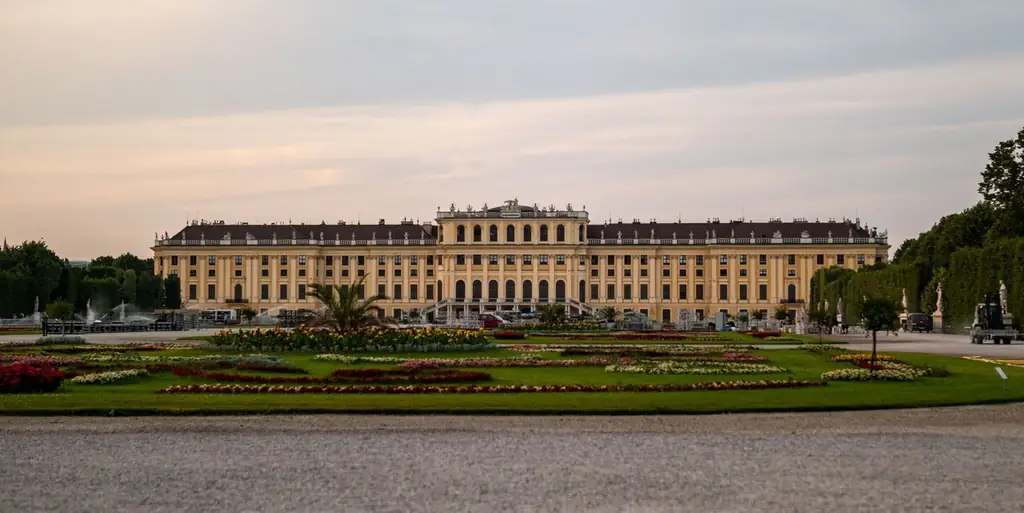
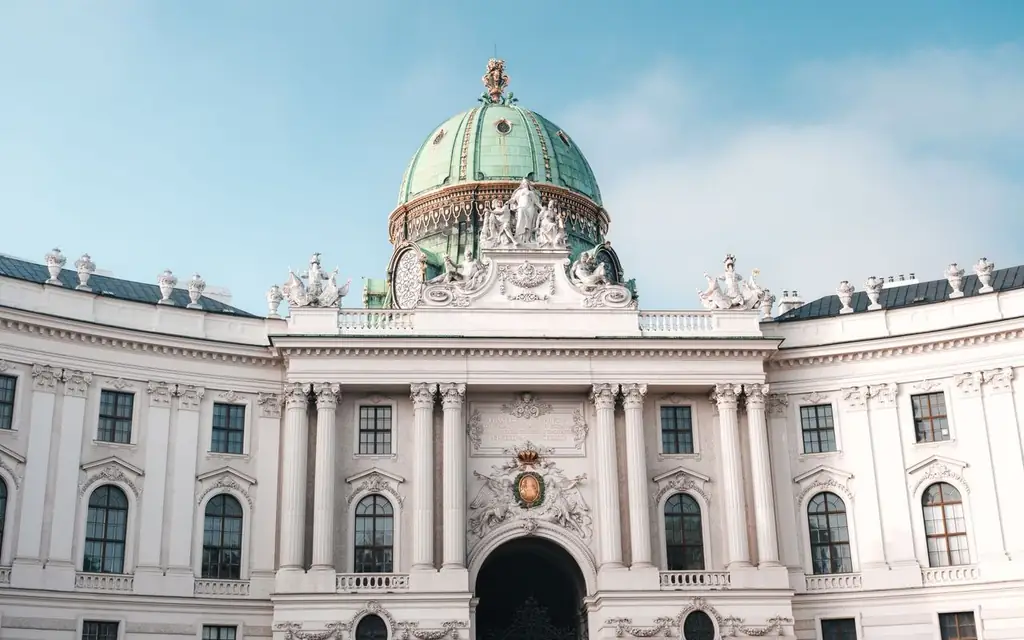
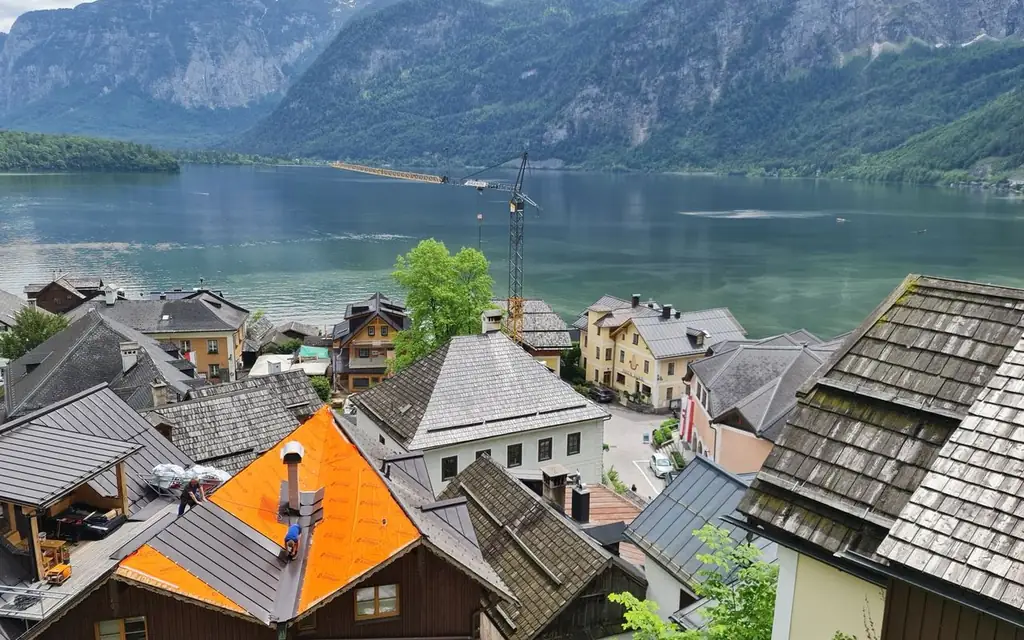
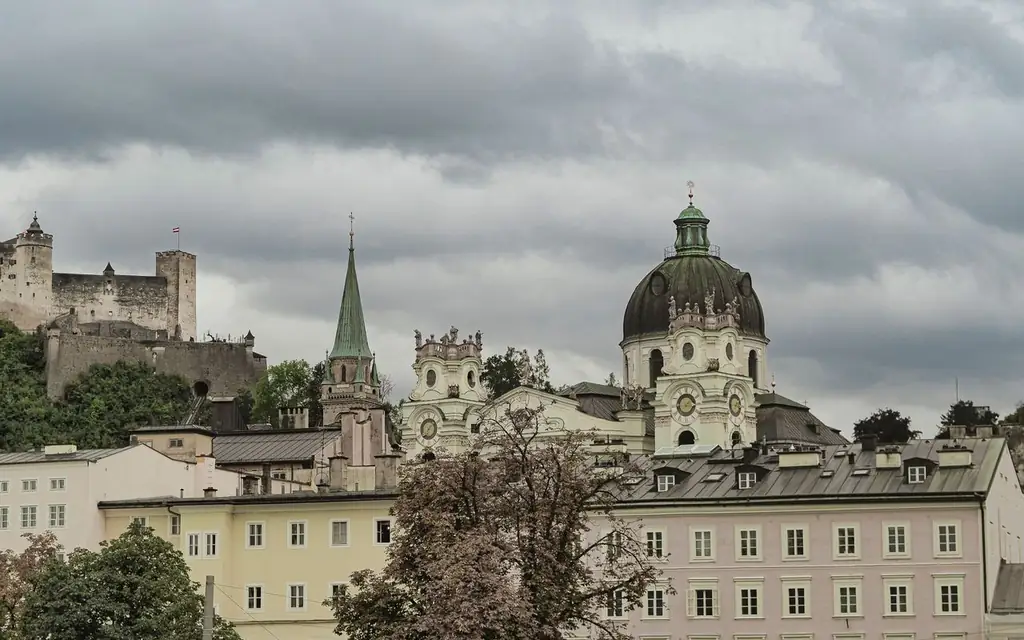
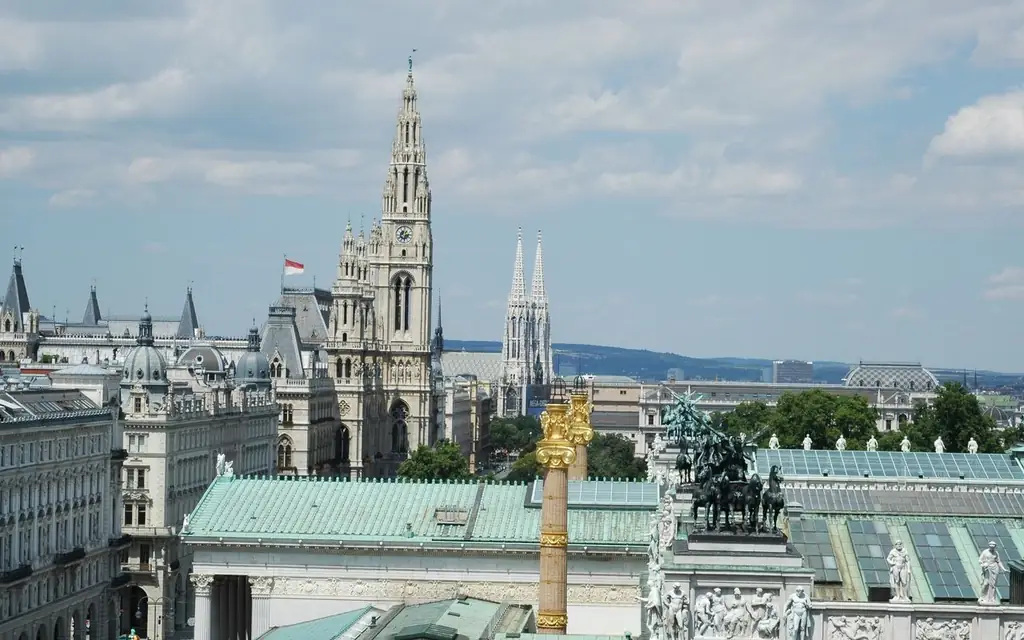
The whole day is roughly 9 to 10 hours with around 3 hours of driving. If you are continuing west afterward, Salzburg is roughly 205 km (127 mi) from Melk, about two hours by motorway, so the Wachau works as a morning on the way rather than a detour. If you prefer a shorter day, drop Krems and return directly from Dürnstein. A second stop in Vienna on the same trip could be Schönbrunn Palace or the Hofburg, and a longer trip could continue to Salzburg Old Town or to Hallstatt. The private tours with driver page describes how longer programmes are built.
Ways to see the Wachau compared
| Way to see it | Typical time | Cost note | Best for |
|---|---|---|---|
| Train to Melk or Krems, then local transport | 1 hour to the valley ends, then limited links | Lowest | Independent travelers on a flexible schedule |
| Group coach tour from Vienna | Full day, fixed route | Fixed per person | Travelers who want a set programme |
| River boat between Melk and Krems | Several hours, seasonal | Ticketed | A relaxed trip without a car |
| Rental car | About 1 hour each way | Fuel and parking | Confident drivers who do not taste wine |
| Private chauffeur | About 1 hour each way, flexible stops | Fixed fare via the booker | Groups, wine tastings, photography |
If you want a river day and are happy with a fixed schedule, a boat or a coach tour costs less and is a good choice. A chauffeur is better when you want to choose your stops, taste wine safely, or combine the valley with an airport transfer or a longer journey.
Official tourism boards and visitor centres can book chauffeur services for their visitors with LimousineWorldwideDirectory.com through a trade account, and DMCs and travel agents use the same route. More European guides are in the Europe directory and the attractions hub.
Frequently asked questions
How far is the Wachau Valley from Vienna?
Melk is about 90 km (56 mi), roughly one hour by car, and Krems about 70 km (43 mi). The valley itself runs about 36 km (22 mi) between them.
Is the Wachau a UNESCO World Heritage Site?
Yes. The Wachau Cultural Landscape was inscribed in 2000. UNESCO describes it as a stretch of the Danube between Melk and Krems.
How long should I spend in the Wachau?
A full day covers Melk Abbey, a drive through the villages and lunch. Allow two hours at Melk and a half day for the rest. An overnight lets you taste wine without a rush.
When do the apricots bloom?
Usually from late March to mid-April, depending on the weather, beginning near Krems and moving west. The harvest is in July and early August.
Can I park at Melk Abbey?
Yes. The visitor car park is on Stiftsstraße, and visitors with admission tickets park free if they validate the ticket at the cash desk. A chauffeur can also drop you at the entrance.
Can we taste wine and not worry about driving?
Yes, that is the benefit of a chauffeur. Local law applies, and we do not promise drinks on board, but the driver handles the road while you taste at the estates.
Does the Danube ferry at Spitz run all year?
Sources differ: the Danube region site says cable ferries operate from April to October, while another page says year-round. Check the operator before planning a crossing.
Do you offer pickups from Vienna Airport for this trip?
Yes. Airport pickups with flight tracking are available, and the desk can plan a direct run to Melk. Enter the addresses in the booker for a fixed fare.