
 United StatesJFK
 MexicoMEX
 BrazilGRU
 ArgentinaEZE
 ChileSCL
 ColombiaBOG
 PeruLIM
 PanamaPTY
 Costa RicaSJO
 Dominican RepublicPUJ
 JamaicaMBJ
 BahamasNAS
 BarbadosBGI
 United KingdomLHR
 IrelandDUB
 FranceCDG
 GermanyFRA
 NetherlandsAMS
 BelgiumBRU
 SwitzerlandZRH
 AustriaVIE
 ItalyFCO
 SpainMAD
 PortugalLIS
 GreeceATH
 TurkeyIST
 DenmarkCPH
 SwedenARN
 NorwayOSL
 FinlandHEL
 PolandWAW
 Czech RepublicPRG
 HungaryBUD
 IcelandKEF
 United Arab EmiratesDXB
 QatarDOH
 Saudi ArabiaRUH
 IsraelTLV
 EgyptCAI
 MoroccoCMN
 South AfricaJNB
 KenyaNBO
 NigeriaLOS
 IndiaDEL
 PakistanLHE
 Sri LankaCMB
 SingaporeSIN
 MalaysiaKUL
 ThailandBKK
 VietnamSGN
 PhilippinesMNL
 IndonesiaCGK
 Hong KongHKG
 ChinaPVG
 TaiwanTPE
 JapanHND
 South KoreaICN
 AustraliaSYD
 New ZealandAKL
Most people who book a Waikiki Beach private tour with driver are not looking for a sightseeing script. They are landing at Honolulu after a long flight, they have a hotel on Kalakaua Avenue or one street back from it, and they want to be on the sand without a rental-car puzzle in between. Waikiki is a compact district with a lot of demand for very little curb, and a driver who knows where the car can stop changes the first hour of the trip more than any other single decision.
This guide is written for that reader. It covers the drive from Daniel K. Inouye International Airport, what the beach actually is, how the access works in practice, the best times of day, how long to allow, and a half-day and full-day plan that links Waikiki with the other Oahu stops our directory covers.
How do you get to Waikiki Beach by car from Honolulu airport?
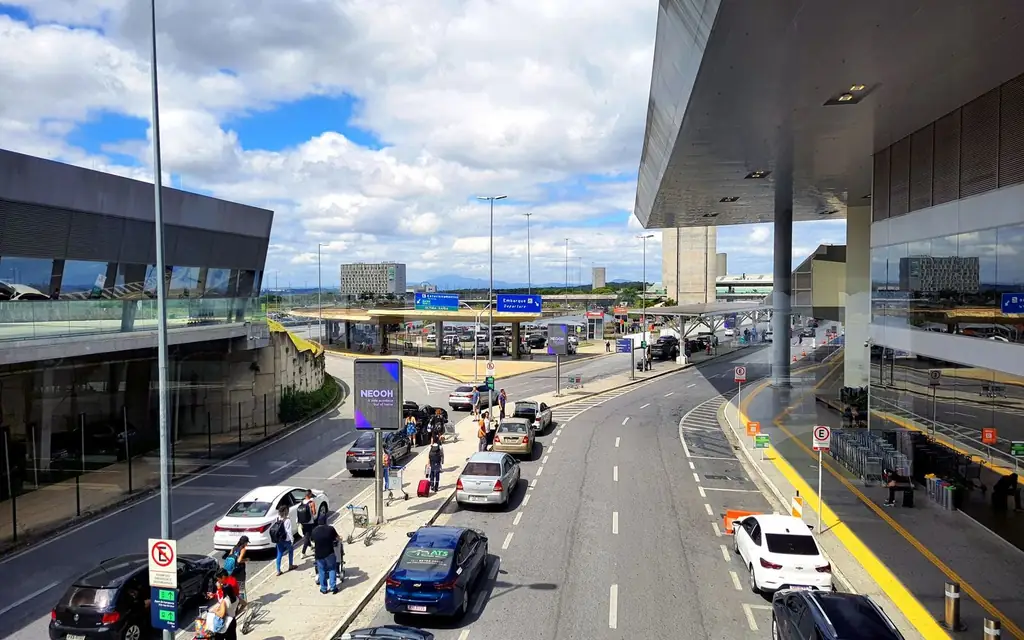
Waikiki is about 15 km (9 to 10 mi) from Daniel K. Inouye International Airport, roughly 20 to 30 minutes by car outside the peak periods and closer to 45 minutes or more when the H-1 Freeway is crowded. A pre-arranged chauffeur meets you and drives to your hotel entrance or the beachfront block you name.
The airport was officially renamed Daniel K. Inouye International Airport (HNL) by the state, and the state airport authority lists pre-arranged ground transportation as its own category alongside taxis, ride-app zones and rental cars. If you book through LimousineWorldwideDirectory.com, the confirmation tells you the exact meeting arrangement for your arrival, and the driver tracks your flight, so a late landing from the mainland or Asia does not cost you the ride. International arrivals get 60 minutes of free waiting after landing, domestic arrivals 30.
From the airport the route runs east on the H-1 and then drops toward the coast on Waikiki-bound arterials. The honest variable is time of day. A mid-morning arrival slips through; a 4:30 pm arrival meets the commuter flow in both directions. Allow the longer end of the range when a connection or a dinner reservation sits behind the ride.
What Waikiki Beach actually is (and what it is not)
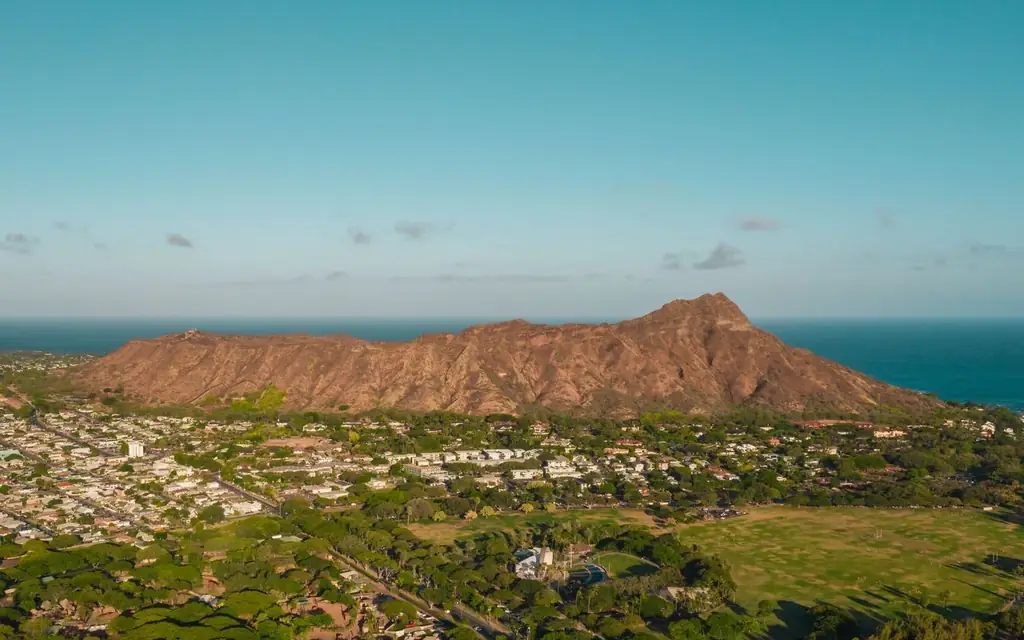
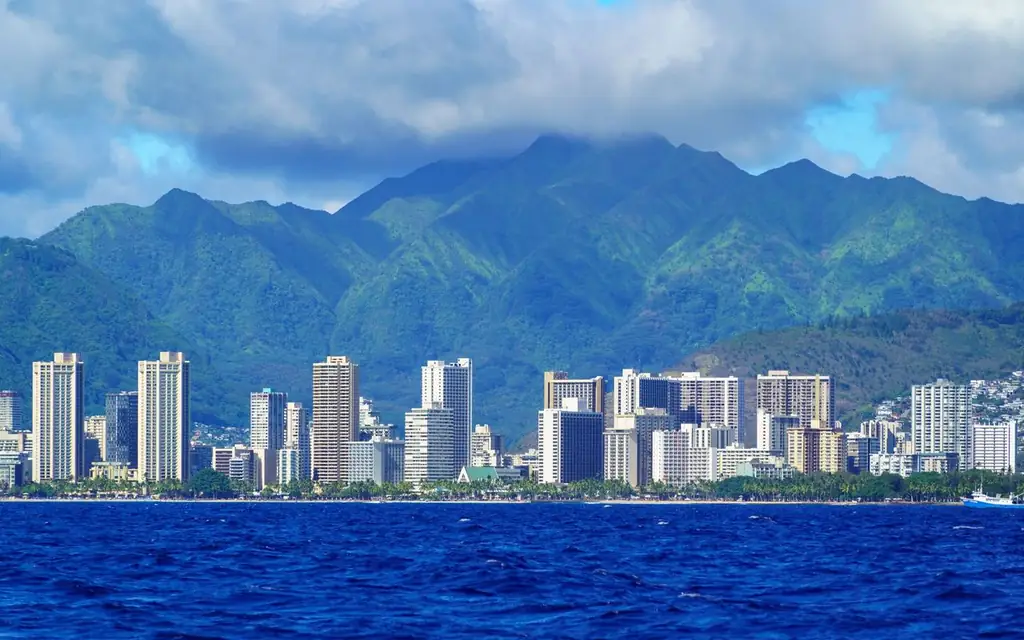
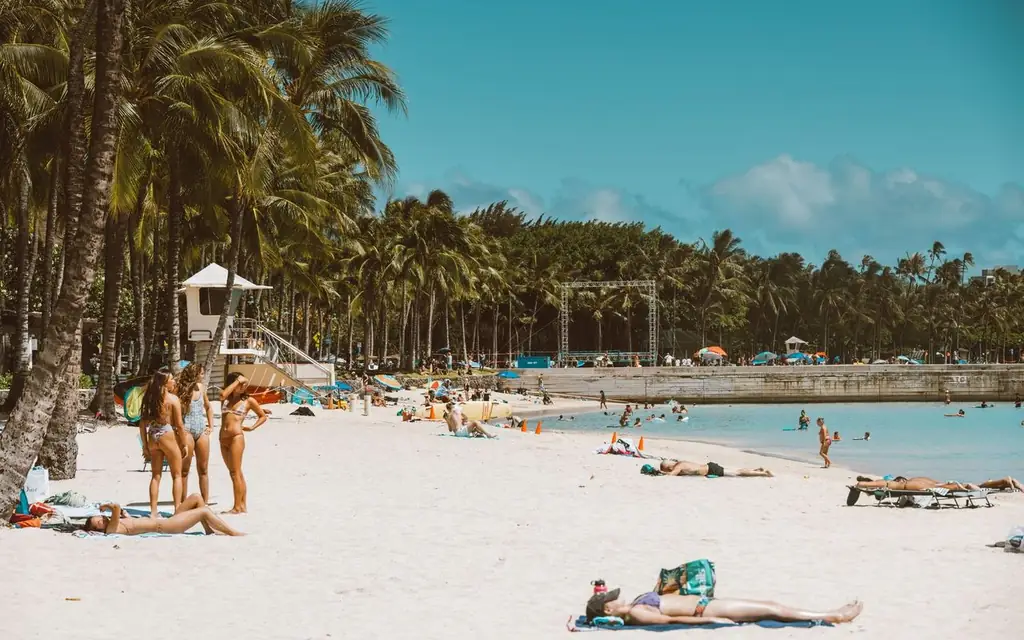
Waikiki is not one beach. It is a continuous crescent of sand on Oahu's south shore, divided by groins, seawalls and park boundaries into stretches that locals call by different names: the Fort DeRussy frontage at the western end, the Kuhio Beach area near the Duke Kahanamoku statue, Queen's Surf toward the Diamond Head end, and Kaimana beyond the zoo. Hawaii's tourism authority notes that the name means "spouting waters," that the area was a royal retreat, and that the Moana Surfrider opened here in 1901, which is why the district's hotel history is so tied to the shoreline. Duke Kahanamoku, who is credited with teaching visitors to surf here at the turn of the twentieth century, stands in bronze on the beach.
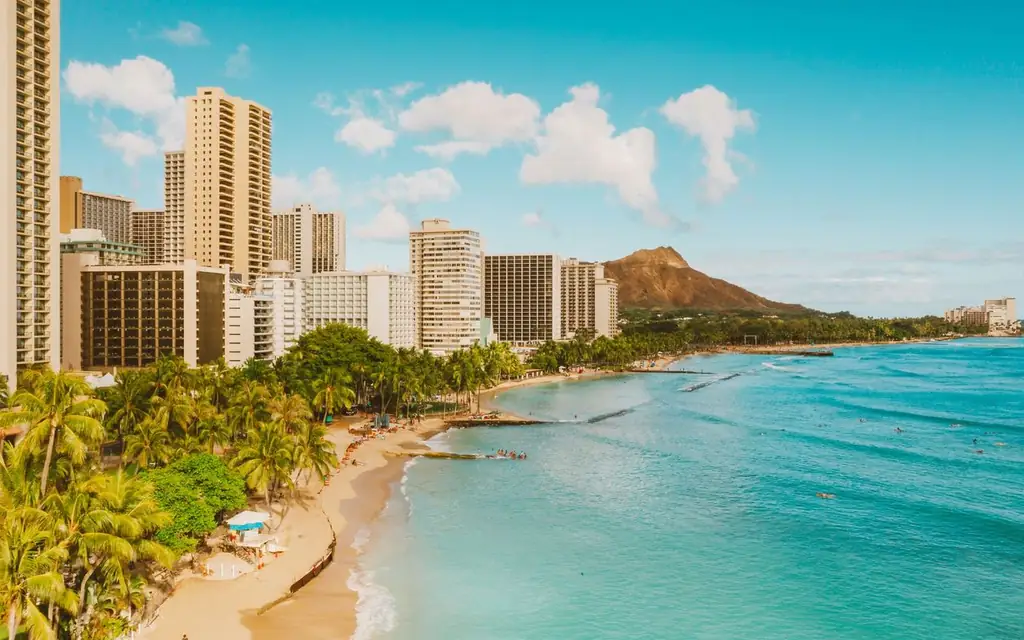
What it is not: a wilderness shoreline. Behind the sand sit towers, a beach walk and a continuous strip of shops. The appeal is the setting, the calm water that suits learner surf lessons, and Lēʻahi (Diamond Head) forming the backdrop to the east. If you came looking for empty sand, the north shore or a windward beach is a different drive; if you came for the postcard, you are in the right place.
Where a car can stop, and where it cannot
Waikiki's roads were laid out long before today's traffic. The beachfront blocks along Kalakaua Avenue carry heavy foot traffic, tour buses, delivery vehicles and hotel arrivals competing for the same curb. Three practical points follow.
First, there is no general drop-off lane at the beach itself. Cars unload at hotel entrances, in marked loading zones, or at a cross street, and the driver then waits nearby or circles. If you are staying on the beachfront, the hotel porte-cochère is the best stop for luggage and check-in; if you are visiting for the day, ask the driver to stop at the cross street closest to the beach access you want and agree a collection point rather than a collection time.
Second, parking is scarce and paid. Hotels run valet and garage parking, and public lots exist, but a rental car in Waikiki costs time on every errand. Many of our clients arrive by car at the airport and then never use a vehicle in Waikiki at all because the district is walkable.
Third, the beach is open to the public. Hotel frontage does not make the sand private, but towel-and-chair concessions are run by the hotels or concessionaires, and the quietest approach is often the public access path between two towers. Your driver can name the nearest one.
Best day and time on the sand
Early morning is the best window for a first visit. The light is clean, the water is usually at its calmest, the boards are not yet out in numbers and the streets behind the beach are still quiet. By late morning the beach fills with lesson groups, and the pedestrian density on the promenade rises quickly.
Late afternoon into sunset is the second good window, particularly if you are looking at the beach as a place to walk rather than swim. The Diamond Head end of the crescent, beside the zoo and Kapiolani Park, is open and green. The beach area closer to the Duke statue is lively at dusk and gets busy with people watching the sunset and the evening entertainment along the promenade.
Season matters mainly for the water. Waikiki faces south, so the larger south swells arrive in the summer months and the waves are better for surfing than the winter ones; in winter the water is often calmer for swimming but the north shore carries the big surf. Whatever the month, look at the posted flags and speak to a lifeguard before you enter the water. Conditions can change within a day, and your driver is not a lifeguard.
How long to allow
Plan two to three hours if the beach is the main event: a walk along the sand and the promenade, a swim or a lesson, and a meal. If you are combining it with other stops, a 90-minute visit works as the "arrival" part of a day: change at the hotel, walk the length of the strand, see the Duke statue and move on.
Do not schedule Waikiki as a fifteen-minute stop between a morning and an afternoon commitment. The district's crowds and its slow curb make short stops frustrating. If time is tight, drop the beach to a sunset visit and keep the morning for somewhere that benefits from an early start, such as Diamond Head.
A half-day chauffeured route through Honolulu
The compact itinerary below suits a client with a late-morning arrival or a free afternoon.
- Airport pickup and hotel drop-off. About 15 km (9 mi), 20 to 30 minutes. Luggage goes to the hotel even if the room is not ready.
- Waikiki walk. One to two hours on the sand and the beachfront promenade. The district has a Waikiki Historical Trail marked with surfboard-shaped signs, which is an easy way to put some history on the walk.
- Kapiolani Park and the zoo end. A short drive or a 20-minute walk to the eastern end of the crescent, where the Honolulu Zoo and the Waikiki Aquarium sit by the water.
- Sunset or dinner. The car collects you from a pre-agreed point, not from a location you have to hunt for in the crowds.
A morning start swaps steps: Diamond Head first, when the trail is cool and you have your reservation, then Waikiki for a late lunch and an afternoon on the sand. Our guide to Diamond Head State Monument explains the reservation rule for visitors from outside Hawaii and why it matters when a car is involved.
A full-day plan with Pearl Harbor
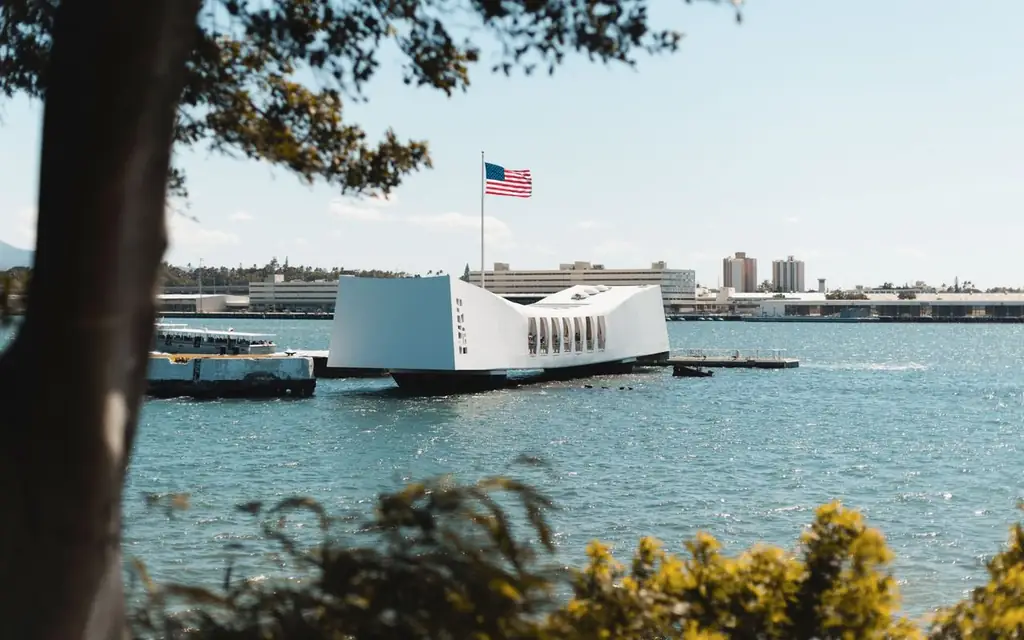
The strongest full day pairs Waikiki with Pearl Harbor. Pearl Harbor is about 20 km (12 mi) west of Waikiki, usually 25 to 40 minutes depending on the H-1, and it works best early. Take the morning for the memorial, return to the hotel for a break, and use the late afternoon for the beach and the sunset. Our post on the Pearl Harbor National Memorial covers the timed-entry system, bag rules and why the morning works better than the afternoon.
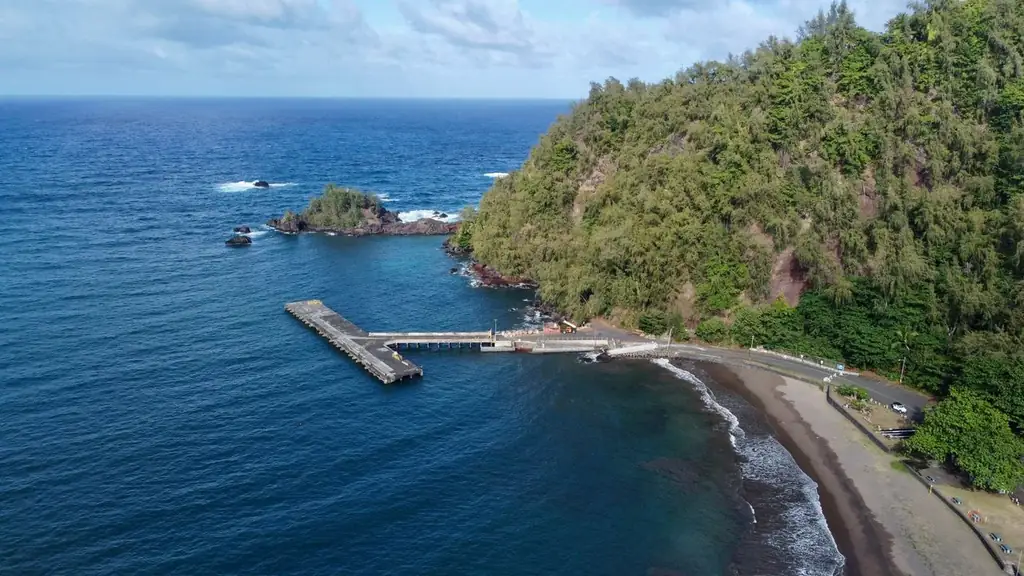
If you are travelling on to Maui, the next stop in our directory is the Road to Hana, which is a different kind of driving day altogether. For all other Honolulu arrangements, including meet-and-greet at the airport, see our Honolulu limo service page, and for the wider picture of how we handle tour days, read about a private tour with a driver.
Comparing ways to reach Waikiki Beach
| Option | Typical time from HNL | Cost note | Suits |
|---|---|---|---|
| Private chauffeur | 20 to 30 min off-peak, longer at rush hour | Fixed fare via the booker, quoted before you book | Families, groups with luggage, anyone landing tired, business travellers |
| Taxi | Similar to a car, more variable at the curb | Metered | Travellers who prefer to pay at the end |
| Ride-app car | Similar, with a pickup-zone walk | Can surge at peak times | Solo travellers with light bags |
| Shuttle bus | Often 45 to 90 minutes with several hotel stops | Lowest of the road options | Travellers on a tight budget with no schedule |
| TheBus | 45 minutes or more with transfers | Lowest overall | Light packers who are happy to navigate |
| Rental car | 20 to 30 min, plus rental desk time | Parking is the hidden cost in Waikiki | Visitors planning several days across the island |
The shuttle and the public bus are genuinely the lowest-cost routes, and if you travel with a single carry-on and no schedule they are a sensible choice. Honolulu's rail line serves the airport area, but, as of 2026, it does not run into Waikiki, so check the rail transit site for the current extension before you plan around it. For most people with luggage and a dinner at the other end, a pre-booked car at a fixed fare is the calmest option.
Etiquette and practical notes
Beachwear belongs on the beach and in the hotel; shirts and footwear are expected in shops, restaurants and the rest of the district. Respect the surf lessons: boards and instructors take right of way in the lesson zone. Do not leave bags unattended on the sand, a rule that applies on every urban beach in the world. Hawaii visitors are also asked to look after the places they visit, and the state tourism authority's responsible-travel pages set out the basics.
For discretion, our chauffeurs do not photograph clients or post about trips, and a name-board meet-and-greet at the airport can use an alias on the board on request. If your party includes a child, ask for a child or booster seat when you book.
Pairing Waikiki with other Hawaii stops
Waikiki sits at the centre of a short list of Oahu day-stops. Within about half an hour by car are Pearl Harbor, ʻIolani Palace, the Nuʻuanu Pali Lookout and Hanauma Bay Nature Preserve, plus Ala Moana Center and Chinatown's arts district, according to the Hawaii tourism board. Two of the attractions on that list have their own entry systems, so build your day around the one with the timed ticket first.
For a client travelling in a group of mixed ages, the sensible rhythm is one anchored attraction per day and an open afternoon on the sand. A driver can compress those moves because the car stays within reach; a rental car in Waikiki is a daily negotiation.
Frequently asked questions
How far is Waikiki Beach from Honolulu airport?
About 15 km (9 to 10 mi). The drive takes roughly 20 to 30 minutes outside rush hour. At peak times on the H-1 allow 45 minutes or more.
Is there parking at Waikiki Beach?
The beach has no dedicated parking. Hotels operate valet and garage parking, and there are paid public lots in the district, but spaces are limited and rates vary, so many visitors leave the car at the hotel or do not rent one at all.
Can a chauffeur drop me directly on the sand?
No car goes onto the beach. The driver stops at your hotel entrance, a marked loading zone or a cross street near the public beach access and agrees a pick-up point for the return.
What is the best time of day to visit Waikiki Beach?
Early morning for calm water and quiet streets, and late afternoon to sunset for light and atmosphere. Midday is busiest.
Do I need a ticket or reservation for Waikiki Beach?
No. The beach is public and free to enter. Surf lessons, equipment rental and hotel beach chairs are separate, bookable services.
How long should I spend at Waikiki Beach?
Two to three hours for a swim, a walk and a meal. A 90-minute visit is enough for a first look.
Can I combine Waikiki with Diamond Head and Pearl Harbor in one day?
Yes, with an early start. Diamond Head needs a reservation for visitors from outside Hawaii, and Pearl Harbor works best in the morning, so most clients choose one of them for the morning and keep Waikiki for the afternoon.
Can I book a car seat for children?
Yes. Child, toddler and booster seats are available on request when you book.
Which official sources should I check before I go?
Hawaii's tourism board runs the Waikiki region page, the state's airport page for HNL lists ground transportation, and the state parks division publishes the Diamond Head State Monument rules. Our wider North America directory, the full attractions hub and the airports hub have more.