 United StatesJFK
 MexicoMEX
 BrazilGRU
 ArgentinaEZE
 ChileSCL
 ColombiaBOG
 PeruLIM
 PanamaPTY
 Costa RicaSJO
 Dominican RepublicPUJ
 JamaicaMBJ
 BahamasNAS
 BarbadosBGI
 United KingdomLHR
 IrelandDUB
 FranceCDG
 GermanyFRA
 NetherlandsAMS
 BelgiumBRU
 SwitzerlandZRH
 AustriaVIE
 ItalyFCO
 SpainMAD
 PortugalLIS
 GreeceATH
 TurkeyIST
 DenmarkCPH
 SwedenARN
 NorwayOSL
 FinlandHEL
 PolandWAW
 Czech RepublicPRG
 HungaryBUD
 IcelandKEF
 United Arab EmiratesDXB
 QatarDOH
 Saudi ArabiaRUH
 IsraelTLV
 EgyptCAI
 MoroccoCMN
 South AfricaJNB
 KenyaNBO
 NigeriaLOS
 IndiaDEL
 PakistanLHE
 Sri LankaCMB
 SingaporeSIN
 MalaysiaKUL
 ThailandBKK
 VietnamSGN
 PhilippinesMNL
 IndonesiaCGK
 Hong KongHKG
 ChinaPVG
 TaiwanTPE
 JapanHND
 South KoreaICN
 AustraliaSYD
 New ZealandAKL
Iceland's best-known day trip is not a single attraction but a route: a loop out of Reykjavik that visits a national park where two tectonic plates pull apart, a geothermal field where water jets from the ground every few minutes, and a waterfall that drops into a canyon. A Golden Circle private tour with driver suits the route well because the stops are modest in size but the distances, weather and daylight are not. Three stops over 250 to 300 km, in a country where a clear morning can turn into a gale by lunch, reward a driver who adjusts the order, skips the busy hour and knows which road is icy.
What is the Golden Circle, and how far does it go?
The Golden Circle is a round trip of roughly 250 to 300 km (155 to 186 mi) from Reykjavik, covering Þingvellir National Park, the Geysir geothermal area and Gullfoss waterfall. Visit Iceland puts the loop at about 250 km; the exact figure varies with the route and extra stops. Allow six to nine hours with stops.
The official Visit Iceland guide to the Golden Circle describes the three headline stops and the optional extras. The distances, in order: Þingvellir is about 45 km (28 mi) northeast of Reykjavik, roughly 40 minutes via Route 36; Geysir is roughly 110 km (68 mi) east of the capital in the Haukadalur valley; Gullfoss lies a short way beyond Geysir, around 10 km (6 mi). The return runs back toward Reykjavik, and the whole circuit is mostly on paved roads.
How do you get from Keflavik Airport to the route?
Keflavik International Airport (KEF) is about 50 km (31 mi) from Reykjavik, 40 to 50 minutes by road. Travelers who land in the morning can be driven straight to Þingvellir, roughly 100 km (62 mi) and an hour and a half away, and start the circuit that day, which makes a strong first day if you can sleep on the flight. If you land late, the sensible plan is to check in, rest, and begin the Golden Circle the next morning.

For transfers, our airport limo service explains flight tracking and meet-and-greet, and the airports hub lists the airports we cover. For the regional map, see the Europe chauffeur directory.
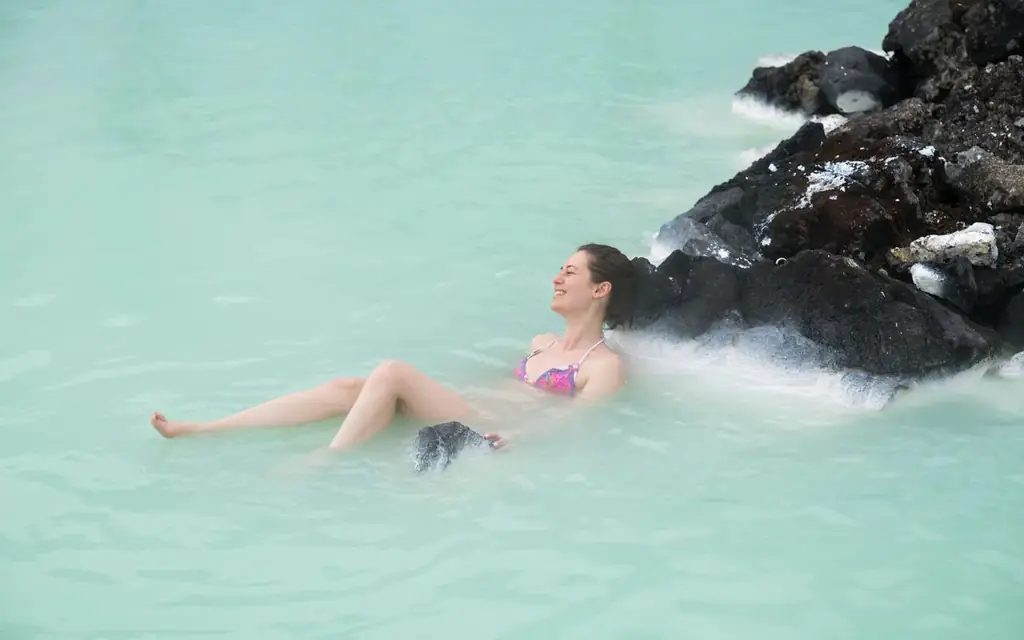
Iceland's Reykjanes peninsula has seen volcanic activity, and the road situation around Grindavík and the Blue Lagoon has changed repeatedly. The Golden Circle lies on the other side of Reykjavik, but check the official safety site before any day trip.
Stop one: Þingvellir National Park
Þingvellir is the political and geological heart of the route. It is the site where the Alþing, Iceland's national assembly, was established around 930 and met until 1798, according to the park's own site. It sits in a rift valley formed where the North American and Eurasian plates diverge, and the walk through the Almannagjá gorge shows the cliff wall of the American plate. UNESCO inscribed the area as a cultural landscape in 2004.
Practical points for a car-based visit:
- The park has several parking areas, and the official site notes that a service fee applies at those near the more popular attractions. Your chauffeur will drop you at the visitor area and park for you.
- A visitor centre is available, and the park publishes rules and regulations on its site, including rules for diving and snorkeling in the Silfra fissure, which is allowed subject to requirements. Book diving and snorkeling separately, since a chauffeur does not run those activities.
- Plan 60 to 90 minutes for a walk along the main path to the Öxarárfoss waterfall and the lava rock viewing area.
The park's own information is on the Þingvellir national park site.
Stop two: Geysir geothermal area
Geysir is the area that gave the world the word for a spouting hot spring. The original Great Geysir is largely dormant, while the nearby Strokkur erupts every few minutes, throwing a column of water high into the air. The surrounding field has steaming pools and bubbling mud, and the paths are open and short. Stay on the marked paths: water in the field can be at boiling temperature.
The area is compact. Allow 30 to 45 minutes for the eruptions, a walk and a coffee. There is a visitor center and café across the road, and the stop is a natural lunch break. Eruptions are frequent but unpredictable in timing, so be patient; a chauffeur can wait while you watch two or three.
Stop three: Gullfoss
Gullfoss lies in the Hvítá river canyon, a two-tier waterfall that falls into a narrow gorge. A path leads to platforms near the upper fall and to a lower viewing area close to the edge. The official tourism site notes that Gullfoss is open all year, but that the trails to the lower viewing platforms are sometimes closed in winter because of ice and snow. In winter spray freezes on the rocks and railings, making the lower path slippery.
Allow 30 to 45 minutes. In summer the spray soaks the lower platform, so waterproofs help; in winter, spikes or grips for your shoes are sensible. For a calmer visit, ask your chauffeur to time the arrival away from the coach schedules, usually before 10:00 or after 15:00.
What are the optional stops and detours?
A private driver turns the standard loop into a custom day.
- Kerið crater lake. A volcanic crater with a lake at the bottom, on the southern route. Short stop of 20 to 30 minutes.
- Laugarvatn. A lakeside village with a geothermal spa, listed on Visit Iceland, useful for a lunch or a bath stop.
- Friðheimar. A geothermal greenhouse farm that serves tomato-based meals and requires advance booking; contact the farm directly.
- Skálholt. A historic church and former bishopric near the loop.
- Secret Lagoon in Flúðir. An older, smaller geothermal pool than the major lagoons, on the way back.
Each adds 30 to 90 minutes. A chauffeur can fit one or two in a long summer day, and in winter you will probably choose between them and an earlier return because of short daylight.
What is the best season for the Golden Circle?
- June to August. Midnight sun and long daylight; you can start late and finish late. Roads are clear. Crowds peak at midday.
- May and September. Good light, fewer visitors and mild weather. A strong choice.
- October to March. Short daylight, around four to five hours near the winter solstice, and variable roads. The route is still passable under normal conditions, with careful driving, and winter brings snow, ice formations and the chance of northern lights. Start early and plan for darkness on the return.
- November to February. For the aurora, the best months are the darkest, but clear nights are not guaranteed; see our Tromso aurora guide for the Norwegian counterpart.
Building the day around daylight
The single most useful planning rule in Iceland is to work backward from sunset. In midsummer the sun barely sets and the constraint is your own energy. Around the winter solstice there are only four to five hours of usable light, and a three-stop route that takes eight hours in June must be shortened.

- Short winter day. Leave Reykjavik at first light, go directly to Gullfoss while the light is best for the spray and ice, then work back through Geysir and Þingvellir as the afternoon fades. The reverse order works too, and the chauffeur decides on the morning from the forecast.
- Shoulder-season day. Take the standard order, with Þingvellir first, and add one detour.
- Long summer day. Start late, avoid the coaches that cluster at midday, and finish with an evening bath or dinner near Laugarvatn.
Ask the desk to note your preferred balance of sightseeing and rest. If your party includes children or older travelers, mention it at booking so the day is paced with seated breaks.
What to wear, and how to stay safe in the wind
Weather in South Iceland changes within the hour, so dress in layers: a thermal base, an insulating fleece, and a waterproof shell with a hood. Good walking shoes with grip are essential, and in winter ice grips that fit over shoes make the Gullfoss paths safer. Gloves, a hat and sunglasses matter in all seasons, since low sun on snow is bright. Bring a swimsuit and a towel if you plan a geothermal bath, a charged phone, and a refillable water bottle. Cash is rarely needed, since cards are accepted nearly everywhere.
Wind and doors. Strong wind is a normal part of the Icelandic landscape. At exposed viewpoints it can slam a car door into a person or tear it off the hinges, and rental companies treat door damage as a separate charge. A chauffeur holds the door in a gust and parks facing the wind. Never stop on the road to photograph: use the marked pullouts, since traffic on the main roads moves at speed and some bends are blind.
At the geothermal field, keep to the paths and ropes. Ground near the vents can be fragile and the water can scald. At the waterfall, keep to the platforms in winter when rock and railing are glazed with ice. These are the rules every local operator follows, and a good chauffeur reminds the group before they leave the vehicle. If conditions look marginal on the day, tell the desk early: the chauffeur can reorder or shorten the route, which is a better answer than driving a long loop in a storm, and the 24/7 desk can talk through options with you before you leave the hotel.
How do the options compare?
| Option | Typical length | Cost note | Best for |
|---|---|---|---|
| Large coach tour | 7 to 8 hours | lowest | solo travelers on a fixed schedule |
| Small-group minibus | 8 hours | mid | guided commentary, shared costs |
| Self-drive hire car | flexible | rental plus fuel plus insurance | confident drivers in good conditions |
| Private chauffeur | 6 to 9 hours | fixed fare via the booker | families, groups, executives, winter days |
If you want the lowest cost and a guide's commentary, a coach or minibus is a good value and runs every day. A hire car suits confident drivers in summer. The chauffeur is the choice when the weather is poor, when your party is more than two or three, when you want a late start, or when you have limited mobility. Iceland's wind can pull a car door out of your hand, single-lane bridges need courtesy and the F-roads, mountain tracks, are not open to ordinary vehicles in any case.
Driving conditions and safety
Iceland's winter roads are well serviced on the main routes but vary hourly. The Icelandic Road Administration publishes conditions at road.is and runs an information line, and ICE-SAR's safety site has a travel conditions map and alerts. Condition labels run from easily passable through slippery to impassable. Roads without winter service are marked as such. A local chauffeur operator checks these before every departure and carries winter tires.
Weather can change quickly: gusts, rain, snow and fog on the same day. If conditions turn, the chauffeur may reorder stops or cancel the farthest one. Respect the decision: Icelandic search-and-rescue teams are busy every winter with visitors who ignored closures.
Suggested itinerary for a day from Reykjavik
- 08:30 Pickup in Reykjavik. Start early to beat the coaches.
- 09:30 to 11:00 Þingvellir. Walk the main path.
- 12:00 to 13:00 Geysir and lunch. Watch several eruptions.
- 13:30 to 14:30 Gullfoss. Allow time at both platforms.
- 15:00 Optional: Kerið or Laugarvatn. Choose one.
- 16:30 to 17:30 Return to Reykjavik. About 115 km (71 mi), two hours.
The same chauffeur can add a Blue Lagoon bath on another day; see our Blue Lagoon guide. For other private routes, see private tours with driver, and for the regional context Geirangerfjord offers a comparable landscape-by-car day in Norway.
Frequently asked questions
How long is the Golden Circle drive?
The loop is about 250 to 300 km (155 to 186 mi) depending on route, and takes six to nine hours with stops.
How far is Þingvellir from Reykjavik?
About 45 km (28 mi), roughly 40 minutes via Route 36.
How far is Geysir from Reykjavik?
About 110 km (68 mi), around 1.5 hours by road.
Is the Golden Circle open in winter?
Yes, but daylight is short and roads can be icy. Gullfoss is open all year, though lower platforms may close because of ice. Check road.is before you go.
Do you need to pay to visit Þingvellir, Geysir or Gullfoss?
Entry to the sights is not ticketed in the usual sense, but parking near popular spots may carry a service fee. Check the official sites for current arrangements.
Can I snorkel in Silfra on a Golden Circle day?
Snorkeling and diving are allowed in Silfra subject to requirements set by the national park, and must be booked with a licensed operator.
Can a chauffeur pick me up at Keflavik Airport for the Golden Circle?
Yes. Tell the desk your flight details and we track it. See the online booker.
Is a private tour better than a coach tour?
A coach is the better value for one person. A private driver gives flexibility, weather decisions and comfort for groups.