
 United StatesJFK
 MexicoMEX
 BrazilGRU
 ArgentinaEZE
 ChileSCL
 ColombiaBOG
 PeruLIM
 PanamaPTY
 Costa RicaSJO
 Dominican RepublicPUJ
 JamaicaMBJ
 BahamasNAS
 BarbadosBGI
 United KingdomLHR
 IrelandDUB
 FranceCDG
 GermanyFRA
 NetherlandsAMS
 BelgiumBRU
 SwitzerlandZRH
 AustriaVIE
 ItalyFCO
 SpainMAD
 PortugalLIS
 GreeceATH
 TurkeyIST
 DenmarkCPH
 SwedenARN
 NorwayOSL
 FinlandHEL
 PolandWAW
 Czech RepublicPRG
 HungaryBUD
 IcelandKEF
 United Arab EmiratesDXB
 QatarDOH
 Saudi ArabiaRUH
 IsraelTLV
 EgyptCAI
 MoroccoCMN
 South AfricaJNB
 KenyaNBO
 NigeriaLOS
 IndiaDEL
 PakistanLHE
 Sri LankaCMB
 SingaporeSIN
 MalaysiaKUL
 ThailandBKK
 VietnamSGN
 PhilippinesMNL
 IndonesiaCGK
 Hong KongHKG
 ChinaPVG
 TaiwanTPE
 JapanHND
 South KoreaICN
 AustraliaSYD
 New ZealandAKL
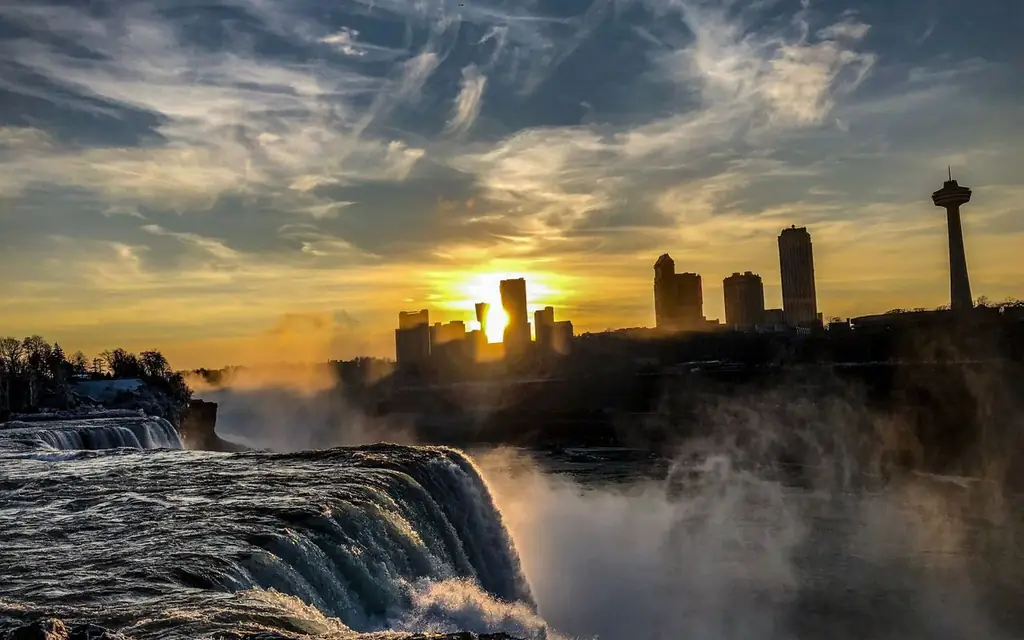
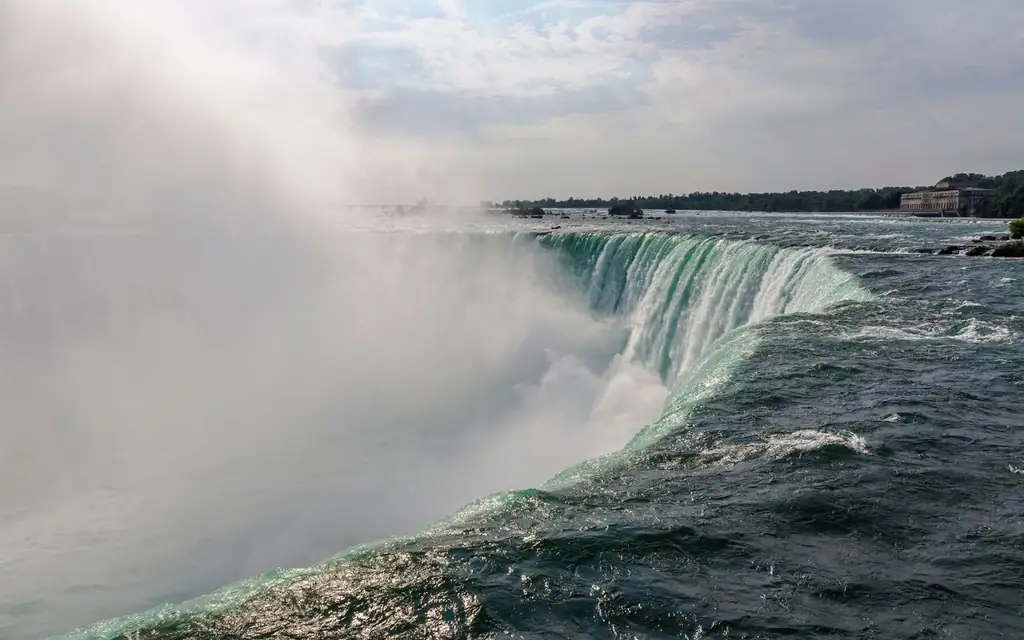
Standing at the rail beside Table Rock, you can feel Horseshoe Falls before you see all of it. Niagara Parks gives the figures: the water drops an average of 57 m (188 ft) into the lower river, the crest runs about 670 m (2,200 ft) across, and more than 168,000 cubic metres of water per minute pass over the edge during peak daytime hours. Those numbers are large; the sound and the mist do more to explain them.
The falls are a half-day from Toronto, and for a first visit most people want a Horseshoe Falls Niagara Falls Ontario private tour with driver that handles the highway, the tourist district and the return in a single, planned day. This post sets out how that day works, from the QEW to Table Rock to the tunnels behind the water, and what you should check on the official pages before you book.
Which view of the falls do you actually want?
Horseshoe Falls, also called the Canadian Falls, is best viewed from the Ontario side along Niagara Parkway near Table Rock, which puts you at the brink. Other options include the tunnels of Journey Behind the Falls, a boat from the river, and a high hotel view over the whole curve.
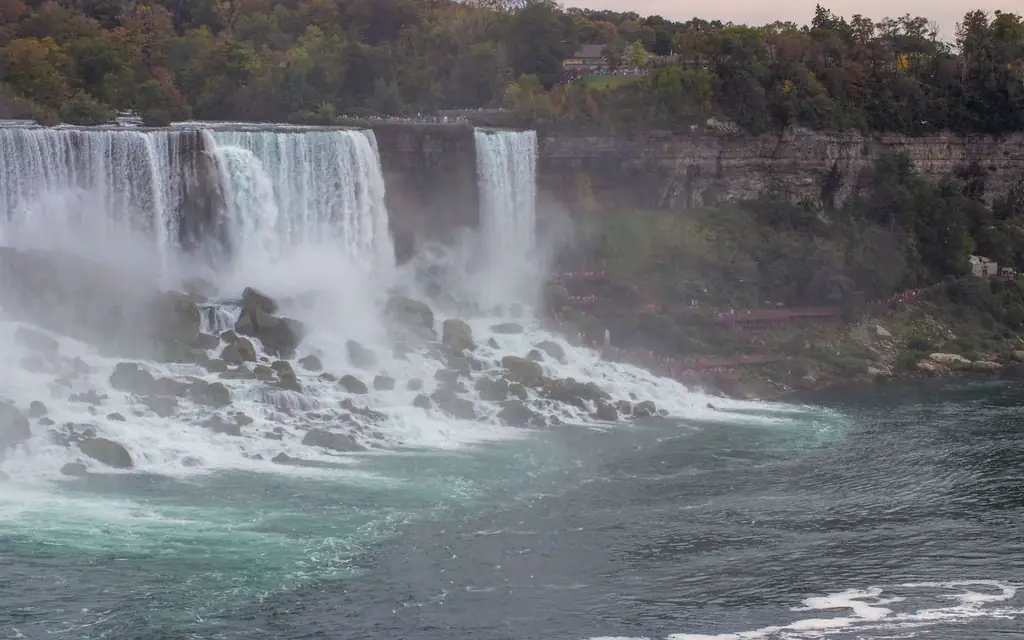
The Ontario side has the better frontal view of the horseshoe. The American Falls, which the same Niagara Parks fact sheet puts at 21 to 34 m (70 to 110 ft) above the rock slope at their base and about 260 m (850 ft) across, are visible in profile from Canada. If you want the American-side experience, our guide to Niagara Falls State Park covers the New York side.
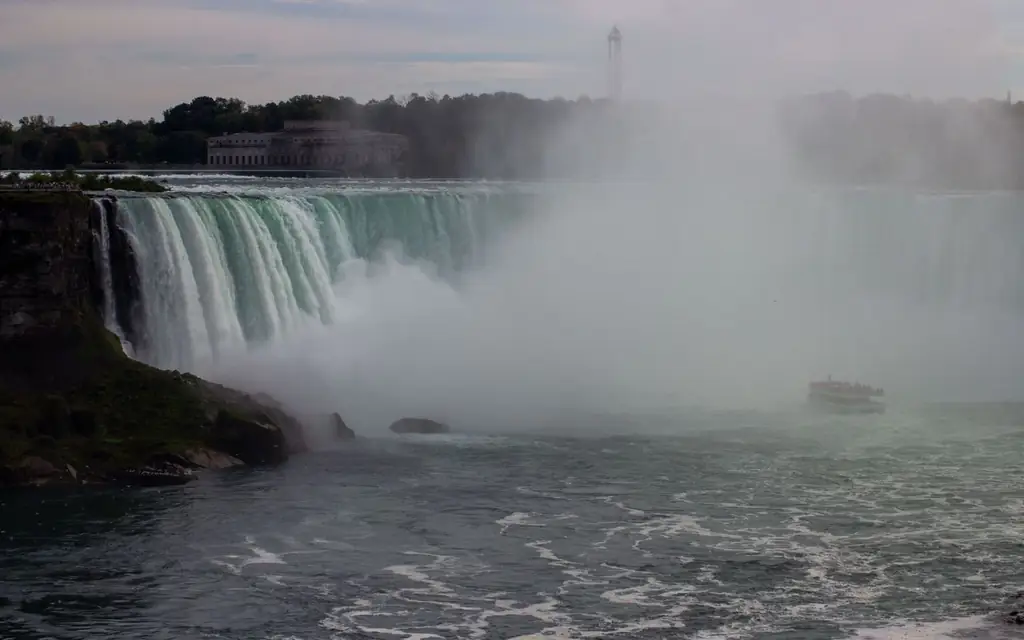
Four viewing styles are worth knowing. The brink at Table Rock puts you at the lip of the falls, with spray on your face when the wind is right. Behind the falls, the Journey Behind the Falls attraction goes down through bedrock tunnels to portals cut near the water. From the water, the river cruises run into the mist at the base of the curve. From above, the hotel and tower viewpoints give you the whole shape of the horseshoe and the upstream rapids.
The 130 km run from Toronto
The falls are about 130 km (80 mi) from Toronto Pearson and about the same from downtown hotels. The route is the Queen Elizabeth Way (QEW) around the head of Lake Ontario, and it takes 1 hour 15 minutes to 1 hour 45 minutes without trouble. The pinch points are the Burlington Skyway and the stretch through Hamilton, St. Catharines and Grimsby, which slow noticeably at the Friday afternoon exodus and on summer weekends. A Sunday afternoon return is the worst combination of the week.
Leave early. A 7:30 am departure from a downtown hotel puts you on the parkway by mid-morning, ahead of the tour coaches. For arrivals at Toronto Pearson YYZ, the car can wait while you clear customs: international arrivals receive 60 minutes of free waiting after landing and the driver tracks your flight. Many of our clients land in the morning and go straight to the falls without visiting a hotel first.
See our Toronto limo service page for city arrangements and our Niagara Falls limo service page for local hotel and casino transfers.
Where cars stop at Table Rock
Niagara Parkway runs along the river above the brink. The area around Table Rock is a crowded precinct of walkways, a welcome centre, shops and queues, and on a busy day the kerb is shared by coaches, taxis, hotel shuttles and private cars. A chauffeur will stop as close as the traffic and the regulations allow and agree a meeting point for the return. Niagara Parks operates paid parking lots in the area, with a 2026 parking pass listed on its site, but the lots fill on summer weekends and holidays. The best way to avoid a long walk is to arrive early or on a weekday.
The Table Rock Welcome Centre houses Journey Behind the Falls on its first floor. Niagara Parks lists two different street numbers for the centre in different places on its site, so give the driver the name of the building, not the number, and let the satellite navigation do the rest.
Journey Behind the Falls: what it is and how long it takes
Niagara Parks describes the attraction as a self-guided visit in which you descend 125 feet to tunnels cut through the bedrock about 130 years ago. The tunnels are roughly 8 feet wide and 7 feet tall, and they open onto viewing portals and an observation deck at the foot of the falls. An upper deck is reached by elevator, a lower deck by stairs. Allow about 60 minutes, though it varies with crowds.
It is partially accessible: an elevator leads to a wide, lit tunnel, the portals and the upper deck, but strollers are not permitted inside. Timed tickets can be booked online for a one-hour window, and anytime tickets are also sold online; you can also buy at the attraction. The attraction is open daily, with hours on the Niagara Parks page. Wear shoes that can get wet, because the lower deck is close to the water. The details are on the Journey Behind the Falls page, which you should read the week you go.
The falls after dark
The falls are lit at night, and the illumination runs all year, though the start time changes with the season. Niagara Falls Tourism's illumination page is the place to confirm tonight's schedule. The nightly fireworks series for 2026 ran from May 15 to October 12, so it has finished for this year, and the Winter Festival of Lights is the main seasonal draw once the cold sets in; check the tourism site for its dates.
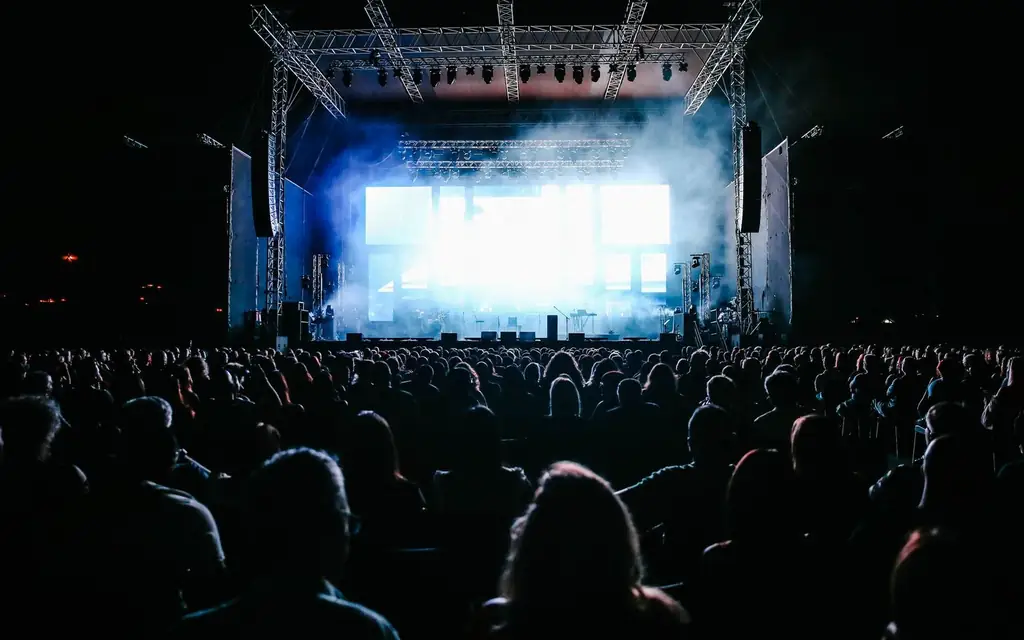
An evening visit makes sense for clients who want the illumination and a dinner, but the drive back to Toronto at night is long. Many clients prefer to stay overnight in Niagara Falls or Niagara-on-the-Lake and return the next morning, which removes the pressure of the clock and puts you ahead of the Sunday traffic.
Best day, best hour and the weather
The best experience combines three factors: weather, crowds and light. A calm, clear morning on a weekday in shoulder season (late spring or early autumn) gives you decent visibility and smaller crowds. Midsummer is warm and busy, with long queues at every attraction. Winter is cold and the spray freezes on the railings, but the crowds thin and the district is quieter.
Mist is part of the experience. The spray can soak you at the rail on a windy day, so a light waterproof is useful in any season. The light is best at morning and late afternoon, when the rainbow often forms over the water; the sun's angle is what decides that, not the calendar.
A day plan from Toronto
- 7:30 am: Depart downtown or Pearson. About 130 km (80 mi), 1 hour 15 minutes to 1 hour 45 minutes.
- 9:30 am: Table Rock. The brink walk and the viewing rails.
- 10:30 am: Journey Behind the Falls. About 60 minutes.
- 12:30 pm: Lunch at the Falls or on the way to Niagara-on-the-Lake.
- 2:00 pm: Niagara-on-the-Lake. About 20 km (12 mi) north along the Niagara Parkway, 25 to 35 minutes. See Niagara-on-the-Lake wineries for the wine route.
- 5:00 pm: Return to Toronto. 1 hour 15 minutes to 1 hour 45 minutes depending on the QEW.
If you are combining the falls with other eastern Canada stops, the Thousand Islands are a different direction entirely and need a separate day.
Driving the Niagara Parkway north
The most pleasant way to leave the falls is not the highway. The Niagara Parkway follows the river from the falls towards Niagara-on-the-Lake, with parkland on one side and the gorge on the other, and a chauffeur can take it at an unhurried pace. Along the route you pass the Niagara Glen nature area, the Queenston Heights park with Brock's Monument and the border village of Queenston before the road opens out into orchard and vineyard country. The road is shared with cyclists and walkers and the pace is relaxed, so allow 25 to 35 minutes for what is about 20 km (12 mi) rather than treating it as a shortcut.
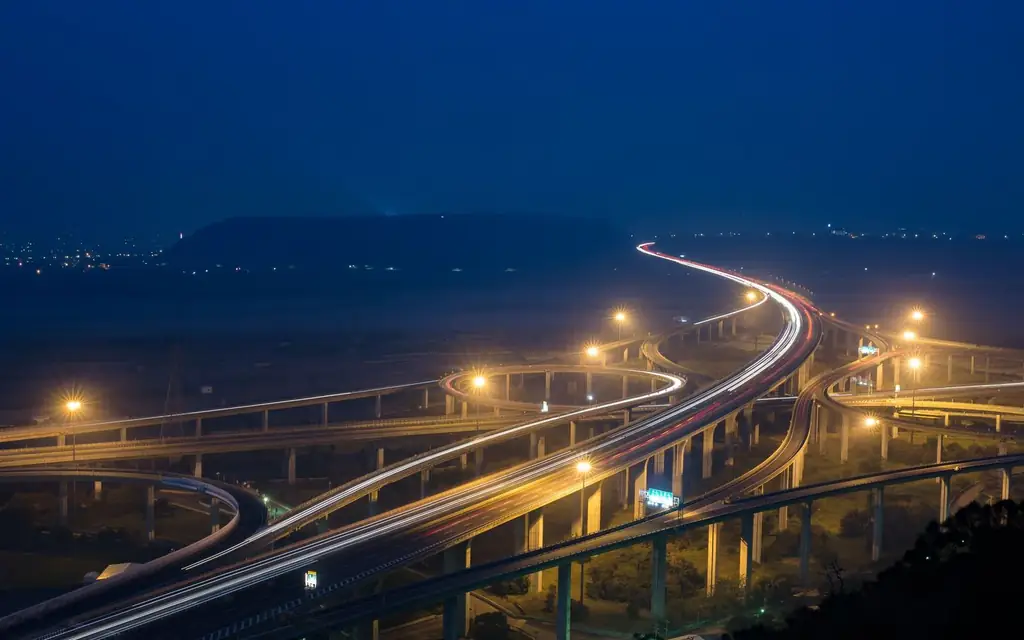
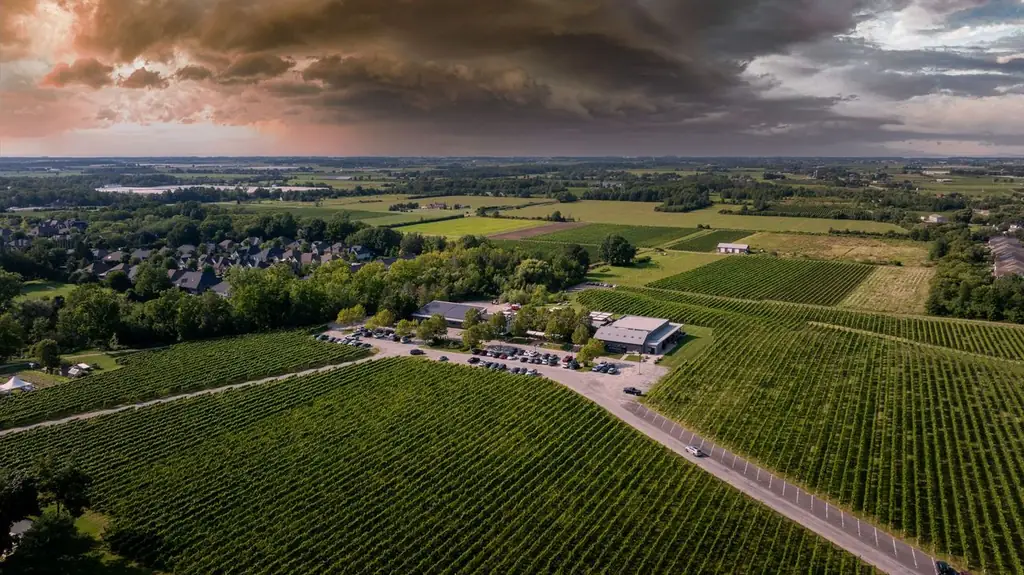
This is the leg that turns a falls trip into a full day. Clients who take it usually reach Niagara-on-the-Lake at lunch, taste wine in the afternoon and return by the QEW at the end of the day. If wine is the plan, read the notes on designated drivers in our wine post before you decide who sits where, because the chauffeur removes that question entirely.
Families, mobility and planning for different ages
The falls suit all ages, but the logistics differ. Families with young children should allow extra time at every stop, as strollers are not permitted inside Journey Behind the Falls, so a child who cannot walk the tunnels will need to be carried or left with another adult at the entrance. Child, toddler and booster seats are available on request when you book the car, and you should mention the ages when you reserve so the right seat is in the vehicle.
For guests with limited mobility, the viewing rails along Niagara Parkway are largely level and the Journey Behind the Falls has an accessible route via an elevator, but the lower deck is reached by stairs and the whole district is busy. Ask the desk for a vehicle with easy step-in height, and arrange a drop-off as close to the Table Rock Welcome Centre as the traffic permits. If the group is large, a mini-coach or Sprinter can be requested; availability is confirmed at booking.
Comparing ways to reach Horseshoe Falls
| Option | Time from Toronto | Cost note | Suits |
|---|---|---|---|
| Private chauffeur | 1 h 15 min to 1 h 45 min each way | Fixed fare via the booker, quoted before you book | Families, executives, groups wanting wine country as well |
| GO Transit rail and bus (seasonal service) | Longer than driving; check the timetable | Lowest | Light packers with a flexible plan |
| Coach tour | 1.5 hours each way plus stops | Set by the operator | Solo travellers who want a fixed programme |
| Rental car | 1 h 15 min to 1 h 45 min | Parking at the falls is the extra | Confident drivers combining several stops |
| Taxi or rideshare | Same road time | Metered or surge-priced, long distance | Rarely sensible for the full round trip |
Public transport is a genuinely lower-cost way to reach the falls and works for a traveller with a light bag, but it ties you to the timetable. A coach tour is a fair option for solo visitors. For a family, a business group or anyone who wants to add a winery, a fixed-fare private car is usually the least complicated.
Border, documents and crossing
Horseshoe Falls is in Ontario, Canada, and the American Falls and the New York side are across the Niagara River. If your plans include crossing the Rainbow Bridge, carry your passport and any visas, and check the border crossing page on the Niagara Falls Tourism site and the relevant government entry rules for your nationality. Visitors from some countries need an electronic travel authorization to fly into Canada. Cross-border trips by chauffeur follow local cabotage rules, so tell the desk before you book if your day includes the US side.
Etiquette, safety and practical notes
Stay behind the railings. The rock and the spray make the surface slippery, and the river above the falls is fast and dangerous. Keep children in sight and hold bags on your lap. At Table Rock, queue patiently at the rail and allow others to take photographs. Our chauffeurs do not photograph clients or post about trips, and we can arrange alias bookings and NDAs on request.
For the geology, the Niagara Parks fact sheet on the falls explains the erosion rate of about a foot a year and how the falls have retreated roughly seven miles in 12,500 years. It is a good read in the car on the way out.
Frequently asked questions
How far is Horseshoe Falls from Toronto?
About 130 km (80 mi) by road, usually 1 hour 15 minutes to 1 hour 45 minutes, depending on the QEW and the time of day.
How high is Horseshoe Falls?
Niagara Parks gives an average drop of 57 m (188 ft), with a crest about 670 m (2,200 ft) wide.
Can a car park at Table Rock?
There are paid Niagara Parks lots near the falls, but they fill on busy days. A chauffeur drops you as close as traffic permits and returns to an agreed meeting point.
How long is Journey Behind the Falls?
About 60 minutes, though it varies. It is partially accessible and strollers are not allowed inside.
Are the fireworks still running?
The 2026 nightly fireworks series ran from May 15 to October 12 and has finished. The falls are lit at night all year.
Is Horseshoe Falls on the Canadian or American side?
The Canadian side. The American Falls and Bridal Veil Falls are on the New York side.
Can I combine the falls with Niagara-on-the-Lake?
Yes. The town is about 20 km (12 mi) north along the river, 25 to 35 minutes. A day with both is full but practical.
Which official sources should I check?
The Niagara Parks pages for Journey Behind the Falls and geology facts, and Niagara Falls Tourism for events and border information. See our attractions hub and private tours with a driver for more.