
 United StatesJFK
 MexicoMEX
 BrazilGRU
 ArgentinaEZE
 ChileSCL
 ColombiaBOG
 PeruLIM
 PanamaPTY
 Costa RicaSJO
 Dominican RepublicPUJ
 JamaicaMBJ
 BahamasNAS
 BarbadosBGI
 United KingdomLHR
 IrelandDUB
 FranceCDG
 GermanyFRA
 NetherlandsAMS
 BelgiumBRU
 SwitzerlandZRH
 AustriaVIE
 ItalyFCO
 SpainMAD
 PortugalLIS
 GreeceATH
 TurkeyIST
 DenmarkCPH
 SwedenARN
 NorwayOSL
 FinlandHEL
 PolandWAW
 Czech RepublicPRG
 HungaryBUD
 IcelandKEF
 United Arab EmiratesDXB
 QatarDOH
 Saudi ArabiaRUH
 IsraelTLV
 EgyptCAI
 MoroccoCMN
 South AfricaJNB
 KenyaNBO
 NigeriaLOS
 IndiaDEL
 PakistanLHE
 Sri LankaCMB
 SingaporeSIN
 MalaysiaKUL
 ThailandBKK
 VietnamSGN
 PhilippinesMNL
 IndonesiaCGK
 Hong KongHKG
 ChinaPVG
 TaiwanTPE
 JapanHND
 South KoreaICN
 AustraliaSYD
 New ZealandAKL
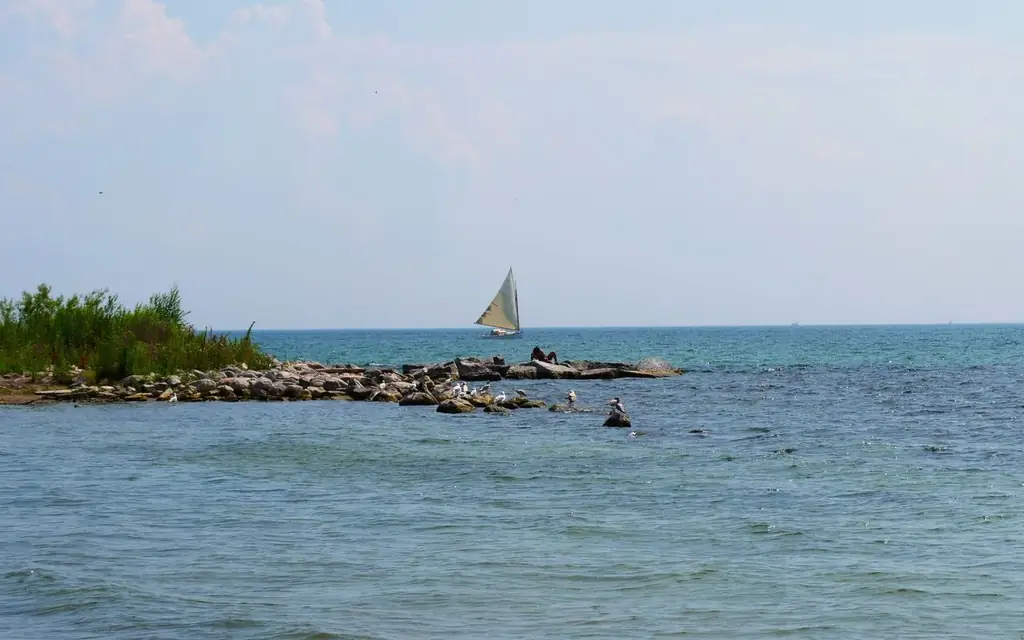
The Toronto Islands are a short boat ride from the foot of Bay Street and a long way from the traffic of the downtown core. A string of low, wooded islands and beaches lies across the harbour, with the city skyline as the backdrop and almost no cars on the ground. That is the attraction. It is also the reason a conventional drive does not get you there.
Anyone asking how to get to the Toronto Islands by car is really asking how to get to the ferry. A Toronto Islands private tour with driver is a two-part journey: the car to the terminal, then the city ferry across the water. This guide explains the dock, the seasonal schedule, what to bring and how to build a day on the islands into a wider Toronto plan.
Can you take a car to the Toronto Islands?
No. Visitors reach the islands by city ferry from the Jack Layton Ferry Terminal at 9 Queens Quay West. A chauffeur drives you to the terminal, about 27 km (17 mi) from Pearson and 30 to 45 minutes away, and collects you after you return. Vehicles on the islands are limited to commercial and emergency use.
The City of Toronto runs the ferries year-round from the Jack Layton Ferry Terminal. Its page also lists water taxis, which are operated by private companies, and states that commercial and emergency vehicles have their own access arrangements. Visitors travel on foot; there is no public road you can drive onto from the mainland.
What this means for the booking: your car ride ends at Queens Quay. The driver can wait at the agreed spot, or you can ask for the return to be timed against the ferry you expect to catch. If you are travelling with luggage, the desk can hold the bags in the vehicle for a day on the islands, which lets you leave the hotel and board the ferry unburdened.
Reaching the terminal from Pearson and downtown
The ferry terminal is roughly 27 km (17 mi) from Toronto Pearson International Airport, typically 30 to 45 minutes outside the peaks, via the Gardiner Expressway into the downtown core. It is about 1.5 km (1 mi) from the CN Tower and about 1 km (0.6 mi) from Union Station. See our Toronto Pearson YYZ page for arrival arrangements: international arrivals include 60 minutes of free waiting after landing, domestic arrivals 30, and the driver tracks your flight.
Union Station is the closest rail hub, and our Union Station page explains the arrival side. From the station, the 509 and 510 streetcars run toward the harbour, and walkers can follow the signs through the park beside the terminal. A car is still useful when you arrive with bags or when the weather is poor.
The kerb at the terminal is busy in summer, with queues of walkers, tour groups and families. Your driver will stop in the nearest legal spot and may use a neighbouring street, so agree a meeting point for the return on a named corner rather than on a time alone.
How the ferry works
The city sells ferry tickets online in advance. During peak times, holders of online tickets can use an express entry line, which is worth knowing on summer weekends when the queue stretches. The ticket covers your round trip, and no ticket is required for the return from the islands. Accessible queuing areas are marked at the terminal, and priority boarding is available for those with mobility aids.
Plan to arrive well before the sailing you want. In peak season the boats fill, and when one is full you wait for the next. A wait of half an hour is not unusual on a hot Saturday, so tell your driver you are targeting a specific sailing and build in the buffer.
Schedules are subject to change due to weather and mechanical issues, and the city says so on its site. Wind and high waves can delay or cancel sailings, which is another argument for a flexible plan.
The seasons: which islands are served when
The ferry service follows the seasons, and this matters for planning because the number of routes changes.
From mid-April to mid-October, three routes run, to Centre Island, Hanlan's Point and Ward's Island. The summer schedule runs from mid-May to mid-September on all routes, with reduced spring and fall schedules either side of it. The winter schedule, which the city lists as starting on October 14 and running to mid-April, operates on a single route, to Ward's Island, with fewer sailings. In mid-October 2026 that means the winter pattern has just begun, and Centre Island and Hanlan's Point are no longer served by their usual routes.
Check the City of Toronto ferry routes and schedules page for exact times on the day you travel. The city notes that two trips on the Ward's Island winter schedule do not carry vehicles, which affects only commercial users, not visitors.
When the ferry is full, late or cancelled
Three things can disrupt an island day: a full boat, a late sailing and a cancellation. A full boat is the commonest. In peak season the sailing you wanted leaves without you, and the next one is half an hour or more behind. The fix is simple: arrive earlier, hold an online ticket and keep the driver informed by message if you are running behind.

A delayed or cancelled sailing is rarer and usually weather-related. The city states that schedules are subject to change due to weather or mechanical issues. If the ferry is not running when you arrive, you have three choices. You can wait, you can ask the desk to swap the island plan for a mainland alternative such as the Distillery District or a museum, or, in a pinch, you can look at a water taxi from one of the private operators the city lists. Because the car is already with you, the swap costs little time.
For a group with a fixed return deadline, such as a flight or a dinner, plan the island visit for the morning and be back on the mainland with an hour in hand. A late-afternoon sailing is pleasant but gives you no room for error, and the last boat of the day is not the one to rely on if the evening matters.
The skyline from the water
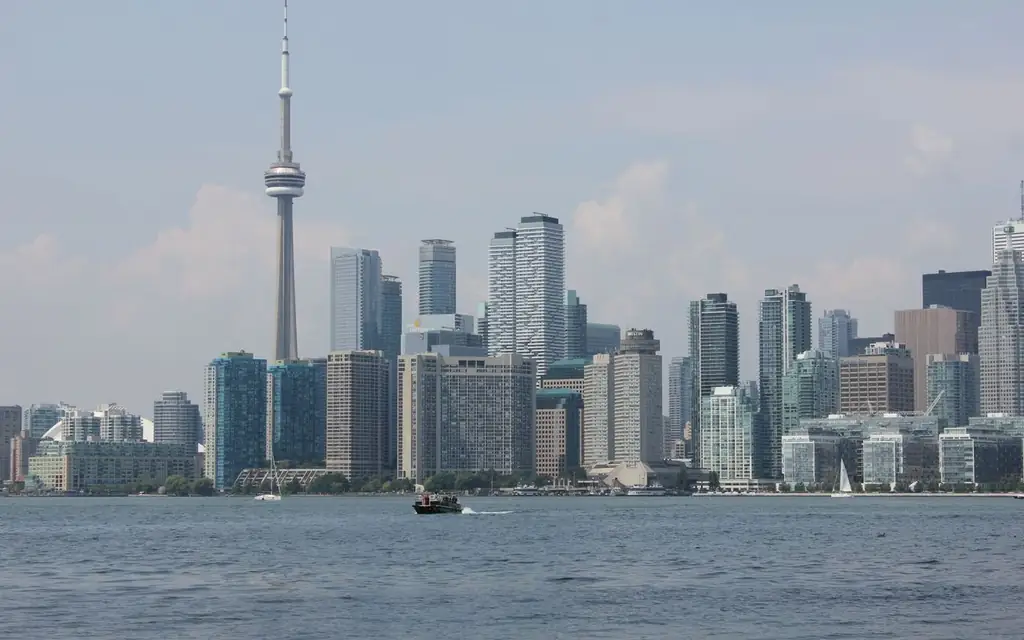
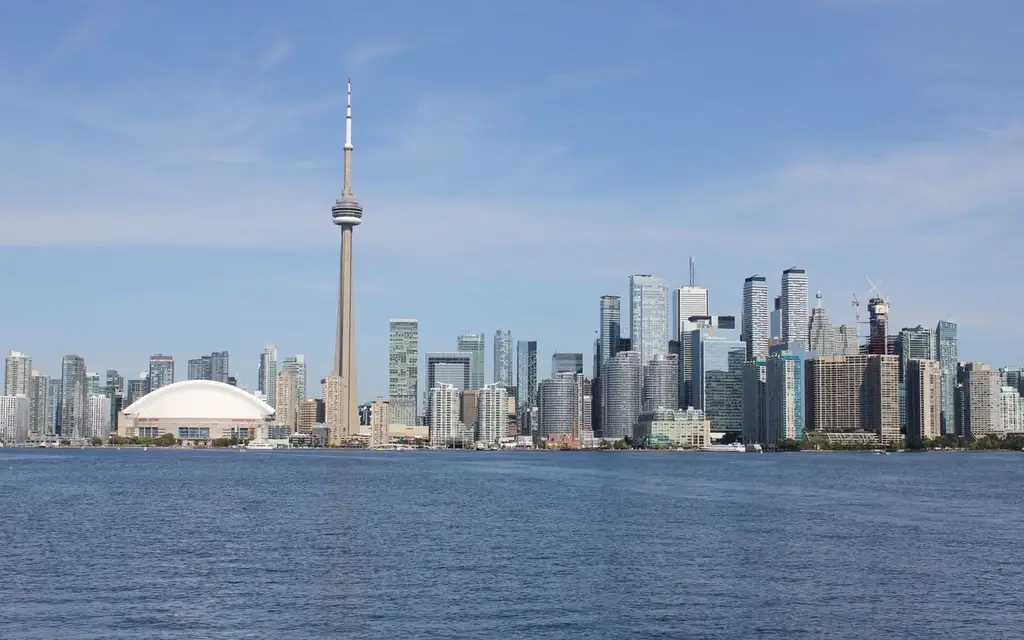
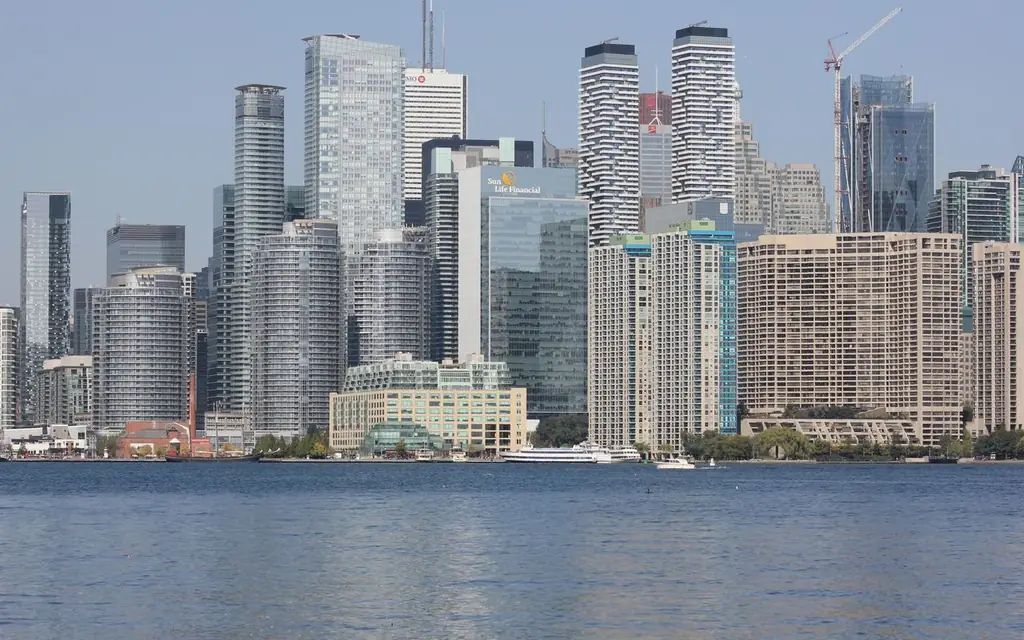
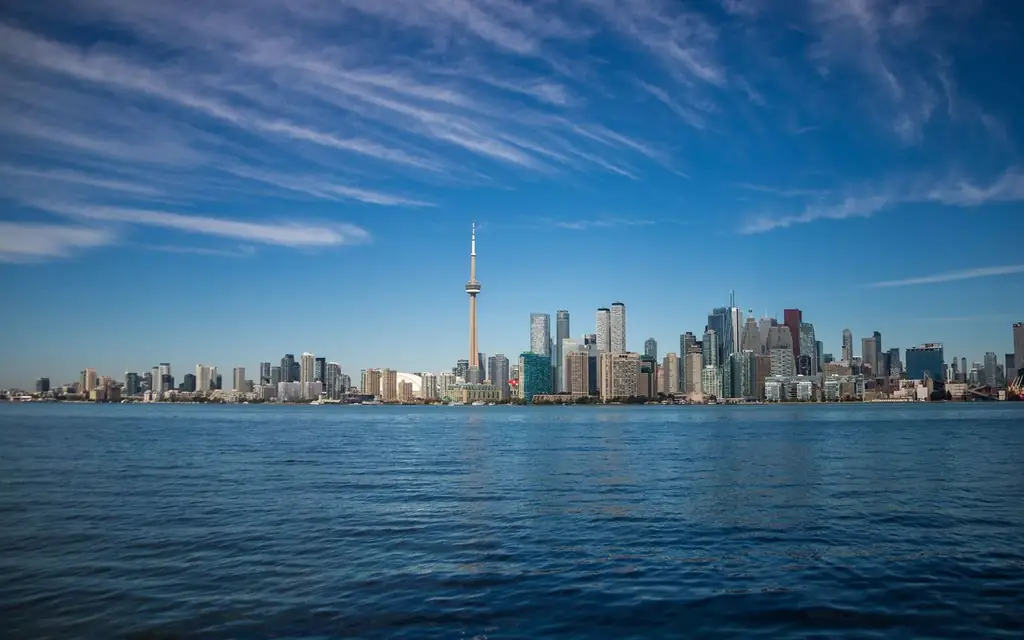
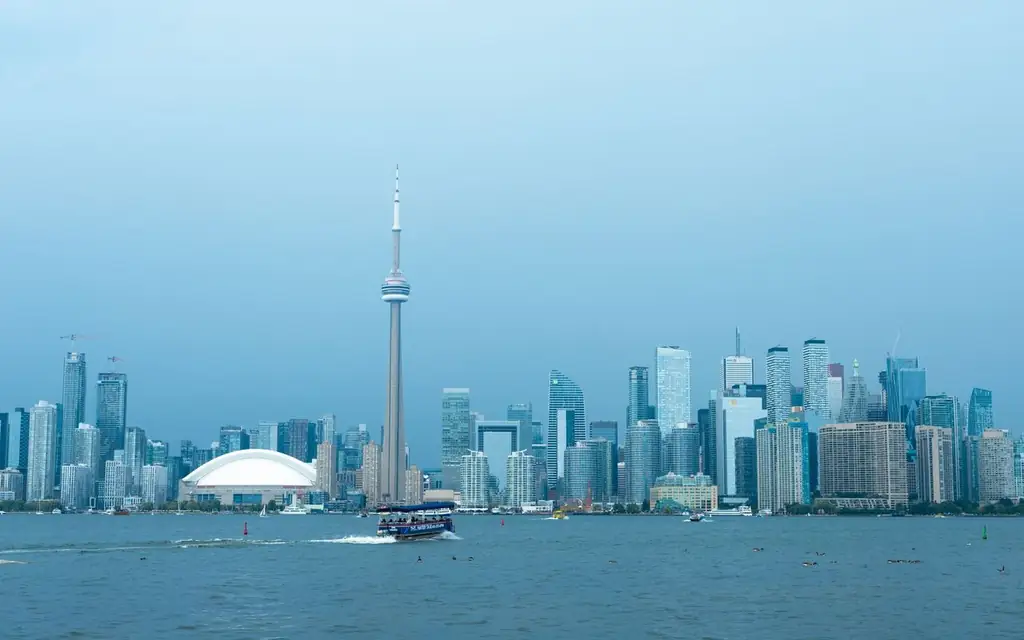
One of the real pleasures of the crossing is the view back. From the ferry and from the island paths the downtown skyline rises beyond the harbour, with the CN Tower at its centre. That view is at its best in the late afternoon, when the sun is low behind the city and the glass catches the light, and again at dusk when the towers light up.
If photography matters, plan the island visit so that the return sailing falls in that window. On a clear autumn day the light holds until early evening, and winter dusk comes earlier still, so check sunset for the day you travel. Remember that our chauffeurs do not photograph clients or post about trips, so the pictures are yours.
Keep valuables close on the ferry and in crowds, as in any busy public place, and leave bulky bags in the vehicle with the driver. If rain is forecast, move the plan to the next clear day, because the skyline is the point of the trip and a grey harbour is not worth the crossing.
What each island is like
Centre Island is the busiest, with the main ferry dock, lawns, picnic areas and the seasonal attractions that make it a family destination in summer. The city's information hub near the Centre Island dock offers first aid and lost-property help, and in autumn it is closed for the season.
Hanlan's Point is on the western side, with a beach and a wide green space, and it is the part of the islands closest to the downtown airport. Billy Bishop Toronto City Airport is on the island, reached by its own dedicated crossing rather than the park ferry.
Ward's Island is on the eastern side and is the one that stays served in winter. A small residential community lives on Ward's and Algonquin islands, so the paths pass cottages and gardens, and visitors are asked to respect private property.
The city describes the islands as a place of ecological and cultural significance, long used for healing, ceremony and gathering by the Mississaugas of the Credit First Nation and other Indigenous communities. It is worth keeping that in mind on a visit.
Best day, best time
Summer weekends are the busiest and the most fun for families, with long queues and crowded beaches. If you want calm, aim for a weekday in late spring or early autumn, or a clear winter day, when the skyline is crisp and the paths are almost empty. The first sailing in the morning gives you the quietest hour on the islands, and the late afternoon returns bring the light on the city.
Wind matters on the water. A breezy day can make the crossing bumpy and the beaches cold even in July, so bring a layer. In heat, shade is limited on the open lawns.
How long to allow
For a first visit allow half a day: the ferry, a walk, a meal and the return. In summer a full day is easy to fill. In winter, a two-hour walk on the Ward's Island route and a warm drink is a sensible length. Do not stack a hard commitment on the mainland within an hour of your intended return sailing.
A day plan around the ferry
- 9:00 am: Pick-up. The car takes you to the Jack Layton Ferry Terminal, 30 to 45 minutes from Pearson.
- 9:30 to 10:00 am: Board. Use the online ticket's express entry if the line is long.
- 10:15 am to 2:00 pm: On the islands. Walk, picnic, lunch or hire a bike from a local operator.
- Mid-afternoon: Return by ferry, with the car at the terminal.
- Late afternoon: CN Tower or the Distillery. See our CN Tower guide, since the tower is about 1.5 km (1 mi) from the terminal, or the Distillery Historic District, about 3 km (2 mi) east, for dinner.
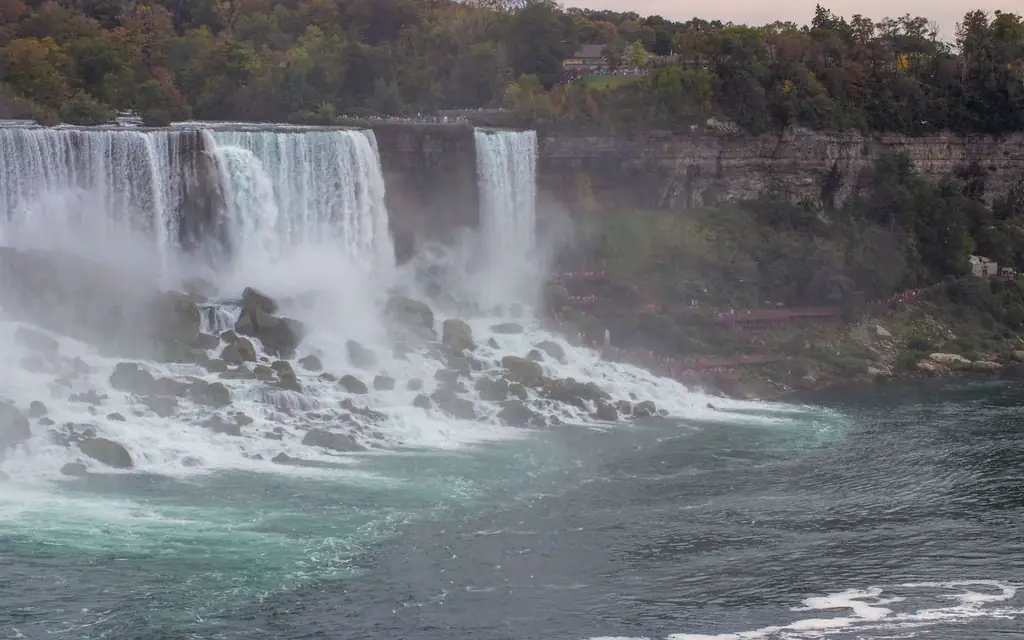
A second day can include the Royal Ontario Museum and Casa Loma, and a third can run out of town to Horseshoe Falls.
Comparing ways to reach the Toronto Islands
| Option | How it works | Cost note | Suits |
|---|---|---|---|
| City ferry (with a chauffeur to the terminal) | Car to the dock, ferry across | Ferry fare is set by the city; the car is a fixed fare via the booker | Families, groups with luggage, anyone on a tight schedule |
| City ferry from the streetcar | 509 or 510 streetcar from Union, then walk | Lowest | Light packers with time |
| Water taxi | Private operators run on demand | Higher than the city ferry | Groups that miss a sailing or want a private crossing |
| Walking from downtown | About 15 minutes from Union Station to the terminal | Free | Fit visitors on a dry day |
| Driving yourself | Park near the terminal, then ferry | Paid parking in the harbour area | Self-drivers who want to leave a car in town |
The ferry itself is the lowest-cost way across and nothing here replaces it. Water taxis are an option when the ferry is full or the timing is unusual. A chauffeur is useful for the mainland leg: bags, children, bad weather and a connection on either side.
What to bring
Bring water, sun protection in summer, layers at all times of year and shoes for sand and gravel. Winter visitors need wind-proof clothing. If you are bringing a bicycle, check the city's passenger information page, since the rules are set by the city. Pets, strollers and mobility devices are handled according to the ferry's own rules, which are on the city's passenger information page.
For discretion, our chauffeurs do not photograph clients or post about trips. If your party includes children, ask for child, toddler or booster seats when you book. The city's Toronto Island Park page has the wayfinding map and the things-to-do pages, and Destination Toronto lists events.
Related Toronto planning
For the wider picture, our Toronto limo service page covers hotels and city transfers, and our guide to private tours with a driver explains the day-trip approach. The North America directory and the attractions hub list the other regional pages.
Frequently asked questions
Can I drive to the Toronto Islands?
No. Visitors travel by ferry from the Jack Layton Ferry Terminal. Vehicles on the islands are for commercial and emergency use.
Where is the ferry terminal?
At 9 Queens Quay West, at the foot of Bay Street, about 1.5 km (1 mi) from the CN Tower and 1 km (0.6 mi) from Union Station.
How far is the terminal from Toronto Pearson?
About 27 km (17 mi), typically 30 to 45 minutes outside the peaks.
Which islands does the ferry serve in winter?
The city lists a winter schedule from October 14 to mid-April on one route, to Ward's Island. From mid-April to mid-October, three routes serve Centre Island, Hanlan's Point and Ward's Island.
Do I need a ferry ticket in advance?
The city sells tickets online in advance, and online ticket holders can use an express entry line at peak times. No ticket is needed for the return trip.
Can a chauffeur wait for me while I am on the islands?
Yes. The driver can wait near the terminal or return at the time you give. Tell the desk which sailing you expect to take.
Is the ferry accessible?
The city marks accessible queuing areas and offers priority boarding for passengers with mobility aids. See its passenger information page.
Which pages should I check before I go?
The City of Toronto's ferry routes and schedules page for sailing times and the Toronto Island Park page for the park.