 United StatesJFK
 MexicoMEX
 BrazilGRU
 ArgentinaEZE
 ChileSCL
 ColombiaBOG
 PeruLIM
 PanamaPTY
 Costa RicaSJO
 Dominican RepublicPUJ
 JamaicaMBJ
 BahamasNAS
 BarbadosBGI
 United KingdomLHR
 IrelandDUB
 FranceCDG
 GermanyFRA
 NetherlandsAMS
 BelgiumBRU
 SwitzerlandZRH
 AustriaVIE
 ItalyFCO
 SpainMAD
 PortugalLIS
 GreeceATH
 TurkeyIST
 DenmarkCPH
 SwedenARN
 NorwayOSL
 FinlandHEL
 PolandWAW
 Czech RepublicPRG
 HungaryBUD
 IcelandKEF
 United Arab EmiratesDXB
 QatarDOH
 Saudi ArabiaRUH
 IsraelTLV
 EgyptCAI
 MoroccoCMN
 South AfricaJNB
 KenyaNBO
 NigeriaLOS
 IndiaDEL
 PakistanLHE
 Sri LankaCMB
 SingaporeSIN
 MalaysiaKUL
 ThailandBKK
 VietnamSGN
 PhilippinesMNL
 IndonesiaCGK
 Hong KongHKG
 ChinaPVG
 TaiwanTPE
 JapanHND
 South KoreaICN
 AustraliaSYD
 New ZealandAKL
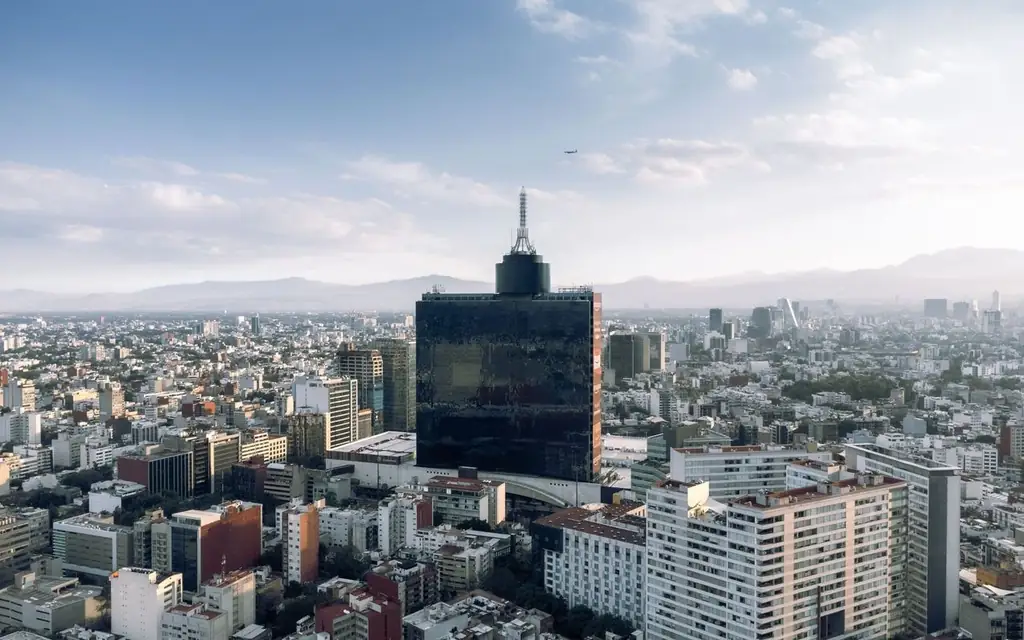
There is a rule of thumb for the centre of Mexico City: the closer you try to drive to the Zócalo, the longer you will sit. The plaza is surrounded by pedestrian streets, closed lanes on event days and one-way grids that confuse even long-time residents. A Mexico City historic centre private tour with driver works because the chauffeur chooses the edge of the district that is open that morning, puts you on foot at the right corner, and is waiting at a different corner when you are done.
What follows is a working plan: the landmarks and their rules, the drive times from the airport and the main hotel districts, and a morning route that avoids the worst crowds. When you know your date you can book a driver for the day.
Where does a chauffeur drop you in the Historic Centre?
The best drop-off is on the edge of the Centro Histórico, a few minutes' walk from the Zócalo, chosen on the day according to closures. The plaza itself is a pedestrian space, and Madero street is walking-only. Your chauffeur waits at a pre-agreed corner, usually on a main avenue outside the pedestrian grid.
Which corner is best depends on what is happening that day. Concerts, demonstrations, national holidays and exhibitions all close lanes around the square, sometimes with little notice. A local driver reads the closures before you leave the hotel. If the Zócalo itself is fenced off for a stage, the driver simply shifts your entry point to the Cathedral side or to the Templo Mayor street, and you still see every landmark.
The Metro station Zócalo/Tenochtitlan on Line 2 serves the square, and the city's venue page lists the Templo Mayor as roughly 100 metres from it.
What is the Historic Centre, and why does it matter?
Mexico City's historic centre is built on top of Tenochtitlan, the island capital of the Mexica. The Spanish kept the same ceremonial heart as their own political and religious centre, so the plaza has been a seat of power for the better part of seven centuries. The district is inscribed on the UNESCO World Heritage List together with Xochimilco, a listing dating from 1987, and the city government's tourism site calls it an immense living museum.
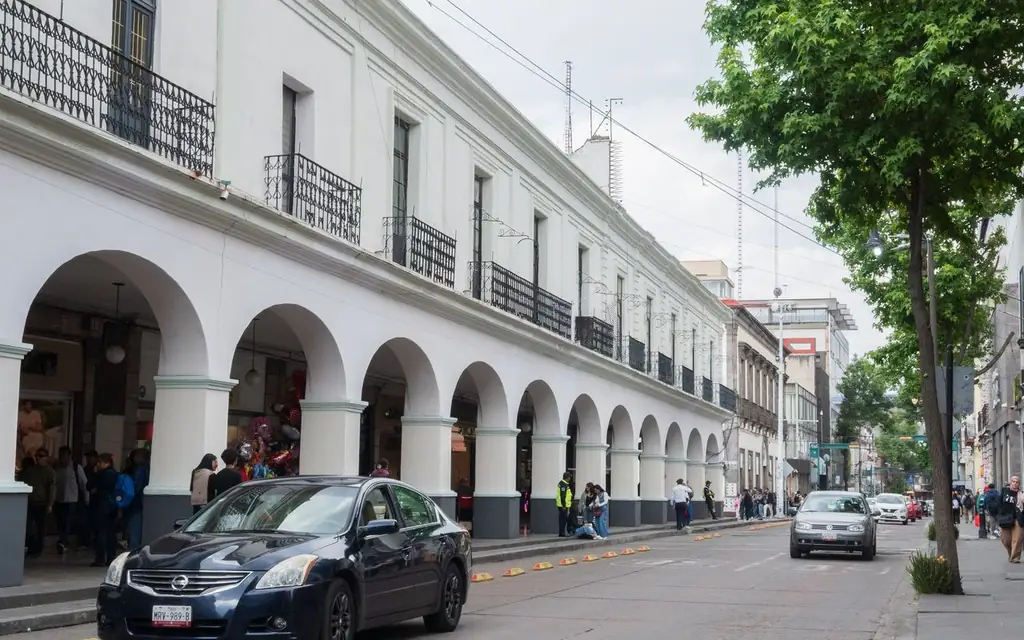
It is also a working district. Government offices, banks, jewellers, bookshops and cafés crowd its streets, and a visit on a weekday carries the noise and rhythm of a capital rather than a theme park. That atmosphere is part of the charm and part of the reason a guided plan helps.
How far is it, and what are the drive times?
Distances to the Zócalo, outside peak hours:
- Benito Juárez International (MEX): about 7 km (4 mi), 20 to 45 minutes. See the Mexico City airport chauffeur page.
- Reforma and Polanco hotels: 6 to 10 km (4 to 6 mi), 25 to 60 minutes.
- Chapultepec Park: about 6 km (4 mi), 20 to 40 minutes.
- Coyoacán and the Frida Kahlo Museum: about 15 km (9 mi), 35 to 70 minutes.
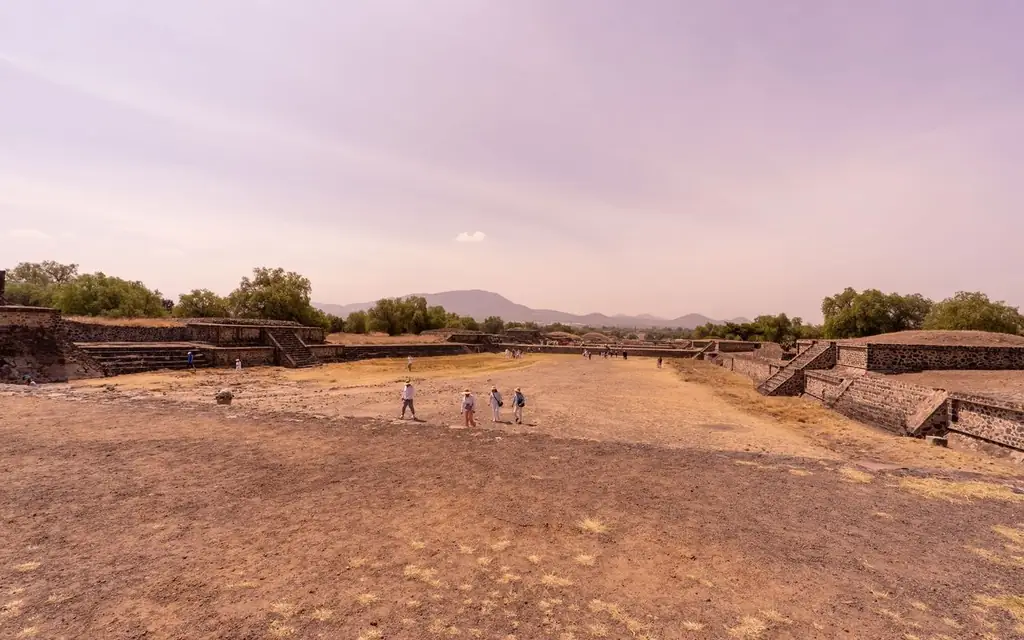
- Teotihuacan: about 50 km (31 mi), 60 to 90 minutes.
- Felipe Ángeles International (AIFA): about 50 km (31 mi), 60 to 120 minutes depending on the day.
Weekday mornings between 7:30 and 10:00 and evenings from 17:00 are slow. On Sundays the main streets are quieter, though cultural events bring their own closures. For citywide arrangements, see our Mexico City chauffeur service page.
Do the city's circulation restrictions affect a chauffeured visit?
Mexico City runs a vehicle-restriction programme called Hoy No Circula, which limits some cars by plate and verification sticker on certain days and hours. Our operators are local and manage their vehicles within the rules, so as a passenger you do not need to think about it. If you hire a self-drive car with plates from outside the capital, check the programme with the city authorities before you drive.
What can you see, in the order we recommend?
The Zócalo (Plaza de la Constitución)
The city's tourism site gives the address as Plaza de la Constitución, Centro Histórico, with the Cathedral on the north side, the National Palace on the east and city government buildings on the south. It is one of the largest squares in the world. Early morning, before office workers arrive, is when it feels most open. For official details, see the city's Zócalo page.
The Metropolitan Cathedral
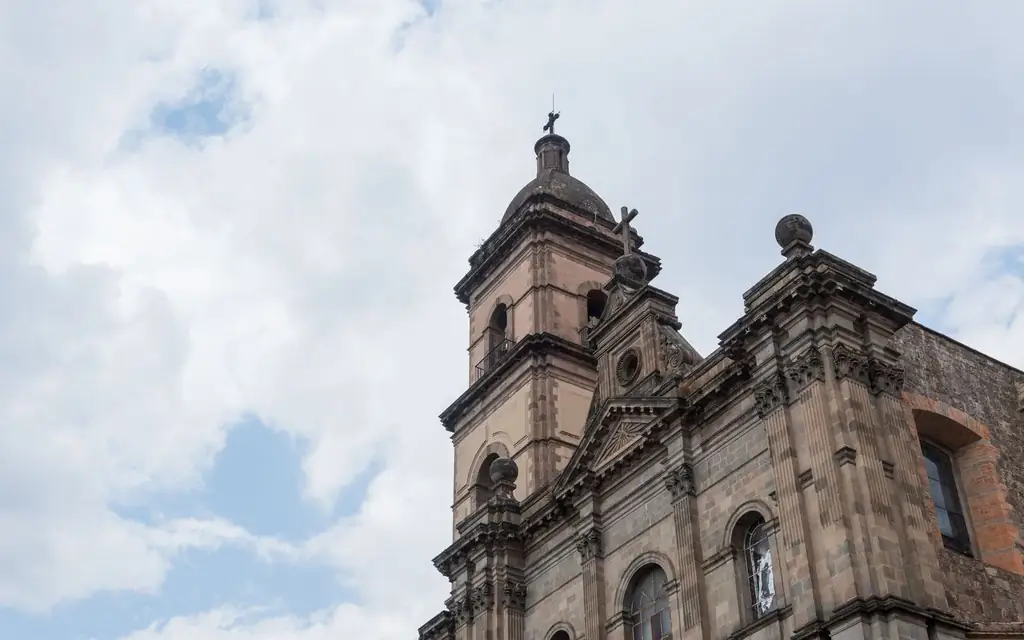
Construction began in 1573 on the remains of the Mexica sacred precinct and lasted almost 250 years, with Manuel Tolsá among the architects. The resulting building blends baroque and neoclassical styles. Dress modestly and respect services; the Cathedral is an active church. Check the Cathedral's own channels for visiting hours, since services alter them.
The Sagrario archaeological windows
The INAH page for these windows lists them as open daily from 8:00 to 20:00, free of charge, with access to the basement only through a guided tour offered by the Templo Mayor Museum, INAH's cultural walks or the Cathedral's culture area. It is a short, striking look at the layers beneath the church, and it is worth asking about when you book a guide. See the INAH page.
The Templo Mayor
The Aztec main temple precinct was uncovered in the twentieth century a few steps from the Cathedral. The INAH page lists the address as Seminario 8, with hours Tuesday to Sunday, 9:00 to 17:00, and a Monday closure. As of 2026 the page shows 210 pesos for foreign visitors and 105 for Mexican visitors, with online ticketing through INAH. A neighbouring page for the museum shows different information, so verify on the day. Audio guides and guided tours are listed as services. Read the INAH Templo Mayor page.
The Palacio Nacional
The National Palace is free to enter in most reports, with a valid official photo ID required, and its interior courtyard and upper floor display Diego Rivera's murals about Mexican history. Because the building is also the seat of the federal executive, opening hours and access rules change; sources we found disagree on the schedule, so confirm with the official government channels before planning around it. Bring your passport, not a photocopy.
A morning route that avoids the queues
- 8:00 Pickup. The driver confirms the day's closures.
- 8:40 Drop at the north-west edge. Walk to the Cathedral and the Sagrario windows, which open from 8:00.
- 9:30 Templo Mayor, which opens at 9:00 and is quieter than later in the day.
- 11:00 The Zócalo itself, then the National Palace if open and your ID is in hand.
- 12:30 Walk along Madero street toward the Palacio de Bellas Artes, which appears among the city's featured venues.
- 13:30 Lunch in a historic restaurant, then pickup on a main avenue.

Sunday changes the picture. Mexican citizens enter many INAH sites free on Sundays, so the Templo Mayor and neighbouring museums are crowded. Monday closes the Templo Mayor and most national museums. Aim for Tuesday to Friday.
What if you only have ninety minutes?
Transit passengers and conference delegates often have a gap between sessions. A tight version of the centre works like this. The driver drops you at the Cathedral side, you spend twenty minutes inside, walk across to the edge of the Zócalo for ten minutes of the square, then reach the Templo Mayor site when it opens at 9:00 for forty minutes. Skip the National Palace unless you carry your passport and know the day's opening, because queues for security and ID checks consume the margin. The chauffeur meets you on the avenue outside the pedestrian grid, so you are back in the car without a long walk.
If the timing is for a flight, tell the booker the departure time and terminal. The desk will quote a pickup time that allows for the airport run, which is 7 km (4 mi) and typically 20 to 45 minutes, with margin built in for the ring road.
When do festivals and holidays change the plan?
The centre hosts large public events, and some change the shape of a visit completely. Independence celebrations in mid-September fill the Zócalo for a night ceremony, and the surrounding streets close well in advance. Late October and early November bring Day of the Dead displays, parades and extra visitors across the capital. Christmas lights go up in December. In each of these periods the best plan is an early start, a drop-off at the edge and a flexible pickup point, which a local chauffeur can adjust by message while you are inside a building.
Large state events may also close the plaza to the public, sometimes with only a day's notice. If you are travelling for a specific hour, such as an exhibition opening or a conference reception nearby, keep your flight and car times flexible and let the desk know the address so the driver can check access in advance.
How do the options for visiting compare?
| Option | Time from Reforma or the airport | Cost note | Best for |
|---|---|---|---|
| Metro Line 2 to Zócalo | 25 to 50 minutes | Lowest | Independent travellers happy to walk |
| Open-top tourist bus | Fixed circuit | Fixed per ticket | First-time visitors wanting an overview |
| Walking tour with a guide | Starts at a set meeting point | Fixed per person | Solo visitors who like a group |
| Taxi or rideshare | 20 to 60 minutes | Metered or surge-priced | One-way trips |
| Private chauffeur | 20 to 60 minutes | Fixed fare via the booker | Families, executives and mixed-stop days |
The Metro is an excellent choice for the Historic Centre itself. Line 2 stops at Zócalo, and the pedestrian grid makes walking natural. A chauffeur is the better pick when you combine this with Chapultepec, Coyoacán or an airport transfer on the same day.
What else pairs well with the Historic Centre?
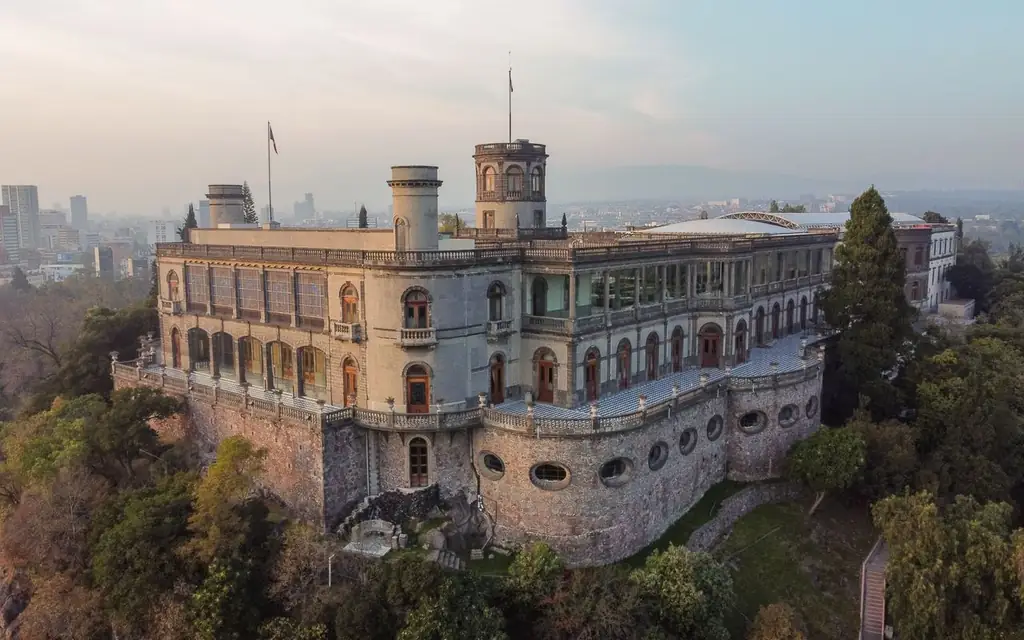
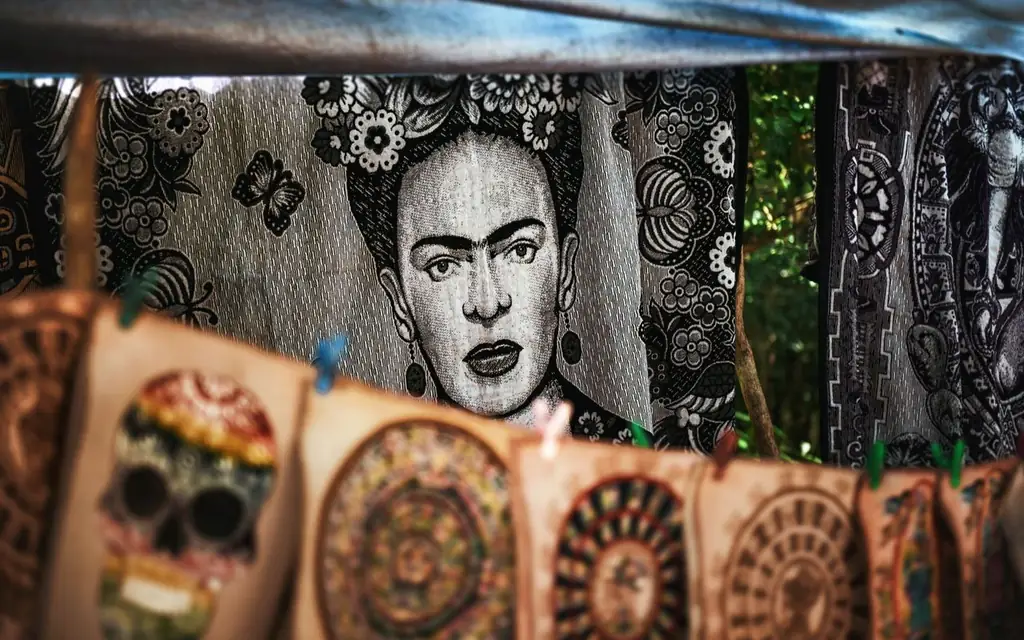
A full capital day can include the Chapultepec Castle in the morning, then the Zócalo and Templo Mayor after an early lunch. A second day might run to Xochimilco for the canals and the Frida Kahlo Museum for the timed entry. Teotihuacan needs its own morning. Our private tours with driver page explains how multi-stop days are scheduled.
For wider planning across the region, see the Latin America and Caribbean directory and the attractions hub. Visitor bureaus that want to arrange cars for their guests can do so through a trade account with LimousineWorldwideDirectory.com.
Is it safe, and what should I carry?
Central Mexico City is heavily visited by tourists and generally busy with police and municipal staff, but in any crowded capital square a little caution is wise. Keep phones and wallets in front pockets, avoid displaying expensive jewellery and leave large bags in the car. Carry your passport for the National Palace, water, a light jacket for the cool mornings at about 2,240 m (7,350 ft) and sun protection for the open plazas. Wear flat shoes: the pavements around the Cathedral and the older streets are uneven.
Guests who prefer privacy can ask for an alias on the pickup board. The chauffeur does not photograph clients or post about trips, and your own security team may travel with you; we are a chauffeur service, not a security company.
Accessibility notes
The Zócalo and the principal streets are largely flat, but kerbs and cobbled sections can be difficult for wheelchairs. The Templo Mayor site has ramps and walkways, though the INAH page we reviewed does not describe accessibility in detail. Ask the booker to note mobility needs so the chauffeur selects the nearest legal stop.
Every booking is confirmed in writing by the LimousineWorldwideDirectory.com desk and performed by a vetted, licensed local operator.
Frequently asked questions
How far is the Mexico City Historic Centre from the airport?
About 7 km (4 mi) from Benito Juárez International, which is usually 20 to 45 minutes by car. From AIFA the distance is about 50 km (31 mi), and the drive takes 60 to 120 minutes depending on traffic.
Can a car drive into the Zócalo?
No. The plaza is a pedestrian space, and Madero street is also walking-only. Chauffeurs drop you at the edge of the district at a corner chosen for that day's closures and wait on a main avenue.
What time does the Templo Mayor open?
INAH lists the archaeological site as open Tuesday to Sunday from 9:00 to 17:00. It is closed on Mondays. As of 2026, it lists 210 pesos for foreign visitors, with tickets available online.
How do I see the Sagrario archaeological windows?
INAH says access to the basement is by guided tour only, through the Templo Mayor Museum, INAH cultural walks or the Cathedral's culture area. The windows are listed as open daily from 8:00 to 20:00, and entry is free.
Do I need ID to enter the Palacio Nacional?
Visitor reports say entry is free and requires an official photo ID, such as a passport, not a photocopy. Because opening hours conflict between sources, confirm the current schedule with the government's official channels.
How long does a Historic Centre visit take?
A focused morning covers the Cathedral, Templo Mayor and Zócalo in about four hours. Add the National Palace, Madero street and lunch to make it a full day. Chapultepec fits in the same day if you start early.
What is the best day to visit the Historic Centre?
Tuesday to Friday is calmest. Sunday brings free entry for Mexican citizens at INAH sites, and therefore crowds, and Monday closes the Templo Mayor. Check the city's cultural calendar for closures on festival days.
Is the Historic Centre a UNESCO site?
Yes. It is inscribed together with Xochimilco on the UNESCO World Heritage List, a listing dating from 1987. The city tourism site describes the district as an immense living museum that condenses seven centuries of history.