
 United StatesJFK
 MexicoMEX
 BrazilGRU
 ArgentinaEZE
 ChileSCL
 ColombiaBOG
 PeruLIM
 PanamaPTY
 Costa RicaSJO
 Dominican RepublicPUJ
 JamaicaMBJ
 BahamasNAS
 BarbadosBGI
 United KingdomLHR
 IrelandDUB
 FranceCDG
 GermanyFRA
 NetherlandsAMS
 BelgiumBRU
 SwitzerlandZRH
 AustriaVIE
 ItalyFCO
 SpainMAD
 PortugalLIS
 GreeceATH
 TurkeyIST
 DenmarkCPH
 SwedenARN
 NorwayOSL
 FinlandHEL
 PolandWAW
 Czech RepublicPRG
 HungaryBUD
 IcelandKEF
 United Arab EmiratesDXB
 QatarDOH
 Saudi ArabiaRUH
 IsraelTLV
 EgyptCAI
 MoroccoCMN
 South AfricaJNB
 KenyaNBO
 NigeriaLOS
 IndiaDEL
 PakistanLHE
 Sri LankaCMB
 SingaporeSIN
 MalaysiaKUL
 ThailandBKK
 VietnamSGN
 PhilippinesMNL
 IndonesiaCGK
 Hong KongHKG
 ChinaPVG
 TaiwanTPE
 JapanHND
 South KoreaICN
 AustraliaSYD
 New ZealandAKL
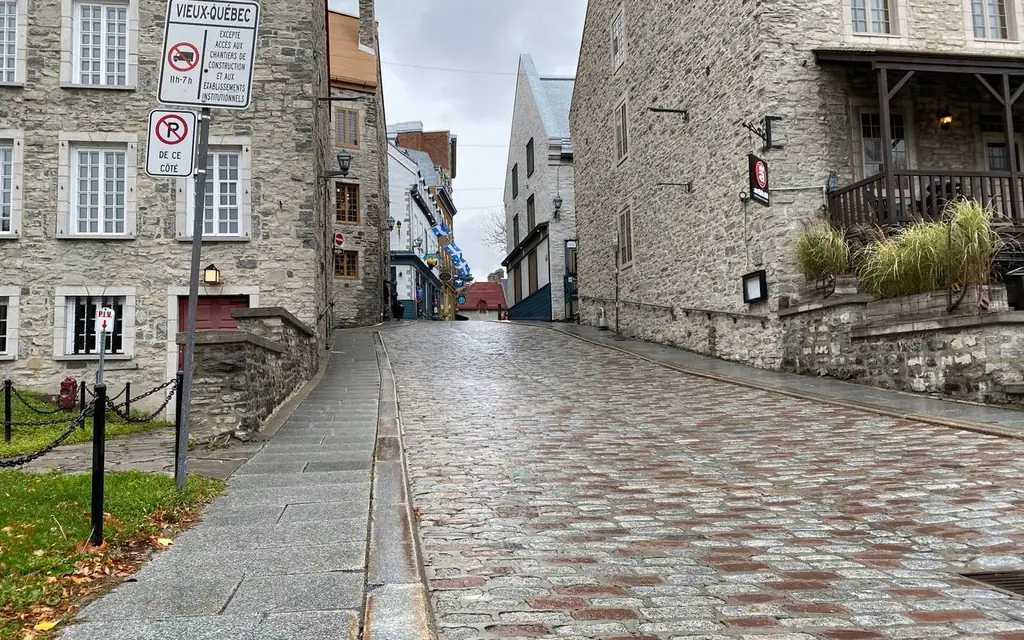
Vieux-Montréal is a district of cobbled lanes, stone warehouses and 19th-century banks beside the St. Lawrence River, and it was built long before anyone imagined a vehicle in it. The result is a place that rewards walking and punishes cars. A private tour with driver in Old Montreal therefore works differently from an Eiffel Tower or Statue of Liberty plan: the chauffeur's job is to deliver you to the right edge of the district, hold the vehicle nearby and collect you where the next stop begins, rather than to roll along the streets with you inside.
The city is also changing the district. Parts of the area are now pedestrian priority for part of the year, and a wider plan aims to make much of it car-free by 2030, according to Tourisme Montréal. The notes below describe the 2026 position and explain how a chauffeur works around it.
How do you get to Old Montreal by car from the airport and downtown?
Old Montreal is about 19 km (12 mi) and 25 minutes from Montréal-Trudeau Airport (YUL), and about 2 km (1 mi) and 5 minutes from Gare Centrale. Mount Royal's lookout is roughly 4 km (2 mi) away, about 9 minutes. Cars use the district's edge streets, as the central squares are pedestrian-priority on set dates.
Arrivals use the Montréal-Trudeau airport page, and the Montréal city page explains how our desk handles the rest of the city. The airport route enters downtown by highway and drops into the district along the edge streets. In the evening peak the same 19 km (12 mi) can take 40 to 50 minutes, so a 6 pm dinner reservation in Old Montreal needs a pickup that allows a full hour.
The 2026 pedestrian map: which streets close to cars, and when
Tourisme Montréal's pedestrian-streets page lists the following 2026 dates. They are the working schedule for a chauffeur's drop-off planning.
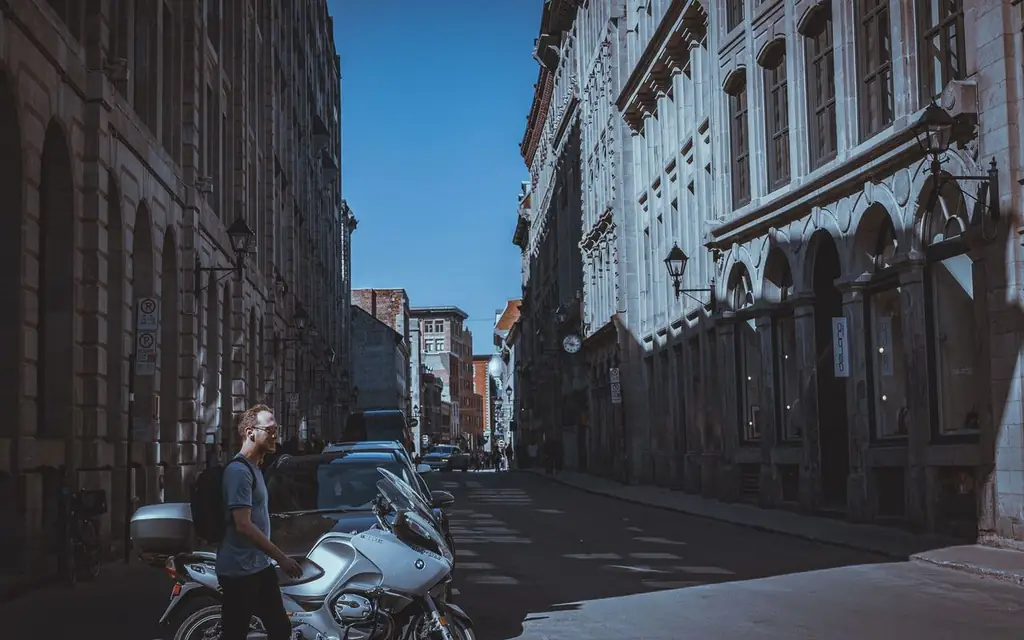
- Saint-Paul Street East, between Marché-Bonsecours Street and Saint-Laurent Boulevard: April 15 to October 29, 2026.
- Place Jacques-Cartier, between Notre-Dame Street and De La Commune Street: April 15 to October 29, 2026.
- Place d'Youville and Place Royale: June 3 to September 1, 2026.
Today is October 16, so both Saint-Paul East and Place Jacques-Cartier are in their pedestrian period until the end of the month. After October 29 their status changes, and a driver confirms the current arrangement by checking City of Montréal notices and the Tourisme Montréal page on the morning of the trip.
Other reports describe longer-term plans for permanent closures around Place Jacques-Cartier, Saint-Paul Street and the area in front of the Notre-Dame Basilica, and for a restricted De La Commune Street where only buses, taxis, local deliveries and emergency vehicles could enter. Those articles are undated, so treat the details as a direction of travel and not as a current rule.
Drop-off logic: use the edges, then walk
The district is small enough that the walk from any edge to the center is 5 to 10 minutes. A chauffeur therefore aims for the boundary street nearest your first stop. De La Commune Street on the river side serves the Old Port and the east end of Place Jacques-Cartier. Notre-Dame Street, the main east-west street, serves the Basilica and Place d'Armes. Saint-Laurent Boulevard and Marché-Bonsecours Street frame the eastern pedestrian zone.
Parking in the district is limited and restricted, and street spaces are enforced in the daytime. A chauffeur does not park for you at the door. The car waits in a nearby lot or on a quiet side street and returns by call or text, so a mobile number and a 5-minute buffer are part of the plan. That keeps the vehicle out of the pedestrian zones and the schedule independent of parking spaces.
Two hours on foot: the sequence that works
For a first visit, this sequence moves from east to west and ends near the Basilica.
- Marché Bonsecours and Saint-Paul Street East: the old market building and the shops that line the street, pedestrian-only on 2026 dates.
- Place Jacques-Cartier: the sloping square that leads from the City Hall toward the river, with terraces and street performers in season.
- Place Royale and Pointe-à-Callière: the site where the city began, now the Montréal Archaeology and History Complex at 350 Place Royale.
- Place d'Youville and Rue Saint-Paul West: quieter blocks with warehouses and galleries.
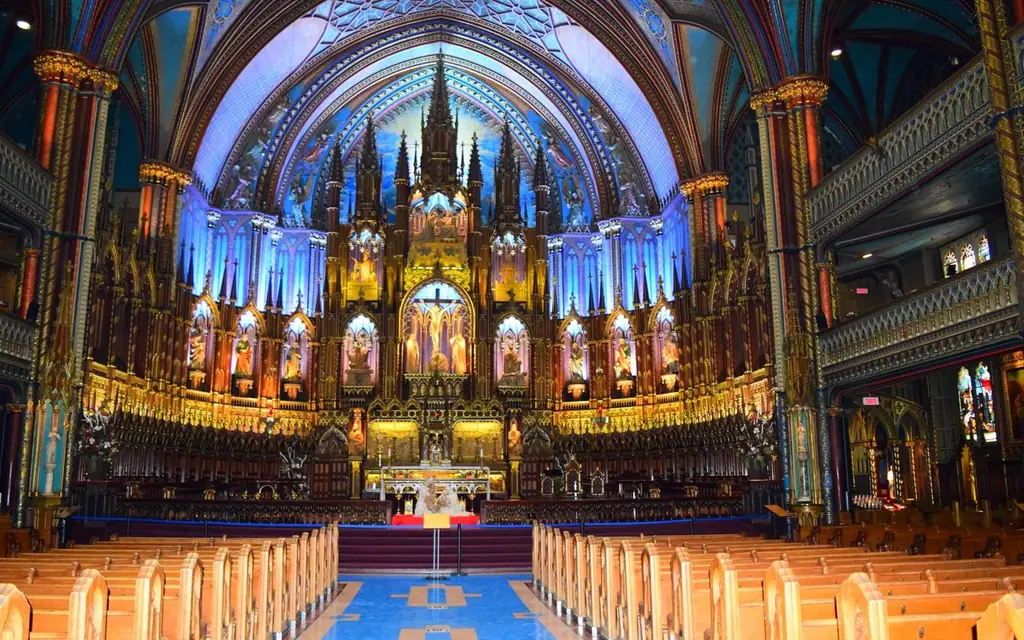
- Place d'Armes and Notre-Dame Basilica: the square in front of the Basilica, which has its own guide in Notre-Dame Basilica of Montreal.
Two hours is enough for the exteriors and one interior. Add a museum or the Basilica visit and the program becomes a half day.
Pointe-à-Callière and the museum rule of thumb
Pointe-à-Callière sits at 350 Place Royale and presents the archaeological site on which Montréal began. The museum's own site sells tickets online, and standard listings show it closed on Mondays outside the summer season, with longer summer hours. Because the schedule changes, the safe approach is to check the Pointe-à-Callière site for the date you want and to buy the ticket before arrival.
Timing matters in the other direction as well. A museum like this suits a rainy morning or the last hour before closing. On a bright day the district itself is the show, and the museum is the second choice.
Cobbles, shoes and accessibility
The streets are cobbled, the pavements are uneven in places and the older buildings have steps. Flat, sturdy shoes are essential, and heels are a poor choice for a Saint-Paul walk. For guests with limited mobility, ask the desk to plan a program that uses the Old Port waterfront, which is flatter, and drop-offs close to each interior. The Basilica and the museum each list their own access arrangements, and they should be checked in advance.
In winter, the same streets can be icy. Québec requires winter tires on vehicles registered in the province from December 1 to March 15, and a local chauffeur's vehicle meets that rule; for visitors, the key point is that the cobbles are treacherous in frost and that a coat, a hat and gripping soles belong in the bag.
When to go: terraces, quiet weeks and winter lights
Summer is the high season, with outdoor terraces and street activity, and the pedestrian streets make the district feel open. The shoulder months, September and October, are calmer and clear enough for photographs. Winter is quieter, with holiday decoration and an indoor focus on restaurants and museums. The busiest hours are lunch and early evening, so a mid-morning or mid-afternoon plan is the least crowded.
For a visitor with only one day, the best single hour is late afternoon, when the stone warms in the light and the day crowds thin. That hour also pairs naturally with a dinner booking in the district.
A half-day chauffeured program from the airport
This is a realistic sequence for a guest arriving in the morning.
- 9:00 am: land at YUL; flight tracking and the free waiting period for international arrivals keep the pickup stable.
- 10:00 am: arrive at the district's edge, 19 km (12 mi) from the airport, and walk to Place Jacques-Cartier.
- 11:00 am: Pointe-à-Callière or a coffee near Place Royale.
- 12:30 pm: lunch in the district.
- 2:00 pm: Basilica visit, about 1 km from the center of the district.
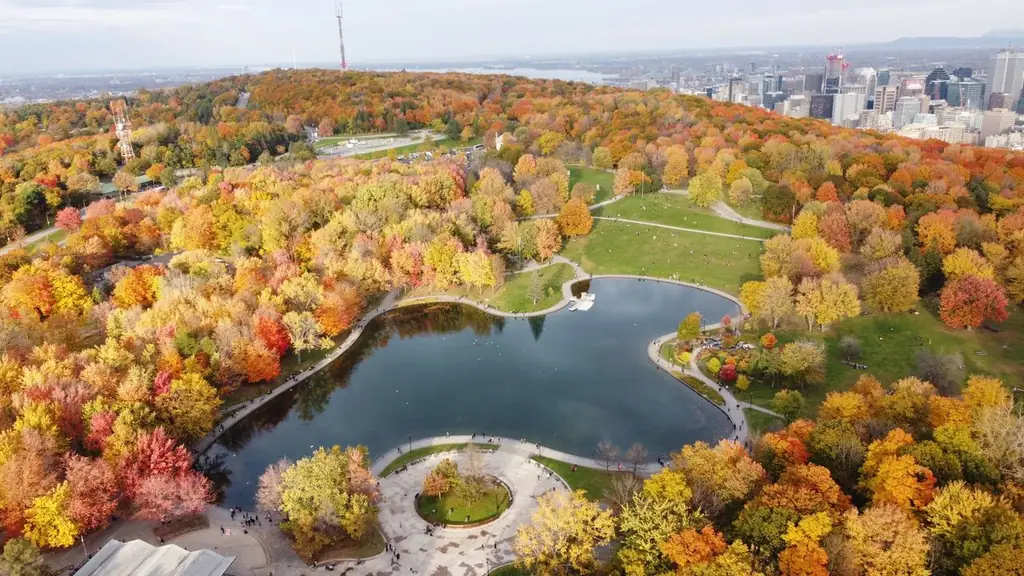
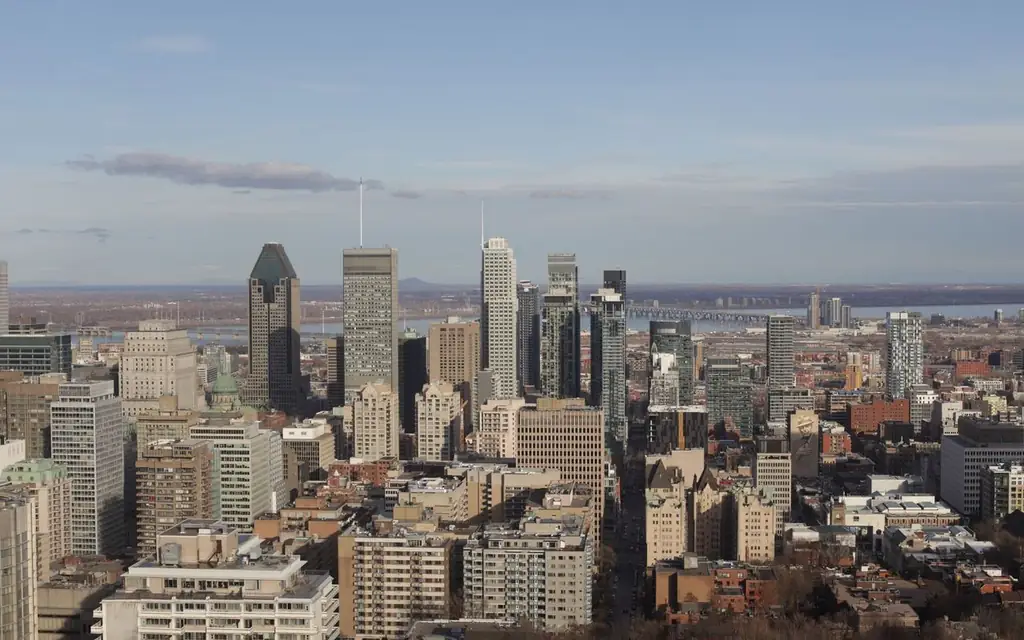
- 3:30 pm: the chauffeur collects you at a boundary street and drives 4 km (2 mi) to the Mount Royal lookout; see the Mount Royal guide.
- 5:00 pm: hotel check-in.
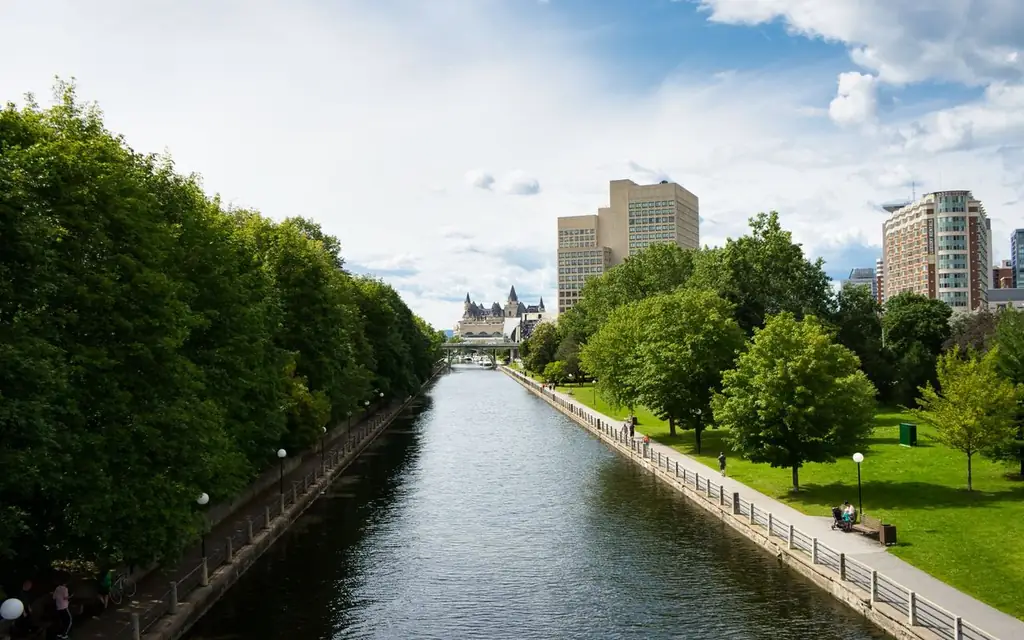
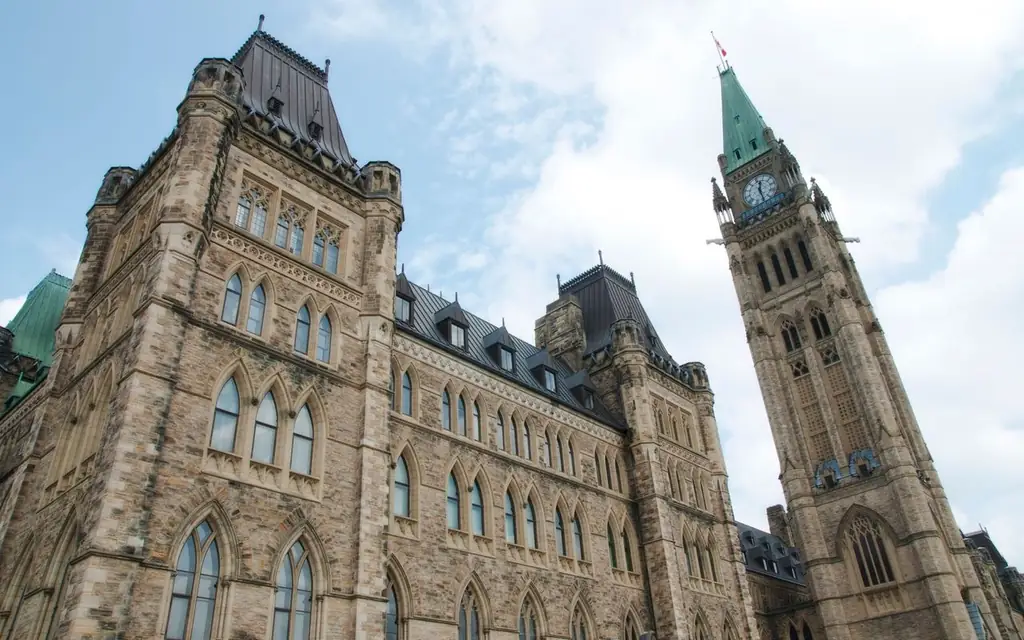
If the plan continues out of the city, the Laurentians are close: Mont-Tremblant is about 149 km (93 mi) from Old Montreal, around 1.75 to 2.25 hours by road. A guest heading to the capital can follow Highway 40 and 417 to Parliament Hill, about 200 km (124 mi) away, and one heading to Québec City can read about Old Québec.
An evening in the district: dinner, light and the late return
Old Montreal changes after dark. The stone facades are lit, the restaurants fill and the Basilica runs an evening light-and-music show called AURA, created by Moment Factory, alongside its daytime sightseeing visit. Tickets for it are sold on the Basilica's own site, and the evening program is a separate booking from the daytime visit, so check which time slot you hold.
For an evening, the chauffeur's role is pickup discipline. Book the return for a fixed time, 15 minutes after the show or the table is due to end, and agree the boundary street where the car will wait. The pedestrian streets are lively until late in summer, and a car that cannot enter them should be waiting where you can see it. We recommend sharing a live location with the driver, because a quiet side street can look like any other in the dark.
Corporate groups, weddings and film crews
Old Montreal is a popular choice for corporate dinners, weddings and location filming because the stone architecture reads well on camera and the hotels and venues sit within walking distance. For groups, an Executive Sprinter seats up to 12 to 14 passengers with 12 bags, and a Luxury SUV seats up to six. Stretch limousines, mini-coaches and coaches are available on request, with availability confirmed at booking. Chauffeurs sign NDAs on request, and an alias booking keeps a name off the board.
Large events may carry a different cancellation deadline, which is stated on the confirmation. The practical advice for a wedding or a conference dinner is to book the vehicles early, name a single contact on the day and agree a boundary street for every pickup, because a group of 40 cannot be loaded on a cobbled square.
Road quirks to expect around the district
Montréal has frequent road works, one-way streets and sudden lane closures, and a route that works on Monday can fail on Tuesday. A local driver checks live conditions on the morning of the trip and adjusts the approach. The big arteries around the district, including the highway that runs along its edge, back up at the morning and evening peaks. Add a buffer when the trip ends at a train departure or a flight.

Signs are in French, and the street names in this guide are given in English only where a common English form exists. The district's official names are French. Let the driver handle the street names and give your hotel's address or a landmark as the pickup.
From airport to Old Montreal compared
| Mode | To the district | Cost type | Best match |
|---|---|---|---|
| 747 airport express bus plus a short walk | About 45 to 60 minutes | Lowest | Light luggage, solo travelers |
| Metered taxi | About 25 to 45 minutes | Metered | Short, simple arrivals |
| Rideshare | About 25 to 50 minutes | Surge-priced at peak | Travelers who accept variable waits |
| Rental car | About 25 to 50 minutes plus parking | Daily rate plus parking | Not recommended for the district itself |
| Private chauffeur | About 25 to 50 minutes | Fixed fare via the booker | Luggage, groups, fixed schedules, onward trips |
The express bus is the better choice if you are traveling light, staying in Old Montreal and not in a hurry. Renting a car for a stay inside the district is usually a mistake, because parking is scarce and the streets are restricted. A chauffeur earns its place when there is luggage, a group or a plan to leave the district for Mount Royal, the Laurentians or Ottawa.
Tourism offices in Montréal can open a trade account with LimousineWorldwideDirectory.com for their visitors. For the wider picture see the North America directory, the private tours with driver overview and the attractions hub.
Frequently asked questions
How far is Old Montreal from Montréal-Trudeau Airport?
About 19 km (12 mi), roughly 25 minutes without traffic and 40 to 50 minutes at the evening peak.
Can cars drive in Old Montreal?
Some streets, yes, but parts of the district close to cars for set periods. In 2026, Saint-Paul Street East and Place Jacques-Cartier are pedestrian streets from April 15 to October 29, and Place d'Youville and Place Royale from June 3 to September 1.
Where does the chauffeur drop me?
At the boundary street nearest your first stop, such as De La Commune Street, Notre-Dame Street or Saint-Laurent Boulevard. You then walk 5 to 10 minutes into the district.
How long do I need in Old Montreal?
Two hours for the streets and one interior, a half day with a museum and the Basilica, and a full day with dinner.
Is Pointe-à-Callière open on Mondays?
Standard listings show it closed on Mondays outside the summer season. Confirm dates on the museum's own website before you plan.
How far is Old Montreal from Mount Royal?
About 4 km (2 mi) to the Mount Royal chalet area, around 9 minutes by car.
Is Old Montreal good in winter?
Yes, with warm indoor options and festive lighting. The cobbles can be icy, and Québec-registered vehicles must run winter tires from December 1 to March 15.
Can I go from Old Montreal to Mont-Tremblant in a day?
Yes. The distance is about 149 km (93 mi), around 1.75 to 2.25 hours each way, which makes a long day trip or a one-way transfer.
How do I get a fare for an Old Montreal day?
Use the booker: it quotes one fixed fare for your hotel, the hours and the vehicle class before you confirm.