 United StatesJFK
 MexicoMEX
 BrazilGRU
 ArgentinaEZE
 ChileSCL
 ColombiaBOG
 PeruLIM
 PanamaPTY
 Costa RicaSJO
 Dominican RepublicPUJ
 JamaicaMBJ
 BahamasNAS
 BarbadosBGI
 United KingdomLHR
 IrelandDUB
 FranceCDG
 GermanyFRA
 NetherlandsAMS
 BelgiumBRU
 SwitzerlandZRH
 AustriaVIE
 ItalyFCO
 SpainMAD
 PortugalLIS
 GreeceATH
 TurkeyIST
 DenmarkCPH
 SwedenARN
 NorwayOSL
 FinlandHEL
 PolandWAW
 Czech RepublicPRG
 HungaryBUD
 IcelandKEF
 United Arab EmiratesDXB
 QatarDOH
 Saudi ArabiaRUH
 IsraelTLV
 EgyptCAI
 MoroccoCMN
 South AfricaJNB
 KenyaNBO
 NigeriaLOS
 IndiaDEL
 PakistanLHE
 Sri LankaCMB
 SingaporeSIN
 MalaysiaKUL
 ThailandBKK
 VietnamSGN
 PhilippinesMNL
 IndonesiaCGK
 Hong KongHKG
 ChinaPVG
 TaiwanTPE
 JapanHND
 South KoreaICN
 AustraliaSYD
 New ZealandAKL
How do you get to the Qutub Minar by car?
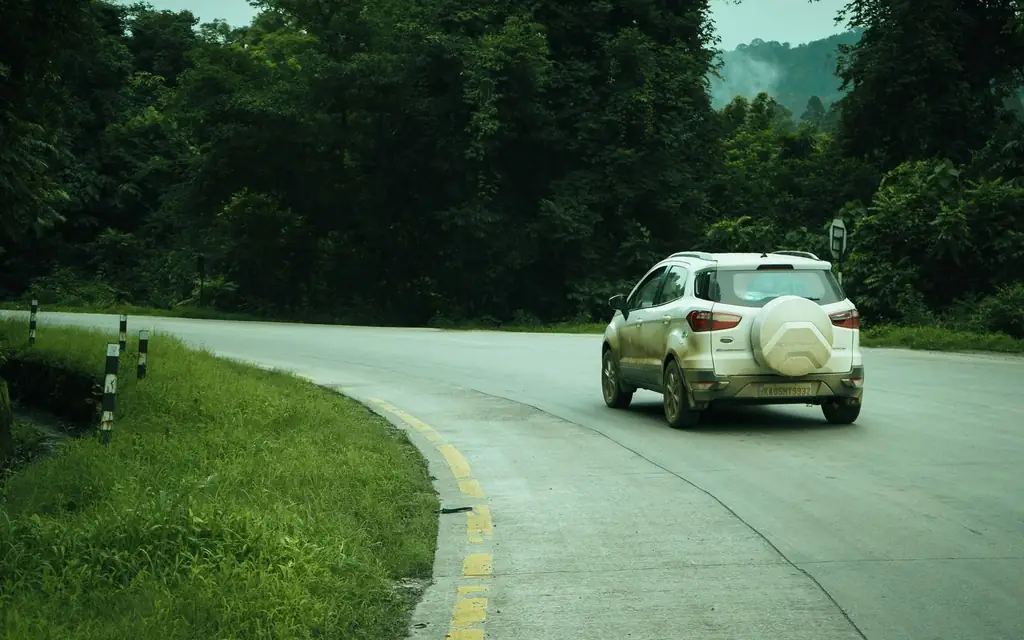
The Qutub Minar stands in Mehrauli, south Delhi, roughly 14 km (9 mi) from Indira Gandhi International Airport and about 15 km (9 mi) from Connaught Place. Allow 30 to 60 minutes in normal traffic, longer in the weekday evening rush. A chauffeur drops you near the entrance and waits.
Nobody climbs the Qutub Minar any more, and that is the first thing a Qutub Minar private tour with a driver should tell you. The tower is the centrepiece, but the real visit is a wander through the ruined mosque, the carved arches, the old iron pillar and the lawns that fill the rest of the complex. Because it is one of Delhi's most photographed monuments and sits in a crowded neighbourhood, the logistics of the last kilometre are the difference between a relaxed hour and a stressful one.
The tower in one paragraph
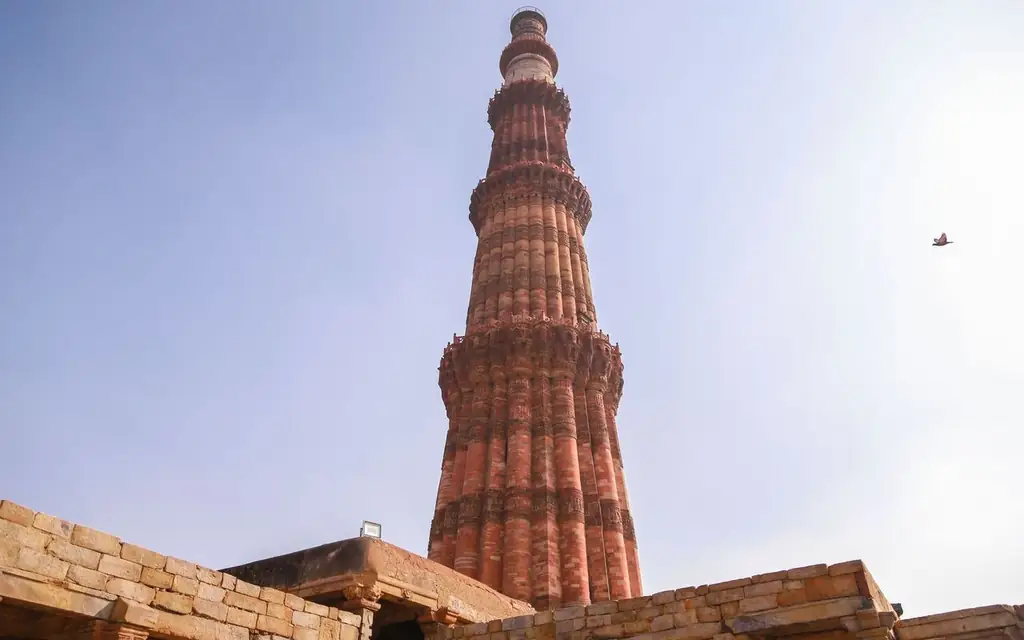
According to the Ministry of Tourism's Incredible India page, Qutb-ud-din Aibak, founder of the Delhi Sultanate, began the tower in 1199 as a victory tower of red and buff sandstone. His successor Iltutmish added three more storeys, and later rulers including Firuz Shah Tughlaq and Sikandar Lodi repaired it; Sher Shah Suri added an entrance. It stands 72.5 metres (237.8 feet) high, it is a UNESCO World Heritage Site, and Incredible India's Delhi overview calls it the tallest masonry tower in India. The profile is a fluted shaft with projecting balconies, tapering upward, with bands of Arabic script and carved ornament.
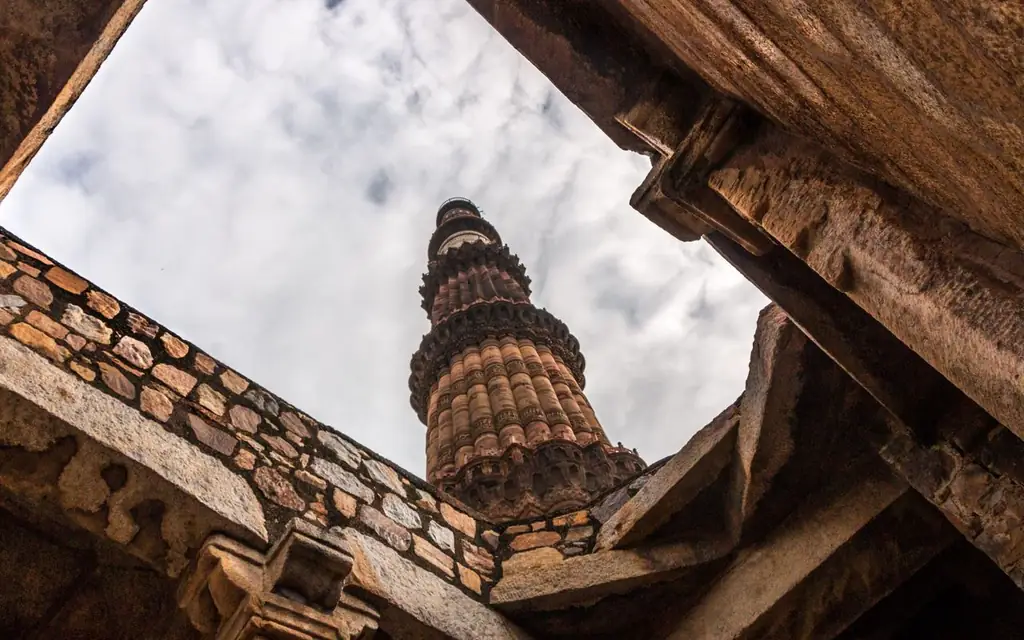
Everything else in the complex is older than your mental map of Delhi suggests, which is the reason to come.
Opening hours, tickets and what the listing does not say
The Incredible India listing gives opening hours as sunrise to sunset, which may vary seasonally. It does not give a weekly closure, but that should not be treated as a promise: monuments in India are sometimes closed for special events and security reasons. Tickets are sold through the official monuments booking page, and the Archaeological Survey of India's website links to the ticketing portal. We do not quote Qutub Minar ticket prices; confirm the foreign-visitor fee on the portal when you book.
Two practical points. First, the daylight window shifts across the year, so a winter visit has less time after a late morning start. Second, buy the ticket before you arrive. The gate queue is rarely long, but a phone with weak signal can slow a purchase at the counter.
Where the car stops and what you walk
Mehrauli is an old, tightly built village area, and the lanes around the complex are narrow. The chauffeur's job is to find the nearest permitted drop-off and a place to wait. In practice that usually means an approach by the main roads from the south and the entrance a few minutes' walk from where the car stops. The details of parking change with local traffic orders and events, so we do not promise a specific bay; the chauffeur confirms it on the day and sends you the meeting point.
Tips that make this easier:
- Arrive at opening, when the roads are quiet and the stone is cool.
- Avoid the afternoon peak when tour coaches arrive together.
- Keep your pickup point simple. Agree on a landmark, not a street name, since lane names around Mehrauli are confusing.
- Take the metro for the last stretch if you wish. The Qutub Minar station on the Delhi Metro's yellow line is a short auto-rickshaw ride from the entrance, which can help on very busy days.
What to see inside the complex
The tower draws the eye, but spend time on the rest.
- The Quwwat-ul-Islam mosque, the oldest in Delhi, built with stones from earlier temples; the carved pillars and arches show reused material.
- The Iron Pillar, a rust-resistant column of ancient origin standing in the mosque courtyard.
- The Alai Darwaza, a domed gateway with fine geometric work in red sandstone and white marble.
- The unfinished Alai Minar, a stump intended to be far taller than the Qutub.
- The tombs and arcades at the edges of the lawns, quiet and shaded in the late afternoon.
You cannot climb the tower. It was opened to visitors for decades and closed after a tragic accident in 1981, and it has stayed closed. Treat it as a monument to look at, not up. Allow 60 to 90 minutes for the whole site; photographers will want more.
Reading the complex like a historian
The Qutub is easier to enjoy if you know what you are looking at. The mosque and tower together mark the beginning of the Delhi Sultanate, the first of the long run of Islamic dynasties that ruled from the city. The Iron Pillar in the mosque courtyard is far older than the mosque, and it is one of the reasons the site draws metallurgists as well as tourists. The Alai Darwaza and the abandoned Alai Minar belong to a later ruler's ambitions, and the Alai Minar stands as a reminder of a tower that was begun on twice the scale and never completed.
Look for the reused carved stone in the mosque colonnades. The craftsmen who built the arches worked with material from earlier buildings, and the figures on the pillars were defaced rather than removed. Look also at the bands of calligraphy on the tower shaft, which mix Quranic verses and historical inscriptions. A guide can read them for you; without one, a close look at the lowest balcony shows how much finer the carving is than from the ground.
Best time of year and best hour
The cooler months from October to March are the pleasant ones; the Delhi page on Incredible India says so. In April to June the stone radiates heat and the open lawns offer little shade. The monsoon softens the light and thins the crowds but makes the lanes slippery.
On the hour: opening time, when the light is gold and the complex is quiet, is far better than noon. A late-afternoon visit also works because the low sun lights the sandstone and the crowds fall away.
Mehrauli beyond the gate
Mehrauli is one of Delhi's oldest continuously inhabited areas, and its lanes reward a slow walk if you have time. The Mehrauli Archaeological Park lies next to the complex and contains tombs, stepwells and ruined pavilions from several centuries, mostly less crowded than the main monument. Entry rules and opening hours for the park are set separately, so ask your guide or check before you plan the visit around it.

Cafes, galleries and craft shops have moved into converted buildings in the neighbourhood, which makes it an easy place for lunch. The streets are narrow and the traffic is mixed, so leave the car at the agreed point and walk. For a driver, the key is to keep the meeting point close to a main road and to avoid being drawn into side lanes.
Photography and light
The tower is best photographed from the base of the mosque courtyard, where the shaft rises above the arches, and from the lawns to the east, where the low light picks out the balconies. Early morning gives soft side light; late afternoon gives warmer tones. Wide-angle lenses help in the courtyard. Tripods are usually not permitted without permission, so check the rules at the ticket counter. Drones are not allowed at protected monuments in India without authorisation, and you should not fly one.
A south Delhi day by car
The Qutub complex fits neatly between other Delhi sights. A practical route:
- Morning pickup from your hotel or the airport. The airport run is about 14 km (9 mi).
- Qutub Minar at opening for 90 minutes.
- Mehrauli Archaeological Park, the cluster of tombs and stepwells just beside the complex; ask a guide or check the park's visiting rules before you go.
- Lunch in Mehrauli or in a nearby restaurant district.
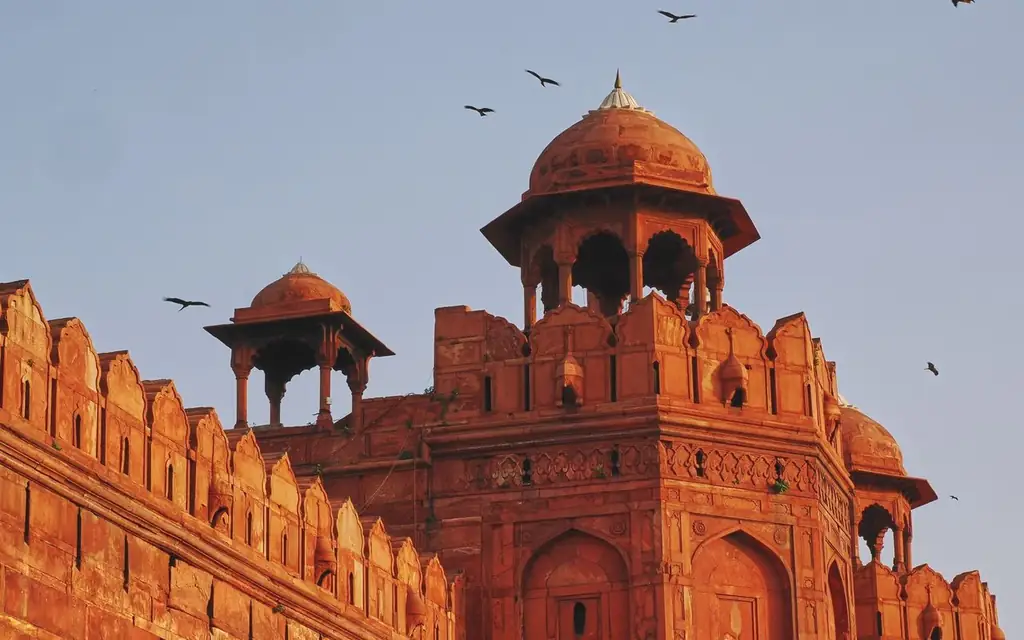
- Afternoon at a southern landmark, such as a garden or a market, or a drive back north to the Red Fort, about 18 km (11 mi) away. Our Red Fort guide covers the second half.
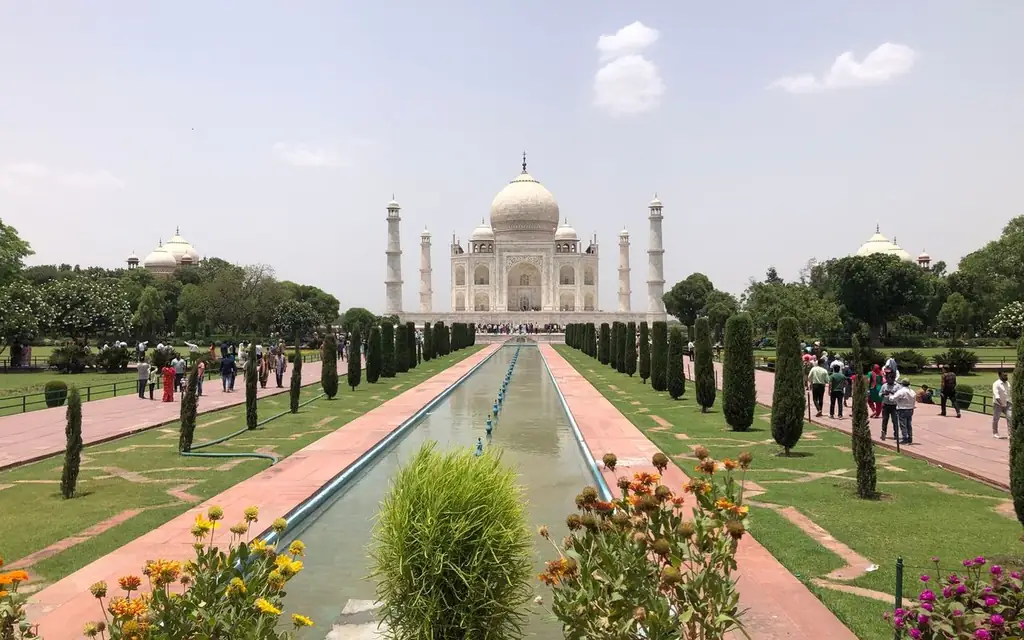
If you plan to head out of Delhi, our Taj Mahal guide shows how a Delhi day links to Agra. For a general view of our service in the capital, see the Delhi chauffeur service page. The driver-for-the-day option is described under private tours with a driver.
Road patterns on the south Delhi run
The approach from the airport normally runs south and east through the central roads and then down the main arteries of south Delhi toward Mehrauli. The route is fastest in the mid-morning and early afternoon, and slowest between about 17:00 and 20:00 on weekdays. If you arrive at the airport in the evening, and your first stop is the Qutub, expect the longer end of the 30 to 60 minute range. Rain slows everything.

For business travelers, the complex works as a two-hour break between meetings, especially if you are staying in Gurugram or Aerocity. A chauffeur can hold the car on a time-limited booking and bring you back to your next appointment. If you have a fixed meeting time, mention it when you book, so the schedule is built around it.
Dress and etiquette
The Qutub complex includes a mosque. Dress modestly with covered shoulders and knees, and take care around any area where people may be praying. The lawns are open and photography is allowed, but check signs on the interior of buildings. Do not climb on the ruins. There are food stalls outside, but eating inside is limited.
A licensed guide adds a great deal here because the inscriptions, the reused stones and the dynastic sequence are not obvious from the site. Your chauffeur drives and can suggest stops, but hire an approved guide at the gate or through your hotel for the history.
Accessibility and families
The main paths are largely level, and the lawns are open; some areas near the ruins have uneven ground and steps. Wheelchair users should tell our desk in advance so the chauffeur can aim for the closest permitted point and assist with the walk from the car. Children usually enjoy the open space more than the interiors, and the shade is thin, so bring hats and water.
How to reach the Qutub Minar compared
| Option | Typical time from airport | Cost note | Suits |
|---|---|---|---|
| Airport Express plus Delhi Metro yellow line | About 60 to 75 minutes with a change | Lowest | Solo travelers with light bags |
| Metered taxi or rideshare | 30 to 60 minutes | Metered or surge-priced | Two people, one stop |
| Private chauffeur | 30 to 60 minutes | Fixed fare via the booker | Groups, luggage, a multi-stop Delhi day |
| Hop-on tour coach | Fixed circuit | Low per seat | First-time visitors |
The metro is the lowest-cost route, and it is a good choice if you are travelling light and are happy to walk or take an auto-rickshaw at the end. A private car is better for families, anyone carrying luggage, and anyone planning a loop that includes the fort or other southern landmarks. Check the airports hub for how our airport pickups work, including flight tracking and 60 minutes of free waiting after international landings.
Pairing the tower with other regional sights
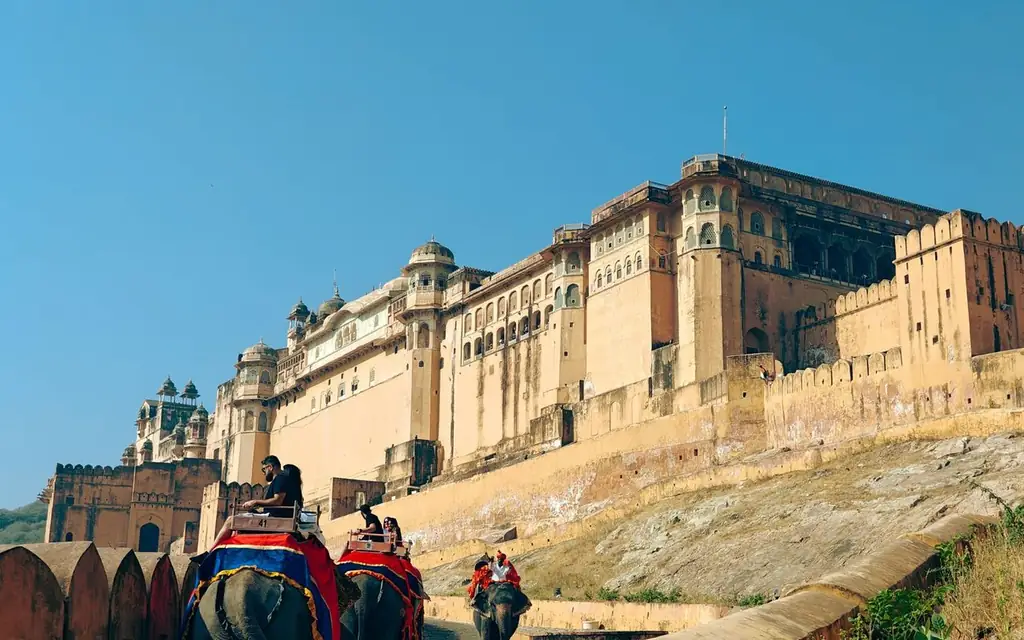
Delhi is the gateway to the north Indian circuit. The standard order is Delhi, Agra, Jaipur, then on to Rajasthan. If you are heading to Jaipur next, our Amber Fort guide explains how to plan the day. For other attraction guides in the region, browse the Asia-Pacific directory and the attractions hub.
Tourist offices and visitor centres can arrange chauffeured visits for their guests through a trade account with LimousineWorldwideDirectory.com.
Frequently asked questions
How far is the Qutub Minar from Delhi airport?
Roughly 14 km (9 mi), taking 30 to 60 minutes in normal traffic. It is the closest of Delhi's main monuments to the airport.
Can I climb the Qutub Minar?
No. The tower has been closed to climbing since 1981. You can walk around the base and the complex, but the interior staircase is not open to visitors.
What are the Qutub Minar opening hours?
Incredible India lists sunrise to sunset, which varies with the season. Check the official listing before you travel, in case special events or security closures apply.
How long does a visit take?
Plan 60 to 90 minutes. Add time if you wish to explore the nearby Mehrauli Archaeological Park or hire a guide for a detailed tour.
Can the car park next to the entrance?
The lanes are narrow and parking rules change. Your chauffeur confirms the drop-off and waiting point on the day, usually a few minutes' walk from the gate.
Is there a dress code?
There is no strict code, but the complex includes a mosque, so modest clothing with covered shoulders and knees is respectful. Wear comfortable shoes.
Is the Qutub Minar worth visiting if I already saw the Red Fort?
Yes. They are different eras and styles: the Qutub complex is a Delhi Sultanate site from the 12th and 13th centuries, while the Red Fort is a Mughal fort of the 17th century. Many visitors see both in one day.
Can I book a chauffeur just for the Qutub Minar?
Yes. Enter your pickup, the Qutub Minar as the destination, and any extra stops in the booker. It shows the fixed fare before you confirm, and our 24/7 desk manages the booking.