
 United StatesJFK
 MexicoMEX
 BrazilGRU
 ArgentinaEZE
 ChileSCL
 ColombiaBOG
 PeruLIM
 PanamaPTY
 Costa RicaSJO
 Dominican RepublicPUJ
 JamaicaMBJ
 BahamasNAS
 BarbadosBGI
 United KingdomLHR
 IrelandDUB
 FranceCDG
 GermanyFRA
 NetherlandsAMS
 BelgiumBRU
 SwitzerlandZRH
 AustriaVIE
 ItalyFCO
 SpainMAD
 PortugalLIS
 GreeceATH
 TurkeyIST
 DenmarkCPH
 SwedenARN
 NorwayOSL
 FinlandHEL
 PolandWAW
 Czech RepublicPRG
 HungaryBUD
 IcelandKEF
 United Arab EmiratesDXB
 QatarDOH
 Saudi ArabiaRUH
 IsraelTLV
 EgyptCAI
 MoroccoCMN
 South AfricaJNB
 KenyaNBO
 NigeriaLOS
 IndiaDEL
 PakistanLHE
 Sri LankaCMB
 SingaporeSIN
 MalaysiaKUL
 ThailandBKK
 VietnamSGN
 PhilippinesMNL
 IndonesiaCGK
 Hong KongHKG
 ChinaPVG
 TaiwanTPE
 JapanHND
 South KoreaICN
 AustraliaSYD
 New ZealandAKL
Do you need a reservation to visit Rocky Mountain National Park by car?
In season, usually yes. In 2026 the park required a timed entry reservation between 9 am and 2 pm from May 22 to October 12, and a Bear Lake Road corridor option from 5 am to 6 pm until October 18. Outside those windows no reservation was needed. Dates are set each year.
That answer is why the calendar matters more than the map for Rocky Mountain National Park. The system was published by the National Park Service for 2026: a Timed Entry permit covered all park areas except the Bear Lake Road corridor, including Trail Ridge Road, the Alpine Visitor Center, Wild Basin and the west side, between 9 am and 2 pm. A second option, Timed Entry plus Bear Lake Road, covered the Bear Lake Road corridor, which includes Moraine Park, Sprague Lake, Glacier Gorge and Bear Lake, for a wider daily window. Reservations are made only on Recreation.gov, by phone or through the app, and carry a non-refundable $2 processing fee, in addition to the park entrance pass.
The park also publishes useful exceptions. Visitors who arrive before 9 am or after 2 pm do not need a timed entry reservation, cyclists do not need one, and hikers arriving by vehicle do. Commercial Use Authorization and Special Use Permit holders and commercial tours are exempt. Whether a particular chauffeured trip falls into that category depends on how the operator is authorized, so our desk confirms the position at booking rather than assuming it.
As of mid-October 2026 the general timed entry period has ended and the Bear Lake corridor window closes on October 18. For any later date, check the park's timed entry page for the next season. For the wider format of this kind of day see our page on private tours with a driver and the North America directory.
Distances from Denver, Boulder and the airport
The park's directions page gives the main numbers. From Denver, the route through Boulder on I-25 and US 36 to Estes Park is 66 miles (106 km) and takes about 1.5 to 2 hours. A slightly longer route on Highway 66 is 71 miles (114 km), and the Peak to Peak Scenic Byway adds up to 108 miles (174 km) and 2.5 to 3 hours. From the west side, the drive from I-70 near Empire to Grand Lake is 61 miles (98 km), about 1.5 to 2 hours, and from Kremmling to Grand Lake is 42 miles (66 km).
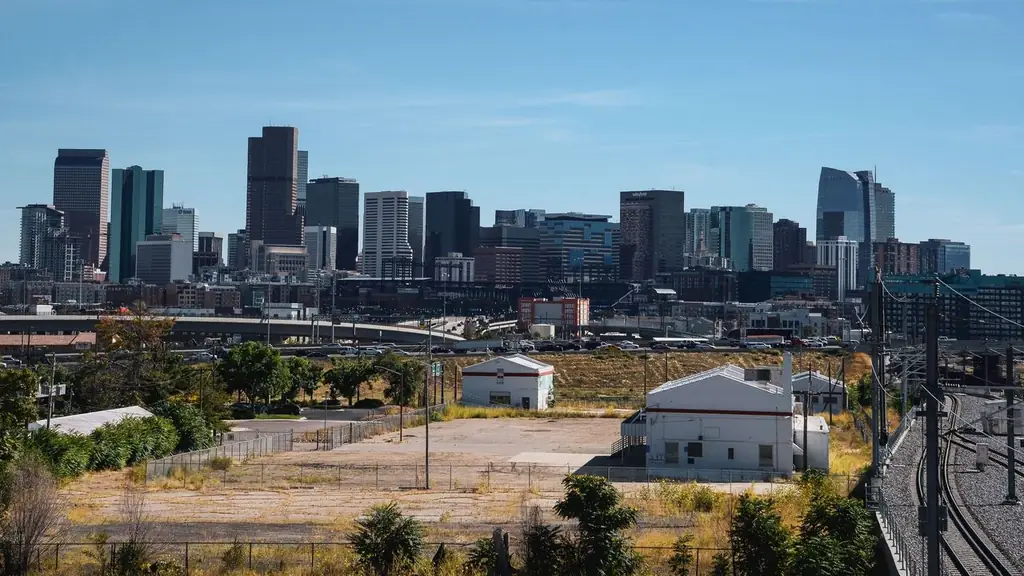
Denver International Airport sits on the opposite side of the metro area from the mountains, so allow two to two and a half hours door to door from the terminal to Estes Park in normal traffic, longer on Friday evenings. The park notes that no public transportation runs from the airport to the park, though a commercial shuttle serves Estes Park. A private car solves that gap. For the Denver end see our Denver limo service page, and for the U.S. gateways in general the airports hub.
Estes Park, the town on the east side, is the usual base. The Visit Estes Park site lists free shuttle buses within the town and links the timed entry reservation page. The park's entrances and roads continue west across the Continental Divide to Grand Lake.
Trail Ridge Road: the drive that defines the park
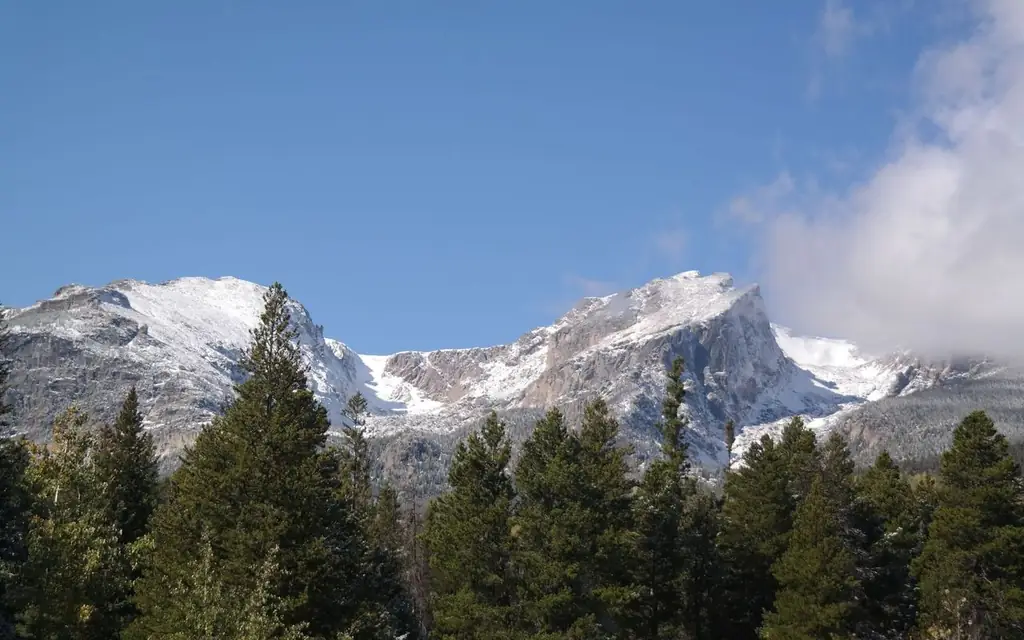
Trail Ridge Road crosses the park between Estes Park and Grand Lake and climbs above the tree line. Reports describe it as the highest continuous paved road in the United States, reaching 12,183 feet (about 3,713 m), with 11 miles above 11,500 feet, few guard rails and no shoulders. It is not designed to be an all-season road. The NPS says it is closed from about mid-October through late May, and in practice closing depends on snow, with gates at Many Parks Curve on the east side and the Colorado River Trailhead on the west. Press reports of past years note an average winter closure near late October, with a normal reopening in the last week of May, weather permitting.
For a chauffeured day, Trail Ridge Road is both the highlight and the main uncertainty. In autumn, ask the desk to check road status the morning of travel, and expect that a day planned for late October may become a day on Bear Lake Road and the lower valleys instead. When the road is open, the full crossing from Estes Park to Grand Lake lets a car change ends of the park, which is difficult for self-drivers who have to return to a parked car.
Bear Lake Road, parking and where a car can wait
The Bear Lake Road corridor is the most visited part of the park, and the timed entry rule treats it separately. Re-entry to the corridor later in the day is allowed only after 2 pm. If you want to hike from Glacier Gorge or Bear Lake, a morning entry is the usual approach, and your chauffeur can drop you at the trailhead area and wait in the parking lot or return at an agreed time.
The park's pages do not give a reliable time when Bear Lake lots fill, and the sensible assumption in season is that they fill early. Arriving before 9 am avoids the timed entry window altogether in the main season, but means an early start from Denver, usually leaving by 6 am. In the colder months the corridor is quieter. Staying overnight in Estes Park the night before is the most relaxed way to do it.
Cell service can be patchy in the park, and conditions can change rapidly above the tree line. Tell your chauffeur your intended return time and any hike plan, and carry water and layers. The chauffeur is a driver, not a guide, and where a trail or route calls for a licensed guide or a permit, arrange that separately.
Altitude, weather and what to pack
Estes Park already sits at high elevation, and the park climbs much higher. Visitors from sea level may feel short of breath, headaches or tiredness on the first day, so drink water, take it slowly and avoid heavy exertion on arrival. Weather changes quickly in the mountains: a warm morning can become a cold, windy afternoon, and snow is possible at the high points in autumn.
Pack layers, a rain shell, sun protection, sturdy shoes and snacks. In the car, our vehicles carry water and phone chargers in most cases, and child, toddler and booster seats can be added on request. Wildlife, especially elk, is common in the meadows near Estes Park and Moraine Park in autumn; keep the distances the park requires and do not approach animals for photographs.
A day plan from Denver in season
Early start (6 am): depart Denver or Boulder for the 106 km (66 mile) drive to Estes Park via US 36. Arrive before 9 am to avoid the timed entry window, or hold a Timed Entry reservation for a later arrival.
Morning: Bear Lake Road corridor, a short walk around Bear Lake or Sprague Lake, and a stop at one of the lower meadows for wildlife.
Midday: lunch in Estes Park, where the town's free shuttle buses and restaurants make a convenient break.
Afternoon: if Trail Ridge Road is open, drive up toward the Alpine Visitor Center for the tundra views, then return the same way or carry on to Grand Lake if the car is meeting you there. Leave the park by late afternoon to avoid the evening return traffic on US 36.
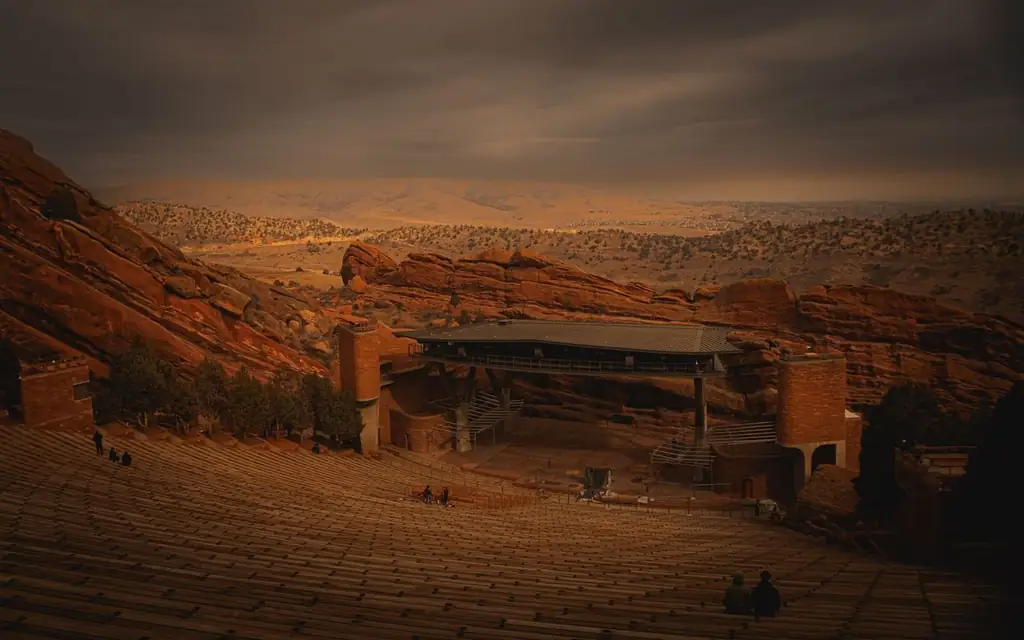
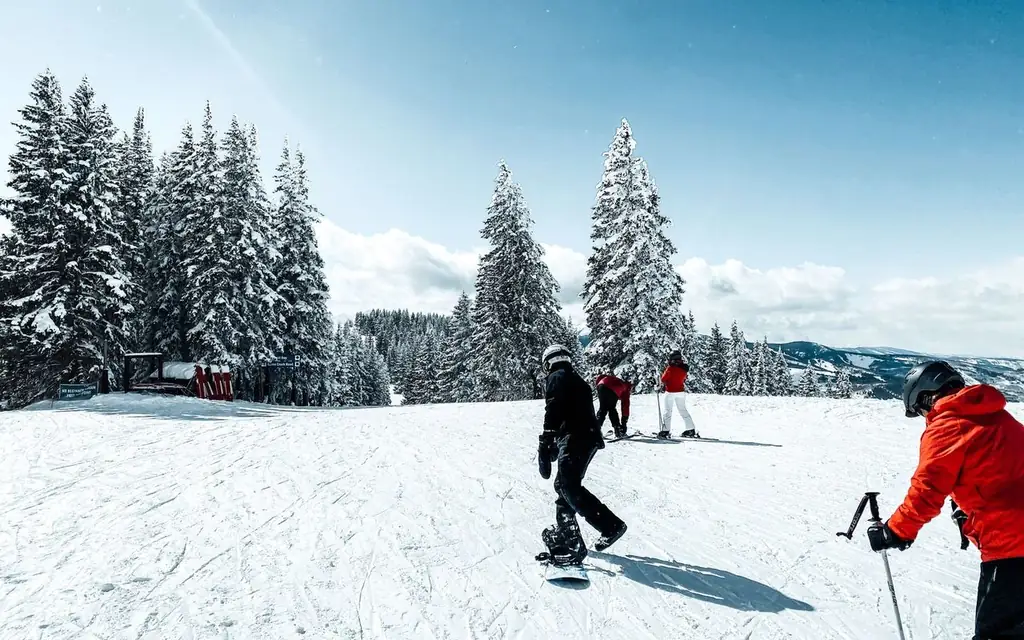
The same region has other full-day trips. Our guides to Red Rocks Amphitheatre, Vail Ski Resort and Aspen Snowmass each give the road conditions and distances from Denver.
Choosing a short hike or a drive-only day
Not every visitor wants a long trail, and the park suits both. The Bear Lake Road corridor, which the timed entry rules list as Moraine Park, Sprague Lake, Glacier Gorge and Bear Lake, has several short walks close to parking. Wild Basin, on the southeast side, is covered by the standard Timed Entry option in season. Trail Ridge Road itself is a sightseeing drive: you can stop at pull-outs, look across the tundra and return without a long walk.
For a drive-only day, tell the desk that the group prefers viewpoints to hiking, and the chauffeur can plan slow stops rather than trailhead drop-offs. For hikers, agree the trailhead, the expected return time and a fallback if weather closes the route. Park rangers and the visitor centers can give current trail conditions, and a chauffeur is not a substitute for that local advice.
Autumn, elk and the shoulder season
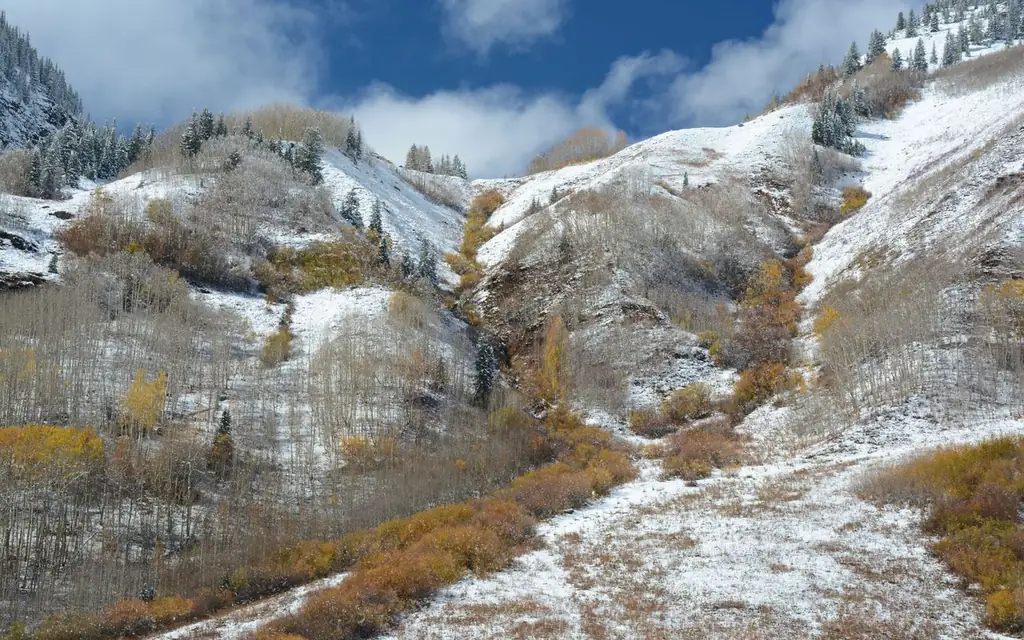
Autumn is a favorite time for visitors who want gold aspens and quieter trails, and it coincides with the end of the timed entry season. Elk are commonly seen in the meadows around Estes Park and in Moraine Park at this time of year, and the park asks visitors to keep their distance. Weekdays in October are generally calmer than weekends, and early November brings the first serious winter weather.

If you plan a late-season visit, build in a margin. Roads can close for snow with little notice, services in Estes Park change their hours, and the light fades earlier. A chauffeur can wait warmly in the vehicle, but you will want to set a firm pickup time and be ready to adjust it.
Ways to reach Rocky Mountain National Park compared
| Option | Time from Denver | Cost note | Who it suits |
|---|---|---|---|
| Private chauffeur, Luxury SUV or Executive Sprinter | About 1.5 to 2 hours to Estes Park | Fixed fare via the booker | Groups, families, executives and guests landing at DIA |
| Rental car | About 1.5 to 2 hours | Lowest for confident mountain drivers | Self-drivers who will use their own timing |
| Commercial airport shuttle to Estes Park | Longer, with stops | Per-seat | Solo travelers with light bags |
| Guided tour from Denver or Boulder | A full day | Per-seat | Travelers who want an interpreter |
| Estes Park free shuttle buses | Within town | None | Guests already based in Estes Park |
| Bus from Denver | Varies | Lowest | Budget travelers prepared for connections |
For a couple comfortable with mountain driving, a rental car is the lowest-cost route and provides total flexibility. A chauffeur is better when you are landing late at the airport, traveling with older family members or children, doing a winter trip when snow and ice affect the road, or want to cross the park in one direction and be collected at the other end.
Winter and shoulder-season visits
In late autumn, winter and early spring the park looks different. The Trail Ridge Road gates close the high road, and a day trip concentrates on the Bear Lake Road corridor, Moraine Park, Horseshoe Park and the Kawuneeche Valley section of the road, which usually remain open. Timed entry is not in force outside the published windows. Traction requirements may apply on mountain highways, and a forecast can still change plans.
If the weather turns, tell the desk early. Cancellation is counted back from the scheduled pickup time: no charge beyond 72 hours, 10% inside 72 hours, 50% inside 48 hours and 100% inside 24 hours or on a no-show. A large event can carry its own deadline, which the confirmation spells out.
What stands behind a mountain transfer
A vetted, licensed and commercially insured local operator from our directory provides the driver and the vehicle. The worldwide desk, which answers at any hour, books the trip, confirms it and issues one invoice, so a change of plan on a snowy morning means one call. Cars are late-model, maintained and inspected, and most carry water and phone chargers. Visitor bureaus and tourist offices can arrange chauffeur services for guests through a trade account, and corporate accounts invoice monthly.

Frequently asked questions
Do I need a timed entry reservation for Rocky Mountain National Park?
During the published windows, yes. In 2026 the window was 9 am to 2 pm from May 22 through October 12, with a Bear Lake Road option from 5 am to 6 pm through October 18. Outside those times no reservation was needed.
How far is Rocky Mountain National Park from Denver?
About 106 km (66 miles) via Boulder and US 36, taking roughly 1.5 to 2 hours. The Highway 66 route is 114 km (71 miles).
Is there public transportation from Denver airport to the park?
No. The park says there is no public transportation from the airport to the park, though a commercial shuttle runs from the airport to Estes Park.
When is Trail Ridge Road open?
Typically from late May until the first big snows, usually closing between mid-October and November. The NPS says it is closed from about mid-October through late May, and closings depend on conditions.
Do commercial tours need a timed entry reservation?
The park says commercial tours and Commercial Use Authorization holders do not need one. Ask our desk to confirm how your particular trip is classified.
What is the best time to visit?
Early morning, before the timed entry window opens at 9 am, gives the quietest conditions in season, and autumn weekdays are calmer than summer.
Is a chauffeur worth it for Rocky Mountain National Park?
It is a good choice for airport arrivals, winter driving, one-way crossings of the park and groups, and a rental car is the lower-cost choice for confident self-drivers.