 United StatesJFK
 MexicoMEX
 BrazilGRU
 ArgentinaEZE
 ChileSCL
 ColombiaBOG
 PeruLIM
 PanamaPTY
 Costa RicaSJO
 Dominican RepublicPUJ
 JamaicaMBJ
 BahamasNAS
 BarbadosBGI
 United KingdomLHR
 IrelandDUB
 FranceCDG
 GermanyFRA
 NetherlandsAMS
 BelgiumBRU
 SwitzerlandZRH
 AustriaVIE
 ItalyFCO
 SpainMAD
 PortugalLIS
 GreeceATH
 TurkeyIST
 DenmarkCPH
 SwedenARN
 NorwayOSL
 FinlandHEL
 PolandWAW
 Czech RepublicPRG
 HungaryBUD
 IcelandKEF
 United Arab EmiratesDXB
 QatarDOH
 Saudi ArabiaRUH
 IsraelTLV
 EgyptCAI
 MoroccoCMN
 South AfricaJNB
 KenyaNBO
 NigeriaLOS
 IndiaDEL
 PakistanLHE
 Sri LankaCMB
 SingaporeSIN
 MalaysiaKUL
 ThailandBKK
 VietnamSGN
 PhilippinesMNL
 IndonesiaCGK
 Hong KongHKG
 ChinaPVG
 TaiwanTPE
 JapanHND
 South KoreaICN
 AustraliaSYD
 New ZealandAKL
Three decisions shape a trip to the Salar de Uyuni, and none of them is the one visitors usually worry about. The first is how you get to the town of Uyuni, the second is which season you are traveling in, and the third is what kind of vehicle and driver will be on the salt. Once these are settled, the salt flat itself is simple: it is flat, white, and enormous. A Salar de Uyuni private tour with driver is the version of the trip where those three decisions are taken care of in advance.
This guide covers each of them, plus altitude, cold, what the authorities have said about licensing of operators, and how to pair Uyuni with the Atacama or with Peru. Prices for transfers are shown by the online booker before you confirm; any salt-flat excursion in a four-wheel-drive vehicle is arranged through the desk with a licensed local operator.
How do you get to the Salar de Uyuni?
Most travelers fly from La Paz to Uyuni, a flight of about one hour, then drive from Uyuni town to the salt flat. By road, La Paz to Uyuni is roughly 500 to 550 km (310 to 340 mi), with overnight buses taking 8 to 10 hours. Uyuni airport is about 3 km from the town center.
Flights to Uyuni are operated by Bolivian carriers; the national airline Boliviana de Aviación lists its schedules on the official BoA site, and timetables change, so check the current version before you book. Distances between La Paz and Uyuni vary by source, from about 490 to 550 km depending on the route measured. If you are traveling in the high season, flights fill up, particularly in the rainy months when travelers chase the mirror effect. For other airports on our network, see the airports hub.
Reaching Uyuni town: flight, road or from Potosí
- Flight from La Paz: about one hour, the fastest option and the one we recommend for most guests. Altitude at the airport is high, so move slowly.
- Road from La Paz: a long journey, 8 to 10 hours, partly on roads that are not fully paved. Overnight buses are common. A private vehicle can do it in a day but it is tiring and not our first suggestion.
- Road from Potosí or Sucre: a long drive of several hours on mountain roads; ask the desk for a current estimate.
The salt flat itself is a short run from Uyuni. A chauffeur or local driver collects you at the airport or your hotel and takes you across to Colchani, the salt-processing village at the edge of the flat. The Potosí departmental government reported paving of the Colchani access road in 2024, which improves the first leg.
Why the salt needs a 4x4 and a local driver
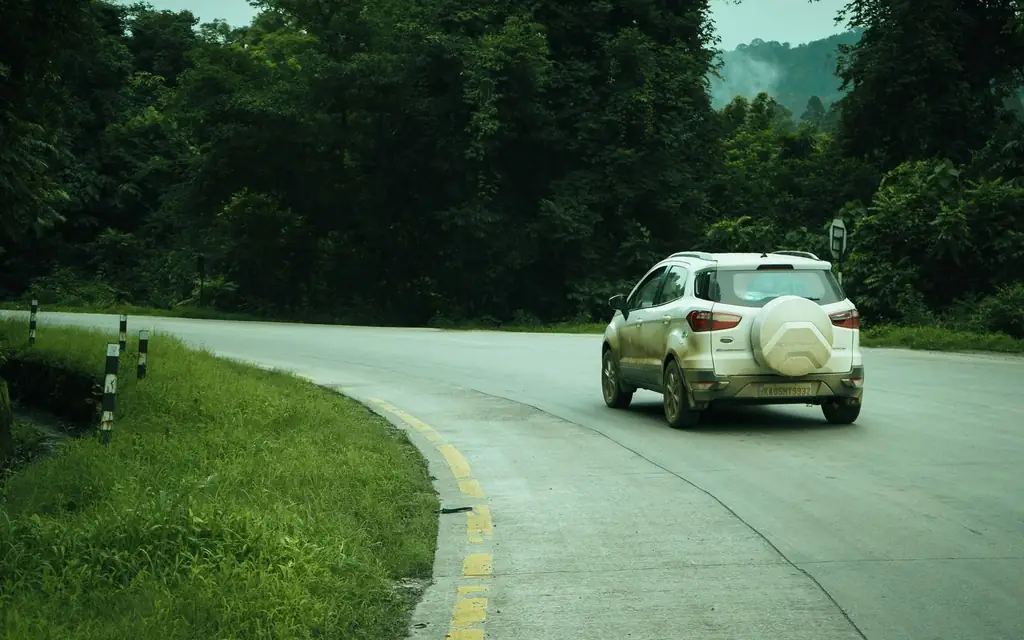
A standard sedan or minivan is not suitable on the salt. The crust is hard in dry weather but can be wet, soft or covered in a thin layer of water in other periods, and salt corrodes vehicles quickly. Local operators use four-wheel-drive vehicles, typically Toyota Land Cruiser types, and the drivers learn the surface by experience. On the flat there are no signs, few landmarks and many tracks, so a driver who reads the conditions and the horizon is essential for safety.
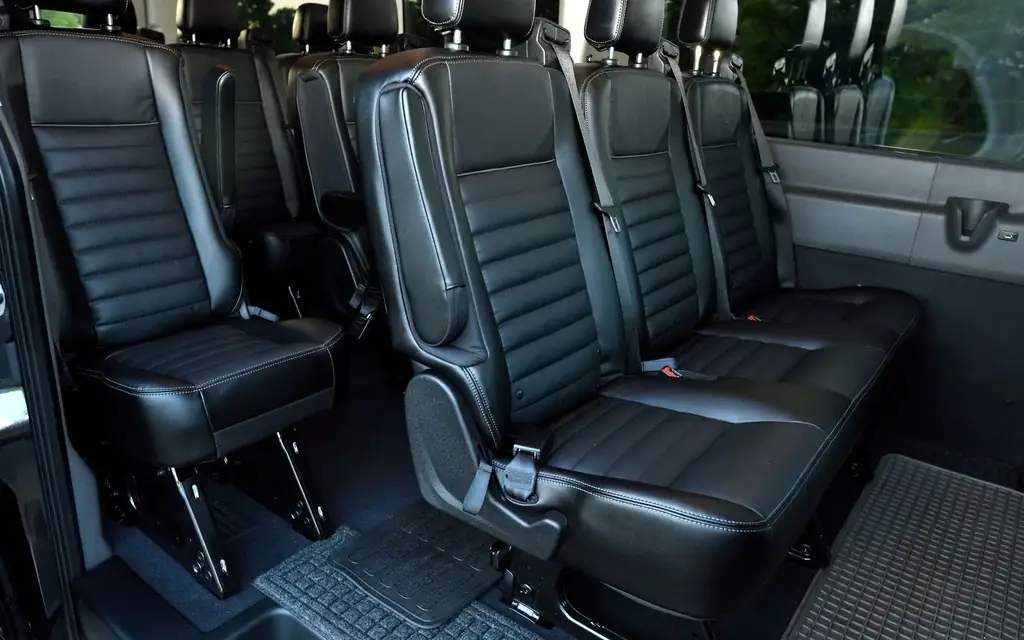
For that reason, we arrange the salt-flat portion as a private vehicle with a driver from a licensed local operator in Uyuni, booked and confirmed by our desk. The chauffeur service covers your transfers on the usual roads and the desk coordinates the 4x4 day. Exact vehicles are confirmed at booking.
The Potosí government has also taken an interest in licensing. In May 2024 it announced control booths at the entrance to the salt flat, to be staffed with the tourist police and tourism technicians, to check operating licenses and to identify illegal companies that allegedly recruit tourists at airports and hotels, as reported on the official Potosí government site. The same notice said more than 200 tourism operators serve the southwest of the department. The lesson for visitors is simple: use a registered operator, and ask to see licensing if you are unsure.
A day on the salt: Colchani, the flat and Incahuasi
A standard day starts in Uyuni and covers:
- Colchani: the village where salt is harvested and processed. Small stalls sell salt crafts. Allow 30 minutes.
- Salt hotels and monuments near the edge of the flat, depending on the operator.
- The flat itself: the open white surface where perspective photographs are taken. Allow 1 to 2 hours.
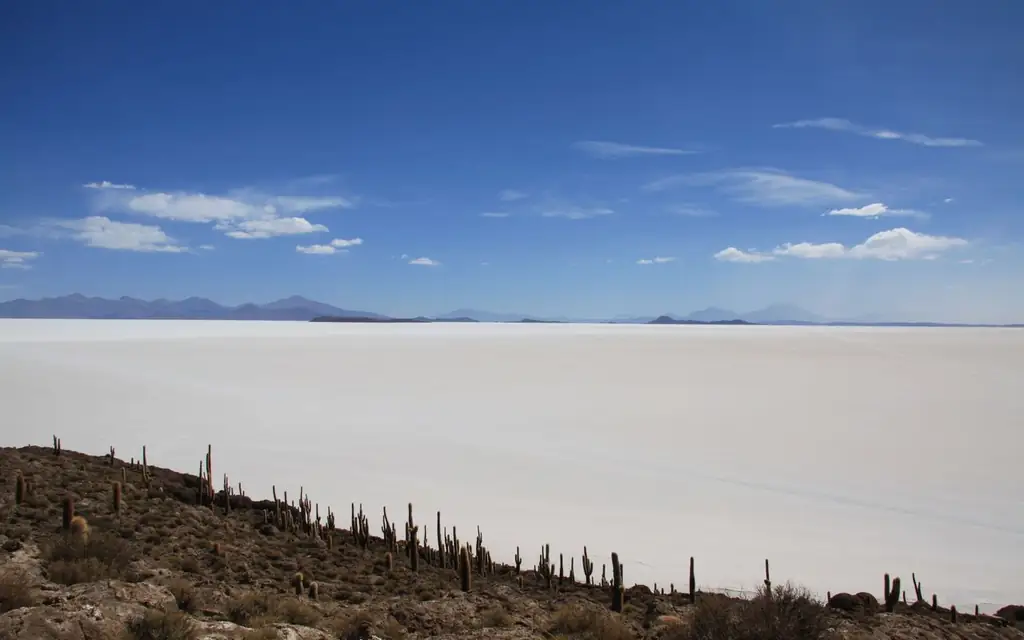
- Isla Incahuasi: a rocky outcrop covered in giant cacti in the middle of the salar, reached by a drive across the salt. It is normally accessible in the dry season but may be cut off when the surface is flooded.
- Sunset or sunrise: the two periods that most travelers plan for. At sunrise, the flat is cold, at sunset the light turns pink and orange.
The Ministry of Tourism describes the salar as a place where sky and earth seem to merge, and says it covers 10,582 square kilometers, lying at over 3,600 m. Tour length varies, but plan for 6 to 10 hours on a full day.
Wet season, dry season and the mirror
- Dry season (roughly May to October): the surface is solid and white with hexagonal salt patterns. All parts of the flat, including Incahuasi, are usually accessible. Days are sunny and nights very cold. October is in this period.
- Wet season (roughly December to March): a thin film of water turns the flat into a mirror of the sky, a spectacular effect that brings heavy demand. Some areas, including Incahuasi, may be inaccessible, and the water can be deep enough to affect routes. Conditions change daily.
Neither season is better in every respect. The mirror is the reason many people come, but the dry season gives the widest access and a more reliable timetable. A flooded flat in 2022 led to restrictions on access, as reported by Bolivian media at the time, which is why we ask you to treat any plan for the wet season as subject to conditions on the day.
Altitude, cold and sun
Uyuni sits at roughly 3,650 m. That is similar to the salt flat itself and higher than Cusco. Take it easy on the first day, drink water, avoid heavy meals and alcohol on arrival, and ask a doctor before you travel if you have heart or lung conditions. Altitude sickness can affect anyone regardless of fitness. If symptoms worsen, descend and seek medical help.
The sun is intense. At this altitude the UV level is high and the white surface reflects it, so sunglasses are essential and sunscreen applies to the underside of the chin and nose too. Nights are very cold, often below freezing in the dry season. Bring a warm hat, gloves and a down jacket for sunrise.
Photography, packing and an afternoon in town
Perspective, reflections and light
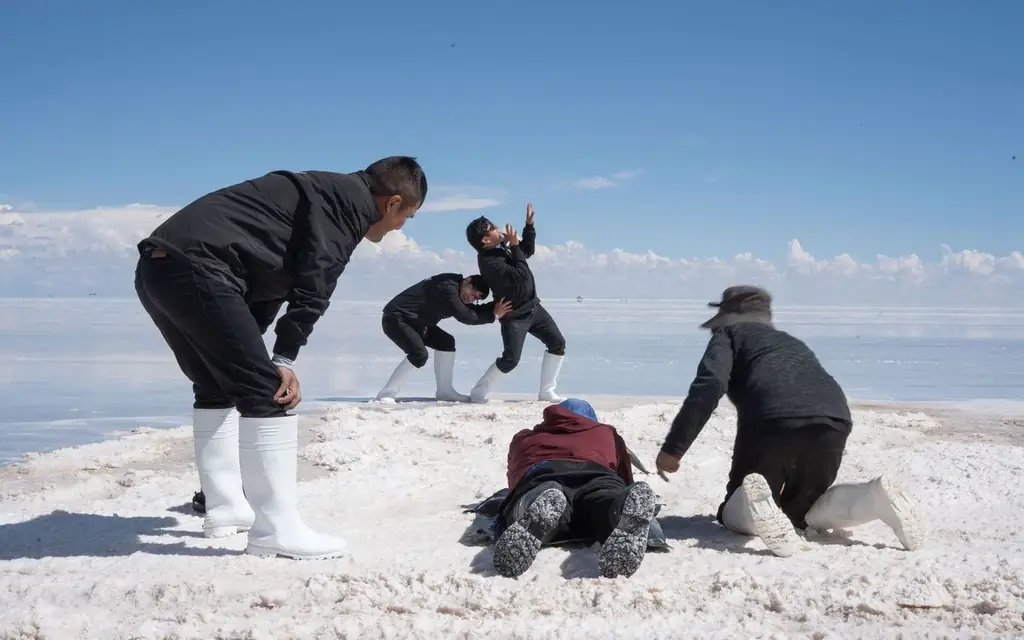
The flat has no reference points, which is why perspective pictures work so well: a person apparently standing in a cup, a toy animal looming over a traveler. Bring a small prop if you want to try them, and ask the driver to find a spot with a clean, hard surface. In the wet season, the opposite rule applies: low angles and a still surface give the best reflections, and your driver will position the vehicle so that its tracks stay out of the frame.
Light changes quickly. The hour after sunrise is cold and gold; midday is harsh and glaring; the last hour before sunset turns the salt pink. Bring more batteries than you think you need, because cold drains them fast, and keep spares in an inside pocket. Wipe lenses often, since salt dust gets onto everything. Drones are subject to Bolivian rules and may be restricted; ask the operator before packing one.
Uyuni town in an afternoon
Uyuni is a small, dusty railway town, and most visitors arrive with a plan to leave for the salt the next morning. If you have an afternoon, the cemetery of old steam locomotives on the edge of town is a short drive and a popular first stop. The main avenue has cafés and handicraft stalls, and hotels range from simple guesthouses to the better-known lodges built partly from salt blocks. Evenings are quiet and cold. If your hotel has no heating, ask for extra blankets before dark.
The town is flat, but the altitude makes even short walks tiring on the first day. Take a slow stroll rather than a hike, and save your energy for the sunrise.
What to pack for a day on the salt
- Sun: wide-brimmed hat, sunglasses with full UV protection, high-factor sunscreen and lip balm.
- Cold: warm layers, a windproof jacket, gloves and a hat for the dawn trip.
- Feet: closed shoes that you do not mind getting salty. In the wet season, waterproof boots or sandals that can be rinsed.
- Water and snacks: your operator will provide meals on a full-day tour, but carry a bottle of your own.
- Medication: anything you take regularly, plus anything your doctor recommends for altitude.
- Cash: small notes for stalls in Colchani and the island, where cards are rarely accepted.
Ways to see the salt flat compared
| Approach | Duration | Cost | Suited to |
|---|---|---|---|
| Shared group tour from Uyuni | Full day or 3-day circuit | Per seat | Solo travelers and flexible budgets |
| Local operator, private 4x4 | Full day, flexible start | Per vehicle | Couples, families and photographers |
| Self-drive | Not recommended | Not applicable | Not advised on the salt: surface, navigation and corrosion risks |
| Sunrise or sunset add-on | 2 to 4 hours | Per vehicle | Photography and avoiding midday crowds |
| Chauffeur transfers plus arranged private 4x4 | Door-to-door, one booking | Fixed fare via the booker for transfers | Travelers who want one confirmation and one invoice |
Group tours are the lowest cost and perfectly reasonable if you are comfortable with set timings. A private vehicle gives control over departure, photographic stops and pace, which matters at sunrise.
Longer routes: the lagoons and the Chilean border
The salt flat is the start of a longer circuit through southwestern Bolivia, with high lagoons colored by minerals, geysers and desert landscapes at altitudes above 4,000 m. Many travelers cross the border to San Pedro de Atacama in a three- or four-day journey, in a four-wheel-drive vehicle with a Bolivian operator. That route is operator-run and separate from our chauffeur service; read our guide to the Atacama Desert for the Chilean end. If you have the time, the circuit is one of the great overland journeys of the continent, but it requires tolerance of altitude, basic lodging and cold nights.
A two-day private plan
- Day 1, morning: fly La Paz to Uyuni. Chauffeur transfer to the hotel; rest.
- Day 1, afternoon: train graveyard on the edge of Uyuni, a short drive, then Colchani and the flat for sunset.
- Day 2, early: sunrise on the salt, then Incahuasi if conditions allow.
- Day 2, late morning: return to Uyuni for lunch and the flight back.
Leave a margin before flights: weather and flooding can delay returns. If you must catch a connection the same day, tell the desk.
Pairing Uyuni with Peru and the Andes
Travelers who come to Bolivia from Peru often arrive via Cusco and the Sacred Valley; see our guides to Cusco's historic centre and Machu Picchu. From the south, the Atacama is the natural neighbor. The Latin America and Caribbean directory lists all our guides, and the private tours with a driver page explains how day hire is arranged. The Bolivian government's tourism portal, Conoce Bolivia, lists the Salar de Uyuni and Lagunas de Colores among its featured destinations.

Frequently asked questions
How far is Uyuni from La Paz?
Roughly 500 to 550 km (310 to 340 mi) by road depending on the route, 8 to 10 hours by overnight bus. The flight takes about an hour.
Can I drive a normal car on the Salar de Uyuni?
No. Use a four-wheel-drive vehicle with a local driver. The surface can be soft or flooded, there are no road signs, and the salt corrodes vehicles.
When is the mirror effect at Salar de Uyuni?
During the rainy season, roughly December to March, when a thin layer of water covers the flat. Access to some areas, including Incahuasi, may be limited, and conditions change day to day.
What is the best time of year to visit the Salar de Uyuni?
The dry season, about May to October, gives the widest access and the most reliable timetable. The wet season gives the mirror effect but less predictability.
How high is the Salar de Uyuni?
About 3,650 m above sea level, covering 10,582 square kilometers according to Bolivia's Ministry of Tourism. Allow time to adjust to the altitude.
Is the Uyuni salt flat safe to visit?
Yes with a licensed operator and a driver who knows the surface. Check licensing, dress for the cold and sun, and respect altitude precautions.
Can I book a private transfer to Uyuni?
Yes. Use the online booker for fixed-fare quotes on road transfers; the desk coordinates the salt-flat day with a licensed local operator in Uyuni and sends one confirmation and one invoice.