
 United StatesJFK
 MexicoMEX
 BrazilGRU
 ArgentinaEZE
 ChileSCL
 ColombiaBOG
 PeruLIM
 PanamaPTY
 Costa RicaSJO
 Dominican RepublicPUJ
 JamaicaMBJ
 BahamasNAS
 BarbadosBGI
 United KingdomLHR
 IrelandDUB
 FranceCDG
 GermanyFRA
 NetherlandsAMS
 BelgiumBRU
 SwitzerlandZRH
 AustriaVIE
 ItalyFCO
 SpainMAD
 PortugalLIS
 GreeceATH
 TurkeyIST
 DenmarkCPH
 SwedenARN
 NorwayOSL
 FinlandHEL
 PolandWAW
 Czech RepublicPRG
 HungaryBUD
 IcelandKEF
 United Arab EmiratesDXB
 QatarDOH
 Saudi ArabiaRUH
 IsraelTLV
 EgyptCAI
 MoroccoCMN
 South AfricaJNB
 KenyaNBO
 NigeriaLOS
 IndiaDEL
 PakistanLHE
 Sri LankaCMB
 SingaporeSIN
 MalaysiaKUL
 ThailandBKK
 VietnamSGN
 PhilippinesMNL
 IndonesiaCGK
 Hong KongHKG
 ChinaPVG
 TaiwanTPE
 JapanHND
 South KoreaICN
 AustraliaSYD
 New ZealandAKL
Stanley Park is the rare large urban park where the best way to see it in two hours may well be a car. The park covers about 1,000 acres (405 hectares) on a peninsula at the edge of downtown Vancouver, and a one-way road circles it just inland of the seawall. On foot, the seawall alone is 9 to 10 km, depending on how it is measured. A stanley park private tour with driver compresses that into a loop of stops chosen for the view, with the option of leaving the car anywhere you want to walk.
This guide is written for people who will arrive by car from the airport, a downtown hotel or a cruise ship. It covers distances, how the loop works, where cars can stop, what costs money, and how to combine the park with Capilano, Grouse Mountain and the rest of the North Shore.
How do you get to Stanley Park by car from the airport and downtown?
Stanley Park is about 3 km (2 miles) and 10 minutes from Canada Place and the cruise terminal, and roughly 17 km (10.5 miles) and 30 to 40 minutes from Vancouver International Airport. Routes in run from Georgia Street or Beach Avenue; the park's loop road is one-way, counterclockwise.
Destination BC advises that the best driving routes into the park are from Georgia Street or Beach Avenue, and that parking can be hard to find. The airport transfer runs north across the Oak Street or Granville Street corridors into downtown; in rush hour allow 45 to 60 minutes. For the airport side, see the Vancouver airport page; for pickups in the city, the Vancouver limo service page explains what the desk arranges.
One road, one direction
Stanley Park Drive follows the park's perimeter in a single counterclockwise direction. A separate cycling and skating route on the seawall also flows counterclockwise, and on busy days both roads are shared by sightseeing vehicles, buses and bikes. In recent years one lane of the Drive has been reserved for cyclists, so check the Park Board for the current arrangement before you plan to drive the full loop.
The Stanley Park Causeway, the main road through the park, carries Highway 99 traffic toward Lions Gate Bridge and the North Shore. That traffic is a separate flow from the sightseeing loop. If your day also includes Capilano, the car leaves the park by the Causeway.
The loop is about 10 km, and with stops a leisurely circuit takes two to three hours.
The six stops that earn the car
- Brockton Point. The totem poles collected here are among the most visited sights in the park. Pay parking is available at Brockton Oval, beside them. Do not touch or climb the poles.
- Siwash Rock. A sea stack at the water's edge on the west side, linked to a Squamish legend that Destination BC summarizes as a story of "clean fatherhood". A short walk from the road.
- Third Beach. The usual choice for sunset, with driftwood and a woodsier setting than English Bay.
- Prospect Point. The park's highest viewpoint, about 64 m (210 ft) above sea level, with a platform above Lions Gate Bridge. Roadside parking is available on the quieter side.
- Lost Lagoon and Beaver Lake. Bird habitat, with herons and ducks, reached by short walks.
- The Vancouver Aquarium. A paid attraction inside the park; check its site for hours and entry rules.
The Nine O'Clock Gun, Brockton Point Lighthouse, the "Girl in a Wet Suit" sculpture and the Empress of Japan figurehead are along the seawall and add to the loop for walkers.
Parking, pay stations and what the chauffeur does
Parking inside the park is paid, through pay stations or a parking app; free street parking exists outside the park near English Bay and the West End. A chauffeur does not need to park for a drop at a viewpoint. The usual routine is that the car stops where it is safe and legal, you step out, and the driver goes ahead to the next stop or waits in a nearby lot.
Practical points:
- Expect delays when the lots at Brockton Oval, Prospect Point and Third Beach fill on summer weekends.
- Agree a meeting point at each stop; the one-way loop means the car and you can end up a longer walk apart than the map suggests.
- A fifteen-minute free waiting period applies to ordinary pickups; longer waits are arranged in the booking.
Walking, cycling or driving the seawall
The seawall is paved and flat, 9 to 10.5 km depending on the source, with Lions Gate Bridge roughly halfway. Cyclists and skaters move counterclockwise, and walkers may go either way. For a mixed group, a good tactic is to drive the loop with a chauffeur and then walk a single section, such as Third Beach to Siwash Rock, with the car meeting you at the end. The seawall is level, so most visitors with limited mobility can use short sections of it. Many restrooms close from November to April.
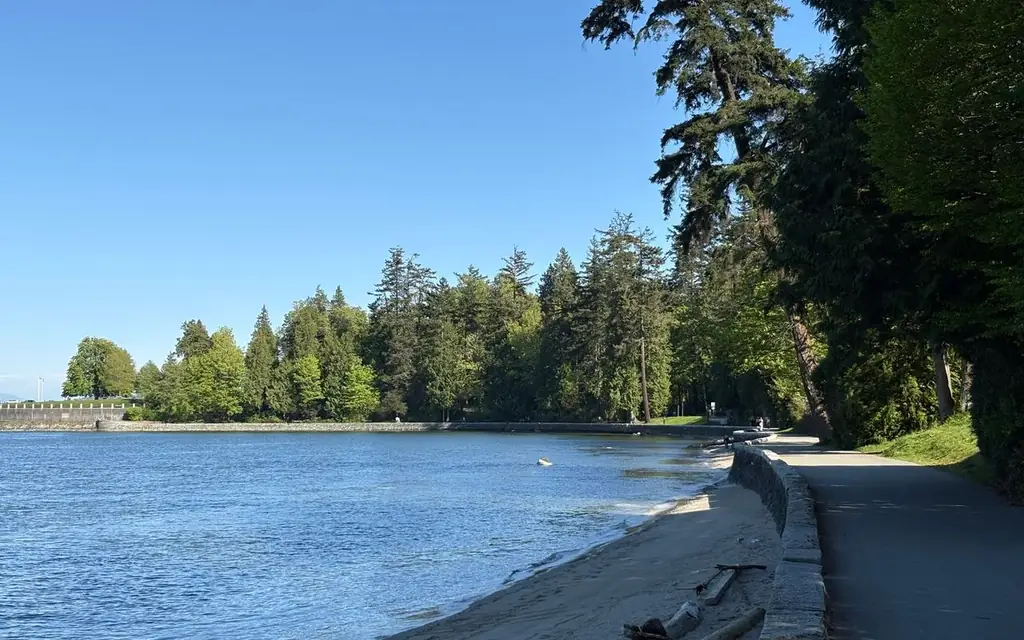
The seawall is itself a piece of civic history. Destination BC records that its final stone was laid on September 26, 1971, and that one stonemason, James Cunningham, worked on it from 1931 until he retired in 1963. Walking even a short section gives you a sense of the scale of that work, which runs along rock edges, beaches and the foot of the cliffs below Prospect Point. Dogs, bicycles and strollers share the paths, and the busiest sections are between Brockton Point and the aquarium and around Second and Third Beach.
What costs money and what does not
The park itself is free and always open. Ticketed or paid items inside it are the Vancouver Aquarium, any hop-on tour operating in the park, and parking. A free park shuttle has run daily from June to mid-September on some years, with about 14 stops; confirm with the Park Board whether it is operating before you rely on it. Nature programs are run by the Stanley Park Ecology Society from the Nature House at 610 Pipeline Road, and its website lists seasonal tours and events.
Best time of day and year
Early morning gives empty paths, calm water and the best light at Prospect Point. Weekday mornings are easiest for a driving loop. Sunset at Third Beach is popular and the lots fill early on warm evenings. In autumn and winter the park is quieter, the days are short and rain is frequent; a chauffeur loop works well because you can stay dry between viewpoints. Summer weekends are the hardest for parking. If you must go on a summer Saturday, start before 9 a.m. and reverse your plan: begin at Prospect Point, which Destination BC singles out as a quieter place to start, with roadside parking on the east side of Lions Gate Bridge, and finish at Brockton Point once the morning tour groups have moved on. Weekday afternoons in May, June and September give the best balance of light, temperature and space.
Rain, fog and winter visits
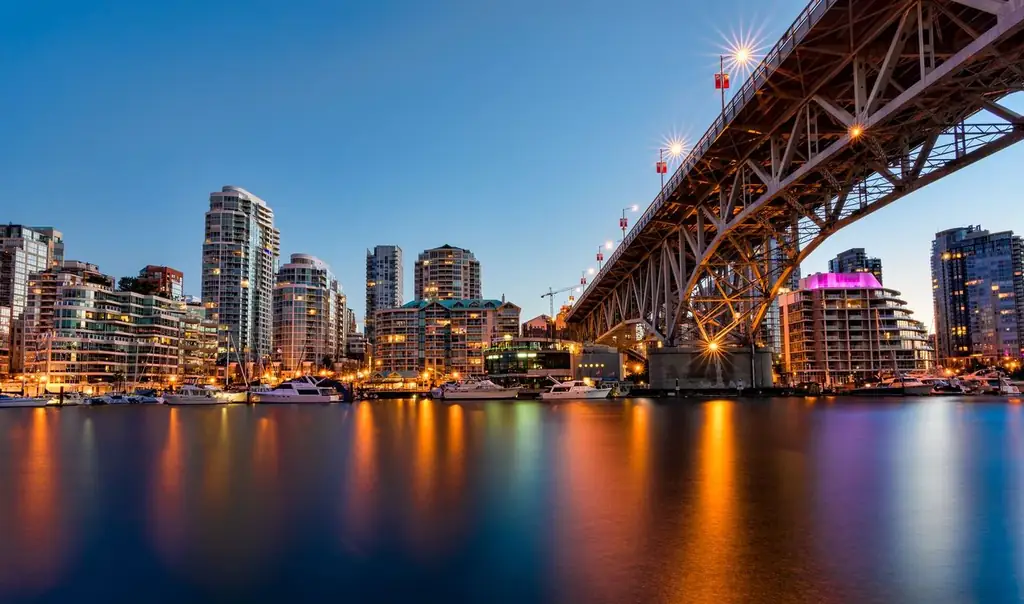
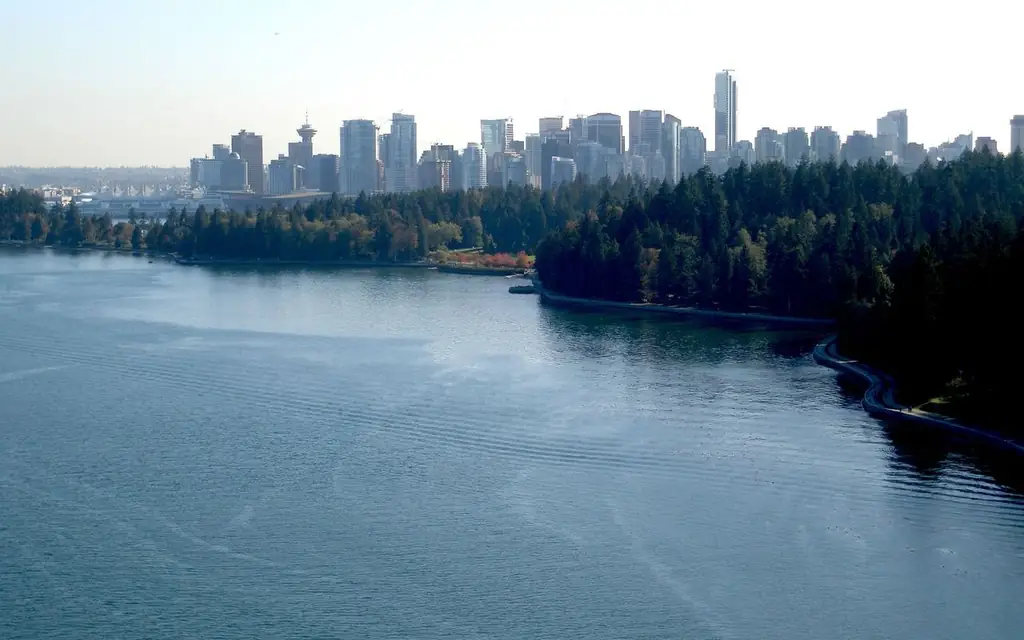
Vancouver's wet season runs from autumn through spring, and a drizzly day does not ruin the park. Mist on the water around Prospect Point can be atmospheric, and the forest is at its greenest. Plan the car loop for the dry intervals, keep the walks short, and wear shoes with grip, because the seawall and the forest paths are slick. Storm winds can bring down branches, and the Park Board may close sections of road or path; check its notices on the morning of your visit. In winter the days end by late afternoon, and the lit-up skyline across Coal Harbour from Brockton Point is one of the better evening views in the city.
A three-hour chauffeured loop
- 09:00 Pickup at your downtown hotel or Canada Place.
- 09:15 Brockton Point and the totem poles.
- 09:45 Prospect Point for the bridge view.
- 10:15 Siwash Rock and a short seawall stroll.
- 10:45 Third Beach, then Lost Lagoon on the way out.
- 11:30 Lunch in the West End or on to the North Shore.
A shorter 90-minute version drops Lost Lagoon and Beaver Lake and goes straight from Brockton Point to Prospect Point and Siwash Rock. A longer evening version starts at 17:00 and ends at Third Beach for sunset, with a pickup after dark. In either case, tell the desk the time you want to finish, and the chauffeur sets the pace.
For the afternoon, the Capilano Suspension Bridge guide covers the bridge about 15 minutes north over Lions Gate Bridge, and the Grouse Mountain guide adds the mountain above it. Guests staying in Vancouver for several days often pair this with the Granville Island guide, and a longer day trip north is described in the Sea to Sky Highway guide.
A cruise-ship day
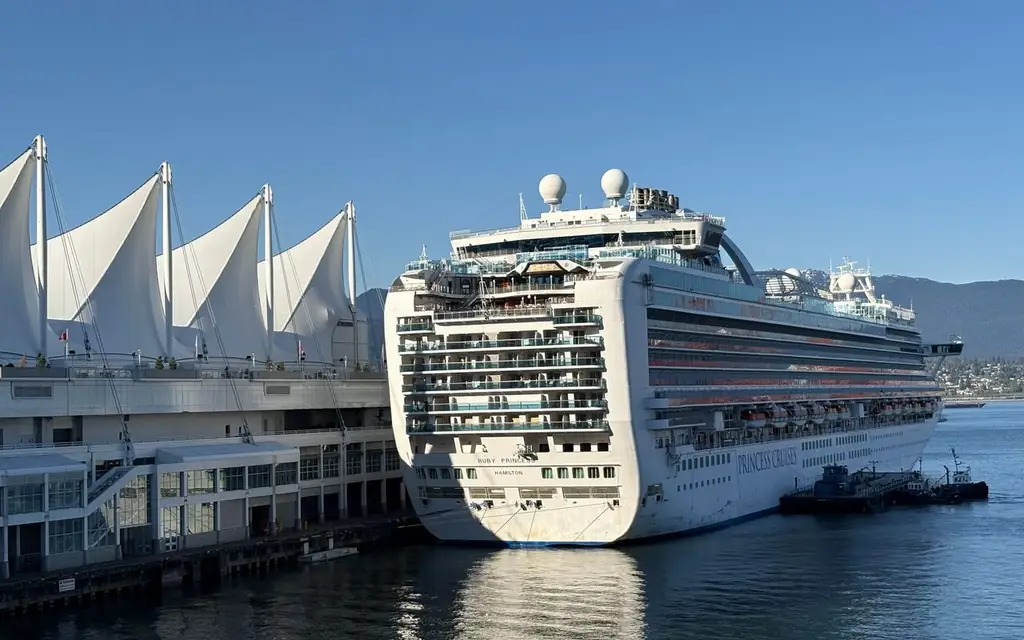
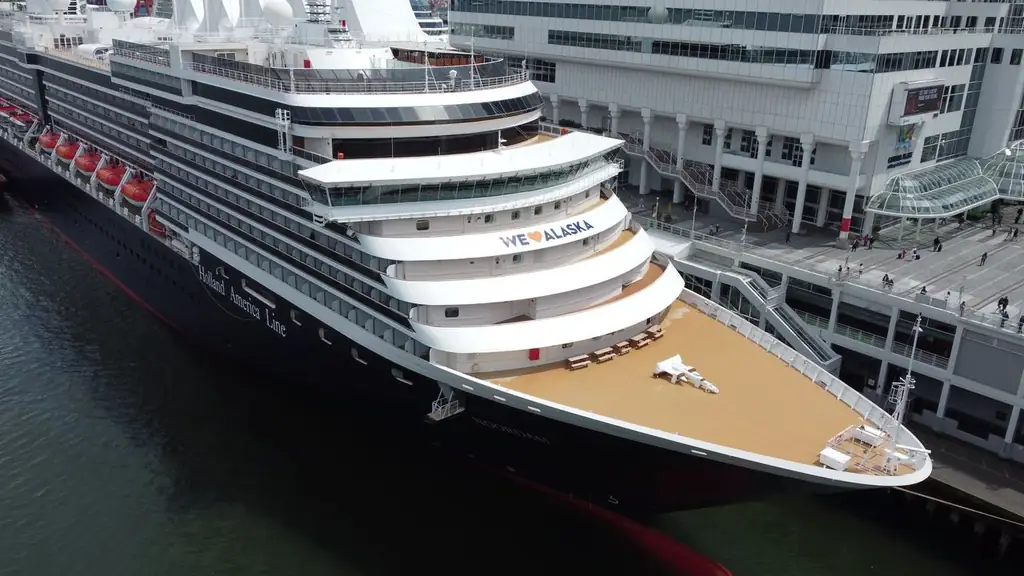
Vancouver's cruise terminal at Canada Place is a short drive from the park's Georgia Street entrance, which makes Stanley Park a popular shore stop. Work back from the all-aboard time on your ship's schedule and leave at least an hour of buffer. The Canada Place cruise port page explains pickup logistics at the terminal, and the chauffeur can have the loop done in under two hours if you are tight on time. Embarkation day works the other way round: if you land at the airport and sail the same day, the run to Canada Place is about 15 km (9 miles) and 25 to 35 minutes in normal traffic, and a stop at the park on the way is feasible only if your boarding time is several hours away. Luggage stays in the vehicle during the loop, so the driver can take it directly to the terminal afterward.
If you are arriving in Vancouver ahead of a cruise and have a half day, the better order is usually the park first, then lunch, then the terminal, so that a delay at the park does not push you against boarding cut-offs. Share your ship name and boarding window with the desk so the plan can be built around them.
Ways to see the park compared
| Option | Time for the park | Cost note | Best for |
|---|---|---|---|
| Walking the seawall | 3 to 4 hrs | Free | Fit visitors with time |
| Cycling | 1 to 2 hrs | Hire fee | Active visitors in dry weather |
| Free park shuttle (when operating) | About 45 min per circuit | Free | Budget travelers in summer |
| Hop-on tour trolley | 24-hour passes | Per seat | Visitors who want commentary |
| Taxi | Flexible | Metered | Short point-to-point hops |
| Rideshare | Flexible | Surge-priced at peaks | Getting in or out, not looping |
| Private chauffeur | 2 to 3 hrs | Fixed fare via the booker | Groups, mixed mobility, a tight schedule |
If you are fit and the weather is fine, cycling the seawall is hard to beat and costs far less than a car. The chauffeur is the right answer when the group includes older relatives, when it is raining, or when the park is one of four stops that day.
Wildlife and respect
Raccoons, squirrels and coyotes live in the park; do not feed them, even though some are used to handouts. The park sits on the traditional territory of Coast Salish peoples, and the totem poles and Siwash Rock carry meaning that deserves quiet attention. Keep to paths, do not climb the poles or the rock, and ask before photographing people. The Stanley Park Ecology Society looks after conservation and education in the park and notes herons, wood ducks at Beaver Lake and, in spring, whales seen in the waters nearby. Further information is on the Destination Vancouver site and the Destination BC Stanley Park page. The private tours with a driver page and the North America directory show how a larger itinerary is arranged.
Frequently asked questions
How far is Stanley Park from downtown Vancouver?
It borders downtown. From Canada Place it is about 3 km (2 miles) and 10 minutes by car; from the airport about 17 km (10.5 miles) and 30 to 40 minutes.
Can you drive through Stanley Park?
Yes. Stanley Park Drive is a one-way loop, counterclockwise. Check the Park Board for lane arrangements, because one lane has been reserved for cyclists in recent years.
Is Stanley Park free?
Yes, the park is free to enter. The Vancouver Aquarium, parking and any tour operators charge their own prices.
How long does it take to see Stanley Park by car?
Two to three hours for a loop with stops at Brockton Point, Prospect Point, Siwash Rock and Third Beach. A full day suits walkers and cyclists.
How long is the Stanley Park seawall?
About 9 to 10.5 km (5.6 to 6.5 miles), depending on the source. Cyclists and skaters go counterclockwise; walkers can go either way.
Where can a car stop in Stanley Park?
At the signed parking areas, such as Brockton Oval and Prospect Point, and at legal pull-outs. Paid parking is by pay station or app; the chauffeur picks a legal drop.
What is the best sunset spot?
Third Beach is a popular choice, on the west side with a woodsier setting. Arrive early on warm evenings because parking fills.
Can I combine Stanley Park with Capilano Suspension Bridge?
Yes. The bridge is about 15 minutes from downtown via Lions Gate Bridge, so a morning in the park and an afternoon at the bridge is a standard chauffeured day.
What does a chauffeured Stanley Park loop cost?
There is no rate card. The online booker quotes a fixed fare for your hotel, the stops and the hours before you confirm.