
 United StatesJFK
 MexicoMEX
 BrazilGRU
 ArgentinaEZE
 ChileSCL
 ColombiaBOG
 PeruLIM
 PanamaPTY
 Costa RicaSJO
 Dominican RepublicPUJ
 JamaicaMBJ
 BahamasNAS
 BarbadosBGI
 United KingdomLHR
 IrelandDUB
 FranceCDG
 GermanyFRA
 NetherlandsAMS
 BelgiumBRU
 SwitzerlandZRH
 AustriaVIE
 ItalyFCO
 SpainMAD
 PortugalLIS
 GreeceATH
 TurkeyIST
 DenmarkCPH
 SwedenARN
 NorwayOSL
 FinlandHEL
 PolandWAW
 Czech RepublicPRG
 HungaryBUD
 IcelandKEF
 United Arab EmiratesDXB
 QatarDOH
 Saudi ArabiaRUH
 IsraelTLV
 EgyptCAI
 MoroccoCMN
 South AfricaJNB
 KenyaNBO
 NigeriaLOS
 IndiaDEL
 PakistanLHE
 Sri LankaCMB
 SingaporeSIN
 MalaysiaKUL
 ThailandBKK
 VietnamSGN
 PhilippinesMNL
 IndonesiaCGK
 Hong KongHKG
 ChinaPVG
 TaiwanTPE
 JapanHND
 South KoreaICN
 AustraliaSYD
 New ZealandAKL
How do you get to Wadi Rum by private driver from Aqaba, Petra or Amman?
A chauffeur drives you to the Wadi Rum Visitor Centre or village by paved road: about 61 km from Aqaba, 100 km (1.5 hours) from Petra and 315 km (about 4 hours) from Amman. From there, local Bedouin-run 4x4 jeeps take you into the desert, because ordinary cars cannot cross the sand.
Separate the two jobs at the start, because that is how every good wadi rum private tour with driver is built. The chauffeur handles the road: the airport pick-up, the long drive south, the drop at the visitor centre or your camp's meeting point and the onward journey. The desert itself is explored in a local 4x4 with a Bedouin driver, arranged through your camp or the visitor centre. Visit Jordan describes it exactly that way, with jeep tours across the dunes and past the rock formations booked through the camp or the visitor's centre.
If you keep those jobs apart in your plan, the rest is straightforward.
What Wadi Rum is
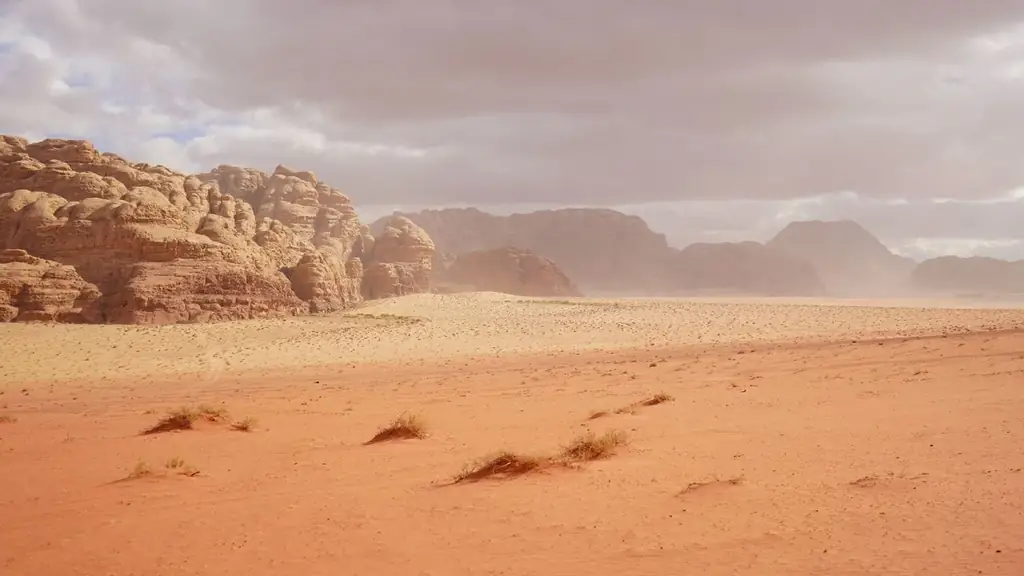
Visit Jordan calls Wadi Rum "the Valley of the Moon", a desert area of rock formations, wide sand landscapes and prehistoric inscriptions, home to nomadic Bedouin tribes. UNESCO inscribed the Wadi Rum Protected Area in 2011 as a mixed natural and cultural site. The property covers about 74,000 hectares, extending roughly 42 km north to south and 33 km east to west, with a varied landscape of narrow gorges, natural arches, towering cliffs, ramps and caverns.
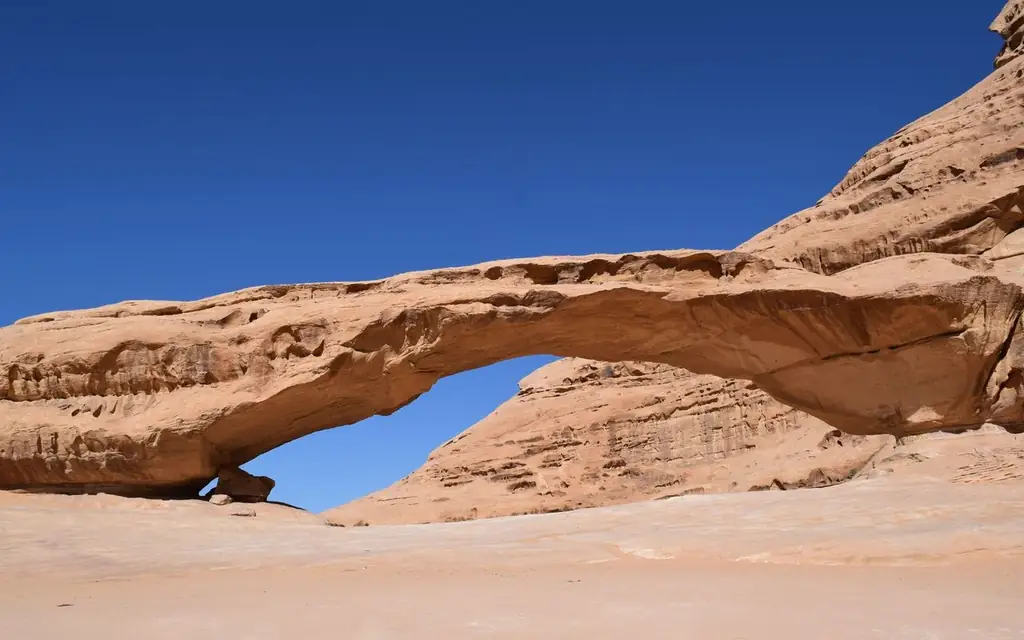
The cultural case rests on rock art and inscriptions, about 25,000 petroglyphs and 20,000 inscriptions spanning at least 12,000 years, together with Nabataean remains such as a temple and a dam. The landscape is also tied to T. E. Lawrence, whose writings the UNESCO nomination stresses, and it has been used as a film location. Jordan's tourism material notes the landscapes stood in for Mars in The Martian and appeared in Lawrence of Arabia and Dune.
The three drives
The road distances vary by source, so use these as planning figures.
| From | To Wadi Rum | Approx. drive |
|---|---|---|
| Aqaba city or King Hussein airport | Visitor Centre area | About 60 km (37 miles), around 45 to 60 minutes |
| Petra (Wadi Musa) | Visitor Centre area | About 100 km (62 miles), about 1.5 hours |
| Amman | Visitor Centre area | About 315 km (196 miles), about 4 hours |
The Aqaba figure comes from the geometry of the route: a regional travel guide describes a side road about 40 km north of Aqaba that leads 21 km to the visitor centre. A transfer operator quotes 58 km and around 45 minutes from the airport. The Petra and Amman figures come from the Jordan Tourism Board's day-trip guide, which gives about 100 km and 1.5 hours for Wadi Musa to Wadi Rum and about 315 km and 4 hours from the capital.
There is no Amman or Aqaba airport page in our directory yet, so see our airports hub for the airports we cover. The booker shows the exact fare for your addresses before you confirm.
How the desert part works: jeeps, camps and the visitor centre
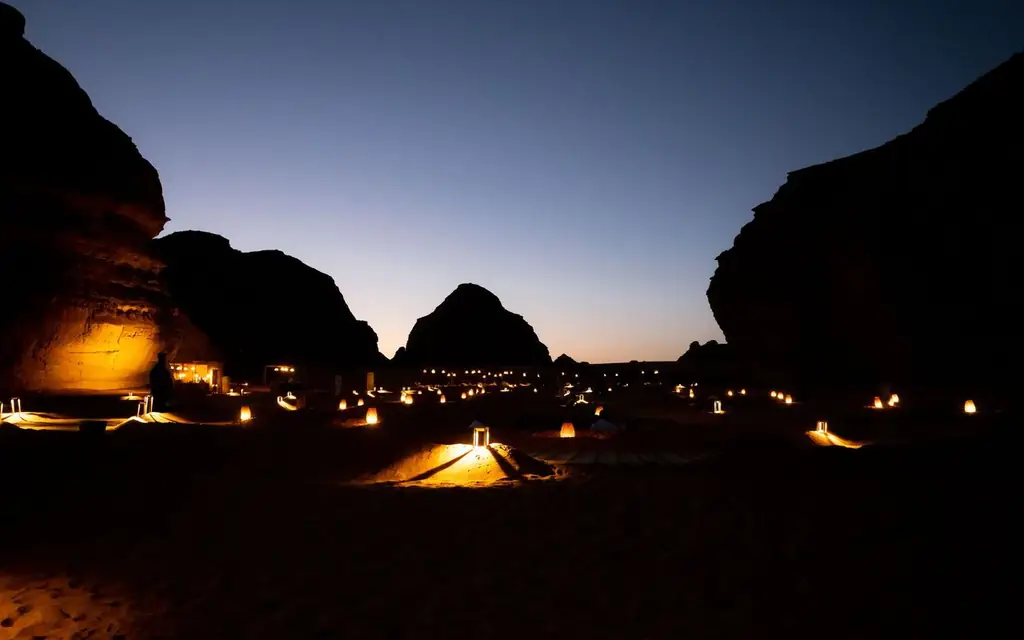
The Visit Jordan page describes lively 4x4 tours across sand dunes and past the rock formations, bookable through your camp or the visitor centre. It also describes Bedouin-style camping, where a team sets up a camp at a scenic spot you choose, and a Bedouin life experience with hospitality and food.
For planning, think in three tiers.
- A short jeep tour of two to three hours. Enough to see the main formations and a sunset. Suits a day visit from Aqaba or Petra.
- A longer tour of five to eight hours. Adds more distant canyons, arches and inscriptions, usually with a meal.
- An overnight camp. Dinner, a night under the stars and sunrise on the dunes. The most memorable option, and the one that justifies the road journey.
Entry to the protected area is paid at the visitor centre. The Jordan Tourism Board recommends the Jordan Pass for Petra and Wadi Rum, and fees and passes change, so check the Jordan Tourism Board's Wadi Rum page and your camp before you go. Tour prices are set by the operators and vary widely, so we do not quote them.
Other activities exist: the Visit Jordan page lists stargazing and hot-air balloon flights, which take off from the Disi area. Book these in advance with the operator.
Where the chauffeur stops
Choose one of two arrangements.

Visitor centre handover. The chauffeur drops you at the Wadi Rum Visitor Centre, you book or confirm the jeep, and the driver waits or goes. This suits short day visits.
Camp meeting point. Many camps collect guests from the village or the visitor centre. Agree the meeting point with the camp in advance, give the chauffeur the camp's name and a phone number, and the driver delivers you to the handover. In the other direction, the driver meets you at the agreed point at check-out.
In both cases the key is communication. Camps can be far from the road, and coverage is patchy in the desert. Confirm your pickup time and place the day before, and keep it simple.
When to go
Jordan's desert is hot in summer and cold on winter nights. The comfortable seasons are spring and autumn, with clear days and cool evenings, and the winter days are pleasant for jeep tours as long as you bring warm clothing for the night. In summer, schedule jeep tours for early morning and late afternoon, and rest in the middle of the day.
Sunset and sunrise are the best light for photographs. A night at a camp gives you both. The stars are a major attraction, and moonless nights show the Milky Way.
Bad weather can interrupt tours. Wind, dust and, rarely, rain affect visibility and tracks, so build a margin into your schedule and do not book a flight on the same evening as an overnight stay if you can avoid it.
A plan built around a night in the desert
A relaxed itinerary for three days:
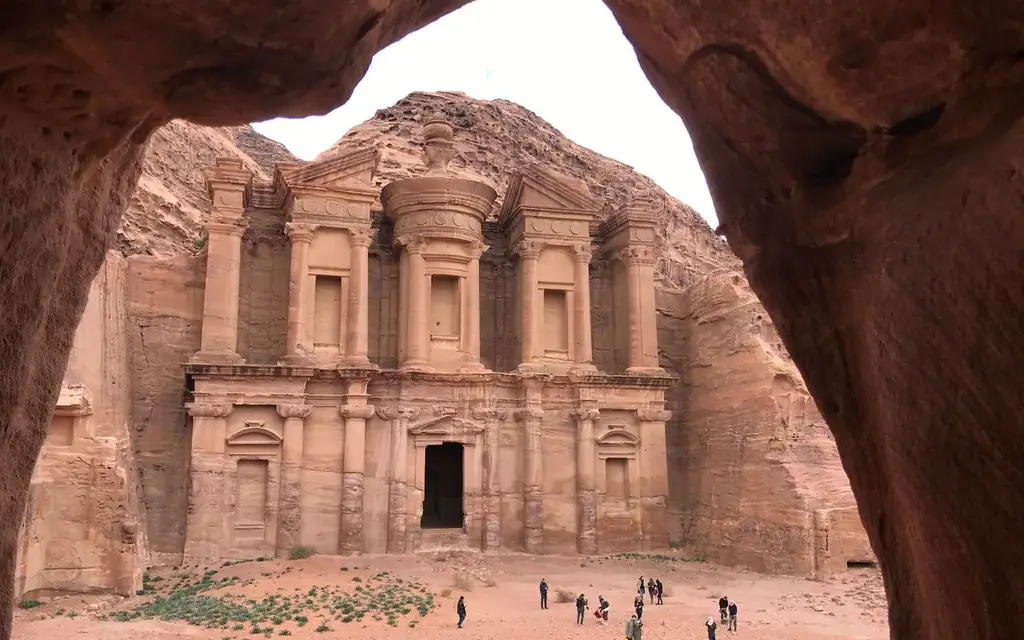
- Day 1. Amman to Petra by the Desert Highway, about 235 km and 3 hours. Walk the Petra main trail (check the official Petra fees first), and sleep in Wadi Musa. See our Petra guide.
- Day 2. Petra to Wadi Rum, about 100 km and 1.5 hours. Jeep tour in the afternoon, sunset on the dunes, dinner and a night at camp.
- Day 3. Sunrise in the desert, breakfast at camp, then the drive to Aqaba, about 60 km, for a flight or a Red Sea stay.
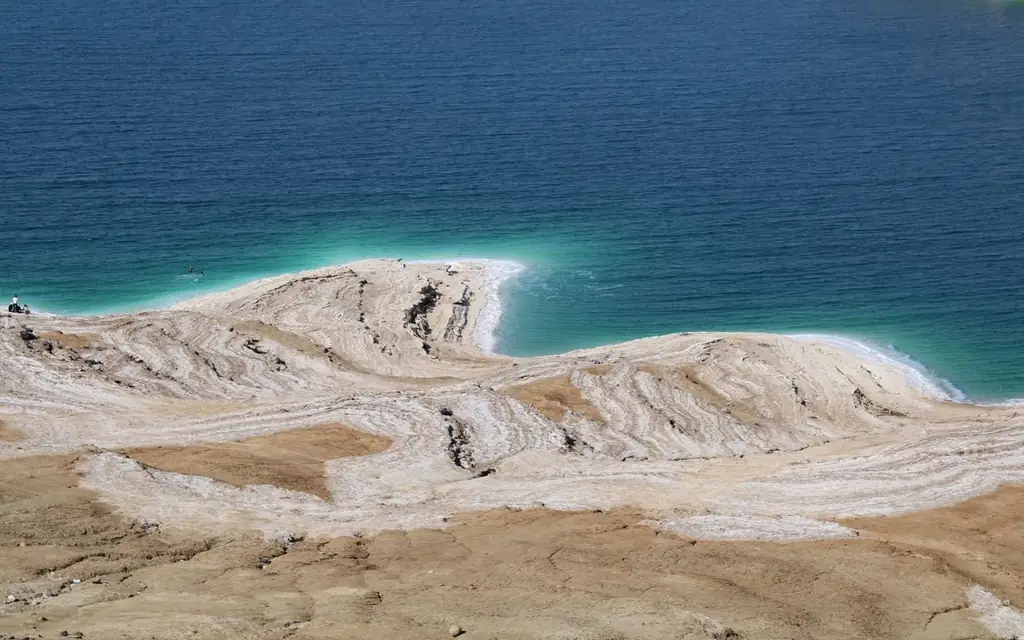
If you start from the north, add the Dead Sea on the way down. For a single-day option, the Jordan Tourism Board accepts a Petra plus Wadi Rum day from Amman but notes that it is about 12 hours of driving and a 16 to 17 hour day. We do not recommend it unless you have no alternative. Our page on private tours with a driver shows how we plan multi-day hires, and the Middle East directory covers the regional network.
The honest comparison: how to reach Wadi Rum
| Option | Strength | Cost note | Best for |
|---|---|---|---|
| Scheduled bus | Lowest cost, set timetable | Lowest | Solo travellers who can adjust to the timetable |
| Shared taxi or camp pickup | Convenient from the village | Low to moderate | Guests whose camp offers collection |
| Hire car | Freedom on paved roads | Rental plus fuel | Confident drivers, but the desert still needs a local jeep |
| Organised group tour | Fixed itinerary, guide | Priced per person | Visitors who want a ready-made trip |
| Private chauffeur from our desk | Door to door, timed to your flights and camp | Fixed fare via the booker | Families, groups, multi-stop trips with luggage |
Public transport can reach the village but not every camp, so the last leg often needs a pickup. A hire car works on the main road, though the sand tracks need a jeep and a local driver. A chauffeur is most useful when your trip links several places in a tight schedule, when you carry luggage and when you want the same driver across Petra, Wadi Rum and Aqaba.
What a night at camp is like, and what to ask before you book
Camps in Wadi Rum range from simple tented sites to more comfortable lodges, and the differences are large. Ask each camp a short list of questions before you book. How do guests reach the camp, and does the camp collect them from the village or the visitor centre? Are meals included, and can the kitchen handle dietary needs? Is there heating on winter nights, and do the beds have enough blankets? Are bathrooms private or shared? And what is the exact meeting point for your road transfer on the day you leave?
Pass the answers to the desk in the booking notes. If the camp does the last leg in its own jeep, the chauffeur's job ends at the handover. If the camp asks you to meet at the visitor centre, the driver drops you there and waits until your host arrives. Having the camp's phone number in the booking is a small detail that prevents the most common delays.
The stars, the cold and what to pack
The desert changes character after dark. Temperatures can drop sharply even after a hot day, so pack a warm layer and a hat for the evening. A head torch helps in camp and on the walk to the washroom. Keep a charged phone and a power bank, although the vehicles carry phone chargers and camps may have limited sockets.
For photography, a wide lens, a tripod and a spare battery are the useful tools, because the cold drains batteries. On a clear night the stars are a main attraction, so avoid shining torches toward the sky while others are watching.
Bring sunscreen, sunglasses, a scarf for dust and plenty of water. Carry your passport or a copy, and keep valuables out of sight in the vehicle.
From Wadi Rum to Aqaba and onward
The last leg is a short one. From the visitor centre to Aqaba is about 60 km, around 45 to 60 minutes, and King Hussein International Airport lies on the same side of the city. A transfer operator quotes 58 km and about 45 minutes from the airport to Wadi Rum, so a morning flight from Aqaba needs a departure from camp at first light.
If you plan to finish with beach time on the Red Sea, ask the desk to plan the transfer to your hotel in Aqaba, and mention any late check-in so that the chauffeur and the hotel are aligned. Remember that international arrivals at the airport include 60 minutes of free waiting after landing, and departures should leave a generous margin for security.
Dress, conduct and respect for the Bedouin
Dress for the sun: long loose sleeves, a scarf or hat, sunglasses and sturdy shoes. In winter, bring warm layers for the night. Jordan is accommodating to visitors, and modest dress is appreciated near villages.
Wadi Rum is home to Bedouin communities. Treat their camps, animals and homes with respect, and ask before taking photographs of people. Take your rubbish with you, stay on the tracks your driver chooses, and do not touch or climb on rock art. Alcohol is regulated, and we never promise drinks on board; local law applies.
Families, groups and accessibility
Children enjoy the jeep ride and the sand. Request child, toddler or booster seats for the road journey at booking. Water and phone chargers are in most vehicles. The camps vary in facilities, so check bathrooms, heating and bedding with the camp.
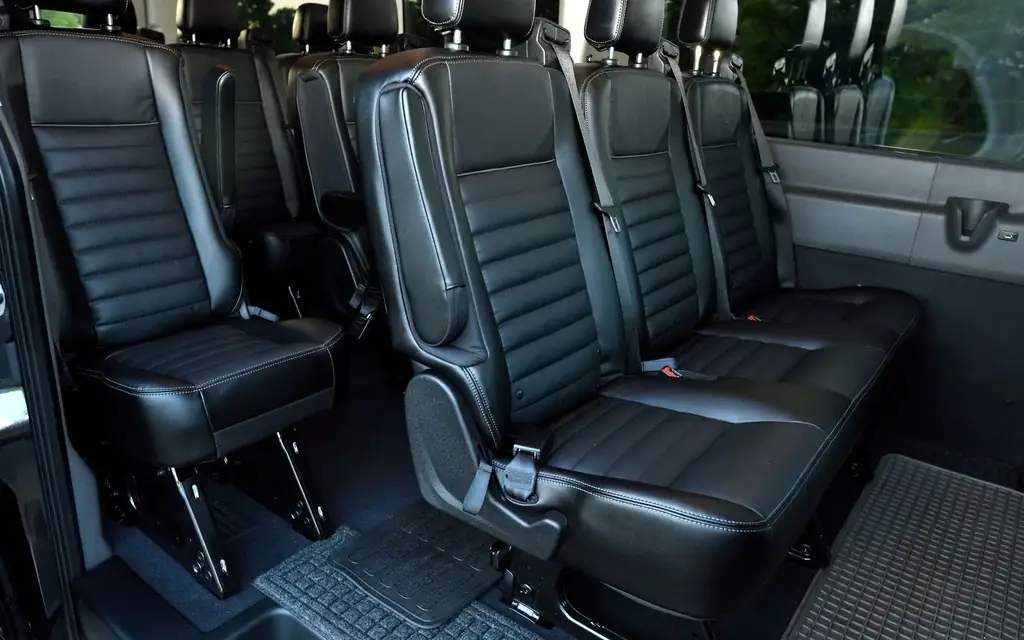
The jeeps are high, and the terrain is uneven. Guests with reduced mobility should speak to the camp ahead of time. For groups, a Luxury SUV carries up to six with five to six large bags, and an Executive Sprinter carries up to 12 to 14. Vehicles are late-model and fully maintained, with the exact model confirmed at booking. Official tourist offices and visitor bureaus can book chauffeur services for their visitors through a trade account; see our tourist offices page.
Frequently asked questions
How far is Wadi Rum from Aqaba?
About 60 km (37 miles), roughly 45 to 60 minutes by road. A regional travel guide describes a side road about 40 km north of Aqaba that runs 21 km to the visitor centre, and a transfer operator quotes 58 km from the airport.
How far is Wadi Rum from Petra?
About 100 km (62 miles), around 1.5 hours, according to the Jordan Tourism Board.
How far is Wadi Rum from Amman?
About 315 km (196 miles), about 4 hours by car.
Can I drive my own car into the desert?
You can drive to the visitor centre or village on paved road, but the tracks inside the protected area need a local 4x4. Jeep tours are booked through your camp or the visitor centre.
Is Wadi Rum covered by the Jordan Pass?
The Jordan Tourism Board recommends the Jordan Pass for Petra and Wadi Rum entry. Check the current terms before you buy.
What is the best time to visit Wadi Rum?
Spring and autumn are the most comfortable. Winter nights are cold and summer days are hot.
Is Wadi Rum a UNESCO site?
Yes. It was inscribed in 2011 as a mixed natural and cultural property, covering about 74,000 hectares.
Can I stay overnight?
Yes. Bedouin-style camps offer overnight stays, with dinner and stargazing. Book the camp first and then the road transfer.