
 United StatesJFK
 MexicoMEX
 BrazilGRU
 ArgentinaEZE
 ChileSCL
 ColombiaBOG
 PeruLIM
 PanamaPTY
 Costa RicaSJO
 Dominican RepublicPUJ
 JamaicaMBJ
 BahamasNAS
 BarbadosBGI
 United KingdomLHR
 IrelandDUB
 FranceCDG
 GermanyFRA
 NetherlandsAMS
 BelgiumBRU
 SwitzerlandZRH
 AustriaVIE
 ItalyFCO
 SpainMAD
 PortugalLIS
 GreeceATH
 TurkeyIST
 DenmarkCPH
 SwedenARN
 NorwayOSL
 FinlandHEL
 PolandWAW
 Czech RepublicPRG
 HungaryBUD
 IcelandKEF
 United Arab EmiratesDXB
 QatarDOH
 Saudi ArabiaRUH
 IsraelTLV
 EgyptCAI
 MoroccoCMN
 South AfricaJNB
 KenyaNBO
 NigeriaLOS
 IndiaDEL
 PakistanLHE
 Sri LankaCMB
 SingaporeSIN
 MalaysiaKUL
 ThailandBKK
 VietnamSGN
 PhilippinesMNL
 IndonesiaCGK
 Hong KongHKG
 ChinaPVG
 TaiwanTPE
 JapanHND
 South KoreaICN
 AustraliaSYD
 New ZealandAKL
Most guides to the British Museum start with the collection. For someone arriving by private car the more useful starting point is the clock. The museum is free to enter, open every day, and holds so much that the real planning question is how long you have, not what to see. A British Museum private tour with driver lets you fix that budget in advance: the car deals with the airport, the hotel and the traffic in Bloomsbury, and you decide how much of the day to give the galleries.
How much time do you need at the British Museum?
Allow 90 minutes for a focused highlights route, two to three hours for a satisfying first visit and a full half day if you want to follow a theme such as Egypt or ancient Greece. Entry to the permanent collection is free; the museum recommends reserving a free timed ticket.
The museum's visit page lists daily opening from 10:00 to 17:00, with Fridays extended to 20:30, and closure on 24 to 26 December. It also warns that galleries are occasionally closed at short notice and that visitors are not always warned in advance. Both points matter if you have a particular room in mind: check the gallery closures on the day, and do not commit a tight itinerary to one object.
A free timed ticket gives key information before the visit and priority entry during busy periods. Without one, entry depends on capacity and queues should be expected at busier times. Reserving takes a few minutes and removes the single biggest source of delay. Special exhibitions are ticketed separately; the museum's page lists a Korea exhibition running from 1 October 2026 to 31 January 2027, which is a paid add-on.
Which entrance should the driver use?
There are two public entrances. The main entrance is on Great Russell Street (WC1B 3DG) and leads to the colonnaded front, the steps and the Great Court. A second entrance is on Montague Place (WC1E 7JW), at the rear of the building. The museum suggests using the Transport for London journey planner for public transport.

In practice the choice depends on traffic and on how your party is moving. Great Russell Street is the grand, photogenic approach but it is a busy street with a lot of foot traffic, so a driver will often prefer to set you down a little way along rather than stop in a live lane. Montague Place is a quieter kerb, and visitors who want to avoid the front steps may prefer it. Ask the desk to note your preference and the driver will choose the better side on the day, especially if a guest has limited mobility.
Security screening takes place at the entrance you use, and queues vary by the hour. A timed ticket helps, but it does not remove the check. Travel light, because large items are a nuisance for you and for staff, and consult the museum's bag guidance before you go. Your driver can keep luggage in the car for the duration of the visit.
How far is the British Museum from Heathrow and the stations?
Heathrow is about 26 km (16 mi) away, and the journey normally takes 50 to 90 minutes via the M4, the Cromwell Road corridor or the Westway and then the Marylebone and Euston roads, depending on how the day is flowing. Weekday mornings are the slow ones. A Friday evening trip, when the museum is open late, is usually quicker once the commuter peak has passed.
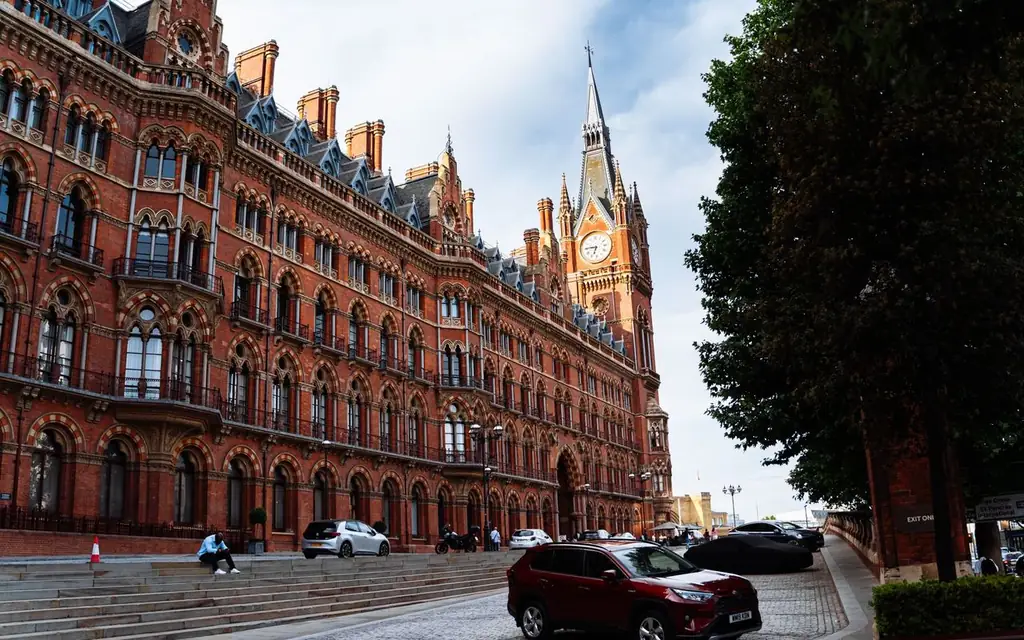
St Pancras International and King's Cross are about 2 km (1.2 mi) away, 8 to 15 minutes by car, which makes the museum an easy first stop for Eurostar arrivals. Our St Pancras chauffeur page explains how to arrange the pickup so the driver meets you at the right level. From Westminster Abbey the museum is about 4.5 km (2.8 mi), 15 to 25 minutes; from the Tower of London about 5 km (3 mi), 15 to 30 minutes. Bloomsbury also lies inside the central Congestion Charge area, which is one more reason to rely on a fare that is fixed before you travel.
For arrivals from the airport, the Heathrow chauffeur service tracks your flight and waits 60 minutes free after landing on an international arrival. Many travellers use that buffer to reach the museum by lunchtime and leave the afternoon free for the galleries.
What are the best ways to use a morning, an afternoon or a Friday evening?
Three plans cover most visitors.
The 90-minute highlights route. Enter by the Great Court and go first to Room 4 for the Rosetta Stone and the Egyptian sculpture, then to Room 18 for the Parthenon sculptures. Finish with the Sutton Hoo helmet in Room 41 if time allows. The room numbers are widely used on visitor maps, but use the museum's floor plan on the day, because gallery closures can change the route.
The half-day route. Add the Assyrian reliefs, the Egyptian mummies in Rooms 62 and 63 and the Lewis Chessmen in Room 40. Take a break in the Great Court mid-way, because the museum is large enough that fatigue shortens attention long before the doors close. A driver can collect you from either entrance for lunch in Bloomsbury or Covent Garden, about 1 km (0.6 mi) away.
The Friday evening route. Late opening to 20:30 is the quieter time. Arrive after about 17:30, when day-trip groups thin out, take two or three galleries slowly, and finish with dinner. This is the best slot for guests who dislike crowds.
Is a car better than the Underground for the museum?
The museum is well served by underground stations, and for a solo traveller with a light bag the train is often the better choice. The balance shifts for families, guests with mobility needs, and anyone coming from an airport or a hotel outside the centre.

| Option | Heathrow to the museum | Cost note | Who it suits |
|---|---|---|---|
| Elizabeth line, then walk or Underground | About 50 to 70 minutes | Lowest | Light luggage, flexible schedules |
| Piccadilly line to Holborn or Russell Square | About 60 to 75 minutes | Lowest | Solo travellers |
| Black cab | 50 to 90 minutes | Metered, traffic dependent | Short hops within London |
| Rideshare | 50 to 90 minutes | Surge-priced at peak | Light bags, ad hoc trips |
| Private chauffeur | 50 to 90 minutes | Fixed fare via the booker | Families, luggage, accessibility, tight schedules |
If your hotel is within walking distance of Russell Square or Holborn, the train or a short walk is the better choice for the return leg after a long day among the galleries. The car earns its place on the airport leg and when guests tire.
What should you know about etiquette, photography and bags?
Photography rules can differ by gallery and exhibition, so follow the signs and staff guidance, and keep voices down in the galleries that hold funerary objects, since many visitors treat those rooms as a place for quiet.
The permanent galleries involve a lot of walking on stone floors and some stairs, so comfortable shoes are the only dress rule that really matters. The museum publishes accessibility information on its website, including step-free routes and facilities, which is worth checking in advance if a member of your party uses a wheelchair or has limited stamina. A short chauffeured drop at the closest entrance can save energy for the galleries.
Which themes reward a longer, chauffeured day?
The museum was founded in 1753 and opened to the public in 1759, which explains the layout: collections grew by acquisition for over two centuries and the building was extended to hold them. The Great Court, the covered space at the centre with the Reading Room at its heart, opened in 2000 and now works as the museum's orientation point. A themed route is far easier to manage than a general wander.
- Egypt and Sudan: the Rosetta Stone, monumental sculpture and the mummy galleries, compact enough for a morning.
- Ancient Greece: the Parthenon sculptures and the surrounding Greek rooms, best taken slowly in a single block.
- Britain and early Europe: Sutton Hoo and the Lewis Chessmen, two of the most photographed objects in the building.
- Mesopotamia and the Middle East: the Assyrian relief panels, whose scale surprises first-time visitors.
Pick one theme and leave the rest for a return trip. If you are in London for several days, a second visit on the Friday late opening is more rewarding than a marathon on day one. Our driver can drop you at the same entrance each time, which saves you re-learning the street.
What are the seasonal crowd patterns?
School holidays, bank holiday weekends and rainy weekend afternoons are the busiest periods, because the museum is a default wet-weather choice for London families. January to March outside half-term and weekday afternoons in November are noticeably calmer, and the Friday evening session is quiet for most of the year. If your dates are fixed and unavoidably busy, reserve the timed ticket for the first slot of the day and plan to leave the popular rooms for the hour after opening, when the first wave has moved on.
What else is within a short drive?
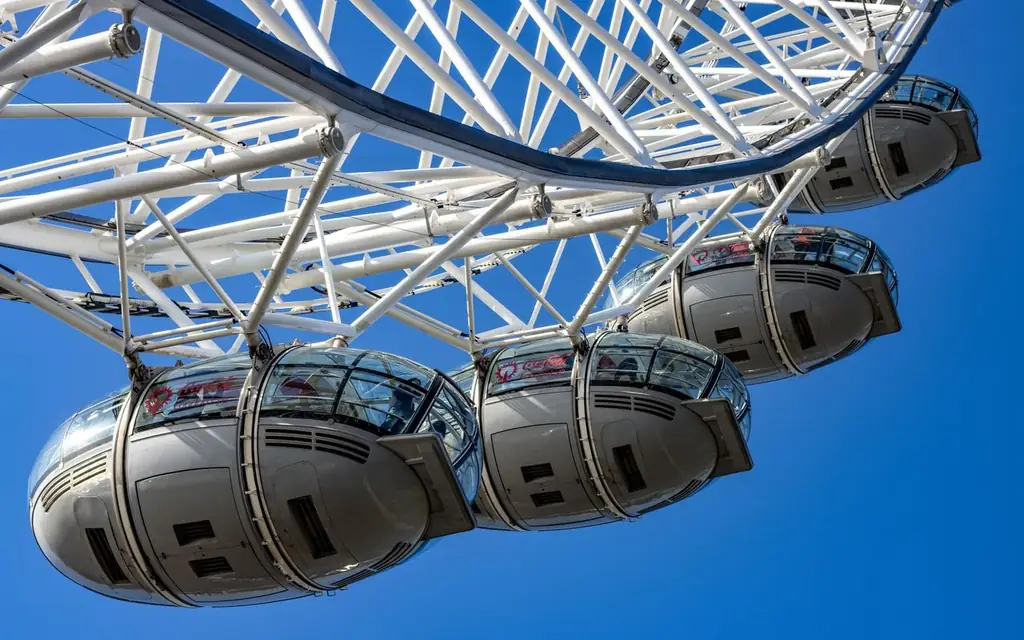
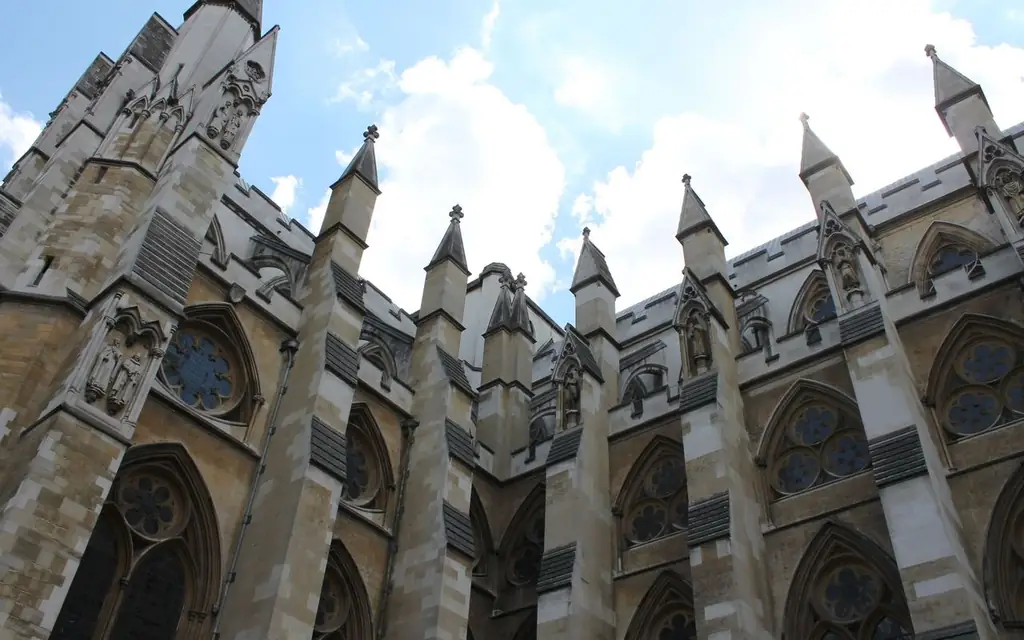
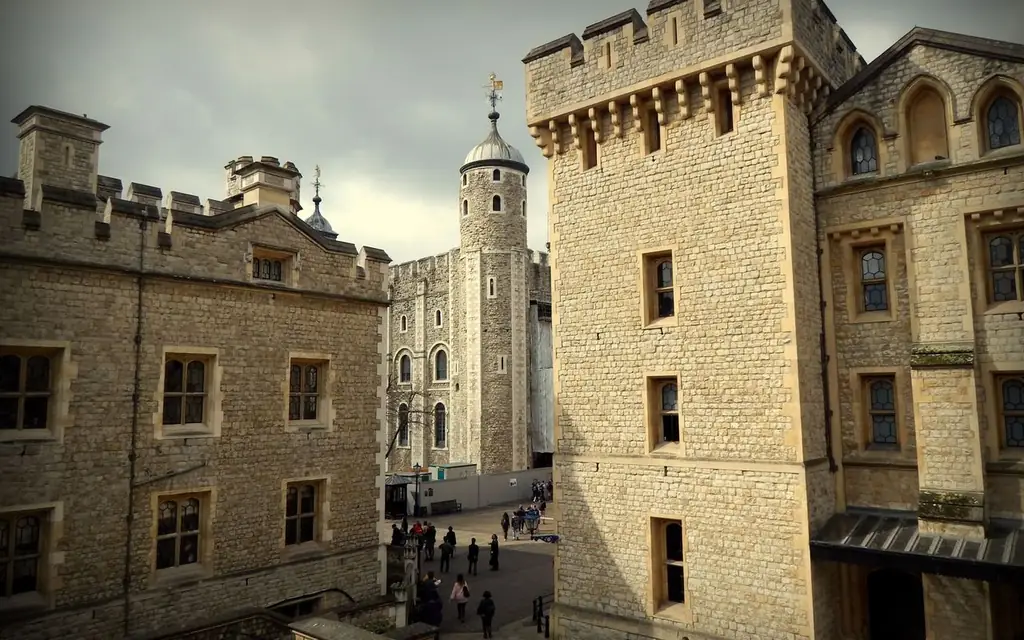
The British Museum sits in Bloomsbury, a district of garden squares and bookshops, and the neighbouring areas of Covent Garden and Soho are a short drive or a 10 to 15 minute walk. If you want a royal London day, combine the museum with Westminster Abbey in the afternoon (its official visiting page lists current hours), and finish at the London Eye at dusk, about 3.5 km (2.2 mi) from the museum and 15 to 25 minutes by road. If your preference is medieval history, the Tower of London is the natural companion.
For a day trip from the same hotel, our guide to Windsor Castle by chauffeur covers the royal castle west of the city. If you are new to the idea of hiring a car and driver for the day, our private tours with driver overview explains how the desk plans a sequence of stops, and the London chauffeur service page covers airport and city transfers.
Booking the car for a British Museum private tour with driver
The desk takes bookings at any hour. A licensed, vetted and commercially insured chauffeur operator from our directory does the driving, and one invoice covers the day. Tell us the timed-ticket slot, which entrance you prefer and where you start, and the booker shows a fixed fare for those addresses before you pay.
Executive and first class sedans take up to three guests with bags, and a Mercedes-Benz V-Class or Sprinter suits families and groups. Seats for children can be requested at booking. Guides are a separate service from the car: if you want a specialist to lead you through Egypt or Greece, engage a registered guide yourself and we will fit the driver's timing around the session. The Europe directory lists our regional coverage, and VisitBritain is the national tourism board's planning site.
Frequently asked questions
Is the British Museum free?
Entry to the permanent collection is free. The museum recommends reserving a free timed ticket and charges separately for special exhibitions such as the Korea exhibition running from 1 October 2026 to 31 January 2027.
What are the British Museum opening hours?
The museum lists daily opening from 10:00 to 17:00, with Friday extended to 20:30, and closure from 24 to 26 December. Galleries can close at short notice, so check on the day.
How far is the British Museum from Heathrow?
About 26 km (16 mi), typically 50 to 90 minutes by road. The journey is quickest early in the morning and late in the evening.
Which entrance is better for a car drop-off?
The main entrance is on Great Russell Street and a second entrance is on Montague Place. The driver will choose the safer kerb on the day, and you can state a preference at booking.
Is a ticket required for the British Museum?
You can enter without a ticket, but the museum says entry then depends on capacity and queues are likely at busy times. A free timed ticket gives priority entry during busy periods.
How long should I spend at the British Museum?
Plan 90 minutes for highlights, two to three hours for a full first visit, and a half day for themed routes. Friday evening opening to 20:30 is a quieter alternative.
Is the museum accessible for wheelchair users?
The museum publishes accessibility information on its website, including step-free routes and facilities. Check it before you travel and ask the desk to choose the entrance that suits your needs.
Which galleries are most popular?
The Rosetta Stone in Room 4, the Parthenon sculptures in Room 18, the Egyptian mummies in Rooms 62 and 63, and Sutton Hoo in Room 41 draw the most visitors. Use the museum's current floor plan, because closures can change what is open.
Can I visit the British Museum and Westminster Abbey on the same day?
Yes. The two are about 4.5 km (2.8 mi) apart, 15 to 25 minutes by road. Allow the morning for the museum and book Westminster Abbey for the afternoon, since both have fixed closing times.