
 United StatesJFK
 MexicoMEX
 BrazilGRU
 ArgentinaEZE
 ChileSCL
 ColombiaBOG
 PeruLIM
 PanamaPTY
 Costa RicaSJO
 Dominican RepublicPUJ
 JamaicaMBJ
 BahamasNAS
 BarbadosBGI
 United KingdomLHR
 IrelandDUB
 FranceCDG
 GermanyFRA
 NetherlandsAMS
 BelgiumBRU
 SwitzerlandZRH
 AustriaVIE
 ItalyFCO
 SpainMAD
 PortugalLIS
 GreeceATH
 TurkeyIST
 DenmarkCPH
 SwedenARN
 NorwayOSL
 FinlandHEL
 PolandWAW
 Czech RepublicPRG
 HungaryBUD
 IcelandKEF
 United Arab EmiratesDXB
 QatarDOH
 Saudi ArabiaRUH
 IsraelTLV
 EgyptCAI
 MoroccoCMN
 South AfricaJNB
 KenyaNBO
 NigeriaLOS
 IndiaDEL
 PakistanLHE
 Sri LankaCMB
 SingaporeSIN
 MalaysiaKUL
 ThailandBKK
 VietnamSGN
 PhilippinesMNL
 IndonesiaCGK
 Hong KongHKG
 ChinaPVG
 TaiwanTPE
 JapanHND
 South KoreaICN
 AustraliaSYD
 New ZealandAKL
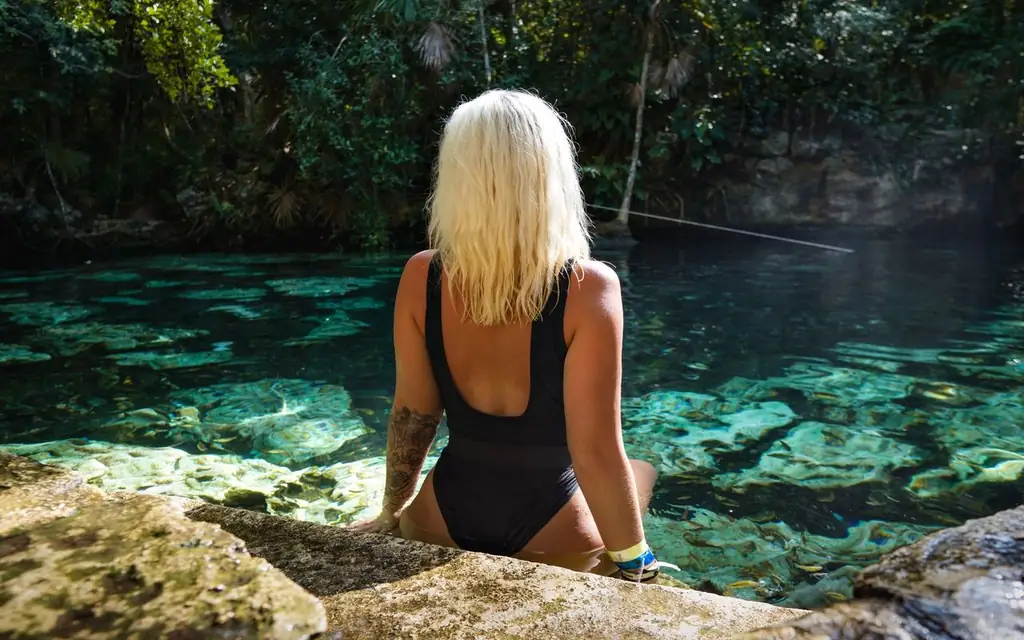
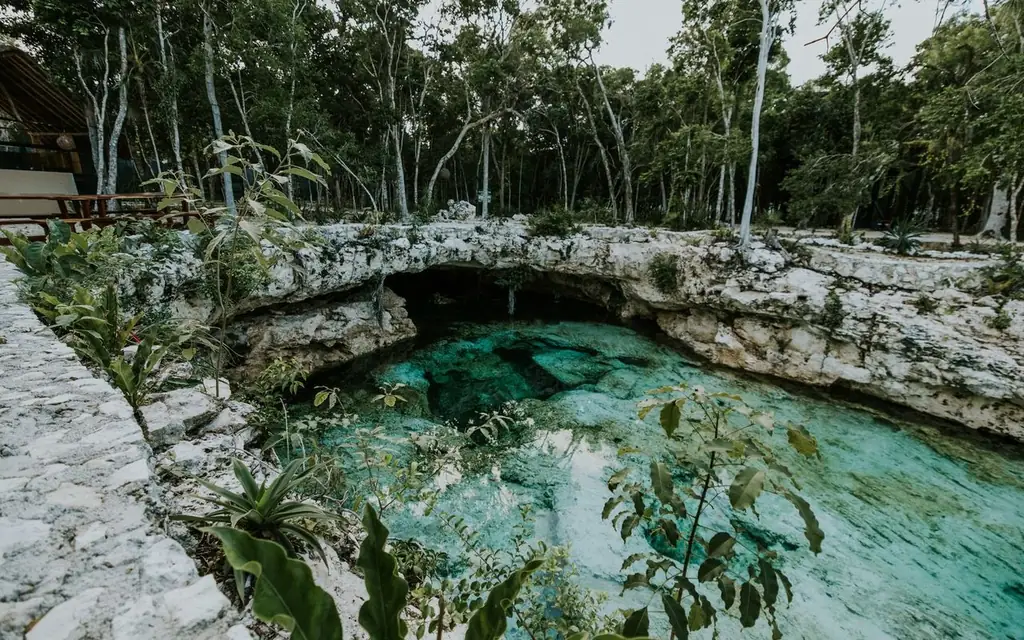
The name means Two Eyes, and the image is accurate: two round pools of very clear water, each opening into a limestone cavern and joined beneath the surface. Visitors who snorkel there swim from one into the other over a rock ceiling that starts a few metres above their heads and sinks until the light comes only from the water. It is one of the best places on the Riviera Maya to see how this part of Mexico works underground.
Getting to it is simple on the map and a little fiddly on the day. The cenote sits inside a private park, a few kilometres off the highway, and not every vehicle can reach the visitor area. A Dos Ojos cenote private tour with driver deals with that fiddly part so that your attention stays on the water.
Dos Ojos by car: where it is and how long it takes
Dos Ojos is on the Riviera Maya, reached from Federal Highway 307, about 22 km (14 miles) north of Tulum and roughly 50 km (31 miles) south of Playa del Carmen. Allow 25 to 35 minutes from Tulum and 45 to 60 minutes from Playa del Carmen, depending on traffic. From Cancun airport expect about 1 hour 15 minutes to 1.5 hours.
Those figures come from an August 2026 visitor guide and agree closely with other sources; we have not found a published street address or kilometre marker that we can verify, so the driver navigates to the park's entrance and not to a pin on a map. If you want to start from Cancun, our Cancun airport page and the Cancun chauffeur service page cover arrivals and hotel-zone pickups.
The Riviera Maya's regional tourism site, Caribe Mexicano, lists cenotes as one of the area's defining attractions alongside its beaches, jungle and archaeological sites. There are hundreds of them in the peninsula; Dos Ojos is one of the most visited because it is close to the highway and suits both snorkelers and divers.
The road in: why the last stretch matters
Reports agree that the highway entrance is not the same as the visitor area. Colectivo vans, the shared minibuses that run up and down Highway 307, stop near the entrance, and the cenote itself is several kilometres inside the park. A visitor guide advises against walking the road, since it is long and in the sun. Visitors arriving without a vehicle therefore depend on taxis, the park's own transport or a tour.
For a chauffeur, the practical questions are:
- Can the car go all the way in? Access rules for private vehicles are set by the park and can change, so the desk checks the current position before the day rather than assuming.
- Where does the car wait? If the car cannot stay near the water, the driver parks at the agreed place and returns when you message the desk.
- What happens in wet weather? A heavy downpour may change the pickup point or the time, so keep your phone reachable.
None of this is dramatic, and all of it is easier with a driver who has done the run before. It is, however, the main reason why a private booking has real value at this cenote compared with others that sit on the roadside.
Hours, entry and what the park provides
The visitor guide we consulted lists the park as open from about 8 am to 5 pm, with the last entry at about 3:30 pm, and reports dressing rooms, lockers, showers, toilets, a restaurant and a picnic area. It also says that cards may not be accepted and that cash in pesos or dollars is advisable. Treat all of that as indicative: hours and entry rules belong to the park and can change by season, so confirm them directly before you travel. Basic admission is separate from guided tours, and guided snorkel or dive tours cost more than basic entry.
We do not quote the park's prices. Our own fare is shown in the online booker for your exact pickup, vehicle and timing before you confirm.
Snorkeling, diving and what you can do without certification
The two cenotes are connected by an underwater passage of about 420 metres, according to the guides. Visitors with no diving qualification snorkel in the lit sections, with equipment rented on site or brought from home. The water is clear, and visibility is excellent.
Diving is a different category:
- Cavern diving with a guide, requiring scuba certification and good buoyancy control. The Barbie route is the better-known one.
- The Bat Cave route (Cueva del Murciélago), shorter, darker and narrower, where sediment can reduce visibility if buoyancy is poor.
- Cave diving beyond the cavern zone requires specific cave training and equipment, and is not something visitors should attempt.
The dive information page for Dos Ojos sets out the same rules: dive with a qualified cavern guide, follow the guideline, stay within the light-zone limits and ask about camera rules. If you hold a certification, bring your card and logbook, and tell the desk so we can ask the park about guide availability before the day. Free diving without a qualified guide is not advised.
What to bring, and what to leave off your skin

- A towel, swimsuit and a rash guard or long-sleeved top. The sun can be strong while you are moving between the pools.
- Water shoes, since the rock and the steps are slippery.
- A hat, and cash in small notes.
- A dry bag for phones and keys, which the driver can also hold.
- No sunscreen or repellent on your skin when you arrive. Chemicals wash into a closed water system, and the guides say visitors are asked to shower and follow the park's current product rules. Cover up with clothing instead, and check the rule with the park.
Cenote water stays at a constant temperature of roughly 24 to 25 degrees Celsius (76 to 77 Fahrenheit) throughout the year, which feels cool at first and comfortable after a few minutes. Take a light layer for the car, especially if the air conditioning is on.
Timing: when to arrive and when to avoid it
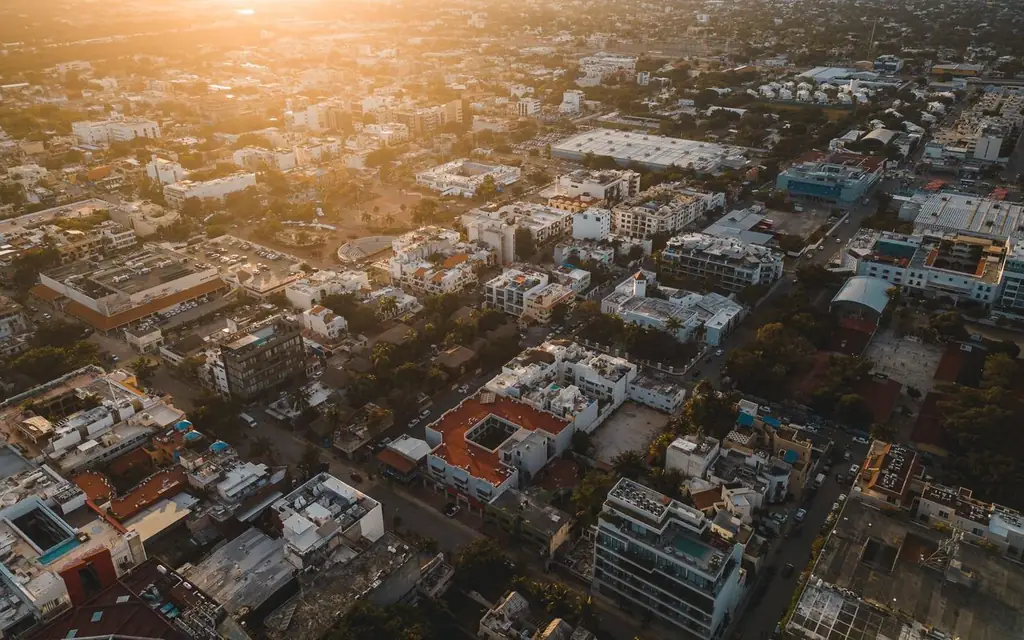
Early arrival is the single most useful tip. Guides recommend reaching the park at opening on a weekday for the quietest swim, and the cenote becomes noticeably busier through the late morning as tour groups arrive from Playa del Carmen and Tulum. A driver can leave your hotel at 7 am and have you at the park for the first hour, then move you on to the Tulum ruins afterwards.
Avoid the middle of the day on weekends and during holiday weeks. The rainy season, roughly summer through early autumn, can bring heavy afternoon storms and some muddy internal roads. In the dry months the park is busier but easier on the road.
Ways to reach Dos Ojos compared
| Approach | Playa del Carmen to cenote | Cost note | Good for |
|---|---|---|---|
| Colectivo van along Highway 307 plus onward transport | About 1 hour plus the internal road | Lowest | Backpackers with flexible time |
| Taxi | About 45 to 60 minutes | Negotiated; agree before leaving | A one-way trip |
| Organized cenote tour | Half or full day | Per person, set by the operator | Guided snorkel or dive packages with equipment |
| Rental car | About 45 to 60 minutes | Rental plus fuel | Independent travelers who want to stop at several cenotes |
| Private chauffeur (booked here) | About 45 to 60 minutes | Fixed fare via the booker | Early starts, families, combining the cenote with Tulum |
If you want a certified guide and equipment in one package, a guided tour from an operator may be the better way to organize the in-water part. The chauffeur is the way to organize the road part. The two are not mutually exclusive: many visitors book the guided snorkel through the park and a private transfer for the day.
A morning with the cenote, an afternoon with the ruins
- 7:00 am. Pickup in Playa del Carmen or the Riviera Maya, with towels and water on board.
- 8:15 am. Arrive for opening at Dos Ojos. Swim for 90 minutes to two hours.
- 10:45 am. Rinse, change and return to the car. Your swimsuit and towel can dry on the road.
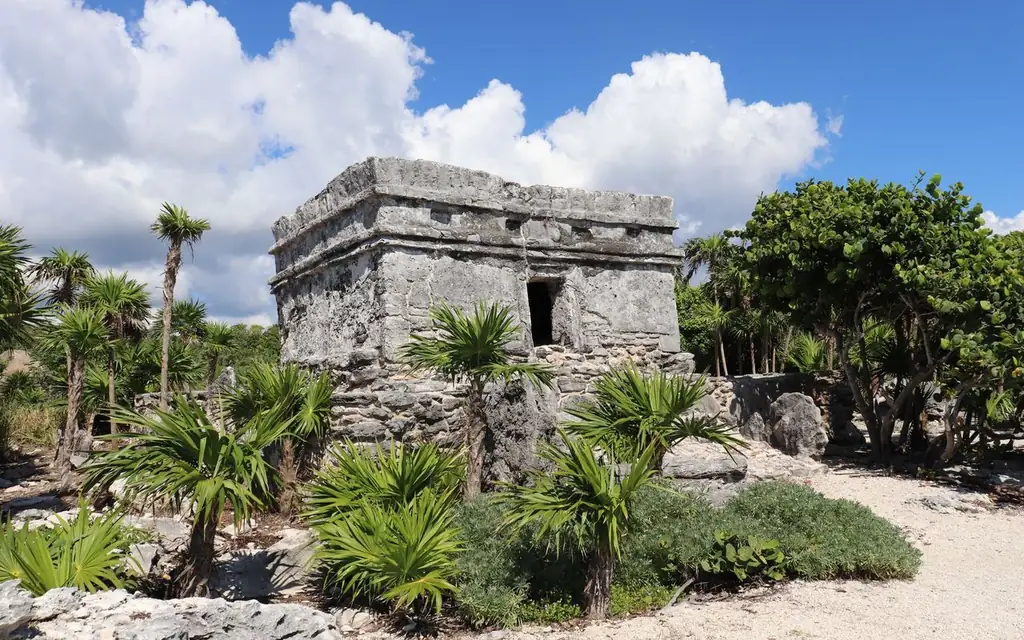
- 11:30 am. Drive south to the Tulum archaeological zone, about 22 km (14 miles) away, for a late-morning walk. It will be hotter and busier than at opening, which is the trade-off for swimming first.
- 1:30 pm. Lunch in Tulum.
- 3:00 pm. Return to the hotel.

If you prefer the ruins at dawn, reverse the order: Tulum first at opening, then Dos Ojos for a cool swim in the heat of the day. That tends to be the more comfortable sequence from December to April, while in the hot months a cold cenote is a good place to be at noon.
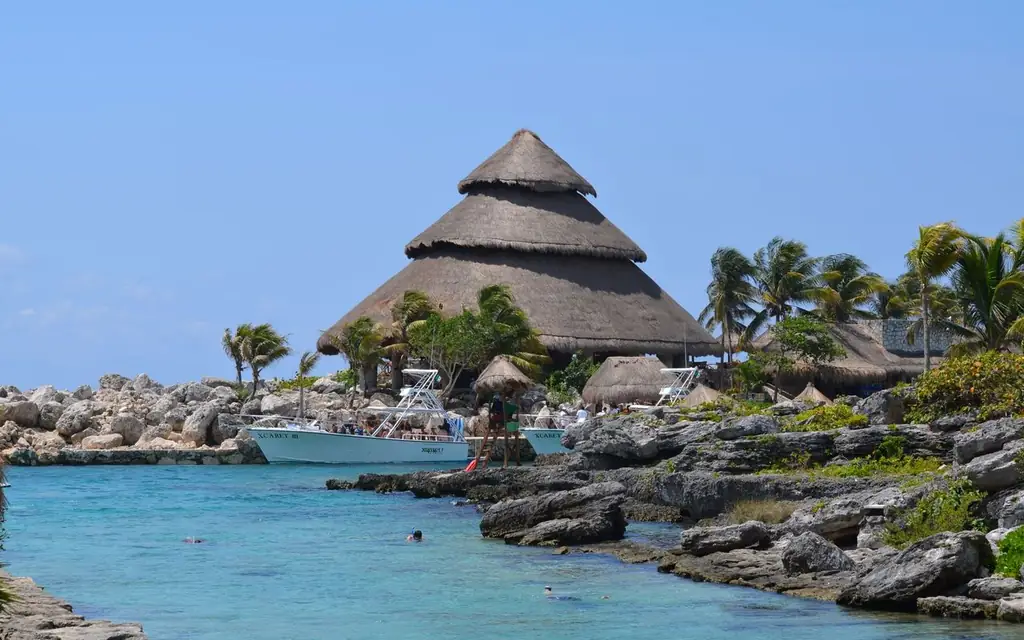
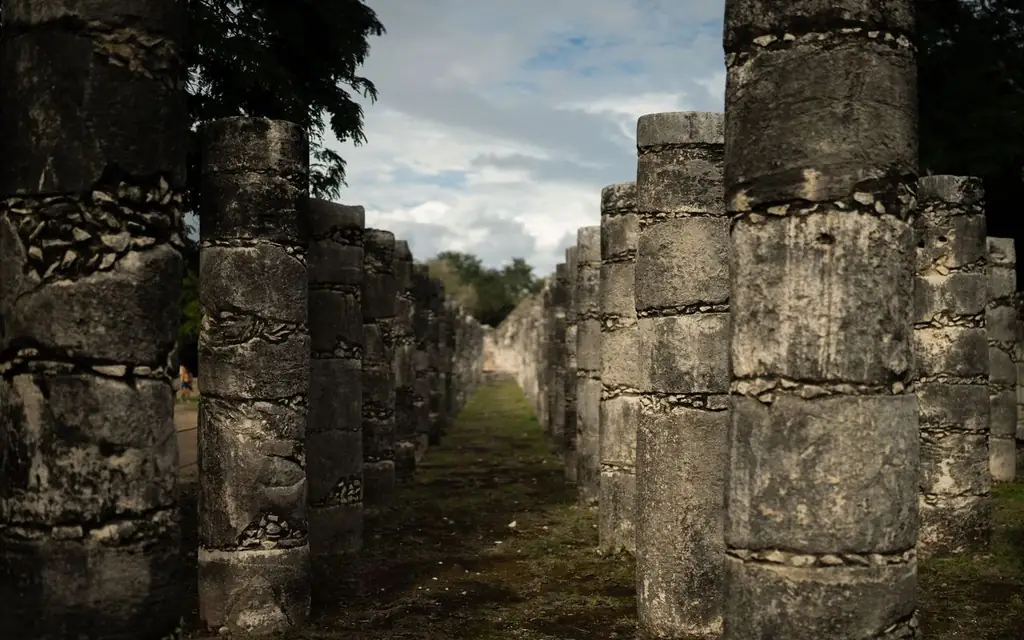
For a bigger day, add Xcaret on another date and Chichen Itza on a third. After dark, Playa del Carmen's Fifth Avenue is the obvious dinner stop.
Families, older visitors and non-swimmers
Dos Ojos is a swimming site first, so plan around how comfortable your group is in the water. The steps down to the pools can be slippery, and the water is cool even in summer. Snorkeling in a life vest is a common choice for weaker swimmers and children, and the park can advise on what is available. Non-swimmers can still enjoy the setting from the platforms and the picnic area, though the real appeal is in the water. Tell the desk if anyone has limited mobility so the driver can ask the park about the closest vehicle access and the number of steps involved.
Other cenotes on the same stretch of road
If Dos Ojos is busy, other cenotes lie along Highway 307 between Playa del Carmen and Tulum, and a few are close to Tulum itself, where Gran Cenote is a well-known swimming spot. Each has its own rules, hours and entrance system, and the quality of the experience varies. Ask the desk for a second option when you book, so the day has a fallback if one site is crowded or closed. Avoid planning more than two cenotes in a day; each needs time to change and dry, and the point of the exercise is to swim rather than to collect entrances.
Respect for the water
Cenotes are fresh-water ecosystems that supply drinking water and shelter wildlife, and the Maya treated them as sacred. Do not touch the formations, do not stand on the ledges and do not take anything away. Keep your voice low in the caverns, and follow the guides' instructions for the line. Chauffeurs on our bookings do not photograph guests or post about trips.
Booking with LimousineWorldwideDirectory.com
We take the booking at a 24/7 desk, and hand it to a vetted, licensed, commercially insured local operator in Quintana Roo, so a single confirmation and invoice cover the day. Vehicles are late-model and fully maintained. A Luxury SUV carries up to six with bags; an Executive Sprinter takes groups of 12 to 14.
Tour operators, concierges and tourist offices can book for guests through a trade account. For more ideas, see our guide to private tours with driver, the Latin America and Caribbean directory and the attractions hub.
Sources
- Caribe Mexicano for the region's cenotes and archaeological sites.
- Cenote Dos Ojos dive information for the cavern-diving rules and booking.
- Cancun Airport for arrivals and ground transportation.
Frequently asked questions
Where is Dos Ojos cenote?
On Federal Highway 307 in the Riviera Maya, about 22 km (14 miles) north of Tulum and roughly 50 km (31 miles) south of Playa del Carmen, inside a private park.
How far is Dos Ojos from Cancun airport?
About 1 hour 15 minutes to 1.5 hours by car, depending on traffic and where you start.
Can I snorkel at Dos Ojos without a diving certification?
Yes. Non-divers snorkel in the lit sections with rented or personal equipment. Cavern and cave diving require certification and a qualified guide.
What are the hours at Dos Ojos?
A recent visitor guide lists about 8 am to 5 pm with the last entry at about 3:30 pm. Hours are set by the park, so confirm them before travel.
Can I wear sunscreen at Dos Ojos?
The guides advise arriving without sunscreen or repellent and following the park's current product rules. Wear a rash guard and a hat instead.
Can a car drive all the way into the park?
The visitor area is several kilometres inside the park, and access for private vehicles is the park's decision. The desk checks it at booking.
How long should I spend at Dos Ojos?
Plan 90 minutes to two hours in the water, plus time for changing and rinsing. A full outing with the drive takes about half a day.
Can I visit Dos Ojos and the Tulum ruins on the same day?
Yes. They are about 22 km (14 miles) apart. Swim in the morning and visit the ruins afterwards, or the other way around.
Do I need to bring cash?
A visitor guide says cards may not be accepted, so carry some pesos or dollars. Confirm payment methods with the park.