
 United StatesJFK
 MexicoMEX
 BrazilGRU
 ArgentinaEZE
 ChileSCL
 ColombiaBOG
 PeruLIM
 PanamaPTY
 Costa RicaSJO
 Dominican RepublicPUJ
 JamaicaMBJ
 BahamasNAS
 BarbadosBGI
 United KingdomLHR
 IrelandDUB
 FranceCDG
 GermanyFRA
 NetherlandsAMS
 BelgiumBRU
 SwitzerlandZRH
 AustriaVIE
 ItalyFCO
 SpainMAD
 PortugalLIS
 GreeceATH
 TurkeyIST
 DenmarkCPH
 SwedenARN
 NorwayOSL
 FinlandHEL
 PolandWAW
 Czech RepublicPRG
 HungaryBUD
 IcelandKEF
 United Arab EmiratesDXB
 QatarDOH
 Saudi ArabiaRUH
 IsraelTLV
 EgyptCAI
 MoroccoCMN
 South AfricaJNB
 KenyaNBO
 NigeriaLOS
 IndiaDEL
 PakistanLHE
 Sri LankaCMB
 SingaporeSIN
 MalaysiaKUL
 ThailandBKK
 VietnamSGN
 PhilippinesMNL
 IndonesiaCGK
 Hong KongHKG
 ChinaPVG
 TaiwanTPE
 JapanHND
 South KoreaICN
 AustraliaSYD
 New ZealandAKL
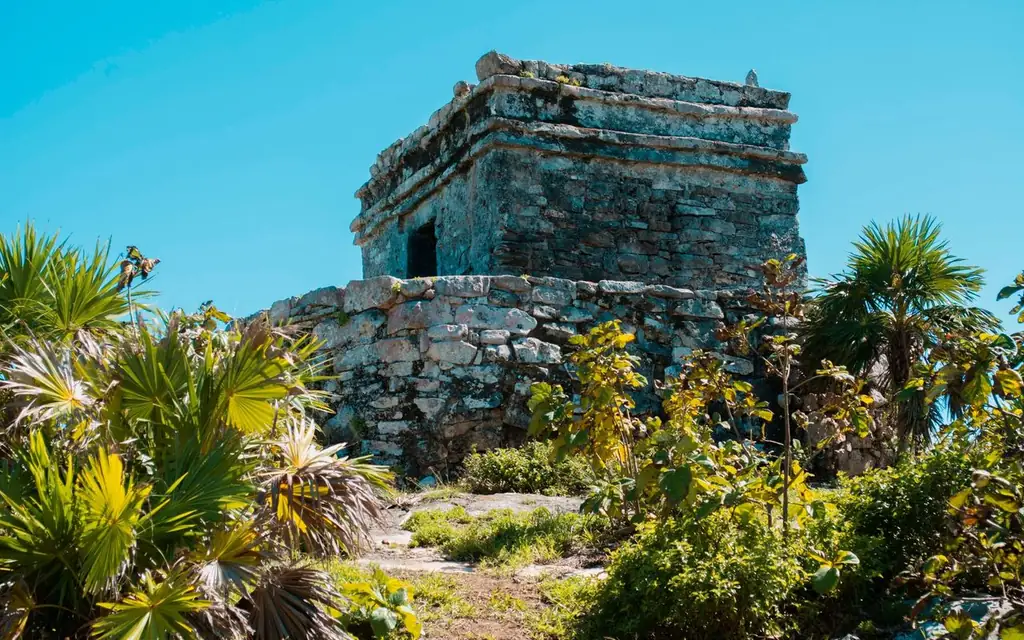
Tulum is the smallest of the big Maya sites in this part of Mexico, and in some ways the most photographed. A walled city on a limestone cliff, with the Caribbean beneath it and a stepped temple known as El Castillo at the edge, it reads like a stage set. It also has the least room for error. The site is compact, the paths are narrow and the car park sits at a distance from the gate, which means the way you arrive shapes your visit more than anything inside.
If you book a Tulum archaeological zone private tour with driver, you hand the three problems of the day (timing, access and the heat) to someone whose job is to solve them. This guide describes each of those problems and what a sensible plan looks like.
Tulum ruins by car: where they are and how far
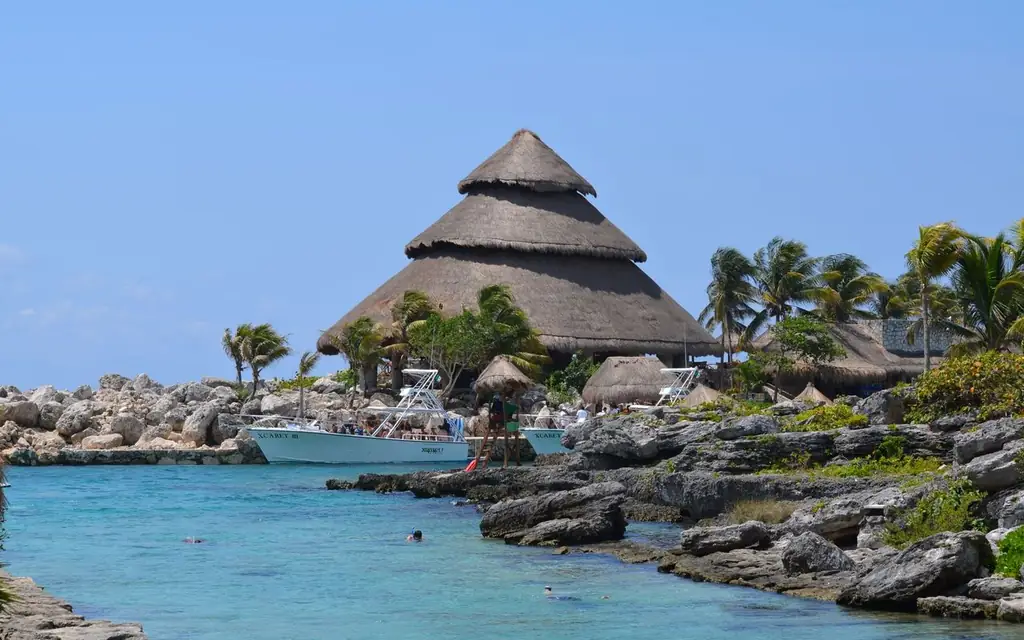
The Tulum Archaeological Zone lies on Federal Highway 307 on Mexico's Caribbean coast, about 130 km (80 miles) and 1.5 to 2 hours south of Cancun airport. From Playa del Carmen it is roughly 65 to 75 km (40 to 46 miles), about an hour, and from Xcaret about 57 km (35 miles) and 45 minutes, the figure on Xcaret's own directions page.
The listings give the site's address as the Cancun–Chetumal highway, km 230, in Tulum, Quintana Roo, and Mexico's National Institute of Anthropology and History (INAH) manages it. Distances to Tulum from Cancun vary by source between about 113 and 133 km, depending on whether the start is the airport, the city or the hotel zone. For the airport leg, see our Cancun airport page; for hotel pickups in the resort city, the Cancun chauffeur service page explains the process.
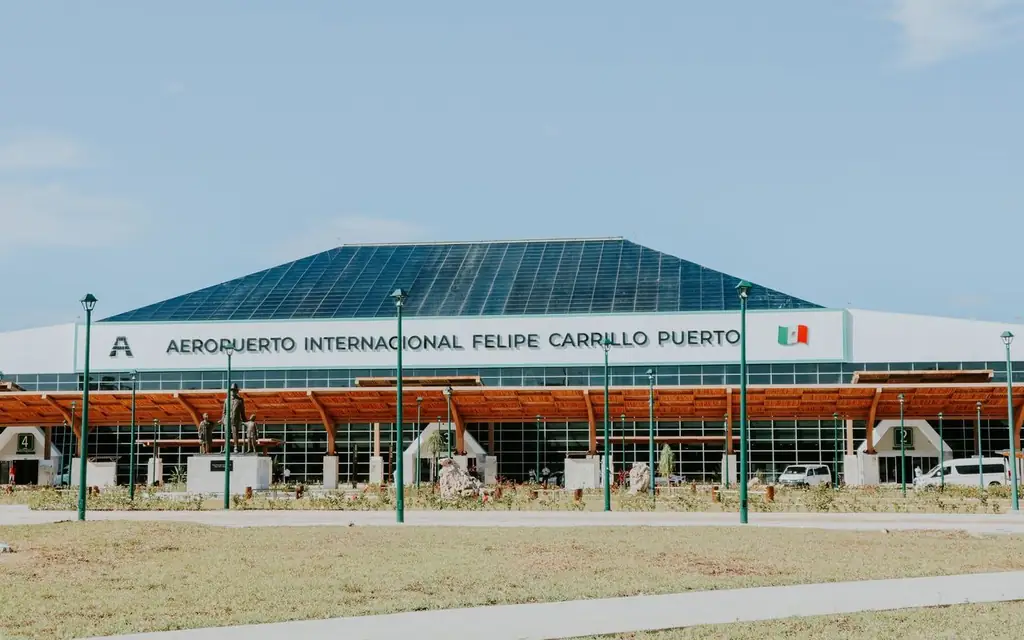
Tulum also has its own airport, opened in late 2023, which shortens the trip for travelers who fly in directly. Your driver can meet either flight.
The case for going early
There is a single sound rule for the Tulum ruins: go first thing. The site's popularity has grown with the town, and by late morning the paths fill, the stone is hot and the photograph of El Castillo has a crowd in it. Our recommendation is to be at the gate when it opens, then finish within two hours and move on to a swim.
Sources disagree on the exact hours. Recent guides give the site as open from about 8 am until late afternoon, with the last entry well before closing, while one older listing gave a much shorter window. That disagreement is itself the lesson: the official hours come from INAH, and they are best confirmed on the day before you travel.
At opening time you also avoid the afternoon heat, the traffic on Highway 307 and the sargassum seaweed problem on the coast, which varies by season and can affect the small beach at the foot of the ruins. A driver can also check conditions on the way and change the order of the day if the beach is poor.
Access: parking, the walk and the gate
The ruins are a short distance off the highway, with a large car park at a distance from the entrance. Guides describe a walk of roughly one kilometre along a path, with a shuttle available in some periods, and report that the car park fills by mid-morning. Entry arrangements around Tulum have changed several times in recent years, and a press report in 2026 described a new fee scheme that came into force on July 20. We therefore do not describe the gate procedure in detail; check INAH's current notices.
What the chauffeur does is simple. He or she brings the car to the closest permitted drop-off, you walk to the ticket area, and the driver waits at the agreed point or moves out of the congestion. On the way back, a message to the desk brings the car to the same point. For older travelers or anyone with limited mobility, ask the desk to arrange the nearest practical set-down and to confirm what shuttle or assistance is operating that day.
Tickets and fees
Tickets are sold by INAH, with online sales through the institute's ticketing portal at ventadeboletosenlinea.inah.gob.mx, which lists Tulum alongside Chichen Itza. Sources describe the fee for foreign visitors in 2026 as made up of more than one component, with differing totals reported in different outlets, so the sensible course is to rely on the official portal and the ticket desk on the day. Concessions for seniors, students and children are set by the institute and often require identification.
Photography with phones is normal; professional equipment and drones follow INAH's rules, which are posted at the gate.
What you will see in two hours
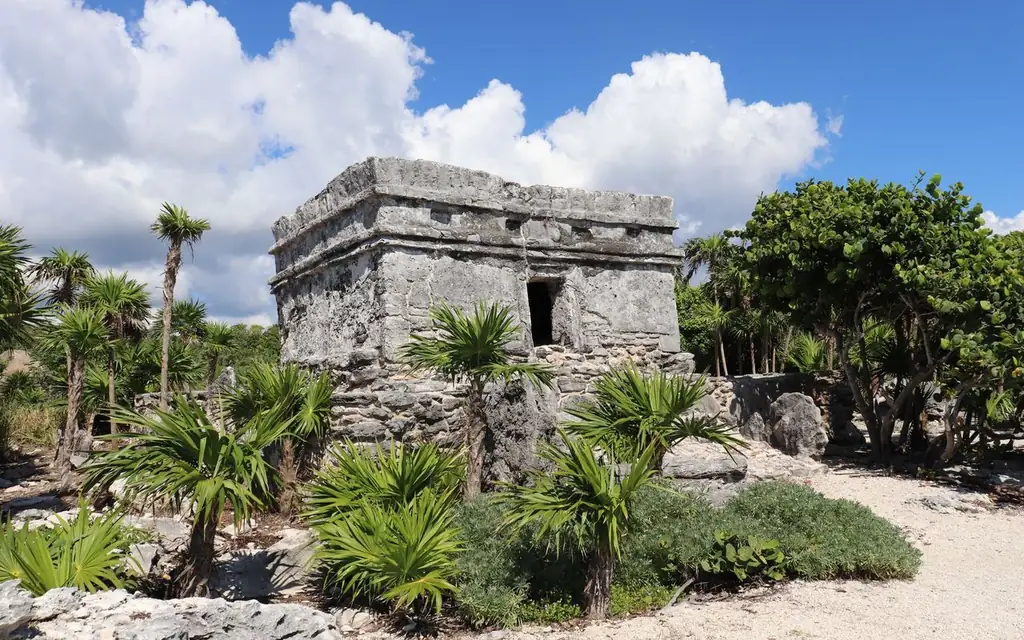
Tulum is ringed by a wall on three sides, with the sea forming the fourth. The name means fortification or wall in Yucatec Maya, and the city's original name is given as Zamá. It flourished late in Maya history, in the Late Postclassic period, and was a coastal trading town. El Castillo is the dominant structure, standing above the cliff.
A good route, in about two hours:
- The main gate in the wall, where you pass into the city.
- The Temple of the Frescoes, with its painted traces and carved figures.
- El Castillo, viewed from the plaza and from the cliff path. Climbing is not allowed, and visitors are asked to stay on marked paths.
- The Temple of the Descending God, a small building with a carved diving figure above the door.
- The cliff edge and the small beach, where a swim after the visit is the traditional reward.
Iguanas roam the site and are protected; do not feed them. There is little shade, so a hat is worth bringing.
Is Tulum worth it compared with Chichen Itza?
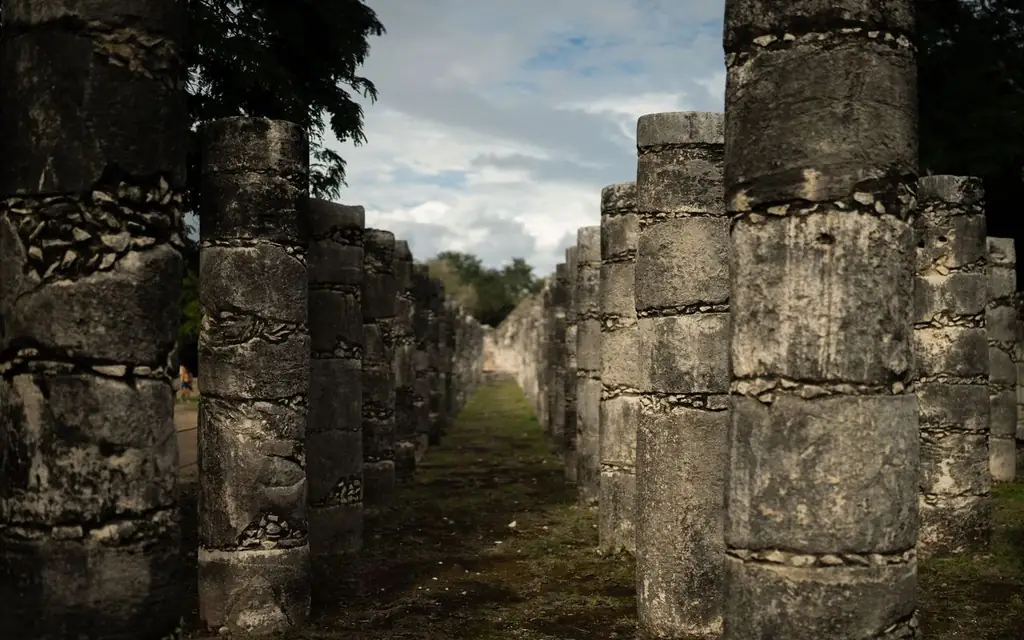
They are different experiences. Chichen Itza is a large inland city with monumental architecture, a long ball court and a UNESCO World Heritage listing, and the drive from the coast is long. Tulum is small and scenic, close to the beaches, and much easier to fit into a day. If you have time for only one, choose by priorities: scale and archaeology point to Chichen Itza, scenery and convenience to Tulum. A day that combines both is long, as the two are about 130 km (80 miles) apart; most travelers pick one and add a cenote. Our Chichen Itza guide covers the inland site in detail.
Ways to reach Tulum ruins compared
| How to go | Playa del Carmen to ruins | Cost note | Who it suits |
|---|---|---|---|
| Shared colectivo van along Highway 307 | About 1 hour with stops | Lowest | Backpackers and solo travelers on a flexible schedule |
| Intercity bus (ADO-type) | About 1 hour | Low | Budget travelers; walk or taxi from the highway |
| Taxi | About 1 hour | Negotiated; agree before leaving | A one-way trip when you have time |
| Rental car | About 1 hour | Rental plus fuel and parking | Independent travelers with several stops |
| Organized tour from Cancun or Playa | Full day | Per person | Travelers who want fixed commentary and lunch |
| Private chauffeur (booked here) | About 1 hour | Fixed fare via the booker | Early arrival, families, combining ruins with cenotes or Xcaret |
Colectivos and buses are the lowest-cost option and run frequently. If you want the gate at opening, however, the private car wins on timing, and it keeps the route flexible.
A chauffeured day: ruins, cenote and lunch
Because the ruins take only about two hours, Tulum combines well with other stops on the same road.

- 7:30 am. Pickup in Playa del Carmen or the Riviera Maya, with water on board.
- 8:30 am. At the gate for opening. Walk the site and swim from the small beach.
- 11:00 am. Drive about 20 km (12 miles) north to Dos Ojos Cenote for a swim in clear water, or to another cenote nearby.
- 1:00 pm. Lunch near the road or in Tulum town.
- 3:00 pm. Return toward Playa del Carmen. If you are staying overnight, Playa del Carmen's Fifth Avenue is a natural evening stop.
An alternative: pair Tulum with Xcaret, which lies 57 km (35 miles) to the north. Xcaret is a full day by itself, so we suggest choosing one of the two and spending the other on a different day.
Short stays, cruise guests and night arrivals
Visitors who have only a day have the hardest decisions. Cruise guests landing at Cozumel normally cross to Playa del Carmen by ferry, so the Tulum drive starts from the Playa side, and the ship's all-aboard time sets the whole schedule. Build in a generous margin, because the ferry crossing is part of the day and Highway 307 is a single main road with no good alternative if it is blocked. If your ship timetable is tight, choose a closer attraction or ask the desk to plan the return leg backwards from the sailing time.
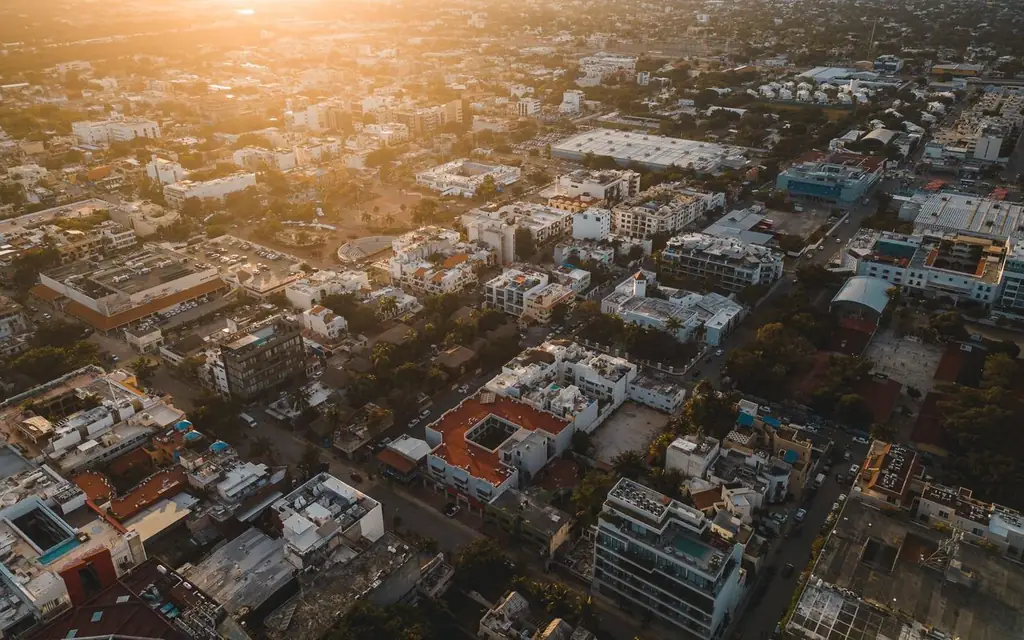
Travelers who land late in Cancun and want to be at the ruins at opening can sleep in Tulum or on the road toward it, which cuts the morning drive to a few minutes. Tulum has a long strip of hotels along the coast, a small town centre and a dense collection of restaurants; its hotel road is slow in the evening, so allow extra time for dinner pickups.
Pack light for the gate. The walk from the car park to the ticket area and through the site is on foot, with little shade, so a small bag is easier than a large one. Carry water, a hat, swimwear in a dry bag and a towel for the beach, and leave bulky items in the vehicle with the driver. If you plan to swim from the small beach after the visit, wear your swimwear under your clothes so you can change quickly and keep to the schedule.
Photography, drones and respect
The ruins are best photographed in the first hour, when the light comes from the east and the plaza is not yet full. Tulum was a living city and a ceremonial place, so treat the structures as such: stay behind the barriers, do not lean on walls and do not stand on the ledges at the cliff edge. INAH sets the site's rules on drones, tripods and commercial photography, and the staff at the gate can tell you what applies that day. Our chauffeurs do not photograph guests and do not post about trips.
Seasons, weather and what to wear
The dry season, roughly winter through spring, has the most comfortable temperatures, and it is also the busiest. The summer months are hotter and more humid, with afternoon storms; hurricane season runs through autumn, and a trip in September or October can be disrupted. Check the forecast the day before and leave extra time for road conditions.
Wear light, breathable clothes, a hat, sunglasses and shoes with grip for uneven limestone. Bring swimwear for the beach. Choose reef-safe sunscreen, since the sea below the site is part of a fragile coast; check the site's current rules on what you can bring onto the beach. Carry water for the walk.
About the service
LimousineWorldwideDirectory.com handles the booking through a 24/7 desk. Every ride is delivered by a vetted, licensed, commercially insured local chauffeur operator, and invoiced by us, so one confirmation and one invoice cover the day. Vehicles are late-model and fully maintained; a Luxury SUV carries up to six with luggage, and an Executive Sprinter takes groups of 12 to 14.
Hotel concierges, travel agents and tourist boards can book for their guests through a trade account. For more days out, see our overview of private tours with driver, the Latin America and Caribbean directory and the attractions hub. Quintana Roo's tourism portal at caribemexicano.travel lists the region's archaeological sites and cenotes.
Official sources
- INAH for notices on archaeological sites.
- INAH online ticketing for tickets to Tulum and Chichen Itza.
- Caribe Mexicano for the region's tourism information.
Frequently asked questions
How far is Tulum from Cancun airport?
About 130 km (80 miles), which takes 1.5 to 2 hours by car. Estimates range from about 113 to 133 km depending on the start point.
How far are the Tulum ruins from Playa del Carmen?
Roughly 65 to 75 km (40 to 46 miles), about an hour, on Highway 307.
What time should I visit the Tulum ruins?
At opening time. Mornings are cooler and quieter. Confirm the current hours with INAH, since sources differ.
Can you climb El Castillo at Tulum?
No. Visitors are asked to stay on marked paths and not to climb the structures.
Where do I park at the Tulum ruins?
There is a car park at a distance from the entrance, with a walk of about one kilometre. It fills by mid-morning. A chauffeur drop-off avoids the issue.
How long do the Tulum ruins take?
About 1.5 to 2 hours on foot, plus time for a swim at the beach below if conditions allow.
How do I buy tickets for Tulum?
Through the INAH ticketing portal or at the site. Fees changed in 2026 and include more than one component, so check the portal for current amounts.
Can I visit Tulum and a cenote on the same day?
Yes. Dos Ojos is about 20 km (12 miles) north of the ruins, and other cenotes are nearby. A chauffeur can combine them.
Is the Tulum ruins visit suitable for children and older travelers?
Yes, with care. Paths are flat but uneven, and there is little shade. Ask the desk for the nearest set-down and bring water and hats.