
 United StatesJFK
 MexicoMEX
 BrazilGRU
 ArgentinaEZE
 ChileSCL
 ColombiaBOG
 PeruLIM
 PanamaPTY
 Costa RicaSJO
 Dominican RepublicPUJ
 JamaicaMBJ
 BahamasNAS
 BarbadosBGI
 United KingdomLHR
 IrelandDUB
 FranceCDG
 GermanyFRA
 NetherlandsAMS
 BelgiumBRU
 SwitzerlandZRH
 AustriaVIE
 ItalyFCO
 SpainMAD
 PortugalLIS
 GreeceATH
 TurkeyIST
 DenmarkCPH
 SwedenARN
 NorwayOSL
 FinlandHEL
 PolandWAW
 Czech RepublicPRG
 HungaryBUD
 IcelandKEF
 United Arab EmiratesDXB
 QatarDOH
 Saudi ArabiaRUH
 IsraelTLV
 EgyptCAI
 MoroccoCMN
 South AfricaJNB
 KenyaNBO
 NigeriaLOS
 IndiaDEL
 PakistanLHE
 Sri LankaCMB
 SingaporeSIN
 MalaysiaKUL
 ThailandBKK
 VietnamSGN
 PhilippinesMNL
 IndonesiaCGK
 Hong KongHKG
 ChinaPVG
 TaiwanTPE
 JapanHND
 South KoreaICN
 AustraliaSYD
 New ZealandAKL
Between 11:00 and 06:00 the inner streets of Gamla Stan are closed to motor vehicles. That single rule from Stockholm's transport department explains why the old town feels like a village in the middle of a capital, and why a private car cannot simply deliver you to the door of a restaurant on Västerlånggatan. The rest of this guide is about working with the rule rather than against it.
How do you get to Gamla Stan by car, and can a chauffeur drive into the old town?
Gamla Stan private tour with a driver begins about 40 km (25 miles) from Stockholm Arlanda, a drive of 35 to 50 minutes. The chauffeur cannot drive through the inner pedestrian streets, so the driver stops on the district's edge, such as the waterfront road, and you walk into the lanes.
Arlanda lies north of the city, and the road south ends in central Stockholm within sight of the old town island. Bromma, the smaller city airport on the west side, is under 10 km (6 miles) away and takes roughly 15 to 25 minutes. Either way, the final leg is on foot, usually for a few hundred meters. That is not a limitation unique to us. It applies to every motor vehicle without a permit.
The practical solution is to name the first place you want to be rather than the district. If you are heading for the Royal Palace, the Nobel Prize Museum on Stortorget or a hotel in the lanes, tell the desk, and the driver will choose the nearest legal stop and tell you which way to walk. For a hotel inside the pedestrian zone, ask the hotel about arrival arrangements before you land.
The traffic rules, as the city states them
Stockholm's Transport Department publishes the rules for Gamla Stan. Without a permit, motor vehicle access is prohibited between 11:00 and 06:00. In the inner parts, all motor vehicles are barred during those hours, seven days a week. From 06:00 to 11:00, vehicles may enter only to reach a destination inside the pedestrian zone, and through traffic is prohibited at all times. A 24-hour parking ban covers the whole district, and drivers must slow to walking pace and give way to pedestrians. In the inner areas, vehicles are limited to 8 meters in length and 3.5 meters in height.
For a visitor, the consequences are simple. A morning arrival at a hotel in the zone may be possible between 06:00 and 11:00, because the destination is inside the zone. An afternoon or evening arrival is not, and the driver stops outside. The same goes for pickups: after 11:00 the car waits at the edge and you meet it there.
A map of the restrictions is on the city's open-data site, and the department's phone line deals with permit questions during office hours. We keep to the published rules and do not attempt exceptions.
Stockholm's congestion tax
The inner city is also inside Stockholm's congestion tax zone, a government charge on vehicle passages that applies to vehicles registered in Sweden and abroad. Cars, lorries and other buses are liable, while emergency vehicles, motorcycles, mopeds and buses weighing at least 14 tonnes are exempt. Foreign-registered vehicles are billed through a notification partner. For passengers, the tax is the operator's business: the fare you are quoted at booking is fixed, and the desk handles the arrangement.
The Swedish Transport Agency's page on congestion taxes links the hours and amounts for Stockholm, which are set by the authorities and change from time to time. We mention it because the charge is one reason the old town has fewer cars than the rest of the city, and because visitors who rent a car often meet the invoice weeks after they return home.
What Gamla Stan is
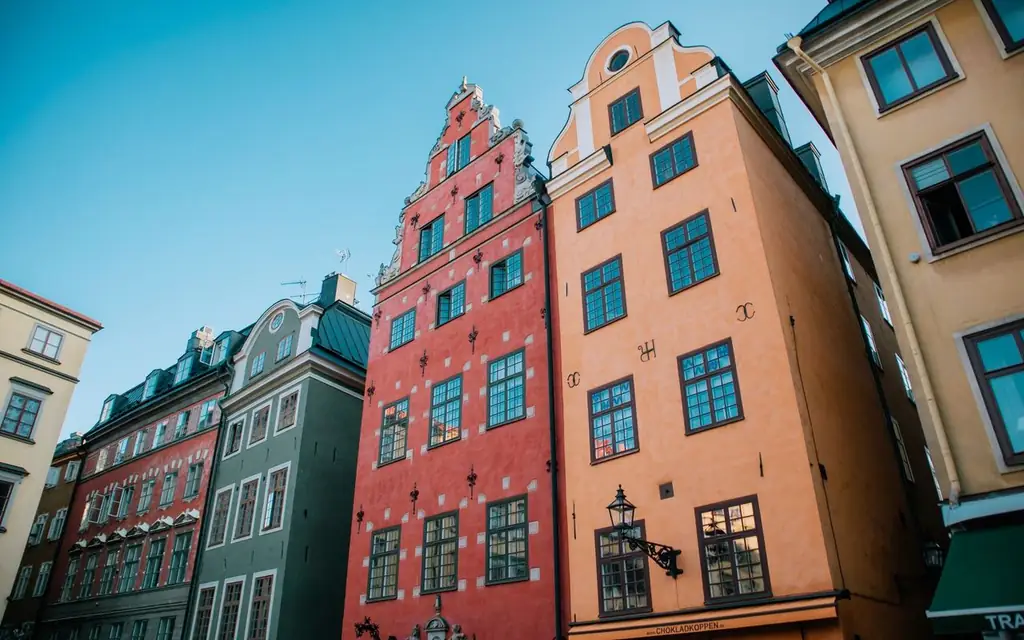
Visit Stockholm describes Gamla Stan as the city's oldest district, founded in the 13th century. It occupies a small island, and its lanes follow a medieval pattern of narrow streets and tall, close houses, with the largest buildings clustered around the Royal Palace. Stortorget, the old square at the center, is where the Nobel Prize Museum stands, at Stortorget 2. It is also where the Stockholm Bloodbath of 1520 took place, an event that features heavily in the area's history.
One lane is worth seeking out for its size alone. Mårten Trotzigs gränd narrows to about 90 centimeters at its tightest point, making it the narrowest street in Stockholm. It runs between Västerlånggatan and Prästgatan and rises in steps, so it is a feature to walk through rather than around. Lanes like this one are why the 8-meter vehicle rule exists.
Four stops to time
The Royal Palace is open to visitors for the Royal Apartments, the Treasury and Museum Three Crowns. According to the palace's official site, from October to December these are open daily from 10:00 to 16:00, and the palace can be completely or partially closed when the King holds official receptions. Gustav III's Museum of Antiquities is open only for pre-booked group tours in 2026.
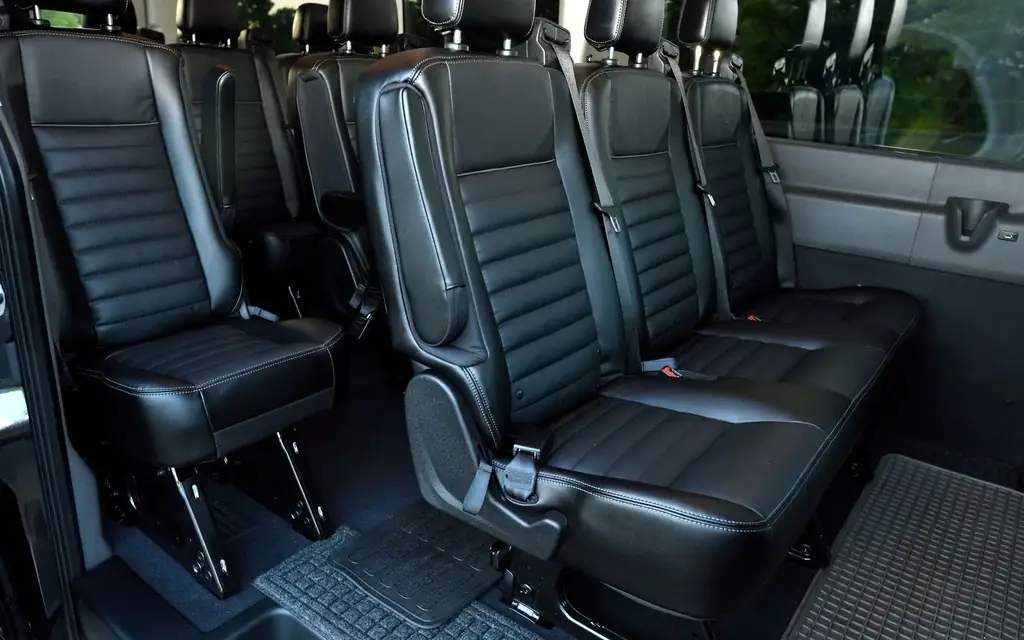
Storkyrkan, Stockholm Cathedral, lists daily opening from 09:30 to 17:00 on the church's own site, with limits on large bags, prams, suitcases and backpacks inside. Leave luggage in the car.
The Nobel Prize Museum at Stortorget 2 is the stop with the least certain hours. The museum's pages and travel guides disagree, and one list shows Monday closed. Check the museum's site for the date you intend to visit.
The narrow lanes need no ticket. Walk Västerlånggatan and Österlånggatan, the two long streets running parallel to the water, and take the stepped lane between them. Cafés and small shops line them, and the cobbles are uneven.
Ways to reach Gamla Stan compared
| Way in | Time | Fare type | Suits |
|---|---|---|---|
| Arlanda Express to Stockholm Central, then walk | About 18 minutes by train, then roughly 15 minutes on foot | Premium rail fare | Light-luggage travelers in a hurry |
| Commuter train or airport bus | 35 to 60 minutes | Lower | Budget travelers |
| Taxi from Arlanda | About 40 minutes | Metered or quoted by operator | Spontaneous arrivals |
| Private chauffeur | Arlanda 35 to 50 minutes; Bromma 15 to 25 | Fixed fare via the booker | Luggage, families, late arrivals, hotel handovers |
| Walk or tram from the center | 10 to 25 minutes | Lowest | Visitors already in the city |
The Arlanda Express is fast and Stockholm Central is close to the old town, so for a traveler with one bag it is a good choice. A private car is more useful when you land late, when you have children or heavy luggage, and when the old town is the first stop of a longer private day. The fare is fixed and quoted before you book.
A walking order that respects the clock
This route takes about three hours with stops. Start at the Royal Palace in the morning, when the Royal Apartments are open and the courtyards are quieter. Walk down to Stortorget and the Nobel Prize Museum, then to Storkyrkan next door. Break for lunch at one of the cafés on the square, then walk the long streets to Mårten Trotzigs gränd. Finish with a coffee near the waterfront, where the car can collect you.
For a shorter visit, choose two of the three interiors and spend the rest of the time in the lanes. A rainy day suits the museum and cathedral, while a dry afternoon favors the streets. The driver can hold your bags, and he will move to a different pickup point if the crowd or the weather changes the plan.
Visit Stockholm links guides to the attractions, restaurants and shops of the district on its Gamla Stan page, and the tourist information line shown there can answer questions about opening days.
Hotel arrivals inside the zone
Many visitors stay in the lanes themselves, and this is where the hourly rule bites. A hotel inside the pedestrian zone may be reachable by car between 06:00 and 11:00, because the destination lies within the zone, but not later in the day. If your flight lands in the afternoon, expect to be dropped on the edge and to walk the last stretch with your bags over cobbles.
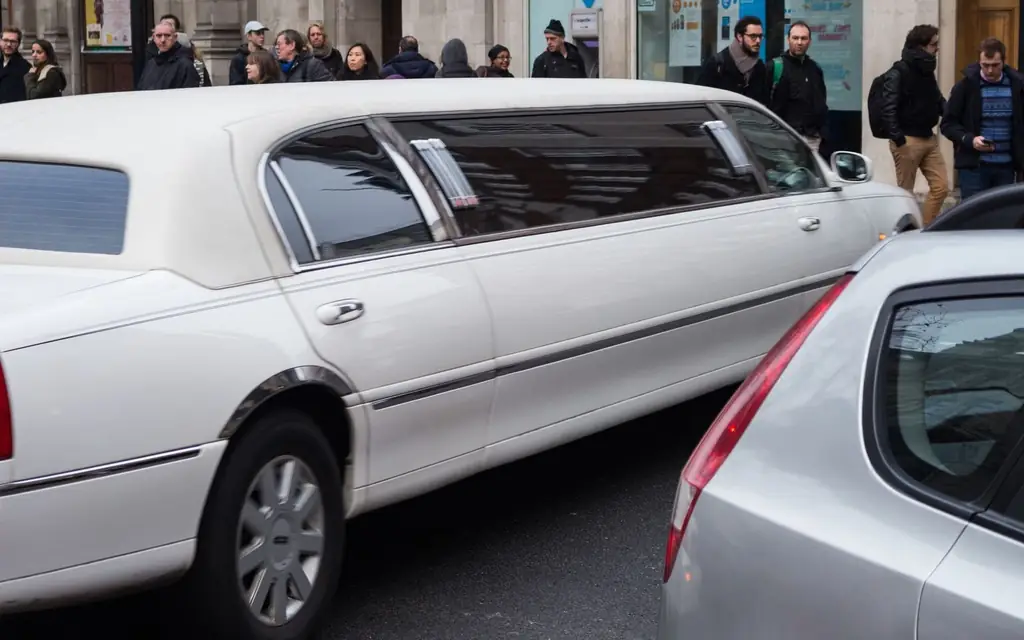
Two steps remove most of the friction. First, tell the desk the hotel's name at booking and ask the hotel what it recommends for arrivals; staff know the nearest legal stop and often meet guests there. Second, pack for the walk: a bag with wheels that handle cobbles, or a soft bag you can carry. If you have a lot of luggage, the driver can take it on to a drop point near the hotel entrance while you walk ahead.
Beyond the main island
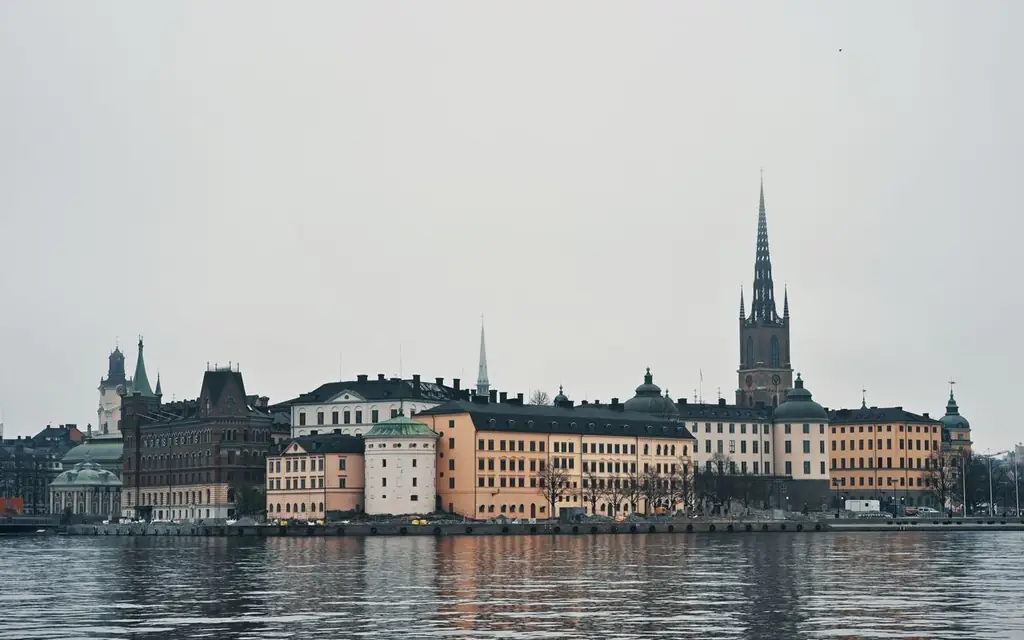
Gamla Stan is one of several islands in the center, and the neighboring Riddarholmen, a short walk away, holds the Riddarholm Church, the burial church of Swedish monarchs. Opening days vary with the season, so check before building it into a plan. From the old town's edge there are also views across the water to the waterfront buildings of Södermalm and Skeppsholmen.
A boat is a good addition on a clear day. The islands are better understood from the water, where the layers of the city are visible at once. Visit Stockholm's site is the place to check current boat options, and the car can drop you at one pier and collect you at another. Because the old town's roads are so restricted, a leg by water is sometimes the most direct way between two points on the map.
Autumn, dark afternoons and the Christmas season
In mid-October the old town darkens early, and by late November the light is gone by mid-afternoon. That suits the lanes, which are at their best lit, and the cafés fill with early diners. The Christmas season is the busiest period; a market has traditionally been held on Stortorget before Christmas, and dates should be checked with Visit Stockholm. For the busiest weekends, plan the drop-off at the edge of the district and be ready to walk further.
Footwear matters all year. The cobblestones are uneven and become slippery with frost and leaves. Dress for wind off the water.
Accessibility and comfort
The pedestrian lanes have cobbles and some steps, and Mårten Trotzigs gränd is stepped. Visitors with limited mobility can use the main streets, which are cobbled but largely level, and should tell the desk at booking so the driver chooses the stop with the shortest walk. Child, toddler and booster seats are on the request list at booking. Museums and the cathedral have their own access information on their sites.
Continuing in Stockholm and Scandinavia
The Vasa Museum guide covers the warship on Djurgården, about 3 km (2 miles) and a 10 to 15 minute drive from the old town. If your trip continues south to Copenhagen, a drive of about 650 km (400 miles), read the Nyhavn guide and the Tivoli Gardens guide. A longer day with one driver is described on the private tours with a driver page, and the Europe directory and attractions hub lead to the rest of the series. Arrivals from other cities are covered by the airports hub. For official detail, use the city's Gamla Stan traffic regulations, the Swedish Transport Agency's congestion tax page, the Royal Palace site and the Nobel Prize Museum.
Frequently asked questions
Can cars drive in Gamla Stan?
Only under limits. Without a permit, motor vehicles are barred from the inner parts between 11:00 and 06:00. From 06:00 to 11:00 they may enter only to reach a destination in the pedestrian zone. Through traffic is never allowed, and parking is banned all day.
How far is Gamla Stan from Arlanda Airport?
About 40 km (25 miles), a drive of 35 to 50 minutes. The Arlanda Express train to Stockholm Central takes about 18 minutes, followed by a walk of roughly 1 km (0.6 miles).
Where does a chauffeur drop you in Gamla Stan?
At the edge of the pedestrian zone, on the nearest legal street to where you are going. The driver confirms the stop by message before you arrive. Hotel guests should ask the hotel about arrival arrangements.
How much time do I need in Gamla Stan?
Three hours covers a walk, the cathedral and one museum or the palace. A full day adds the Royal Palace interiors, lunch and the Nobel Prize Museum.
Is the Royal Palace open in October?
Yes. The official site lists the Royal Apartments, the Treasury and Museum Three Crowns as open daily from 10:00 to 16:00 from October to December. The palace can close fully or partly for official receptions, so check before you go.
Do I have to pay Stockholm's congestion tax?
The tax is a government charge on vehicles in the central zone and applies to Swedish and foreign registrations. For a chauffeured trip the fare is fixed and quoted at booking, and the desk handles the arrangement.
What is the narrowest street in Stockholm?
Mårten Trotzigs gränd, which narrows to about 90 centimeters. It runs between Västerlånggatan and Prästgatan and rises in steps.
Is Gamla Stan suitable for wheelchairs and strollers?
Partly. The main streets are cobbled and mostly level, but lanes have steps and uneven stones. Tell the desk at booking and the driver will choose the closest stop.