
 United StatesJFK
 MexicoMEX
 BrazilGRU
 ArgentinaEZE
 ChileSCL
 ColombiaBOG
 PeruLIM
 PanamaPTY
 Costa RicaSJO
 Dominican RepublicPUJ
 JamaicaMBJ
 BahamasNAS
 BarbadosBGI
 United KingdomLHR
 IrelandDUB
 FranceCDG
 GermanyFRA
 NetherlandsAMS
 BelgiumBRU
 SwitzerlandZRH
 AustriaVIE
 ItalyFCO
 SpainMAD
 PortugalLIS
 GreeceATH
 TurkeyIST
 DenmarkCPH
 SwedenARN
 NorwayOSL
 FinlandHEL
 PolandWAW
 Czech RepublicPRG
 HungaryBUD
 IcelandKEF
 United Arab EmiratesDXB
 QatarDOH
 Saudi ArabiaRUH
 IsraelTLV
 EgyptCAI
 MoroccoCMN
 South AfricaJNB
 KenyaNBO
 NigeriaLOS
 IndiaDEL
 PakistanLHE
 Sri LankaCMB
 SingaporeSIN
 MalaysiaKUL
 ThailandBKK
 VietnamSGN
 PhilippinesMNL
 IndonesiaCGK
 Hong KongHKG
 ChinaPVG
 TaiwanTPE
 JapanHND
 South KoreaICN
 AustraliaSYD
 New ZealandAKL
One sentence on the museum's own visitor page changes how most people plan a visit: pre-purchased tickets do not give priority in the queue. There is no fast lane to buy your way into. That leaves two levers for a smooth visit, the day of the week and the hour of arrival, and both can be matched to a chauffeur's schedule.
How do you get to the Vasa Museum by car, and where does the chauffeur stop?
Vasa Museum private tour with a driver ends at Galärvarvsvägen 14 on Djurgården, about 3 km (2 miles) and 10 to 15 minutes from Gamla Stan, or roughly 45 km (28 miles) and 40 to 55 minutes from Stockholm Arlanda. The museum says parking is available just after the Djurgården bridge.
The museum's getting-here page adds a caution for drivers: parts of Djurgårdsvägen are sometimes closed to cars in spring, summer and autumn, though buses, taxis and bicycles can still pass. Which side of that line a private-hire car falls on depends on the sign at the barrier on the day, so the driver checks it and chooses between driving through and stopping at the bridge. In the second case the walk to the entrance takes a few minutes.
Djurgården is an island park with a single main road in, which means weekend traffic can queue near the bridge. A weekday morning is easy. A sunny Saturday is not. If your plan has to run on a weekend, ask the desk to schedule an early arrival.
The ship in four facts
The museum states that Vasa sank on its maiden voyage in Stockholm in 1628 and lay on the bottom for 333 years. It was raised on 24 April 1961, and from 1961 to 1988 it was displayed in a temporary building, the Wasavarvet Museum. The present museum was inaugurated by King Carl XVI Gustaf on 15 June 1990. The museum calls Vasa the only preserved ship from the 1600s in the world, and says about 98 percent of it is original.

Seeing it is different from reading about it. The hull is displayed in a large hall, and the sculpted decoration on the stern and sides gives a sense of what a warship was meant to say about the monarch who ordered it. A 1:10 model in the museum, carrying more than 500 sculptures, shows how richly the ship was meant to look when it left the quay.
The museum also runs exhibitions on preservation, on life aboard and on the people found in the wreck. Allow time for these, since they turn the visit from a single dramatic object into a story.
If your time is short, do not try to read every panel. Walk the levels around the hull first, because seeing the ship from several heights is the part a photograph cannot replace, and keep the exhibitions on preservation and life aboard for the end, when you can dip into the topics that interest your party. Agree a pickup time with the driver that leaves a small cushion beyond the ninety minutes the museum suggests, then send a message from the café when you are ready, so the car is waiting at the nearest practical point instead of idling by the bridge.
Hours, tickets and what the museum says
Opening hours, as published on the museum's site: in summer (June to August) daily 08:30 to 18:00, and from September to May daily 10:00 to 17:00, with Wednesdays open until 20:00. The museum is closed on 24 and 25 December, and on 31 December it opens 10:00 to 15:00. Check the current hours page before you travel, because seasonal changes apply.
Admission is sold on arrival and online. Per the museum's 2026 price list, an adult ticket is SEK 195 from 1 January to 30 April and from 1 October to 31 December, rising to SEK 240 from 1 May to 30 September, and children and youths up to 18 enter free. A combination ticket covers the Vasa Museum and Vrak – Museum of Wrecks for 72 hours. The museum is cash-free, so a card is needed in the entrance, shop and restaurant.
The booking rule is the one in the introduction: advance tickets do not skip the queue. Their value is certainty, not speed. The better lever is the clock. The museum's own visitor forum advises Monday to Thursday afternoons, since most visitors come on Saturdays.
What to leave in the car
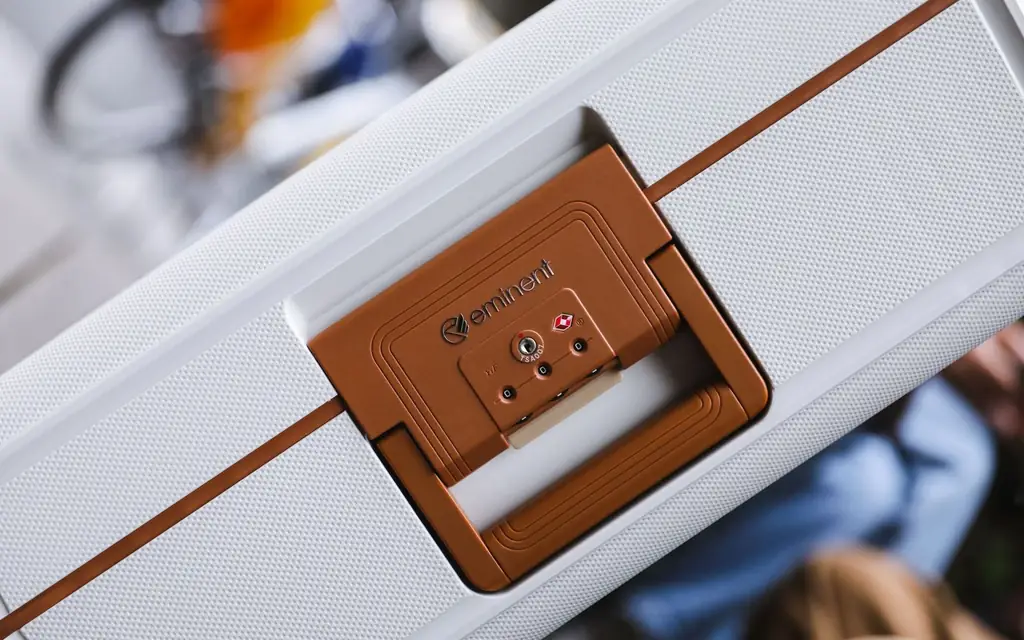
Wheeled cases and large luggage are not allowed in the museum. Handbags and smaller backpacks are permitted, but you must carry them for the whole visit. This is the practical case for a chauffeur on a travel day: a traveler who lands in the morning can have the driver take the bags to the hotel first, or keep them in the vehicle during the visit.
The recommended visit length is 90 minutes. Add 30 minutes for the shop and the café if you want a break. The museum offers daily guided tours in English and Swedish, and audio guides in English, French, Polish, Spanish, German, Chinese, Japanese and several other languages. A tour is a good choice if you want the story without reading every panel.
The hall tends to be dimly lit, so photographers should expect low light, and the staff will tell you what applies to flash on the day.
Getting to Djurgården compared

| Approach | Time | Fare | Best match |
|---|---|---|---|
| Tram 7 from the center | About 15 to 20 minutes | Lowest, public fare | Visitors staying centrally |
| Bus 67 or a walk from Karlaplan metro | About 10 minutes on foot | Lowest | Red-line metro users |
| Ferry from Slussen (line 82) or Nybroplan (line 80) | Short crossing plus about 8 minutes on foot | Public fare | A scenic arrival |
| Walk from the center | About 30 minutes | Free | Fit visitors on a dry day |
| Private chauffeur | 10 to 15 minutes from Gamla Stan; 40 to 55 from Arlanda | Fixed fare via the booker | Luggage, families, mobility needs, tight schedules |
The museum recommends the tram, buses and ferries, and they work well from the center. Public transport is the lowest-cost route and is often as quick as a car. The chauffeur makes sense on arrival and departure days, with small children or elderly relatives, or when the Vasa is one stop in a longer private day. Timetables are on sl.se.
A half-day around the ship
A morning plan that works on most days: begin at the Vasa Museum at opening, when the hall is quiet. Spend 90 minutes inside, then walk out into the island's park setting. The tram stop is named for the neighboring Nordic Museum, which sits beside the Vasa and is a natural second stop.
From there the car can take you back to the old town. The Gamla Stan guide explains the traffic rules, which allow vehicles to enter before 11:00 only to reach a destination inside the pedestrian zone and bar them afterward, so a lunch in the old town means being dropped at its edge.
On Wednesdays in the cooler months the museum stays open until 20:00. An early-evening visit then makes a calm alternative to the daytime crowds, followed by dinner at the museum's restaurant or in the city. Reserve the car for the return.
From Arlanda, Bromma and the cruise terminals
Arlanda is about 45 km (28 miles) from Djurgården, and the drive takes 40 to 55 minutes in typical traffic. The Arlanda Express train runs to Stockholm Central in about 18 minutes, and a tram or taxi covers the rest. Bromma is closer, about 10 km (6 miles) away and 20 to 30 minutes. The flight is tracked, and an international arrival has an hour of free waiting after landing.
Cruise passengers should know that a call at Stockholm often runs from early morning to late afternoon. If the schedule is tight, tell the desk the all-aboard time at booking so that the return leg carries a margin. The museum's own forum has threads on arrivals from cruise terminals, and the museum recommends allowing a full 90 minutes inside.
What else is on the island
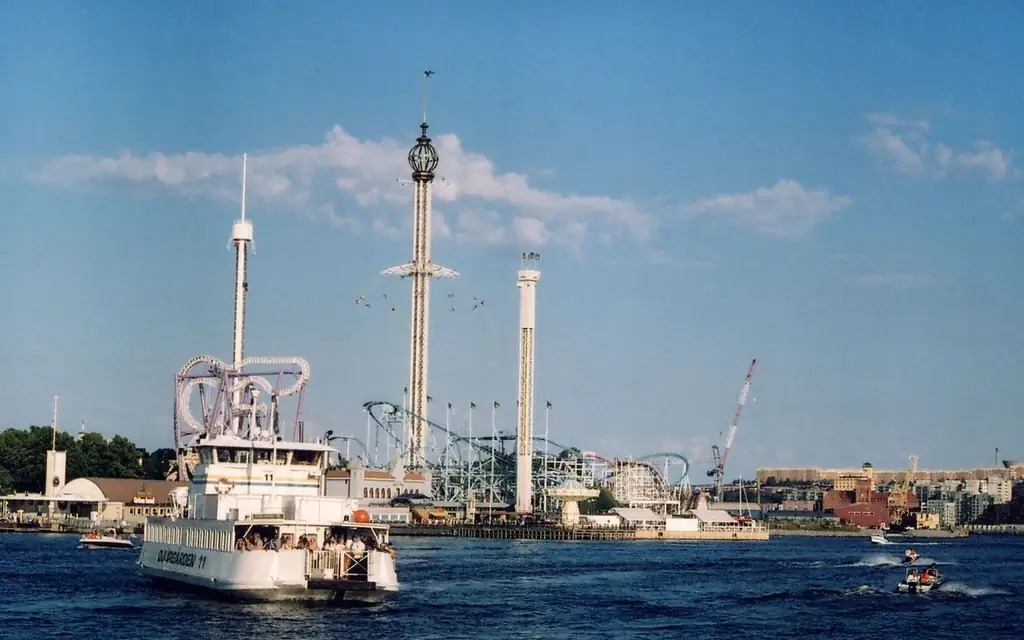
Djurgården is a park island with several museums, and the Vasa is the anchor. The tram and bus stop takes its name from the Nordic Museum, which stands beside the Vasa and covers everyday life in the Nordic countries. The Vrak – Museum of Wrecks, covered by the combination ticket mentioned above, tells the story of other ships lost in the Baltic. Skansen, the open-air museum, and the ABBA museum are also on the island; check their sites for hours, which differ by season.

The temptation is to stack too many. A realistic day on the island pairs the Vasa with one other stop and a walk in the park, and leaves the rest for another visit. The driver can sit out the middle of the day, and the desk brings him back when you want to leave for the old town or the hotel.
A cold or wet day
Stockholm in autumn can be damp and dark by mid-afternoon, and the Vasa is the right place to be: it is indoors, and the visit takes a predictable 90 minutes. The walk from the car is short if the driver can get close. Wear layers you can take off, since you will carry your coat for the duration, and remember that bags must be carried with you through the building.
If rain is heavy, ask the desk to arrange a close drop-off, and keep an umbrella in your bag. Stockholm's pavements around the island can be slick with leaves, so wear shoes with grip. After the museum, a warm lunch in the restaurant or a drive back to the center for the old town's cafés suits the weather.
Visiting with children
The museum is free for visitors up to 18, and the ship holds most children's attention for longer than a typical museum does. The 90-minute estimate is realistic for school-age children and tight for toddlers, who will want to break at the café. Check the museum's accessibility page if you plan to use a stroller; wheeled luggage is not allowed, so leave the suitcases in the car.
Younger children enjoy the model, which is easier to take in than the full hull. For young passengers, a child, toddler or booster seat can be requested at booking, and the desk can plan a pickup that fits nap time. The museum's own forum names Monday to Thursday afternoons as the quietest slots, because most visitors come on Saturdays. That fits a family plan well: a late lunch, then the ship, then the car home before the evening rush.
Accessibility and comfort
The museum has an accessibility page on its site; read it if anyone in your party uses a wheelchair or has limited mobility, since the exhibition spans several levels around the hull. Tell the desk at booking so the driver stops at the nearest practical point. Children up to 18 enter free, and children under 12 must be accompanied by an adult. Seats for children can be requested at booking.
October is cool and dark by late afternoon, so wear a coat for the walk between the car and the door.
Scandinavia beyond Stockholm
If you carry on to Denmark, Copenhagen is a day's drive of about 650 km (400 miles), or a one-hour flight. The Nyhavn guide and the Tivoli Gardens guide cover two sights there. If you want the car for the whole outing, the private tours with a driver page explains the options, and the attractions hub lists the other guides. Regional pages are in the Europe directory, and the airports hub shows where else we meet flights. For official sources, use the Vasa Museum's hours and admission page, getting here page, plan your visit page and timeline.
Frequently asked questions
Where is the Vasa Museum?
At Galärvarvsvägen 14 on Djurgården in Stockholm. It is about 3 km (2 miles) from Gamla Stan and a 10 to 15 minute drive. Tram 7 and bus 67 stop at Nordiska museet/Vasamuseet nearby.
How far is the Vasa Museum from Arlanda Airport?
About 45 km (28 miles), a drive of 40 to 55 minutes. The Arlanda Express to Stockholm Central takes about 18 minutes, followed by a tram or taxi.
Can a car park near the Vasa Museum?
The museum says parking is available just after the Djurgården bridge, on the right. It also warns that parts of Djurgårdsvägen are sometimes closed to cars in spring, summer and autumn. A chauffeur checks the day's situation and drops you at the closest practical point.
Do I need to book Vasa Museum tickets in advance?
No. Tickets can be bought on arrival. The museum states that pre-purchased tickets do not give priority in the queue, so choose a quiet time of day instead.
What are the Vasa Museum's opening hours?
Per the museum's site: June to August daily 08:30 to 18:00; September to May daily 10:00 to 17:00, with Wednesdays until 20:00. It is closed on 24 and 25 December. Check the hours page before you go.
How long does the Vasa Museum take?
The museum recommends about 90 minutes. Add time for the shop, the café or a guided tour.
Can I bring luggage into the Vasa Museum?
Not wheeled cases or large luggage. Handbags and smaller backpacks are allowed but must be carried with you throughout. A chauffeur can keep bags in the vehicle.
Is the Vasa Museum free for children?
Yes. Admission is free for visitors up to 18, and children under 12 must be accompanied by an adult.