
 United StatesJFK
 MexicoMEX
 BrazilGRU
 ArgentinaEZE
 ChileSCL
 ColombiaBOG
 PeruLIM
 PanamaPTY
 Costa RicaSJO
 Dominican RepublicPUJ
 JamaicaMBJ
 BahamasNAS
 BarbadosBGI
 United KingdomLHR
 IrelandDUB
 FranceCDG
 GermanyFRA
 NetherlandsAMS
 BelgiumBRU
 SwitzerlandZRH
 AustriaVIE
 ItalyFCO
 SpainMAD
 PortugalLIS
 GreeceATH
 TurkeyIST
 DenmarkCPH
 SwedenARN
 NorwayOSL
 FinlandHEL
 PolandWAW
 Czech RepublicPRG
 HungaryBUD
 IcelandKEF
 United Arab EmiratesDXB
 QatarDOH
 Saudi ArabiaRUH
 IsraelTLV
 EgyptCAI
 MoroccoCMN
 South AfricaJNB
 KenyaNBO
 NigeriaLOS
 IndiaDEL
 PakistanLHE
 Sri LankaCMB
 SingaporeSIN
 MalaysiaKUL
 ThailandBKK
 VietnamSGN
 PhilippinesMNL
 IndonesiaCGK
 Hong KongHKG
 ChinaPVG
 TaiwanTPE
 JapanHND
 South KoreaICN
 AustraliaSYD
 New ZealandAKL
Cross it, stop at it, walk it, or see it from the water
There are four sensible ways to use the Golden Gate Bridge, and a good private driver can combine most of them in a single morning.
You can cross it, which costs a toll only in one direction. You can stop at the south end, where the Welcome Center and the plaza sit. You can walk part of the span on the sidewalk. Or you can see it from the water or from a headland, which is often the best view of all. A Golden Gate Bridge private tour with driver is mostly about choosing the order. Fog decides a lot of it; the toll rules decide the rest.
This post is a field guide for visitors arriving by car from San Francisco and its airports, written from the driver's side of the windshield. The bridge links San Francisco to Marin County across the mouth of the bay, and it opened to traffic in 1937 with a main span of 4,200 feet (1,280 m) between towers rising about 746 feet (227 m). Its International Orange paint is the one detail everyone remembers. Everything below is more practical than that.
How far is the bridge from SFO and the city?
From San Francisco International Airport (SFO) it is about 32 km (20 mi) and typically 30 to 45 minutes. From Union Square it is about 10 km (6 mi), roughly 20 minutes, and from Fisherman's Wharf about 6 km (4 mi), 15 minutes. The bridge's Welcome Center is on the San Francisco side.
Both ends of the bridge touch the Golden Gate National Recreation Area, so it sits inside a ring of parkland, the Presidio on the city side and the Marin Headlands on the north side. Traffic on the approach roads builds through the morning, and on summer weekends the plaza areas can be congested at midday. Our San Francisco limo service page explains how the desk covers the city; the SFO airport guide covers terminal pickups and what to expect when you land.
Tolls: southbound only, and no booths
The Golden Gate Bridge District states that tolls are collected only in the southbound direction, into San Francisco. There are no toll booths: it is all-electronic, vehicles pass through every lane without stopping, and cash tolls are no longer collected at the bridge. The District's tolls and payment page lists four ways to pay: a FasTrak account, a license plate account, a one-time payment or a toll invoice. Rates took effect on July 1, 2026, and the District warns that it never asks for payment by text message.
What does that mean for a chauffeured trip? Two things. First, a one-way crossing northbound costs nothing, so a driver who takes you to the Marin side and returns pays the toll on the way back. Second, the plate-based system means nobody stops to pay, which is why the bridge flows smoothly even when the plaza does not. We quote a fixed fare before you book; ask the desk how tolls appear on your quote for the exact route you want.
The south end: Welcome Center, plaza and the original test tower
The District's visiting page describes a Welcome Center open daily from 9:00 a.m. to 6:00 p.m. with exhibits on the bridge's history, science and engineering, merchandise, and the original 1933 stainless steel test tower on display. A pathway from the plaza leads to an old bunker holding more exhibits. The Round House beside it is now an Equator Coffee. Free walking tours led by San Francisco City Guides run on Wednesdays and Saturdays; their schedules are on their own website.
Parking at the plaza is limited. The honest advice is that a driver who knows the lot will often prefer to drop you at the Welcome Center and circle or wait nearby rather than commit to a space. The District has in the past restricted personal-vehicle parking at busy holiday times, so check its notices if you plan to arrive on a holiday weekend.
Walking and cycling the span
Pedestrians and cyclists cross free. The sidewalk hours are seasonal and the gates close automatically at set times, so confirm the current hours on the District's site before building a plan around them; sources disagree on the exact times and they change between daylight saving and standard time. Cyclists and pedestrians share the span under rules the District sets, so check its current guidance.
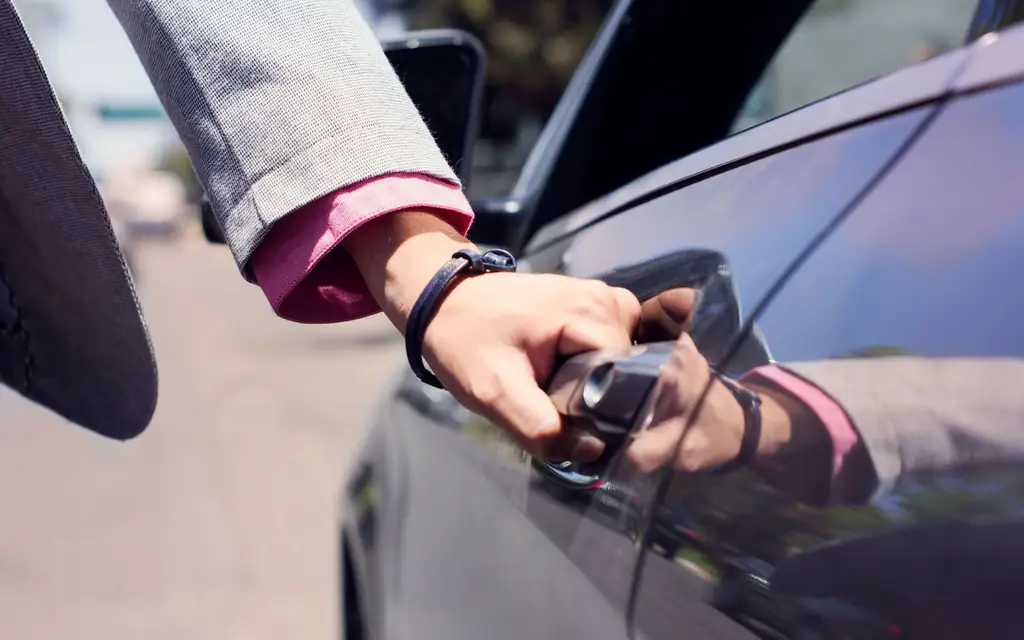
Walking the full span takes roughly an hour round trip for an average walker, longer if you stop to photograph. Wind is strong on the bridge even on calm days in the city, so bring a jacket. A driver can drop you at the south plaza, wait for the walk and collect you, or meet you at the north end if you cross one way.
The best views are not on the bridge
The most photogenic viewpoints are the ones where you can see the whole structure at once:
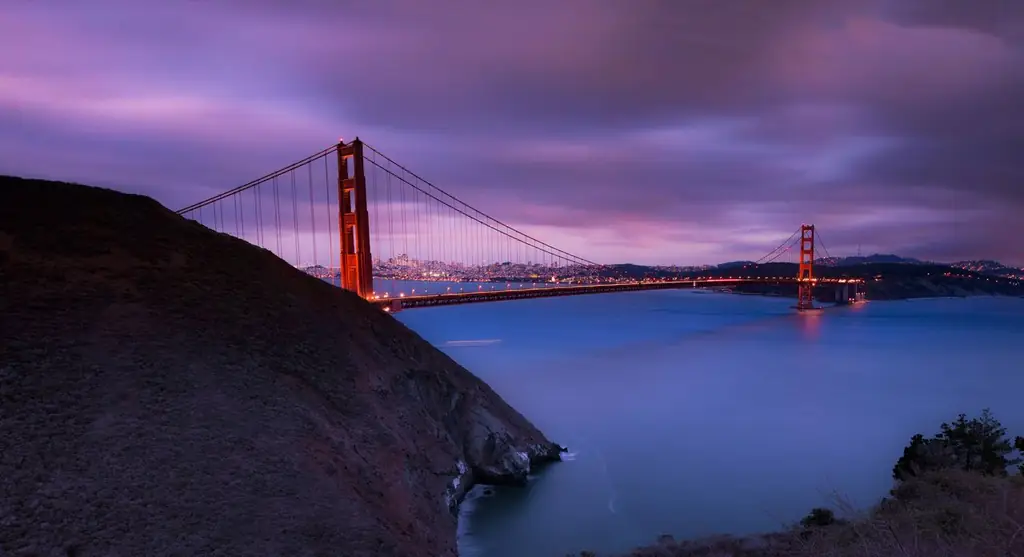
- Battery Spencer, on the Marin Headlands: the classic postcard angle from the north, up a narrow road with a small lot. A driver decides on the day whether it is practical.
- Vista Point, north end: a lot beside the bridge with views back to the city skyline.
- Crissy Field and Fort Point: on the San Francisco side, with the bridge overhead and the bay beside you. The Presidio provides walking and a flat promenade, so this suits all ages.
- Baker Beach: the bridge appears from the beach side, framed by Pacific waves.
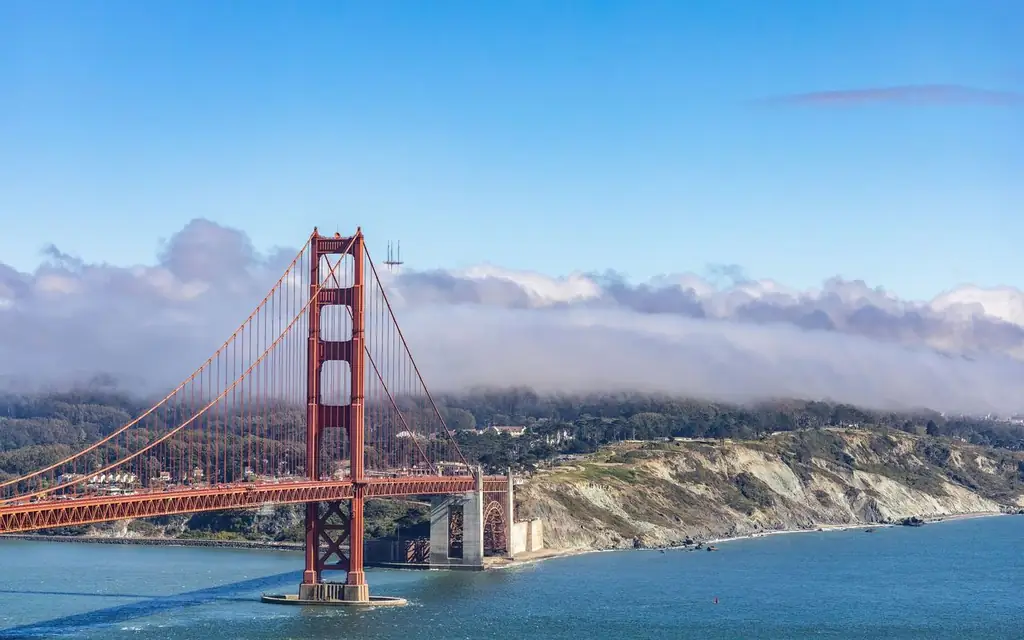
Because the bridge is the narrow gateway between ocean and bay, fog is common, especially in summer. Fog often burns off after midday and returns in the late afternoon, though no one can promise a clear view on a given day. Check the District's weather link for the current view before you commit to the headlands.
The Presidio side: Crissy Field, Fort Point and the approach roads
South of the bridge, the Presidio is a former military post turned national park. Crissy Field is a long waterfront promenade, flat enough for a wheelchair or a stroller, with the bridge standing across the water at the western end. Fort Point, a brick fort tucked beneath the bridge's south end, gives the odd experience of looking up at the steel from underneath. Ask your driver which of these can be reached on foot from the plaza and which are better visited by car: the distances look short on a map and feel longer in wind.
The approach is by the Presidio's roads from the south and east, and the city streets that feed them run through the Marina and Richmond districts. A driver chooses between them based on that morning's traffic. If a construction closure or an event is under way, the route changes without drama.
North of the bridge: Sausalito, the Headlands and the redwoods
Cross to Marin and the character of the day changes. Sausalito, the harbor town just beyond the bridge, is a short drive north and a natural lunch stop. The Marin Headlands rise to the west with old coastal defense batteries and open grassland. The redwood groves at Muir Woods National Monument, a short drive farther, run their own parking and entry system, so check the National Park Service's Muir Woods pages for current rules before you plan to go; do not assume a walk-up visit.
This is a good point to decide whether you want a city morning or a Marin day. A city morning is three viewpoints and a coffee. A Marin day is a lunch, a hill and a harbor, and it makes the most sense when the weather is clear. In a day with fog on the bridge and sun inland, the driver can reroute to Sausalito or beyond.
Planning around the fog
Fog is a feature of the Golden Gate, not a flaw, but it does change photography. In summer a low marine layer commonly covers the towers in the morning. The reliable advice: do not decide the day's schedule the night before. Look at the District's current-weather link on the morning of your trip, and let the driver choose between the south plaza (good in thin fog), the Marin side (often clearer above the cloud) and a waterfront view.
Autumn is often clearer than summer along this stretch, with warm afternoons and sharper light. Winter brings storms and then crisp, clear days after the rain. Whatever the season, dress in layers, because the bridge is often colder and windier than downtown.
Construction on the bridge in autumn 2026
The District's website lists weekday midday lane closures from September 7 to November 5, 9:30 a.m. to 2 p.m., and weeknight lane closures for seismic retrofit work beginning October 5. The roadway stays open to vehicle traffic. For visitors, this means occasional slow patches at midday and at night. A driver keeps an eye on the District's alerts and adjusts the route. Re-check the District site in the days before you travel.
A half-day chauffeured route that works
Consider this order for a morning from a central San Francisco hotel (about 20 minutes to the bridge in light traffic):
- Early start, 8:00 a.m.: drive to Crissy Field for the bridge from the water's edge, before the crowds.
- Welcome Center, 9:00 a.m. opening: exhibits and the test tower, with a coffee.
- Cross northbound (no toll), stop at Battery Spencer or Vista Point for the view back at the city.
- Return southbound (toll applies; electronic).
- Lunch at the Presidio or Fisherman's Wharf, then onward.
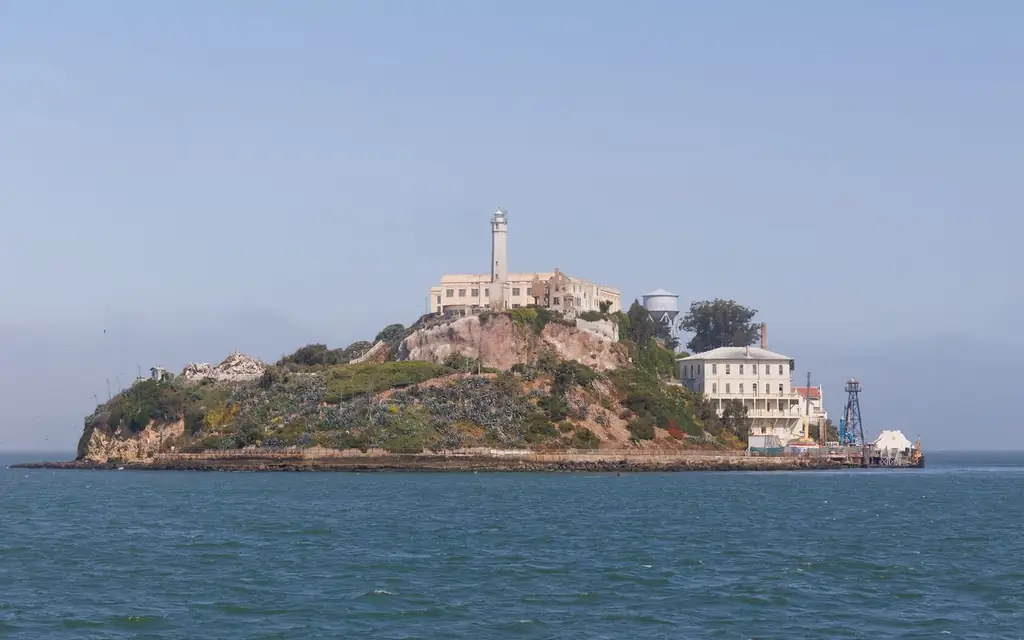
Add Alcatraz Island in the afternoon if you have booked the ferry, since the pier is about 8 km (5 mi) away. For a day trip out of the city, the Napa Valley and Sonoma County guides both start with this same northbound crossing.
Bridge access by car, bus, bike or ride-hail
| Option | Time from Union Square | Cost note | Best for |
|---|---|---|---|
| Private chauffeur | About 20 minutes | Fixed fare via the booker | Groups wanting several viewpoints and a wait at each |
| Muni bus plus walking | 40 to 60 minutes | Lowest | Budget travelers happy to queue at the plaza |
| Rideshare | About 20 minutes | Surge-priced at peak | One-way trips; hard to arrange pick-up at the plaza |
| Rental car | About 20 minutes | Rental plus parking plus toll | Independent drivers with flexible time |
| Bike rental across the span | 45 to 60 minutes | Priced by shop | Fit visitors who want to ride to Sausalito |
If you have a whole day and no luggage, the bus plus a walk is the lowest-cost way to see the bridge up close. A chauffeur is better for early starts, groups that want several viewpoints and a guaranteed pick-up.
Pickups from SFO and hotels
Our airport pickups include flight tracking, and the first 30 minutes of waiting after a domestic landing are free (60 minutes on international arrivals). A driver can take you from the terminal to the bridge on arrival if you want to see it before checking in; ask the desk to quote the route. Name-board meet-and-greet inside arrivals is an optional add-on, and an alias on the board is available on request for privacy.
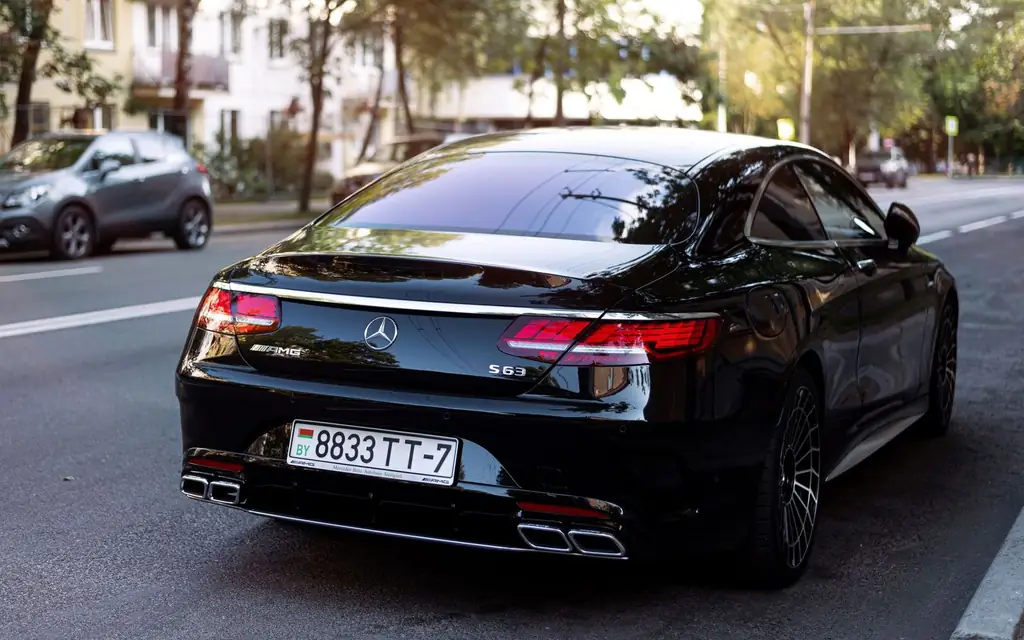
Vehicle classes, all "or similar" and confirmed at booking: Executive Sedan (Mercedes-Benz E-Class or Cadillac equivalent, up to 3), First Class Sedan (S-Class or BMW 7 Series, up to 3), Luxury SUV (up to 6, with 5 to 6 large bags) and the Executive Sprinter (12 to 14). See the fleet for details.
Photographs, privacy and etiquette
Chauffeurs do not photograph clients or post about trips, and NDAs are signed on request. At the bridge itself, be aware of cyclists on the sidewalk and keep to the right on the walkway. Selfie sticks and tripods can be a hazard in crowds. A private tour with driver, from our wider range, is a way to keep the pace relaxed. For other regions, see the North America directory and the attraction guides.
Frequently asked questions
Is there a toll on the Golden Gate Bridge?
Yes, but only southbound, into San Francisco. The bridge is all-electronic with no toll booths, and cash is not taken at the bridge. Northbound is free.
How far is the Golden Gate Bridge from SFO?
About 32 km (20 mi), typically 30 to 45 minutes depending on traffic.
How long does it take to walk across the Golden Gate Bridge?
Roughly an hour for the round trip at an ordinary pace, longer with photo stops. Sidewalk hours are seasonal, so check the District's site.
Can a car stop on the bridge to take photos?
No. Stop at the Welcome Center, Vista Point or the headland viewpoints instead. Your driver will use those.
When is the Welcome Center open?
The District states 9:00 a.m. to 6:00 p.m. daily.
Is there construction on the bridge now?
The District lists weekday midday lane closures from September 7 to November 5, 2026 and weeknight closures from October 5, with the roadway kept open to vehicles.
Can you wait while I walk the bridge?
Yes. The driver waits at the plaza or circles the Presidio, and the booker shows the fare before you confirm.
Can I change or cancel a booking?
A booking cancelled more than 72 hours ahead is free of charge. If you cancel at 72 hours or less before pickup, 10% applies; at 48 hours or less, 50%; and at 24 hours or less, or if nobody shows, 100%. The clock runs from the scheduled pickup time.