 United StatesJFK
 MexicoMEX
 BrazilGRU
 ArgentinaEZE
 ChileSCL
 ColombiaBOG
 PeruLIM
 PanamaPTY
 Costa RicaSJO
 Dominican RepublicPUJ
 JamaicaMBJ
 BahamasNAS
 BarbadosBGI
 United KingdomLHR
 IrelandDUB
 FranceCDG
 GermanyFRA
 NetherlandsAMS
 BelgiumBRU
 SwitzerlandZRH
 AustriaVIE
 ItalyFCO
 SpainMAD
 PortugalLIS
 GreeceATH
 TurkeyIST
 DenmarkCPH
 SwedenARN
 NorwayOSL
 FinlandHEL
 PolandWAW
 Czech RepublicPRG
 HungaryBUD
 IcelandKEF
 United Arab EmiratesDXB
 QatarDOH
 Saudi ArabiaRUH
 IsraelTLV
 EgyptCAI
 MoroccoCMN
 South AfricaJNB
 KenyaNBO
 NigeriaLOS
 IndiaDEL
 PakistanLHE
 Sri LankaCMB
 SingaporeSIN
 MalaysiaKUL
 ThailandBKK
 VietnamSGN
 PhilippinesMNL
 IndonesiaCGK
 Hong KongHKG
 ChinaPVG
 TaiwanTPE
 JapanHND
 South KoreaICN
 AustraliaSYD
 New ZealandAKL
Can a private driver take you into the Korean DMZ?
A chauffeur takes you from Seoul to Imjingak in Paju, about 50 km (31 miles) and 45 to 60 minutes away. Beyond that point the Third Tunnel and Dora Observatory are reached only on an official, reserved DMZ Peace Tour, and Panmunjom only through a UN Command designated operator. Bring your original passport.
The Demilitarized Zone is not one place, and that is the first thing to understand before you book. It is a strip of land that runs across the Korean peninsula, with a military-controlled civilian access line south of it. Some of the area is open to anyone who can drive there. Some of it is open only to registered groups with a tour operator and a passport. And a small part is a diplomatic and military site where the rules are set by the United Nations Command.
A private car cannot override any of that. What it can do is remove the Seoul end of the problem: the early start, the navigation, the parking at Imjingak and the long wait for a return ride. This guide is written for travelers who want that kind of support and who also want an honest picture of what is and is not available. For the way we plan long-distance sightseeing days in general, see the page on private tours with driver.
The DMZ in three layers
For a visitor, the zone divides into three layers, each with different rules.
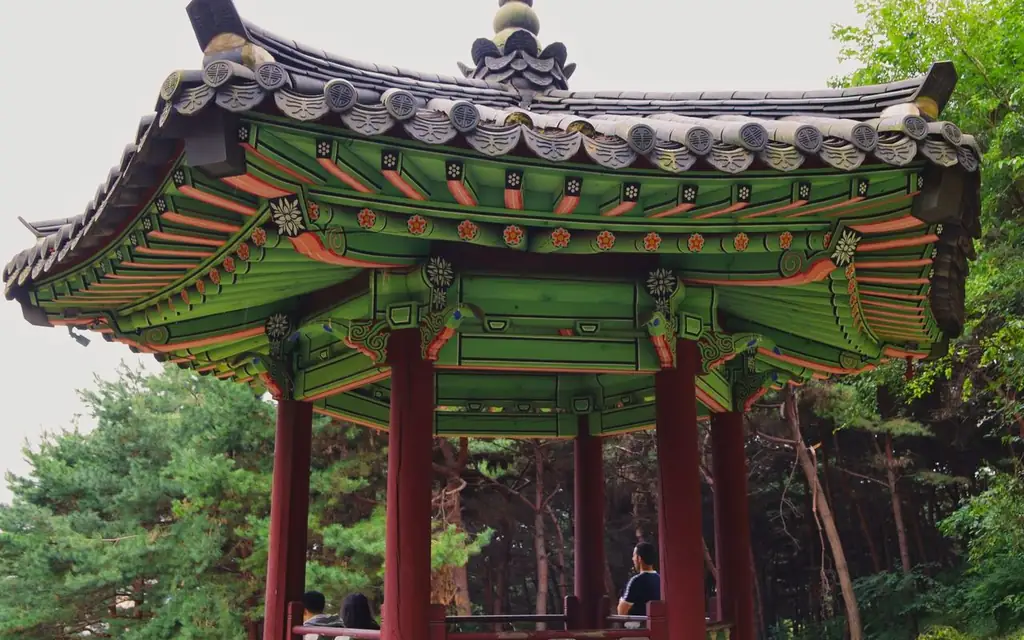
- The open area at Imjingak. A tourism complex in Paju, reachable by road without a special permit. It includes the Imjingak Pavilion, the North Korea Center, Unification Park, memorials, the Peace Nuri park and a gondola. Passport checks may apply at some attractions.
- The area behind the Civilian Control Line. The Third Tunnel and Dora Observatory lie in this zone. The Korea Tourism Organization states that Dora Observatory can only be reached through the DMZ Peace Tour, which leaves from Imjingak after reservation, and that individual visits are not allowed.
- Panmunjom and the Joint Security Area (JSA). Individual visits are not allowed. Visitors must book in advance through a tour operator designated by the United Nations Command.
Keep these three layers in mind and the rest of the planning follows. Your chauffeur's job is layer one, and the connection to layers two and three.
Imjingak: where the car stops and the day starts
Imjingak is the base. The Korea Tourism Organization's page on regional DMZ attractions, last updated in October 2025, lists what is there:
- Pyeonghwa Nuri Park: free and open 24 hours, with the Hill of Music and the Pinwheel Park.
- DMZ LIVE: a digital exhibition, open Tuesday to Sunday 10:00 to 18:00, closed Mondays, with an adult fee of 8,000 won (as of 2026).
- Paju Imjingak Peace Gondola: runs over the Civilian Control Line, 9:00 to 18:00 on weekdays and 9:00 to 19:00 on weekends.
- The National Memorial Hall of the Korean War Abductees: free, closed on Mondays and public holidays, with audio guides in several languages.
- Odusan Unification Observatory: free, open Tuesday to Sunday 10:00 to 17:00 (9:30 to 17:30 from July to September), closed Mondays, with binoculars to look across the river.
There is parking at Imjingak, with fees listed by the tourism organization from 1,000 won for a compact car to 5,000 won for a large vehicle. The chauffeur can leave the car there while you take the tour, and many visitors keep their baggage in the vehicle for the day.
Note that the same page does not list entry requirements, and attractions that cross the control line typically ask for a passport and a signed security pledge. Carry the original document with you from the start.
The DMZ Peace Tour: the Third Tunnel and Dora Observatory
Here is the official detail, from the VisitKorea entries for the Third Tunnel and the Dora Observatory:
- The Third Tunnel: the tour starts from the Imjingak Pavilion and must be reserved in advance. Operating hours are 9:10 to 14:40. It is closed on Mondays, on weekday public holidays, and on the Seollal (Lunar New Year) and Chuseok holidays. Fees listed as of 2026 are 12,200 won for adults by monorail or 9,200 won on foot, with lower fares for teenagers and children.
- Dora Observatory: open 10:00 to 17:00, closed on Mondays. Individual visits are not allowed, and you must join the DMZ Peace Tour. Photography is restricted beyond the observatory because of the military post nearby.
- The whole tour: the tourism organization gives about three hours for the DMZ Peace Tour.
- ID: a passport or Alien Registration Card must be carried, and entry is refused without it.
- Contact: the Paju tourism site, tour.paju.go.kr, handles the tour reservation.
Inside the tunnel, helmets are mandatory and the route is on foot. The tourism organization also notes that seniors and visitors with certain health conditions may be turned away. If a member of your party is unsure, ask the tour operator before the day.
Because the tour is run by the operator and not by us or your chauffeur, you should treat the reservation as your responsibility, or ask your hotel concierge or a qualified guide to arrange it. Our desk can match the car's schedule to the tour time once you have it.
Panmunjom and the Joint Security Area
The Joint Security Area is the most restricted of the three layers. VisitKorea's entry for Panmunjom says:

- Individual visits are not allowed. Visitors must book in advance through a tour operator designated by the United Nations Command; the page points to panmuntour.go.kr.
- Valid ID, such as a passport, is required.
- Visitors aged 7 and under are not admitted.
- Visits take about 3 hours and admission is free.
- Days of operation are Tuesday, Wednesday, Friday and Saturday. It is closed on Monday, Thursday, Sunday and UN Command holidays.
- The page notes that Panmunjom remains a venue for talks between South and North Korea, and it does not say whether tours are currently running.
That last point deserves emphasis. Access to Panmunjom depends on the security situation, and tours can be suspended or cancelled at short notice. Do not build a trip around it without confirming availability, and do not assume a chauffeur can arrange it. The 1330 Korea Travel Helpline on the tourism pages can confirm the current status.
Seoul to Imjingak: distance, time and route
From central Seoul, Imjingak is about 50 km (31 miles) north by road, typically 45 to 60 minutes. The usual route follows the Jayu-ro arterial, which runs northwest from Seoul and ends at the Unification Bridge approach, with an exit at Imjingak. Rush hours slow the first 15 km.
- Hotels in central Seoul (Gwanghwamun, City Hall, Myeongdong): 45 to 70 minutes depending on traffic.
- Incheon Airport: a longer run, because Imjingak is on the far side of Seoul. Most visitors do the DMZ on a day separate from arrival; see the Seoul Incheon Airport page for the transfer.
- Return: build in 90 minutes for the drive back to a central hotel if you finish at 16:00, since the evening commuter traffic builds along the same arterial.
For the full city service, see our Seoul chauffeur service page.
Planning for cancellations and full tours
The restricted parts of the DMZ depend on factors no chauffeur can control. Seats on the official tour can run out in busy weeks, the Third Tunnel and Dora Observatory close on Mondays and on holiday dates, and the military can suspend visits when the security situation changes. A sensible plan builds in slack.
- Reserve the tour first, then ask the desk to book the car around the confirmed time. Do not do it the other way round.
- Choose a weekday outside Monday. Tuesday to Friday keeps the most options open, and Panmunjom, if available at all, runs only on Tuesday, Wednesday, Friday and Saturday.
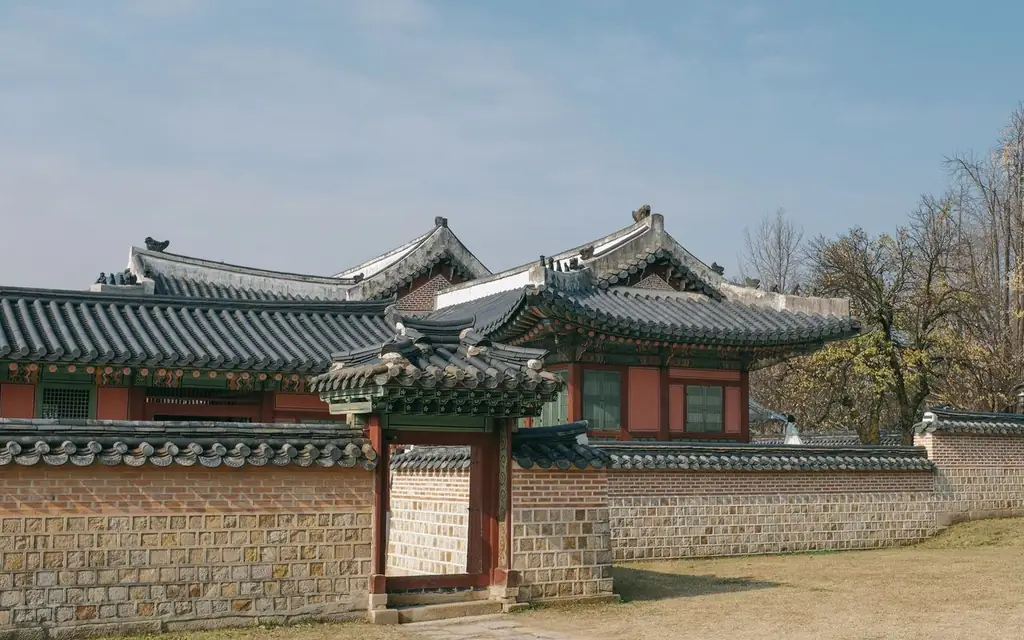
- Keep an alternative in the pocket. If the tour is cancelled, Imjingak itself still offers the park, the observatory and the gondola, and an early return leaves time for an afternoon in Seoul, such as Gyeongbokgung Palace, if it is open that day.
- Check the weather and the notices on the morning. The Korea Travel Helpline (1330) and the Paju tourism site carry the latest status.
If your schedule is fixed and cannot move, say so at booking and the desk will plan the car with a flexible waiting window at Imjingak rather than a hard return time.
Documents, dress and conduct

- Passport: original, not a photocopy. Some tour operators accept a government-issued alien registration card for residents.
- Dress: neat, plain clothes. Avoid military-style clothing, torn clothes and slogans. Operators set their own dress rules and will tell you.
- Photography: restricted in certain zones, particularly beyond the Dora Observatory. Follow the signs and the soldiers' instructions.
- Behavior: the zone is a working military area and a place of real division. Do not point cameras at soldiers, do not joke about the zone and do not leave the designated paths. The tourism organization warns that areas outside the designated route are uncertified minefields.
- Alcohol, weapons and fishing gear may not be carried into the military operation area.
The border day, hour by hour
- 7:30 – Hotel pickup in Seoul. Early, to beat the northbound commuter traffic.
- 8:30 – Arrive at Imjingak. Park, use the facilities and check in for your reserved DMZ Peace Tour.
- From about 9:30 – The official tour. Departure times are set by the operator, so reserve a morning slot; the Third Tunnel's listed hours run 9:10 to 14:40. The chauffeur stays at Imjingak with the car.
- 12:30 to 14:00 – Lunch and the open sites at Imjingak. Pyeonghwa Nuri Park, the Odusan Unification Observatory and the gondola are options.
- 14:00 to 16:00 – Return to Seoul, ahead of the evening traffic.
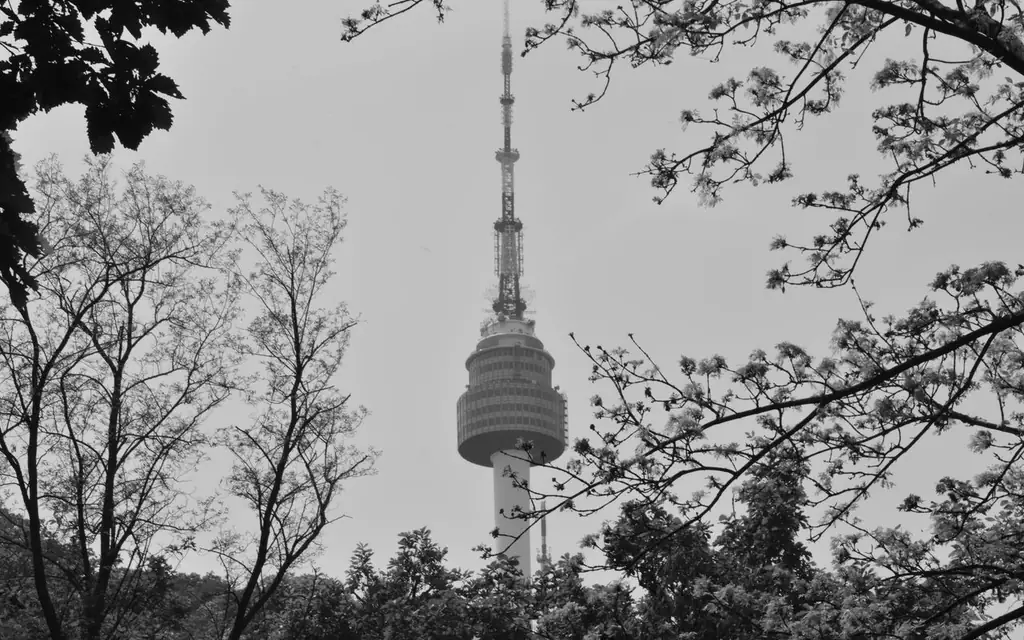
- Late afternoon – A change of tone in the city. An easy evening at N Seoul Tower is a popular way to end the day; see that guide for the cable car and the car-free summit.
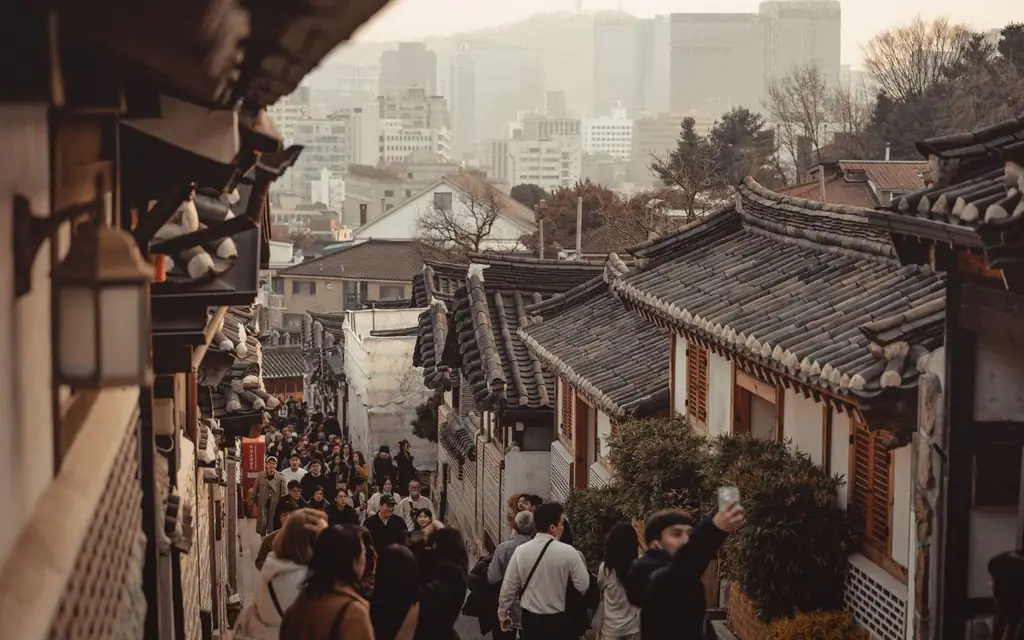
Pair the border day with the palace on a separate day. The Gyeongbokgung Palace guide covers the capital's historic center, and Bukchon Hanok Village fits the morning of the day after. The Asia-Pacific directory lists the other cities we cover, and tourist offices can arrange visitor transport via a trade account; see Asia-Pacific tourist offices.
Group tour or private car for the DMZ
| Option | What it covers | Cost note | Best for |
|---|---|---|---|
| Guided group tour from Seoul | Usually Imjingak, the Third Tunnel and Dora Observatory, sometimes the JSA | Lowest, all-inclusive | Solo travelers who want a ready-made program with a guide |
| Own transport to Imjingak, then the official DMZ Peace Tour | Imjingak open sites plus the tour reserved through Paju | Tour fees plus transport | Independent travelers on a flexible day |
| Private chauffeur to Imjingak plus a reserved DMZ Peace Tour | Same as above, with door-to-door comfort | Fixed fare via the booker, plus tour fees | Families, small groups, anyone who wants the car and luggage handled |
| Panmunjom (JSA) via a UN Command designated operator | The Joint Security Area only | Per the operator | Visitors who have confirmed availability and booked in advance |
A plain assessment: a guided group tour from Seoul is the simplest way to see the restricted sites, because the operator handles the registration and the guide explains the history. A private chauffeur suits a party that wants control over the timing, a comfortable vehicle for the long road, the same driver all day and a flexible lunch stop. The car does not give you access to anything the official tours do not.
Frequently asked questions
How far is the Korean DMZ from Seoul?
Imjingak, the usual base for DMZ visits, is about 50 km (31 miles) from central Seoul, typically 45 to 60 minutes by road. The restricted sites are a further short run on the official tour bus.
Can I drive my own car to the Third Tunnel or Dora Observatory?
No. Dora Observatory can be reached only by the DMZ Peace Tour from Imjingak, and the Third Tunnel tour also starts there and requires an advance reservation. A chauffeur stays at Imjingak with the car.
Do I need my passport for the DMZ?
Yes. The tourism organization requires a passport or Alien Registration Card for the DMZ Peace Tour and the Third Tunnel, and entry is refused without it. Bring the original.
What are the Third Tunnel and Dora Observatory hours?
As listed by VisitKorea, the Third Tunnel tour runs 9:10 to 14:40 and Dora Observatory is open 10:00 to 17:00. Both are closed on Mondays; the tunnel is also closed on weekday public holidays and for Seollal and Chuseok.
Can I visit the Joint Security Area at Panmunjom?
Only through a tour operator designated by the United Nations Command, booked in advance, with valid ID. Visitors aged 7 and under are not admitted, and tours run on set days and can be suspended.
How long does a DMZ trip take?
Allow a full day. The official tour takes about three hours, and the drive each way is 45 to 60 minutes plus traffic. A start at 7:30 and a return by late afternoon is typical.
Is the DMZ safe to visit?
Official tours operate under military supervision and follow strict rules. Conditions can change, so check the current status with the Korea Travel Helpline on 1330 or the Paju tourism site before you go.
Does your chauffeur booking include the DMZ tour itself?
No. The car and driver are one booking; the DMZ Peace Tour, the Third Tunnel and any Panmunjom visit are reserved separately with the official operators. We schedule the car around the tour time you confirm.