 United StatesJFK
 MexicoMEX
 BrazilGRU
 ArgentinaEZE
 ChileSCL
 ColombiaBOG
 PeruLIM
 PanamaPTY
 Costa RicaSJO
 Dominican RepublicPUJ
 JamaicaMBJ
 BahamasNAS
 BarbadosBGI
 United KingdomLHR
 IrelandDUB
 FranceCDG
 GermanyFRA
 NetherlandsAMS
 BelgiumBRU
 SwitzerlandZRH
 AustriaVIE
 ItalyFCO
 SpainMAD
 PortugalLIS
 GreeceATH
 TurkeyIST
 DenmarkCPH
 SwedenARN
 NorwayOSL
 FinlandHEL
 PolandWAW
 Czech RepublicPRG
 HungaryBUD
 IcelandKEF
 United Arab EmiratesDXB
 QatarDOH
 Saudi ArabiaRUH
 IsraelTLV
 EgyptCAI
 MoroccoCMN
 South AfricaJNB
 KenyaNBO
 NigeriaLOS
 IndiaDEL
 PakistanLHE
 Sri LankaCMB
 SingaporeSIN
 MalaysiaKUL
 ThailandBKK
 VietnamSGN
 PhilippinesMNL
 IndonesiaCGK
 Hong KongHKG
 ChinaPVG
 TaiwanTPE
 JapanHND
 South KoreaICN
 AustraliaSYD
 New ZealandAKL
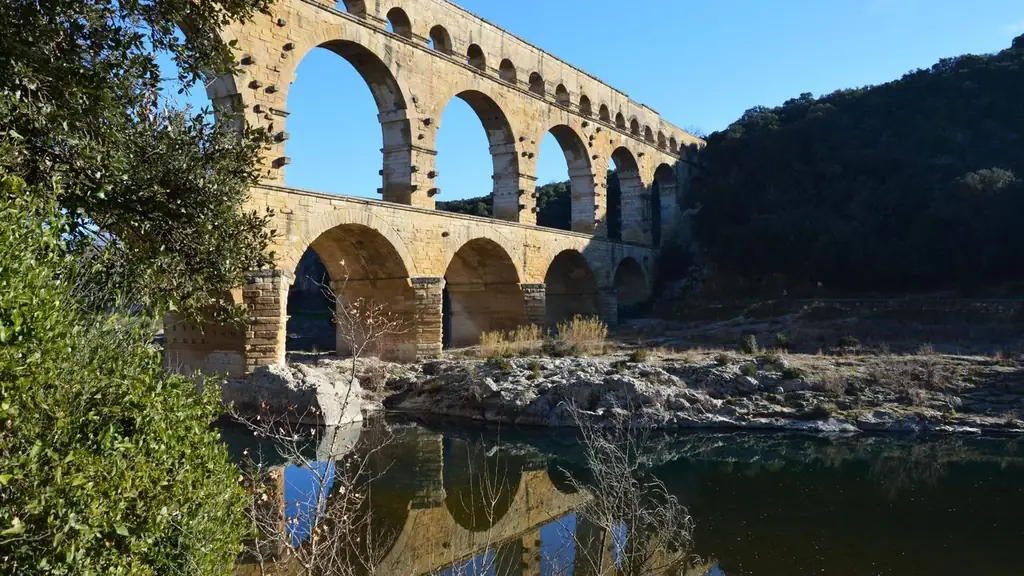
The Pont du Gard is the highest Roman aqueduct bridge, three tiers of golden limestone, 49 m high according to the site's own description, crossing the river Gardon between Nîmes and Avignon. It is also a place where a small decision at the car park changes the day. The site has a left bank and a right bank, each with its own parking and its own character, and the bridge is pedestrian, so you cross on foot to get from one to the other. A pont du gard private tour with driver starts with that choice.
Planning notes follow on how to get to the Pont du Gard by car from Nîmes, Avignon and the Marseille airport, what each bank offers, how parking is charged, when the museum is open, and how to link the aqueduct with other stops in the south of France.
How far is the Pont du Gard from Nîmes, Avignon and Marseille?
The Pont du Gard is 27 km (17 miles) from Nîmes and 21 km (13 miles) from Avignon, according to the official site, roughly 25 to 40 minutes by road. Marseille Provence Airport is around 100 km (62 miles), about an hour and a quarter by motorway.
The official directions say the site is near the A9 motorway, exit 23 at Remoulins, then the RN100 toward Uzès, and that road signs direct drivers to the left or right bank. From Avignon the drive is short and mostly motorway; from Nîmes it is straightforward. Nîmes's own airport is about 30 km (19 miles) away, around 40 minutes. For international arrivals, Marseille Provence Airport is the major gateway on this side of Provence, and the chauffeur drives the remaining distance.
There is no Provence airport page in our directory yet; start with the airports hub and the Europe directory for the full list. If you are traveling through Paris on the way south, see the Paris Charles de Gaulle page.
What you are looking at
The Pont du Gard is not a road bridge. It is a stretch of Roman aqueduct, part of a channel built to carry water across the Gardon valley toward Nîmes, and the three arched tiers exist because the water channel had to stay level across a gorge. The site's own history page describes forty centuries of human presence at the spot, so the stone is only one chapter. UNESCO has listed the bridge since 1985, according to the official site.
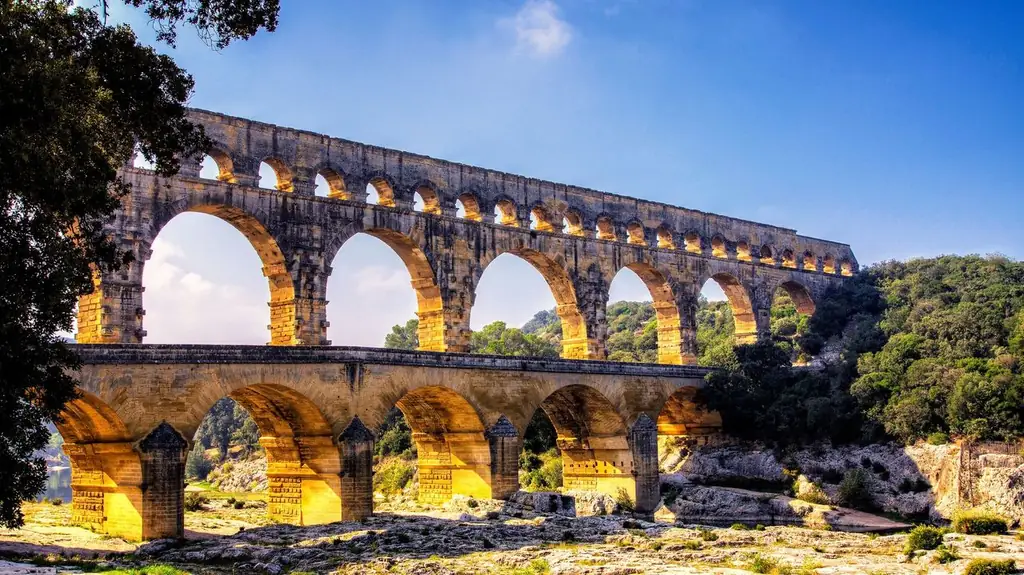
That explains why the best views are from below and from a distance, rather than from the top. Stand on the banks, look up the arches, and then walk closer to see the scale of the stones. It is a monument you understand by its engineering rather than its decoration, and the more slowly you look the more of it you notice.
Left bank or right bank?
The site's FAQ is clear about the difference. The left bank, reached through Vers-Pont-du-Gard, has the museum and the exhibition spaces. The right bank, reached through Remoulins, has the swimming spots, a bistro and a restaurant. Both approach the same bridge, and the walk across is part of the visit. The site is pedestrian only; the aqueduct is crossed on foot.
How to choose. If you want to understand the monument, with the museum and the exhibition, go left. If it is a hot day and the river is the point, or you want a meal beside the bridge, go right. A chauffeur who knows the roads drops you at one bank and collects you from the other, which saves you walking back to the car; that is a real convenience in summer heat. The Gardon is a natural river, so bathing conditions depend on the season and water level, and the right bank rules should be confirmed on the official site for your date.
Parking: what it costs and how it works
Parking is the only mandatory charge for simply seeing the monument. The official site lists 800 spaces on the left bank and 600 on the right, supervised but unguarded. The fee is 9 euros per car per day, regardless of group size or length of stay, as of 2026. You pay on site at the automatic machines or by card at the exit terminals. A ticket can be converted into an annual season pass at no extra charge within 14 days, which is of interest only to residents. Parking after midnight is prohibited, and a fixed fee applies if you overstay.
The site and the car parks are open from 8 a.m. to midnight every day of the year. That window matters in summer: the evening light on the stone is a highlight, and a late dinner on the right bank is possible. Coaches have a dedicated service platform and a charged bus parking, arranged with the site in advance.
Opening hours and the museum
The monument itself is open at the same hours as the car park. The cultural venues, including the museum, follow a seasonal timetable. According to the official page:

- March and October: venues 9:00 to 18:00.
- April to June, and September: 9:00 to 19:00.
- July and August: 9:00 to 20:00.
- November to February: the page describes the cultural venues as closed for the winter season.
The venues close every Monday morning for maintenance, and the site recommends arriving no later than 50 minutes before closing. The page does not give a year, so confirm for 2026 on the day. In 2026 the monument was illuminated at dusk from 15 May to 20 September, with a sound and light show on summer evenings from 4 July to 30 August; the pattern tends to repeat in summer, so check for next season.
Walking around the aqueduct is free; you pay for parking, the museum and some activities and guided tours. If you want an expert explanation of how the aqueduct worked, ask the site about its guided visits. A licensed guide is a separate professional from the chauffeur.
On the bridge: what to expect and who can do it
You can walk the approaches, cross the lower bridge and follow paths around the site. The aqueduct on the third tier is a different matter: the site says it is not suitable for disabled visitors because it involves 80 steps and rough garrigue paths, and it is a physical walk even for able visitors. Car parks have dedicated spaces, pathways are easy to follow, wheelchairs can be provided free of charge, and the cultural areas and restaurant have lifts, with free entry to cultural areas for disabled visitors.
Wear shoes with grip, a hat and sunscreen in summer. The limestone reflects heat and there is little shade between the car park and the bridge. In autumn and winter the river is lower and the paths are quieter, and a light jacket is enough.
Uzès and the countryside around the bridge
The Pont du Gard sits in a landscape of scrub, oak and limestone known as the garrigue, and the nearest town of interest is Uzès, a short drive to the north, with a market, a ducal château and shaded squares. A chauffeured day can end there with an hour in the old center and a late coffee before the drive back to Avignon or Nîmes. In summer, nothing is gained by hurrying the schedule: the heat of the afternoon is when the bridge is least pleasant and the shade of a café most welcome.
Best season and time of day
Late afternoon is best for photographs: the sun turns the limestone a warm gold and the crowds thin. Early morning is quieter and cooler in July and August. Spring brings green banks and a high river, and autumn brings calm light. Because the site stays open until midnight with a car park, an evening visit is easy to build in summer.

October and the shoulder months are the most pleasant for walking, and the museum is open until 18:00 in October. From November, the cultural spaces close, but the monument remains open and free to walk.
Practical tips that save time
- Pay for parking when you arrive or at the exit machine; card payment is available at the terminals.
- Tell the driver which bank you want to finish on, so the pickup is on the side where you will actually be standing.
- Carry water in summer; the site has a restaurant and a bistro, but the walk between them is exposed.
- Check the Monday morning closure of the cultural spaces before you plan a museum visit, and look at the official hours table again on the day you travel, because the seasons change the times.
How long to allow
An hour is enough to see the bridge and take photographs. Two to three hours lets you cross, visit the museum, walk the paths and have a coffee. A full half day, with a swim in summer or a long lunch on the right bank, is comfortable. Combined with other stops, the Pont du Gard fits a morning before an afternoon in Avignon or Uzès.
Getting to the Pont du Gard
| Means | Time | Cost | Suits |
|---|---|---|---|
| Private chauffeur from Avignon | About 25 minutes, 21 km (13 miles) | Fixed fare via the booker | Groups, luggage, a flexible Provence day |
| Private chauffeur from Nîmes | About 30 minutes, 27 km (17 miles) | Fixed fare via the booker | Visitors based in Nîmes |
| Bus line 121 from Nîmes or 115 from Avignon | Timetables on the site | Low | Solo travelers on a budget |
| Shuttle from Nîmes or Avignon | Seasonal shuttle buses | Low | Visitors without a car |
| Bike on the Beaucaire to Uzès greenway | 32 km route with direct access | Low | Fit cyclists |
| Rental car | 25 to 40 minutes from Avignon or Nîmes | Variable, plus the daily parking fee | Drivers combining several villages |
The bus and the greenway are genuinely good options for a single-site visit. The private route is better when you want to combine the aqueduct with Uzès, Avignon or the Luberon, or when you arrive by air with luggage. Vehicle classes: Executive Sedan and First Class Sedan up to three passengers, Luxury SUV up to six, Executive Sprinter up to 12 to 14. See the fleet page.
A chauffeured day
- 9:00 Pickup in Avignon or Nîmes.
- 9:30 Arrive at the left bank car park, museum first.
- 11:00 Cross the bridge to the right bank, walk the paths.
- 12:30 Lunch beside the river on the right bank.
- 14:30 Pickup on the right bank. Drive to Avignon.
- 15:30 The Palais des Papes and the old town.
- 18:30 Back to your hotel.
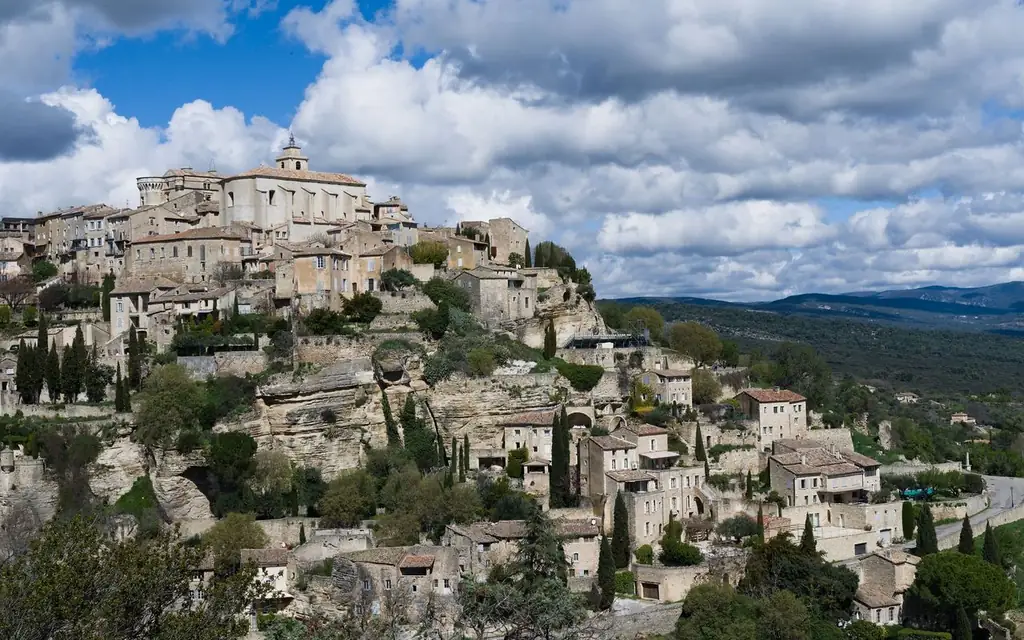
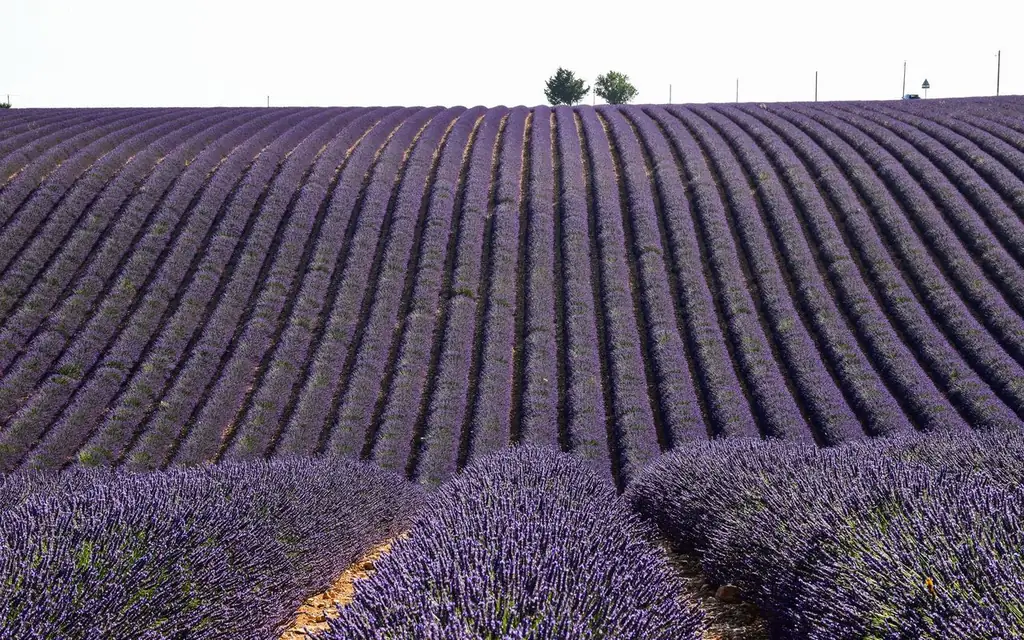
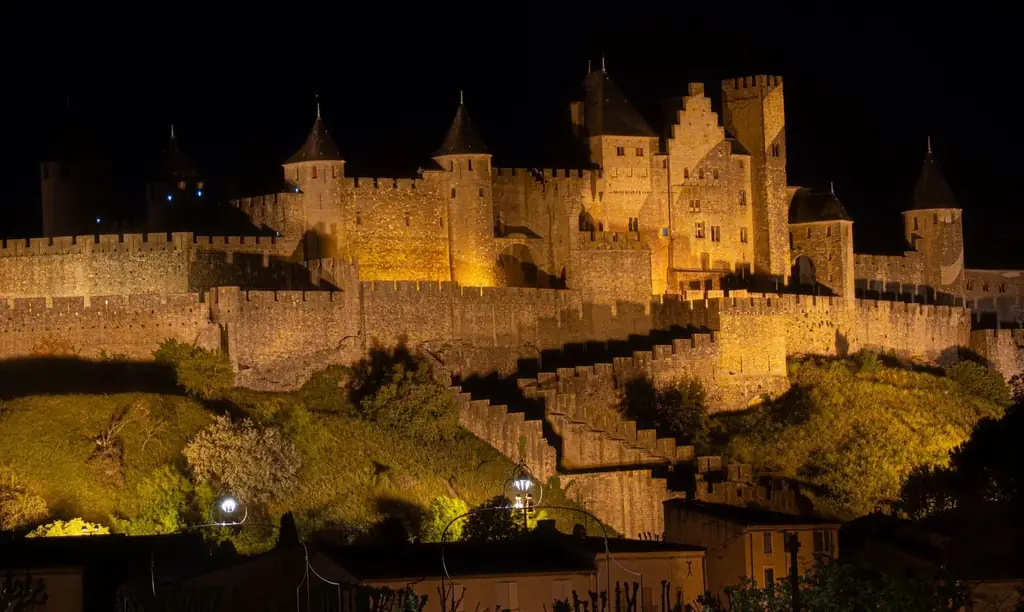
For a longer program, the hilltop villages of the Luberon are an easy second day; see Gordes and the Luberon, and in summer the lavender fields of Valensole are a long but rewarding drive. Heading west, Carcassonne is a half day's drive from the Pont du Gard, about 250 km. For more combinations see our private tours with driver overview.
Booking with LimousineWorldwideDirectory.com
In the booker, enter your pickup and the Pont du Gard, and note which bank you prefer. The fixed fare is shown before you confirm. The driver is a vetted, licensed and commercially insured operator from our worldwide directory, and the 24/7 desk handles confirmation and invoicing. Seats for infants and children can be added at booking.
Official sources: the Pont du Gard site's getting-here page, its opening hours and the Uzès Pont du Gard tourism FAQ.
Frequently asked questions
How far is the Pont du Gard from Avignon and Nîmes?
21 km (13 miles) from Avignon and 27 km (17 miles) from Nîmes, per the official site.
How much is parking at the Pont du Gard?
The site lists 9 euros per car per day as of 2026, the same on both banks, paid at the machines or by card at the exit.
What is the difference between the left bank and the right bank?
The left bank has the museum and exhibition spaces; the right bank has swimming spots, a bistro and a restaurant. You cross the bridge on foot to reach the other side.
Is the Pont du Gard open all year?
The monument and car parks are open daily from 8 a.m. to midnight. The cultural venues close for the winter season, from November to February, according to the official page.
Can I walk on top of the aqueduct?
The third tier involves 80 steps and rough paths and is not suitable for disabled visitors. Check the site for current access.
Is entry to the Pont du Gard free?
Walking the site is free. Parking, the museum and some activities and guided tours are charged.
When is the best time to visit?
Late afternoon for golden light on the stone, early morning in July and August to beat the heat, and October or spring for comfortable walking. The monument and car park are open until midnight, so evening visits are possible.
Can I swim in the Gardon at the Pont du Gard?
The right bank has swimming spots. Conditions and rules depend on the season, so check the official site before you go.