
 United StatesJFK
 MexicoMEX
 BrazilGRU
 ArgentinaEZE
 ChileSCL
 ColombiaBOG
 PeruLIM
 PanamaPTY
 Costa RicaSJO
 Dominican RepublicPUJ
 JamaicaMBJ
 BahamasNAS
 BarbadosBGI
 United KingdomLHR
 IrelandDUB
 FranceCDG
 GermanyFRA
 NetherlandsAMS
 BelgiumBRU
 SwitzerlandZRH
 AustriaVIE
 ItalyFCO
 SpainMAD
 PortugalLIS
 GreeceATH
 TurkeyIST
 DenmarkCPH
 SwedenARN
 NorwayOSL
 FinlandHEL
 PolandWAW
 Czech RepublicPRG
 HungaryBUD
 IcelandKEF
 United Arab EmiratesDXB
 QatarDOH
 Saudi ArabiaRUH
 IsraelTLV
 EgyptCAI
 MoroccoCMN
 South AfricaJNB
 KenyaNBO
 NigeriaLOS
 IndiaDEL
 PakistanLHE
 Sri LankaCMB
 SingaporeSIN
 MalaysiaKUL
 ThailandBKK
 VietnamSGN
 PhilippinesMNL
 IndonesiaCGK
 Hong KongHKG
 ChinaPVG
 TaiwanTPE
 JapanHND
 South KoreaICN
 AustraliaSYD
 New ZealandAKL
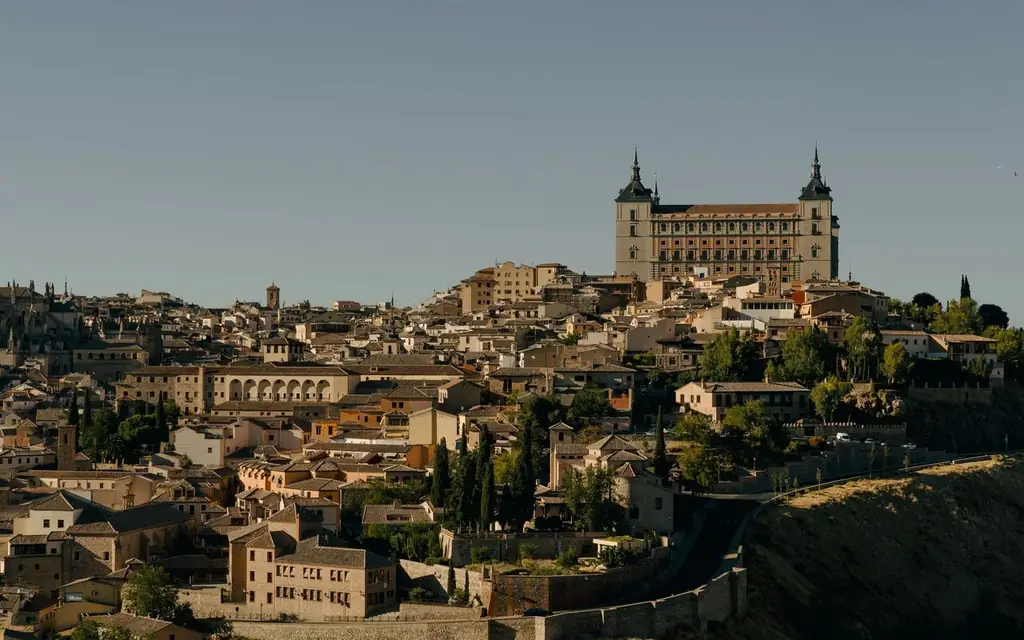
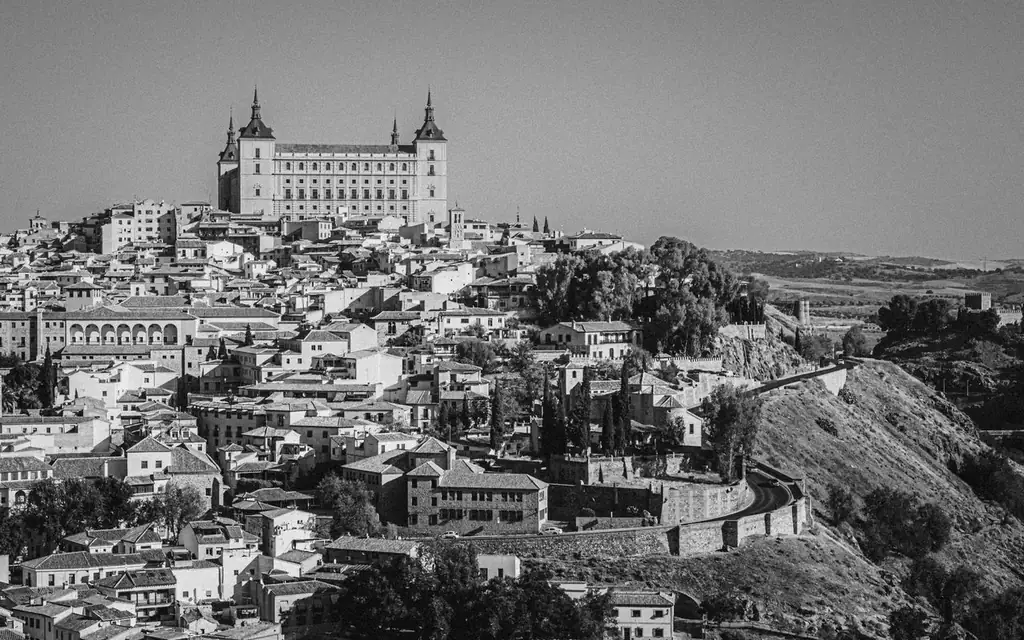
Toledo is the stop on this list where the car ends its journey outside the walls. The historic centre sits on a granite hill almost encircled by the river Tagus, and the lanes inside are far too narrow and too steep for ordinary traffic. Guides that cover the city agree that the old quarter is practically closed to private vehicles, which means a Toledo private tour with driver is a story about three decisions: where the car stops, how you get up the hill, and when you leave so that the return to Madrid is easy.
The city's tourism site calls the historic centre the largest in Spain, and the density is real: cathedral, synagogues, monasteries, a fortress, a Greco chapel and a medieval bridge within a walk of an hour. This guide gives you the distances, the cathedral timetable, the route, and an honest comparison with the train. The ride itself comes from a vetted, licensed and commercially insured local operator in our directory, and one 24/7 desk, LimousineWorldwideDirectory.com, books, confirms and invoices it.
Where does the car stop in Toledo, and how do you get up to the old town?
The car stops outside the historic centre, at a drop point near the walls or the river, and you continue on foot, often using the escalators that link the lower car parks with the upper town. The exact point depends on the day and on the rules in force, so the driver confirms it with you by message.
Local sources describe the main northern entrance as the Puerta de Bisagra, with escalators nearby that carry pedestrians up from the parking area below the walls to the upper town, and a large car park at the foot of the hill. The gate is a short walk from the drop and is worth a look in its own right as a piece of the city's defensive history.
Some hotels inside the old quarter can arrange restricted access for guests. If yours is one of them, tell the desk the hotel's name and address, and the driver will ask the hotel for the permitted route. Do not assume a driver can enter: fines for entering without authorisation exist in many Spanish historic centres, and we would rather agree a drop on the edge than gamble.
Toledo's tourist information site lists the city's four tourist offices and mentions a tourist-bus fee for coaches that stop at designated points, which is a useful sign for group organisers: coaches have their own drop and pickup arrangements, separate from cars. Ask the desk about a Sprinter, mini-coach or coach for larger parties, with availability confirmed at booking.
Getting from Madrid to Toledo
The city is about 70 km (43 mi) south of Madrid, and the drive is typically 50 to 70 minutes depending on where you start and the traffic on the A-42 motorway. From Madrid–Barajas Airport it is longer: about 90 km (56 mi), 1 hour to 1 hour 20 minutes, since you cross the capital's ring roads first. Our Madrid-Barajas airport page covers terminals and the meet-and-greet, and the driver tracks your flight.
From central Madrid hotels the starting point is the same as for other day trips, and Madrid's official tourism pages are a useful reference for events that might affect the morning. Our Madrid chauffeur service page explains how the desk handles pickups in the city, including the central low-emission zone.
High-speed trains from Atocha take around half an hour, according to local travel guides, and the station sits outside the old centre, so you still need a short taxi, a bus or a walk up to the walls. That makes the train a strong competitor for solo visitors, and we will say so in the table below. Our Atocha station page explains how a chauffeur meets travellers coming the other way.
The cathedral timetable, and why Sunday changes the route
The Cathedral of Toledo publishes its visiting hours on its official site. For the cultural visit, hours are Monday to Saturday from 10:00 to 18:30 and Sunday from 14:00 to 18:30, with access closing 30 minutes before the end. It is closed on 1 January and 25 December, and has shorter hours on 24 and 31 December and during Holy Week. Tickets are sold online through the cathedral's own ticket site.
The Sunday rule is the most useful single fact on the page. If your trip falls on a Sunday, the cathedral does not open until the afternoon, so reverse the day: start with the walls, the viewpoints and the synagogues, have a long lunch, and enter the cathedral at about 14:00. On other days, go to the cathedral first, when it opens, and leave the quieter monuments for the afternoon.
Allow 60 to 90 minutes in the cathedral. It is a large building with many chapels, a treasury and a sacristy, and a rushed visit misses the point. A licensed guide, who is a separate professional from the chauffeur, adds a lot here, and some visitors book one for the cathedral and the Jewish quarter.
A one-day route that avoids doubling back
The old town is compact, but its streets slope and twist, so the order matters. This route starts with a drive and then goes on foot.
1. A panoramic drive first (30 minutes). Before you climb, ask the driver to follow the road along the south bank of the Tagus, where the viewpoints look across the river to the city. The silhouette of the Alcázar and the cathedral tower is clearest from there, and morning light flatters it. This is the one part of the day where the car does the sightseeing.
2. Drop at the Bisagra approach (10:00). Walk through the gate and up the escalators to the upper town.
3. Cathedral (10:00 to 11:30). Enter at opening on a weekday, using a pre-booked ticket.
4. Santo Tomé (11:45). The small church holds El Greco's Burial of the Count of Orgaz and is usually busy, so book or check its hours.
5. The Jewish quarter (12:30). The Sephardic Museum and the old synagogues are within a short walk. The city site lists the Museo Sefardí among its highlighted museums.
6. Lunch (13:30). The old quarter is full of restaurants; traditional dishes include partridge and roast lamb, and marzipan is the local sweet.
7. The riverside and the monastery of San Juan de los Reyes (15:00). The western end of the old town, close to the river.
8. Pickup (16:00). The driver collects you at an agreed point on the edge of the old quarter. Aim to leave before 17:00 to miss the Madrid rush.
Comparing the ways to reach Toledo
| How you go | Madrid to Toledo | Cost note | Suits |
|---|---|---|---|
| High-speed train from Atocha, then bus or taxi up the hill | About 30 to 35 minutes plus the transfer | Lowest | Solo travellers and couples with light bags |
| Intercity bus | About 1 hour | Low | Flexible travellers on a budget |
| Organised coach tour | Full day | Ticket-based | First-time visitors who want a script |
| Self-drive rental | About 1 hour plus parking | Fuel and car park | Drivers happy with Spanish roads |
| Private chauffeur | About 1 hour | Fixed fare via the booker | Airport arrivals, families, mixed-age groups, and day trips with a second stop |
The train is the sensible default for a solo traveller. A chauffeur is better when you land at the airport and want to go straight to Toledo with luggage, when you need to fit the visit between meetings, when you are travelling as a family, or when you want to include the panoramic drive and a second stop, such as a lunch in a village or a continuation to another city.
Walking: the hills, the stones and the pace
Toledo is not an easy city for mobility. The lanes are cobbled, steep and in places stepped, and the old town climbs steeply from the river to the cathedral level. Wear shoes with grip. The escalators help at the entry, but once inside the walls you walk.
Mention reduced mobility at booking, because it changes the drop. The best plan may be a drop as close as the rules allow, a limited route of two or three sights, and a pickup from the same point. Car seats can be requested at booking, and most vehicles carry water and phone chargers for the road.
Summers are hot, and the stone amplifies it. In July and August, begin early, take the long lunch in shade and aim to finish by mid-afternoon. In winter the city is cooler and quieter, though the cathedral and monuments may close earlier.
Seasons, festivals and the best days
Spring and autumn are the best seasons: the light is clear, the walking is comfortable and the viewpoints are at their sharpest. Toledo's Corpus Christi celebrations, usually held in late May or June, fill the streets with decorations and processions, which is memorable and also the busiest time of the year, with crowds and street closures. Check the date and the closures before you commit.
Weekdays are calmer than weekends, when day-trippers from Madrid arrive in numbers, and the mid-morning hours between 11:00 and 14:00 are the busiest. Arriving at opening and leaving mid-afternoon avoids most of the crowd. Holiday weekends can slow the A-42 on the return, so allow extra time and tell the desk if you have a flight or a dinner booking waiting in Madrid.
Individual monuments keep their own days and hours, and some shorten them in winter, so verify each one you most want to enter before you set the order of the day. The tourist offices listed on the city's site can confirm the day's opening hours when you reach the old town, and your driver can wait at the drop while you ask. If a place you wanted is closed, the rest of the route does not change; swap it for the next stop and keep the pickup time.
Adding Segovia or the Royal Palace to the same trip
Toledo is a full day in its own right, so be wary of overloading it. Two combinations make sense.

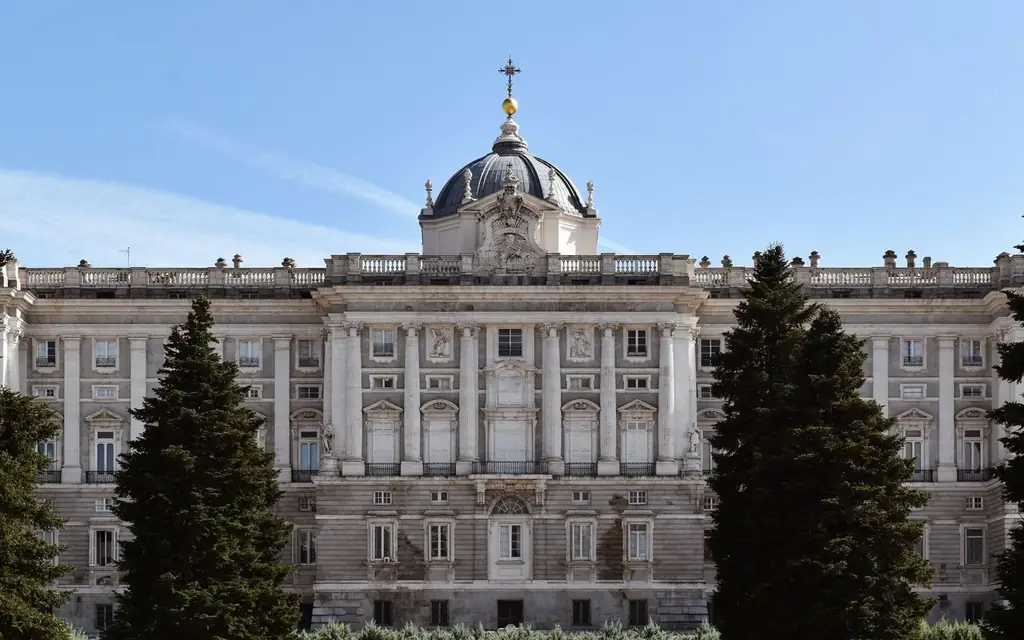
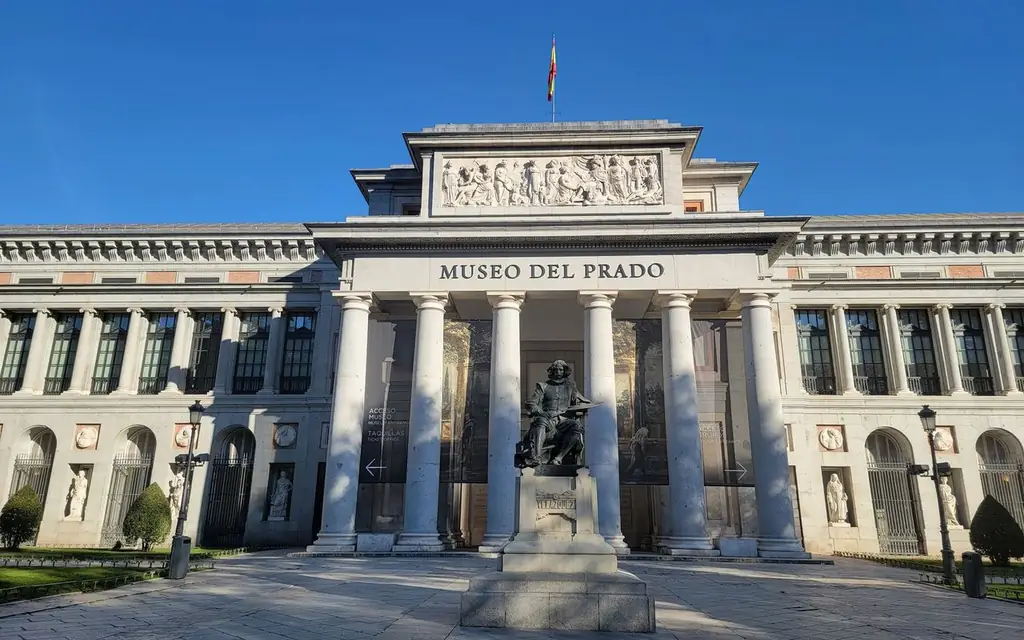
A Madrid day and a Toledo day on consecutive days is the comfortable option. The Royal Palace of Madrid and the Prado Museum are the natural Madrid pairing, and each has its own guide.
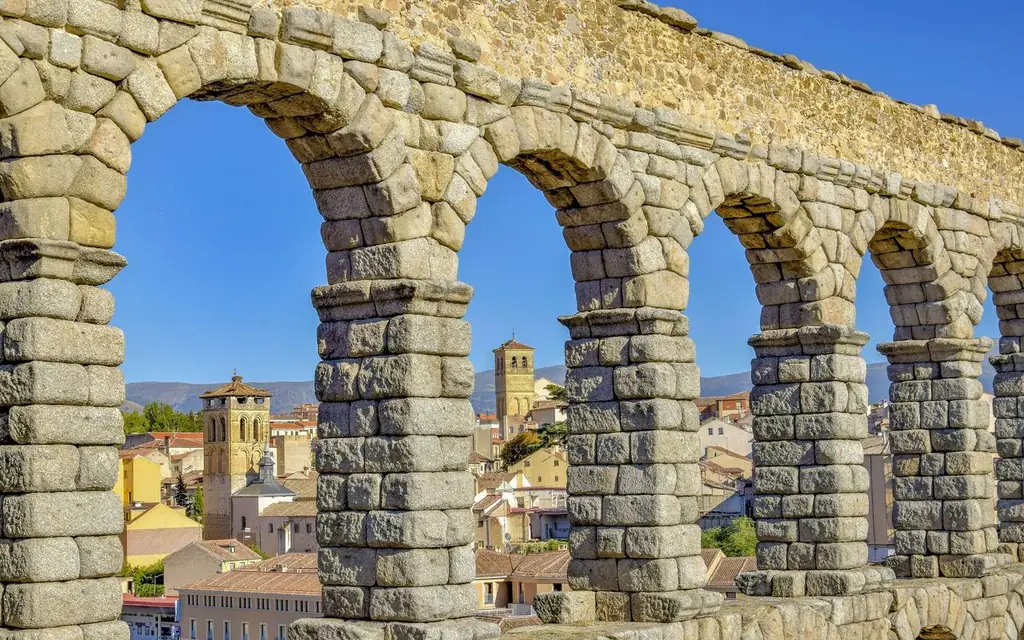
A Toledo and Segovia pair across two days is the classic Castilian plan. Segovia is about 90 km (56 mi) from Madrid and is covered in its own guide. They lie on opposite sides of the capital, so do not try to do both in one day.
For a custom plan, see our private tours with a driver service, where the chauffeur stays with you for the day and the route is agreed in advance. The Europe directory lists the other cities where the desk operates, and tourist offices and visitor bureaus can book chauffeur services for their visitors with LimousineWorldwideDirectory.com through a trade account.
Etiquette and practicalities
The cathedral, the churches and the synagogues are places of worship or heritage sites, so dress modestly, keep voices low and check each monument's rules on photography. Privacy is built in: no photographs of clients, no social posts about the trip, and alias bookings on request.
Keep valuables out of sight in the car and carry only what you need in the old town. Cards are widely accepted, but small shops may prefer cash. Alcohol laws are local, and we never promise drinks on board.
Frequently asked questions
How far is Toledo from Madrid by car?
About 70 km (43 mi) from central Madrid, usually 50 to 70 minutes on the A-42. From Madrid–Barajas it is about 90 km (56 mi), 1 hour to 1 hour 20 minutes. A fixed fare is quoted for your exact addresses before you reserve.
Can a car drive into Toledo's old town?
Generally no. The historic centre is practically closed to private vehicles, so a chauffeur stops outside the walls, and you walk or use the escalators. Some hotels can arrange access for guests.
What time does Toledo Cathedral open?
According to its official site, 10:00 Monday to Saturday and 14:00 on Sunday, closing at 18:30. Access closes 30 minutes earlier. Check the site for holiday hours.
Is Toledo better by train or private car?
The high-speed train is quick and the best value for solo visitors. A private car suits airport arrivals, families, groups, and anyone adding a panoramic drive or a second stop.
How long do I need in Toledo?
A full day, roughly six hours on site, is comfortable for the cathedral, a few churches and lunch. A short visit of three hours covers the cathedral and one or two sights.
Is Toledo suitable for wheelchairs?
It is difficult. The lanes are steep and cobbled. Tell us at booking and the driver will choose the closest practical drop for a limited route.
Can I combine Toledo and Segovia in one day?
Not comfortably. They lie on opposite sides of Madrid, each about an hour from the capital. Do them on separate days.
Do I need a guide in Toledo?
Not required, but a licensed guide adds much to the cathedral and the Jewish quarter. A guide is a separate professional from the chauffeur, who drives and can suggest stops.