
 United StatesJFK
 MexicoMEX
 BrazilGRU
 ArgentinaEZE
 ChileSCL
 ColombiaBOG
 PeruLIM
 PanamaPTY
 Costa RicaSJO
 Dominican RepublicPUJ
 JamaicaMBJ
 BahamasNAS
 BarbadosBGI
 United KingdomLHR
 IrelandDUB
 FranceCDG
 GermanyFRA
 NetherlandsAMS
 BelgiumBRU
 SwitzerlandZRH
 AustriaVIE
 ItalyFCO
 SpainMAD
 PortugalLIS
 GreeceATH
 TurkeyIST
 DenmarkCPH
 SwedenARN
 NorwayOSL
 FinlandHEL
 PolandWAW
 Czech RepublicPRG
 HungaryBUD
 IcelandKEF
 United Arab EmiratesDXB
 QatarDOH
 Saudi ArabiaRUH
 IsraelTLV
 EgyptCAI
 MoroccoCMN
 South AfricaJNB
 KenyaNBO
 NigeriaLOS
 IndiaDEL
 PakistanLHE
 Sri LankaCMB
 SingaporeSIN
 MalaysiaKUL
 ThailandBKK
 VietnamSGN
 PhilippinesMNL
 IndonesiaCGK
 Hong KongHKG
 ChinaPVG
 TaiwanTPE
 JapanHND
 South KoreaICN
 AustraliaSYD
 New ZealandAKL
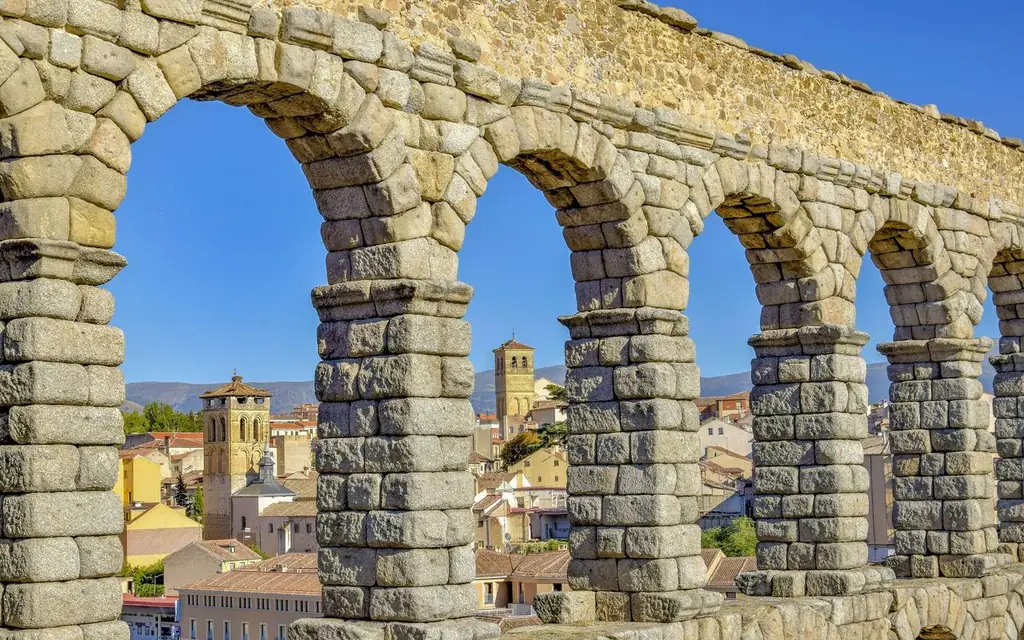
The Roman aqueduct of Segovia has a rare property among major monuments: you do not need a ticket, a timed slot or a queue to see it. It stands on the Plaza del Azoguejo, at the foot of the old town, and the square is open to anyone who walks up. That makes the aqueduct the easiest stop on any Castilian day trip and also the one where the logistics are about everything except the monument. A Segovia aqueduct private tour with driver is mostly a plan for the drop, the walk up the main street and the pickup at the far end.
The official tourism site gives the headline numbers: 167 arches, a national monument since 1884 and a UNESCO World Heritage listing since 1985. What it does not give is a day plan, which is what follows, along with the road from Madrid, the car rules in the old town, the Alcázar timetable and a comparison with the train. Local operators in our directory, vetted, licensed and commercially insured, deliver the ride; the 24/7 desk of LimousineWorldwideDirectory.com handles booking, confirmation and invoice.
How far is the Segovia aqueduct from Madrid by car?
Segovia is about 90 km (56 mi) north-west of central Madrid, and the official tourism site says the A-6 motorway gets you there in about an hour. From Madrid–Barajas Airport add 20 to 30 minutes. Traffic on Friday evenings and at the end of holiday weekends is the main variable.
The road crosses the Sierra de Guadarrama, and the climb brings a drop in temperature that is noticeable in winter; the desk will tell you if conditions affect the plan. From Madrid–Barajas Airport, about 110 km (68 mi), the trip takes 1 hour 15 minutes to 1 hour 30 minutes. Our Madrid-Barajas chauffeur page describes terminals and the meet-and-greet, and flight tracking is included.
From central Madrid hotels, the run is about 90 km (56 mi) and an hour or slightly more. The Madrid chauffeur service page explains how pickups work across the capital. Travellers who arrive in Madrid by train can be collected at the Atocha station or at another station, and driven straight north.
The official tourism pages also describe the train options. A commuter line from Atocha to Cercedilla and a regional connection take about two hours, while high-speed services use the Segovia-Guiomar station, which the site says is 6 km from the centre. That last detail is why the train is less convenient than it looks: after the fast leg you still need a bus or taxi into town. See Segovia's tourism site for the current options.
Where the car stops: the Azoguejo, the old town and the zone
The aqueduct runs across the Plaza del Azoguejo, which the tourist board calls a good starting point because it sits at the head of the main street into the old town. The old town above is largely closed to private traffic, and travel guides report that a low-emission zone has restricted access to the walled enclosure since the start of 2025. As ever, treat third-party rules as provisional and ask the desk for the current position.
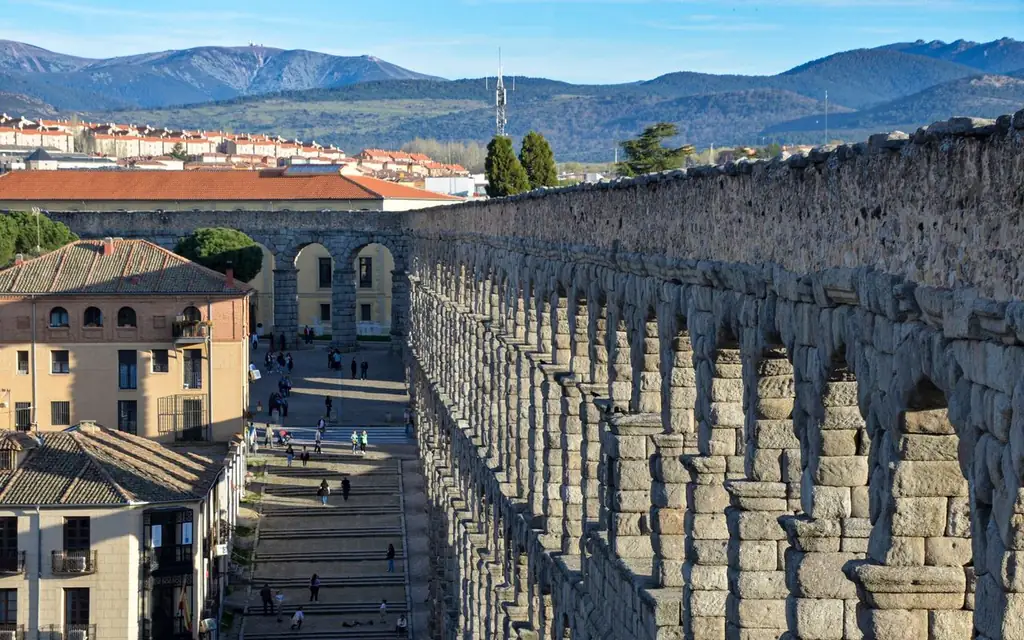
In practice, a chauffeur uses one of two patterns. In the first, the car drops you at a kerb near the Azoguejo, parks in a paid underground car park a few minutes away, and returns when you call. In the second, which suits a walk from the arches to the Alcázar, the driver meets you at the far end of town and brings the car to a point near the castle.
Street parking around the arches is regulated with a paid zone in the working week, according to travel guides, and this is another reason not to leave a vehicle there while you walk. A chauffeur manages this for you, so the only thing you need to agree is the message that triggers the pickup.
Mobility matters in Segovia. The ground slopes up from the arches toward the cathedral, and the streets are cobbled. If anyone in your party finds hills hard, tell us at booking. A drop in the upper town, where rules allow, can shorten the walk considerably. Child, toddler and booster seats are available on request, and water and phone chargers are in most vehicles.
The walk from the aqueduct to the Alcázar, street by street
Segovia's tourism board publishes a self-guided route called From the Aqueduct to the Alcázar, and it is the best structure for the day. The route is a spine of one main street with sights on either side.
The aqueduct and the Azoguejo. Walk along the base of the arches, look up at the granite blocks, which are fitted without mortar, and then step back along the square to take in the full line of arches. The visitor reception centre of the municipal tourism company is by the steps to the walls.
Calle Real. The main street changes names as it climbs, from Calle Cervantes to Calle Juan Bravo and Calle de Isabel la Católica. On the way are the Mirador de la Canaleja, the Casa de los Picos with its diamond-pointed granite façade, the Plaza de Medina del Campo with its Romanesque church of San Martín, and several noble houses.
Plaza Mayor and the cathedral. The street arrives at the main square, next to the cathedral. Allow 45 minutes for the cathedral if you enter.
The Alcázar. The castle stands on a rock at the western end of the old town. Its official site lists hours of 10:00 to 18:00 from November to March and 10:00 to 19:30 from April to October, with sales and entry ending 30 minutes before closing. The self-guided visit of the palace and museum takes 40 to 45 minutes. Tickets are sold online, and those that include the Tower of John II often sell out at weekends and holidays. The tower has 152 spiral steps, is unsuitable for reduced mobility and takes up to 25 minutes.
The full walk, without entering anything, takes about 30 minutes uphill from the arches to the castle, a distance of roughly 1 km. With the cathedral and the Alcázar included, it takes four to five hours.
The Alcázar: practical details from the official site
The official Alcázar of Segovia site is the reference for the day. Besides the hours above, it lists a free entry period for EU citizens on Tuesday afternoons from 14:00 to 16:00, only for individual tickets at the ticket office and not on public holidays. The gardens at the Plaza de la Reina Victoria Eugenia are free and open from 08:00 to 22:00 all year.
For 2026, the site lists special hours on 6 November (11:30 to 18:00) and 24 and 31 December (10:00 to 14:30), and a full closure on 25 December. The Patronato may change hours for events or force majeure.
If the tower is your priority, buy online in advance. If it is not, the palace and museum are straightforward. Either way, confirm the day's hours the evening before.
What the aqueduct was for, and why it matters on the ground
The structure was a working water supply, not a monument, and it served that purpose until the first third of the twentieth century, according to the tourist board's leaflet on the buried aqueduct. That is a long working life, and it explains why the granite is in such good order: the city had reason to maintain it for centuries after the Romans left.
For a visitor, the useful consequence is scale. The arches you see are only the monumental section, where the channel crosses the valley at the Azoguejo. Beyond the last arch the water continued underground through the old town, which is the line the bronze plaques follow. If you have twenty minutes to spare, follow a few plaques up the main street and the aqueduct stops being a photograph and becomes a route.
The best vantage points for a photograph are low and wide, so stand back in the square, not at the foot of the piers. Respect the barriers, and do not climb on the stone. Drivers keep the trips of clients off social media, and an alias booking is available.
An underground detail worth a minute
Few visitors know that the aqueduct does not end where the arches do. The tourist board describes a buried section that carried water through the old town, known in the early modern period as the Madre del Agua, and has marked its course with 24 small bronze plaques set into the pavement, running from the Postigo del Consuelo to the Alcázar. You will see the plaques underfoot as you walk the main street, and they give the climb a thread.
Choosing the day: weather, crowds and the lunch question
Segovia is cold in winter, sometimes sharply so, and warm but not oppressive in summer. Spring and autumn give the best light on the stone. The most photogenic hours for the arches are the first hour after sunrise and the hour before sunset, and a midday visit flattens the granite.
Weekends are the busiest days, and the long holiday weekends are crowded. A weekday trip is calmer and leaves the Alcázar tower more likely to have tickets. The town's traditional lunch is roast suckling pig, which is served in several restaurants on the main street; book a table if you want a specific place, and tell the desk the time so the pickup is set accordingly.
Leave early enough to be back in Madrid before the evening peak. If you have a flight or a dinner booking waiting, tell us at booking and we will set the return time.
If anyone in your party tires on slopes, consider reversing the walk. Ask the driver to take you as close to the castle as the rules of the day allow, enjoy the Alcázar while you are fresh, and then stroll down the main street toward the arches, with the car waiting at the Azoguejo end. Downhill is kinder on the knees, the cafes appear in an order that suits a slow lunch, and the aqueduct becomes the finale of the day rather than the opening act. Agree the final meeting point before you set out.
Comparing the ways to reach Segovia
| Route | Madrid to Segovia | Cost note | Best for |
|---|---|---|---|
| High-speed train to Segovia-Guiomar, then bus or taxi | About 30 minutes plus a 6 km (3.7 mi) transfer | Low | Solo travellers and couples with light bags |
| Regional train via Cercedilla | About 2 hours | Lowest | Rail fans and flexible travellers |
| Intercity bus | About 1 hour 15 minutes | Low | Budget travellers |
| Rental car | About 1 hour plus parking | Fuel, tolls and car park | Confident drivers |
| Private chauffeur | About 1 hour | Fixed fare via the booker | Airport arrivals, families, groups, and multi-stop days |
The train is quick, but the hop from the station into town undermines the saving. A chauffeur is the right tool when you arrive from the airport, when you want to be dropped at the arches and collected at the castle, or when the day has a second stop.
Combining Segovia with Madrid and Toledo
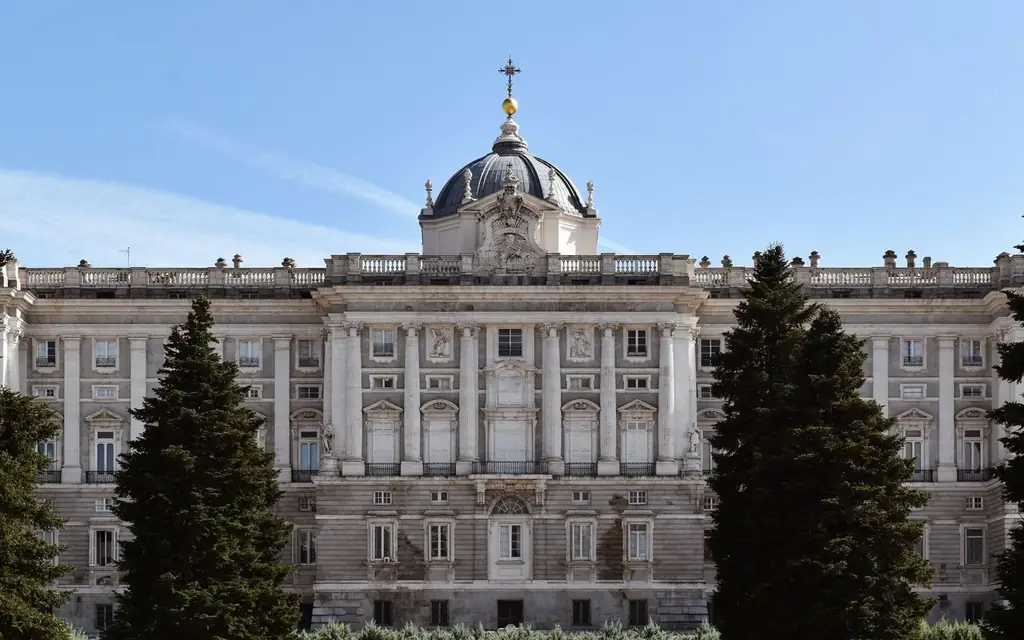
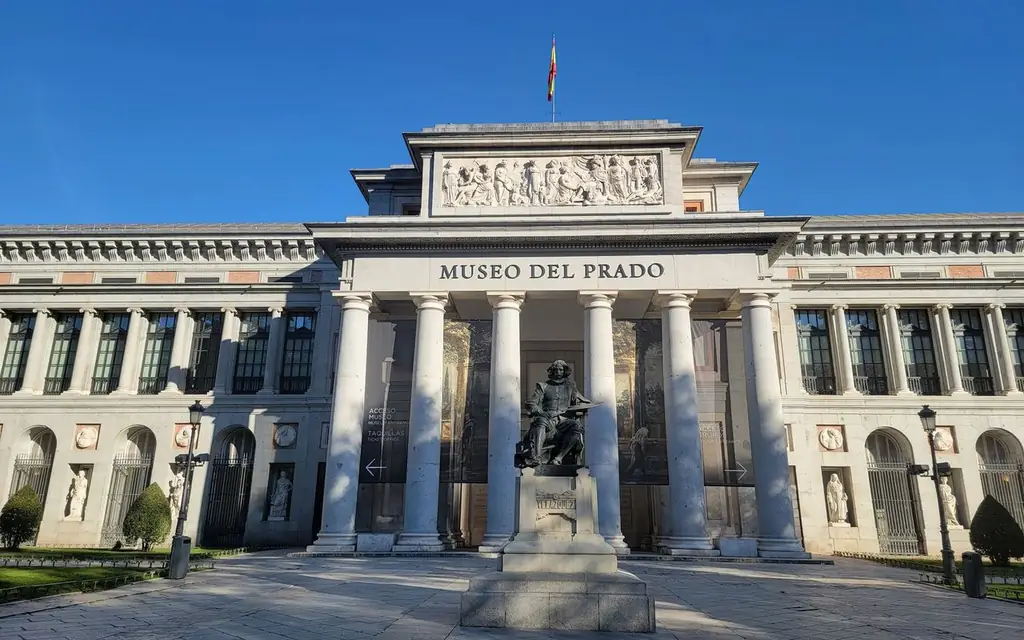
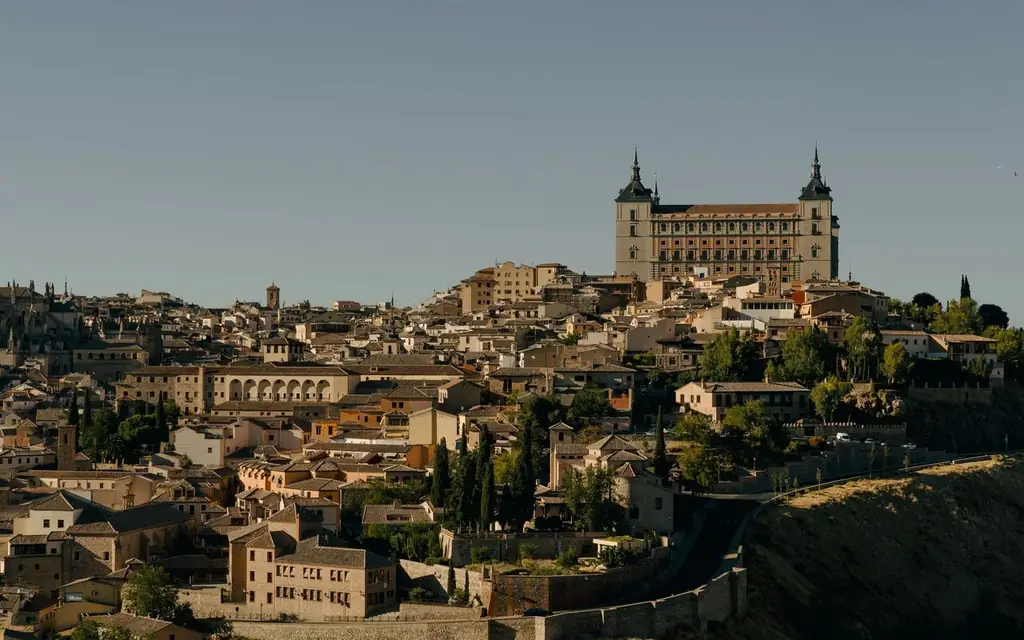
Segovia is a full half-day trip and works well as a whole day. The Royal Palace of Madrid and the Prado Museum are best done on another day, because the return from Segovia puts you back in Madrid at the evening peak. Toledo is the other classic Castilian excursion, in the opposite direction from Madrid, so do it on a different day.
For a multi-day plan, our private tours with a driver page describes how a chauffeur for the day works, and the Europe directory lists the other cities where the desk operates. Tourist offices and visitor bureaus can book chauffeur services for their visitors with LimousineWorldwideDirectory.com through a trade account.
Frequently asked questions
How far is the Segovia aqueduct from Madrid?
About 90 km (56 mi) from central Madrid, and the official tourism site says about an hour on the A-6. From Madrid–Barajas allow 1 hour 15 minutes to 1 hour 30 minutes.
Do I need a ticket to see the Segovia aqueduct?
No. It stands on the public Plaza del Azoguejo and can be seen from the street. The Alcázar and the cathedral are ticketed separately.
How many arches does the Segovia aqueduct have?
The official tourism board describes the monumental section as having 167 arches. Some guides count slightly differently, so quote the official figure.
Can a car drive into Segovia's old town?
Generally not freely. The old town is largely closed to private traffic and a low-emission zone applies, so a chauffeur drops you near the Azoguejo and collects you at an agreed point.
How long do I need in Segovia?
Allow half a day for the arches, the main street and the cathedral, and a full day if you add the Alcázar and a long lunch. The trip from Madrid is about an hour each way.
What are the Alcázar of Segovia opening hours?
According to the official site, 10:00 to 18:00 from November to March and 10:00 to 19:30 from April to October, with entry ending 30 minutes before closing. Check the site for special dates.
Is Segovia accessible for wheelchairs?
Parts are, but the old town slopes and is cobbled, and the Tower of John II is not accessible. Tell us at booking so the driver can choose the closest drop.
Is the train better than a car for Segovia?
The high-speed train is fast, but the station is 6 km (3.7 mi) from the centre. A private car suits airport arrivals, groups and anyone who wants to be dropped at one end of town and collected at the other.