
 United StatesJFK
 MexicoMEX
 BrazilGRU
 ArgentinaEZE
 ChileSCL
 ColombiaBOG
 PeruLIM
 PanamaPTY
 Costa RicaSJO
 Dominican RepublicPUJ
 JamaicaMBJ
 BahamasNAS
 BarbadosBGI
 United KingdomLHR
 IrelandDUB
 FranceCDG
 GermanyFRA
 NetherlandsAMS
 BelgiumBRU
 SwitzerlandZRH
 AustriaVIE
 ItalyFCO
 SpainMAD
 PortugalLIS
 GreeceATH
 TurkeyIST
 DenmarkCPH
 SwedenARN
 NorwayOSL
 FinlandHEL
 PolandWAW
 Czech RepublicPRG
 HungaryBUD
 IcelandKEF
 United Arab EmiratesDXB
 QatarDOH
 Saudi ArabiaRUH
 IsraelTLV
 EgyptCAI
 MoroccoCMN
 South AfricaJNB
 KenyaNBO
 NigeriaLOS
 IndiaDEL
 PakistanLHE
 Sri LankaCMB
 SingaporeSIN
 MalaysiaKUL
 ThailandBKK
 VietnamSGN
 PhilippinesMNL
 IndonesiaCGK
 Hong KongHKG
 ChinaPVG
 TaiwanTPE
 JapanHND
 South KoreaICN
 AustraliaSYD
 New ZealandAKL
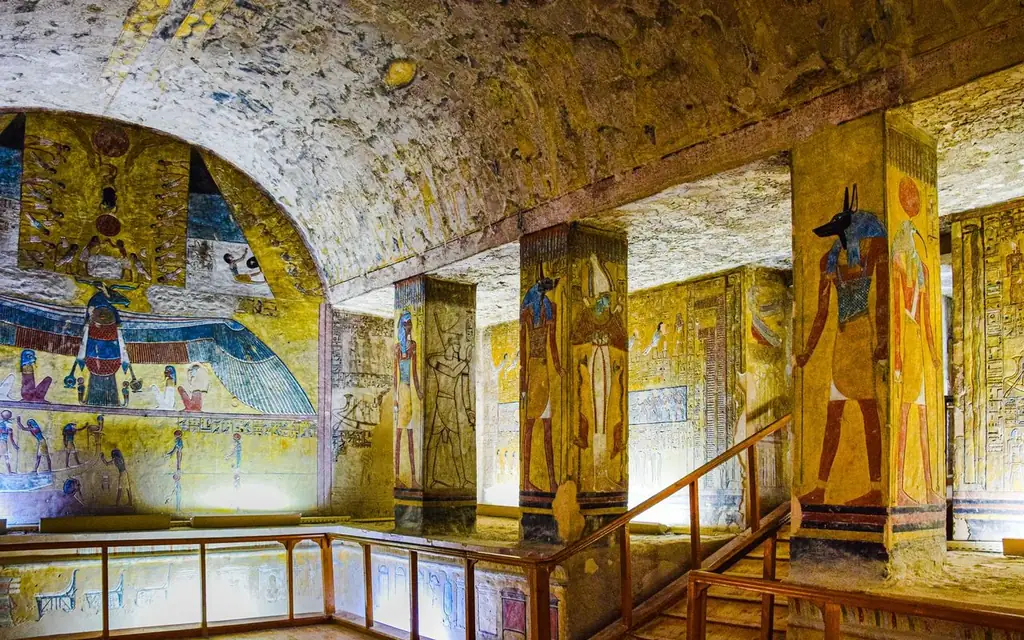
Most visitors arrive in Luxor with one picture in mind: a painted burial chamber lit by a single bulb. What they do not see on the postcards is the road to it. The Valley of the Kings lies on the Nile's West Bank, across the river from the hotels, over a bridge or a ferry, past fields and then into a stretch of bare limestone where the thermometer climbs fast. A Valley of the Kings private tour with driver means the car is cool, the schedule is set around the hours that matter, and the stops on the way, the temples and colossi, fit the same morning.
This guide covers how to get to the Valley of the Kings by car from Luxor and its airport, how the tomb tickets work, what the heat does to the day, and how to link the valley to the other West Bank sites. When your plan is ready, book a driver for the day and the booker prices your pickup before you confirm.
Which tombs can you actually enter at the Valley of the Kings?
A standard ticket admits you to three tombs, chosen from those open that day. Tutankhamun's tomb and a few others, reported to include Seti I and Ramesses V and VI, need separate tickets. Tombs rotate in and out of service for conservation, so the list changes. Confirm what is open on your date.
The rotating list is the most important thing to understand. Egypt closes tombs periodically for restoration and to protect painted plaster from the breath and humidity of visitors, so there is no fixed set of "the three tombs." Tour reports describe about ten tombs open at any time, and the ministry decides which. Your driver cannot change that, and neither can a guide; what a guide can do is help you choose, on the spot, which three are worth your time.
The valley is part of the UNESCO property "Ancient Thebes with its Necropolis," inscribed in 1979. The UNESCO listing describes the two temples of Karnak and Luxor on the East Bank and a large archaeological area on the West Bank, which includes the Valley of the Kings and the Valley of the Queens. For official visitor information, the Ministry of Tourism and Antiquities maintains egymonuments.gov.eg.
Distances from Luxor, the airport and the Nile
Luxor's hotels and cruise moorings are on the East Bank; the valley is on the West.
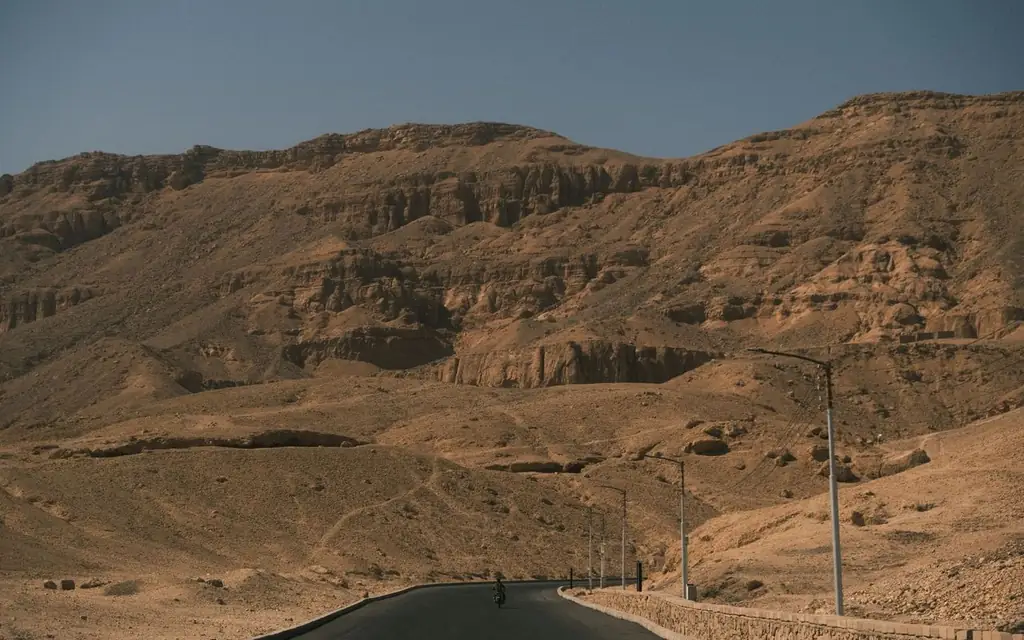
- East Bank hotels and Luxor Temple to the valley entrance: about 10-12 km (6-7 miles), 25 to 35 minutes depending on the crossing and traffic.
- Luxor International Airport (LXR) to the valley: about 20-25 km (12-16 miles), 35 to 45 minutes.
- West Bank hotels to the valley: often 10 to 15 minutes.
- The valley to the Hatshepsut temple: a short drive over the plateau, typically 15 to 20 minutes.
Allow a longer margin during the busy winter season, when tour coaches fill the single approach road. The morning outbound flow from the East Bank is heaviest between about 7:00 and 9:00 a.m. Our airports hub lists the terminals we cover, and the desk confirms your meeting point when you book.
Where the car goes and how the last stretch works
Cars stop at the visitor centre area; they do not drive down the valley floor. Reports describe an air-conditioned centre with a model of the valley and an introductory film about Howard Carter's discovery of Tutankhamun's tomb, and a small electric shuttle carrying visitors the short distance from the centre to the tombs. Treat the details as secondary: the layout was changed in recent years, and exact fares, hours and facilities are set by the ministry.
What it means for planning is simple:
- Your chauffeur drops you at the centre and waits in the visitor parking area.
- Ticket queues are shortest right after opening.
- You walk or ride to the tomb area, then walk between tombs, which lie within a few minutes of each other.
- Return to the same place for pickup; agree the time in advance.
Tickets, extra tombs and the visitor centre
Buy tickets at the visitor centre. Three rules cover most confusion:
- Buy extras before you start. Reports say that once you are in the tomb area you cannot go back to add more tickets. If you want Tutankhamun's tomb, a Ramesses tomb or Seti I, decide first.
- Photography rules vary. Sources disagree about whether a photo permit exists and what it costs, and the rules have been revised more than once. Ask at the ticket desk, assume flash is never allowed, and expect that guards may check.
- A guide is optional but useful. There is no requirement to hire a licensed guide for this site, though one explains the texts and the scenes. Your chauffeur drives; a guide is a separate professional.
We do not print ticket prices because they differ between sources and change. The ministry site is the reference.
Inside the tombs: heat, air and pace
Tombs are narrow, with steep stairs or slopes and little ventilation. Even a short visit is warm. Take it slowly, avoid touching the painted walls, and do not lean on the plaster. If you are claustrophobic, choose the shorter, wider tombs and skip the deep ones. Visitors with mobility problems should ask at the centre which tombs have level or gentle access; the electric shuttle helps with the approach but does not change the interiors.
Allow about two hours for the valley for the three standard tombs, longer if you add Tutankhamun's tomb or a second extra. In summer, the middle of the day is punishing, so the plan below runs early.
Dress for the sun and the stairs: closed shoes with grip, light long sleeves or a scarf, a hat, and a refillable bottle. Leave large bags in the car, since there is nowhere to put them in a tomb and narrow passages are no place for a backpack. Keep phones and cameras tucked away until you have checked the photography rule at the ticket desk. Pace yourself between tombs as well: sit in the shade outside, drink water, and resist the temptation to rush the third tomb just because the clock says you should.
Agree the return time with your chauffeur before you walk down to the tombs, and add a cushion for the shuttle and for any queue at a tomb entrance. The parking area around the visitor centre fills with coaches as the morning goes on, so the driver stays with the vehicle and messages you the exact spot when you head back. Water is carried in most vehicles, which makes the car a welcome stop after the still, hot air of the tombs. If you plan to go straight on to the temples without a break, tell the desk so the schedule stays realistic.
A Valley of the Kings private tour with driver: the morning loop
This plan starts with the valley and adds three West Bank stops. Times are approximate.
- 6:00 to 6:30 a.m. Hotel pickup on the East Bank in the cooler season, a little earlier in summer. About 10-12 km (6-7 miles), 25 to 35 minutes.
- 7:00 a.m. Valley of the Kings. Two hours for three tombs, with an extra tomb if you chose one.
- 9:30 a.m. Temple of Hatshepsut at Deir el-Bahari. A short drive, 15 to 20 minutes, from the valley.
- 11:00 a.m. The Colossi of Memnon and Medinet Habu on the road back toward the river; both are visible from the road and quick to see.
- Noon. Lunch back on the East Bank, or on a West Bank terrace with a view of the fields.
- Late afternoon. Karnak or Luxor Temple, the East Bank halves of the same UNESCO site, when the heat has eased and the light is warmer.
If you want to see the valley at its quietest, the first hour is the best. If you want to avoid heat completely, plan your Luxor program to start before sunrise.
What you are looking at, and where Tutankhamun's treasures are now
Thebes was Egypt's capital in the Middle and New Kingdoms, according to UNESCO, and the pharaohs of the New Kingdom chose this dry side valley for their tombs rather than building visible pyramids that robbers could find. The tombs themselves are cut into the rock: a sloping corridor, one or more chambers, and walls painted with funerary texts and scenes meant to guide the king through the afterlife. That is why the best tombs feel like long, decorated tunnels instead of grand halls.
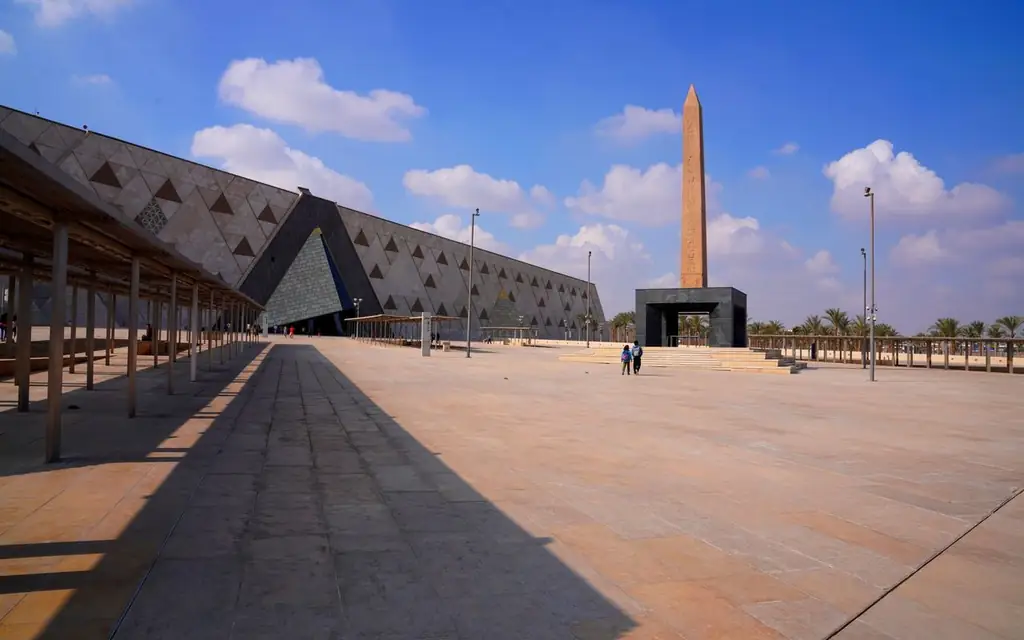
One point catches visitors out. Tutankhamun's tomb is small and, in the valley itself, the burial chamber is largely empty of treasure. The famous gold funerary mask, chariots and thousands of objects found in 1922 are displayed in Cairo, where the Grand Egyptian Museum reports more than 5,000 items from the collection. If the objects matter more to you than the setting, build your itinerary around both: the tomb in Luxor for the place, the museum in Cairo for the finds. Our museum guide covers the Cairo side.
Dawn starts, hot-air balloons and the best season
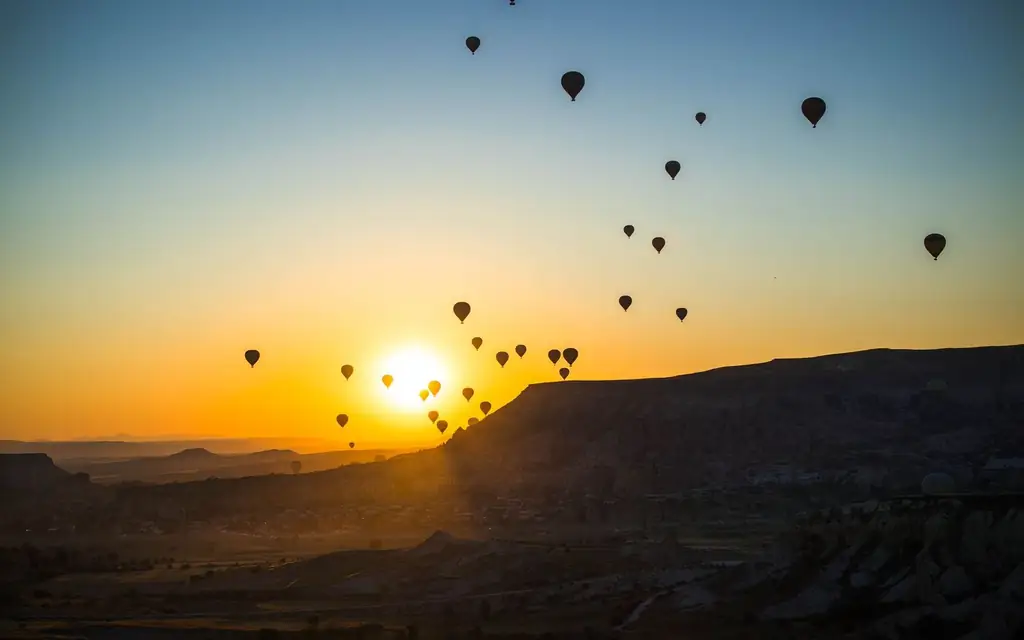
Luxor is hot for much of the year, and the valley has little shade. The cooler months are the most comfortable for walking, but they are also when the Nile cruises and tours fill the road. In summer, early morning is the only sensible time for the valley. Many visitors combine a dawn hot-air balloon flight over the West Bank with the valley afterward; if you plan that, tell the desk so we schedule the pickup around the balloon operator's timetable.

Opening hours differ by source and by season. Reports put opening at about 6:00 a.m. with the ticket office closing in the afternoon, but check the ministry listing for your date. If you are traveling in Ramadan, expect changed hours and a quieter, slower rhythm in town; the desk can shape your day around that.
What else is on the West Bank, with drive times
- Temple of Hatshepsut (Deir el-Bahari): terraced temple against a cliff, 15 to 20 minutes from the valley.
- Valley of the Queens: a short drive south of the valley, in the same area of the necropolis.
- Medinet Habu: the great mortuary temple of Ramesses III, on the road back toward the river.
- Colossi of Memnon: two seated statues beside the road, usually a quick photo stop.
- Tombs of the Nobles and the Workmen's Village (Deir el-Medina): smaller, quieter and often missed.
Ask your driver to group these by geography so you are not crossing the same road twice.
Ways to reach the valley compared
| Method | From the Luxor East Bank | Cost level | Right for |
|---|---|---|---|
| Private chauffeur | 25-35 minutes | Fixed fare via the booker, quoted before you book | Dawn starts, families, multi-stop mornings |
| Taxi | 25-40 minutes | Negotiated; agree the return | Short, flexible trips |
| Ferry plus local transport | 45-75 minutes | Lowest | Budget travelers, independent explorers |
| Bicycle | Hours | Lowest | Fit travelers in the cooler season only |
| Coach excursion | Half or full day | Sold per person | Travelers happy with a guide-led schedule |
If you want the lowest cost and you are happy to haggle and wait, the ferry and a negotiated taxi on the West Bank are workable. A private car earns its place when you are starting at dawn, traveling with children or older relatives, or fitting five stops into a single morning.
Pairing with Cairo and the rest of Egypt
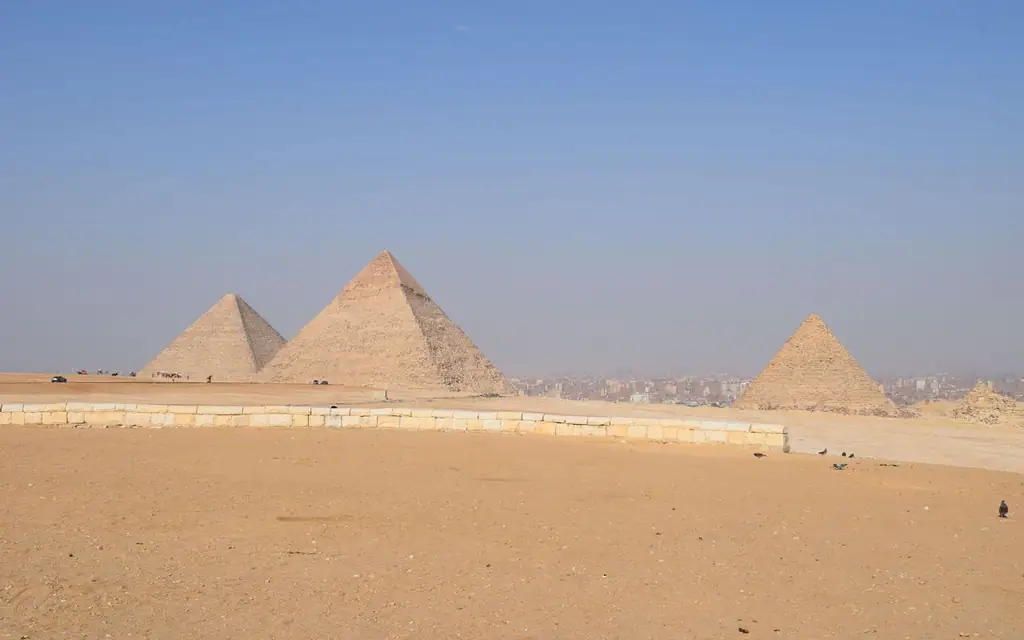
Luxor is usually reached from Cairo by a short domestic flight of around an hour and a quarter. A common plan is two nights in Luxor, then back to Cairo for the pyramids and the museum. See our guides to the Pyramids of Giza and the Grand Egyptian Museum, and browse the Africa chauffeur directory and our notes on private tours with a driver for other routes.
Book a West Bank chauffeur
A dawn departure needs a driver who is already awake, and that is what the around-the-clock desk is for. Give us your East Bank hotel or Luxor flight, and a vetted, licensed and commercially insured local operator will take the day, with one confirmation and one invoice from our 24/7 booking desk. Flight tracking, child seats and extra waiting time on international arrivals are part of the booking. See the fleet for vehicle classes.
Frequently asked questions
How far is the Valley of the Kings from Luxor?
About 10-12 km (6-7 miles) from the East Bank hotels, 25 to 35 minutes by car including the Nile crossing.
How far is the Valley of the Kings from Luxor airport?
About 20-25 km (12-16 miles), roughly 35 to 45 minutes.
How many tombs can I enter with one ticket?
A standard ticket covers three tombs from those open on the day. Tutankhamun's tomb and a few others need separate tickets.
Can I take photos inside the tombs?
Rules vary and have changed repeatedly. Ask at the ticket desk, and never use flash.
When should I go to the Valley of the Kings?
First thing in the morning, especially in summer. The cooler months are more comfortable overall but busier.
How long should I allow at the Valley of the Kings?
About two hours for the standard three tombs, more if you add an extra ticket.
Is it worth hiring a guide?
It is optional. A guide adds context to the texts and scenes, and is a separate professional from your chauffeur.
Can I combine the valley with the Temple of Hatshepsut?
Yes. The temple is 15 to 20 minutes away, and the two fit into one morning.