
 United StatesJFK
 MexicoMEX
 BrazilGRU
 ArgentinaEZE
 ChileSCL
 ColombiaBOG
 PeruLIM
 PanamaPTY
 Costa RicaSJO
 Dominican RepublicPUJ
 JamaicaMBJ
 BahamasNAS
 BarbadosBGI
 United KingdomLHR
 IrelandDUB
 FranceCDG
 GermanyFRA
 NetherlandsAMS
 BelgiumBRU
 SwitzerlandZRH
 AustriaVIE
 ItalyFCO
 SpainMAD
 PortugalLIS
 GreeceATH
 TurkeyIST
 DenmarkCPH
 SwedenARN
 NorwayOSL
 FinlandHEL
 PolandWAW
 Czech RepublicPRG
 HungaryBUD
 IcelandKEF
 United Arab EmiratesDXB
 QatarDOH
 Saudi ArabiaRUH
 IsraelTLV
 EgyptCAI
 MoroccoCMN
 South AfricaJNB
 KenyaNBO
 NigeriaLOS
 IndiaDEL
 PakistanLHE
 Sri LankaCMB
 SingaporeSIN
 MalaysiaKUL
 ThailandBKK
 VietnamSGN
 PhilippinesMNL
 IndonesiaCGK
 Hong KongHKG
 ChinaPVG
 TaiwanTPE
 JapanHND
 South KoreaICN
 AustraliaSYD
 New ZealandAKL
The Blue Mosque is the one major Istanbul sight whose schedule is set by the sky rather than by a ticket office. Five times a day the doors close to visitors for prayer, and the Friday midday closure is longer than the rest. Build the car around those windows and the visit is easy. Build it around a fixed lunch reservation and you will spend an hour in the courtyard watching other people go in.
How do you get to the Blue Mosque by car, and can a chauffeur stop at the door?
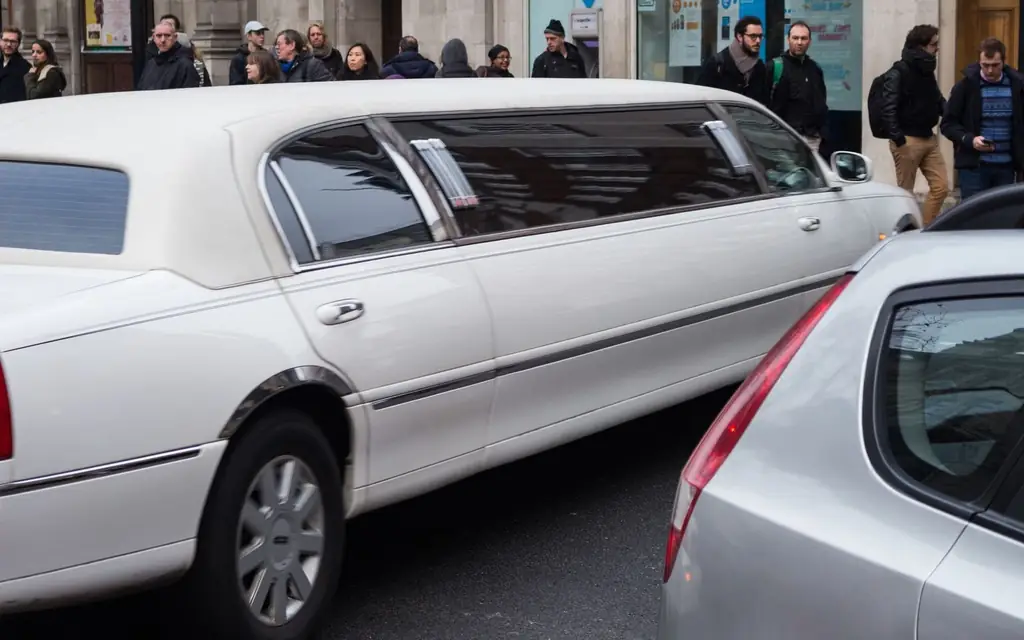
A chauffeur can bring you to the edge of Sultanahmet, about 45 km (28 miles) from Istanbul Airport and roughly 45 to 75 minutes away depending on traffic. The last few hundred meters are on foot: the mosque faces a pedestrian-heavy square beside the Hippodrome, so your driver stops at the nearest legal point.
That honest answer saves most first-time visitors from a bad assumption. Sultanahmet is the historic core of the old city, and its streets were laid out long before anyone imagined a Mercedes S-Class turning around in them. Transfer operators describe narrow, cobbled lanes and timed limits on vehicle access, and local reports describe a longer-term plan to remove private cars from the streets around Sultanahmet, Hagia Sophia and Topkapı Palace. We treat the exact stopping point as something the driver confirms on the day, not something to promise on a web page.
What you can rely on is the shape of the plan. The chauffeur meets you at the airport or hotel, drives the highway portion, and approaches Sultanahmet from the waterfront or the main avenue, then pulls into the closest permitted stop. From there the walk to the visitor entrance takes a few minutes. Your driver stays in the area, and you message the desk when you are ready to leave, so the car does not circle for an hour while you are inside.
A two-minute briefing on what you are about to enter
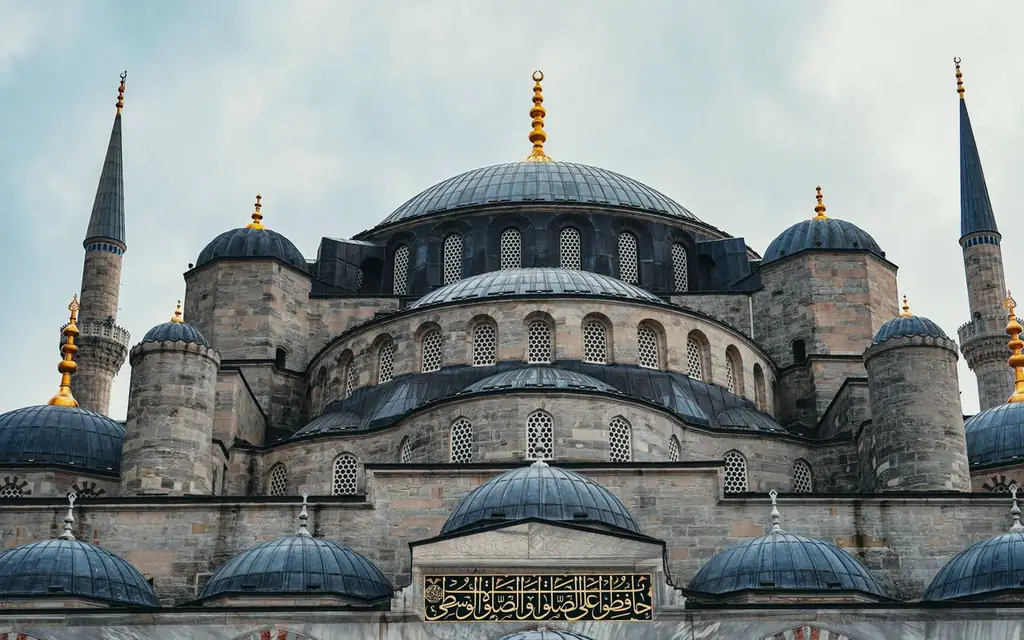
The mosque was built between 1609 and 1616 for Sultan Ahmed I, to the design of Sedefkâr Mehmed Ağa, one of the leading pupils of the great architect Sinan, according to Türkiye's official tourism portal. Ahmed I wanted a building that could stand beside Hagia Sophia, which is just across the park, and he died about a year after it opened. The tombs of the sultan and his wife Kösem Sultan are in the shrine beside the mosque.
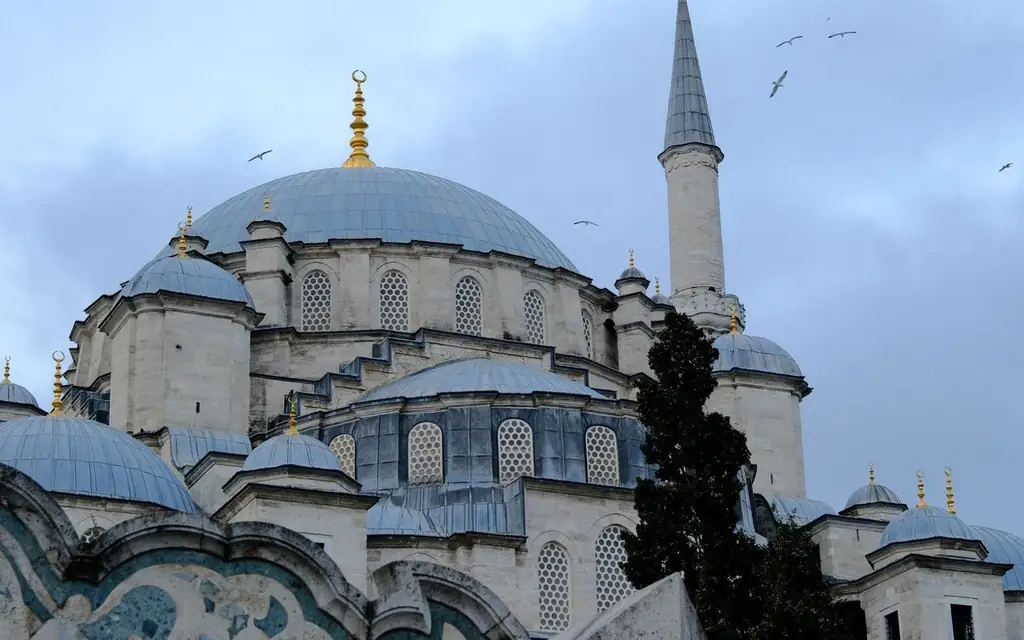
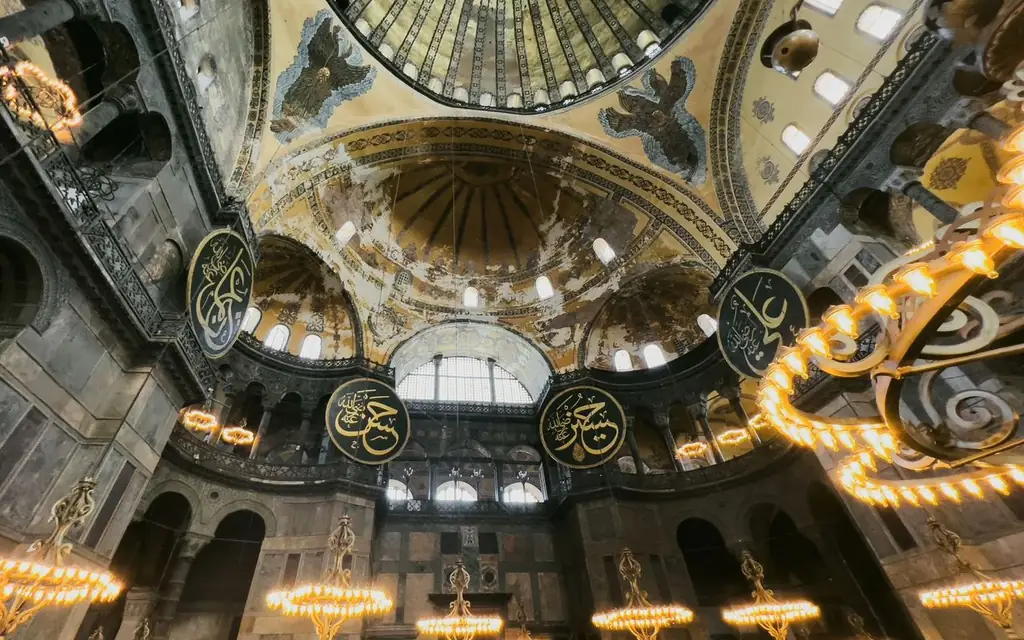
Two things define the interior. The first is the tilework: the İznik-made ceramics that give the building its English name, reported in one official Go Türkiye article as more than 20,000 hand-made tiles in over 50 tulip designs. The second is the number of minarets. This is one of very few mosques in the world with six, and the courtyard gate and the great cascade of domes make the exterior more recognizable than almost any other roofline in the city.
It is not a museum. It is a working mosque, and visitors are guests during the hours when worshippers are not using the prayer hall. That one fact explains every rule below.
The prayer clock: when visitors are actually admitted
Entry is free. There is no ticket, no timed slot, and no online reservation to make, which is why the only variable is the prayer schedule. Visitors are kept out during each of the five daily prayers, typically for some 30 to 90 minutes around the call, and the exact windows slide through the year with sunrise and sunset. A posted schedule at the courtyard entrance is the authority for the day. Commercial guides disagree on the clock times, and we would rather tell you that than print a table that is wrong in October.
Friday is the day to plan around. The midday congregational prayer is the most important of the week, and the mosque is closed to visitors for the late morning and early afternoon. The sensible Friday approach is to come in the late afternoon, or to use that day for Topkapı Palace or the Grand Bazaar and take the mosque on another day.
On a weekday, arrive soon after the morning doors open, when the courtyard queue is shortest, and check the posted prayer times before deciding how long to stay.
The building also went through a long restoration, with scaffolding and partial closures coming and going. Turkish authorities reported the Sultanahmet works as finished earlier this year, but look at the notices at the door before you plan around a specific corner.
What to wear, and what happens to your shoes
Shoulders and knees must be covered for everyone. Women cover their hair with a scarf, and the mosque can lend one at the entrance if you arrive without. Shoes come off at the door, and visitors are given a bag to carry them in, so a pair of socks is more comfortable on the carpet than bare feet. Shorts, sleeveless tops and short skirts are the usual reasons people are turned back, and it is a quick fix if you carry a light wrap in your bag.
Keep your voice low, do not walk in front of anyone praying, and stay behind the barriers marking the worshippers' area. Flash-free photography is generally accepted, but stop when prayers begin.
Your chauffeur cannot enter with you, and a licensed guide is a separate professional. If you want the symbolism of the tiles explained, ask the desk to add a guide to the plan.
From Istanbul Airport and Sabiha Gökçen to Sultanahmet
Istanbul has two main airports on opposite sides of the Bosphorus, and the right one for you is already fixed by your flight. Distances from Sultanahmet:
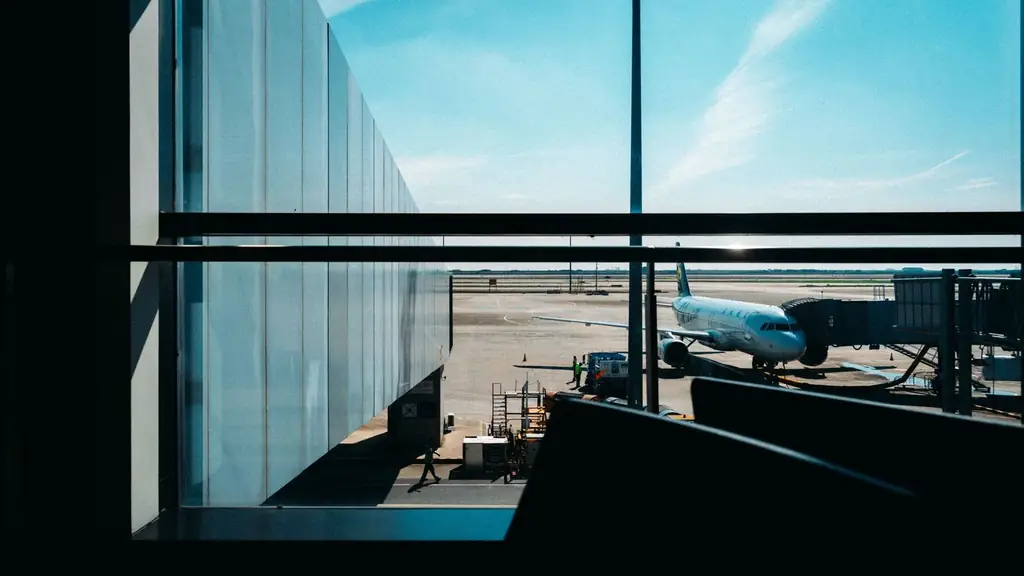
- Istanbul Airport (IST), on the European side to the north: about 45 to 50 km (28 to 31 miles). Under 45 minutes late at night, 60 to 75 minutes in a typical weekday, and longer at the evening peak. The M11 metro line runs to the airport, but it connects to the city center through interchanges, which is a lot to manage with luggage.
- Sabiha Gökçen (SAW), on the Asian side: about 50 km (31 miles) and usually 55 to 90 minutes, because every car has to cross the Bosphorus by bridge or tunnel. The crossing is the single biggest variable in the trip, and a driver who checks live traffic before choosing the route earns his fee here.
Every airport pickup includes flight tracking, and international arrivals get 60 minutes of free waiting after landing. A name-board meet-and-greet inside arrivals is available as an add-on. If you land late and your hotel is in Sultanahmet, tell the desk the hotel name at booking: the chauffeur can usually hand you over at the nearest reachable street and the hotel staff do the last stretch with luggage.
If you are coming from elsewhere in the city, the Istanbul chauffeur service page covers hotel pickups, hourly bookings and cross-Bosphorus trips, and the airports hub lists the other terminals we serve around the world.
Ways to reach the Blue Mosque compared
| Option | Typical time from Sultanahmet hotels | Cost note | Best for |
|---|---|---|---|
| Walk | 5 to 15 minutes within the old city | Lowest | Hotels in Sultanahmet itself |
| T1 tram to Sultanahmet stop | 10 to 25 minutes from Eminönü, Karaköy or Kabataş | Lowest, fixed public fare | Solo travelers without bags |
| Taxi | 10 to 30 minutes from central hotels | Metered | Short hops when the driver agrees to the meter |
| Private chauffeur | 45 to 75 minutes from Istanbul Airport, 55 to 90 from Sabiha Gökçen | Fixed fare via the booker | Arrivals with luggage, families, tight timing |
| Guided coach tour | Half-day set route | Per person | Travelers who want a script and a crowd |
For a visitor already staying in Sultanahmet, walking or the tram is the better choice, and we say so plainly. The car earns its place on the airport leg, on days when you are moving between several districts, and when the day includes a long run to a location without a tram. The fare is fixed and quoted before you book, and the booker shows the exact figure for your addresses.
Where the car stops, and why the route matters
Sultanahmet Square sits between the mosque and Hagia Sophia, with the Hippodrome on the mosque's western side. Go Türkiye's guide recommends approaching from the Hippodrome for the best view of the facade, and that is also the open direction a driver tends to use.
Early morning and the quiet hour between sunset prayer and dinner have the lightest traffic; a weekend afternoon has the heaviest. Road closures for events and film shoots are more common here than in most capitals, so the stopping point can move by a few hundred meters on the day. That is a change of route, not of hours.
A morning in Sultanahmet with a driver, in order
This sequence works because it respects the prayer windows and keeps the walking short.
- Pickup at the hotel or airport, timed so you reach Sultanahmet when the first visitor window is open.
- The Blue Mosque first, while the courtyard is quiet, for 40 to 60 minutes.
- A coffee in the Hippodrome area while the next prayer window passes, if there is one.
- Hagia Sophia next door: see the Hagia Sophia guide for how its visitor system differs, since it is run as a separate arrangement.
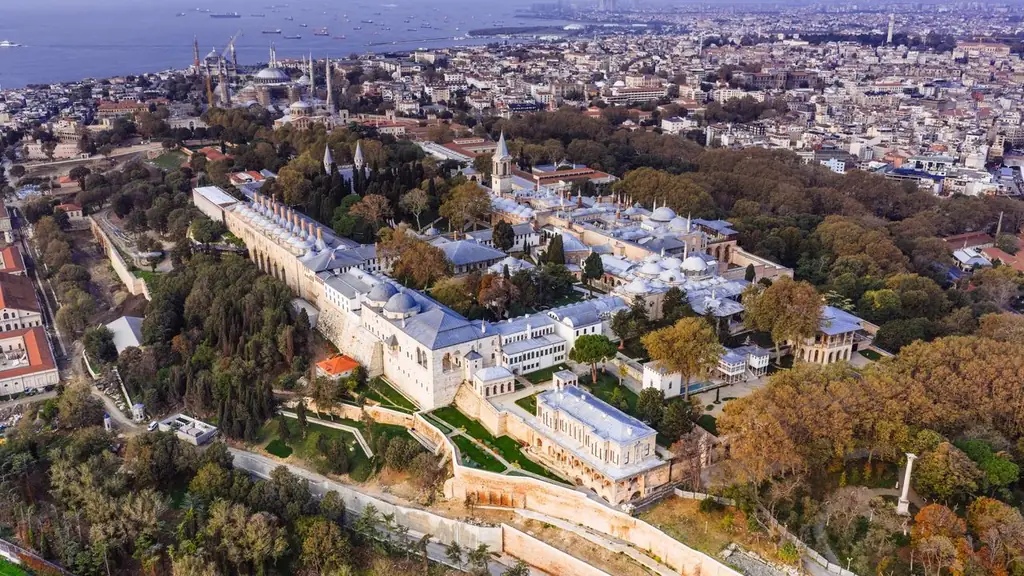
- Topkapı Palace behind it: the Topkapı Palace guide explains the closed day and the ticket office, which is the part that catches people out.
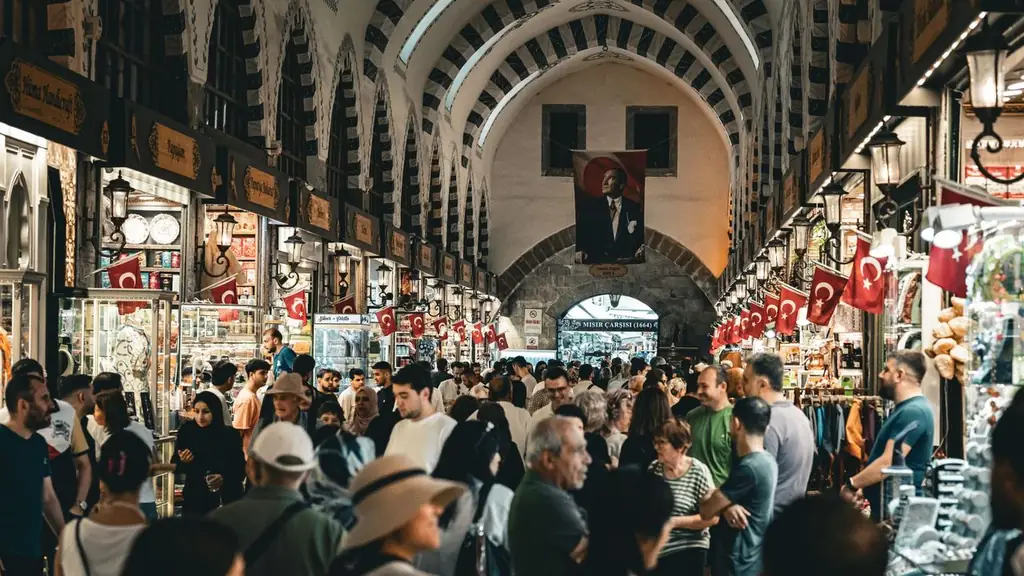
- The Grand Bazaar, the last stop because it is the least time-sensitive: see the Grand Bazaar guide.
Your driver can reposition the car between stops, though the first three are within walking distance of each other. The chauffeur is most useful when the plan stretches beyond the old city, for example to lunch on the Asian shore.
Light, crowds and the best season
The mosque is calmest on a weekday morning and again in the last visitor window before dusk, when the light through the windows warms the blue tiles. Spring and autumn balance temperature and crowds best. On cruise-ship days extra groups arrive, so ask the desk to schedule the visit before the coaches.
Accessibility and children
The cobblestones near the square are uneven and the mosque has a threshold and carpeted floors, so tell the desk at booking if anyone has limited mobility and the driver will pick the closest possible stop. Child, toddler and booster seats can be added to the booking.
Turning one stop into a private day
A single stop does not need a car, but a full day does. The usual pattern is the old-city morning above, lunch, and an afternoon on a different shore. The private tours with a driver page explains how the day is structured and how a licensed guide is added.
For travelers moving on from Istanbul, the same desk arranges the longer legs. The Cappadocia guide and the Ephesus guide cover the two destinations most visitors add after Istanbul. Wider regional pages sit in the Europe directory, and the attractions hub collects every guide in this series. Official tourist offices and visitor bureaus can book chauffeur services for their visitors with LimousineWorldwideDirectory.com through a trade account; see the tourist offices page for Europe.
For the official picture of the building, read the Go Türkiye Blue Mosque guide and the UNESCO listing for the Historic Areas of Istanbul, which covers the Archaeological Park where the mosque stands. For the wider city, the Istanbul portal on Go Türkiye is the national tourism board's entry point.
Frequently asked questions
Is the Blue Mosque free to enter?
Yes. There is no ticket or timed entry, and no fee has been introduced for foreign visitors as of 2026. Donations are optional. The only constraint is the prayer schedule, because visitors are not admitted while worshippers are in the prayer hall.
How far is the Blue Mosque from Istanbul Airport by car?
About 45 to 50 km (28 to 31 miles) to Sultanahmet. Expect 45 to 75 minutes by private car on most days, faster late at night and slower at the evening rush. From Sabiha Gökçen it is about 50 km (31 miles) and 55 to 90 minutes because of the Bosphorus crossing.
Can a private car drop me right at the Blue Mosque entrance?
Not directly. The streets around Sultanahmet are narrow and subject to vehicle restrictions, so the chauffeur stops at the nearest permitted point and you walk the last few minutes. The exact stop depends on the day's traffic and any temporary closures.
When is the Blue Mosque closed to visitors?
It closes to visitors during the five daily prayers and for longer around the Friday midday prayer. Times shift through the year, so read the schedule posted at the entrance on the day. A late-afternoon visit on Friday is usually the safest bet.
What should I wear to visit the Blue Mosque?
Cover your shoulders and knees. Women should also cover their hair; scarves are usually available at the entrance. You remove your shoes at the door and carry them in a bag provided by the mosque. Light, loose clothing works best in summer.
How long should I allow for the Blue Mosque?
Allow 40 to 60 minutes inside, plus a few minutes for the courtyard and the walk from the car. If a prayer window falls in the middle of your plan, add the waiting time or rearrange the sequence so you visit another sight first.
Can I combine the Blue Mosque with Hagia Sophia and Topkapı Palace in one morning?
Yes, all three are within walking distance of each other, and the mosque is the best first stop because it is free and quiet early. Topkapı is closed on Tuesdays and its ticket office closes before the palace does, so check the day of the week before you set the order.
Does the chauffeur wait while I visit?
On a private day the driver stays nearby and returns on your call. For a simple airport transfer the driver ends the trip at the hotel.
Do I need a guide for the Blue Mosque?
Not by rule. Many visitors walk through on their own with the posted information. A licensed guide adds context about the architecture and the Ottoman court, and the desk can arrange one as a separate professional alongside the car.