
 United StatesJFK
 MexicoMEX
 BrazilGRU
 ArgentinaEZE
 ChileSCL
 ColombiaBOG
 PeruLIM
 PanamaPTY
 Costa RicaSJO
 Dominican RepublicPUJ
 JamaicaMBJ
 BahamasNAS
 BarbadosBGI
 United KingdomLHR
 IrelandDUB
 FranceCDG
 GermanyFRA
 NetherlandsAMS
 BelgiumBRU
 SwitzerlandZRH
 AustriaVIE
 ItalyFCO
 SpainMAD
 PortugalLIS
 GreeceATH
 TurkeyIST
 DenmarkCPH
 SwedenARN
 NorwayOSL
 FinlandHEL
 PolandWAW
 Czech RepublicPRG
 HungaryBUD
 IcelandKEF
 United Arab EmiratesDXB
 QatarDOH
 Saudi ArabiaRUH
 IsraelTLV
 EgyptCAI
 MoroccoCMN
 South AfricaJNB
 KenyaNBO
 NigeriaLOS
 IndiaDEL
 PakistanLHE
 Sri LankaCMB
 SingaporeSIN
 MalaysiaKUL
 ThailandBKK
 VietnamSGN
 PhilippinesMNL
 IndonesiaCGK
 Hong KongHKG
 ChinaPVG
 TaiwanTPE
 JapanHND
 South KoreaICN
 AustraliaSYD
 New ZealandAKL
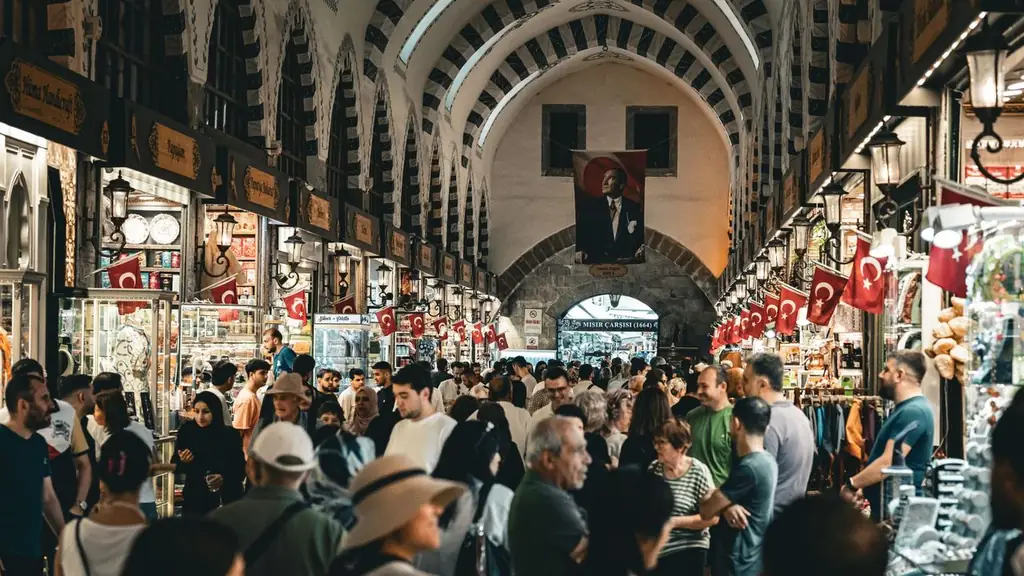
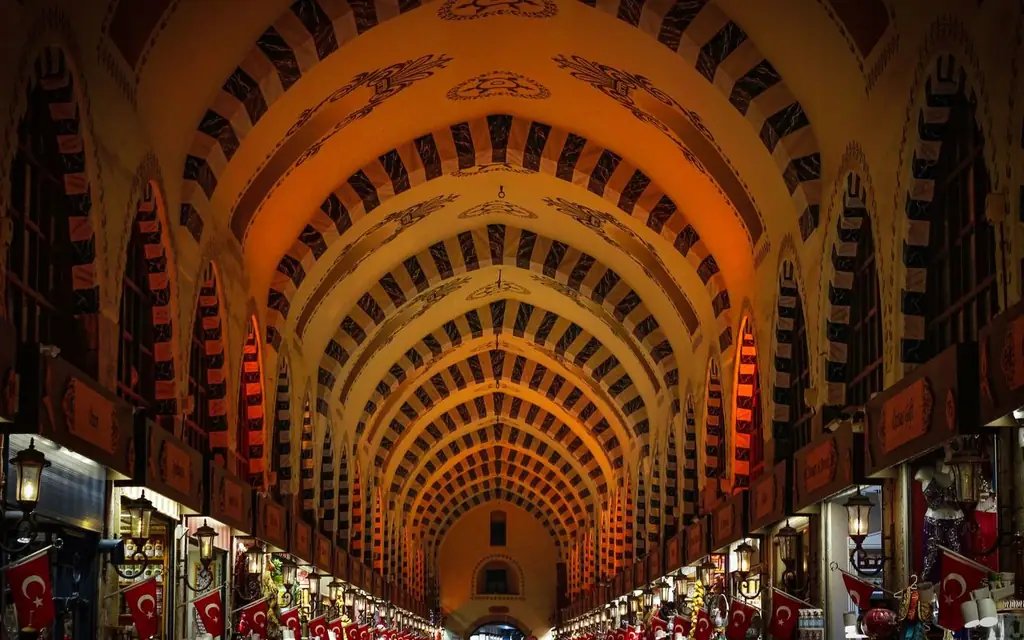
Go Türkiye describes the Grand Bazaar as a network of 61 covered streets with twenty-two gates, and puts the shops at up to 4,000, with some listings counting more. Those numbers matter less than what they mean on the ground: a visitor who enters by one gate and wanders for an hour will come out of a different one, on a different street, possibly a kilometer from where the car is waiting. The sensible plan for a private day begins with that fact.
How do you get to the Grand Bazaar by car, and where does the driver wait?
The Grand Bazaar is about 1 km (0.6 miles) from Sultanahmet and roughly 45 to 50 km (28 to 31 miles) from Istanbul Airport. Cars cannot enter the covered market, so a chauffeur drops you at a street near a gate and waits nearby or returns when you message the desk.
From Sultanahmet the drive is short but slow: five to fifteen minutes, depending on tram-line traffic and the number of delivery vans in the lanes around Beyazıt. From Istanbul Airport allow 45 to 75 minutes. The covered market has no vehicle access, and the streets around its gates are among the busiest in the old city, so the exact stopping point is chosen by the driver on the day.
The most important instruction you can give a chauffeur is the exit you plan to use, not just the entrance. Shoppers rarely leave by the gate they entered, and a message saying "I am at the gate on the street with the leather shops" is harder to act on than one saying "meet me at the Beyazıt side." Before you go in, take a photo of the street name on the gate wall. It is the best map you will have inside.
Opening days and the Sunday rule
Commercial sources give the usual hours as Monday to Saturday, from about 08:30 or 09:00 until 19:00, with the market closed on Sundays and on public holidays, and closed on the first days of the religious holidays. Because the sources disagree by half an hour at the opening end, and the Go Türkiye page does not list hours, treat the times as approximate and the closing days as reliable.
Individual shops follow their own rhythm inside the market's general window. Mid-morning is the most dependable time for most of them to be open, and from late afternoon shopkeepers begin to close. If you need a specific type of shop, the late morning on a weekday gives you the best chance of finding it staffed.
Two planning consequences follow. First, never schedule the bazaar for a Sunday, which is when many visitors with Monday departures try to fit it in. Second, check the religious calendar if you travel near a holiday: the closure can run for several days, and the dates move each year.
Choosing a gate
Twenty-two gates sounds like an advantage and works more like a puzzle. The two entrances that visitors from the old city know best are the Beyazıt side, near the tram stop that carries the market's name, and the Nuruosmaniye side, which opens toward the mosque of that name and the shopping streets that lead to it. Which suits you depends on where the car can stop that morning.
A simple rule works: start where the car drops you, walk through to the center, and leave through a gate you choose when you have finished. At the center sit the old, high-domed halls where the market began. Go Türkiye notes that the core of the original structure is still intact, and that the market grew outward from it after Sultan Mehmed II proposed its construction in the 15th century to boost trade.
Do not worry about getting lost. The covered streets are arranged by trade, so leather, gold, ceramics and textiles cluster together, and a wrong turn usually delivers you to another interesting row. Shopkeepers will point you toward a gate.
What to buy, and how to behave while buying
The national portal lists the types of goods on offer: hand-woven carpets, textiles, ceramics, Turkish lamps, leather jackets and handbags, copperware, silk, antiques, chess sets and jewelry. It also notes that haggling is expected and that you should not let yourself be pressured. Both pieces of advice are sound.
A few practical habits help:
- Decide before you ask. Know what you want and roughly what it should cost elsewhere, and walk away calmly if the shop will not meet that.
- Keep the exchange friendly. Tea is offered as hospitality, not as an obligation to buy.
- Ask for a written receipt for any significant purchase, with the item described and the amount stated.
- Antiques and old carpets may be regulated for export. Ask the seller what documentation applies to the piece you are buying.
- Keep valuables close in crowded lanes, as you would in any busy market.
None of this is a reason to skip the bazaar. It is a reason to arrive with a plan, particularly if a purchase will be large.
Big purchases and the boot space question
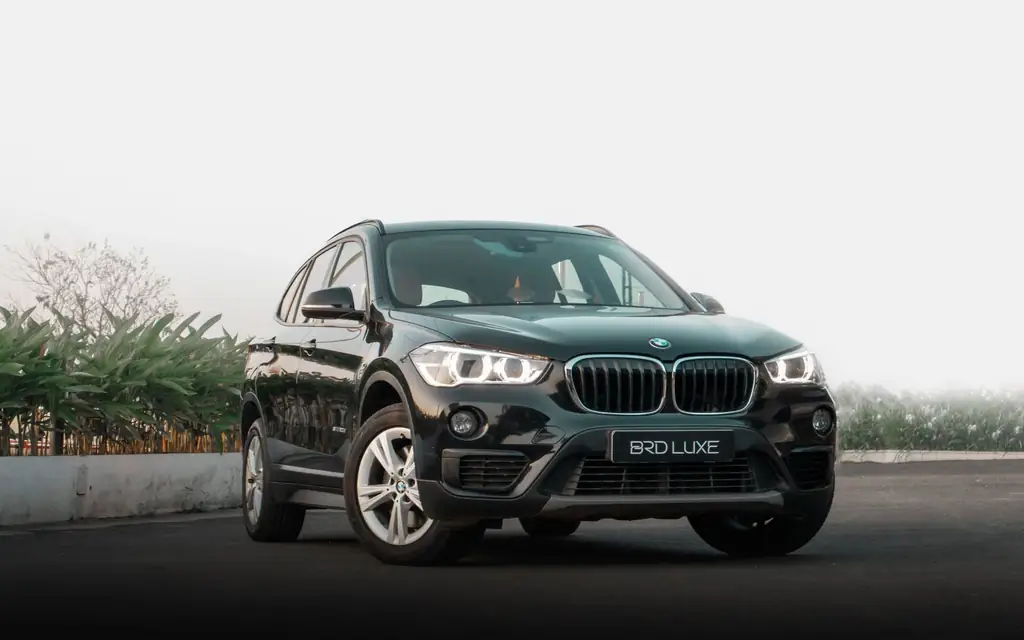
This is where a private car outperforms a taxi. A carpet in a roll, a set of ceramics in packing, and two lamps do not fit in the back of a small saloon, and they should not be balanced on a lap in Istanbul traffic. A luxury SUV (Cadillac Escalade, Chevrolet Suburban, GMC Yukon Denali or similar, with seats for up to 6 and room for 5 to 6 large bags) or an Executive Sprinter has the space. Exact models are confirmed at booking.
If you expect to buy something large, tell the desk at booking so the vehicle class matches. The driver can hold your purchases in the car while you continue shopping, and can take them to the hotel before you head to lunch. Shops can also arrange shipping, and it is worth asking them to explain how it works and who is responsible if the package is damaged or delayed.
Ways to reach the Grand Bazaar compared
| Route | How long | Price type | Suits |
|---|---|---|---|
| T1 tram to Beyazıt-Kapalıçarşı | One tram line from Sultanahmet or Eminönü, 10 to 20 minutes | Lowest, public fare | Browsers with light bags |
| Walk from Sultanahmet | About 15 minutes along Divanyolu | Free | Visitors staying in the old city |
| Metered taxi | 10 to 30 minutes | Metered | Short hops, dependent on the driver |
| Private chauffeur | 45 to 75 minutes from Istanbul Airport; 5 to 15 from Sultanahmet | Fixed fare via the booker | Heavy purchases, groups, airport days |
| Guided shopping walk | Half-day | Per person | First-time visitors who want a guide |
The tram line that runs through Sultanahmet to Beyazıt is the best low-cost option, and walking from Sultanahmet along the main avenue is easy. The car is for the airport legs, for groups, and above all for the shopping bags.
Putting the bazaar in an old-city day
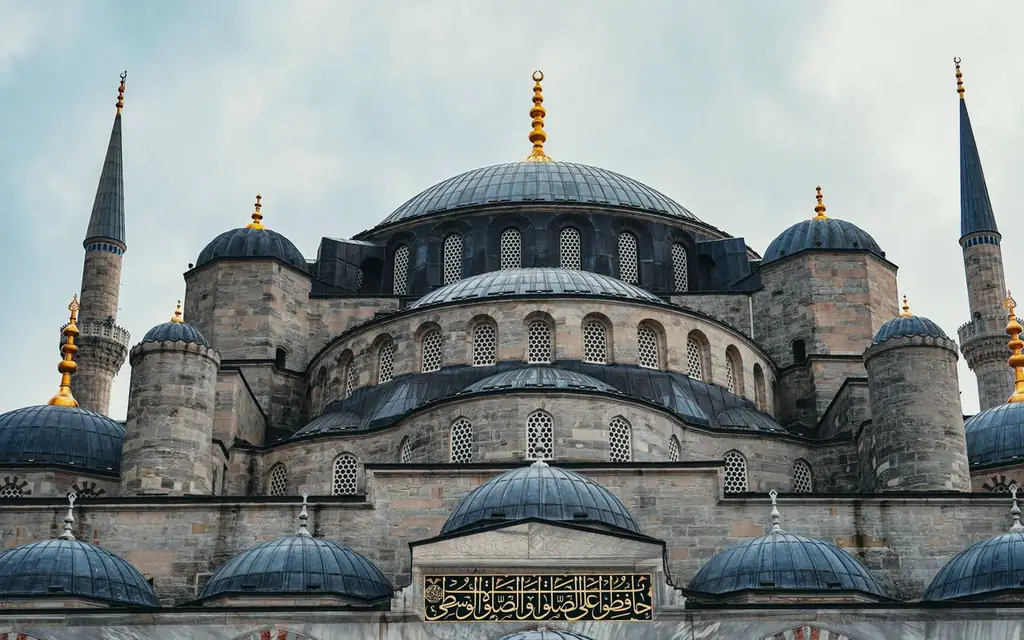
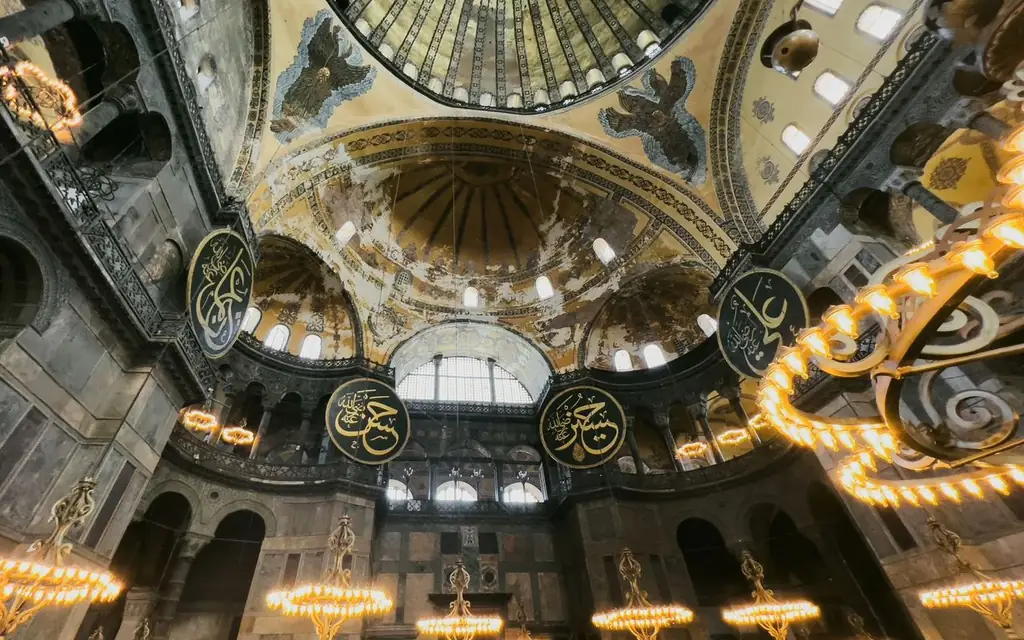
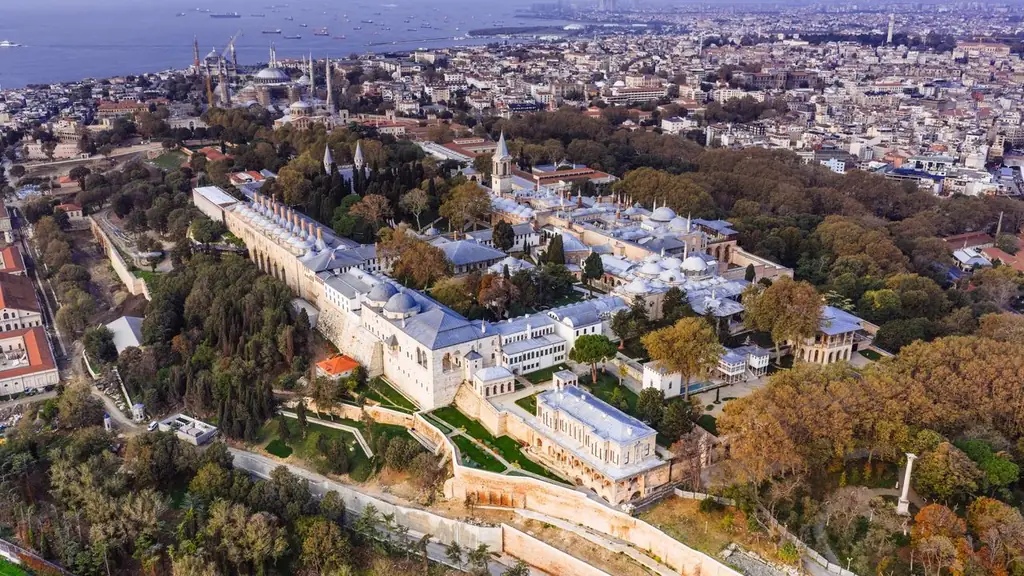
The bazaar is the least time-sensitive of the old city's major stops, which is why it works best as the last one. A reliable order is the Blue Mosque in the first open window, Hagia Sophia next, and the Topkapı Palace guide will tell you which weekday leaves the palace open, since it is closed on Tuesdays. The bazaar is open on Tuesday, so a Tuesday works well as the shopping day.
From the bazaar the Spice Bazaar and the waterfront at Eminönü are the natural next stops, and Go Türkiye's guide lists both, along with the Arasta Bazaar behind the Blue Mosque, as places to continue. The Süleymaniye Mosque, one of the great imperial mosques, sits on the hill above the Golden Horn within easy reach. A chauffeur can bring the car around to the waterfront to save the uphill walk back.
From the airports to the bazaar
From Istanbul Airport (IST) the old city is roughly 28 to 31 miles (45 to 50 km) and 45 to 75 minutes away. From Sabiha Gökçen (SAW), on the Asian shore, plan on 55 to 90 minutes for the 50 km (31 miles), because the road goes over or under the Bosphorus. The desk tracks both flights, and on an international arrival the first hour of waiting after landing is free.

Many visitors land in the morning and want to shop the same day. That works if the plan respects the closing time: the market closes around 19:00, shops start closing earlier, and Sunday does not exist. A midday landing on a Saturday leaves a short window, so ask the desk to time the transfer with the hotel check-in in mind. The Istanbul chauffeur service page covers city bookings, and the airports hub lists the other airports on the network.
Paying, pacing and staying oriented
Plan the money before you enter. Many shops accept cards, but smaller stalls and tea sellers may prefer lira, so carry some small notes. Ask the shop to state the price in the currency you will pay in, and confirm the total before the card goes into the machine.
Pace is the other half. A two-hour visit is plenty for a first walk through the main lanes, and visitors who push to three or four hours tend to buy the wrong things out of fatigue. Break the visit in two: a first loop to look and note prices, a coffee outside the walls, then a second loop to buy. The driver can stay on call through the break, and you can tell the desk when you want the car brought round to the gate you choose.
Keep the driver's name and the booking confirmation on your phone, along with a screenshot of the hotel address in Turkish. If the signal drops in the covered lanes, those two items solve most problems, and the desk is staffed around the clock if you need to change the pickup gate.
Dress for a long walk on hard, uneven floors. Flat shoes with real grip are a better choice than leather soles, and a light cross-body bag worn in front of you copes with the narrow lanes far better than a backpack that catches on stalls. Carry a small bottle of water, since the covered streets hold the day's warmth. If you plan to visit a mosque afterward, a light scarf or a long-sleeved layer in the day bag covers both settings without a trip back to the hotel.
Comfort, accessibility and children
The covered streets are crowded at midday, the floors are uneven in places, and wheelchair users will find narrow aisles. Visitors who struggle with long walks can ask for the shortest route to a particular row of shops and arrange pickup at the nearest gate. The roof keeps off rain and sun, which makes the market a good wet-weather activity, though it can feel warm in summer.
Children enjoy the lamps and the ceramics but tire quickly in a crowd. Families can request child, toddler and booster seats when booking the car. A stop for lunch at the edge of the market breaks the visit into manageable pieces.
Turning it into a private day
Shopping works best as a part of something larger. To make the bazaar part of a longer day, read how private tours with a driver are booked and timed; a licensed guide can be added if you want the history of the trades explained. Other guides in the series are gathered on the attractions hub, and the Europe directory leads to the regional pages. For official background, see Go Türkiye's Grand Bazaar page, the national tourism board's Istanbul portal, and the Istanbul Airport site for arrivals.
Frequently asked questions
Is the Grand Bazaar open on Sundays?
No. It is closed on Sundays and on public holidays, including the first days of the major religious holidays. Plan your shopping for Monday to Saturday and check the calendar if you travel near a holiday.
How far is the Grand Bazaar from Sultanahmet?
About 1 km (0.6 miles). It is a 15-minute walk along the main avenue or a short ride on the T1 tram. By car it takes 5 to 15 minutes depending on traffic.
How far is the Grand Bazaar from Istanbul Airport?
Roughly 28 to 31 miles (45 to 50 km); budget 45 to 75 minutes by car. From the Asian-side airport, Sabiha Gökçen, plan on 55 to 90 minutes.
Can a car drive into the Grand Bazaar?
No. The covered market is pedestrian-only inside, and the surrounding streets are very busy. The chauffeur stops near a gate and waits in the area or returns on your message.
How many gates does the Grand Bazaar have?
Go Türkiye lists twenty-two gates leading into the covered market from all directions. That is why it helps to note the street name at the gate you enter and decide on the exit before you go in.
What is the best time to visit the Grand Bazaar?
A weekday morning, when most shops have opened and the lanes are less crowded than at midday. Late afternoon is quieter but some shops begin closing, so the choice of goods narrows.
Is haggling expected at the Grand Bazaar?
Yes. The national tourism portal says haggling is expected and advises you not to let yourself be pressured. Be polite, know what you want, and walk away if the price does not suit you.
What if I buy something large?
Tell the desk before the day so the vehicle matches. A luxury SUV or an Executive Sprinter has the space for carpets and ceramics, and the driver can hold your purchases in the car or take them to the hotel.