 United StatesJFK
 MexicoMEX
 BrazilGRU
 ArgentinaEZE
 ChileSCL
 ColombiaBOG
 PeruLIM
 PanamaPTY
 Costa RicaSJO
 Dominican RepublicPUJ
 JamaicaMBJ
 BahamasNAS
 BarbadosBGI
 United KingdomLHR
 IrelandDUB
 FranceCDG
 GermanyFRA
 NetherlandsAMS
 BelgiumBRU
 SwitzerlandZRH
 AustriaVIE
 ItalyFCO
 SpainMAD
 PortugalLIS
 GreeceATH
 TurkeyIST
 DenmarkCPH
 SwedenARN
 NorwayOSL
 FinlandHEL
 PolandWAW
 Czech RepublicPRG
 HungaryBUD
 IcelandKEF
 United Arab EmiratesDXB
 QatarDOH
 Saudi ArabiaRUH
 IsraelTLV
 EgyptCAI
 MoroccoCMN
 South AfricaJNB
 KenyaNBO
 NigeriaLOS
 IndiaDEL
 PakistanLHE
 Sri LankaCMB
 SingaporeSIN
 MalaysiaKUL
 ThailandBKK
 VietnamSGN
 PhilippinesMNL
 IndonesiaCGK
 Hong KongHKG
 ChinaPVG
 TaiwanTPE
 JapanHND
 South KoreaICN
 AustraliaSYD
 New ZealandAKL
The shortest honest answer to "how do I get to the Gothic Quarter by car" is that you get to its edge. The medieval core of Barcelona, the Barri Gòtic, is a knot of narrow lanes and small squares where vehicle access is limited to residents, car parks and authorised vehicles, so a chauffeur works from the perimeter and you walk the last few minutes. That is not a drawback once you know the plan; it is the reason a Gothic Quarter private tour with driver is organised around drop points, not doors.
Below you will find the approach from the airport and the cruise port, the best edges to be dropped at, a walking route through the old town in a sensible order, the official cathedral information, and how to be collected afterwards. Rides run through a vetted, licensed and commercially insured local operator from our worldwide directory; the worldwide desk of LimousineWorldwideDirectory.com books, confirms and invoices them around the clock.
Can a car drive into the Gothic Quarter?
Not into the core. Vehicle access is limited to residents, car parks and authorised vehicles, and many lanes are pedestrian. A chauffeur drops you at the edge of the district, typically on the Via Laietana side or near the Rambla, and collects you at a point agreed by message afterwards.
Barcelona's city council publishes a mobility leaflet for the Gòtic that sets out the restrictions: residents may enter at any time, while other vehicles are limited to authorised access and car parks, and loading windows apply to deliveries. Bollards that rise and fall protect the inner lanes. You will not see a sign inviting visitors to drive in, and a driver who tried would risk a fine.
A second rule matters on the western edge. The uphill lane of Via Laietana is restricted, and the city announced in September 2025 that plate-reading cameras would operate there, with penalties to follow, while residents of the Gòtic were allowed to use it under the same conditions as nearby neighbourhoods. You can read the council's announcement about the Via Laietana lane. Our local operators know the lane rules and plan the approach so the drop does not depend on a restricted stretch.
The practical result is simple. Tell the desk where you are staying and what you plan to see. The driver proposes the nearest sensible edge, you confirm it, and the pickup is agreed by message on the day. The booker shows a fixed fare before you pay.
Getting to the edge: from the airport, the port and your hotel
From Barcelona–El Prat Airport, the run to the Via Laietana edge is about 15 km (9 mi) and takes 25 to 35 minutes, longer at the weekday evening peak. Our Barcelona El Prat chauffeur page explains terminals T1 and T2 and how the meet-and-greet is arranged. Your driver tracks the flight, and international arrivals include 60 minutes of free waiting after landing.
From the cruise terminals at the port, the district is only 2 to 3 km (1.2 to 1.9 mi) away, a drive of 10 to 20 minutes. Cruise guests often assume they can walk it, and some do, but the heat and the pace of the quayside crowds make a car sensible when time is limited. See the Barcelona cruise port page for terminal detail.
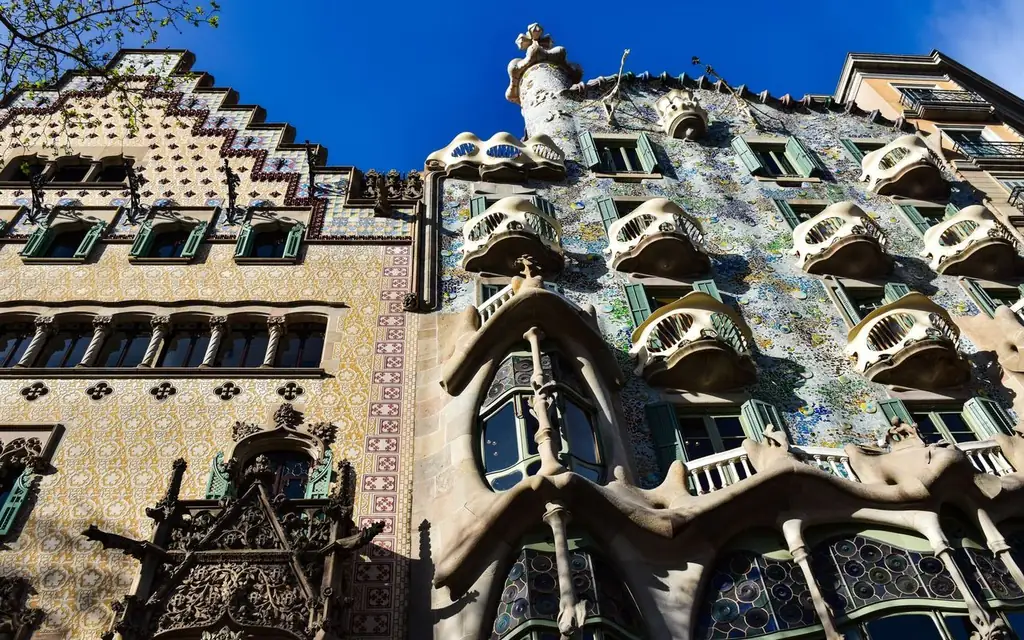
From Passeig de Gràcia and the Eixample, the distance is about 1.8 km (1.1 mi) and takes 10 to 15 minutes. Visitors who have just seen Casa Batlló often continue this way.
From a hotel inside the quarter, the question reverses. If your hotel is on a pedestrian lane, ask the hotel which entry point its own luggage service uses; the driver will meet you there. Our broader Barcelona chauffeur service page describes how the desk handles hotel pickups across the city.
One more point on regulation. Barcelona operates a low-emission zone that limits vehicles by emissions, and the city's tourism board recommends checking in advance that a vehicle may circulate. Operators on our directory run compliant vehicles, so this is handled before you travel.
Choosing your edge: four useful starting points
| Entry point | Best for | Walk to the core | Note |
|---|---|---|---|
| Via Laietana near Jaume I | Cathedral, Plaça Sant Jaume, Plaça del Rei | 3 to 6 minutes | Check lane rules; driver chooses the safe stop |
| Rambla edge near Plaça Reial | Plaça Reial, Carrer Ferran, Plaça del Pi | 2 to 5 minutes | Busy, pedestrian-heavy |
| Plaça de Catalunya side | Portal de l'Àngel, Plaça Nova | 8 to 12 minutes | Easy for drivers, longer walk |
| Port-side streets | Santa Maria del Mar and the Born | 5 to 10 minutes | Good for the cruise dock |
The edge that suits you depends on the order you want to see things in, which the next section sets out. If you are unsure, say so at booking and the desk will suggest an edge from your hotel's address.
A walking route through the Barri Gòtic, in order
Start at the cathedral and finish at the Rambla edge; the route runs downhill-friendly and avoids doubling back.
Barcelona Cathedral, Pla de la Seu. The cathedral stands at Pla de la Seu s/n, and its official site is the place to confirm the visiting hours, the tourist ticket and the worship schedule. Visits for sightseeing and services for worship run on different terms, so read the page before you go. The cloister is known for its geese and is a quiet respite from the lanes. Allow 45 to 60 minutes.
Plaça Nova and the Roman walls. Step out into the square beside the cathedral to see the surviving stretch of the wall of Roman Barcino. The line of the wall explains why the old town sits where it does.
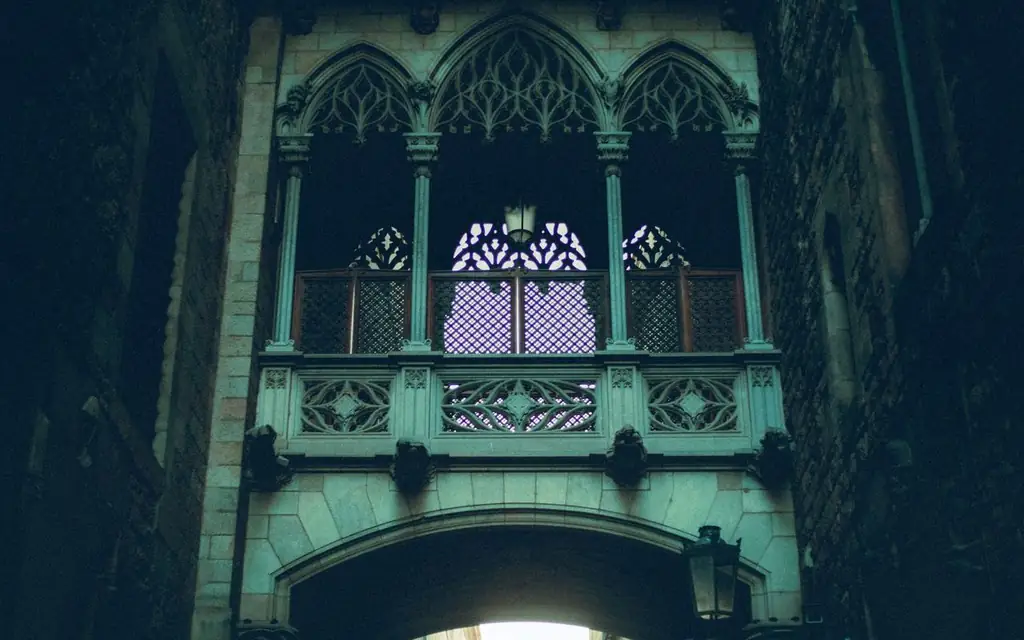
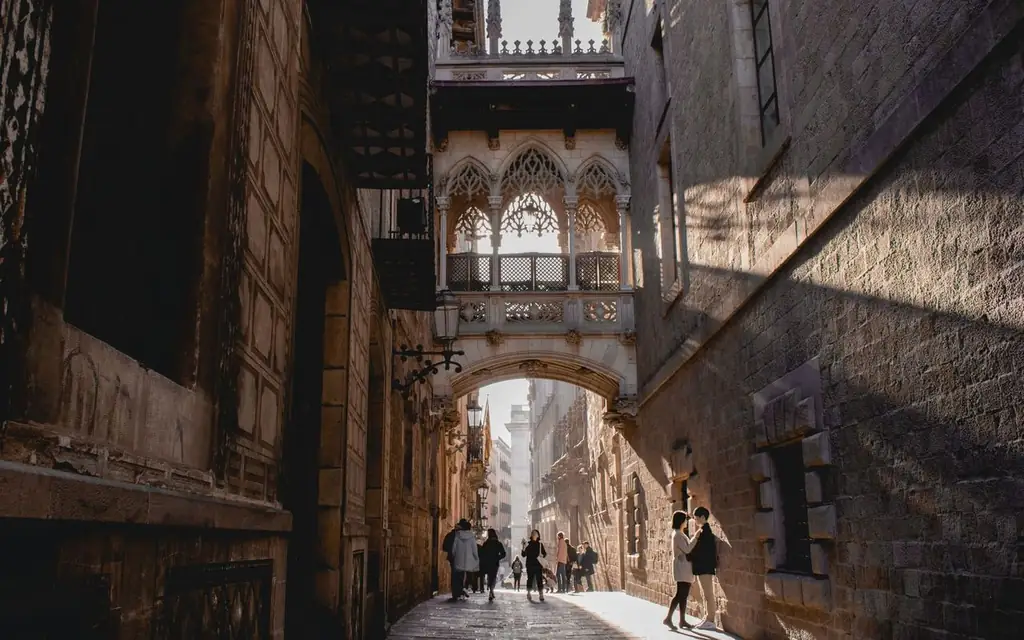
Carrer del Bisbe and the Pont del Bisbe. The neo-Gothic bridge over the street was built in the twentieth century and photographs well, but it is a narrow lane, so keep moving.
Plaça Sant Jaume. The square holds the city hall and the seat of the Catalan government facing each other. There is little to do here except look, and you pass through on the way.
Plaça del Rei. A compact square enclosed by medieval royal buildings. The museum of Barcelona's history has an underground section that exposes Roman streets; check its own site for hours and ticketing.
El Call. The former Jewish quarter lies in the lanes around Carrer de Sant Domènec del Call. It is worth slowing down here, because the interest is in the small details of stone and doorways.
Plaça del Pi and Santa Maria del Pi. A smaller, calmer square with a Gothic church and, on some days, a market of local producers.
Plaça Reial. End on the arcaded square at the Rambla edge, where your driver can meet you.
Walk the route in two hours without stops, or half a day with the cathedral, a museum and lunch. Wear comfortable shoes, because the paving is uneven, and keep a charged phone in hand so your driver can message you the exact pickup point when you reach the last square. If you plan a long lunch, tell the desk the likely finish time and we will set the pickup to match rather than leaving a car circling.
Half-day and full-day plans that use the car properly
The car earns its place on the days when the Gothic Quarter is one stop among several. Here are two plans with honest timings.

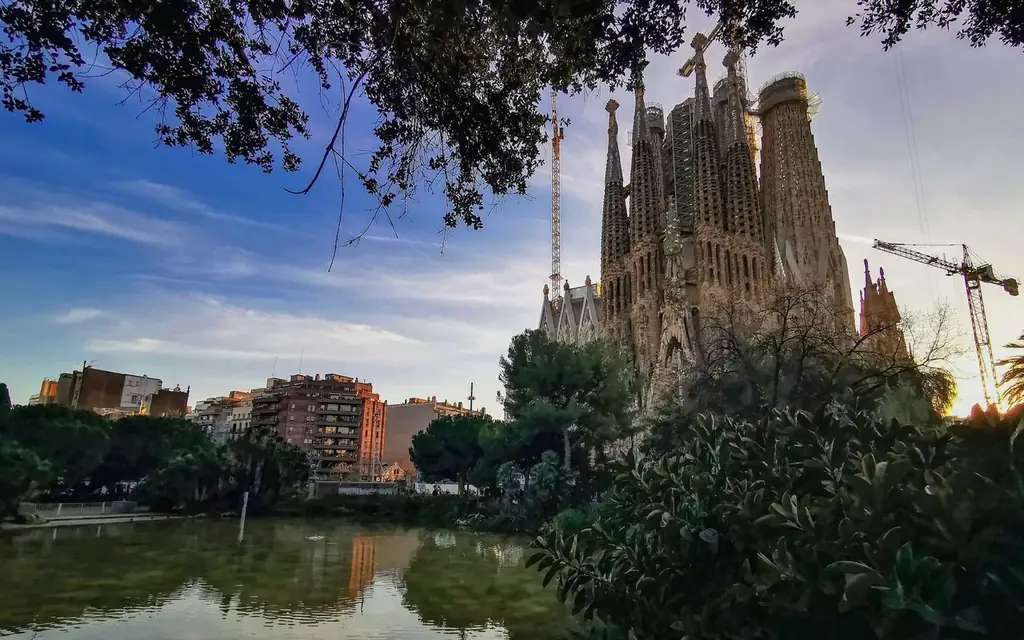
Half-day, Gothic Quarter and Gaudí. Start at 9:00 on Via Laietana, walk the route above, and be collected from the Rambla edge at midday. The driver then takes you about 1.8 km (1.1 mi) to Passeig de Gràcia for Casa Batlló, 10 to 15 minutes away, and onward to the basilica of Sagrada Família, about 3 km (1.9 mi) from the old town, 10 to 20 minutes depending on traffic.
Full day with a mountain. The monastery of Montserrat is about 60 km (37 mi) from the city, roughly an hour each way. A morning in the Barri Gòtic followed by a drive up the mountain is possible, but on a short winter day it is better to reverse the order: leave early for Montserrat and finish in the old town for dinner. If you want the full day arranged around a chauffeur, our private tours with a driver service explains how it works.
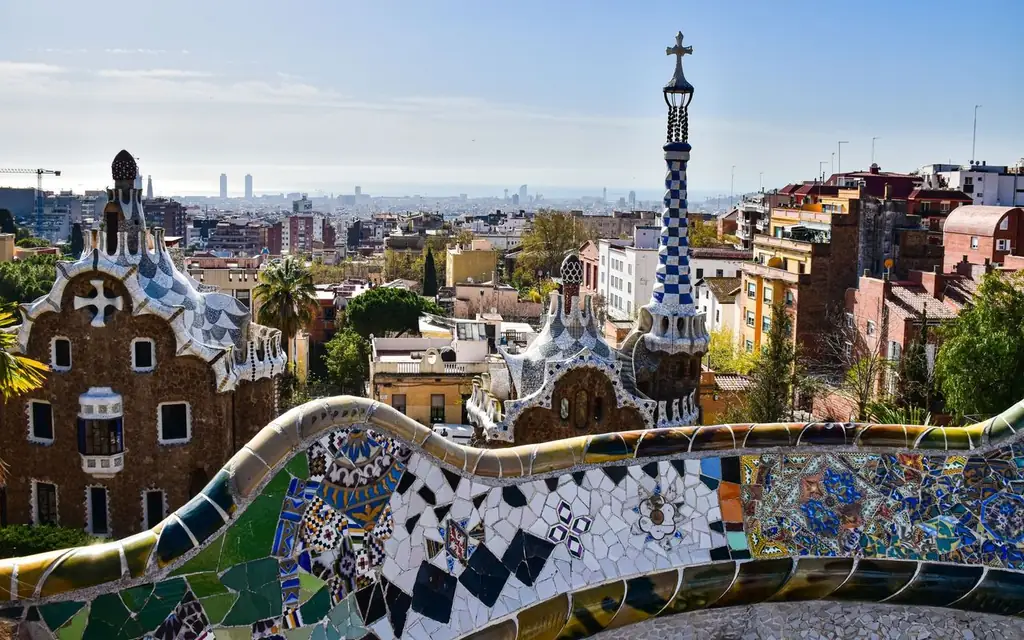
Another useful companion is Park Güell, about 5 km (3.1 mi) from the old town, 15 to 25 minutes by car, which pairs naturally with an afternoon rather than a morning.
Concierges and travel planners can set this up for guests as well. Official tourist offices and visitor bureaus can book chauffeur services for their visitors with LimousineWorldwideDirectory.com through a trade account, and the Europe directory lists the other cities where the desk works in the same way.
Timing: when the lanes are calm and when they are not
The quarter is at its quietest before about 9:30 in the morning and again after the dinner hour has passed. Mid-morning to late afternoon is peak walking time, and the busy squares around the cathedral fill with tour groups. Weekends in good weather are the busiest.
Cruise-ship days change the picture. When several ships are in port, the streets around the cathedral and the Rambla can be dense from late morning. If you are on a cruise and have the choice, go early and leave before the lunchtime surge.
Evening has its own character. Many of the lanes are lit well, restaurants are busy and the area feels lively but not unsafe. The usual urban precautions apply: keep bags closed and in front, and do not leave a phone on a café table.
Comparing the ways to reach the old town
| Option | Time to the edge | Cost note | Who it suits |
|---|---|---|---|
| Metro (Jaume I, Liceu, Catalunya) | 10 to 30 minutes | Lowest | Solo visitors who travel light |
| Walking from the Eixample or the port | 20 to 35 minutes | Free | Fit visitors with time |
| Taxi | 15 to 35 minutes | Metered, airport supplement applies | Short trips for small parties |
| Hop-on hop-off bus | Stop-based | Ticket-based | A first look at the quarter |
| Private chauffeur | 10 to 35 minutes | Fixed fare via the booker | Airport and cruise arrivals, luggage, families, groups |
If you are staying near a metro stop and travelling alone, the metro is the better choice for a short visit. A chauffeur is the right tool when you land with bags and need to reach a hotel on a restricted lane, when you are on a tight cruise clock, or when the old town is one of three or four stops in a day.
Accessibility, children and etiquette
The paving in the old town is cobbled in places and uneven, and some lanes are steep for a wheelchair or a pram. The cathedral and the squares are walkable, but the drop point matters: tell us if anyone in your party has limited mobility, and the desk will choose the closest practical edge. Seats for children of every age can be added at booking; most vehicles carry water and phone chargers.
Dress modestly for the cathedral and keep voices low, as it is a working church with services. Check the cathedral's own rules on dress and photography before you go. Discretion is standard: drivers do not photograph passengers or post about trips, and NDAs are signed on request.
Alcohol laws are local. We never promise drinks on board, and the streets of the quarter have their own rules on open containers.
Frequently asked questions
Can a car drive into the Gothic Quarter in Barcelona?
Not into the core. Vehicle access is limited to residents, car parks and authorised vehicles. A chauffeur drops you at the edge, usually on the Via Laietana side or near the Rambla, and the pickup is agreed by message.
How far is the Gothic Quarter from Barcelona airport?
About 15 km (9 mi), usually 25 to 35 minutes by car, longer at the weekday evening peak. Enter your hotel or terminal in the booker and the fixed fare is quoted before you pay.
Where is the best place to be dropped off for the cathedral?
The Via Laietana edge near Jaume I is the most direct, with a walk of a few minutes to Pla de la Seu. The driver chooses the safe stop on the day, as lane rules can change.
How long should I allow in the Gothic Quarter?
Two hours for a walk without stops, and half a day if you visit the cathedral, a museum and have lunch. The cathedral alone takes 45 to 60 minutes.
Can I do the Gothic Quarter and Sagrada Família in one day?
Yes. The basilica is about 3 km (1.9 mi) from the old town, 10 to 20 minutes by car. Book the basilica's timed entry first and fit the old town around it.
Is the Gothic Quarter safe at night?
It is lively in the evening, but crowded lanes attract pickpockets, so keep bags closed and in front. A pre-agreed pickup point is easier than hailing a car in the dark.
Is the Gothic Quarter accessible for wheelchairs?
Parts are cobbled and uneven, and some lanes are steep. Tell us at booking and the desk will choose the closest practical edge and a flat route.
Do I need a licensed guide?
None is required for the lanes and squares. A licensed guide adds history and context for the cathedral and museums, and is a separate professional from the chauffeur, who drives and can suggest stops.