
 United StatesJFK
 MexicoMEX
 BrazilGRU
 ArgentinaEZE
 ChileSCL
 ColombiaBOG
 PeruLIM
 PanamaPTY
 Costa RicaSJO
 Dominican RepublicPUJ
 JamaicaMBJ
 BahamasNAS
 BarbadosBGI
 United KingdomLHR
 IrelandDUB
 FranceCDG
 GermanyFRA
 NetherlandsAMS
 BelgiumBRU
 SwitzerlandZRH
 AustriaVIE
 ItalyFCO
 SpainMAD
 PortugalLIS
 GreeceATH
 TurkeyIST
 DenmarkCPH
 SwedenARN
 NorwayOSL
 FinlandHEL
 PolandWAW
 Czech RepublicPRG
 HungaryBUD
 IcelandKEF
 United Arab EmiratesDXB
 QatarDOH
 Saudi ArabiaRUH
 IsraelTLV
 EgyptCAI
 MoroccoCMN
 South AfricaJNB
 KenyaNBO
 NigeriaLOS
 IndiaDEL
 PakistanLHE
 Sri LankaCMB
 SingaporeSIN
 MalaysiaKUL
 ThailandBKK
 VietnamSGN
 PhilippinesMNL
 IndonesiaCGK
 Hong KongHKG
 ChinaPVG
 TaiwanTPE
 JapanHND
 South KoreaICN
 AustraliaSYD
 New ZealandAKL
The last driveable address on the way to the Matterhorn is a car park in Täsch. Zermatt itself is car-free, so every Matterhorn and Zermatt private tour with a driver is built around one handover: from the road to the rail, at a covered terminal five kilometres short of the village. Knowing how that handover works is the difference between an easy arrival and a bag-dragging one.
The mountain, at 4,478 m, was first climbed in 1865. Today most visitors see it from a cogwheel train, a gondola or a lakeside path, and the chauffeur's job is to get you to the right door at the right time.
Can you drive to Zermatt, or only to Täsch?
Only to Täsch. Zermatt is car-free, and all road traffic ends at the Matterhorn Terminal in Täsch, about 5 km (3 mi) below the village. A shuttle train runs to Zermatt every 20 minutes and takes 12 minutes. Electric taxis also serve the village.
The shuttle timings and parking figures below come from the terminal's own listing on the Zermatt tourism site. A private chauffeur does not change the rule; it makes the handover quick, carries the bags to the platform with you and plans the return so you are not left waiting.
Matterhorn Terminal Täsch in detail
The terminal is a large covered facility, and the listing gives enough detail to plan around:
- Capacity: 2,100 covered spaces, with 131 in a separate E-Zone with charging stations. The maximum vehicle height is 2.30 m; taller vehicles use an outdoor area.
- Hours: open around the clock, every day of the year.
- Kiss and Ride: a free outdoor transfer area for cars and buses, with a maximum stay of 30 minutes. This is where a chauffeur sets you down if the car is not staying.
- Luggage: trolleys are free to use with a CHF 5 deposit, and coach passengers get a free luggage service if they register by 4 p.m. the previous day.
- Facilities: lockers, toilets, a bistro, a grocery shop and currency exchange.
- Address: 3929 Täsch.
The terminal listing also mentions nearby taxi and limousine services, so a chauffeur is a normal part of the arrival picture there.
The drive to Täsch from Geneva, Zurich and the Valais
Zermatt sits at the end of the Matter Valley, and the approach is always through Visp. Three typical starts:
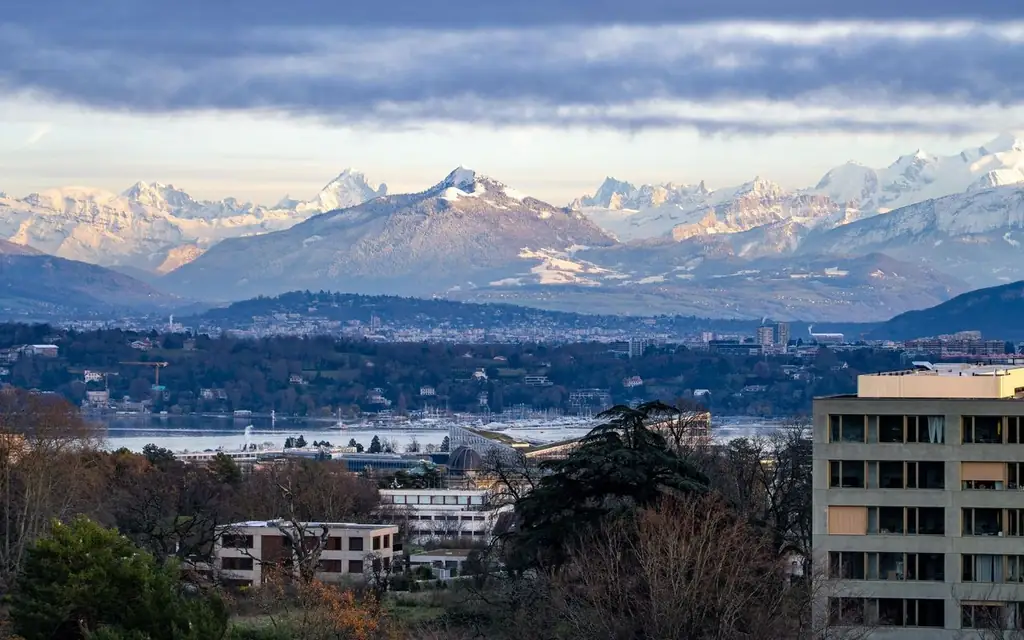
- Geneva Airport: about 207 to 230 km (129 to 143 mi), roughly 3 to 3 hours 45 minutes, along the north shore of Lake Geneva past Lausanne and Montreux, then up the Rhône valley through Martigny, Sion and Visp. See our Geneva private aviation page if you arrive by business jet, and the Geneva chauffeur service page for city and airport pickups.
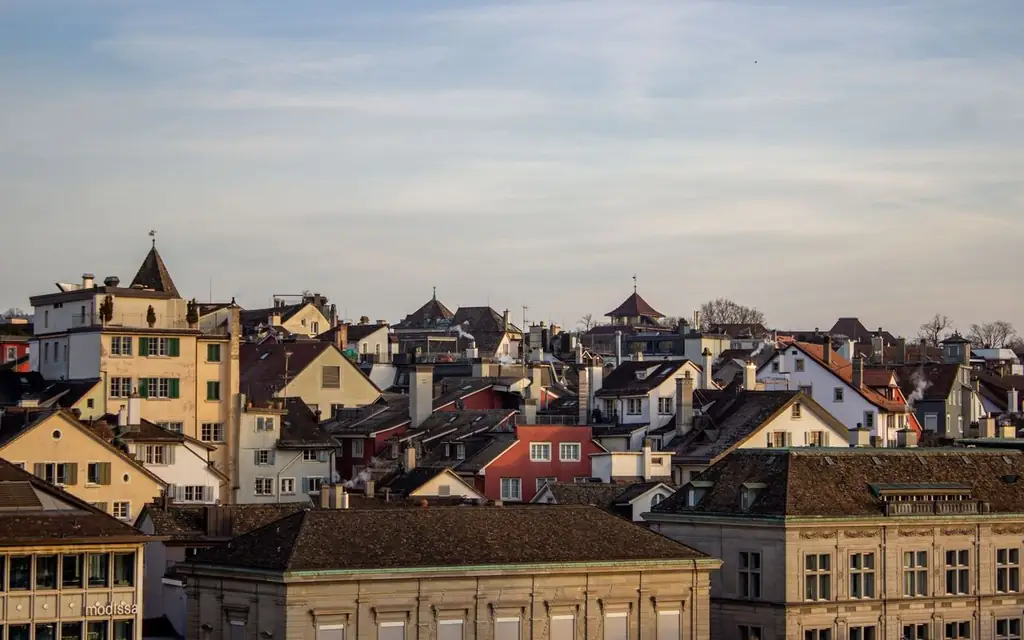
- Zurich Airport: about 240 to 270 km (150 to 168 mi), roughly 3 hours 30 minutes to 4 hours or more, typically through Bern and the Lötschberg car shuttle between Kandersteg and Goppenstein. The shuttle crossing takes about 15 minutes, with departures about every 30 minutes by day, according to tourism material. Winter Saturdays and snow can add substantial time. Our Zurich Airport page covers the pickup.
- Visp: about 31 km (19 mi) from Zermatt by road, which makes it the usual rail junction if you start by train.
The distances here are third-party estimates that differ by source, so treat them as planning ranges. The booker and the desk confirm the route and timing for your date. If you arrive late, ask about the last convenient shuttle: the terminal runs around the clock as a car park, but the shuttle train follows its own timetable, and a late arrival may mean an overnight in Täsch or an electric taxi.
Täsch to Zermatt: shuttle, taxi and the luggage question
From Täsch you have three ways to cover the last 5 km.
- The shuttle train. Every 20 minutes, 12 minutes to the village centre, according to the terminal. It is the fastest and the quietest.
- An electric taxi. Taxis run from Täsch, and sources differ on how close they can drive to your hotel. They cost more than the train but can save a walk with luggage.
- Your hotel's own transfer. Many hotels collect guests at the station with a small electric vehicle or a porter's cart. Ask when you book.
For heavy bags, arrange the luggage service with the hotel before you arrive, so the train does not become the obstacle. On changeover days in peak winter weeks, carriages can be crowded, so allow extra time and avoid squeezing into a full train with oversized cases.
Why the chauffeur does not stay overnight in Täsch
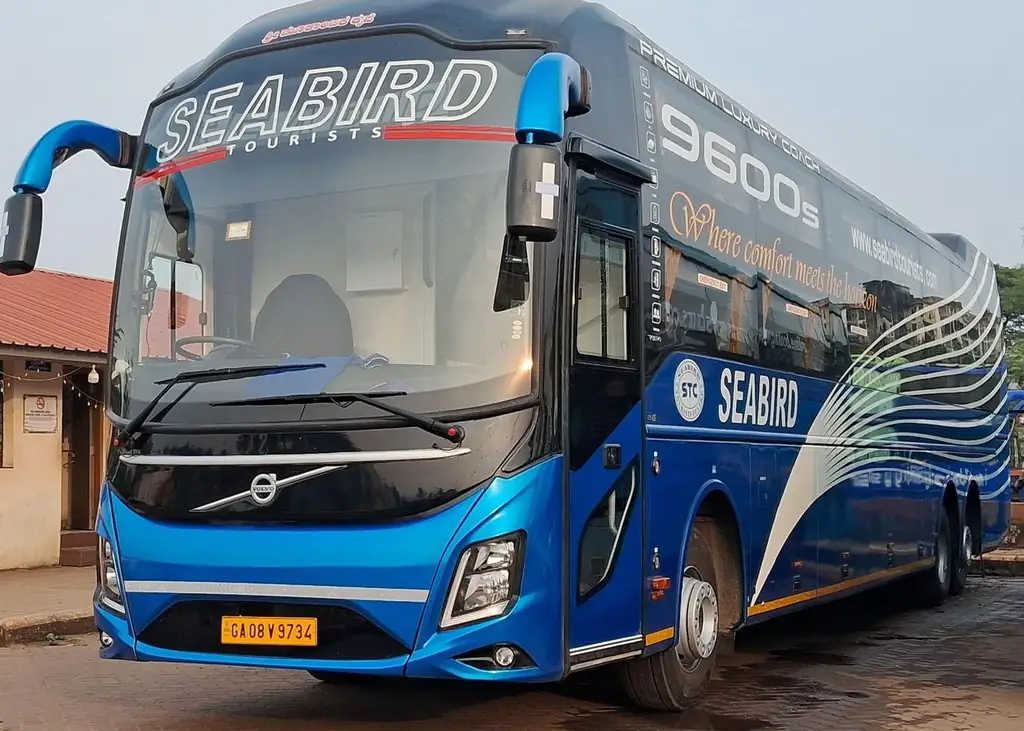
A common question is whether the car waits for you. For a one-night stay the answer is no: a driver does not sit in a car park for two days. We book the outbound transfer to Täsch and a separate pickup for the day you come back down, timed to your train. If you are only visiting for a few hours, the driver can wait at the terminal. Either way, tell the desk your return time and update it if the weather changes the plan; the Kiss and Ride area is free for up to 30 minutes, which is enough for a quick handover but not for waiting.
The listing also points out that Täsch has its own hotels, restaurants and shops, and a cross-country ski trail in winter. Some guests stay in Täsch for the road access and ride the shuttle in for the day. The trade-off is simple: you give up the evening in the village, but you avoid the luggage trolley on arrival and departure.
Zermatt village on arrival
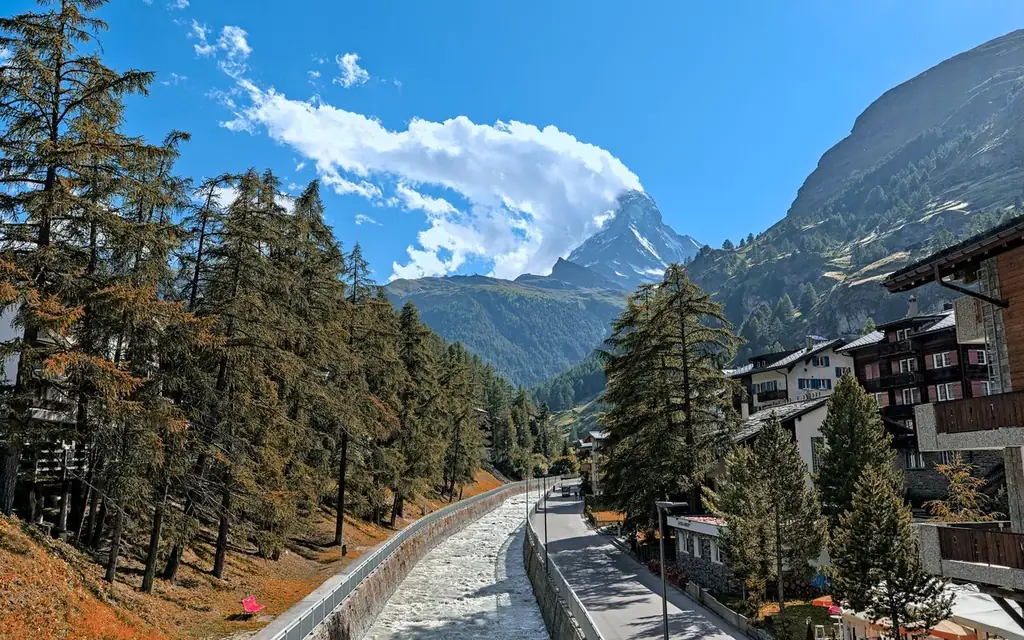
Zermatt is a compact, walkable village at about 1,600 m with the Matterhorn framed at the head of the main street on a clear day. Because there are no cars, the streets are shared by pedestrians, e-taxis and delivery vehicles. The station, the shops and most hotels are within a short walk of each other, and the lifts and cogwheel trains leave from within a few minutes of the main street.
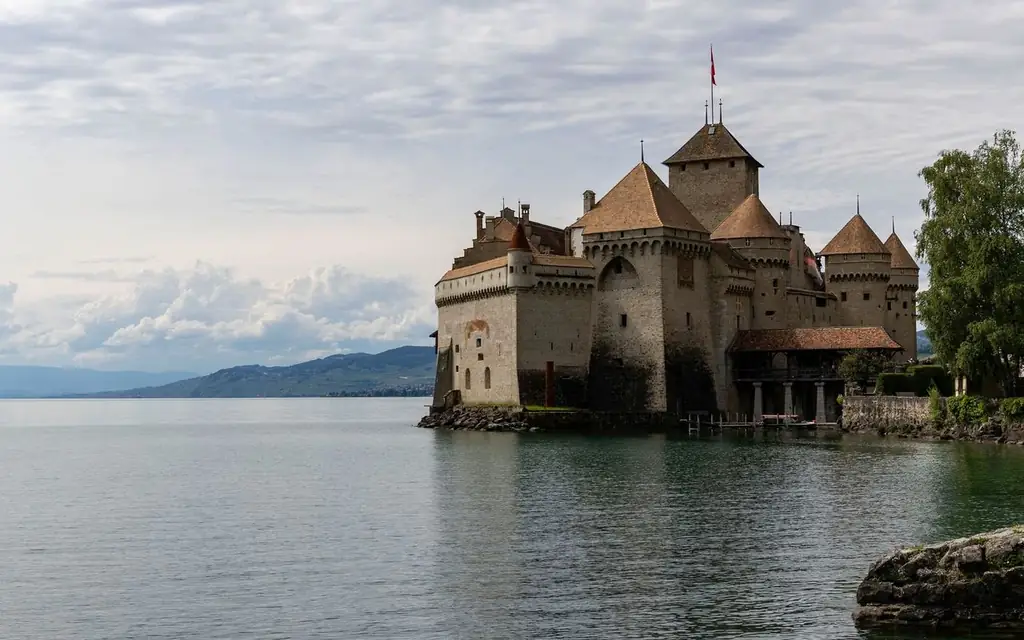
That compactness shapes the day. You do not need a car in the village, and a chauffeur is not useful there. Instead, plan the car legs at either end: Täsch to the airport, Täsch to the next city, or Täsch to a stop on the way, such as the Château de Chillon on Lake Geneva. Our Chillon Castle guide describes that stop.
Seeing the Matterhorn: Gornergrat, Glacier Paradise and the lower viewpoints
There are several ways to see the mountain, and they suit different weather and fitness.
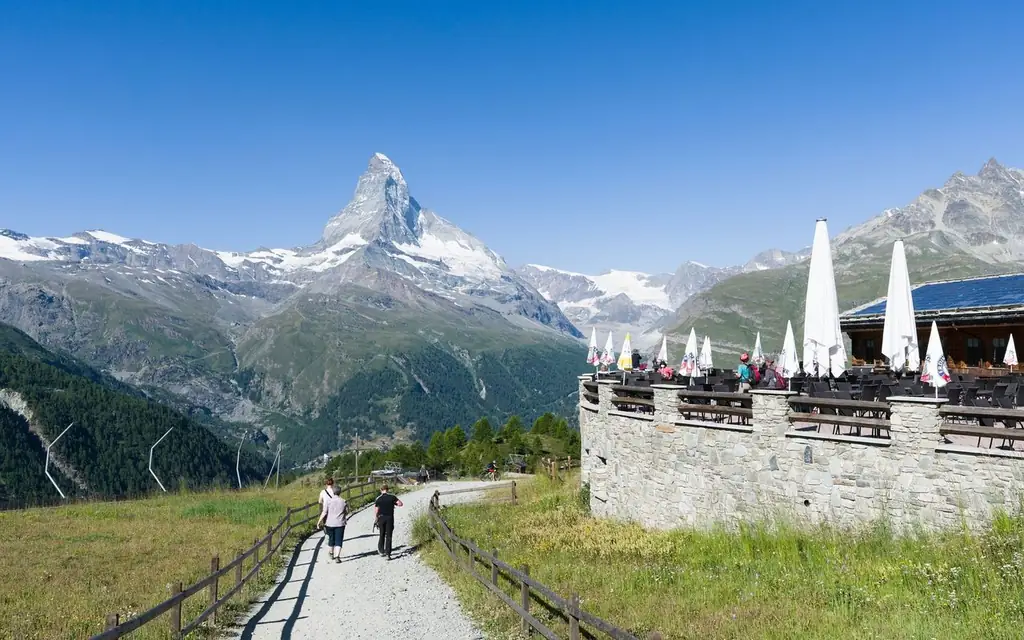
Gornergrat. A cogwheel railway climbs to about 3,100 m, and the Gornergrat railway markets the view as the Matterhorn, 28 four-thousanders and the Gorner Glacier. It is the classic first-day choice because the ride is comfortable and the views begin early.
Matterhorn Glacier Paradise. A cable-car route from Zermatt reaches the glacier area on the Klein Matterhorn at more than 3,800 m, and tourism sites describe it as the highest cable-car station in Europe; sources quote the station height slightly differently, so we do not rely on a single number. The Matterhorn Paradise site covers the routes and tickets.
Lower viewpoints. The village itself has views from the lanes and bridges, and walking routes lead to viewpoints with a Matterhorn reflection on a calm morning. These suit travelers who prefer not to go high.
The high stations carry the same advice as any mountain at altitude: dress warmly, drink water, walk slowly and be honest about your fitness. Cloud can build quickly and hide the summit. A clear morning is usually the better bet for the summit views, so schedule the highest station for the first departure, and keep the village walk or a lower viewpoint as the weather fallback.
Tickets and passes for 2026
Prices are set by the operators and change by season. As of 2026, the Matterhorn Paradise site lists a Peak Pass from CHF 212, valid from 1 May to 31 October 2026, covering Zermatt to Matterhorn Glacier Paradise, Zermatt to Rothorn, Zermatt to Gornergrat, and Furi to Riffelberg. It also lists a Matterhorn Alpine Crossing from Zermatt to Cervinia, from CHF 147.50, valid in the same period. That crossing leaves Switzerland for Italy, so take your passport and check entry rules for your nationality.
The Gornergrat railway publishes its own timetable and prices. Because the two operators sell different products, check both before you choose a pass. A single day on one lift is simply a return ticket; a multi-day stay may justify a pass.
A chauffeured shape for a Zermatt visit
This is the pattern that works for most guests, usually over two days with one night in the village.
- Day one, morning: pickup in Geneva or Lausanne, a stop on Lake Geneva if time allows, then the Rhône valley to Täsch. Allow 3 to 4 hours.
- Day one, afternoon: shuttle train to Zermatt, check in, walk the village, and see the mountain at sunset.
- Day two, early: first departure to Gornergrat or Glacier Paradise, when the air is usually clearest.
- Day two, midday: return to the village, lunch, and the train down to Täsch.
- Day two, afternoon: the chauffeur collects you at the terminal for the drive to Geneva, Zurich or the next stop.
For a single-day trip from Geneva, the driving alone is roughly 6 to 7 hours, so we generally recommend the overnight. If you must do it in a day, leave very early and treat the high station as the only goal. The private tours with driver page explains how a day is built around your timings.
Combining Zermatt with the rest of Switzerland
Zermatt connects naturally to the Bernese Oberland by road, and to the Engadin by rail, since the Glacier Express runs between Zermatt and St. Moritz. See the St. Moritz guide for the eastern end, and the Interlaken and Jungfraujoch guides for the northern side. The Matterhorn Gotthard Bahn, which operates the line through Zermatt, describes its network on its official site.
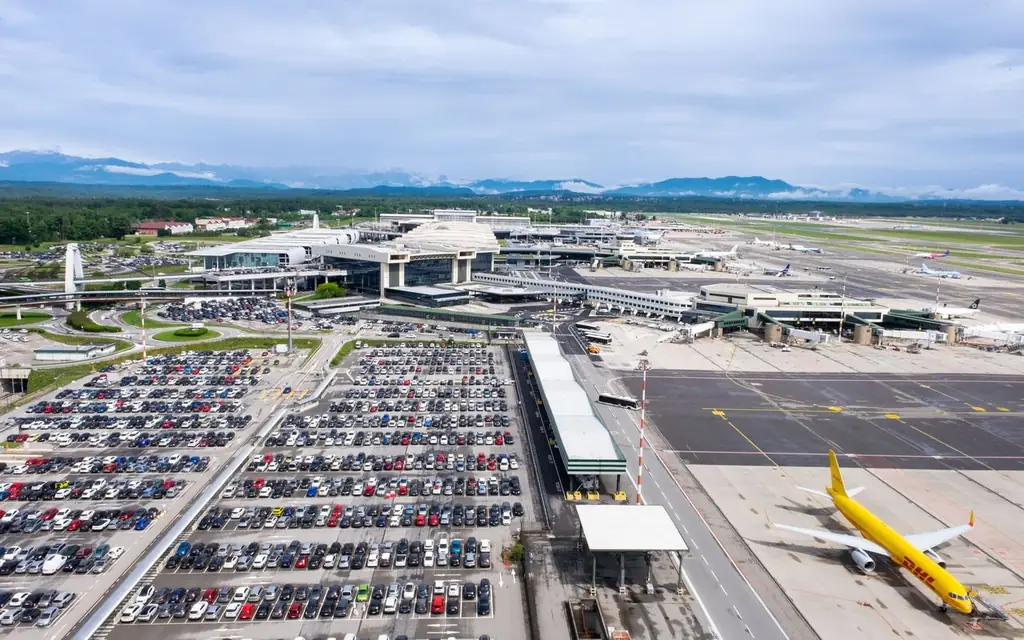
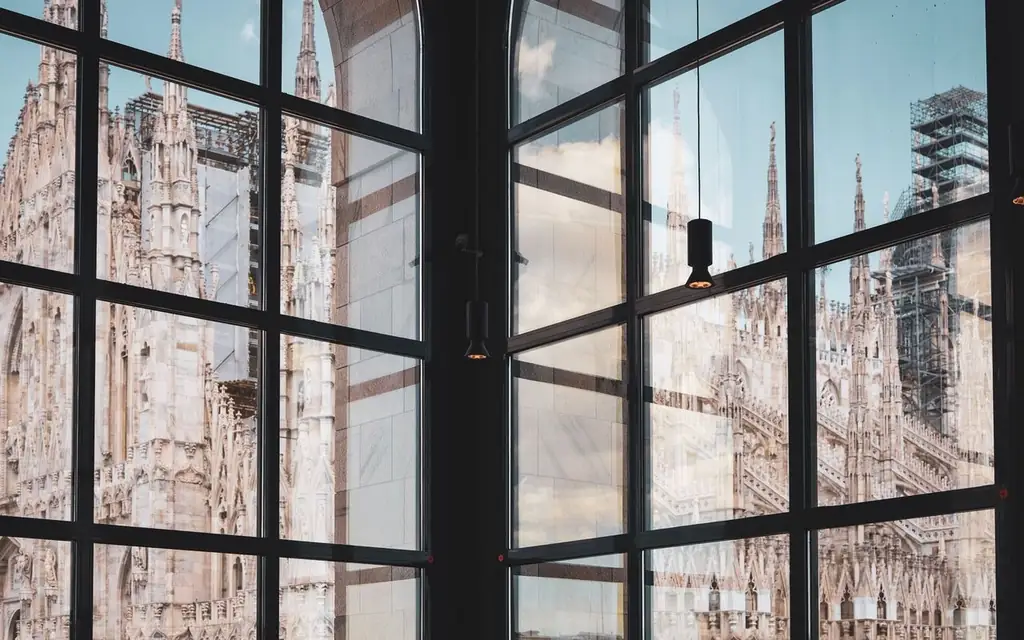
For travelers heading on to Italy, Milan Malpensa is a long road transfer from the Valais; the Milan chauffeur service and Malpensa airport pages describe the other side of the Alps.
Ways to reach Zermatt compared
| Method | Typical time | Cost note | Suited to |
|---|---|---|---|
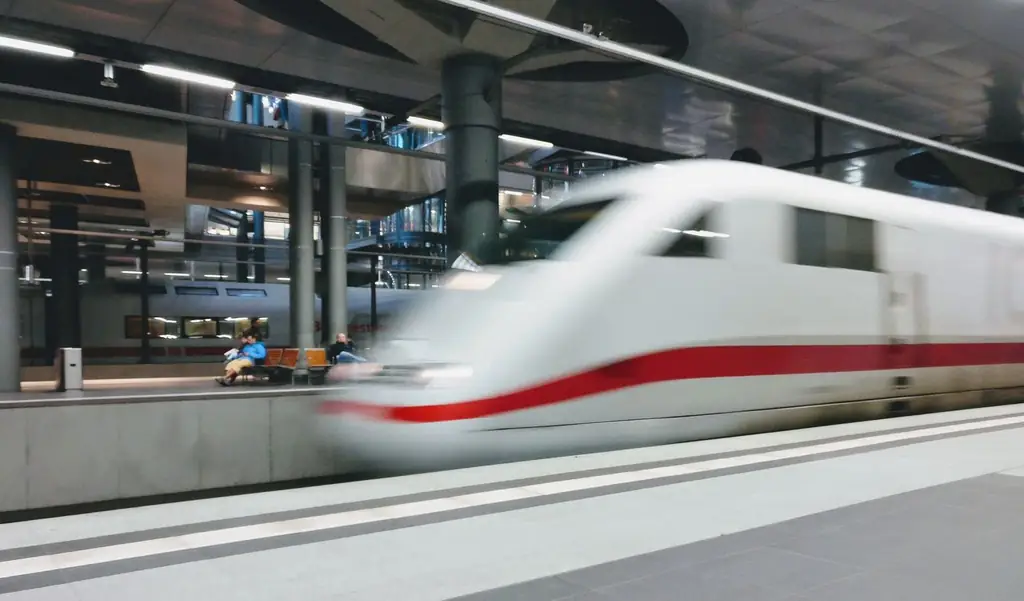
| Rail from Geneva Airport (changes at Visp) | About 4 hours | Lowest | Solo travelers with light bags |
| Rail from Zurich Airport (changes at Bern or Visp) | About 4 hours or more | Lowest | Rail enthusiasts |
| Taxi from Geneva or Visp | 3 to 3 hours 45 minutes from Geneva | Metered, very high over this distance | Short hops only |
| Rental car to Täsch | 3 to 4 hours | Fuel, tolls, terminal parking | Confident mountain drivers |
| Private chauffeur to Täsch | 3 to 3 hours 45 minutes from Geneva | Fixed fare via the booker | Groups, luggage, direct from the airport |
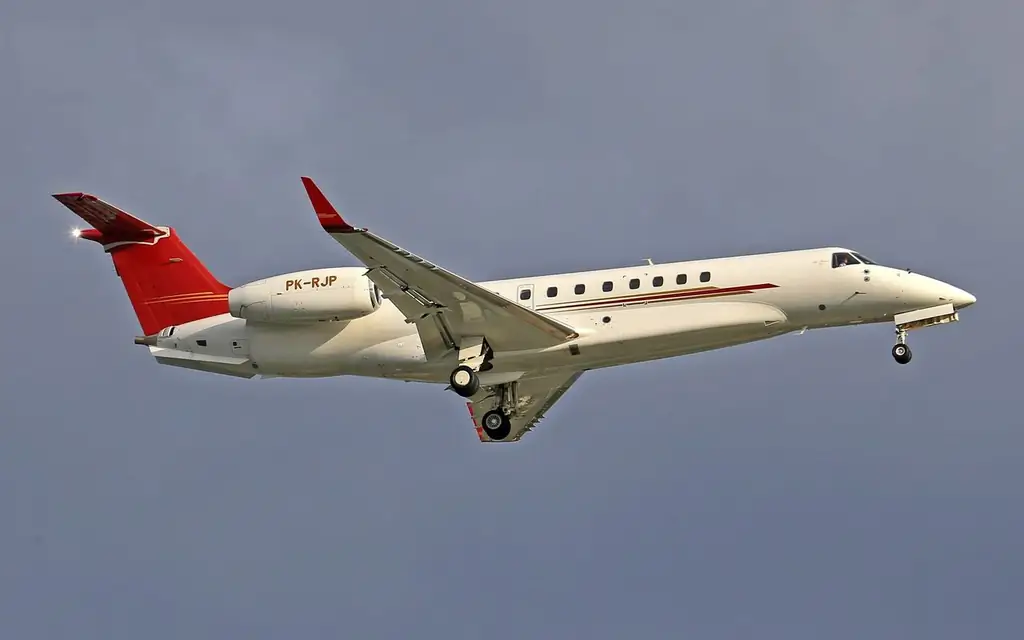
If your hotel is in Zermatt and you carry one bag, the train from the airport is easy and costs less. The chauffeur wins when you have luggage, when the party is three or more, or when you want a direct transfer from a private-aviation arrival.
A trade account lets official tourist offices and visitor centres book chauffeur services for their visitors with LimousineWorldwideDirectory.com. More European routes are listed in the Europe directory.
Frequently asked questions
Can you drive to Zermatt?
No. Zermatt is car-free. You drive to the Matterhorn Terminal in Täsch, about 5 km (3 mi) below the village, and take the shuttle train, which runs every 20 minutes and takes 12 minutes.
How far is Zermatt from Geneva Airport by car?
About 207 to 230 km (129 to 143 mi) to Täsch, roughly 3 to 3 hours 45 minutes depending on traffic. Add the 12-minute shuttle to reach the village.
Where do I park in Täsch?
The Matterhorn Terminal has 2,100 covered spaces and is open 24 hours. A free Kiss and Ride area allows drop-offs of up to 30 minutes, which is where a chauffeur normally sets you down.
How high is the Matterhorn?
The Matterhorn is 4,478 m and was first climbed in 1865. Most visitors view it from Gornergrat at about 3,100 m or from the Klein Matterhorn area above 3,800 m.
Is it worth spending a night in Zermatt?
Yes, for most guests. The driving from Geneva or Zurich is long, and the clearest mountain light is often early, so an overnight in the village makes the high-station visit more reliable.
Can the chauffeur take me to my hotel in Zermatt?
Not by road. The village has no cars. The chauffeur takes you to Täsch, and you continue by shuttle train or electric taxi; many hotels also offer their own station pickup.
Do I need a pass or a ticket for the lifts?
Yes. Mountain railways and cable cars sell their own tickets and passes. The 2026 Peak Pass on the Matterhorn Paradise site starts at CHF 212 and covers several routes.
Can I bring child seats and ski equipment?
Yes. Child, toddler and booster seats are available on request. Tell us about ski equipment and large cases at booking so we allocate the right vehicle.