
 United StatesJFK
 MexicoMEX
 BrazilGRU
 ArgentinaEZE
 ChileSCL
 ColombiaBOG
 PeruLIM
 PanamaPTY
 Costa RicaSJO
 Dominican RepublicPUJ
 JamaicaMBJ
 BahamasNAS
 BarbadosBGI
 United KingdomLHR
 IrelandDUB
 FranceCDG
 GermanyFRA
 NetherlandsAMS
 BelgiumBRU
 SwitzerlandZRH
 AustriaVIE
 ItalyFCO
 SpainMAD
 PortugalLIS
 GreeceATH
 TurkeyIST
 DenmarkCPH
 SwedenARN
 NorwayOSL
 FinlandHEL
 PolandWAW
 Czech RepublicPRG
 HungaryBUD
 IcelandKEF
 United Arab EmiratesDXB
 QatarDOH
 Saudi ArabiaRUH
 IsraelTLV
 EgyptCAI
 MoroccoCMN
 South AfricaJNB
 KenyaNBO
 NigeriaLOS
 IndiaDEL
 PakistanLHE
 Sri LankaCMB
 SingaporeSIN
 MalaysiaKUL
 ThailandBKK
 VietnamSGN
 PhilippinesMNL
 IndonesiaCGK
 Hong KongHKG
 ChinaPVG
 TaiwanTPE
 JapanHND
 South KoreaICN
 AustraliaSYD
 New ZealandAKL
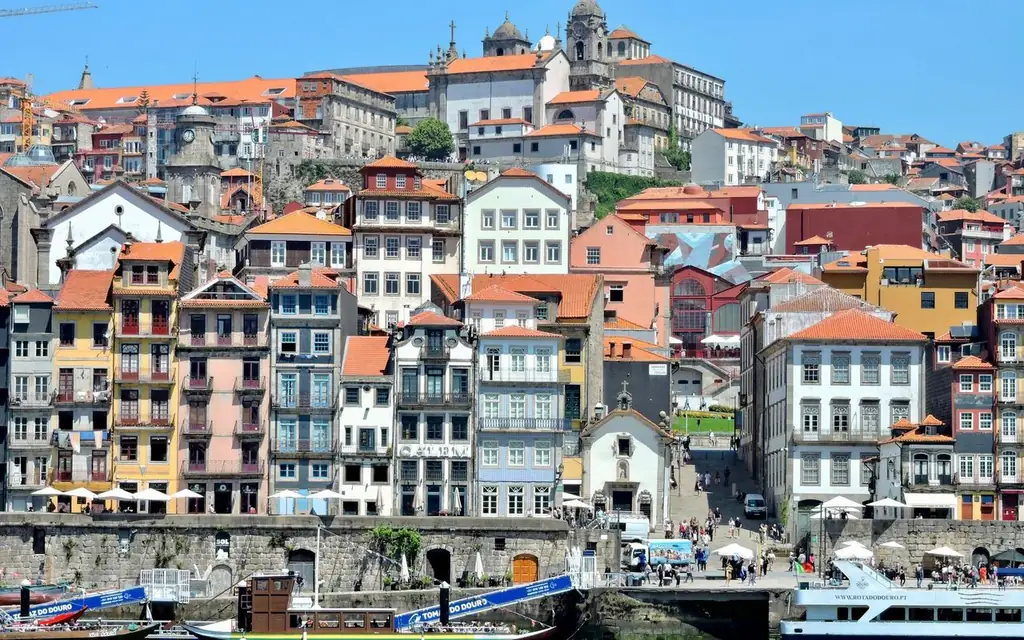
Ribeira sits at the foot of a hill, beside the river Douro, under the iron arches of a bridge. Upstairs, the city has streets wide enough for a car. Down here, the lanes narrow, the stone steps begin, and the rhythm of the quarter is set by people on foot. A Porto Ribeira private tour with driver therefore depends on a choice at the start: do you ask the chauffeur to take you down to the waterside, or to stop at the top and walk the hill? This guide helps you decide, and covers how to get to Porto Ribeira by car from the airport, what the UNESCO listing means, and how to link the riverfront with a day in the Douro.
How do you get to Porto Ribeira by car?
Ribeira is about 16 km (10 miles) and 20 to 30 minutes from Porto Airport. A chauffeur drives to the nearest convenient stop above or beside the riverfront and you walk the last stretch, because the old lanes are narrow and busy. Check the municipality's traffic notices on festival days.
The riverfront is the lower edge of a UNESCO-listed historic centre. The tools a driver uses here are local knowledge and patience: which streets are open, where the temporary barriers are, and which end of the quarter is quietest at a given hour.
The shape of the problem: a river, a hill and two bridge decks
Porto's historic centre was inscribed by UNESCO in 1996, under the name Historic Centre of Oporto, Luiz I Bridge and Monastery of Serra do Pilar. The property covers 51 hectares, and UNESCO's reasoning is that the urban fabric and many historic buildings give a remarkable record of the development, over about a thousand years, of a European city that looks outward to the sea for its cultural and commercial links. The text is on the UNESCO World Heritage Centre page.
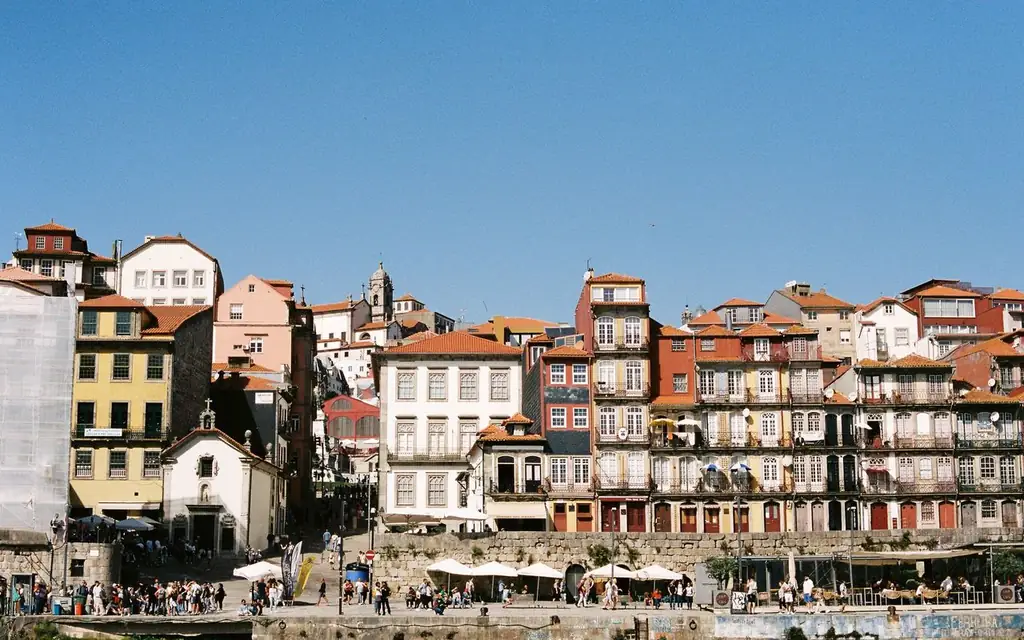
What that means for a driver is simple. The streets are the medieval ones. Ribeira lies on the river, below the Sé cathedral and the Baixa. Above it, the Luís I bridge has two levels. The upper deck carries pedestrians and the Metro, and the lower deck carries road traffic, including buses and taxis, down to the waterfront. A chauffeur coming from Vila Nova de Gaia on the south bank will use the lower deck, arriving at the northern end by Ribeira.
Top or bottom: two ways to be dropped
There are two sensible approaches, and a good chauffeur will suggest one depending on your group.
The bottom. The car goes to the river level, close to the quays and the main square, and you step out among the cafes. This is the easiest for a first view and for photographs, and it avoids hills. The price is crowding: the quay is busiest at lunch and in the early evening, and lanes are narrow. Waiting is not possible, so the car leaves and returns when you message.
The top. The car stops in the upper town, near the Sé or the São Bento area, and you walk down through the lanes to the river. The route is downhill on the way in, and for most visitors it is the more scenic way to enter the quarter. The climb back is the catch. The chauffeur can then meet you at the top for the return, saving the hill.
The municipality's traffic arrangements can change for holidays and events. In the past it has conditioned car access to riverfront areas on certain public holidays, with exceptions for residents, public transport, taxis and loading. Always tell the desk your date, and the driver will check the current position.
From the airport and the main stations
Porto Airport is about 16 km (10 miles) from Ribeira, and the drive normally takes 20 to 30 minutes, longer in the morning and evening peaks or when the ring roads are slow. We do not have a separate page for the airport in our directory yet; the airports hub lists those we cover. The wider Portugal picture starts from Lisbon chauffeur service for transfers on the capital's side.
From São Bento station, which has famous tile panels in its hall, Ribeira is a short walk of under a kilometre downhill, so a car is not needed unless you carry luggage. From Lisbon, the road distance is about 315 km (196 miles) and the drive about three hours on the A1 in good traffic, so a Lisbon to Porto transfer is normally a one-way booking, not a day trip.
What to see on the riverfront
Three things anchor a first visit. The quayside itself, with the tall narrow houses, is the picture most people come for. The Palácio da Bolsa, the former stock exchange, stands a few minutes from the river on Rua Ferreira Borges. And the Church of São Francisco, a Gothic church with a densely gilded interior, is on Rua do Infante D. Henrique, close to the riverfront.
The church is a national monument, classified since 1910, and is known for its gilded woodwork, carved in the eighteenth century in the Baroque style. We do not publish the visiting hours here because we could not confirm them; check with the church directly or through the city's official tourism channels.
The Palácio da Bolsa: guided entry only
The palace can only be seen on a guided tour. The booking page run by the regional tourism board states that the tour must be guided and lasts 30 minutes, with languages offered in Portuguese, English, Spanish and French, assigned in order of arrival. Visiting hours there run from 9:00 am to 6:30 pm with last entry at 6:30, and on 24 and 31 December last entry is earlier. Tickets are non-refundable and the date cannot be changed. The booking partner states that same-day tickets cannot be bought on its site, so book ahead. Children up to 12 enter free when accompanied by a parent.
Accessibility is described on the palace's own website, which mentions a side entrance with a ramp, an accessible toilet and a lift. See the guided tour page and the palace's official site.
Because each tour is short and the numbers are limited, treat the tour time as a fixed anchor, as you would a timed museum ticket. The driver then works backwards.
Crossing to the other side
The Luís I bridge links Ribeira with the Gaia bank, where the port wine lodges stand in rows facing Porto. Walkers cross by the upper deck, which they share with Metro trains, and the lower deck carries vehicles. A chauffeur will usually take the lower deck, which leads straight to the waterfront on either side.
A funicular once linked Ribeira with the upper town near Batalha. Reports in July 2026 said it had been suspended indefinitely while its certification was renewed, so do not plan around it. If you want an easy climb up from the river, the option is a car, a taxi, or the route past the cathedral.
Hotels, luggage and the last hundred metres
Many hotels in and around Ribeira occupy converted townhouses on lanes that were never designed for cars. If your hotel is on the quay or a stepped alley, the car may not reach the door. Tell the desk the hotel name and ask the hotel which entrance its own guests use; the front desk usually knows where a car can stop and where a porter can meet you. With luggage, this matters more than almost anything else in the quarter, and a call to the hotel before arrival saves a difficult ten minutes on cobbles.
Some visitors prefer to stay in the upper town and visit Ribeira by day, which avoids the problem. The UNESCO property has a buffer zone of 186 hectares around its 51-hectare core, and rules on alterations to buildings are strict, which is part of why the quarter still looks the way it does. It also means few private forecourts and little room to widen a lane.
Port wine across the river, and evenings on the quay
Across the bridge, the lodges of Vila Nova de Gaia face the Ribeira quay, and a tasting is a common part of a Porto day. Opening times, visit formats and booking rules differ from one lodge to the next, so book with the lodge you want and give us the time. A chauffeur is a practical answer to the tasting question: you do not have to drive afterwards, and the car can take you back to the hotel at the end. We do not provide or promise drinks on board, and local alcohol laws apply.
From Ribeira to the lodges on the Gaia embankment is a short ride of about 1 km (0.6 miles), mostly over the lower deck, but on a busy evening it can be slower than walking the upper deck. Decide on the spot, and the driver will adapt.
Ribeira is at its most atmospheric at dusk, when the quay lights come on and the bridge is lit. It is also the time when the lanes are fullest and cars move slowest. If you are having dinner in the quarter, tell the desk the restaurant and the time you expect to finish, and arrange a pickup point at the top of a lane, which is usually quicker than at the quay. Remember that the car is not a bar: we never promise drinks on board, and local alcohol laws apply.
Ways to get to Ribeira compared
| Option | Time from Porto Airport | Cost note | Best for |
|---|---|---|---|
| Metro to the centre, then walk | Roughly 40 to 60 min | Lowest | Solo travellers, light bags |
| Metered taxi | 20 to 30 min | Metered, variable | Short trips without luggage |
| Rideshare | 20 to 30 min | Surge-priced | Flexible, one-off |
| Rental car | 20 to 30 min | Variable, plus paid parking | Independent drivers |
| Private chauffeur | 20 to 30 min | Fixed fare via the booker | Groups, luggage, hotel transfers |
For one traveller with a small bag and no plan, the metro and a downhill walk is both the lowest-cost route and a pleasant one. A chauffeur is more useful for a family, with luggage, with mobility needs, or when the transfer is one leg of a longer itinerary.
A half-day and a full-day plan
Half day.
- 9:00. Hotel or airport to the upper town, about 16 km (10 miles) from the airport.
- 9:30. Walk down to the river, with a coffee on the quay.
- 10:30. The Palácio da Bolsa on your booked tour time.
- 11:30. The Church of São Francisco and the nearby lanes.
- 13:00. Lunch, and the car back to the hotel.
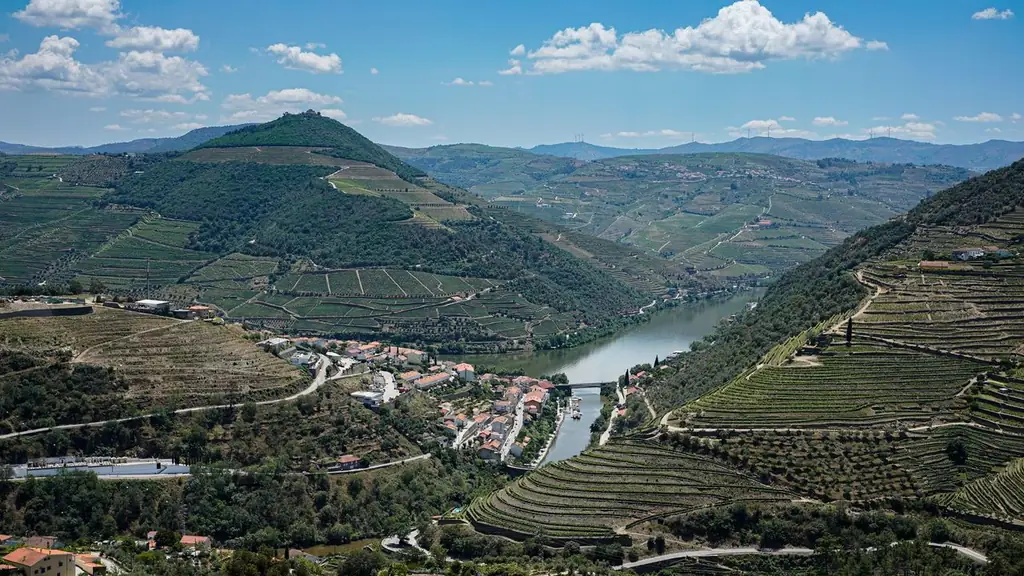
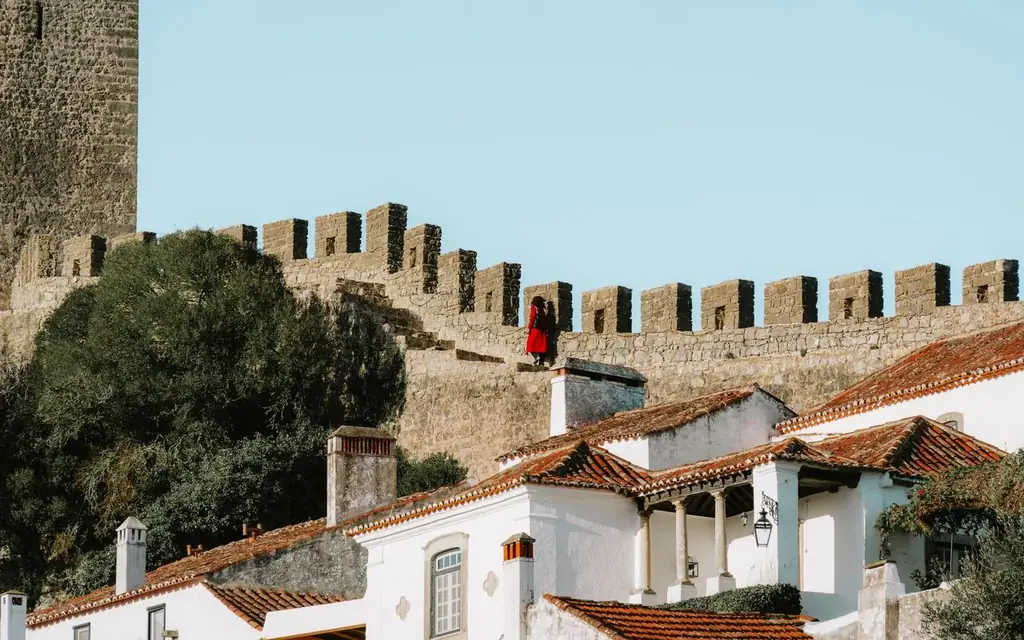
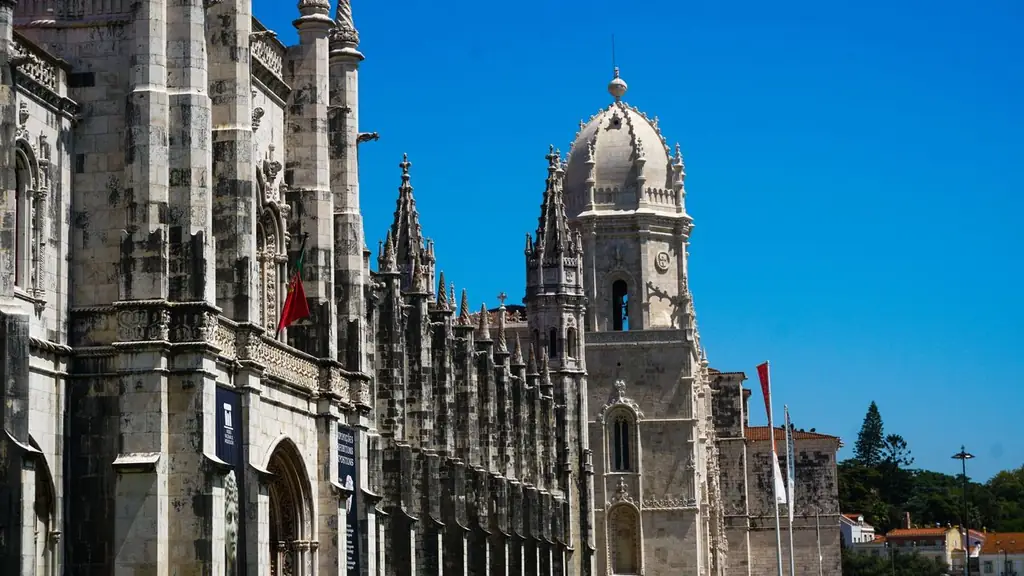
Full day with the Douro. Spend the morning in Ribeira and leave by 1 pm, or reverse it. The Douro Valley lies 100 km (62 miles) upriver to Peso da Régua, about an hour and a quarter by road, and fits a separate day better. If you are linking Porto with the Lisbon region, see the guides to Óbidos and the Belém Tower and Jerónimos Monastery on the capital's side, and the private tours with a driver page for the full range. The Europe directory shows every city we cover.
Practical notes: cobbles, steps and the Porto Card
The paving is granite setts and steps, and the slopes are steeper than they look. Flat shoes with grip are the right choice. The Porto Card, the city's official tourist card, offers discounts or free entry at several attractions, including the Palácio da Bolsa and the Church of São Francisco, according to the regional tourism board's pages. Whether it pays for you depends on how many sites you visit.
Tourism boards and visitor centres in the city can arrange chauffeur services for their guests through a trade account with LimousineWorldwideDirectory.com. Lanes this tight favour a sedan or an SUV over larger vehicles for the final approach; a bigger group can use a Sprinter for the long legs and split into taxis or walk for the last stretch. The exact model is confirmed at booking.
Frequently asked questions
How far is Ribeira from Porto Airport by car?
About 16 km (10 miles), usually 20 to 30 minutes, longer in the peak hours.
Can a car drive to the Ribeira waterfront?
Usually the approach is to a convenient stop at or above the riverfront, followed by a short walk. The municipality has conditioned car access to riverfront areas on some holidays in the past, so give the desk your date.
What is Ribeira famous for?
For its riverside quays and narrow tall houses at the heart of Porto's UNESCO-listed historic centre, which was inscribed in 1996.
Is the Palácio da Bolsa open for self-guided visits?
No. The tour must be guided and lasts 30 minutes, with Portuguese, English, Spanish and French available.
Can I buy Palácio da Bolsa tickets on the day?
The regional booking page says same-day tickets cannot be purchased through it, and visit times are chosen at the ticket office. Book ahead where you can.
Does the Dom Luís I bridge allow cars?
The lower deck carries road traffic, including buses and taxis, and the upper deck carries pedestrians and the Metro line.
Is the Guindais funicular running?
Reports in July 2026 said it had been suspended indefinitely during certification. Check the operator before planning around it.
How far is Porto from Lisbon by car?
About 315 km (196 miles), roughly three hours on the A1 in normal traffic.
How far is the Douro Valley from Porto Ribeira?
About 100 km (62 miles) to Peso da Régua, around an hour and a quarter, and further to Pinhão.