
 United StatesJFK
 MexicoMEX
 BrazilGRU
 ArgentinaEZE
 ChileSCL
 ColombiaBOG
 PeruLIM
 PanamaPTY
 Costa RicaSJO
 Dominican RepublicPUJ
 JamaicaMBJ
 BahamasNAS
 BarbadosBGI
 United KingdomLHR
 IrelandDUB
 FranceCDG
 GermanyFRA
 NetherlandsAMS
 BelgiumBRU
 SwitzerlandZRH
 AustriaVIE
 ItalyFCO
 SpainMAD
 PortugalLIS
 GreeceATH
 TurkeyIST
 DenmarkCPH
 SwedenARN
 NorwayOSL
 FinlandHEL
 PolandWAW
 Czech RepublicPRG
 HungaryBUD
 IcelandKEF
 United Arab EmiratesDXB
 QatarDOH
 Saudi ArabiaRUH
 IsraelTLV
 EgyptCAI
 MoroccoCMN
 South AfricaJNB
 KenyaNBO
 NigeriaLOS
 IndiaDEL
 PakistanLHE
 Sri LankaCMB
 SingaporeSIN
 MalaysiaKUL
 ThailandBKK
 VietnamSGN
 PhilippinesMNL
 IndonesiaCGK
 Hong KongHKG
 ChinaPVG
 TaiwanTPE
 JapanHND
 South KoreaICN
 AustraliaSYD
 New ZealandAKL
Three rules decide whether a day in the Dolomites works. First, the most famous places are not open to anyone who simply drives up: the road to Seiser Alm is closed to private cars through the middle of the day, the toll road to the Tre Cime di Lavaredo needs an online reservation with your number plate, and some lake roads restrict traffic in summer. Second, the distances look short on a map and are long on the ground, because every road climbs through switchbacks and passes. Third, the season matters more than anywhere else in Italy: a pass that is open in July may be closed by snow in November. A Dolomites private tour with a driver exists to absorb those three rules.
This guide sets out the geography, the access rules that apply as of October 2026, and four ways to build a trip. When your dates are fixed, you can check your fare for the road legs and tell the desk where your reservations fall.
How do you get to the Dolomites by car?
The Dolomites are reached from Venice Marco Polo Airport in about two hours: Cortina d'Ampezzo is roughly 150 km (93 miles) away. Bolzano, the gateway to the western Dolomites, is about 150 km (93 miles) from Verona. The most scenic route, the Great Dolomites Road from Bolzano to Cortina, is about 110 km (68 miles) and takes about three hours before any stops.
LimousineWorldwideDirectory.com runs a 24/7 booking desk. Every ride is delivered by a vetted, licensed and commercially insured local chauffeur operator from our worldwide directory, booked, confirmed and invoiced by the desk as one booking. In the mountains, local knowledge is the product: which pass is open, where the queue builds and what to do when the weather turns.
What the Dolomites are
The Dolomites were added to the UNESCO World Heritage List on 26 June 2009, and the official Dolomites UNESCO site explains that the listing is not one continuous range but nine separate mountain systems, among them the Northern Dolomites, Puez-Odle, Pelmo and Croda da Lago, Marmolada, the Brenta Dolomites and Sciliar-Catinaccio with Latemar. They spread across several Italian provinces, which is why a trip crosses the border between South Tyrol, Trentino and the Veneto without a visible change in the mountains, only in language, signage and food.
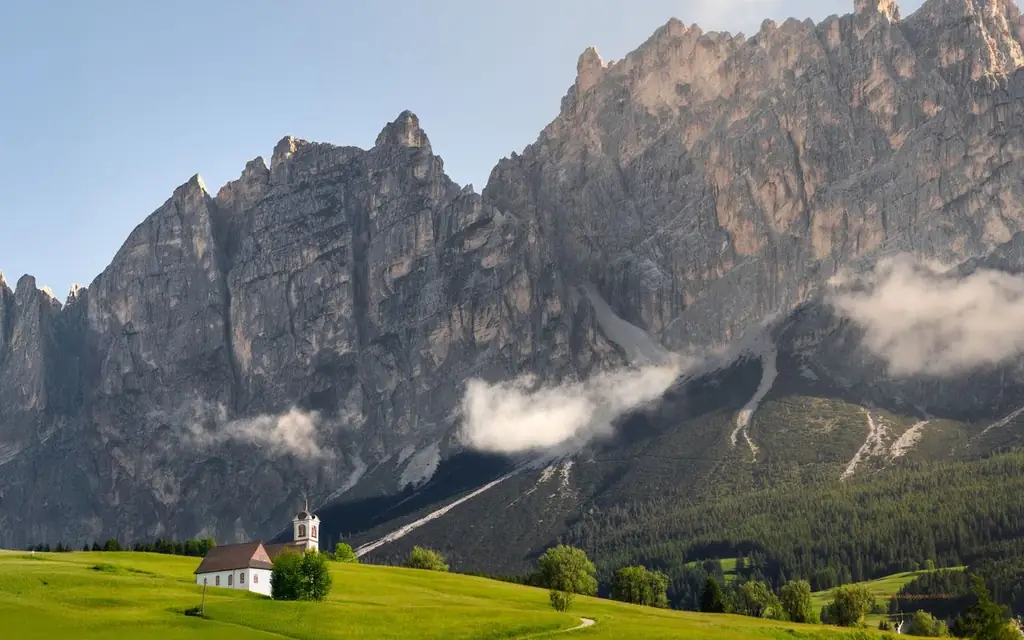
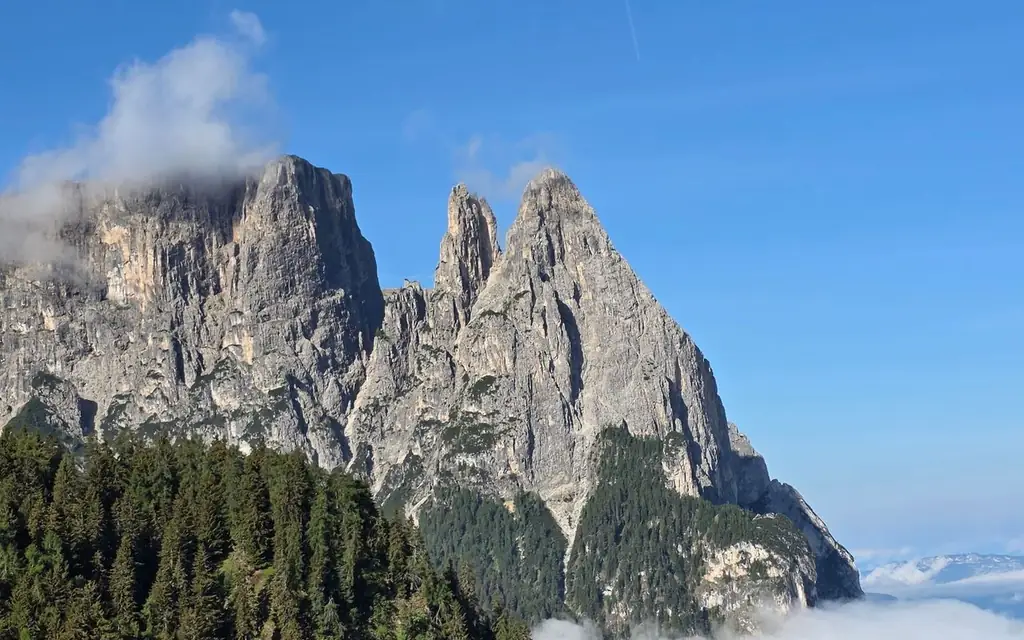
For a visitor, the range breaks into regions that suit different trips. Val Gardena and Alpe di Siusi in the west have the big meadows and the Sella massif. Alta Badia has the quieter villages. Cortina d'Ampezzo in the east is the old resort, which also hosted events of the Milan Cortina 2026 Winter Olympics. Tre Cime di Lavaredo to the north is the most photographed set of peaks. Lago di Braies has the turquoise lake. Each is a half-day or more in its own right.
Seiser Alm (Alpe di Siusi): the rules
Seiser Alm is the largest high-altitude meadow in Europe, and its access rules are among the strictest. The official access page states the following for 2026:
- Private vehicles may drive up to Compatsch before 9:00 and after 17:00. The road is closed to private traffic from 9:00 to 17:00, and driving down to the valley is allowed at any time.
- From 29 June 2026, parking at P1 Spitzbühl and P2 Compatsch must be booked online, with bookings opening six days before arrival. A valid parking reservation also issues the access permit that the checkpoint at St. Valentin requires.
- The Seiser Alm cable car is the quickest alternative, with parking at its bottom station, and bus lines connect it in season.
- In the intermediate seasons (mid-April to mid-May and early November to early December), the cable car is closed and the road to Compatsch is open to private traffic all day.
For a chauffeur, this means two sensible plans: arrive before 9:00 and leave when you choose, or take the cable car from the valley and have the car meet you at the bottom. The desk will ask which you prefer. Holders of a European Disability Card have a separate registration route, described on the official page.
Tre Cime di Lavaredo: the toll road
The Tre Cime are three limestone towers above Misurina. The Dolomiti tourism page describes a regulated toll road of about 6 to 7 km (4 miles) from Misurina to the Rifugio Auronzo at 2,333 m, where the main parking and trailheads are. The reservation is mandatory and online, with vehicle plate registration and an assigned time slot, and payment is made before arrival. The ticket is valid for roughly 12 hours, and the page says the road is open from about late May to October depending on weather and snow. In winter, vehicles cannot use it.
Because the reservation is tied to a number plate, the chauffeur's details have to be known in advance. The desk gives you the vehicle registration once your booking is assigned, and you or the operator then make the reservation on the authority's system; ask the desk who will do it. Do not arrive without one, because the gate checks plates. A summer shuttle bus from Dobbiaco to the same hut has been offered in recent seasons as an alternative, also by reservation.
Val Gardena, Alta Badia and the Sella massif
Between Seiser Alm and Cortina lies the part of the Dolomites that suits a driving day best. Val Gardena, with Ortisei, Santa Cristina and Selva, is a valley of wood carvers and ski lifts under the Sella massif, a block of pale rock that the passes circle: Sella, Gardena, Campolongo and Pordoi. The loop around it is a day's drive known as the Sella Ronda by road, and it passes through three language areas, German, Italian and Ladin, so village names change as you drive. Alta Badia, on the eastern side, has quieter villages and a reputation for its restaurants.

The point for planning is that the Sella loop is made of passes, and passes slow down with weather and traffic. A chauffeur who knows the loop will choose the direction to put the sun behind you at the viewpoints and to avoid following slow coaches, and will stop where the road has a safe pull-out.
Lago di Braies and other restricted lakes
Lago di Braies is the most crowded lake in the Dolomites. In recent summers, its approach road has been restricted during the middle of the day, from roughly July to mid-September, unless you hold a parking reservation; the exact dates and hours change each year, so ask the desk to check the current rules before you plan a mid-summer visit, or go early in the morning or in the shoulder months of June and late September. The colors are best on a still morning, when the water is at its most turquoise and the crowds have not arrived.
Airports, cities and the road
The Dolomites do not have a large airport inside the range. The usual gateways are:
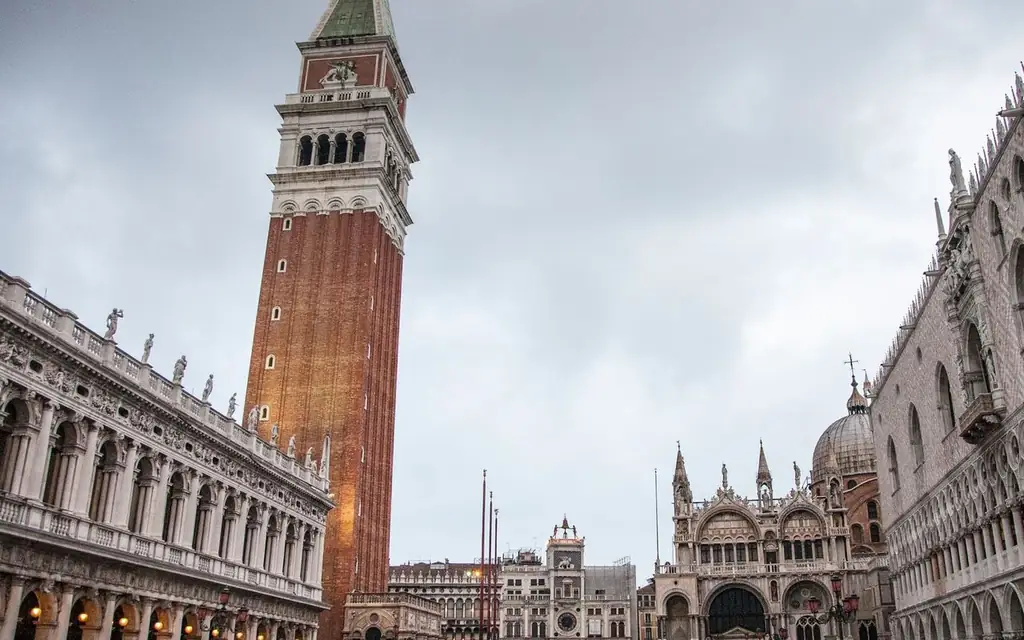
- Venice Marco Polo (VCE): about 150 km (93 miles) to Cortina, roughly two hours. See the St Mark's Square guide for the Venice end.
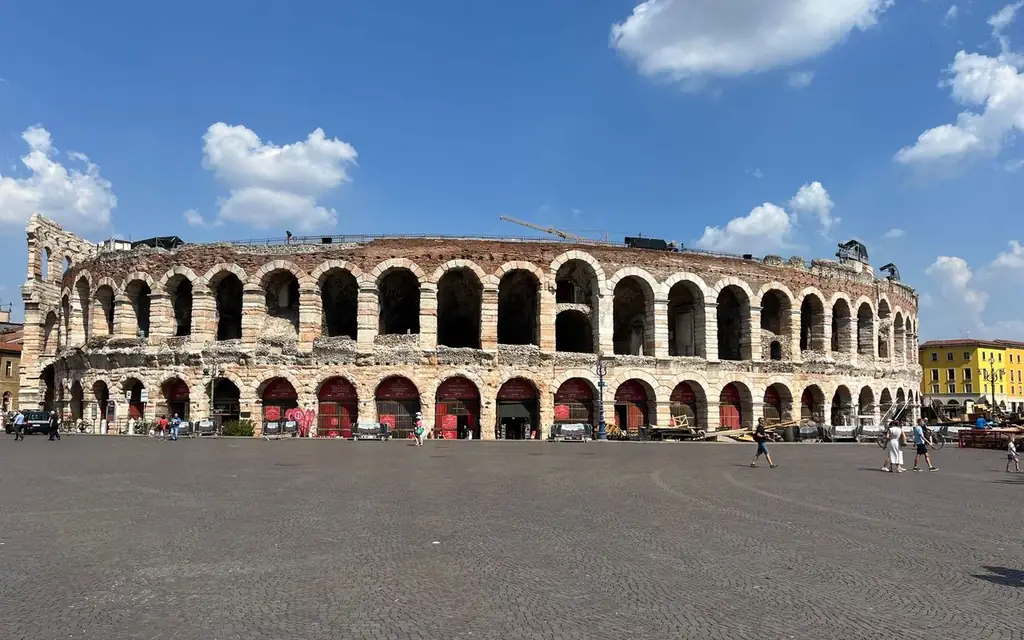
- Verona Villafranca (VRN): about 150 km (93 miles) to Bolzano by the A22 motorway, 1 hour 45 minutes. See the Verona Arena guide.
- Milan: roughly 300 km (185 miles) to Bolzano, about three and a half hours, so a Dolomites day from Milan is a long one; see the Milan chauffeur service page.
- Innsbruck and Munich also serve the northern Dolomites from Austria and Germany.
On every airport pickup, flights are tracked, and international arrivals get 60 minutes of free waiting after landing (30 minutes domestic). Our airports hub lists the airports we cover in detail.
The Great Dolomites Road
The classic drive is the Great Dolomites Road, which runs west to east from Bolzano to Cortina on the SS241 and then the SS48. It climbs over the Costalunga (Karer) pass beneath the Latemar and Catinaccio massifs and continues through Val di Fassa and over the Pordoi pass, with views of the Marmolada, before dropping toward Cortina. Allow three hours of driving and a full day for the stops. The passes are mountain roads with hairpin bends, and they are open seasonally, so the date of your visit matters.
In winter, the roads in the area are subject to winter equipment rules, and some passes close entirely. Local operators run their vehicles to local rules, but a snowfall can still close a pass for hours, so in November to April keep the schedule loose and check road status on the day.
Four ways to plan the trip
Day from Bolzano. Seiser Alm before 9:00, a drive through Val Gardena and a stop in Ortisei or Selva, lunch at altitude, then back to Bolzano. This is the best single day.
Cortina and the Tre Cime. From Cortina, drive to Misurina and take the toll road to Rifugio Auronzo with a reservation. A walk around the towers takes several hours, and the chauffeur waits at the car park.
Venice to Cortina. A transfer of about two hours with a stop at a vineyard or village along the way, and a night in Cortina. This is the usual route for travelers combining a city and the mountains.
Multi-day circuit. Verona, Bolzano, Val Gardena, Cortina, Venice: about five days. It can be linked with Lake Garda and Lake Como on either end. See private tours with driver and the Europe directory for multi-stop planning.
Weather, altitude and timing the day
Mountain weather in the Dolomites follows a pattern that a local driver plans around: clear mornings, building cloud by early afternoon and, in summer, thunderstorms between mid-afternoon and early evening. The sensible schedule puts the high viewpoints, Seiser Alm, the Tre Cime and the passes, in the morning and leaves lunch, villages and lower valleys for the afternoon. At 2,333 m, the Auronzo hut car park is well above the altitude at which some travelers, especially older guests and young children, feel breathless or tired; walk slowly, drink water and have a plan to descend if anyone is unwell. Your chauffeur can adjust the order of stops on the day if cloud closes in, which is one of the real advantages of a private day over a fixed coach tour.
Best time to go
June to September is hiking season and the time when the high roads and cable cars are fully open. July and August are the busiest. Late September and October are quieter, with golden larches on the slopes, but cable cars begin to close for maintenance and the days shorten. December to March is ski season, with the resort towns at their busiest around Christmas, New Year and February, and with snow on every pass. April and May and November are the shoulder months when much of the high country is shut and many hotels close.
Ways to reach the Dolomites compared
| Option | Typical time | Cost note | Best for |
|---|---|---|---|
| Private chauffeur from Venice, Verona or Bolzano | 2 hours to Cortina from Venice; 1 hour 45 minutes to Bolzano from Verona | Fixed fare, quoted before you book | Groups, luggage, multi-stop days, winter |
| Scheduled coach from Venice airport to Cortina | About 2 hours 15 minutes | Lowest | Solo travelers with a set destination |
| Train to Bolzano, then local bus | Several hours from Milan or Venice | Low | Travelers who prefer rail |
| Rental car | Same roads as a chauffeur | Fuel, tolls and parking reservations | Confident mountain drivers in summer |
| Organized tour coach | A full day | Lowest per person | First-time visitors on a fixed route |
If you are alone, traveling light and heading to one village, the coach or the train is lower-cost. The chauffeur is the right choice for a group, for luggage, for a flexible day, and for winter, when roads and weather make a self-drive stressful.
What to wear and carry
Weather changes fast at altitude, so bring layers, a waterproof jacket, sunglasses and sun protection even in cool weather. Footwear matters if you intend to walk any of the trails. Cash is useful at mountain huts. In winter, bring a warm coat and gloves; the car will be warm, but the cable car and car park are not.
Frequently asked questions
How far are the Dolomites from Venice?
Cortina d'Ampezzo is about 150 km (93 miles) from Venice Marco Polo Airport, roughly two hours by road.
Can I drive up to Seiser Alm?
Only before 9:00 and after 17:00, and from 29 June 2026 parking must be reserved online. During the day, the cable car is the usual route.
Do I need a reservation for the Tre Cime di Lavaredo?
Yes. The toll road to Rifugio Auronzo requires an online reservation with your number plate and a time slot, and the road is open from about late May to October.
How long is the Great Dolomites Road?
About 110 km (68 miles) from Bolzano to Cortina, around three hours of driving without stops. A full day is better.
What is the best month to visit?
June to September for hiking and open passes; late September and October for fewer crowds and autumn color; December to March for skiing.
Can I do the Dolomites as a day trip from Milan?
It is a very long day, roughly 300 km (185 miles) to Bolzano. Spend at least one night in the mountains.
Are the roads safe in winter?
They are plowed and operated to winter rules, but passes can close during storms. Keep the schedule flexible and check road status on the day.
Do you provide child seats?
Yes. Child, toddler and booster seats are available on request at booking.