
 United StatesJFK
 MexicoMEX
 BrazilGRU
 ArgentinaEZE
 ChileSCL
 ColombiaBOG
 PeruLIM
 PanamaPTY
 Costa RicaSJO
 Dominican RepublicPUJ
 JamaicaMBJ
 BahamasNAS
 BarbadosBGI
 United KingdomLHR
 IrelandDUB
 FranceCDG
 GermanyFRA
 NetherlandsAMS
 BelgiumBRU
 SwitzerlandZRH
 AustriaVIE
 ItalyFCO
 SpainMAD
 PortugalLIS
 GreeceATH
 TurkeyIST
 DenmarkCPH
 SwedenARN
 NorwayOSL
 FinlandHEL
 PolandWAW
 Czech RepublicPRG
 HungaryBUD
 IcelandKEF
 United Arab EmiratesDXB
 QatarDOH
 Saudi ArabiaRUH
 IsraelTLV
 EgyptCAI
 MoroccoCMN
 South AfricaJNB
 KenyaNBO
 NigeriaLOS
 IndiaDEL
 PakistanLHE
 Sri LankaCMB
 SingaporeSIN
 MalaysiaKUL
 ThailandBKK
 VietnamSGN
 PhilippinesMNL
 IndonesiaCGK
 Hong KongHKG
 ChinaPVG
 TaiwanTPE
 JapanHND
 South KoreaICN
 AustraliaSYD
 New ZealandAKL
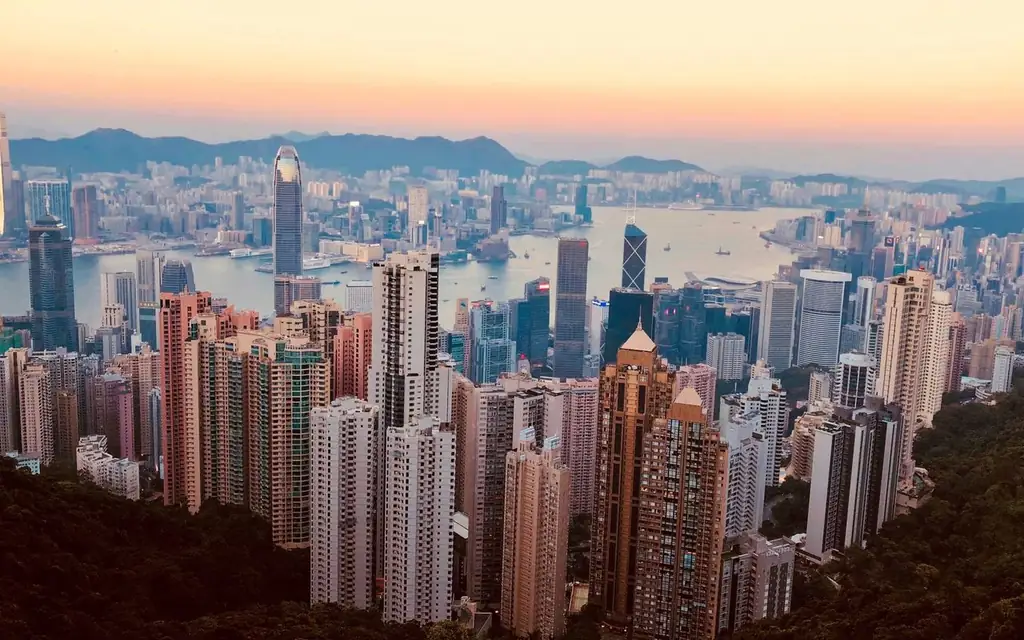
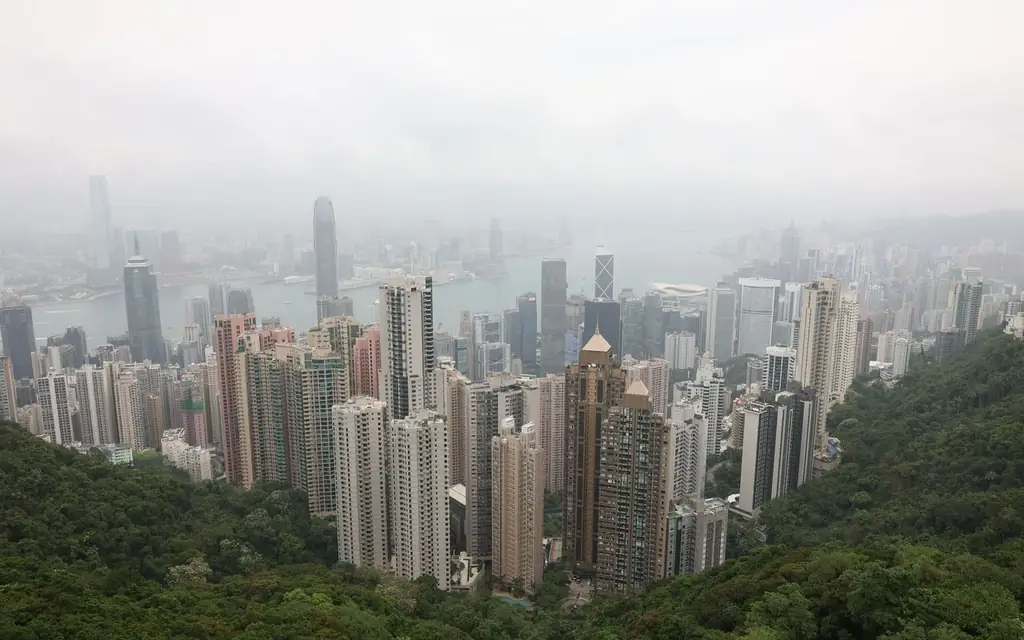
Hong Kong's skyline is best understood from above, and there is only one place that does it properly. Victoria Peak rises to about 552 m behind Central, and the road to the top is a short, steep climb through apartment towers and then forest. A Victoria Peak private tour with driver is the easiest way to do the Peak when you are arriving from the airport, traveling with luggage or older relatives, or have limited time before a meeting or a flight. The car handles the hill; you handle the view.
This guide sets out what a chauffeur can and cannot do on the Peak, how to time the visit, and how to combine it with the rest of the city without crossing the harbor more often than you need to. The Peak Tram operator's website was not readable to our tools when this was written, so we describe the tram in general terms and link to the operator for hours and fares.
How do you get to Victoria Peak by car from Hong Kong airport or Central?
Victoria Peak is about 6 km (4 miles) from Central by Peak Road, usually 15 to 25 minutes, and roughly 40 km (25 miles) from Hong Kong International Airport, typically 45 to 60 minutes. The final stretch is narrow and winding, and the car park and kerb space at the top are limited.
Those numbers shift with the hour. The road up is shared with taxis, minibuses and coaches, and it fills quickly around sunset and on weekends. The chauffeur normally drops you at the Peak Tower and Peak Galleria level, where the viewing terraces and the tram terminus are, and then waits nearby or returns at an agreed time, depending on how busy the road is.
The two ways up, and why a car is not the obvious choice
The Peak Tram is the classic route, a funicular railway that climbs from its lower terminus near Garden Road in Central to the Peak. The Hong Kong Tourism Commission lists it among the city's official tourist hotspots, with the operator's site at thepeak.com.hk. The tram suits solo travelers and anyone who enjoys the ride, and it avoids the Peak Road traffic.
A car suits a different set of travelers:
- Arrivals with luggage who want to see the Peak before checking in.
- Families with children or strollers, who find the tram queue long at peak times.
- Executives with a fixed gap between meetings.
- Groups of four or more traveling together.
If you have the choice and the weather is clear, a sensible compromise is to go up by car and come down by tram, or the reverse. The chauffeur can meet you at the lower terminus or at the hotel.
From Hong Kong International Airport
Hong Kong International Airport (HKG) lies on Lantau Island, and the route to the Peak runs over the bridges and the harbor tunnels to Hong Kong Island. Plan on roughly 40 km (25 miles) and 45 to 60 minutes. The full set of arrivals services is on the Hong Kong International Airport page, including flight tracking, free waiting time on international arrivals and name-board meet-and-greet.
Many travelers go to the hotel first. If you arrive in the early afternoon and the sky is clear, asking the chauffeur to go straight to the Peak with the luggage in the car works, because it is a brief stop and the car stays with your bags. Check with the desk when you book.
Reading the road: what Peak Road is like
The route climbs through the Mid-Levels on a winding two-lane road. Several features matter to a driver.
- It is narrow. Coaches and minibuses use it, so overtaking is limited and delays can build quickly.
- Sunset is the pinch point. Cars arrive within the same 45-minute window, and the descent can take twice as long as the climb.
- Parking is limited. The chauffeur may prefer to drop and return rather than wait at the top.
- The weather changes the view. Cloud sits on the Peak more often than people expect, and a clear morning in the city can be misty at the top.
For these reasons, the best times are early morning, mid-afternoon or after dark when the evening rush has cleared. For a reliable view of the lights, go up a little after dusk, not at sunset.
What to do when you are there
The Peak is mostly about looking, and about walking if you want to get away from the crowd.

- The viewing terraces at the Peak Tower. The most famous view of Central, Victoria Harbour and Kowloon. The upper deck is an observation terrace with its own ticket, and the operator's site has current hours.
- The circular walk. Lugard Road and Harlech Road form a loop of roughly 3.5 km (2 miles) around the Peak, mostly flat and shaded. It takes about an hour at an easy pace and has some of the best views of the harbor without the Peak Tower crowd. Your chauffeur can drop you at one end and collect you at the other.
- The Peak Galleria and the Peak Tower shops and restaurants. Practical for a meal or a rest.
- The Pok Fu Lam side of the hill. Quiet trails if you have a morning to spare.
Best day and time
- Early morning (before 10:00). Fewer visitors, and the haze that sometimes gathers later in the day has not formed.
- Weekday afternoon. Quiet and often clear. Weekends are busy all day.
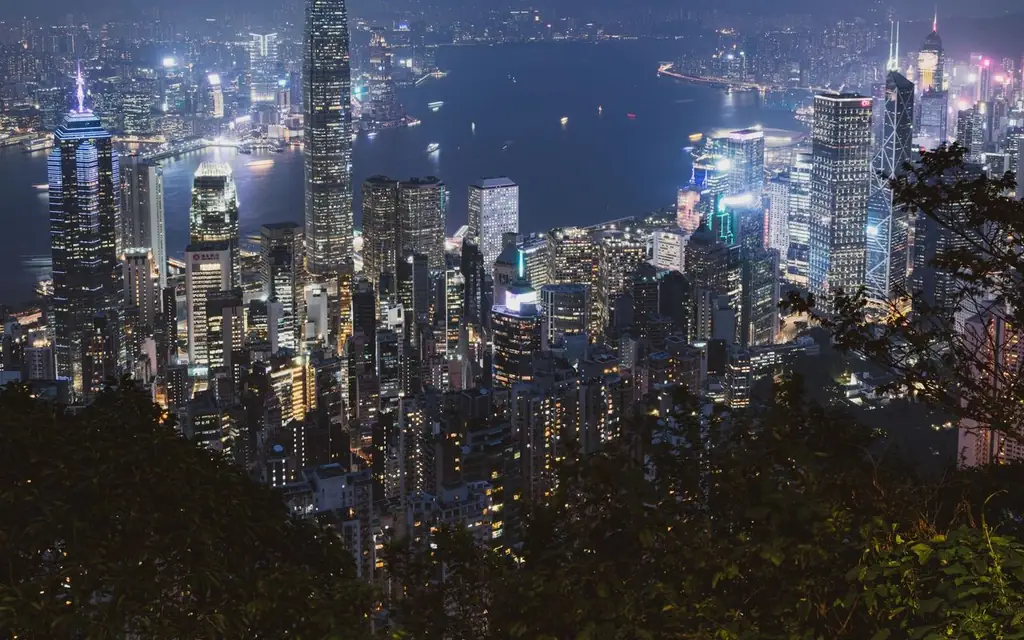
- After dark. The skyline is lit, and the evening queues have eased. On clear nights the view is the postcard that everyone expects.
- Avoid: public holidays, and any day with a typhoon signal or heavy rain warning. The view disappears and services may be affected.
Combine the Peak with the harbor
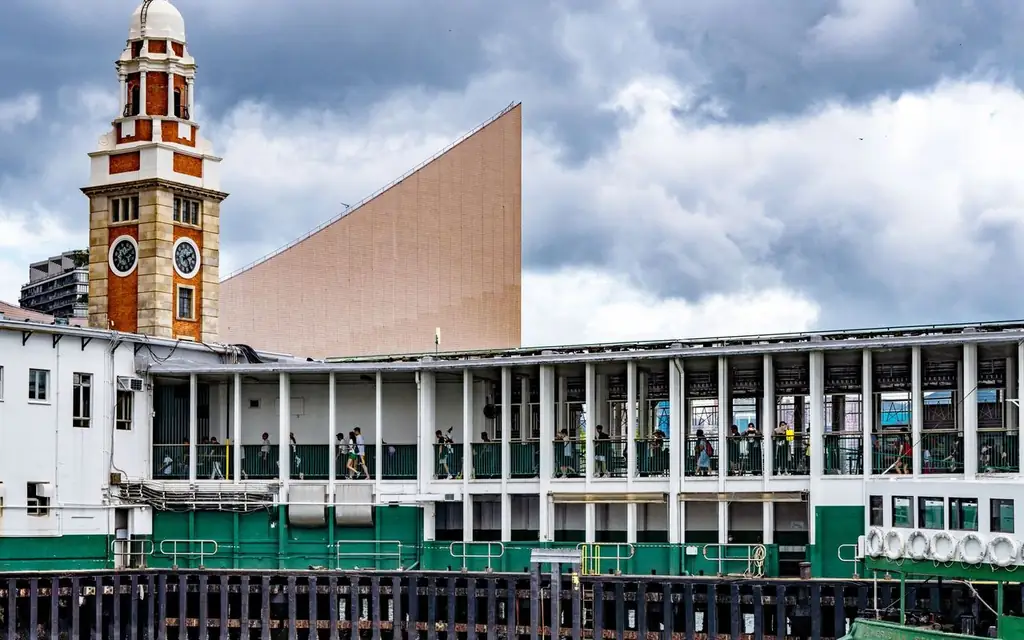
The Peak is half of Hong Kong's classic view; the other half is the waterfront in Tsim Sha Tsui, which looks back at the island. Our guide to the Tsim Sha Tsui Harbourfront covers the promenade, the Star Ferry pier and the nightly light show. The Tourism Commission's official page for A Symphony of Lights says the show is staged every night at 8:00 pm, with the best viewing from the Tsim Sha Tsui waterfront outside the Hong Kong Cultural Centre, the Avenue of Stars, and the Golden Bauhinia Square promenade in Wan Chai. The show is suspended when a Tropical Cyclone Signal No. 3 or above, or a Red or Black Rainstorm Warning, is issued at or after 3:00 pm. Details are on the show's official page.
A day that ends at the harbor might look like this:
- 09:00 Pickup at the hotel. Drive to the Peak while the road is quiet.
- 09:30 to 11:30 The viewing terraces and the Lugard Road loop.
- 12:00 Lunch in Central.
- 14:00 Cross the harbor to Kowloon for museums or shopping.
- 18:30 Walk the Tsim Sha Tsui waterfront before the 8:00 pm show.
- 20:30 Pickup from a side street near the promenade and return to the hotel.
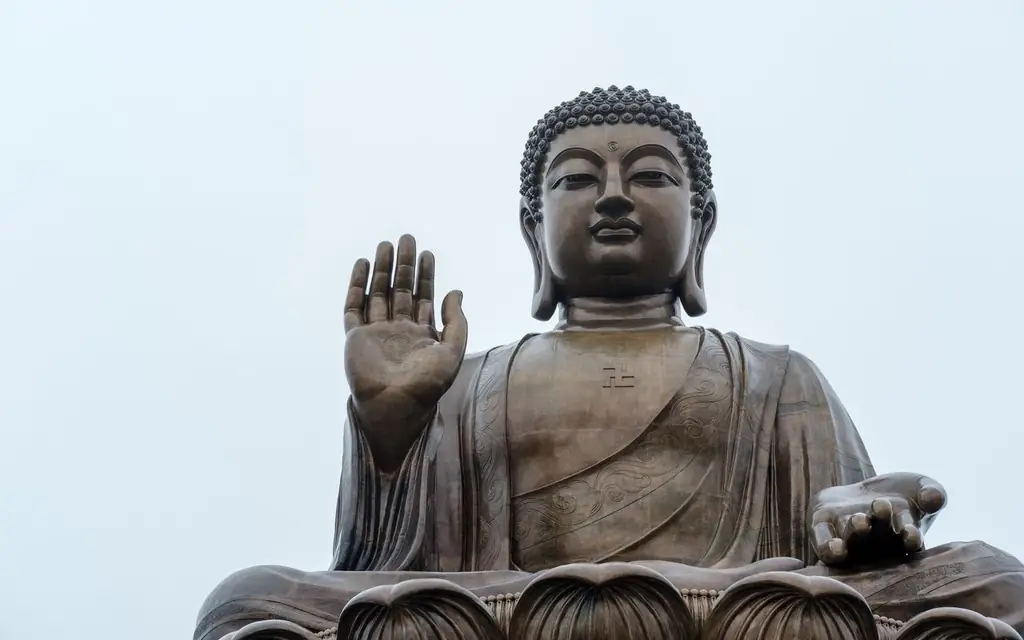
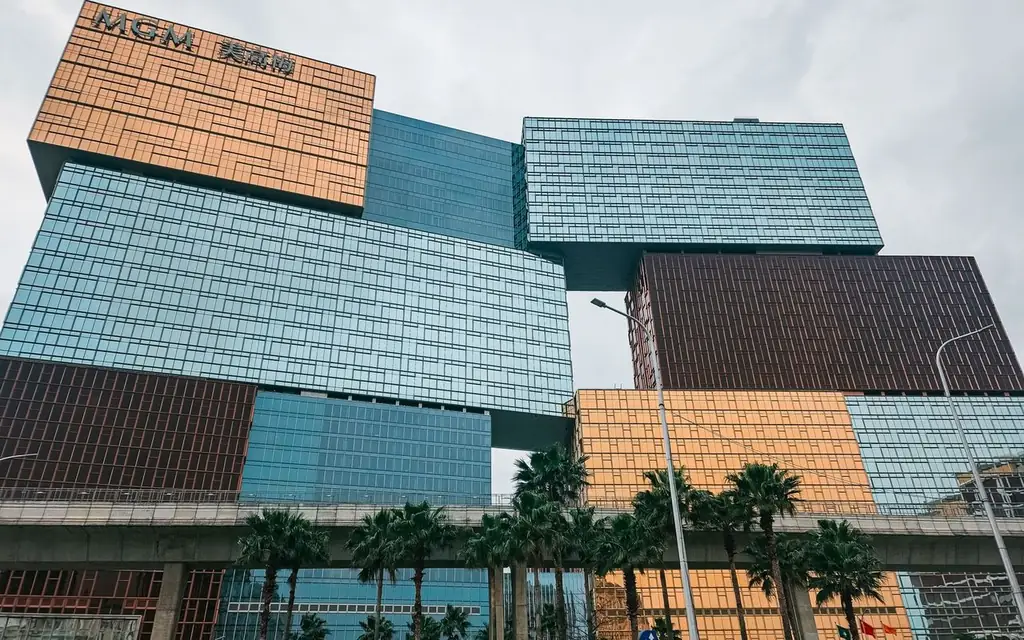
If you plan a longer trip, the Hong Kong chauffeur service page covers airport, hourly and city-to-city bookings. The full list of cities we serve is in the Asia-Pacific directory, and our private tours with driver page explains day tours and multi-day itineraries. Visitors going on to Lantau should see our guide to the Tian Tan Buddha, and those continuing to Macau can read about the Cotai Strip.
Crossing the harbor by tunnel or by ferry
Between Hong Kong Island and Kowloon there are three road tunnels, the Cross-Harbour, the Eastern Harbour Crossing and the Western Harbour Crossing, and a chauffeur picks between them according to where you are going and how the queues look. The choice is worth knowing because the Peak sits on the island side, and a trip from a Kowloon hotel can lose 20 minutes simply by taking the wrong tunnel at the wrong hour.
There is also a more enjoyable crossing. Star Ferry's own timetable page lists Central to Tsim Sha Tsui sailings from 06:30 to 23:30 daily, every 6 to 8 minutes through most of the day. A popular plan is to do the Peak by car in the morning, take the ferry across the harbor in the afternoon, and let the car meet you on the Kowloon side. The operator publishes its routes and timetable and notes that actual sailing times can vary with sea and weather conditions, so leave margin if you have a dinner or a flight afterwards.
Weather, signals and what changes
Hong Kong's weather warnings matter more to a visitor than most people expect. Tropical cyclone signals and rainstorm warnings can suspend transport services and attractions, and the evening light show is cancelled when the signals listed above are in force. The Peak itself can be shrouded in cloud when conditions turn. If a warning is issued on the day of your tour, the 24/7 desk can rearrange the route, usually by moving indoor stops such as museums and malls to the front of the day.
Outside the typhoon season, the usual issue is haze. Clear days are most common in the cooler months, while summer brings heat, humidity and sudden thunderstorms. If the view matters more than the date, keep a spare half-day in the itinerary and decide that morning whether the Peak is worth the climb.
What a Hong Kong chauffeur does differently
Hong Kong drives on the left, the roads are narrow, and kerbside stopping is tightly regulated, so a drop-off that takes seconds in another city can need a side street here. Local chauffeurs know which hotel forecourts allow a quick stop and which ones do not, and they work to the tunnel and bridge traffic through the day. In practice this means the car does not always wait where you were dropped. It may circle, park in a nearby car park or return at an agreed time, Agree on a time and a fallback meeting point before you get out, and keep your phone on.
Accessibility and comfort
The viewing terraces at the Peak Tower are reached by escalators inside the building, and the main circular walk is paved and mostly level. There are steps and slopes in places. If someone in your party has limited mobility, ask the chauffeur to drop at the Peak Tower entrance and keep to the terraces. Child, toddler and booster seats are available on request at booking, and most vehicles have water and phone chargers.
Dress for the weather rather than the view. The Peak can be several degrees cooler and windier than the city, and summer thunderstorms arrive fast.
Ways to reach the Peak compared
| Option | Time from Central | Cost note | Best for |
|---|---|---|---|
| Peak Tram | Short ride, plus the queue at busy times | Lowest of the options with a ticket | First-time visitors, the classic ride |
| Public bus or minibus | 30 to 45 minutes with waiting | Lowest | Solo travelers, flexible schedules |
| Taxi | 15 to 25 minutes, harder to find for the return | Metered | Couples, short visits |
| Private chauffeur | 15 to 25 minutes, car waits or returns | Fixed fare via the booker | Families, groups, arrivals with luggage, executives on a schedule |
The tram is the better choice if the queue is short and you want the ride itself. A car is the better choice when you have luggage, children, a tight window or a group that would fill several taxis.
Frequently asked questions
How far is Victoria Peak from Central by car?
About 6 km (4 miles) by Peak Road, typically 15 to 25 minutes. Allow longer at sunset, on weekends and in poor weather.
How far is Victoria Peak from Hong Kong airport?
Roughly 40 km (25 miles), which is 45 to 60 minutes by car depending on traffic and the harbor crossing used.
Can a private car drive to the top of Victoria Peak?
Yes, by Peak Road. Space at the top is limited and busy at sunset, so the chauffeur may drop you at the Peak Tower and return at an agreed time.
What is the best time to visit Victoria Peak?
Early morning or a weekday afternoon for clear views and fewer people, or after dark for the lit skyline. Avoid public holidays and typhoon or rainstorm warning days.
How long should I allow at Victoria Peak?
One to two hours for the terraces and a meal, plus about an hour if you walk the Lugard Road loop. Add 30 to 50 minutes of round-trip driving from Central.
Is the Peak Tram better than a car?
It is better if you want the ride and the queue is short. A car is better with luggage, children, a group or a fixed schedule.
Can I see A Symphony of Lights from the Peak?
The official show is best viewed from the Tsim Sha Tsui waterfront, the Avenue of Stars and the Wan Chai promenade. It is staged nightly at 8:00 pm and may be suspended in bad weather.
Can you combine the Peak with Lantau or Macau in one day?
Lantau is possible with an early start. Macau is a separate day, because crossing the border involves different transport arrangements.