
 United StatesJFK
 MexicoMEX
 BrazilGRU
 ArgentinaEZE
 ChileSCL
 ColombiaBOG
 PeruLIM
 PanamaPTY
 Costa RicaSJO
 Dominican RepublicPUJ
 JamaicaMBJ
 BahamasNAS
 BarbadosBGI
 United KingdomLHR
 IrelandDUB
 FranceCDG
 GermanyFRA
 NetherlandsAMS
 BelgiumBRU
 SwitzerlandZRH
 AustriaVIE
 ItalyFCO
 SpainMAD
 PortugalLIS
 GreeceATH
 TurkeyIST
 DenmarkCPH
 SwedenARN
 NorwayOSL
 FinlandHEL
 PolandWAW
 Czech RepublicPRG
 HungaryBUD
 IcelandKEF
 United Arab EmiratesDXB
 QatarDOH
 Saudi ArabiaRUH
 IsraelTLV
 EgyptCAI
 MoroccoCMN
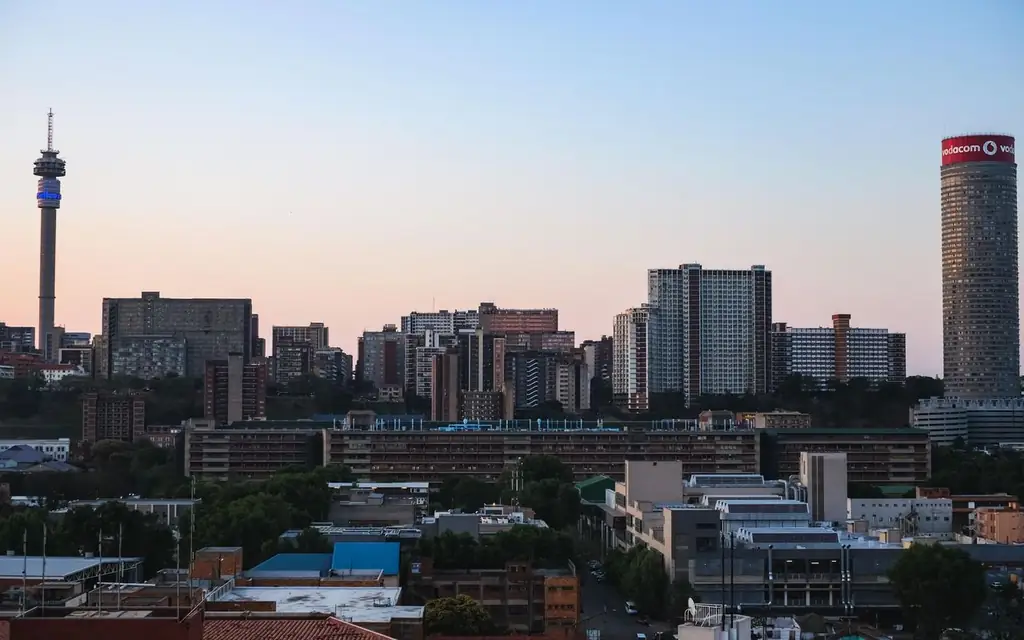
 South AfricaJNB
 KenyaNBO
 NigeriaLOS
 IndiaDEL
 PakistanLHE
 Sri LankaCMB
 SingaporeSIN
 MalaysiaKUL
 ThailandBKK
 VietnamSGN
 PhilippinesMNL
 IndonesiaCGK
 Hong KongHKG
 ChinaPVG
 TaiwanTPE
 JapanHND
 South KoreaICN
 AustraliaSYD
 New ZealandAKL
Plan a half day, not an hour. The Apartheid Museum is not a gallery to be ticked off between meetings; it is a building designed to be walked slowly, in sequence, in silence for much of the way. A driver helps by removing everything that could shorten the visit: parking, directions, a booking that runs late, the flight you are trying not to miss.
This guide is written for anyone arranging an Apartheid Museum private tour with driver or working out how to get to the Apartheid Museum by car. It uses the museum's own published hours, tickets and layout, adds the logistics of Johannesburg driving, and suggests how to combine the visit with Soweto and, for longer trips, with Kruger National Park and Robben Island.
Where is the Apartheid Museum, and how far is it from OR Tambo and Sandton?
The museum is on the corner of Northern Parkway and Gold Reef Road in Ormonde, south of central Johannesburg. It is roughly 27 km (17 miles) from OR Tambo International Airport, usually 25 to 60 minutes depending on traffic, and about 25 km (15 miles) from Sandton, around 30 minutes.
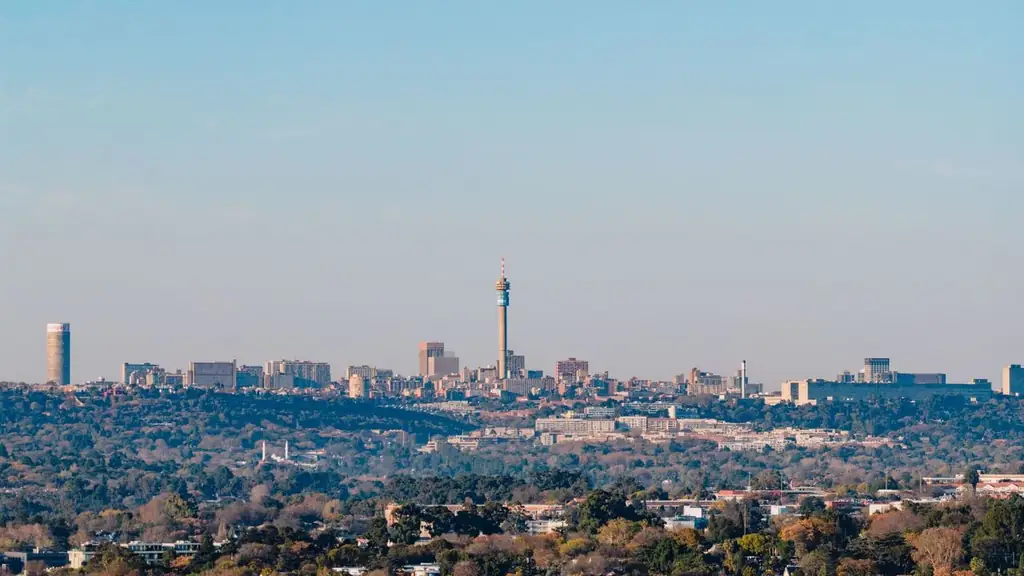
Ormonde sits on the southern side of Johannesburg, on the mining belt that gave the city its early wealth. The museum shares its neighborhood with Gold Reef City, and Soweto lies a short drive to the south-west. The museum's own directions page lists routes from Pretoria, Johannesburg, Soweto and OR Tambo, including the De Villiers Graaff Motorway and the Southern Bypass.
For a chauffeur the route choice is a daily decision. Both can slow at peak hours, so our drivers choose based on live traffic on the day. If you are traveling from OR Tambo straight after landing, the Johannesburg chauffeur service page explains flight tracking and meet-and-greet, and the airports hub lists the other gateways.
Opening days, tickets and the audio tour
The Apartheid Museum is open from Tuesday to Sunday, 09:00 to 17:00, and on most public holidays, according to its website; it is closed on Mondays. Tickets are available at the door and can be booked through the museum's online ticketing link. The museum opened in 2001 and stands on a seven-hectare site.
Admission includes an audio tour. As of 1 May 2026 the museum lists adult admission for international visitors, including SADC countries, at R240, with R190 for students, pensioners and children; South African citizens with identification pay less. Guided tours are priced separately, must be pre-booked and are offered to groups of 15 or more. Children's rates apply to ages 7 to 17, and pensioners must show proof that they are over 60. We quote these because they are published on the official page and dated; check the museum's visitor information for the current schedule before you travel.
On Heritage Day, 24 September 2026, the museum offered South Africans free entry, a reminder that national holidays are busier and that school groups cluster on weekday mornings. Weekday afternoons and Sundays after lunch are often calmer.
What you walk through: the permanent exhibition
The permanent exhibition is laid out as a journey through time, from the pre-apartheid past to democracy. The museum lists 21 numbered sections, among them The Pillars of the Constitution, Race Classification, Journeys, Segregation, Apartheid, The Turn to Violence, Life under Apartheid, The Homelands, The Rise of Black Consciousness, Political Executions, The Significance of 1976, Total Onslaught, Roots of Compromise, Mandela's Release, Negotiating a Settlement, the 1994 Election, the Truth and Reconciliation Commission, and A Place of Healing.
Beside it sit the museum's other displays. The Mandela exhibition describes his role in the struggle from the 1940s, his leadership of mass campaigns in the 1950s, the founding of Umkhonto we Sizwe, his 27 years in prison, the negotiations of the 1990s and his presidency, organized under six headings: Character, Comrade, Leader, Prisoner, Negotiator and Statesman. The museum also presents the Tutu exhibition (Truth to Power), a John Kani exhibition and the Time to Act display marking the 40th anniversary of the United Democratic Front. Exhibitions rotate, so read the current list on the museum's site.
The material is graphic, and the museum states that, because of its graphic nature, it is not deemed suitable for children under 11. Parents of older children should decide what they can bear.
The idea behind the building
The museum frames its permanent exhibition as a trip through time, tracing the country's footsteps from the days of bondage to a place of healing founded on the principles of democracy. Its own introduction says freedom brought peace in 1994 after centuries of colonialism and more than 40 years of life under apartheid. That structure matters to how you spend your time: the early galleries, on race classification, segregation and the building of the apartheid state, set the stakes for what follows, and the later sections on negotiation, the 1994 election and the Truth and Reconciliation Commission carry more weight if you have not rushed the first half.
Many visitors find it helps to decide in advance whether the day is for the full permanent exhibition or for a focused visit. If you have under two hours, the museum's own advice is to engage briefly with the exhibitions; do not try to read everything. If you have a whole morning, start with the permanent journey, then go to the Mandela exhibition while your attention is still fresh.
Johannesburg history stops worth comparing
The museum is the best single introduction, but Gauteng has several related sites, and a two-day visit can include more than one. Constitution Hill, in the inner city, combines a former prison complex with South Africa's Constitutional Court. In Soweto, the Hector Pieterson Memorial and Museum in Orlando West commemorates the 1976 student uprising, and Vilakazi Street is close by. Liliesleaf in Rivonia and Freedom Park in Pretoria are further afield. Hours and tickets for each are set by the sites themselves, so confirm them on their own pages before you plan the car.

The sequence that works best is chronological. Start with the Apartheid Museum for the broad story, then go to Soweto for the lived history of a township, and finish at Constitution Hill for the legal and constitutional end of the story. A chauffeur holds the day together, because the sites are spread across the city and public transport between them is slow.
Business travelers: fitting the museum into a Johannesburg trip
Corporate guests often have a gap of half a day between meetings in Sandton or Rosebank and an evening flight. The museum works well in that gap, provided you plan backwards from the flight. Leave Sandton by 09:00, arrive for opening, stay until 12:30 and leave the museum no later than 13:00 if you have a late-afternoon flight from OR Tambo. For a corporate group, the desk can arrange multiple vehicles, a Luxury SUV for executives or an Executive Sprinter for a team, with monthly invoicing on a corporate account.
Weather on the Highveld follows a clear pattern. Summer brings sunny mornings and thunderstorms in the afternoon, which can slow traffic sharply; winter is dry, sunny and cold in the early morning. A morning visit avoids the storms, and a light jacket covers most months.
How long to allow, and how to pace it
The museum suggests a two-hour visit if you want to engage briefly with the exhibitions. That is a minimum, not a recommendation. A realistic plan for most visitors is three hours with the Mandela exhibition, and four if you read the displays carefully or add a temporary show. Many visitors say the last gallery, A Place of Healing, needs a few quiet minutes before they are ready to return to traffic.
A good rule is to schedule nothing demanding immediately afterwards. Arrive at 09:00 or 13:00, avoid a meeting an hour later, and give the chauffeur an open return time. If your trip is short, the three hours are better spent here than at three smaller sights.
Etiquette is simple. Speak quietly, keep the audio guide volume low and follow the staff on photography, which is restricted in some galleries. Dress comfortably; the building is large and the walkways are long.
Parking, drop-off and the Johannesburg driving picture
The museum's visitor page does not describe parking, so ask when you book if you need details. A chauffeur normally drops the group at the main entrance and waits nearby, returning on message. On busy days, school coaches arrive together in the morning, so a drop-off before 10:00 is smooth and one at 10:30 is not.
Johannesburg traffic follows a predictable pattern. Weekday mornings are heavy toward the northern suburbs and Sandton; evenings reverse the flow. The M1 and N1 can be slow at 17:00. If you have a flight, leave the museum at least four hours before an international departure from OR Tambo, and more on a Friday.
Our drivers are experienced professionals driving late-model, fully maintained vehicles, and they know the roads. They are not a security company, and we do not provide armed protection. Guests who travel with their own security team simply share the schedule with the desk beforehand. Do not leave valuables visible in a parked car, and follow your chauffeur's advice about where to stop.
A chauffeured day: the museum, Soweto and Constitution Hill
The museum links naturally with other heritage sites in the same corner of the city.
Morning at the museum (09:00 to 12:30). Arrive for opening, take the audio tour and spend time in the Mandela exhibition. Allow a quiet coffee afterwards.
Lunch in Soweto (13:00). Soweto lies south-west of the museum, a drive of roughly 25 to 35 minutes. Vilakazi Street in Orlando West is famous for having been home to two Nobel Peace Prize laureates, and a licensed local guide is the best way to understand the township; ask your hotel or the Gauteng tourism office. A chauffeur is not a guide, and sites in Soweto are best visited with a local professional.
Afternoon at Constitution Hill (15:00). The complex combines a former prison with the Constitutional Court. Check its official site for tours and hours, since we have not confirmed them. Johannesburg's inner city is best visited by car with a driver who knows where to stop.
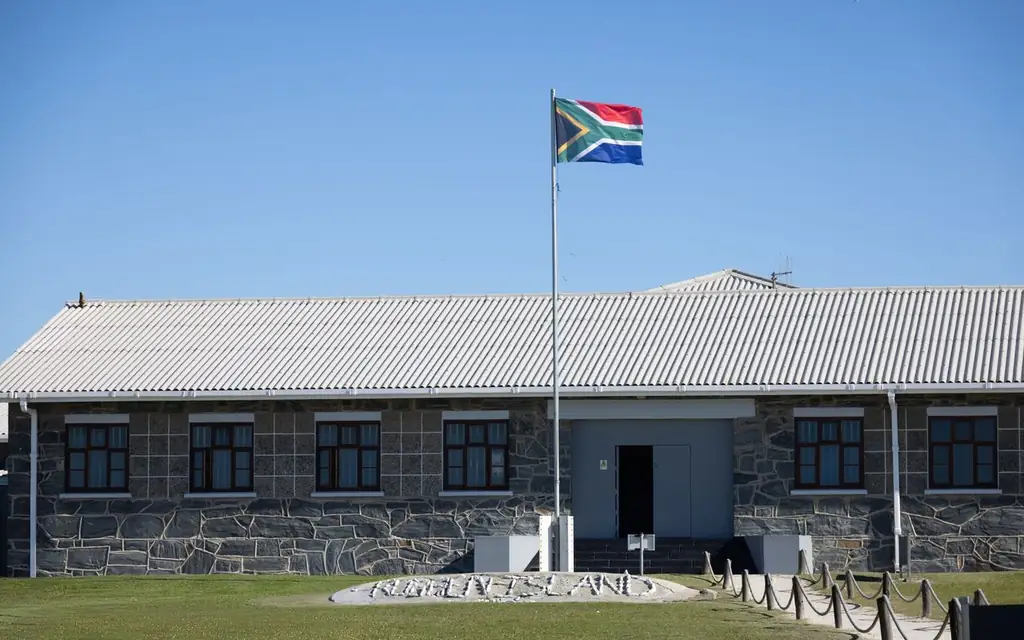
For a longer stay, link the museum with the escarpment and the Kruger gates the next morning, or fly south for Robben Island to see the other side of the same story. More ideas are on our private tours with driver page and in the Africa directory.
Ways to reach the museum compared
| Option | Time from Sandton or OR Tambo | Cost note | Who it suits |
|---|---|---|---|
| Gautrain plus taxi or bus | Varies; the museum is not at a station | Lowest for part of the journey | Budget travelers with time |
| Metered taxi | 25 to 60 minutes | Metered | Short trips with a known pickup |
| Rideshare | 25 to 60 minutes | Surge-priced at peak | One-way trips, flexible timing |
| Red bus tour | Fixed route | Published on the museum site | Visitors using the city sightseeing loop |
| Rental car, self-drive | 25 to 60 minutes | Moderate, plus parking | Confident drivers who know the city |
| Private chauffeur | 25 to 60 minutes | Fixed fare via the booker | Arrivals, groups, executives, tight schedules |
If you are staying near a Gautrain station and traveling alone, public transport plus a short ride may be lower-cost, though you will need a taxi for the last leg. The museum also lists a red bus tour with a discounted entry when the booking receipt is presented. For a visitor with limited time, luggage, or a group of four or more, the chauffeur is the reliable option and removes the question of the return trip.
Accessibility and family notes
The museum occupies a large site and the walking distances inside are long. If anyone uses a wheelchair or has limited mobility, tell the museum and our desk at booking so both can prepare. Child, toddler and booster seats are available in our cars on request. The audio tour is included in the ticket price. Bring a light layer, as the building can be cool, and water.
Frequently asked questions
What are the Apartheid Museum opening hours?
Tuesday to Sunday, 09:00 to 17:00, and most public holidays, per the museum's website. It is closed on Mondays. Check the official page for changes.
How far is the Apartheid Museum from OR Tambo airport?
Roughly 27 km (17 miles). Travel times vary from about 25 minutes to an hour depending on traffic.
Do I need to book tickets in advance?
Tickets are available at the door, and the museum also provides an online booking link. Guided group tours must be pre-booked and are for groups of 15 or more.
How long does a visit take?
The museum suggests two hours as a brief visit. Most visitors need three to four hours, particularly if they see the Mandela exhibition.
Is it suitable for children?
The museum says its content is graphic and is not deemed suitable for children under 11.
Can I combine the museum with Soweto?
Yes. Soweto is a short drive, about 25 to 35 minutes. Use a licensed local guide for township visits; your chauffeur will drive and wait.
Is parking available?
The museum's visitor page does not describe parking, so confirm with the museum. With a chauffeur you are dropped at the entrance and the car waits nearby.
Can tourist offices arrange this for their visitors?
Official tourist offices and visitor centers can book chauffeur services for their visitors with LimousineWorldwideDirectory.com through a trade account.