
 United StatesJFK
 MexicoMEX
 BrazilGRU
 ArgentinaEZE
 ChileSCL
 ColombiaBOG
 PeruLIM
 PanamaPTY
 Costa RicaSJO
 Dominican RepublicPUJ
 JamaicaMBJ
 BahamasNAS
 BarbadosBGI
 United KingdomLHR
 IrelandDUB
 FranceCDG
 GermanyFRA
 NetherlandsAMS
 BelgiumBRU
 SwitzerlandZRH
 AustriaVIE
 ItalyFCO
 SpainMAD
 PortugalLIS
 GreeceATH
 TurkeyIST
 DenmarkCPH
 SwedenARN
 NorwayOSL
 FinlandHEL
 PolandWAW
 Czech RepublicPRG
 HungaryBUD
 IcelandKEF
 United Arab EmiratesDXB
 QatarDOH
 Saudi ArabiaRUH
 IsraelTLV
 EgyptCAI
 MoroccoCMN
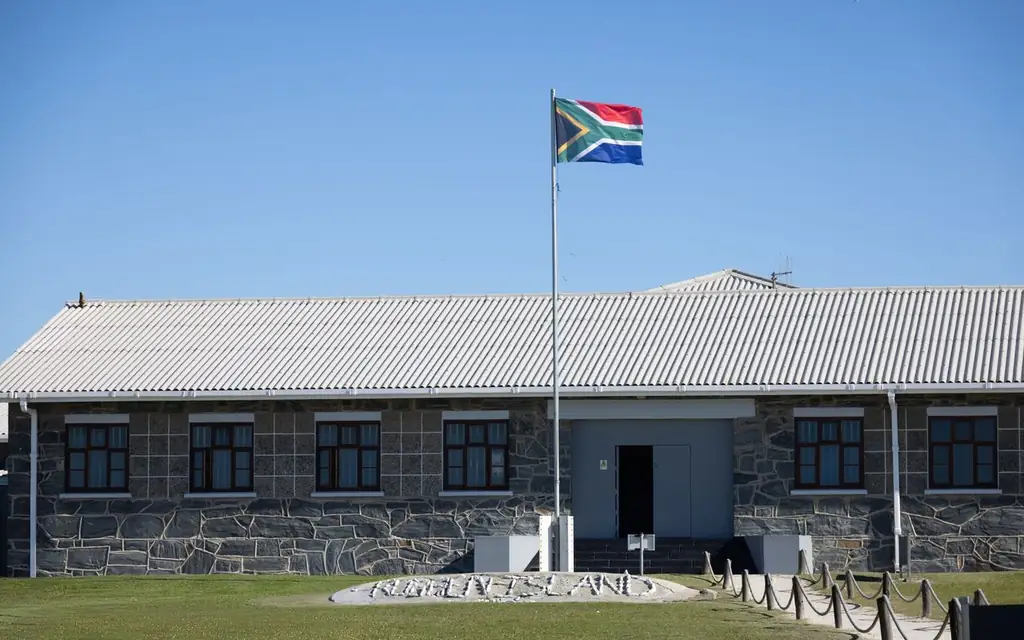
 South AfricaJNB
 KenyaNBO
 NigeriaLOS
 IndiaDEL
 PakistanLHE
 Sri LankaCMB
 SingaporeSIN
 MalaysiaKUL
 ThailandBKK
 VietnamSGN
 PhilippinesMNL
 IndonesiaCGK
 Hong KongHKG
 ChinaPVG
 TaiwanTPE
 JapanHND
 South KoreaICN
 AustraliaSYD
 New ZealandAKL
The island runs on the ferry timetable, and so does your day. No car can take you there; the only public way across Table Bay is the museum's own boat from the Nelson Mandela Gateway, and the tour is booked before the transfer is. This guide is about the part a chauffeur does well: getting you to the right quay, relaxed and early, and organizing the hours on either side.
If you are searching for a Robben Island private tour with driver or wondering how to get to Robben Island by car, the short version is this. Book the tour with the museum, tell us the sailing, and we plan the road transfer around it. The longer version, below, covers what the visit includes, what the sea can do to a schedule, how to behave on the island and where to go afterwards. It sits alongside our guides to the V&A Waterfront, Table Mountain and the Apartheid Museum in Johannesburg.
How do you get to Robben Island, and where does the ferry leave from?
Ferries leave from the Nelson Mandela Gateway at the V&A Waterfront in Cape Town. The museum lists sailings at 09:00, 11:00, 13:00 and 15:00 and says the tour, including the crossing, takes about three and a half hours. A chauffeur takes you to the Gateway; the island itself has no public car access.
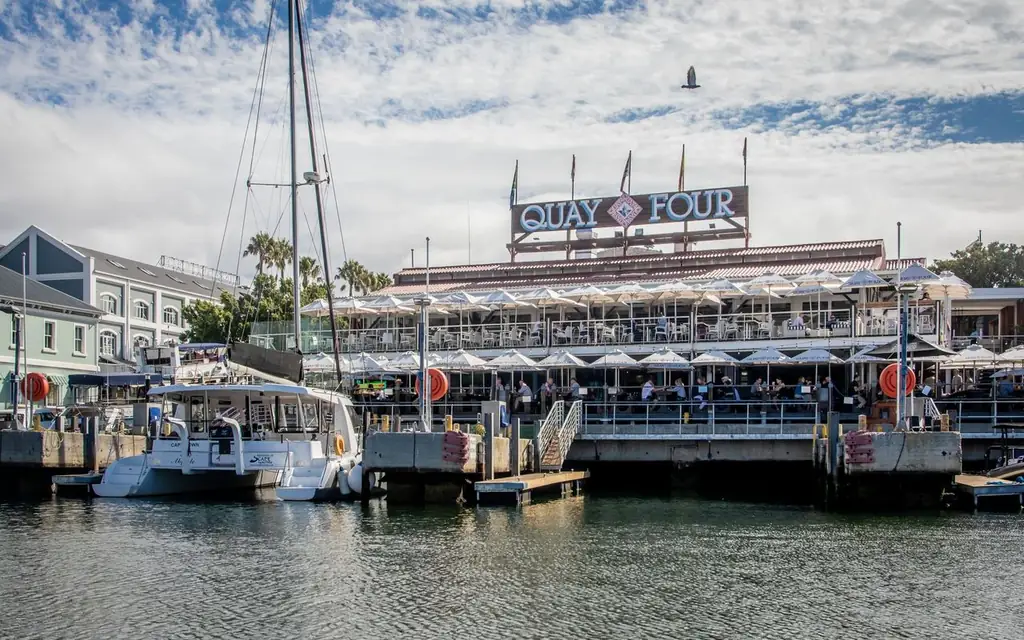
The Nelson Mandela Gateway sits in the Clock Tower District of the Waterfront, beside the red Clock Tower that has stood at the Alfred Basin since 1882. From central Cape Town it is a drive of about 3 km (2 miles), roughly 10 minutes; from Cape Town International Airport it is about 20 km (12 miles), usually 20 to 35 minutes. The island lies in Table Bay, a few kilometers offshore, and the visit is organized entirely by the Robben Island Museum.
Tell the chauffeur the Gateway, not the Waterfront. The Waterfront is a large precinct, and our V&A Waterfront guide explains why the district matters.
Booking comes first, and it is the museum's booking
The official booking route is the museum's website, robben-island.org.za, which links to its online booking system. Prices are listed on the site for South African and international visitors and for adults and children; confirm them there as of your travel date, because we do not quote them. The page also lists a longer walking tour on Fridays to Sundays, from 09:00 to 14:30, in addition to the standard departures.
Tickets are sold by the museum, so book them there rather than through us. The practical rule is to reserve before you plan the car, because popular sailings can fill in busy periods. Once you have a ticket, send us the sailing time and the number of guests, and the chauffeur is scheduled backwards from it.
What the visit is, and why UNESCO protects it
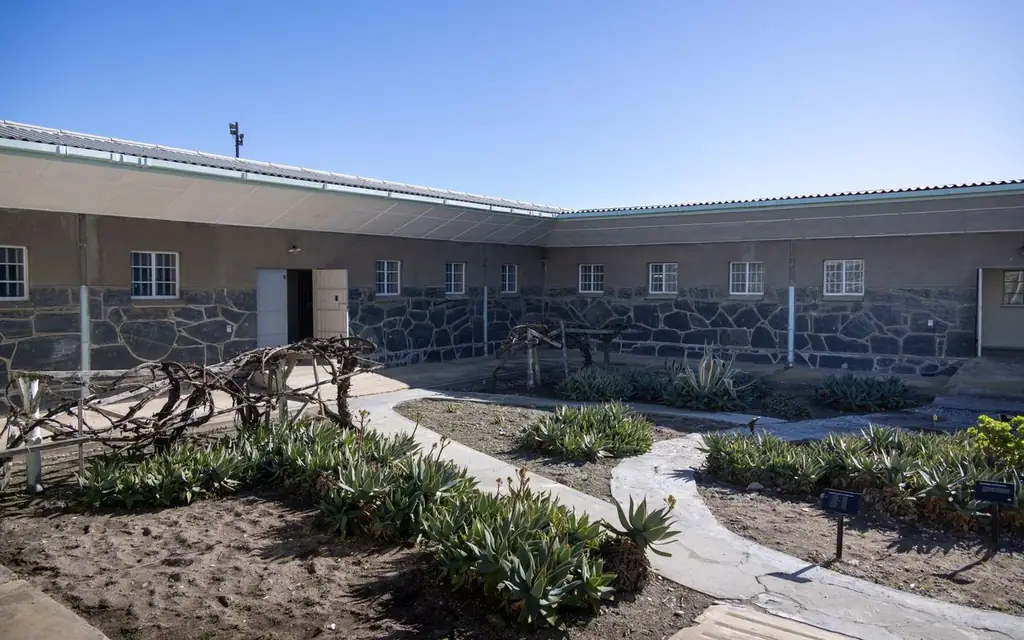
The island has been, at different times between the 17th and 20th centuries, a prison, a hospital for people society wanted out of sight, and a military base. UNESCO inscribed it on the World Heritage List and describes its late 20th-century maximum-security prison for political prisoners as a witness to the triumph of democracy and freedom over oppression and racism. Other surviving sites include 17th-century quarries, the tomb of Hadije Kramat who died in 1755, 19th-century administrative buildings, a chapel and parsonage, a small lighthouse, the lepers' church and wartime structures near the harbor.
Nelson Mandela was held here for much of his long imprisonment, which is why the Gateway on the mainland carries his name. The tour combines a ride around the island with a visit to the prison buildings. Please read the museum's own description of what your sailing includes on its official site, and the UNESCO listing for Robben Island for the heritage context.
This is a memorial site, not an amusement. Photography rules, group sizes and walking routes are set by the museum and can change, so follow the guide's instructions at each stop.
A timeline for the day of your sailing
Work backwards from the boarding time printed on the ticket. Ask the museum what its check-in window is when you book, because it can change.
Sailing at 09:00. Leave a city hotel 75 to 90 minutes before the printed boarding time. The route to the Waterfront is short, but the Dock Road approaches can slow when roadworks and the school run overlap. Breakfast at the hotel, coffee in the Clock Tower District if time allows.
Sailing at 11:00 or 13:00. The most comfortable options. They leave a clean gap for breakfast or lunch, and the crowds at the Gateway are thickest at the start of the day rather than the middle.
Sailing at 15:00. A late departure leaves you on the island into the late afternoon, then returning for an early evening. It suits guests who want the morning on Table Mountain or at Cape Point first, but check the return time before you book dinner.
Because the whole tour takes about three and a half hours, plan the chauffeur's return to the Gateway for that time plus a margin. If the sea delays the return, the driver adjusts and waits.
The sea decides: weather, cancellations and slack
Table Bay is exposed. High winds and heavy swell can delay or cancel sailings, and the museum, not a tour company, makes that decision. We cannot tell you in advance whether your sailing will go, and the museum site does not state a weather policy on the pages we reviewed, so ask the booking office how a cancellation is handled and whether a rebooking is offered.

The sensible response is slack. Do not schedule a flight on the same afternoon as a Robben Island sailing. Do not stack a restaurant booking that cannot move. If you have a flexible day, book the early or midday sailing early in your stay so a cancellation can be replaced by a later date. Cape Town's wind is often at its strongest on summer afternoons, though no sailing is guaranteed at any hour.
Respect on the island
Visitors arrive from all over the world, and for many South Africans this is a family history rather than a tourist stop. Dress modestly and comfortably; the island is windy and the walking is on uneven ground. Avoid loud conversation in the prison buildings, listen to the guide before taking photographs and do not touch exhibits unless invited. Children are welcome, but the subject matter is heavy; parents should decide what suits their age.
A chauffeur is not a licensed guide, and the island tour is led by the museum's own guides. If you want a broader background before or after, our guide to the Apartheid Museum in Johannesburg covers the wider story, and a conversation with your driver, who is a local professional, often supplies useful context about the city.
The walking tour and the standard tour
The museum's site lists two formats. The standard tour is the 3.5-hour sailing with the island circuit and the prison visit. A longer walking tour runs Fridays to Sundays between 09:00 and 14:30, and is priced separately on the site. If you choose the walking tour, treat it as the main event of the day: it ends in the early afternoon, so the chauffeur's next stop should be a late lunch rather than another timed attraction. Read the museum's description of both formats before you decide, since what is included can be updated from season to season.
Allow time at the Gateway itself. The building on the mainland has its own exhibition space, and arriving 30 minutes early lets you use it without rushing the boarding. Bring ID for each guest if the museum requests it at check-in, and keep tickets on your phone and a printed copy in the car.
Where the car waits, and how the handover works
The Gateway sits in a busy part of the Waterfront, and kerbside space is limited. The usual routine is simple. The chauffeur drops the group at the Gateway or the nearest practical point, stays in the area while you are away, and returns to the same spot once you message from the boat or from the pier. You do not need to carry bags onto the ferry; leave coats and shopping in the vehicle, but take water, sunscreen and a windproof layer on board.

If you are arriving in Cape Town the same morning, be realistic. A long-haul flight landing at dawn leaves you tired, and the first sailing is not the moment to be tested. Book a midday or afternoon sailing, check into the hotel, rest, and let the driver take you to the quay. With flight tracking on every airport pickup, and 60 minutes of free waiting after an international landing, the transfer adjusts to a late arrival without extra work on your part. A name-board meet-and-greet inside arrivals can be added at booking.
A two-day heritage plan around the island
Day one. Morning sailing at 09:00 or 11:00, back at the Gateway by early afternoon, a late lunch in the Clock Tower District and an hour at the Waterfront before the car returns you to your hotel. If the wind is down, ride the Table Mountain cableway late in the afternoon.
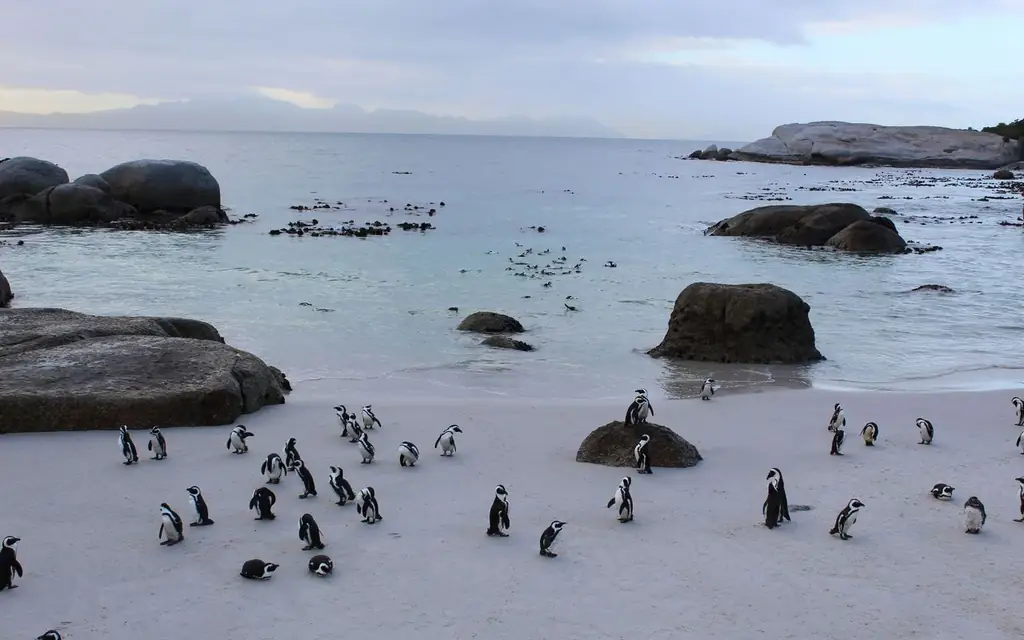
Day two. A drive down the peninsula to Cape Point, with a stop at the penguin colony at Boulders on the way back. The distance from the city is about 65 km (40 miles) each way, so allow a full day.
Visitors with an extra day often add the District Six Museum in the city centre, which tells the story of the forced removals in Cape Town. It is separate from our guides here; check its own opening hours before you go.
Comparing the ways to reach the Gateway
| Option | Time from central Cape Town | Cost note | Who it suits |
|---|---|---|---|
| Walking | 30 to 40 minutes from the Foreshore | Free | Fit visitors with a late sailing |
| MyCiTi bus | Varies by route | Lowest, needs a myconnect card | Budget travelers staying near a stop |
| Metered taxi | About 10 minutes | Metered | Short hops from city hotels |
| Rideshare | 10 to 35 minutes | Surge-priced at peaks | One-way trips, flexible timing |
| Private chauffeur | About 10 minutes from the city, 20 to 35 from the airport | Fixed fare via the booker | Airport arrivals, groups, tight sailing times |
For a traveler staying a short walk away, walking or a short taxi ride is the better choice and costs less. A chauffeur earns its place when you are transferring from the airport with luggage, traveling with older relatives or children, or fitting the island between other bookings. The bus network has its own route planner on the MyCiTi site if you prefer public transport.
Making the rest of the day
Robben Island fills the middle of a day, not the whole of it. Three afternoons work well.
Table Mountain. Take a morning sailing and then ride the cableway in the late afternoon if the wind is down; read our Table Mountain guide first.
The harbor. Stay in the Waterfront for a long lunch, the Two Oceans Aquarium or the Watershed market. The V&A Waterfront guide explains which district is which.
The peninsula. If you have a second day, Cape Point and Boulders Beach make a full loop south that works well after a quieter morning.
If you are building a longer trip, our private tours with driver page and the Africa directory show how these stops link into a route from Cape Town to Johannesburg, Kruger and Victoria Falls.
Accessibility and practicalities
The Gateway is at ground level and the ferries have gangways, but boarding in swell can be awkward, and the island tour involves walking and steps. Tell the museum at booking if anyone uses a wheelchair or has limited mobility, and tell our desk so the chauffeur drops you at the nearest level entrance. Seasickness is a real factor in a swell; if you are prone to it, take the morning boat and sit at the lowest, central part of the vessel.
Bring a windproof jacket, sunscreen and water. The summer sun is strong; the winter wind is cold. Child, toddler and booster seats can be added to the car at booking.
Frequently asked questions
Can I drive to Robben Island?
No. The only way to reach it is the museum's ferry from the Nelson Mandela Gateway at the V&A Waterfront. A chauffeur takes you to the Gateway and collects you when the tour returns.
What time do the Robben Island ferries leave?
The museum lists tours at 09:00, 11:00, 13:00 and 15:00, and says the tour takes about 3.5 hours including the crossing. A longer walking tour runs Fridays to Sundays from 09:00 to 14:30. Check the official site for the current timetable.
How do I book Robben Island tickets?
Through the Robben Island Museum's website, which links to its booking system. Book as early as possible in busy periods and send your sailing time to our desk when you book the transfer.
How far is the Gateway from Cape Town airport?
About 20 km (12 miles), normally 20 to 35 minutes. From central Cape Town it is about 3 km (2 miles), roughly 10 minutes.
What happens if the ferry is cancelled?
The museum decides based on sea and wind conditions. Ask its booking office about refunds or rebooking. Tell our desk as soon as you know, so the chauffeur plan can be adjusted before the day.
Is the tour suitable for children?
The museum welcomes families, but the subject is serious and some children will find it heavy. Parents should judge by age. The prison buildings involve walking and steps.
Can the driver wait while I am on the island?
Yes. The chauffeur is scheduled around your return time and adjusts if the sea causes a delay.
Is Robben Island a World Heritage Site?
Yes. UNESCO lists it for its buildings, particularly the late 20th-century maximum-security prison, as a witness to the triumph of democracy over oppression and racism.
Can tourist offices arrange these transfers?
Official tourist offices and visitor centers can book chauffeur services for their visitors with LimousineWorldwideDirectory.com through a trade account.