 United StatesJFK
 MexicoMEX
 BrazilGRU
 ArgentinaEZE
 ChileSCL
 ColombiaBOG
 PeruLIM
 PanamaPTY
 Costa RicaSJO
 Dominican RepublicPUJ
 JamaicaMBJ
 BahamasNAS
 BarbadosBGI
 United KingdomLHR
 IrelandDUB
 FranceCDG
 GermanyFRA
 NetherlandsAMS
 BelgiumBRU
 SwitzerlandZRH
 AustriaVIE
 ItalyFCO
 SpainMAD
 PortugalLIS
 GreeceATH
 TurkeyIST
 DenmarkCPH
 SwedenARN
 NorwayOSL
 FinlandHEL
 PolandWAW
 Czech RepublicPRG
 HungaryBUD
 IcelandKEF
 United Arab EmiratesDXB
 QatarDOH
 Saudi ArabiaRUH
 IsraelTLV
 EgyptCAI
 MoroccoCMN
 South AfricaJNB
 KenyaNBO
 NigeriaLOS
 IndiaDEL
 PakistanLHE
 Sri LankaCMB
 SingaporeSIN
 MalaysiaKUL
 ThailandBKK
 VietnamSGN
 PhilippinesMNL
 IndonesiaCGK
 Hong KongHKG
 ChinaPVG
 TaiwanTPE
 JapanHND
 South KoreaICN
 AustraliaSYD
 New ZealandAKL
A winery tasting is a series of small pours, and by the fourth estate the small pours have added up. That arithmetic is the real argument for hiring a driver in the Cape Winelands. The scenery is the reward; the reason to book a Stellenbosch winelands private tour with driver is that the person at the wheel is not tasting.
This guide answers the practical question behind the keyword, how to get to the Stellenbosch winelands by car, and then the harder one: how to spend a day among more than a hundred and fifty estates without driving yourself in circles. It draws on the Stellenbosch Wine Routes association's own material, links to our guides for the rest of the peninsula, and sets out three day plans that a chauffeur can run on your schedule.
How far is Stellenbosch from Cape Town and from the airport?
Stellenbosch is about 50 km (31 miles) east of central Cape Town and roughly 40 km (25 miles) from Cape Town International Airport. By car it takes 40 to 55 minutes outside peak hours. Weekday mornings inbound on the N2 and N1 are the slow periods.
The route is mostly motorway, and the town sits in a bowl of mountains at the edge of the winelands. From the airport you leave via the N2 and cut across to the R310 or the R300 toward Stellenbosch; from the city you take the N2 east and turn off for the town. The chauffeur chooses between them on the day based on traffic reports. Add 10 to 20 minutes if you are leaving Stellenbosch around 16:30 to 18:00 on a weekday, when commuters flow back toward the city.
For arriving guests, the sensible pattern is to land, transfer to the winelands and sleep there on the first night, rather than drive into Cape Town and back out again. Our Cape Town chauffeur service page explains how airport pickups work, with flight tracking and a name board in arrivals as an add-on, and the airports hub lists the other gateways we serve.
Why a tasting day is a chauffeur day
South Africa's drink-driving rules are strict, and tasting rooms pour generously. Even if you spit at every estate, a day of five or six cellars tires the person who must also read the road, handle roundabouts and keep to the left. A chauffeur from our directory is an experienced professional driving a late-model, fully maintained vehicle, and the booking is confirmed and invoiced by LimousineWorldwideDirectory.com, so there is one confirmation and one point of contact all day.
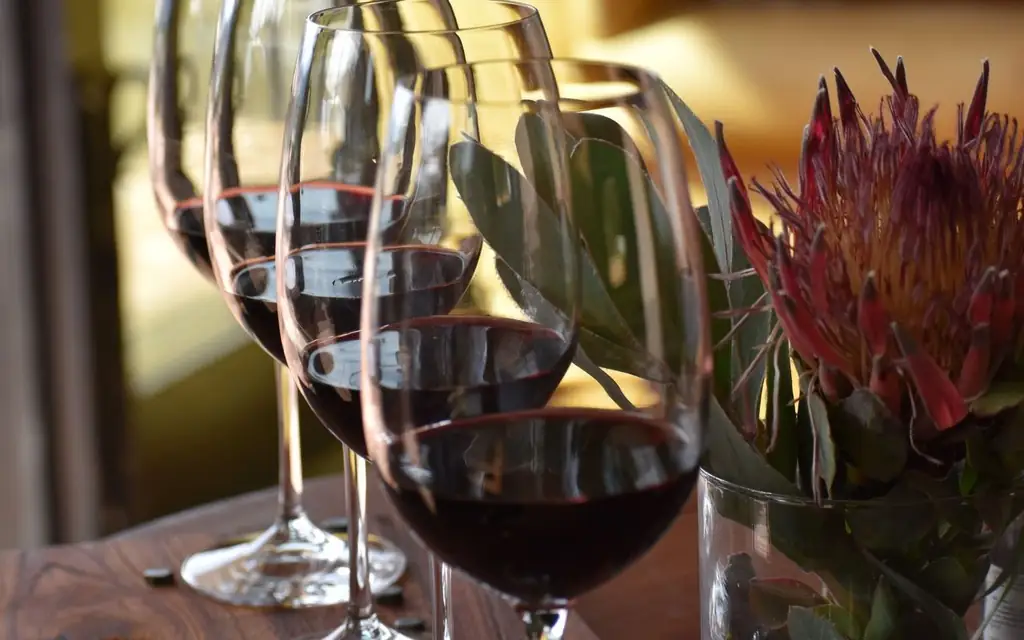
We do not promise drinks on board; local law applies, and the estates provide the tasting. What the car provides is a place to leave a case of wine, a cool boot, a stop for water and a driver who checks which tasting rooms are open that day before you set out. If you plan to buy wine, ask the estate about shipping, because carrying cases on a flight is a poor plan.
Five sub-routes, one map: choosing your wedge
The Stellenbosch Wine Routes association was formed in 1971 and describes itself as the first wine route in South Africa. It lists more than 150 members. It organizes the region into five sub-routes: Greater Simonsberg, Stellenbosch Berg, Stellenbosch Valley, Helderberg and Bottelary Hills. The association describes them as wedges radiating from Stellenbosch town, bordered by the N1 in the north, the Hottentots Holland mountains in the east, False Bay in the south and the Cape metropolitan area.
For a first visit the useful way to think about it is distance from town.
Close-in routes: Stellenbosch Valley and Stellenbosch Berg. These sit around the town, so you can reach estates in 10 to 15 minutes and keep the afternoon free. This is the best option for a half day, or if you want lunch in the town.
Greater Simonsberg. The Simonsberg is the mountain to the north-east; the Helshoogte pass connects its slopes toward Franschhoek. This is the right choice for a full day that ends in Franschhoek village.
Helderberg. On the south side, near False Bay and Somerset West. It pairs well with a coast-bound day: wine in the morning, then Boulders and Simon's Town, a combination covered in our Boulders Beach guide.
Bottelary Hills. In the north-west, closer to the city. A good choice when you are short of time or leaving from the northern suburbs.
Do not try to mix more than two sub-routes in one day. The fastest way to ruin a tasting day is to cross the whole region twice.
Stellenbosch town: oaks, Dorp Street and lunch off the farm
Stellenbosch is also a place in its own right. The association notes it is the second-oldest town in South Africa, known as Eikestad, the village of oaks, because early settlers were encouraged to plant oak trees; some of the oaks have been proclaimed national monuments. Dorp Street has one of the longest rows of old buildings surviving in any major town in southern Africa, mostly from the 19th century, and the town is a long-established education center, with a theological seminary founded in 1859.
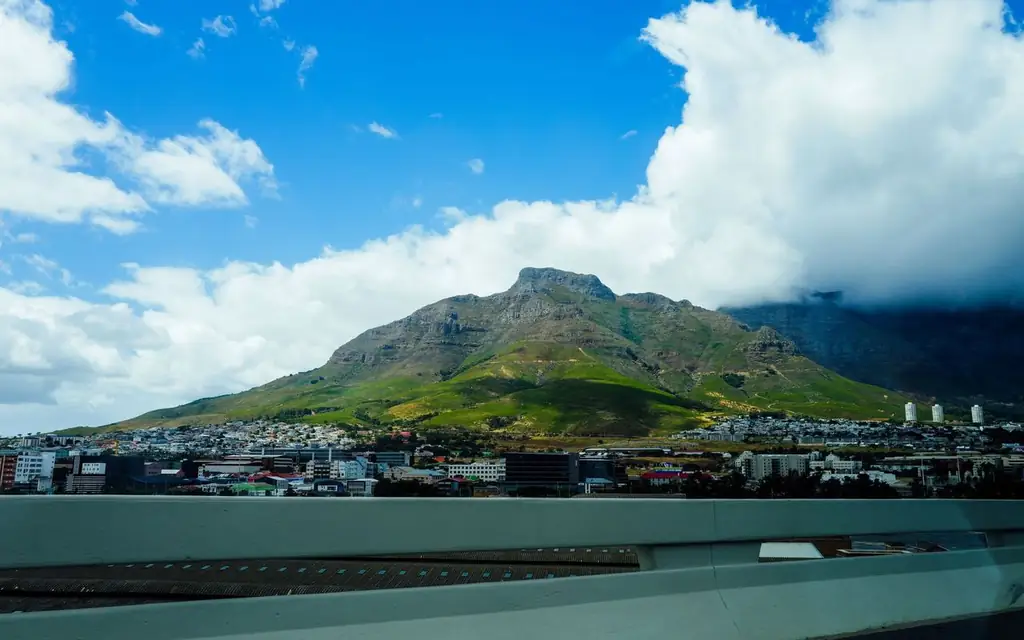
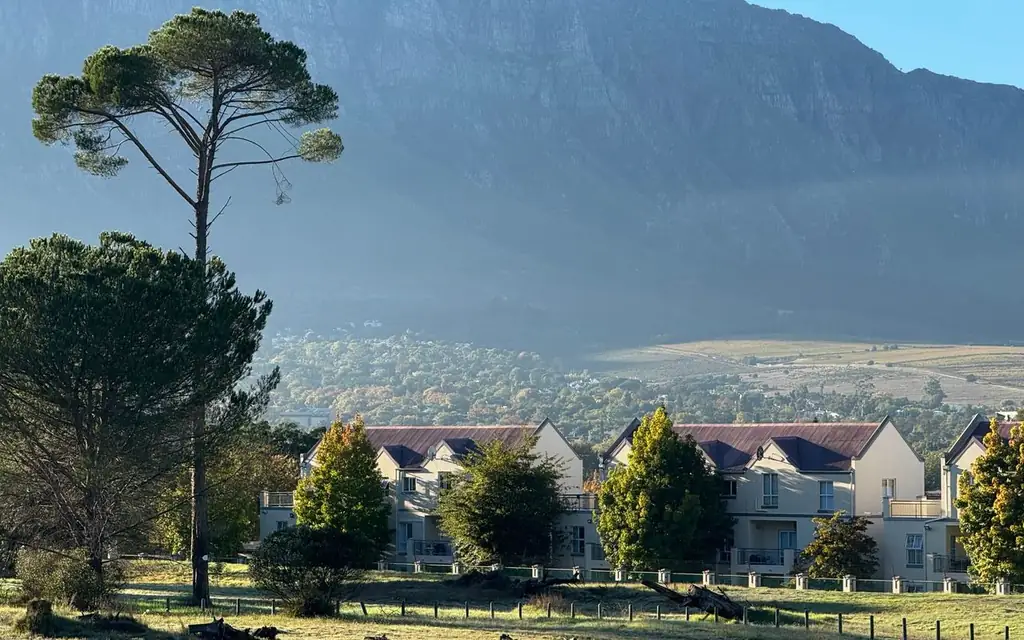
The mountains frame everything: the Helderberg, Stellenbosch Mountain, the Jonkershoek valley and the Simonsberg, which connects to the Jonkershoek range by the Helshoogte saddle. A walk along Dorp Street takes an hour at an unhurried pace, and it is a good break between estates because the town has restaurants that do not require a farm drive. The Wine Routes office and the town's information centre, Visit Stellenbosch, share the address 141 Dorp Street, where you can pick up maps and ask about events. In term time the town is busy with students, so parking is tight, and this is another point in favor of a drop-off.
Booking estates and lunch: the part that makes or breaks the day
Do not arrive unannounced at estates on a Saturday between October and April. The tasting rooms of well-known cellars fill, and several require appointments, especially for cellar tours and food pairings. Policies vary by estate, so check each winery's own page, which you can find through the Stellenbosch Wine Routes winery search.

A workable booking pattern is two tastings and one lunch. Reserve the first tasting for about 10:00, lunch for 12:30 or 13:00, and the second tasting for 15:00. Add a fourth stop only if one of the cellars is small and relaxed. Send the desk your estate names beforehand, so the chauffeur can check the road in, since some farm roads are gravel and slow.
Dietary notes and children matter more than visitors expect. Some estates welcome families with grounds and play areas, while others restrict tasting rooms to adults; ask before you book. The association also lists a hop-on-hop-off wine tour on the Eastern route, which is a reasonable choice for solo visitors who prefer a shared vehicle.
Comparing the ways to do a Stellenbosch day
| Option | Time from Cape Town | Cost note | Who it suits |
|---|---|---|---|
| Self-drive rental car | 40 to 55 minutes | Lowest, but the driver cannot taste freely | Non-drinkers and designated drivers |
| Hop-on-hop-off wine tour | Fixed timetable | Per-seat price | Solo travelers, light tasters |
| Train to Stellenbosch, then taxi | Slow; check current service | Low | Patient travelers who want the lowest fare |
| Rideshare between estates | 40 to 55 minutes, then short hops | Surge-priced, patchy at remote farms | Two or three nearby estates only |
| Private chauffeur, half day | 4 to 5 hours | Fixed fare via the booker | Couples with two estates and lunch |
| Private chauffeur, full day | 8 to 9 hours | Fixed fare via the booker | Groups, anniversaries, corporate hosting |
If you are traveling alone and drinking lightly, the hop-on-hop-off tour is the economical answer. The chauffeur wins when there are four or more in the group, when you are carrying luggage from the airport, or when you want to choose estates by taste rather than by timetable. A Luxury SUV seats up to six, and an Executive Sprinter takes larger parties; the exact vehicle is confirmed at booking.
Three chauffeured days
The close-in half day. Pick up at 10:00 from a Cape Town hotel, arrive in Stellenbosch by 10:50, taste at one Valley estate, walk Dorp Street, have lunch in the town and taste at one more estate before heading back by 16:00. Total driving: about two hours.
Simonsberg and Franschhoek. Pick up at 09:30. Taste at a Simonsberg estate, drive the Helshoogte pass into Franschhoek for lunch, and finish with a final tasting on the slopes on the way back. Franschhoek lies about 30 km (19 miles) from Stellenbosch, 30 to 40 minutes by road. Return to Cape Town by 17:30.
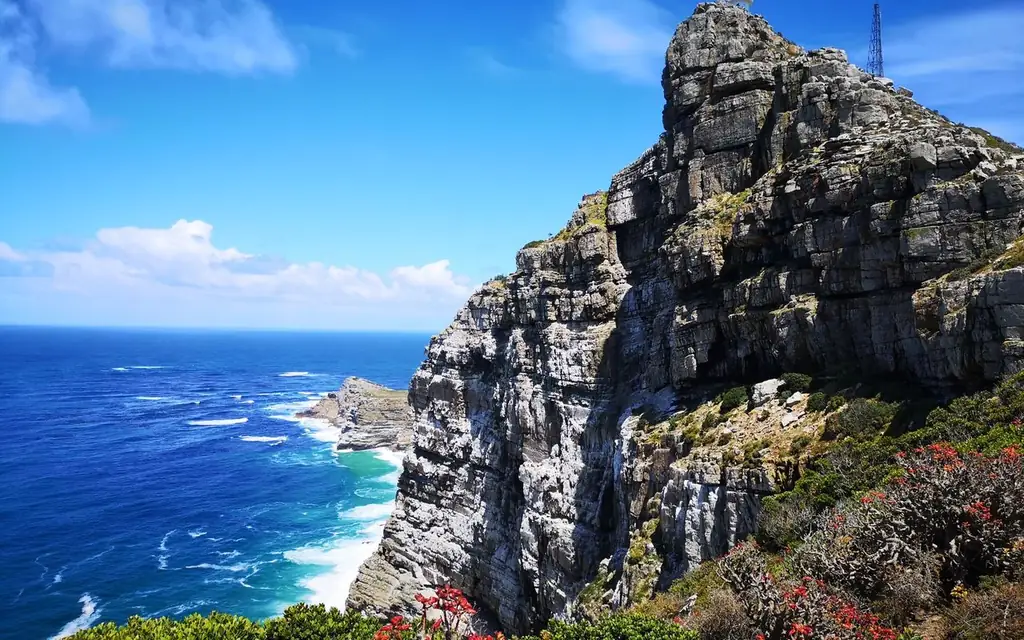
Helderberg and the coast. Pick up at 09:00. Taste on the Helderberg side near Somerset West, have lunch, then continue south-west along False Bay to Simon's Town for the penguins, as outlined in our Cape Point guide. That day is long, so do it only in summer, when the light holds until after 19:00.
If you would like to pair the winelands with the city, put the V&A Waterfront on the day before. Our V&A Waterfront guide and Table Mountain guide show how the three fit together. More options sit on the private tours with driver page.
What the chauffeur does between the pours
The driver's day is quieter than the guest's, but a good one adds real value. On arrival at each estate the chauffeur finds the tasting-room entrance, drops you at the door and parks where the gravel will not mark the paintwork. During a tasting, the car stays cool, the boot is kept free for purchases, and the route to the next appointment is rechecked. If a tasting overruns, the driver messages the next estate so your slot is held, which is the sort of small coordination that is hard to do yourself with a glass in hand.

The chauffeur is not a sommelier and not a licensed guide. If you want a cellar master to explain the vineyards, the estates arrange that themselves, and the winery pages say which of them offer private tastings with the winemaker. For a corporate group, the desk can also coordinate a convoy of vehicles, which suits conference delegates or incentive trips. Mention the group size at booking and the desk will confirm the vehicle mix, whether Luxury SUVs, an Executive Sprinter or a mini-coach on request.
A discreet service is part of the job. Chauffeurs do not photograph guests or post about trips, and NDAs are signed on request, which is why private clients and public figures often prefer a booked driver to a shared tour. Alias bookings are also possible, so a name on a name board in arrivals need not be your own.
Seasons in the vineyards
Summer, from December to February, is warm and dry, with the estates at their busiest. Harvest runs through the late summer and into early autumn, and it is the most atmospheric time to visit but also the time when small cellars are working and may limit tastings. Autumn brings the colors in the vines. Winter is the quiet and green season, with log fires and rain, and booking is easier. Spring is the most comfortable time for outdoor lunches. The estate pages will tell you whether harvest activity affects tastings during your dates.
Practical notes: pace, kids, and the drive back
Plan on no more than three tastings and a lunch. Water, food and pacing are the three controls. Ask the chauffeur to have water in the vehicle, which is available in most cars along with a phone charger. For a late flight, allow the same transfer time in reverse and tell the desk your departure time; flight tracking and fixed fares apply for airport drop-offs, and the booker shows the exact fare before you confirm.
Disabled access varies by estate. Many tasting rooms have step-free entry, but gravel paths, cellar stairs and vineyard walks are common. Tell the desk if anyone uses a wheelchair or has limited mobility, and the chauffeur can phone ahead. Child, toddler and booster seats can be added at booking. For all Africa routes see the Africa directory.
Frequently asked questions
How far is Stellenbosch from Cape Town by car?
About 50 km (31 miles) from central Cape Town, usually 40 to 55 minutes. From Cape Town International Airport it is roughly 40 km (25 miles), 35 to 50 minutes depending on traffic on the N2.
How many wine estates are there in Stellenbosch?
The Stellenbosch Wine Routes association lists more than 150 members, while other sources count producers under the wider Wine of Origin area at a higher figure. For planning, the exact count matters less than choosing two or three sub-route estates.
Do I need to book wine tastings in advance?
For popular estates, cellar tours and lunches, yes, particularly on weekends and in summer. Smaller cellars may require an appointment. Check each winery's own page before you set the route.
Which sub-route is best for a first visit?
For a half day, the close-in Stellenbosch Valley and Stellenbosch Berg routes. For a full day with lunch in Franschhoek, choose Greater Simonsberg. Helderberg suits a day that continues toward the coast.
Can a chauffeur drive between Stellenbosch and Franschhoek?
Yes. The distance is about 30 km (19 miles), and the drive takes 30 to 40 minutes over the Helshoogte pass or by the valley road. The desk will confirm the route for your day.
Can I take bought wine on the plane?
That depends on your airline and destination customs rules. Ask the estate about courier shipping, and keep purchases in the vehicle during the day.
Is Stellenbosch worth a full day?
Yes, if you choose one or two sub-routes and add the town. Do not cross the region twice. A half day suits those who also want a city morning.
Can tourist offices book this for visitors?
Official tourist offices and visitor centers can book chauffeur services for their visitors with LimousineWorldwideDirectory.com through a trade account, and wine routes and DMCs can use trade accounts as well.