 United StatesJFK
 MexicoMEX
 BrazilGRU
 ArgentinaEZE
 ChileSCL
 ColombiaBOG
 PeruLIM
 PanamaPTY
 Costa RicaSJO
 Dominican RepublicPUJ
 JamaicaMBJ
 BahamasNAS
 BarbadosBGI
 United KingdomLHR
 IrelandDUB
 FranceCDG
 GermanyFRA
 NetherlandsAMS
 BelgiumBRU
 SwitzerlandZRH
 AustriaVIE
 ItalyFCO
 SpainMAD
 PortugalLIS
 GreeceATH
 TurkeyIST
 DenmarkCPH
 SwedenARN
 NorwayOSL
 FinlandHEL
 PolandWAW
 Czech RepublicPRG
 HungaryBUD
 IcelandKEF
 United Arab EmiratesDXB
 QatarDOH
 Saudi ArabiaRUH
 IsraelTLV
 EgyptCAI
 MoroccoCMN
 South AfricaJNB
 KenyaNBO
 NigeriaLOS
 IndiaDEL
 PakistanLHE
 Sri LankaCMB
 SingaporeSIN
 MalaysiaKUL
 ThailandBKK
 VietnamSGN
 PhilippinesMNL
 IndonesiaCGK
 Hong KongHKG
 ChinaPVG
 TaiwanTPE
 JapanHND
 South KoreaICN
 AustraliaSYD
 New ZealandAKL
The case for a driver in Chianti is not luxury. It is arithmetic. You will taste wine at two or three estates, the roads between them are narrow, steep and shared with tractors, and Italian drink-driving limits are strict. A Chianti wine region private tour with driver removes the designated-driver problem so that everyone in the car can taste, and so that the person who would otherwise be watching the clock and the glass can enjoy the day.
This guide covers where Chianti is, which villages repay a stop, how the road works, how estates handle visitors, and how to build a day that ends in Siena or back in Florence without anyone behind the wheel being tired.
Where is the Chianti wine region, and how far is it from Florence?
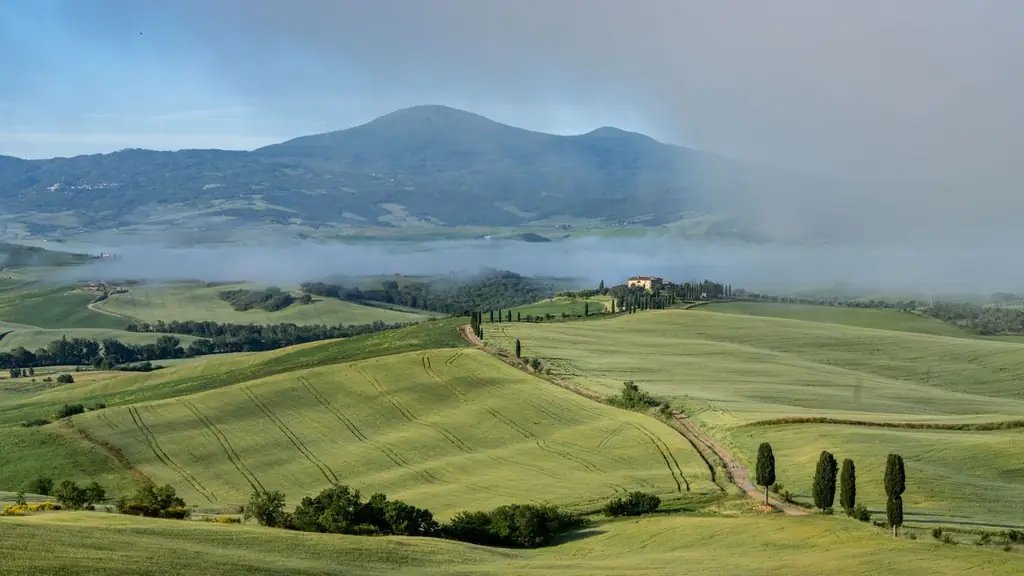
Chianti Classico lies between Florence and Siena, covering about 71,800 hectares. Greve in Chianti, the northern gateway, is about 30 km (19 miles) and 40 to 50 minutes from central Florence. The scenic Chiantigiana road runs about 69 km (43 miles) to Siena.
The wine consortium's own description is a useful anchor: the Chianti Classico production zone covers about 71,800 hectares between the two cities and includes all of Castellina in Chianti, Gaiole in Chianti, Greve in Chianti and Radda in Chianti, plus parts of several other municipalities. Its emblem is the black rooster, the Gallo Nero, and the consortium dates the denomination's history to 14 May 1924. The Chianti Classico consortium publishes estate listings and visitor information.
Do not confuse the zone with the larger Chianti denomination, which covers a wider area of Tuscany. When people picture rolling hills, cypress lines and stone farmhouses between Florence and Siena, they are picturing Chianti Classico.
Why the road decides the pace
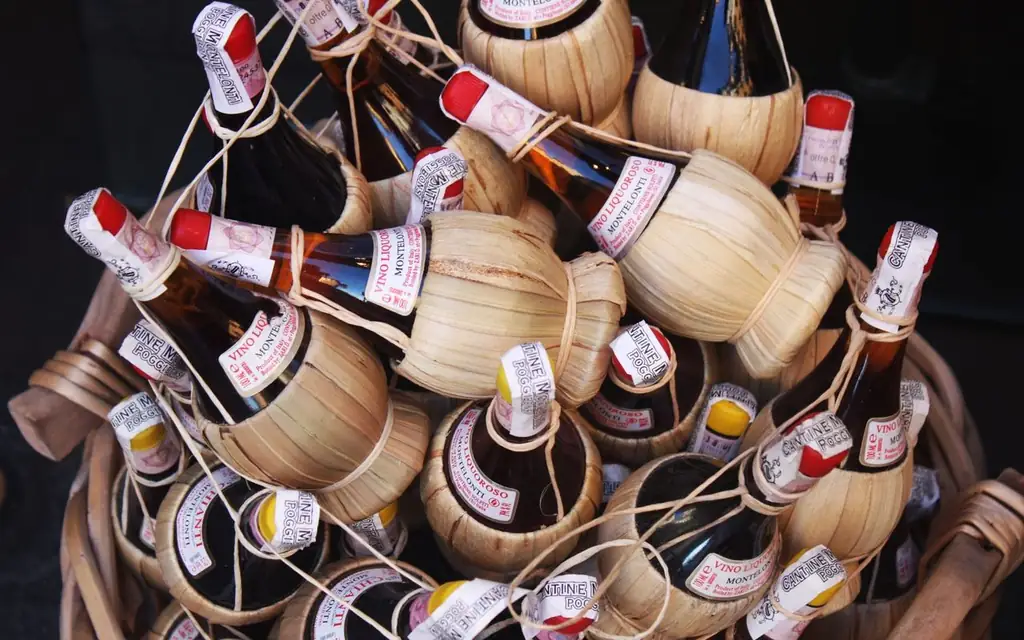
The spine of the region is the SR 222, the Via Chiantigiana, which links Florence and Siena. Visit Tuscany describes a car tour of 69 km through vineyards, olive groves and towns worth a stop. In practice, the first part, from Florence to Greve, is a busy commuter road; beyond Greve it becomes a succession of curves and short climbs.
- Florence to Greve in Chianti: about 30 km (19 mi), 40 to 50 minutes.
- Florence to Panzano in Chianti: about 35 km (22 mi), around an hour.
- Greve to Castellina in Chianti: about 25 km (16 mi), 35 to 45 minutes by the scenic road.
- Castellina to Siena: about 20 km (12 mi), 25 to 30 minutes.
- Pisa airport to Greve: about 110 km (68 mi), roughly an hour and a half.
These are planning figures, not promises. Tractors, cyclists and road works make a difference, and the village streets are often narrower than the road that brings you to them. A chauffeur who has driven the loop before makes better decisions about where to park and when to leave.
A village-by-village guide to the four-town triangle
The four towns of the heart of Chianti Classico suit different moods. Visit Tuscany's pages on the area give the sights we describe here.
Greve in Chianti
Greve is the practical base. Its main square, Piazza Matteotti, is triangular and lined with arcades, shops and taverns, and there is a wine museum. Nearby, Montefioralle is a small medieval village worth a short detour, and Castello di Verrazzano sits in the hills above. Greve is the best first stop for a driver because parking is easier than in the smaller hill towns.
Panzano in Chianti
Panzano has a castle documented since the 11th century with sections of medieval walls still standing, and a parish church, San Leolino, on a hill just outside town with views over the valley. It is also known for a celebrated butcher whose shop draws a food crowd, so book lunch ahead.
Castellina in Chianti
Castellina's signature is Via delle Volte, a covered medieval street that once served the guards. The 14th-century fortress houses the town hall and the archaeological museum, and Etruscan tombs lie nearby. It is the natural midpoint of the triangle and a good lunch stop.
Radda in Chianti
Radda is a walled medieval village centred on Piazza Ferrucci, with a 14th-century Podestà Palace and a Romanesque church. It is quieter than Greve and rewards a slow walk.
Gaiole in Chianti
Gaiole is wine-estate country: Brolio Castle, renovated by the architect Sangallo and described by Visit Tuscany as a huge Chianti Classico estate with a garden, a museum, tastings and guided tours; the Abbey of Coltibuono, a former monastery that is now a wine estate; and the small walled village of Vertine.
You cannot see all five in a day. Choose two or three, and let your chauffeur plan the order around the estates you have booked.
How cellar visits and tastings actually work
Most estates in Chianti are working farms, not drop-in tasting rooms. Many take visitors by reservation only, and some close for the harvest or on weekends.
- Book the estate first, then build the route around the confirmed time.
- Tell us the booking times when you reserve the car, so that the chauffeur sequences the drive around them.
- Allow 60 to 90 minutes for a tour and tasting. A tasting with lunch takes two to three hours.
- Do not stack more than two or three estates. Palates and patience both wear out.
- Ask about the shipping of bottles if you plan to buy; a trunk full of wine is not always the best plan for a flight home.
Our chauffeurs do not serve drinks on board; local law applies, and we never promise alcohol in the vehicle. What we offer is the person at the wheel who is not tasting. The consortium's site lists estates and the Chianti Classico Card for visitors; check it for current details.
Reading the label before you taste
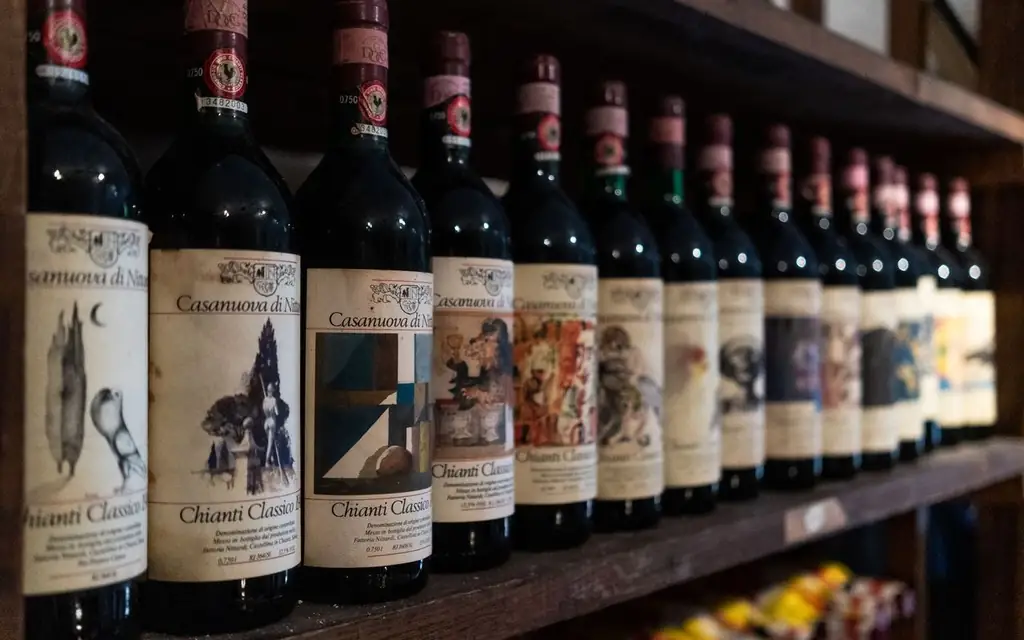
A short vocabulary makes a tasting more useful, and it helps you ask the estate better questions. Chianti Classico wines are generally sold in three tiers: the entry-level annata, the riserva, aged longer before release, and the gran selezione, the top tier, made from an estate's own grapes. The main grape is Sangiovese. You do not need to memorize any of this, but you will hear the words at every cellar door, and the consortium's site explains the categories in full.
Two practical points follow. First, ask the estate which wines it is pouring and why, because a good host will tell you. Second, spit buckets are normal, and using one is not rude; it lets you taste more wines with a clear head, even with a driver at the wheel. If you buy, the estate can usually arrange shipping, though rules on duties and shipping alcohol vary by destination country.
For a broader introduction to the area and its villages, Visit Tuscany's pages on Chianti and on Greve in Chianti are a reliable starting point.
When to go: harvest, spring and the quiet months
- Spring (April to early June): green hills, wildflowers, mild days. The roads are busy with cyclists.
- Summer (July and August): hot, dry, and the busiest for coaches in the hill towns. Start early.
- Harvest (September to October): the grape harvest runs from the first half of September to the second half of October, depending on the vineyard's altitude and location, according to the consortium. Estates are busy, and some limit visits during picking.
- Late autumn: olive harvest, truffles, fog in the valleys.
- Winter: quiet, and some estates and restaurants close. Good for a fireside lunch.
If you want the classic landscape of gold and green with fewer crowds, mid-May and late September are hard to beat.
Chianti compared: ways to see it
| Way to see Chianti | Journey from Florence | Cost note | Who it suits |
|---|---|---|---|
| Organized group tour from Florence | 40 to 50 minutes each way plus stops | lowest | solo travelers who want a ready-made program |
| Public bus along the Chiantigiana | slow, timetable-bound | lowest | travelers with time who want one village |
| Rental car, with a designated driver | 40 to 50 minutes to Greve | rental plus fuel | confident drivers who will not taste |
| Taxi | 40 to 50 minutes | metered | a one-way transfer to a single estate |
| Private chauffeur | 40 to 50 minutes to Greve | fixed fare via the booker | couples and groups who all want to taste, and anyone adding Siena |
A group tour is the lowest-cost way to see the region and a reasonable choice for a first visit. A rental car works only if one person will not drink. The private car is better when you have booked specific estates, when the party wants to stop where it likes, or when the day continues to another city.
A full day: Florence, Chianti and Siena
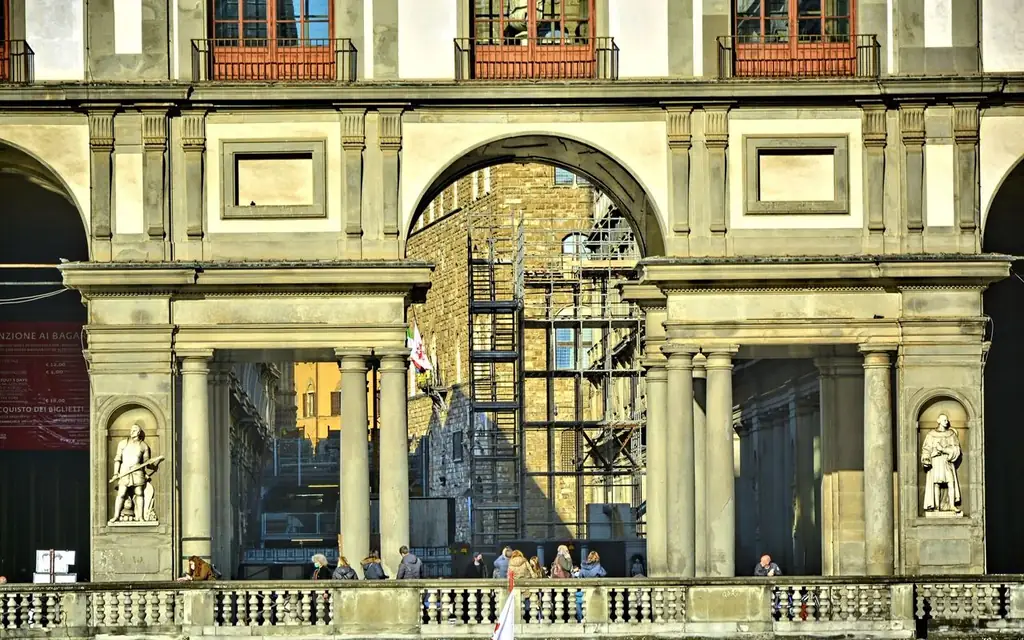
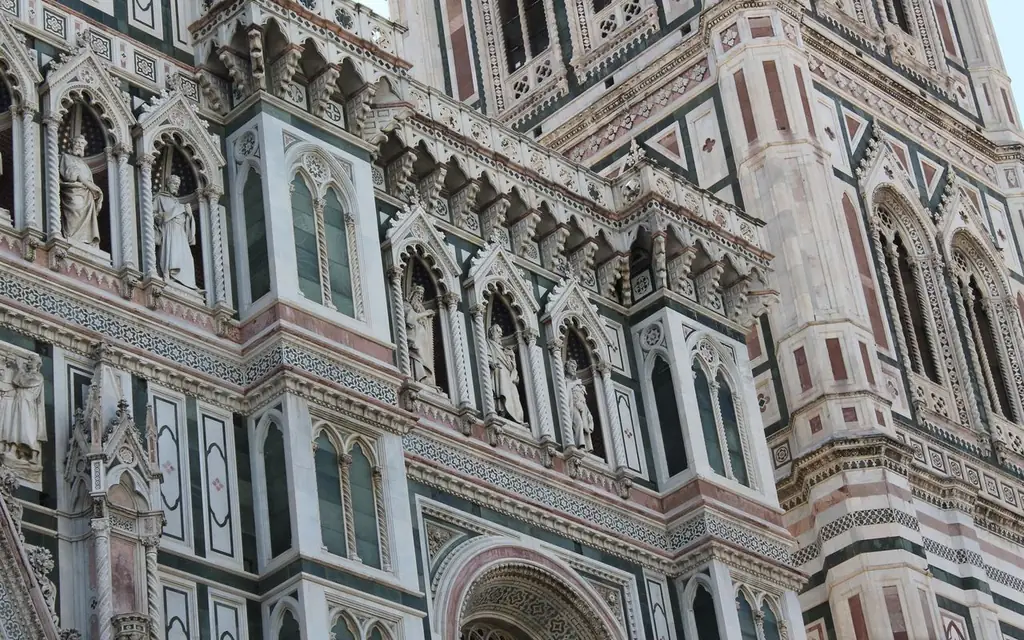
- 09:00 pickup in Florence. Our Florence Cathedral guide and the Uffizi Gallery guide explain the city side of the morning, which is best done before this day or after it.
- 10:00 arrive in Greve in Chianti for a short walk on Piazza Matteotti.
- 11:00 first estate visit and tasting.
- 13:00 lunch in Panzano or Castellina.
- 15:00 second estate, or a walk in Radda.
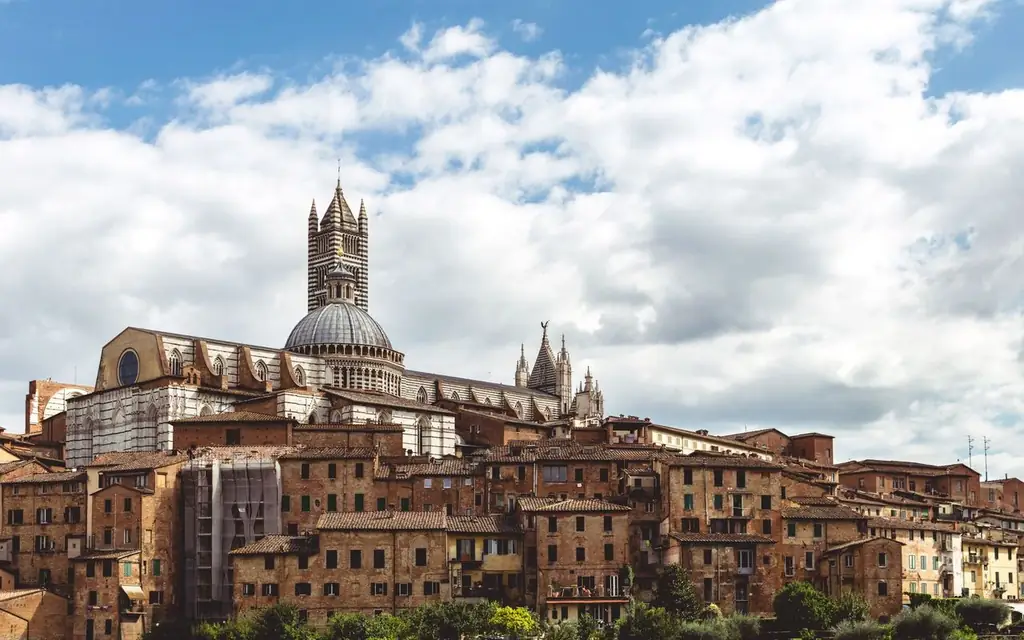
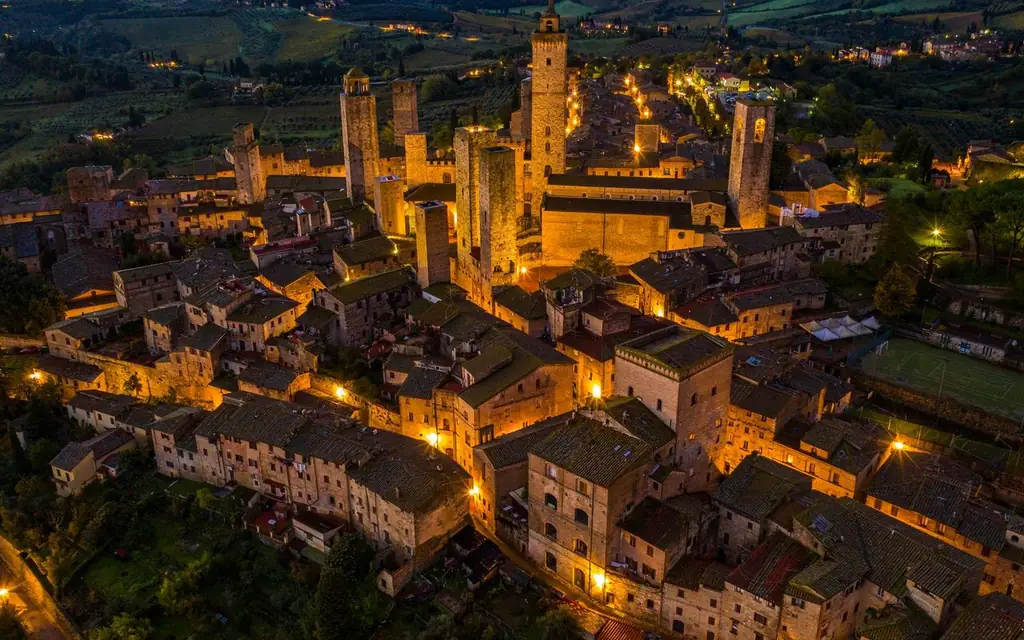
- 16:30 drive to Siena for the late afternoon, or continue to San Gimignano.
- Evening return to Florence, or an overnight in Siena.
To see how a day with one driver is set up, read our private tours with a driver page. For a longer route that continues south, read the guide to the Val d'Orcia.
Etiquette on a working estate
An estate is somebody's home and workplace, and a little care goes a long way.
- Arrive on time. Tours run in sequence, and a late arrival costs the next group.
- Dress for dust and gravel. Cellars are cool and floors can be wet.
- Ask before photographing people or equipment in the cellar.
- Do not wander into the vineyards unless invited, especially at harvest.
- Let the host lead. Tastings are paced to the wines, not to the clock.
Your chauffeur will wait at the car park or the gate and can be called when you are ready. If the group runs late at a first stop, tell the driver so the afternoon can be adjusted, not squeezed.
Children, non-drinkers and accessibility
Chianti is not only for wine drinkers. Many estates offer olive oil tastings, garden walks and lunches, and children are generally welcome, though some tastings set minimum ages. Tell the estate in advance. We can provide child, toddler and booster seats on request when you book.
Village centres are cobbled and often steep. If anyone in your party has limited mobility, let us know the stops you plan, so the car can get as close as possible. Estate cellars sometimes have steps, so ask when you book the visit.
Onward to the airport or the next city
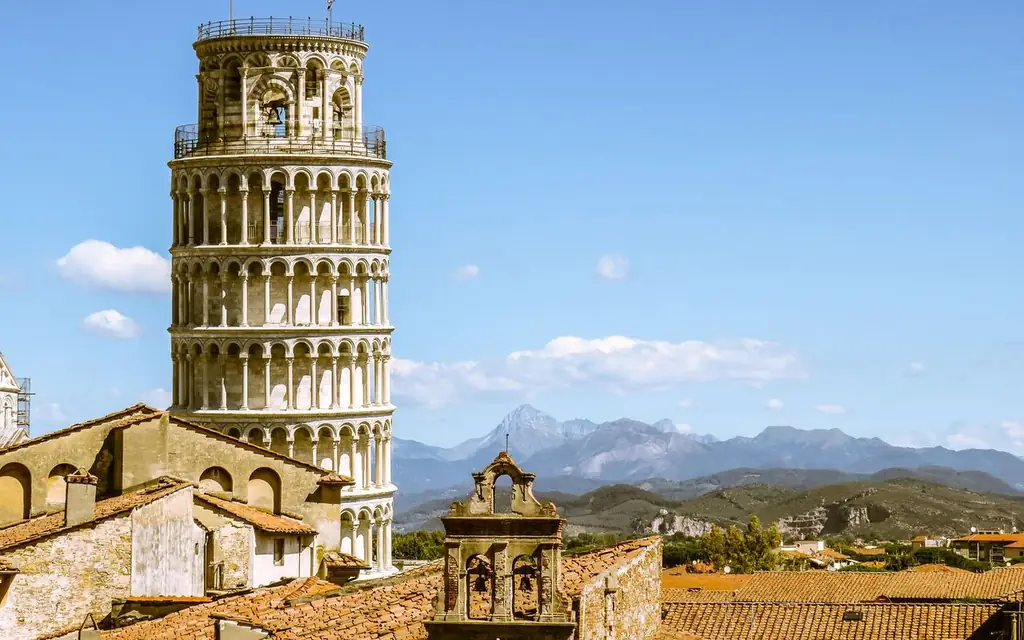
The Chianti loop connects easily to the rest of Tuscany. From Greve, Pisa airport is about 110 km (68 mi) away; Florence airport at Peretola is about 35 km (22 mi). For travelers connecting to Rome, the Rome Fiumicino airport page explains pickups there, and the Europe directory lists the cities we cover. The airports hub covers flight tracking and waiting times. Travelers who wish to continue to the coast should read the Leaning Tower of Pisa guide.
Frequently asked questions
How far is Chianti from Florence by car?
Greve in Chianti is about 30 km (19 miles) and 40 to 50 minutes from central Florence. Panzano is about 35 km (22 miles), and the whole Chiantigiana road to Siena is about 69 km (43 miles).
What is the difference between Chianti and Chianti Classico?
Chianti Classico is the historic heartland between Florence and Siena, about 71,800 hectares, marked by the black rooster emblem. The wider Chianti denomination covers a larger area. Most visitors who picture the Tuscan hills mean Chianti Classico.
Can I drive myself and still taste wine?
You can, but only one person can stay sober, and Italian limits are strict. A chauffeur lets everyone taste. We do not serve alcohol in the vehicle.
Do I need to book wine estate visits?
Usually yes. Many estates take visitors by reservation only, and some pause visits during the harvest. Book first, then tell us the times so we can plan the drive.
When is the grape harvest in Chianti?
According to the Chianti Classico consortium, harvest runs from the first half of September to the second half of October, depending on altitude and location.
How many estates can I visit in one day?
Two or three is a comfortable limit, with a lunch break. More than that leaves little time for the villages or the road.
Can I combine Chianti with Siena in one day?
Yes. Castellina to Siena is about 20 km (12 miles) and under 30 minutes. A day from Florence through Greve, Panzano or Castellina and on to Siena is a classic.
Can you pick me up at Pisa airport?
Yes. The chauffeur follows your flight in real time, and an international arrival carries an hour of free waiting after landing. From the terminal to Greve is about 110 km (68 miles).
Can a tourist office or DMC book the Chianti day for a group?
Yes, through a trade account. Tourist offices, tourism boards, travel agents and destination management companies can reserve the car and driver for their groups, and the estates are still booked separately. See the tourist offices hub.