
 United StatesJFK
 MexicoMEX
 BrazilGRU
 ArgentinaEZE
 ChileSCL
 ColombiaBOG
 PeruLIM
 PanamaPTY
 Costa RicaSJO
 Dominican RepublicPUJ
 JamaicaMBJ
 BahamasNAS
 BarbadosBGI
 United KingdomLHR
 IrelandDUB
 FranceCDG
 GermanyFRA
 NetherlandsAMS
 BelgiumBRU
 SwitzerlandZRH
 AustriaVIE
 ItalyFCO
 SpainMAD
 PortugalLIS
 GreeceATH
 TurkeyIST
 DenmarkCPH
 SwedenARN
 NorwayOSL
 FinlandHEL
 PolandWAW
 Czech RepublicPRG
 HungaryBUD
 IcelandKEF
 United Arab EmiratesDXB
 QatarDOH
 Saudi ArabiaRUH
 IsraelTLV
 EgyptCAI
 MoroccoCMN
 South AfricaJNB
 KenyaNBO
 NigeriaLOS
 IndiaDEL
 PakistanLHE
 Sri LankaCMB
 SingaporeSIN
 MalaysiaKUL
 ThailandBKK
 VietnamSGN
 PhilippinesMNL
 IndonesiaCGK
 Hong KongHKG
 ChinaPVG
 TaiwanTPE
 JapanHND
 South KoreaICN
 AustraliaSYD
 New ZealandAKL
Start with the calendar, because it is the Uffizi's most common trap. The gallery is closed on Mondays. It is also closed on 1 January and 25 December. A traveler who builds a Florence day around the Uffizi without checking that, and then arrives by car on a Monday morning, has a wasted transfer and no plan B.
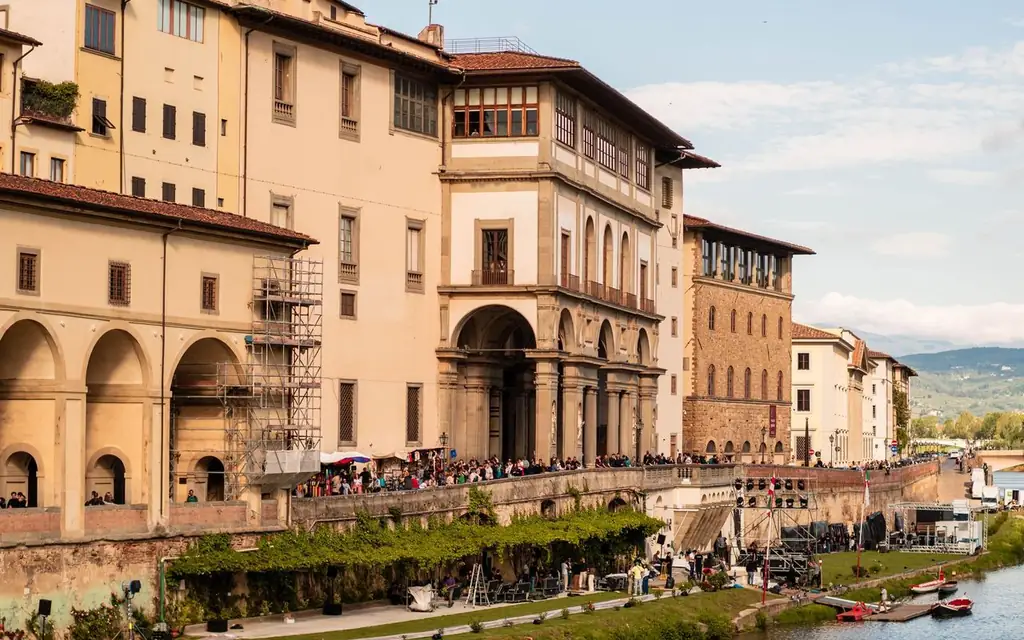
That single fact is why a Uffizi Gallery private tour with driver starts with scheduling rather than with a car. The gallery is the most important painting collection in Florence, housed in a long U-shaped Renaissance building beside the Arno, and it rewards a visitor who arrives with an entry time, a route and a clear idea of how long to stay.
Opening days and hours, as the museum publishes them
The official Uffizi site lists the following for 2026:
- Open: Tuesday to Sunday, 8:15 to 18:30.
- Ticket office closes: 17:30.
- Visitors are asked to head for the exit: at 18:30.
- Closed: Mondays, 1 January and 25 December.
Check the Uffizi's own site on the day you plan to go, because special openings and room closures are posted there. The museum rearranges rooms from time to time, so a painting you read about last year may be in a different gallery now. If a specific work is the reason for your visit, look it up on the official page before you book.
The best practical rule: choose the 8:15 opening on a Tuesday, Wednesday or Thursday, outside school holidays. Saturday and Sunday are fine for a quick look, but the corridors fill from about 10:30.
Why the Uffizi matters, in four sentences
The building was commissioned by Cosimo I de' Medici and designed by Giorgio Vasari from 1560, originally as offices for the magistrates, which is what uffizi means. Over the next two centuries the Medici family turned the upper floor into a gallery. The collection includes works by Botticelli, Leonardo, Michelangelo, Raphael and Caravaggio. Most visitors come for the Botticelli rooms, which are often the busiest of the day.
That is all the history you need to decide whether to hire a licensed guide. If you want the story told in the rooms, book one through the museum or a licensed guide association. A chauffeur drives and can suggest stops, but a chauffeur is not an art historian.
How do you get a car close to the Uffizi?
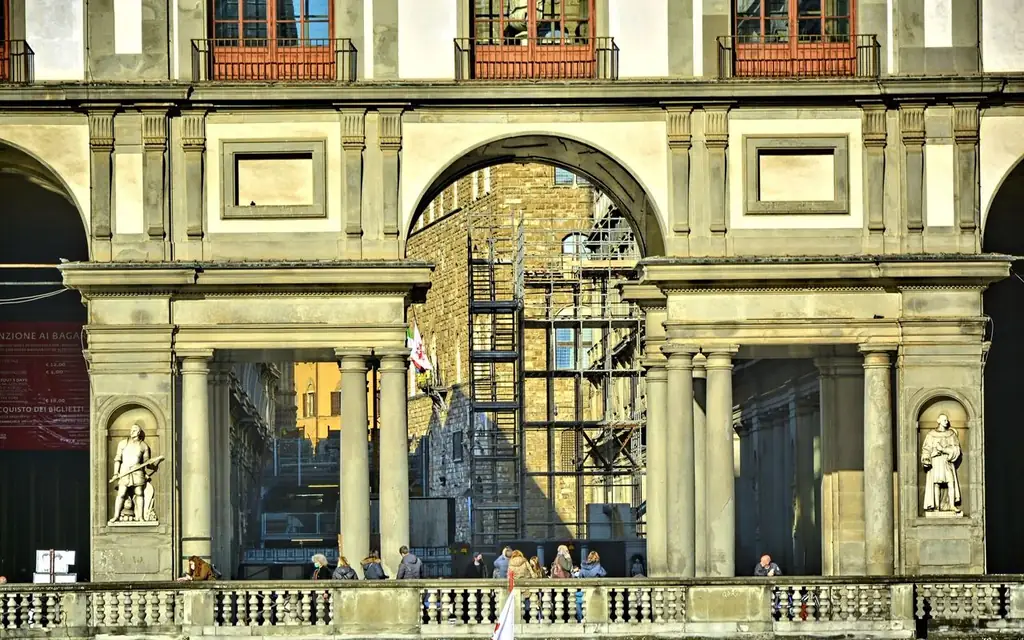
You can't drive to the entrance. The Uffizi stands in Florence's pedestrian and restricted-traffic centre, beside Piazza della Signoria. A chauffeur stops at the nearest permitted point outside the core, and you walk the last five to fifteen minutes. The exact point depends on the hour, the weekday and street closures.
The gallery's entrance is on Piazzale degli Uffizi, the courtyard that opens off Piazza della Signoria. The museum's info desk is on the left side of that courtyard. Everything around it is stone-paved and pedestrian.
The city's rules for cars are the same ones that govern the Duomo, covered in more detail in our Florence Cathedral guide: a daytime zone on weekdays and Saturday mornings, an extra summer night zone, camera enforcement, and registration through your hotel if you are staying inside. See the city's own ZTL guidance for the current text.
Tickets: day-of, advance and the Vasari Corridor
The official page distinguishes two prices for a regular full ticket, a lower one when bought on the day and a higher one when booked in advance, with the advance price including the reservation. As of 2026 it lists €25 on the day and €29 in advance. Named tickets are sold, and reduced or free admission has eligibility criteria on the museum's site.
Because the numbers can change, consider this the structure rather than the price list.
- Book in advance in April to October, on weekends and during Italian school holidays. The reserved entrance skips the longest line.
- Buy on the day only in the quietest winter weeks, and be ready to wait.
- Bring ID if your ticket is named or reduced.
- Check the notices section for the Vasari Corridor.
The Vasari Corridor, the raised passage that links the Uffizi with the Pitti Palace across the Ponte Vecchio, is visited on a separate booked visit, subject to slots, with an extra fee for those with the all-access pass. The museum's page says to check its notices for whether it is currently open. Do not assume it is available on your date.
The entrance, the cloakroom and security
Plan the first ten minutes before you arrive.

- Security check: expect a bag scan at the entrance.
- Cloakroom: umbrellas, bulky bags and backpacks must be left in the free cloakroom, just past the entrances under the eastern colonnade of the courtyard.
- Dress code: the museum's page sets none, though a gallery visit of three hours is more comfortable in flat shoes.
- Water and food: the museum has separate notices about food and drink. Check them if you travel with a child or an older relative.
If your hotel is close enough to walk, leave the car at the hotel. If it is not, the chauffeur's best contribution is an exact meeting point outside the zone and a message when you are ready to leave.
A route through the building that respects your feet
The Uffizi is laid out along two long corridors joined by a short link, with the galleries opening off them. The first floor holds the early Renaissance and the Botticelli rooms, and the order of the rooms follows the history of painting more or less in sequence. That makes it easy to build a route that stops when you do.
A simple three-stop plan for a first visit:
- The Botticelli rooms, for Primavera and The Birth of Venus. Go here first, before the tour groups form.
- The High Renaissance rooms, for Leonardo, Michelangelo and Raphael.
- The later rooms, for Caravaggio and the painters who followed him.
Rooms are closed for rehanging and restoration from time to time, so confirm the current layout on the museum's page or at the information desk. If a particular painting is the point of your trip, ask the staff at the entrance where it is hanging today.
Do not try to read every label. The visitors who enjoy the Uffizi most are those who choose eight or ten works and look at them properly, then use the café terrace for a break before heading back to the street.
Seasons, queues and the heat
July and August are the hardest months, with long outdoor queues in the courtyard and high temperatures in the upper corridors. Spring and autumn are better. In November and February the gallery is calm, and a same-day ticket becomes realistic.
- Winter: quiet, cool, and the best time for an unhurried visit. Daylight in the corridors is limited, so the building feels different.
- Spring and early autumn: pleasant, but book ahead. School groups arrive in the mornings.
- Summer: book the first slot and leave by late morning, before the day's peak.
- Italian holidays: around Easter, 25 April, 1 May, 2 June and mid-August, the city fills and the queues lengthen.
Your chauffeur can help with the part of the plan that is about timing: an early pickup so you are in the courtyard before opening, and a late pickup from a street that is open to traffic, not from the middle of the pedestrian zone.
If you cannot manage a long visit
If anyone in your party tires quickly, consider a shorter plan. Spend an hour on the early Renaissance and the Botticelli rooms, then walk across Piazza della Signoria for coffee. Return another day for the rest. A one-hour visit at opening is often a better experience than a three-hour visit at noon.
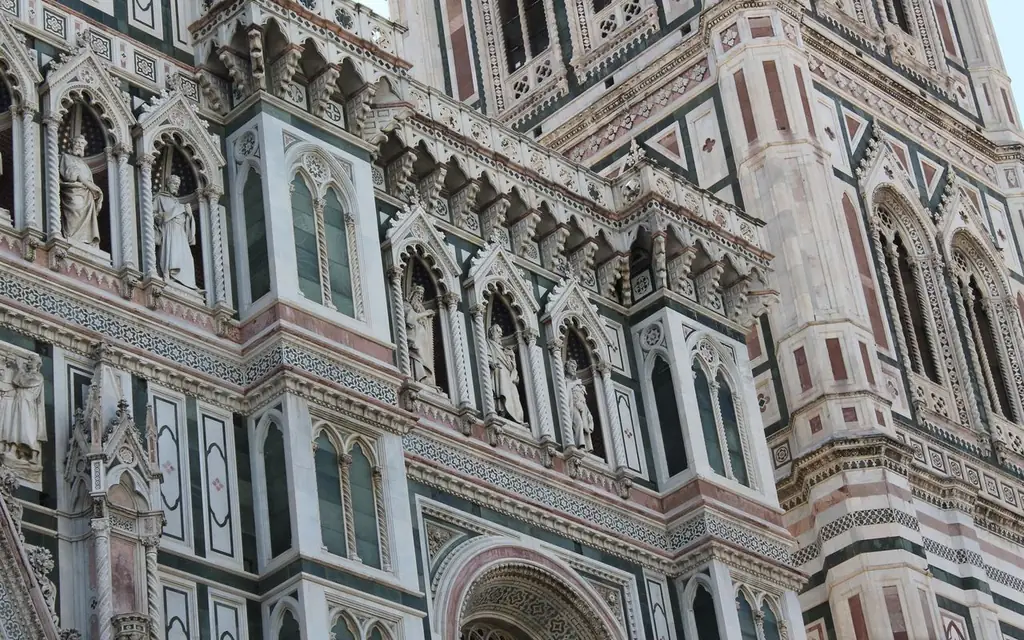
Travelers who are in Florence for only one day and have to choose might ask themselves a single question: do I want painting or architecture? If painting, the Uffizi comes first. If the skyline and the dome are the draw, spend the morning on the cathedral complex instead, and read about it in our Florence Cathedral guide. Do not try to do both in a morning.
Accessibility, as published by the museum
The Uffizi is better prepared for step-free access than most buildings of its age.
- Entrance ramp: a step-free access ramp on via della Ninna.
- Lifts: lifts serve the floors, though the museum advises reading its separate notice if you need the lift to reach the second floor.
- Toilets: toilets on all floors are equipped for visitors with disabilities.
- Wheelchair limits: the museum states limits on the size and weight of wheelchairs, so read the page if you use a heavy powered chair.
Tell us at booking if anyone in your group needs a step-free route, so the car's drop-off is as close as the rules allow. We can also arrange a child, toddler or booster seat on request.
How long should you allow?
The museum is large and tiring. Visitors who try to see everything leave less happy than those who choose a route.
- Ninety minutes to two hours: a focused route through the early Renaissance and the Botticelli rooms.
- Three to three and a half hours: the main galleries at a comfortable pace, with one break.
- Half a day: only for specialists or travelers who return to certain rooms.
Aim to leave by about 11:30 if you plan to be on the road after lunch. A tired group does not enjoy the afternoon in the countryside.
Ways to reach the Uffizi compared
| Option | Time | Cost note | Best for |
|---|---|---|---|
| Walk from Santa Maria Novella station | about 20 to 25 minutes | free | travelers with light bags and time |
| Walk from the Duomo | about 10 minutes | free | anyone already in the centre |
| City taxi | 10 to 20 minutes | metered | short trips; taxis follow the same zone rules |
| Rental car | not practical | rental plus garage fees | only if your hotel provides parking |
| Private chauffeur | 15 to 25 minutes from the airport | fixed fare via the booker | arrivals with luggage, groups, and onward trips the same day |
If you are already in the centre, walk. A car in the middle of Florence is a slow and expensive way to travel a kilometre. The chauffeur belongs at the start and end of the day, and on the road out of the city.
For airport information, the city's mobility page notes that Florence Airport lies in Peretola, about five km from the centre and linked by tram line T2.
A half-day around the Uffizi, then Tuscany
Here is a plan that treats the Uffizi as the morning and the countryside as the afternoon.
- 07:45 the chauffeur collects you at your hotel and drops you at the nearest permitted point.
- 08:15 the gallery opens; you are among the first inside.
- 11:00 leave the gallery and walk through Piazza della Signoria to your lunch stop.
- 12:30 meet your chauffeur outside the zone.
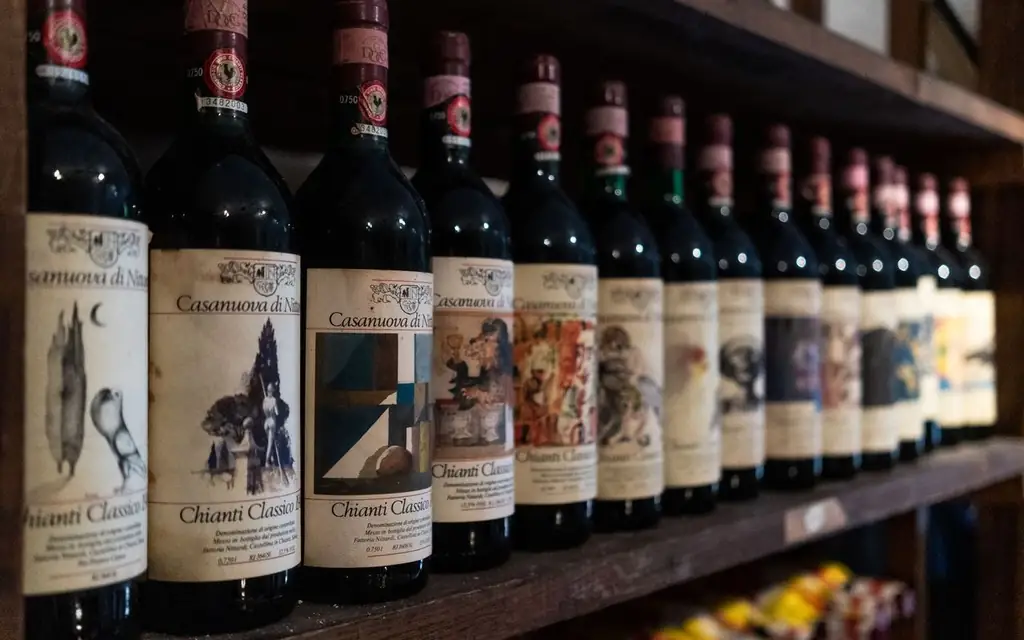
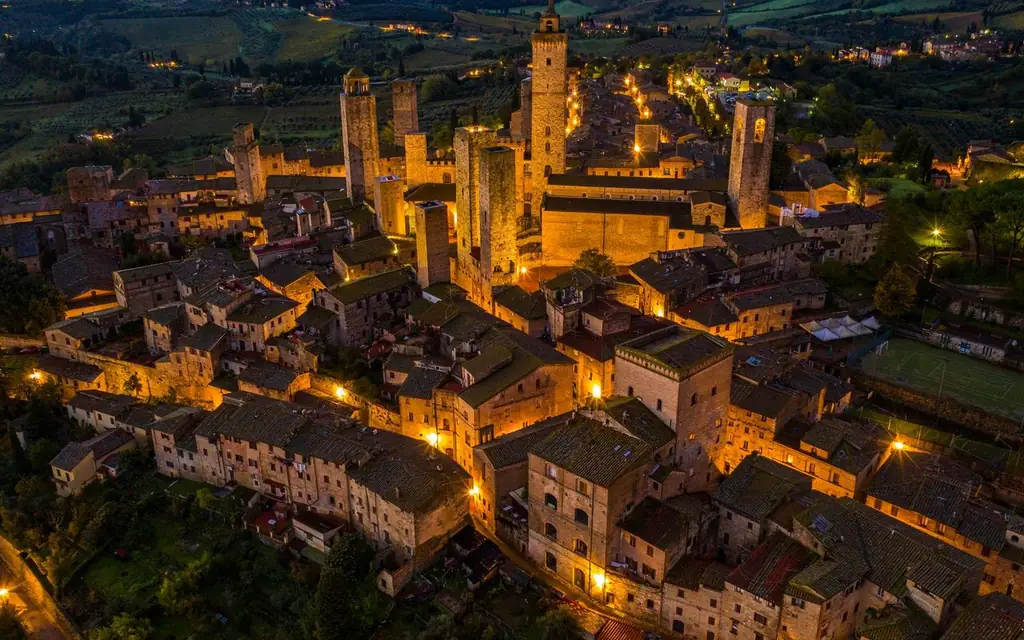
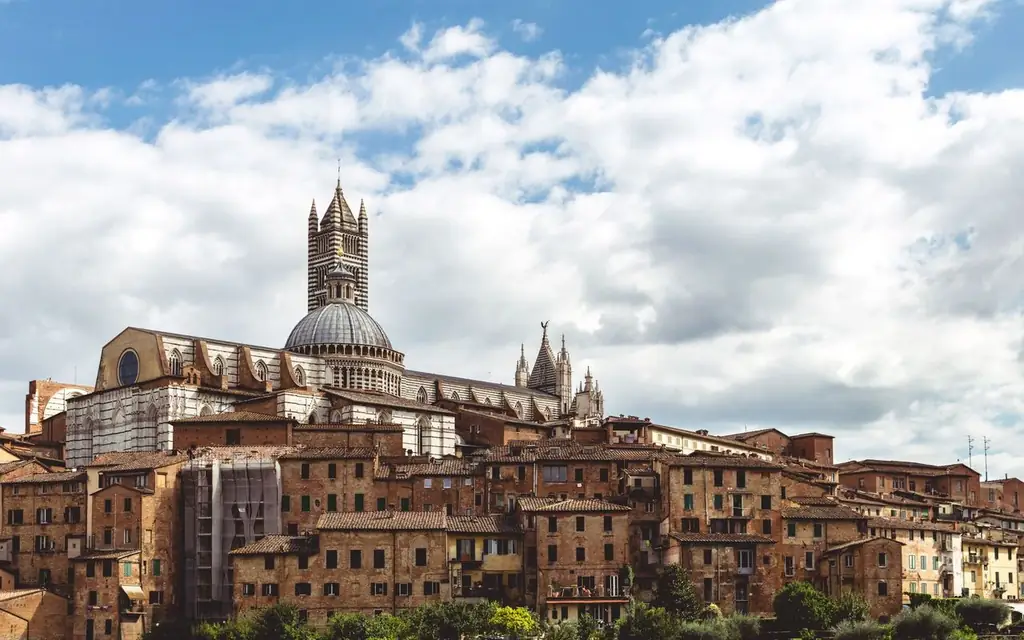
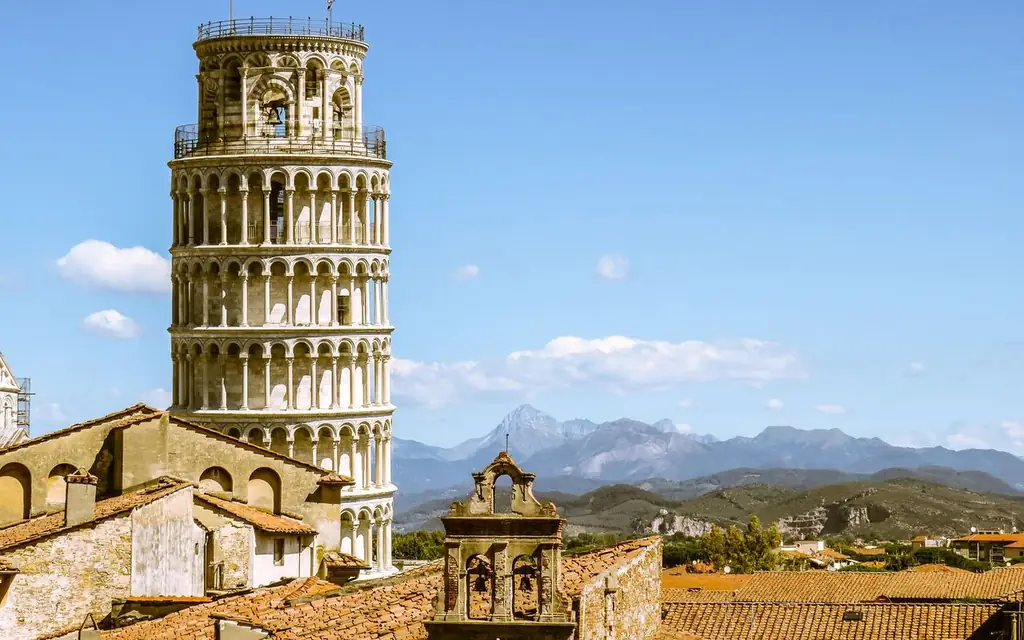
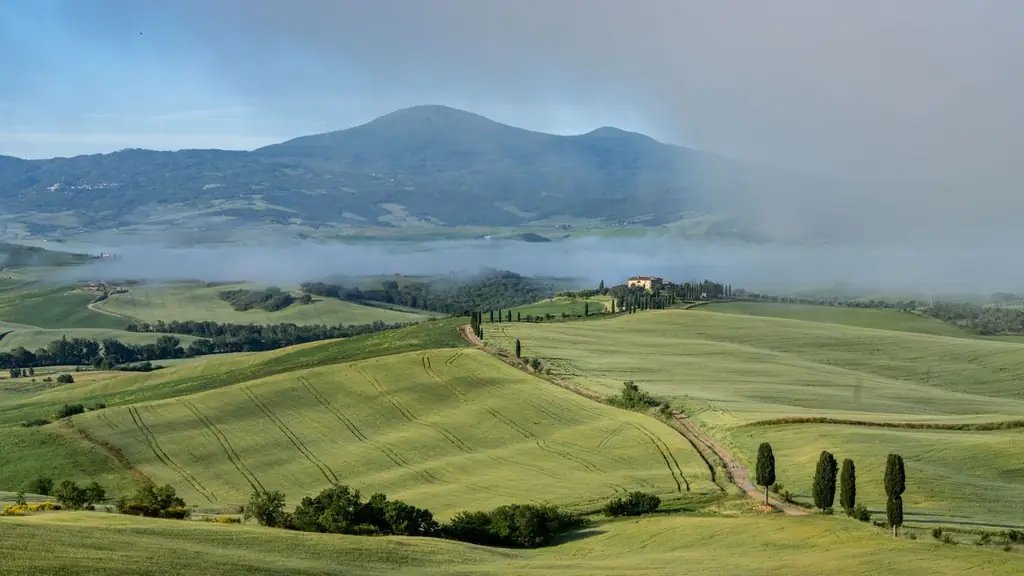
- 14:00 arrive in Siena or the Chianti wine region, both within about an hour or a little more, or in Pisa, about 85 km (53 miles) away.
If you prefer to stay in the city, combine the gallery with the Florence Cathedral the next morning. For a day with a driver on hand across several stops, read about our private tours with a driver, and for other guides across the continent, browse the Europe directory.
If you arrive from Rome, Milan or abroad
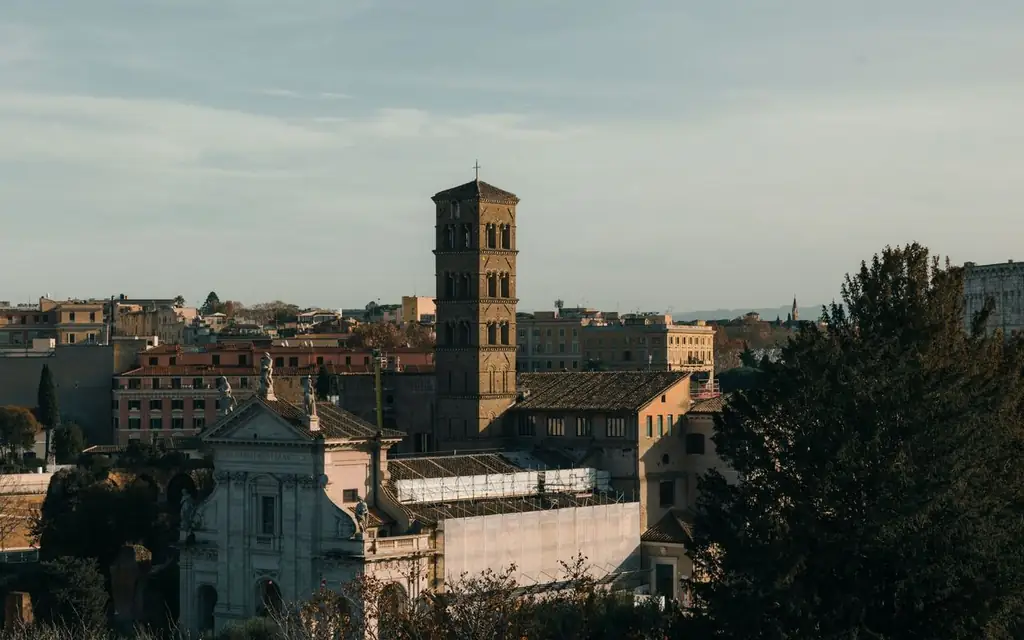
Most long-haul visitors do not land in Florence. They land in Rome, Milan or Pisa and drive on. From Rome, the road takes around three hours; the Rome chauffeur service page explains the capital end of the trip. From Milan it takes a little more; see the Milan chauffeur service page. For airport pickup details, flight tracking and waiting times, the airports hub explains how we handle them.
Frequently asked questions
Is the Uffizi open on Mondays?
No. The gallery is closed on Mondays, on 1 January and on 25 December. It is open Tuesday to Sunday from 8:15 to 18:30, with the ticket office closing at 17:30.
Can a car stop at the Uffizi entrance?
No. The entrance is on Piazzale degli Uffizi in the pedestrian centre. A chauffeur stops at the nearest permitted point and you walk the last few minutes.
Do I need to book Uffizi tickets in advance?
The museum sells day-of and advance tickets, with a slightly higher price for advance booking as of 2026. In busy months advance booking is the safer choice, because the reserved entrance avoids the longest queue.
Where do I leave a backpack at the Uffizi?
In the free cloakroom just inside, under the eastern colonnade of the courtyard. Umbrellas, bulky bags and backpacks must be left there.
Is the Uffizi wheelchair accessible?
Yes, with a step-free ramp on via della Ninna, lifts and accessible toilets on all floors. The museum publishes limits on wheelchair size and weight, so check its page before you go.
How long does the Uffizi take?
A focused visit takes about two hours and a full pass through the main galleries about three to three and a half hours. Allow more only if you are a specialist.
Is the Vasari Corridor open?
It requires a separate booked visit, subject to available slots, and the museum's page says to check its notices for the current status. Do not plan around it without confirmation.
Can I combine the Uffizi with Tuscany on one day?
Yes. Visit at opening, leave by about 11:30, and drive to Siena, Chianti or Pisa in the afternoon. A day booking with the same driver keeps the schedule simple.
Is there a booking route for tourist offices and travel agents?
Yes. Trade accounts exist for tourist offices, travel agents, destination management companies and hotel concierges who arrange transfers for clients, with monthly invoicing for corporate accounts. The tourist offices hub is the starting point.