
 United StatesJFK
 MexicoMEX
 BrazilGRU
 ArgentinaEZE
 ChileSCL
 ColombiaBOG
 PeruLIM
 PanamaPTY
 Costa RicaSJO
 Dominican RepublicPUJ
 JamaicaMBJ
 BahamasNAS
 BarbadosBGI
 United KingdomLHR
 IrelandDUB
 FranceCDG
 GermanyFRA
 NetherlandsAMS
 BelgiumBRU
 SwitzerlandZRH
 AustriaVIE
 ItalyFCO
 SpainMAD
 PortugalLIS
 GreeceATH
 TurkeyIST
 DenmarkCPH
 SwedenARN
 NorwayOSL
 FinlandHEL
 PolandWAW
 Czech RepublicPRG
 HungaryBUD
 IcelandKEF
 United Arab EmiratesDXB
 QatarDOH
 Saudi ArabiaRUH
 IsraelTLV
 EgyptCAI
 MoroccoCMN
 South AfricaJNB
 KenyaNBO
 NigeriaLOS
 IndiaDEL
 PakistanLHE
 Sri LankaCMB
 SingaporeSIN
 MalaysiaKUL
 ThailandBKK
 VietnamSGN
 PhilippinesMNL
 IndonesiaCGK
 Hong KongHKG
 ChinaPVG
 TaiwanTPE
 JapanHND
 South KoreaICN
 AustraliaSYD
 New ZealandAKL
The road is half the visit
Doi Suthep is the mountain that stands behind Chiang Mai, and Wat Phra That Doi Suthep is the temple near its top. Locals treat it as a place of pilgrimage as well as a view. The climb to it begins in the city's western suburbs and rises through forest on a road of steady bends. Visitors who arrive by car do not walk the mountain; they reach a car park below the temple and then take a staircase or a lift to the terrace.
A Doi Suthep private tour with driver is mainly about that road and the timing around it. The route is short on the map and slow in practice, particularly for passengers prone to motion sickness. Booking goes through a 24/7 desk, which places you with a vetted, licensed and commercially insured local chauffeur operator from our worldwide directory. You receive one confirmation and one invoice, and the fare is quoted before you pay.
How do you get to Doi Suthep by car?
Doi Suthep is about 15 km (9 mi) from Chiang Mai's old city and roughly 18 to 20 km (11 to 12 mi) from Chiang Mai International Airport. The drive normally takes 30 to 50 minutes, most of it on a winding mountain road, and is slower behind coaches and shared trucks.
From the old city the route heads north-west past the university and the zoo area, then climbs. The upper section is a series of bends through trees, with viewpoints and small stalls along the verge. In the early morning it is quiet and cool. At the weekend and during holidays, the road becomes a procession of vehicles and the final approach to the car park can slow to a crawl.
The airport's own site, chiangmai.airportthai.co.th, lists city buses, red shared trucks (songthaew), airport shuttle vans and car rental, and advises arriving two hours before departure. A chauffeur is a more direct option when you land with luggage and want to go straight to the mountain: flight tracking is included on every airport pickup, with 60 minutes of free waiting after an international landing and 30 minutes domestic. If you arrive via Bangkok, see our Bangkok Suvarnabhumi chauffeur service page and the Don Mueang airport site for the other end of the connection.
What the temple is
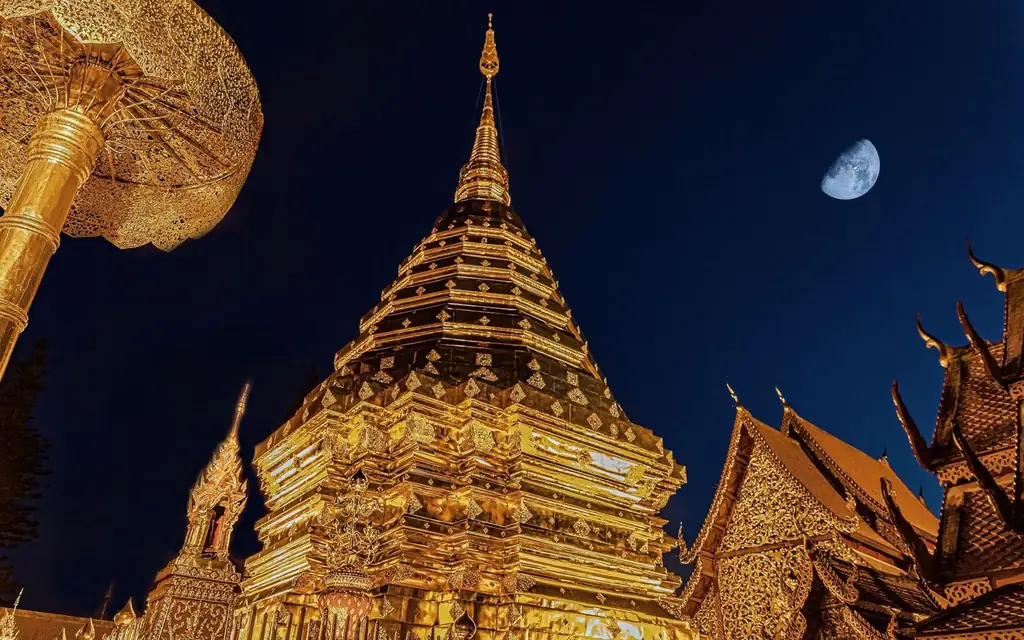
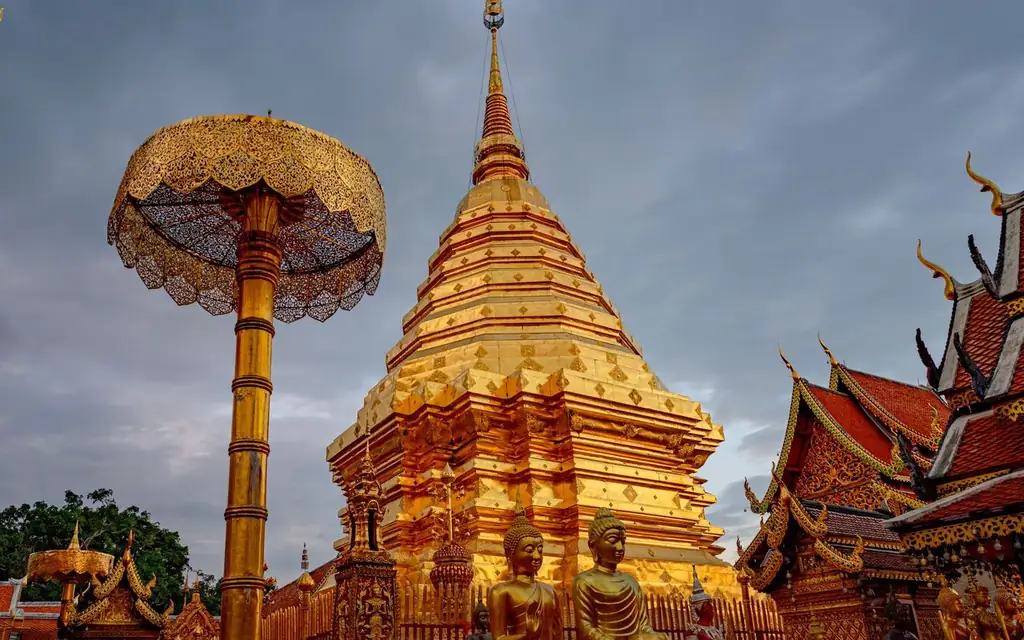
Wat Phra That Doi Suthep is a Buddhist temple whose origins are traditionally dated to the late 14th century. The legend that visitors are told runs as follows: a relic of the Buddha was placed on the back of a white elephant, which wandered up the mountain, trumpeted and lay down at the spot where the temple now stands. Whether or not you take that literally, it explains why pilgrims treat the place with such devotion.
The complex has two levels. The lower terrace has bells, shops and the staircase. The upper terrace holds the gilded chedi at the centre, surrounded by Buddha images, murals, shrines and a cloister that visitors walk clockwise. On clear days the terraces open to a view of the city and the plain below, and on hazy ones the same view is soft or absent. Monks still live and worship here, so it is a working temple rather than a museum.
The staircase, the lift and the lower car park
Two ways lead up from the lower area. The first is the naga staircase, a long flight of steps flanked by serpent balustrades, usually counted at around 300; published guides give 306 or 309, and the difference is not worth arguing over. It is shaded in places, and rewarding if you are fit and want the traditional approach. The second is a cable-lift that carries visitors to the upper level for a small fee; it is a practical choice for older travellers, small children and anyone avoiding the heat.
The chauffeur drops you at the base area, points out the staircase and the lift, and waits nearby. Parking space is limited at busy times, and the area fills with coaches, vans and shared trucks, so the car may wait at a larger lot a short distance away. Agree a pickup description before you go up. A landmark such as the bottom of the stairs is better than "the car park".
Foreign visitors pay a small admission fee at the temple's own office, and published figures differ, so I am not printing one. Pay at the official counter only.
Dress and temple manners
Cover your shoulders and knees, and do not wear see-through clothing. Rental sarongs and cover-ups are available near the entrance, but it is simpler to arrive correctly dressed, particularly because the mountain is cooler than the city and a light layer is welcome in the morning. Take off shoes where you see racks, and carry them or leave them on the racks.
Move clockwise around the main chedi, if you wish to follow local custom. Avoid pointing your feet at Buddha images and do not touch monks. Keep voices low. Photography of the grounds and view is normal, but ask before photographing worshippers at close range. If a ceremony is under way, wait at a respectful distance.
Weather, haze and the best season
The mountain changes with the seasons. The cool, dry months of roughly November to February give clear mornings and pleasant temperatures, with the best views. In the hot months leading up to the rains, smoke from burning in the region often hangs over northern Thailand, and visibility from the terrace can be poor. If the view matters to you, check local air quality reports before you fix your date, and choose a different season if possible. The rainy months turn the forest green but bring afternoon showers and slippery steps.
For the time of day, go early. The first hours are cool, the terrace is quiet and the stone is not yet hot underfoot. Late afternoon is also pleasant, with warmer light on the gilding. Midday is hot and busy.
The mountain around the temple
The temple sits inside Doi Suthep-Pui National Park, a protected area of mixed forest that covers the mountain and its neighbour, Doi Pui. For most visitors the forest is a backdrop to the road, but it explains the cooler air, the mist that sometimes clings to the upper bends in the early morning and the birdsong on the shaded stretches. Walking trails lead off from several points, and a modest waterfall near the base of the mountain is a popular short stop for local families. Conditions on trails change with the rains, so ask locally before you set off, and stay on marked paths.
Do not confuse Doi Suthep with Doi Inthanon, Thailand's highest mountain, which lies much further away to the south-west of the city and needs a separate full-day excursion. If you are weighing the two, Doi Suthep is the quicker, more culturally focused trip, and it fits comfortably into a morning. Doi Inthanon is more about nature, waterfalls and altitude.
Motion sickness and the mountain road
A road that gains a lot of height over a short distance means many bends, and a good share of passengers feel it. Some simple choices help. Sit in the front or face forward, keep the horizon in view, avoid a heavy breakfast and open a window for fresh air where the vehicle allows. Tell the desk and the driver in advance, and they can drive more gently and pause at a safe lay-by. Children who are prone to sickness may benefit from a stop part of the way up and a snack of plain biscuits and water.
Bear in mind that the descent can be as unsettling as the climb, because brakes are working hard and views of the drop open on one side. If the group is tired after the temple, plan for a calm drive back and an easy hour in the old city rather than another outing. A rested party enjoys the afternoon a good deal more.
Chiang Mai around the mountain
Chiang Mai's old city, a square of moat and remnants of wall, lies at the foot of the mountain and holds dozens of temples within walking distance of each other. Wat Chedi Luang and Wat Phra Singh are among the best known and are worth an unhurried hour each. The night markets and the Sunday walking street draw crowds, and the Nimmanhaemin area to the west is known for cafes and shops. These are easiest done on foot, so a chauffeur is most useful for the mountain, the airport and any out-of-town day rather than for the old city itself.
Ways to reach Doi Suthep, honestly compared
| Option | Typical time from Chiang Mai old city | Cost note | Best for |
|---|---|---|---|
| Red shared truck (songthaew) | 30 to 60 minutes, fills before leaving | Lowest, shared | Solo travellers, flexible schedules |
| Hotel or tour minivan | 30 to 50 minutes plus pickups | Included or low | Fixed group excursions |
| Metered taxi or app ride | 30 to 50 minutes | Negotiated or surge-priced | One-way trips |
| Rented motorbike | 30 to 45 minutes | Rental plus fuel | Experienced riders only; hairpins and traffic are demanding |
| Cycling or hiking | Hours | Free | Fit visitors who want the journey |
| Private chauffeur | 30 to 50 minutes | Fixed fare via the booker | Families, groups, motion-sensitive passengers, combined stops |
The shared red trucks are the lowest-cost and most local choice, and they run up from the city to the temple. They usually wait until they are full and may stop along the way. A private car is better when you want to leave at an exact time, to include other stops on the same mountain, or to have the car wait for the return. For anyone prone to carsickness, a smooth driver and the front seat make a real difference, and you can ask the desk for a vehicle with plenty of room.
Beyond the temple
Several stops lie on or near the mountain and fit neatly into a half day:
- Bhubing Palace. A royal winter residence a few kilometres past the temple, with ornamental gardens. It closes to visitors when members of the royal family are in residence, so check before you go.
- Doi Pui and hill-tribe villages. Small settlements higher up the mountain, with craft stalls and viewpoints. Treat visits as courtesy calls rather than sightseeing, and buy fairly.
- Wat Pha Lat. A quiet forest temple on the lower slopes, reached along a trail from the city side, popular with walkers who like to go in cool morning air.
- Viewpoints on the road. The chauffeur can stop at a safe lay-by for a photograph.
Be realistic about time: with the temple, the palace and a lunch stop, a four to five hour trip is a comfortable half day; a full day lets you add one of the old city's temples or the markets after you return.
A half-day chauffeured plan
- 7:30 am. Collect from the hotel in the old city or from the airport. Dress for the temple and bring a light layer.
- 8:15 am. Arrive at the base. Climb the stairs or take the lift. Spend about an hour at the terraces.
- 9:30 am. Continue to the palace gardens or the hilltop village, if open.
- 11:00 am. Return down the mountain and stop for a late breakfast or early lunch.
- Midday. Back in the old city, with the afternoon free for the temples inside the moat, a market or a rest.
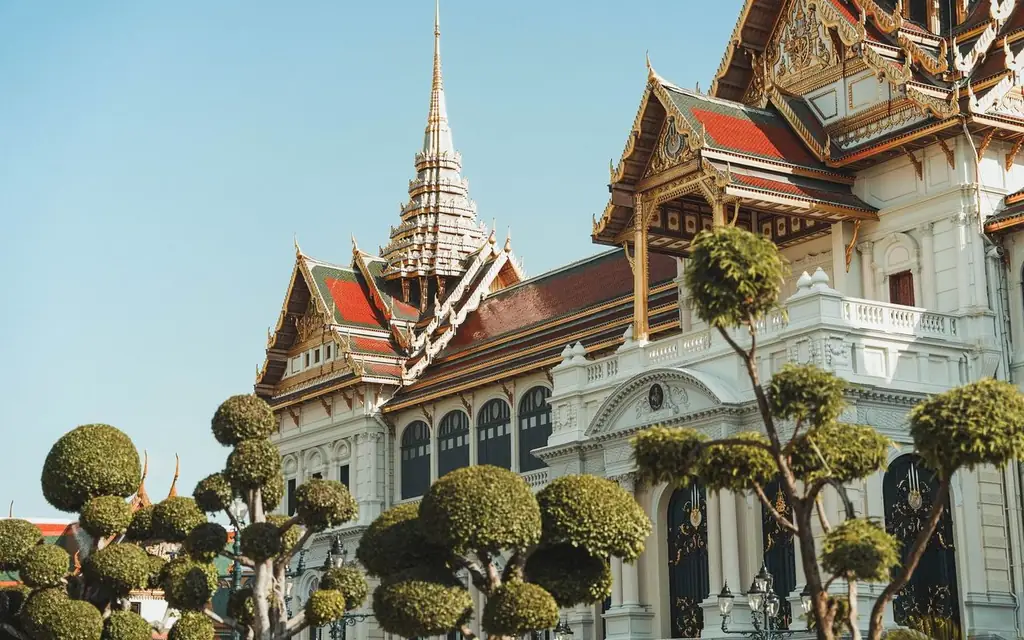
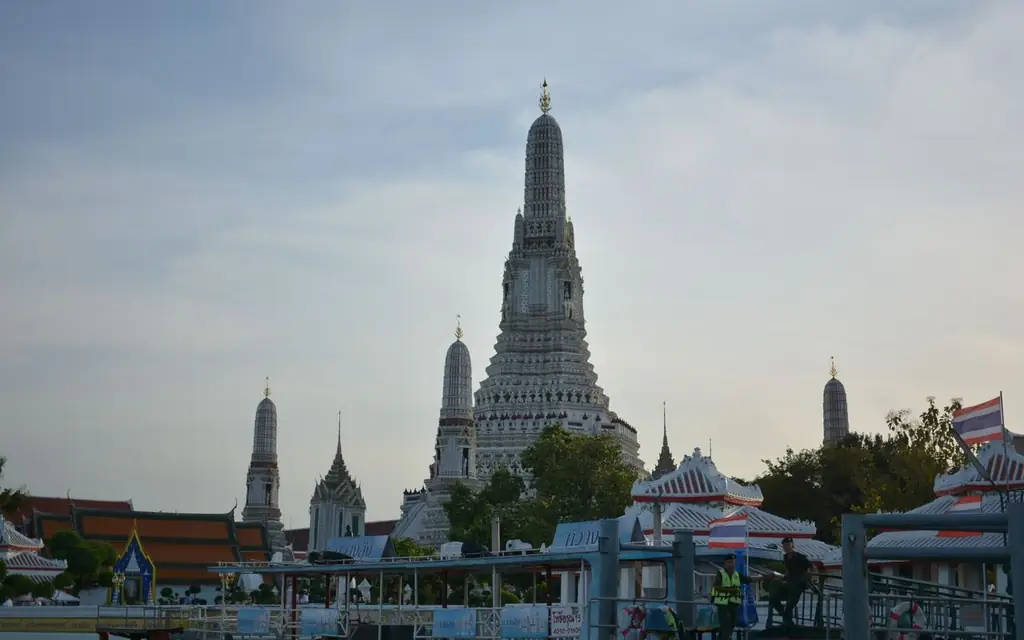
For Thailand more widely, our guides to the Grand Palace, Wat Arun and Ayutthaya Historical Park cover the capital and its old royal city, and Phang Nga Bay covers the Andaman coast. The private tours with a driver page explains hourly and day hire, and the attractions hub, airports hub and Asia-Pacific directory cover the rest of the region.
Families, accessibility and practical points
The staircase is long and the temple terraces involve steps and uneven stone, so the lift is the better option for visitors who find steps difficult. Even then, some stairs remain on the upper level. Ask the desk to plan the day if anyone has limited mobility.
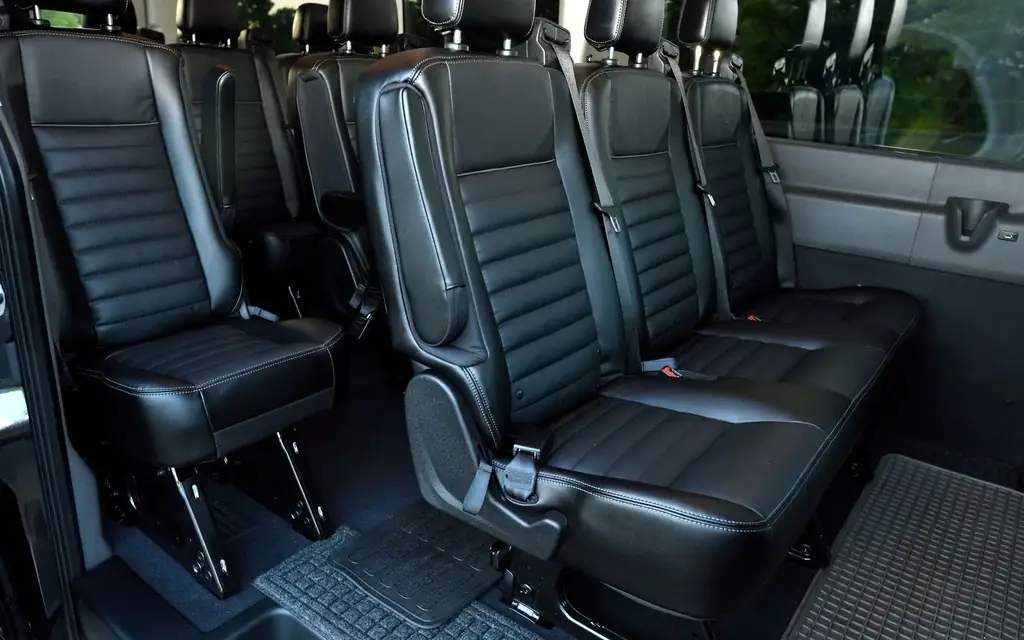
Child, toddler and booster seats are on offer at booking. A Luxury SUV seats up to six with five to six large bags, and a Sprinter seats 12 to 14. Vehicles in northern Thailand are Mercedes-Benz E-Class, S-Class or V-Class or similar, and you receive the exact model with your confirmation. If anyone in the group is sensitive to mountain bends, say so when you book, and plan a stop part of the way up. Bring water, a layer and sun protection, and carry small notes for the entrance, the lift and any donations.
Pages from the Tourism Authority of Thailand cover Chiang Mai and the north. Tourism boards, tourist offices, convention and visitor bureaus and visitor centres can use a trade account to book chauffeur services for their visitors with LimousineWorldwideDirectory.com.
Frequently asked questions
How far is Doi Suthep from Chiang Mai?
About 15 km (9 mi) from the old city, and roughly 18 to 20 km (11 to 12 mi) from the airport. Allow 30 to 50 minutes by car.
How many steps are there at Doi Suthep?
The naga staircase is usually counted at around 300 steps; guides quote 306 or 309. A lift is available as an alternative.
What should I wear to Doi Suthep?
Cover your shoulders and knees, avoid see-through clothing and take shoes off where indicated. Rental cover-ups are sold near the entrance.
What is the best time to visit Doi Suthep?
Early morning in the cool months, roughly November to February, for clear views and fewer crowds. Avoid the smoky hot season if the view matters.
Can a car drive all the way to the temple?
It can reach the base area below the terrace. From there you climb the staircase or take the lift. Space is limited at busy times.
Is a private driver worth it for Doi Suthep?
Yes for families, groups, motion-sensitive passengers and combined stops. The shared red trucks are the lowest-cost option if you are travelling solo and are flexible.
Can I visit Bhubing Palace on the same trip?
Usually, as it lies a few kilometres past the temple. It closes when members of the royal family are in residence, so check before you go.
How long should I allow?
About an hour at the temple and four to five hours for a half-day trip including the palace gardens and a meal.